

 English
 русский
 عربى
 Español

Hose Connector Solutions for Reliable Fluid Transfer and Valve Systems
Content
- 1 Understanding the Role of a Hose Connector
- 2 Product Overview
- 3 Key Advantages of a Well-Engineered Hose Connector
- 4 Advantages Compared with Basic or Inconsistent Alternatives
- 5 Manufacturing Strengths and Production Capability
- 6 Material and Design Considerations
- 7 Applications Across Fluid-Control Systems
- 8 Quality Control from Raw Material to Finished Product
- 9 Customization and OEM Support
- 10 Installation Best Practices
- 11 Maintenance and Service Life
- 12 Why Manufacturing Scale Matters to Buyers
- 13 Purchasing Checklist for Hose Connectors
- 14 Commitment to Fluid-Control Development
- 15 Frequently Asked Questions
- 15.1 What is the main purpose of a hose connector?
- 15.2 Can one hose connector be used for every fluid?
- 15.3 How do I select the correct connector size?
- 15.4 Why are thread standards important?
- 15.5 What materials can be used for hose connectors?
- 15.6 What makes a precision-machined connector different from a basic fitting?
- 15.7 Can hose connectors be customized?
- 15.8 How does automated assembly benefit production?
- 15.9 What types of testing may be performed?
- 15.10 How should a threaded hose connector be installed?
- 15.11 Can the connector support a heavy or unsupported hose?
- 15.12 Why should I work with a manufacturer that also produces valves?
- 15.13 What information should be included in an inquiry?
- 16 Conclusion
- 17 References
- 18 Product: Hose Connector
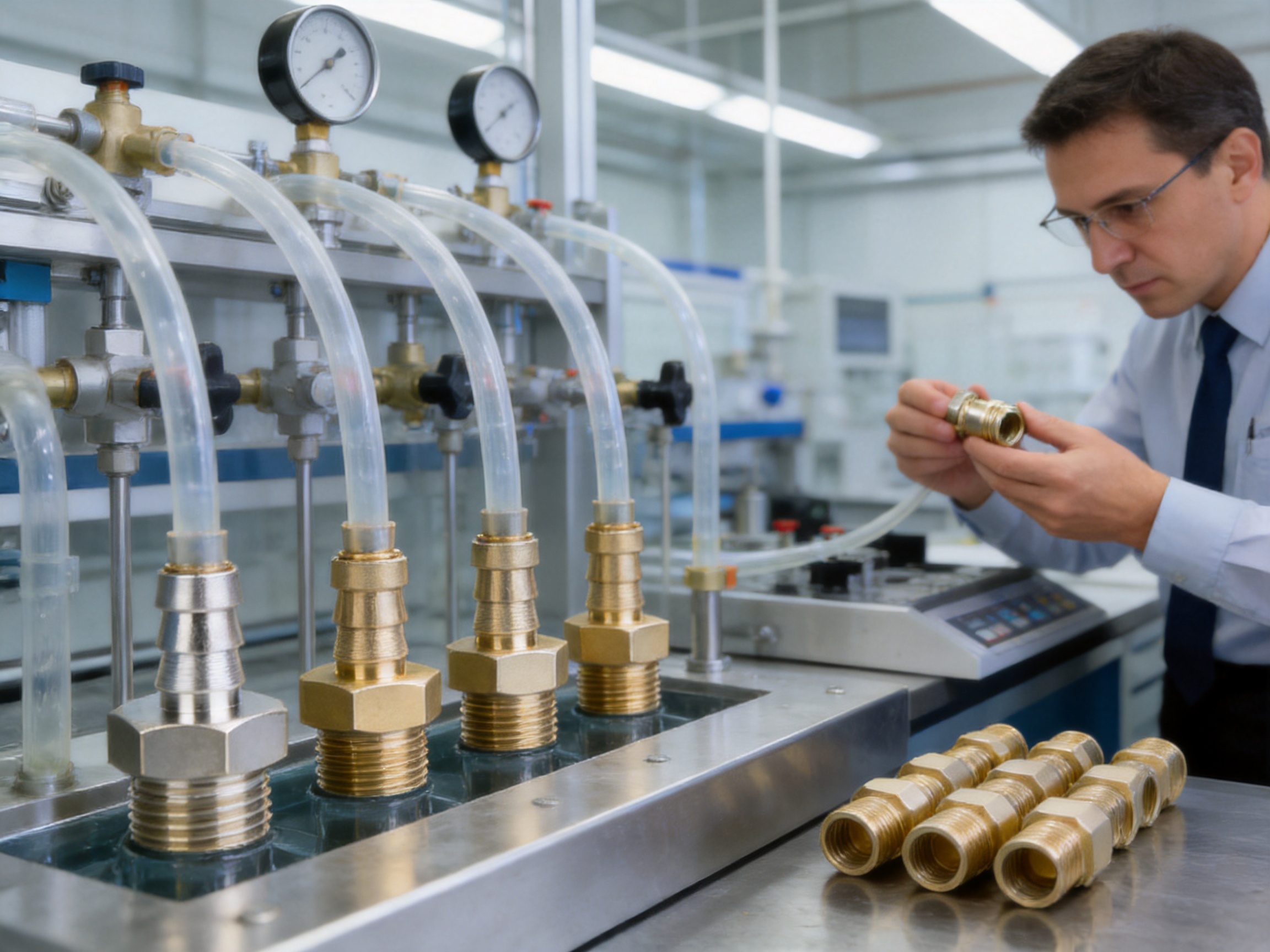
A hose connector is a small but essential component in many fluid-handling systems. It creates a practical connection between a flexible hose and another hose, pipe, valve, fitting, appliance, or equipment inlet. Although its size is modest, its performance can influence the safety, efficiency, service life, and convenience of an entire fluid-control assembly. A well-designed hose connector must provide a secure fit, maintain sealing performance, resist corrosion, tolerate pressure and temperature changes, and support fast installation and maintenance.
Modern users expect more from hose connectors than a basic connection. They require consistent dimensions, clean threads, dependable sealing surfaces, smooth internal passages, and materials suitable for the intended medium. Contractors also value products that reduce installation time and minimize the risk of leakage caused by poor alignment, damaged threads, or inconsistent machining. For distributors and equipment manufacturers, stable production capacity, flexible customization, and reliable quality control are equally important.
Ningbo Yunhua Valve Co., Ltd. develops and manufactures valves and hardware accessories for gas, water, and other fluid-control applications. Its hose connector product is supported by a manufacturing system that includes precision machining, automated assembly, and testing operations. The company combines engineering development, production, inspection, and service capabilities to provide hose connection components for a wide range of industrial, commercial, and household applications.
Understanding the Role of a Hose Connector
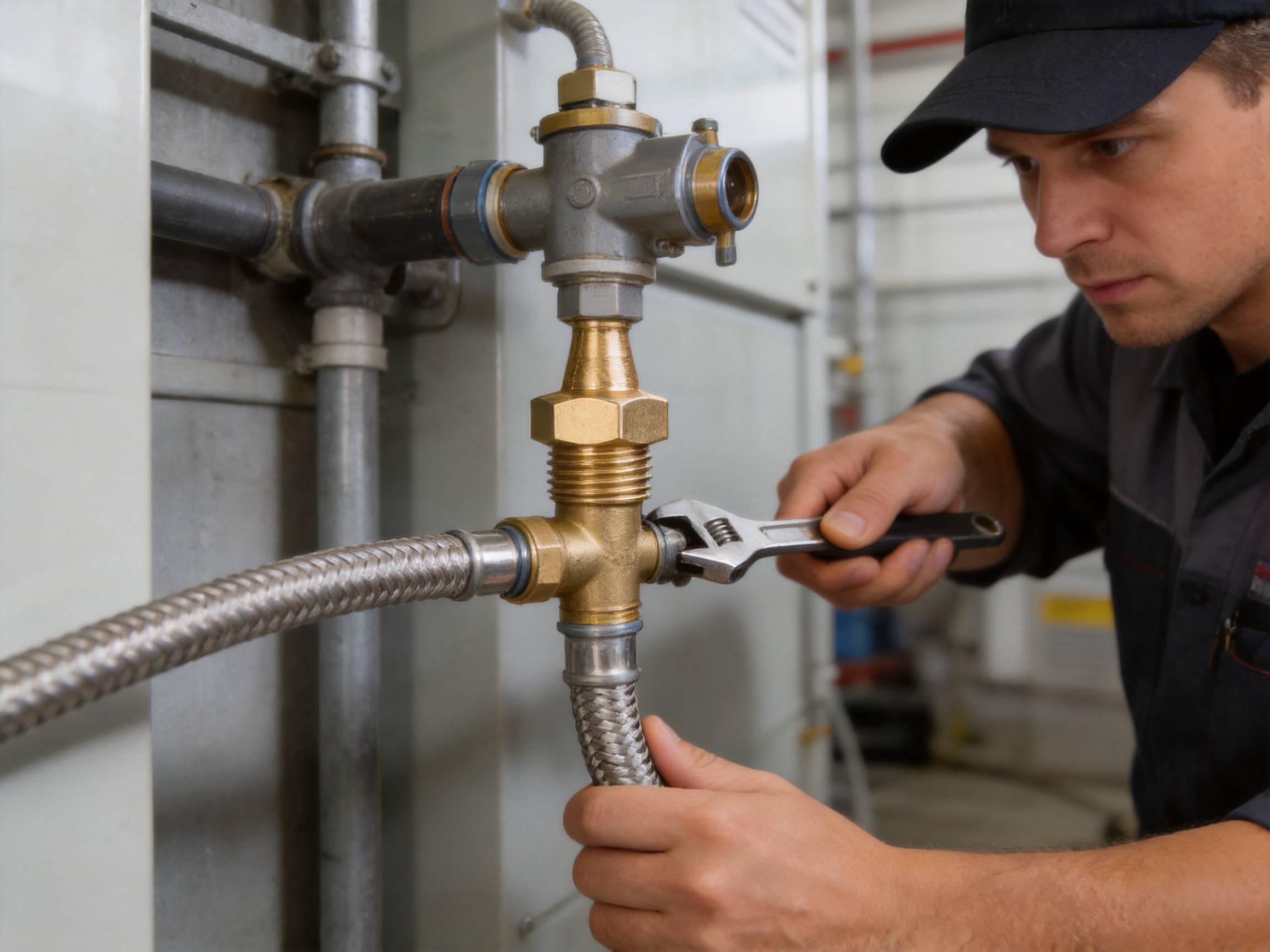
A hose connector serves as the interface between a flexible hose and a fixed or movable fluid component. Depending on the system design, it may connect a hose to a valve, tap, pipe, pump, pressure regulator, filter, cylinder, appliance, or another hose. Its function is not limited to holding two components together. It must also preserve the flow path and create a sealed transition between different connection types.
Flexible hoses are convenient because they can absorb movement, accommodate installation tolerances, and simplify routing around equipment. However, the flexible nature of a hose makes the connection point especially important. If the fitting is poorly designed, the hose may pull away under pressure, twist during installation, or experience excessive stress at the end. A suitable connector distributes mechanical loads, supports the hose, and helps prevent leakage at the joint.
In water systems, hose connectors are commonly used for supply lines, irrigation equipment, cleaning devices, pumps, water treatment units, and household appliances. In gas-related systems, the connection must be selected with particular attention to material compatibility, thread accuracy, sealing practices, and applicable safety requirements. In industrial fluid systems, the connector may be exposed to vibration, temperature cycling, pressure pulses, chemicals, or repeated maintenance.
The correct product therefore depends on more than nominal size. The user should consider the hose’s inner and outer diameter, the mating thread standard, the working pressure, the operating temperature, the conveyed medium, installation conditions, and the expected service life. A connector that performs well in a low-pressure water application may not be suitable for gas or chemically aggressive media.
Product Overview
The Hose Connector offered by Ningbo Yunhua Valve Co., Ltd. is positioned as a hardware accessory for practical fluid-transfer and valve connection applications. Its design can be incorporated into systems where a hose must be joined to a threaded or compatible interface. The product category supports the company’s broader range of gas and fluid valves, water supply valves, and related accessories.
A useful hose connector should combine a stable connection structure with efficient installation. The mating surfaces should be accurately formed so that the connector can be installed without excessive force or misalignment. Threads, when included in the design, should be clean and uniform. Hose-contacting areas should be shaped to reduce the risk of slippage, while sealing features should support dependable performance when the joint is correctly assembled.
Because hose connectors are used in different systems, product configuration may vary according to application. Relevant variables may include connection size, thread type, body material, hose interface, sealing method, surface treatment, and packaging requirements. Custom production and project-based coordination allow a connector to be adapted for equipment manufacturers, distributors, engineering contractors, and other professional buyers.
The product is suitable for users who need a compact and practical solution for joining hoses with valves or other fluid-control components. It can also support assemblies where space is limited, installation access is restricted, or frequent replacement and maintenance are expected.
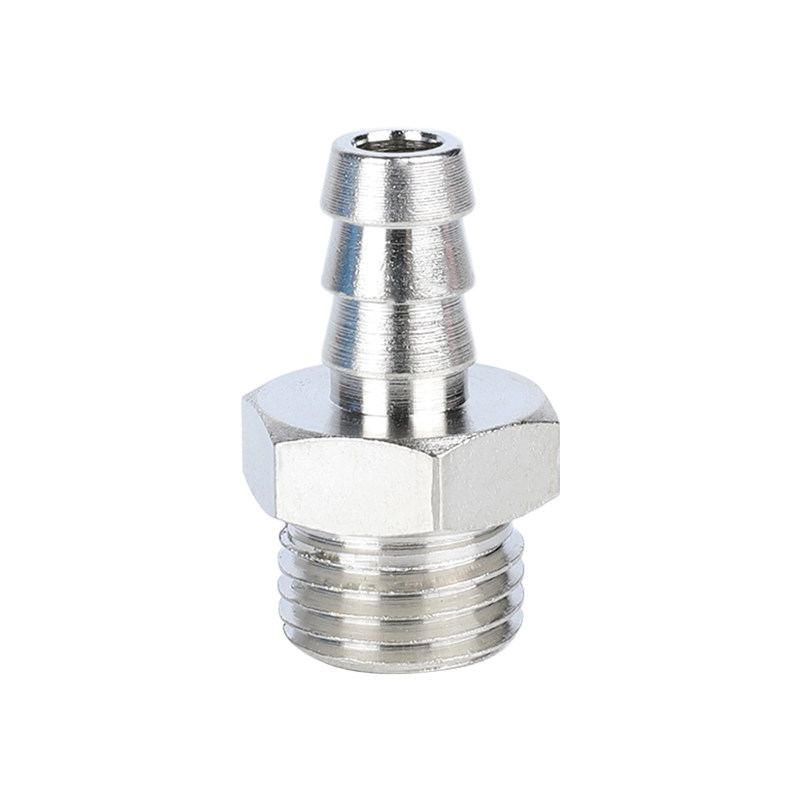
Hose Connector
Key Advantages of a Well-Engineered Hose Connector
Secure Mechanical Connection
The first advantage of a quality hose connector is its ability to maintain a secure mechanical connection. A hose may be exposed to pulling forces, bending, vibration, and movement during operation. The connector must therefore provide sufficient engagement with the hose and the mating component. A properly designed connection reduces the likelihood of accidental separation and helps maintain system stability.
Connector geometry plays an important role in this performance. The hose insertion area should provide appropriate support without cutting into or excessively deforming the hose. If a threaded interface is used, the threads should engage smoothly and provide adequate contact. Correct dimensional control helps ensure that the fitting works consistently across production batches.
Reliable Sealing Performance
Leakage is one of the most common concerns in any fluid connection. It can lead to wasted water, reduced pressure, equipment damage, contamination, or safety hazards. A hose connector must therefore work with the selected seal, gasket, washer, or thread-sealing method to create a stable joint.
Reliable sealing depends on several factors, including surface finish, thread accuracy, contact pressure, material compatibility, and installation technique. A connector with properly machined sealing surfaces can reduce irregular gaps and help the sealing element perform as intended. Consistent production is particularly important because even small dimensional variations can affect the final joint.
Corrosion Resistance
Water, moisture, condensation, cleaning chemicals, and outdoor exposure can all contribute to corrosion. The choice of connector material and surface treatment should reflect the operating environment. Brass and other suitable engineering materials are commonly considered for fluid fittings because they offer a combination of strength, machinability, and corrosion resistance in many applications.
Material selection should always be based on the actual medium and environment. For example, potable water, treated water, natural gas, compressed air, and industrial fluids may involve different requirements. Buyers should confirm material compatibility and applicable regulations before selecting a connector for a specialized service.
Efficient Installation
Installation time affects labor cost and project productivity. A connector that is easy to position, tighten, inspect, and replace can provide an important practical advantage. Clean threads, accessible flats for a wrench, clear dimensional specifications, and consistent form all contribute to efficient assembly.
For large-scale installation projects, even a small improvement in fitting time can produce meaningful savings. Distributors and contractors also benefit when installation problems are reduced, because fewer defective or incompatible components need to be returned or replaced.
Adaptability to Different Systems
Hose connectors are used in systems with different hose sizes, connection standards, and operating requirements. A product family with multiple configurations can help users simplify sourcing and standardize maintenance. It can also support equipment manufacturers that require specific dimensions or connection arrangements.
Adaptability may involve different thread standards, connection directions, hose interfaces, body dimensions, or packaging options. When supported by a capable manufacturer, such flexibility allows the product to be integrated into new systems without requiring unnecessary redesign of the surrounding equipment.
Advantages Compared with Basic or Inconsistent Alternatives
Low-cost connectors are available in many markets, but purchase price alone does not determine total value. An inexpensive fitting may create additional costs if its dimensions are inconsistent, its threads are rough, its sealing surface is uneven, or its material is unsuitable for the application. These problems can cause installation delays, leakage, premature replacement, or damage to connected equipment.
Compared with basic alternatives, a precision-manufactured hose connector offers a more controlled connection experience. Dimensional consistency helps the component fit the mating parts as intended. More consistent surfaces support better sealing. Stable material quality helps the connector perform predictably under normal operating conditions. These factors are especially valuable for professional users who need repeatable results across many installations.
Another important advantage is production traceability and process control. When a connector is manufactured through organized machining, assembly, and inspection procedures, quality issues can be identified earlier. A structured process is more dependable than relying solely on final visual inspection or informal manual adjustment.
Professional buyers may also benefit from technical communication and customization support. A supplier that understands valve systems and fluid-control accessories can provide more relevant assistance than a general hardware source. It can help evaluate connection requirements, coordinate samples, confirm dimensions, and organize production according to a project’s needs.
The most suitable connector is not necessarily the most complex product. It is the product that provides the right combination of connection security, sealing performance, material suitability, installation convenience, and lifecycle value. A focused design supported by disciplined manufacturing can outperform an inconsistent alternative even when both products appear similar externally.
Manufacturing Strengths and Production Capability
Ningbo Yunhua Valve Co., Ltd. has developed its business around the research, development, production, sales, and service of gas and fluid valves, water supply valves, and hardware accessories. This product focus gives the company practical experience with the requirements of fluid-control components, including connection integrity, machining accuracy, assembly consistency, and functional testing.
The company occupies an area of approximately 20,000 square meters and has established a professional precision machining workshop, assembly line, and testing workshop. Its facilities include domestic and international CNC machine tools, automated assembly equipment, and professional testing equipment. This manufacturing structure supports a systematic approach from raw material processing through finished-product inspection.
Precision machining is particularly important for hose connectors because the fitting must maintain the required relationship between its internal passages, external surfaces, threads, sealing areas, and hose interface. CNC equipment can provide repeatable machining conditions when correctly programmed and maintained. It also allows production teams to manage complex profiles and dimensional requirements more consistently than less controlled methods.
Automated assembly can improve repeatability in operations that involve seals, washers, inserts, or other components. Automation helps reduce variation caused by manual handling and supports stable production rates. It also makes it easier to establish defined work procedures, inspection points, and production records.
A dedicated testing workshop provides an additional layer of assurance. Depending on the product configuration and customer requirements, testing may include visual inspection, dimensional verification, thread checking, sealing tests, pressure testing, assembly evaluation, or functional checks. The exact inspection program should reflect the product design and intended application.
The company reports an annual production capacity of approximately 2 million valve sets and 10 million hardware accessory sets. This capacity indicates that the manufacturer is equipped to support both regular orders and larger-volume supply programs. Production scale can help improve material planning, process specialization, equipment utilization, and delivery coordination.
| Performance Area | Manufacturing Support | Customer Benefit |
|---|---|---|
| Dimensional consistency | CNC machining and controlled production procedures | More predictable fit with hoses, valves, and mating components |
| Connection integrity | Thread, sealing-surface, and interface inspection | Lower risk of installation problems and leakage |
| Assembly repeatability | Professional assembly line and automated equipment | Stable product quality across production batches |
| Functional verification | Dedicated testing workshop and inspection equipment | Greater confidence before products are shipped |
| Large-volume supply | Established production capacity for valves and accessories | Better support for distributors and equipment manufacturers |
| Product development | Research, development, and technical coordination | More practical support for customized requirements |
Material and Design Considerations
The appropriate material for a hose connector depends on the conveyed fluid, pressure, temperature, environmental exposure, and applicable standards. Brass is widely used in many valve and fitting applications because it can be machined accurately and offers useful mechanical properties. It may be suitable for numerous water, air, and gas-related assemblies when the grade and application requirements are properly matched.
Other materials may be considered where special chemical resistance, weight reduction, high-temperature performance, or regulatory compliance is required. The final material should be confirmed through technical evaluation rather than selected solely on appearance or price.
Surface finish is another important consideration. A smooth, clean surface can support sealing and reduce contamination at the connection. External surface treatment may also improve appearance and resistance to environmental exposure. However, surface treatment should not replace correct material selection or proper maintenance.
The internal passage should be designed to support suitable flow without creating unnecessary restrictions. A poorly proportioned connector can create turbulence or pressure loss, particularly in systems requiring efficient flow. Although a hose connector is usually compact, its bore and transition geometry can influence overall system performance.
External features should support safe handling and installation. Wrench flats, suitable edge treatment, and a practical body profile make the fitting easier to tighten without damaging the component. At the same time, the design should avoid unnecessary sharp edges or projections that could interfere with nearby equipment or create handling problems.
Thread selection must be treated as a technical requirement. Different markets and equipment manufacturers use different thread standards, and similar-looking threads may not be interchangeable. Buyers should specify the thread type, nominal size, gender, and sealing method. If there is any uncertainty, drawings, samples, or thread gauges should be used to confirm compatibility before production.
Applications Across Fluid-Control Systems
Water Supply Equipment
Hose connectors are used in water supply assemblies where flexible lines need to be connected to valves, taps, pumps, filters, or appliances. They may support domestic water systems, commercial equipment, water treatment devices, and maintenance installations. In these applications, resistance to moisture, clean assembly, and stable sealing are important considerations.
Irrigation and Gardening
Irrigation equipment often requires flexible connections because hoses must be moved, repositioned, or routed around plants and structures. A suitable connector can simplify the connection between a hose and a valve or distribution point. Outdoor applications may expose the fitting to rain, soil, sunlight, temperature changes, and repeated handling, so environmental suitability should be reviewed carefully.
Gas and Fuel-Related Assemblies
Gas applications require particularly careful product selection and installation. The connector must be appropriate for the specific gas, operating pressure, temperature, and regulatory environment. Thread form, sealing method, material compatibility, and inspection procedures are all essential. The product should only be used in gas systems when its specification and approvals meet the relevant requirements.
Industrial Equipment
Industrial machines often include hoses for cooling, lubrication, pneumatic control, cleaning, or process fluids. Hose connectors can assist with equipment assembly and maintenance, especially where hoses need to be removed periodically. In industrial environments, the connector may need to withstand vibration, oil exposure, pressure pulses, or frequent connection cycles.
Household and Commercial Appliances
Dishwashers, washing machines, water dispensers, filtration units, boilers, and other appliances may use hose connections as part of their supply or drainage systems. A compact, reliable connector supports easier production assembly and field servicing. Manufacturers can also benefit from a supplier capable of providing consistent parts in the required packaging and volume.
Quality Control from Raw Material to Finished Product
Quality control begins before machining. Material specifications, supplier consistency, and incoming inspection influence the performance of the finished connector. A disciplined manufacturer establishes procedures for receiving, identifying, and verifying incoming materials. This helps reduce the risk of using an incorrect alloy, an out-of-specification component, or material with unsuitable properties.
During machining, process control helps maintain dimensions and surface quality. CNC programs, tooling condition, fixture accuracy, and machine calibration all contribute to consistency. Regular in-process checks can identify tool wear or dimensional drift before a large quantity of parts is affected.
Thread inspection is essential for threaded hose connectors. Gauges and visual checks can help verify the form, engagement, and cleanliness of the threads. Sealing surfaces should also be examined for scratches, burrs, dents, or other defects that could affect assembly.
After machining, components may move through cleaning, deburring, surface treatment, component assembly, and final inspection. Removing chips and burrs is important because residual particles can damage seals, obstruct flow, or interfere with thread engagement. Assembly procedures should define the correct placement and orientation of washers, seals, or inserts where applicable.
Final inspection can include appearance checks, dimension sampling, connection verification, and functional testing. For products intended for pressure service, suitable pressure or leakage tests can provide additional confidence. Testing requirements should be established according to the product design, customer specification, and intended market.
Quality is not only a final inspection activity. It is the result of coordinated control throughout the manufacturing process. The combination of precision machinery, trained personnel, documented procedures, automated assembly, and testing equipment creates a stronger foundation for dependable hose connector production.
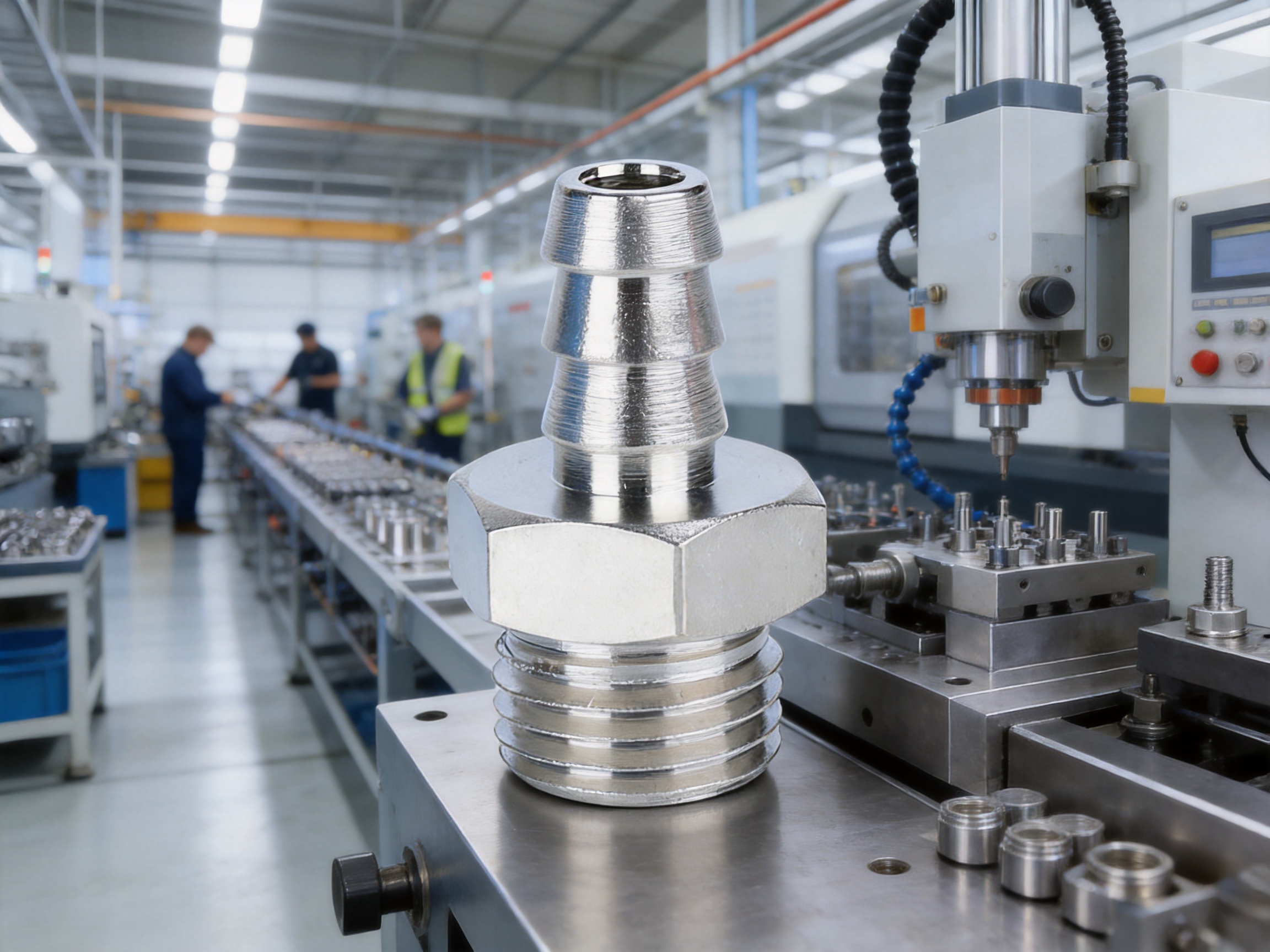
Customization and OEM Support
Standard hose connectors meet many common requirements, but some projects need customized dimensions or configurations. Equipment manufacturers may require a particular thread, hose barb profile, body length, material grade, logo marking, packaging format, or assembly arrangement. Distributors may need private-label packaging or product combinations designed for a specific market.
Customization is most efficient when technical information is provided early. Useful information includes drawings, samples, hose dimensions, connection standards, operating medium, pressure range, temperature range, annual quantity, packaging requirements, and applicable certifications. These details allow the manufacturer to evaluate feasibility and avoid misunderstandings during development.
A capable supplier can assist with design review by identifying potential issues such as inadequate sealing space, excessive wall reduction, difficult machining access, incompatible threads, or insufficient hose retention. Early review can reduce tooling changes and shorten the path from prototype to mass production.
Sampling is an important stage in custom development. A sample allows the buyer to evaluate fit, assembly effort, sealing behavior, appearance, and compatibility with the complete system. When the sample is approved, production can proceed according to the agreed technical documentation and quality requirements.
OEM cooperation also depends on communication beyond the physical product. Accurate quotations, realistic lead times, packaging coordination, production updates, and after-sales support all contribute to a successful supply relationship. Ningbo Yunhua Valve Co., Ltd. combines manufacturing, sales, and service functions to support this type of cooperation.
Installation Best Practices
Before installation, confirm that the hose connector matches the hose, the mating component, and the service medium. Check the nominal size, thread standard, sealing arrangement, and material suitability. Inspect the component for visible damage, contamination, burrs, or deformed threads.
The hose should be cut squarely and should not be cracked, hardened, excessively stretched, or damaged near the connection area. If the design uses a barb, clamp, ferrule, or compression element, follow the correct assembly procedure. The hose should be inserted to the required depth and secured with the specified method.
Threaded connections should be started by hand to prevent cross-threading. Tools should be applied only to the designated wrench surfaces. Excessive tightening can damage threads, deform seals, or create stress in the connector and connected equipment. Insufficient tightening can result in leakage or loosening during operation.
Use only a compatible sealing material and apply it according to the connection design. Some joints seal through a gasket or washer, while others rely on a thread sealant or a specially formed sealing surface. Applying the wrong sealant, using too much material, or placing sealant where it can enter the fluid passage may cause problems.
After installation, inspect the joint and conduct a suitable leak test before putting the system into normal service. The test method should be appropriate for the medium and operating conditions. Any leakage, unusual movement, or pressure loss should be investigated immediately rather than corrected by indiscriminate tightening.
Hoses should be routed without sharp bends, twisting, or unnecessary tension. The connector should not be used as a support for the weight of a long hose or adjacent equipment unless the design specifically permits it. Proper routing reduces mechanical stress and helps extend the service life of both the connector and the hose.
Maintenance and Service Life
Routine inspection helps identify problems before they become system failures. Maintenance personnel should look for signs of leakage, corrosion, discoloration, cracking, hose movement, thread damage, or deformation. The frequency of inspection depends on the application, operating conditions, and consequences of failure.
In systems exposed to vibration, thermal cycling, or frequent movement, connections may require more frequent inspection. A connector that appears secure during initial installation may loosen or experience stress after extended operation. Where appropriate, maintenance schedules should include checking the hose support, clamp condition, sealing elements, and surrounding components.
If a connector is removed, its threads and sealing surfaces should be inspected before reuse. Seals, washers, or other soft components may need replacement even when the metal fitting appears undamaged. Reusing a damaged or contaminated sealing element can create leakage after reassembly.
Cleaning should be performed with methods compatible with the connector material and the system. Aggressive chemicals, abrasive tools, or excessive mechanical force may damage surface treatments or sealing areas. When a connector has been exposed to an incompatible fluid, replacement may be safer than attempting to restore it.
Service life depends on many factors, including material, pressure, temperature, vibration, fluid chemistry, installation quality, and maintenance. No fitting should be considered suitable for every environment. Correct selection and controlled installation remain the foundation of long-term performance.
Why Manufacturing Scale Matters to Buyers
Manufacturing scale offers advantages beyond the ability to produce a large number of parts. It can support stable purchasing of raw materials, dedicated process planning, better equipment utilization, and more consistent production scheduling. These benefits are valuable to distributors and equipment manufacturers that need reliable replenishment over time.
A supplier with both valve and hardware accessory capabilities can also help customers coordinate related components. This may simplify sourcing for assemblies that include hose connectors, shut-off valves, water supply valves, gas valves, and other fittings. Consolidated technical communication can reduce the risk of incompatible specifications across different parts of a system.
Production capacity is especially relevant for seasonal products, project orders, and private-label programs. A supplier that can organize machining, assembly, testing, and packaging at scale is better positioned to respond to changing demand. Nevertheless, capacity must be combined with process control; high output is valuable only when quality remains stable.
Ningbo Yunhua Valve Co., Ltd. has established a production system intended to support both valves and hardware accessories. Its reported annual capacity of 2 million valve sets and 10 million hardware accessory sets demonstrates a foundation for volume supply, while its precision workshops and testing facilities support the consistency expected by professional customers.
Purchasing Checklist for Hose Connectors
Before ordering a hose connector, buyers should define the application clearly. The first question is what medium will pass through the connector. Water, gas, air, oil, chemicals, and process fluids can impose different requirements on material, sealing, and compliance.
The second question concerns the connection dimensions. Confirm the hose inner diameter, hose outer diameter, connector nominal size, thread type, thread direction, and mating component. Do not rely on visual similarity between threads from different standards.
Pressure and temperature should be documented, including normal operating conditions and possible peaks. If the system experiences pressure surges, vibration, pulsation, or frequent thermal changes, these factors should be communicated to the supplier.
Environmental exposure should also be considered. Outdoor installations, marine environments, humid rooms, chemical-processing areas, and dusty industrial sites may require different material or surface-treatment solutions.
Finally, buyers should consider quantity, packaging, inspection requirements, certifications, delivery schedule, and after-sales support. A clear purchase specification helps the manufacturer provide a more accurate quotation and reduces the chance of receiving a product that does not fit the intended system.
| Selection Question | Information to Confirm |
|---|---|
| What fluid will pass through the connector? | Water, gas, air, oil, chemical solution, or another medium |
| What are the connection dimensions? | Hose size, nominal size, thread standard, and mating interface |
| What conditions will it experience? | Working pressure, pressure peaks, temperature, vibration, and movement |
| Where will it be installed? | Indoor, outdoor, humid, corrosive, dusty, or industrial environment |
| What quality documents are required? | Material information, inspection records, test reports, or certifications |
| What supply arrangement is needed? | Standard product, OEM design, private label, custom packaging, and order volume |
Commitment to Fluid-Control Development
The long-term value of a hose connector supplier is influenced by its ability to improve products and processes over time. Research and development can support better designs, more efficient manufacturing, improved testing, and broader application knowledge. Continuous development is important because fluid systems are becoming more specialized and users increasingly expect traceable quality and customized solutions.
Ningbo Yunhua Valve Co., Ltd. describes its vision as becoming a leading company in the global fluid-control industry and its mission as building a safe fluid ecosystem with high-quality valves. These objectives are relevant to hose connectors because accessories are an integral part of fluid-control safety. A valve cannot perform as intended if the adjoining hose connection is poorly selected or unreliable.
The company’s experience in valves, water supply products, gas and fluid components, and hardware accessories provides a broad foundation for product coordination. Its professional management team, established production facilities, and manufacturing capacity support cooperation with customers seeking more than a simple catalog transaction.
For buyers, this means the hose connector can be evaluated as part of a complete fluid-control solution. Product selection, material compatibility, connection design, testing, packaging, and supply planning can be considered together rather than handled as unrelated tasks.
Frequently Asked Questions
What is the main purpose of a hose connector?
A hose connector joins a flexible hose to another hose, pipe, valve, appliance, pump, or equipment inlet. It provides both a mechanical connection and a sealed flow path when correctly selected and installed.
Can one hose connector be used for every fluid?
No. The connector must be compatible with the conveyed medium, pressure, temperature, and environmental conditions. A fitting suitable for water may not be suitable for gas, oil, chemicals, or other specialized fluids.
How do I select the correct connector size?
Confirm the hose inner and outer diameter, the nominal connection size, and the dimensions of the mating component. Also verify the thread standard and sealing method. A technical drawing or sample comparison is recommended when the connection is not fully identified.
Why are thread standards important?
Threads that look similar may have different pitches, profiles, diameters, or sealing characteristics. Using incompatible threads can cause cross-threading, leakage, or permanent damage to the mating components.
What materials can be used for hose connectors?
Material options depend on the application. Brass and other engineering materials may be used in many fluid-control systems, but the correct grade must be confirmed for the fluid, pressure, temperature, regulatory requirements, and environmental exposure.
What makes a precision-machined connector different from a basic fitting?
Precision machining can provide more consistent dimensions, cleaner threads, better-defined sealing surfaces, and more repeatable production results. These characteristics can reduce installation problems and improve the predictability of the completed connection.
Can hose connectors be customized?
Customization may be possible for dimensions, thread types, materials, hose interfaces, surface treatment, marking, packaging, and assembly configuration. Buyers should provide drawings, samples, operating conditions, and expected quantities so the manufacturer can evaluate the requirement accurately.
How does automated assembly benefit production?
Automated assembly can reduce variation in repetitive operations, improve process consistency, and support stable output. It is particularly useful when the product contains seals, washers, inserts, or other components that must be installed in a defined position.
What types of testing may be performed?
Testing may include visual inspection, dimensional checks, thread verification, sealing evaluation, pressure testing, and functional inspection. The exact test program should correspond to the product design, customer specification, and intended application.
How should a threaded hose connector be installed?
Start the thread by hand to avoid cross-threading, use the correct sealing method, and apply tools only to the designated wrench surfaces. Avoid excessive tightening, which can damage the connector, seal, or mating component. Complete an appropriate leak test before operation.
Can the connector support a heavy or unsupported hose?
The connector should not normally carry the weight of a long hose or adjacent equipment unless its design specifically allows it. Hoses should be supported and routed to avoid pulling, twisting, sharp bends, and excessive stress at the connection.
Why should I work with a manufacturer that also produces valves?
A valve manufacturer is familiar with fluid-control requirements such as sealing, pressure management, machining accuracy, assembly, and testing. This background can help when the hose connector must be integrated with valves or other fluid-control components.
What information should be included in an inquiry?
Include the application, fluid, hose size, connection dimensions, thread standard, pressure, temperature, environment, material preference, quantity, packaging requirements, and any drawings or samples. Complete information helps the supplier recommend or develop the correct product.
Conclusion
A hose connector is a fundamental component in water, gas, industrial, commercial, and household fluid systems. Its performance depends on accurate dimensions, suitable materials, reliable sealing, secure hose retention, and correct installation. Choosing a connector based only on price or visual appearance can create avoidable risks, while a precision-manufactured product can provide greater consistency and long-term value.
The Hose Connector from Ningbo Yunhua Valve Co., Ltd. is supported by the company’s broader capabilities in gas and fluid valves, water supply valves, and hardware accessories. Its manufacturing resources include precision CNC machining, professional assembly lines, automated equipment, and dedicated testing facilities. These strengths support stable production, customization, quality control, and volume supply.
For distributors, contractors, equipment manufacturers, and engineering buyers, the best results come from treating the connector as part of the complete fluid-control system. By confirming the medium, dimensions, thread standard, operating conditions, material, testing requirements, and installation method, users can select a connection solution that is practical, secure, and suitable for its intended service.
With appropriate technical coordination and disciplined manufacturing, a hose connector can provide more than a simple joining function. It can contribute to safer fluid transfer, easier maintenance, improved equipment reliability, and a more efficient overall system.
References
1. General principles of fluid-transfer fitting selection, including compatibility, pressure, temperature, and installation considerations.
2. General engineering practices for threaded pipe and hose connections, sealing methods, and dimensional verification.
3. General manufacturing principles for CNC machining, automated assembly, deburring, inspection, and process control.
4. General maintenance practices for flexible hoses, valves, fittings, and fluid-control assemblies.
5. Ningbo Yunhua Valve Co., Ltd. company information concerning gas and fluid valves, water supply valves, hardware accessories, manufacturing facilities, production capacity, and testing capabilities.
Product: Hose Connector

Related Products
-
 View More
-
 View More
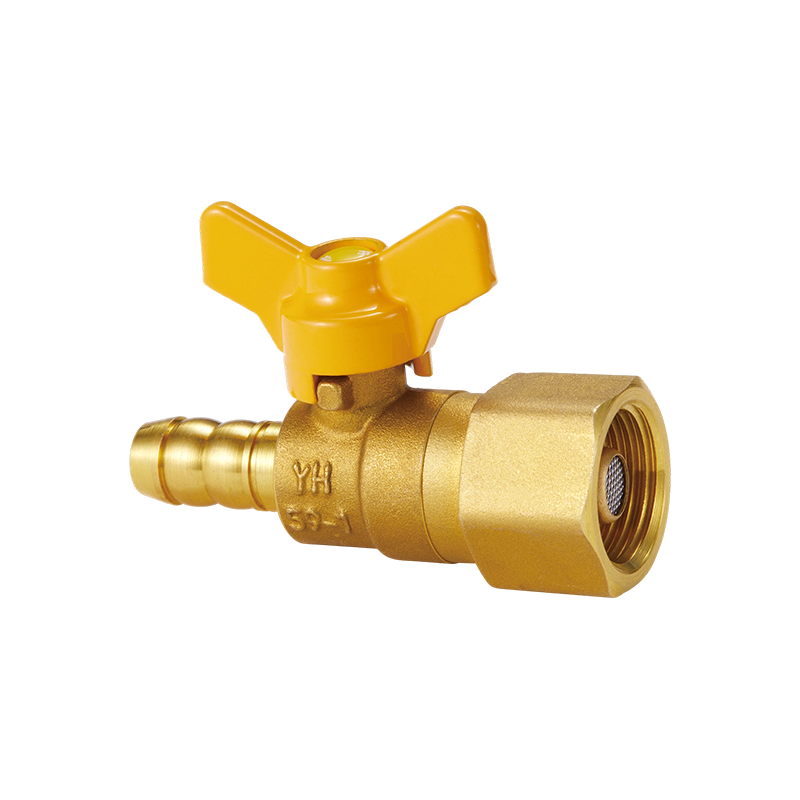
YH-216A Brass Excess Flow Shut-Off Valve(F/Hose Connector)
-
 View More
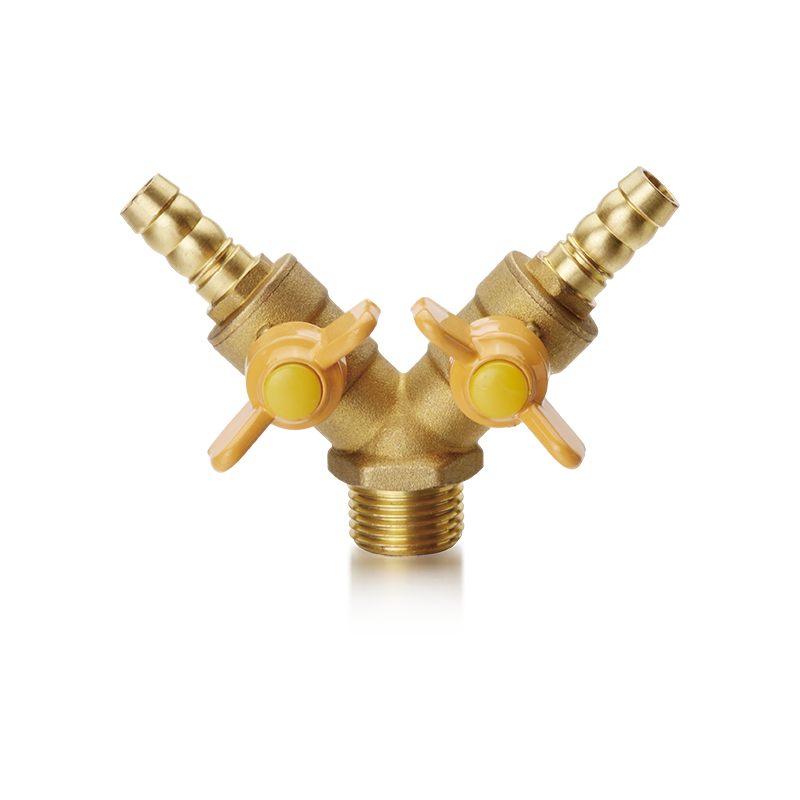
YH-208 Brass Ball Valve(M/Double Hose Connector)
-
 View More
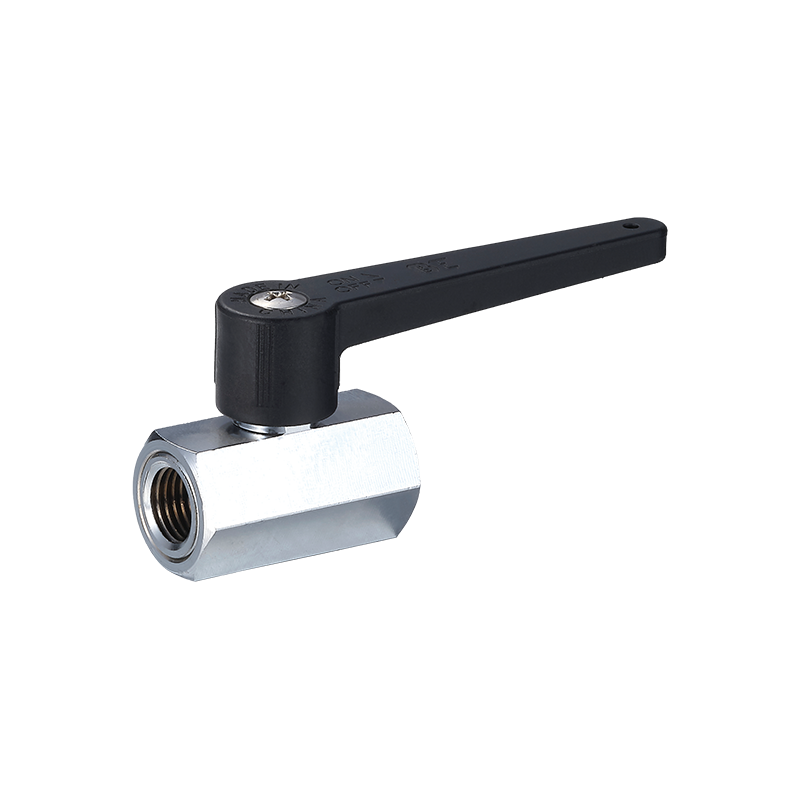
MINI-1 Mini Long Handle Ball Valve(F/F)
-
 View More
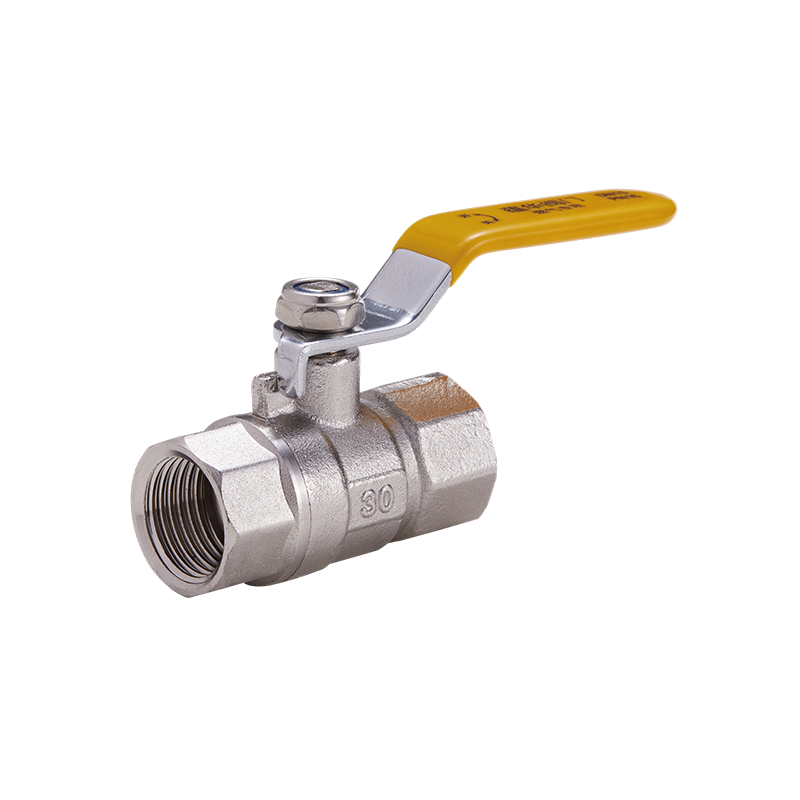
YH-2210 Forged Steel Ball Valve with Long Handle (F/F)
-
 View More
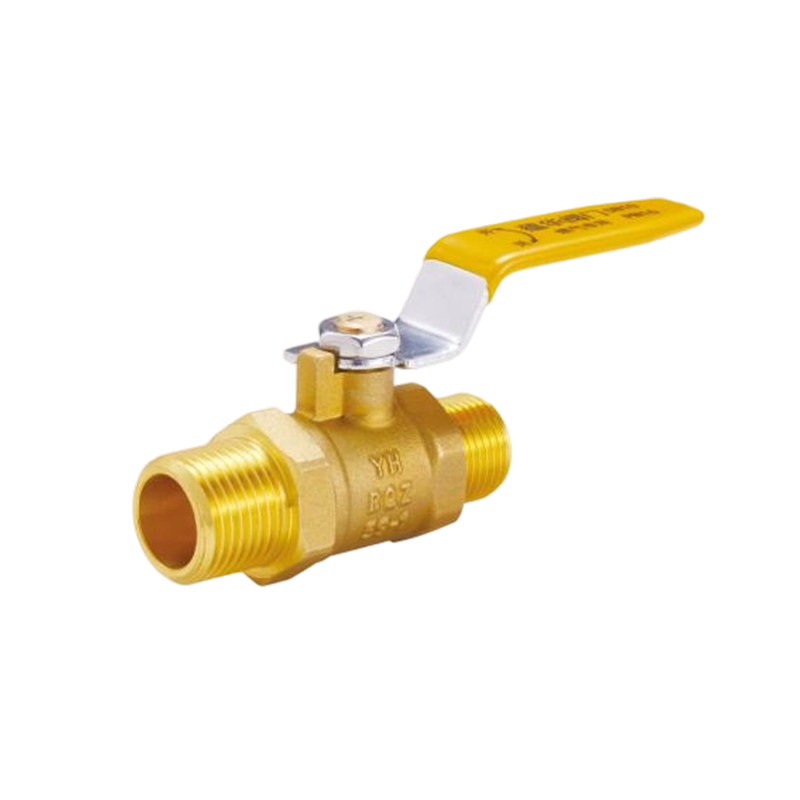
YH-221 Brass Ball Valve with Long Handle(M/M)
Related News
Contact Us
-

-
 +86-0574-63742169
-
 No.104-128, Cizhang East Road, Zhangqi Town, Cixi City, Ningbo, Zhejiang Province, China


Message Us Now !
