

 English
 русский
 عربى
 Español

Precision Pipe Fittings for Reliable Fluid and Gas Control Systems
Content
- 1 Introduction
- 2 Understanding Pipe Fittings
- 3 Product Advantages of Precision Pipe Fittings
- 4 Advantages Compared with Less Controlled Alternatives
- 5 Manufacturing Strength and Production Infrastructure
- 6 Materials and Selection Considerations
- 7 Applications Across Fluid and Gas Systems
- 8 Quality Assurance from Raw Material to Finished Product
- 9 Customization and Cooperation with Customers
- 10 Installation and Maintenance Recommendations
- 11 Why Choose a Specialized Manufacturer
- 12 Product Comparison Criteria
- 13 Q&A about Pipe Fittings
- 13.1 What are pipe fittings used for?
- 13.2 Why is thread accuracy important?
- 13.3 Can pipe fittings be used with valves?
- 13.4 Are brass fittings suitable for gas applications?
- 13.5 What information should be provided when requesting a quotation?
- 13.6 How does CNC machining benefit pipe fitting production?
- 13.7 Why is a testing workshop important?
- 13.8 Can pipe fittings be customized?
- 13.9 How should pipe fittings be stored?
- 13.10 What makes one supplier better than another?
- 14 Conclusion
- 15 References
- 16 Product: Pipe Fittings
Introduction
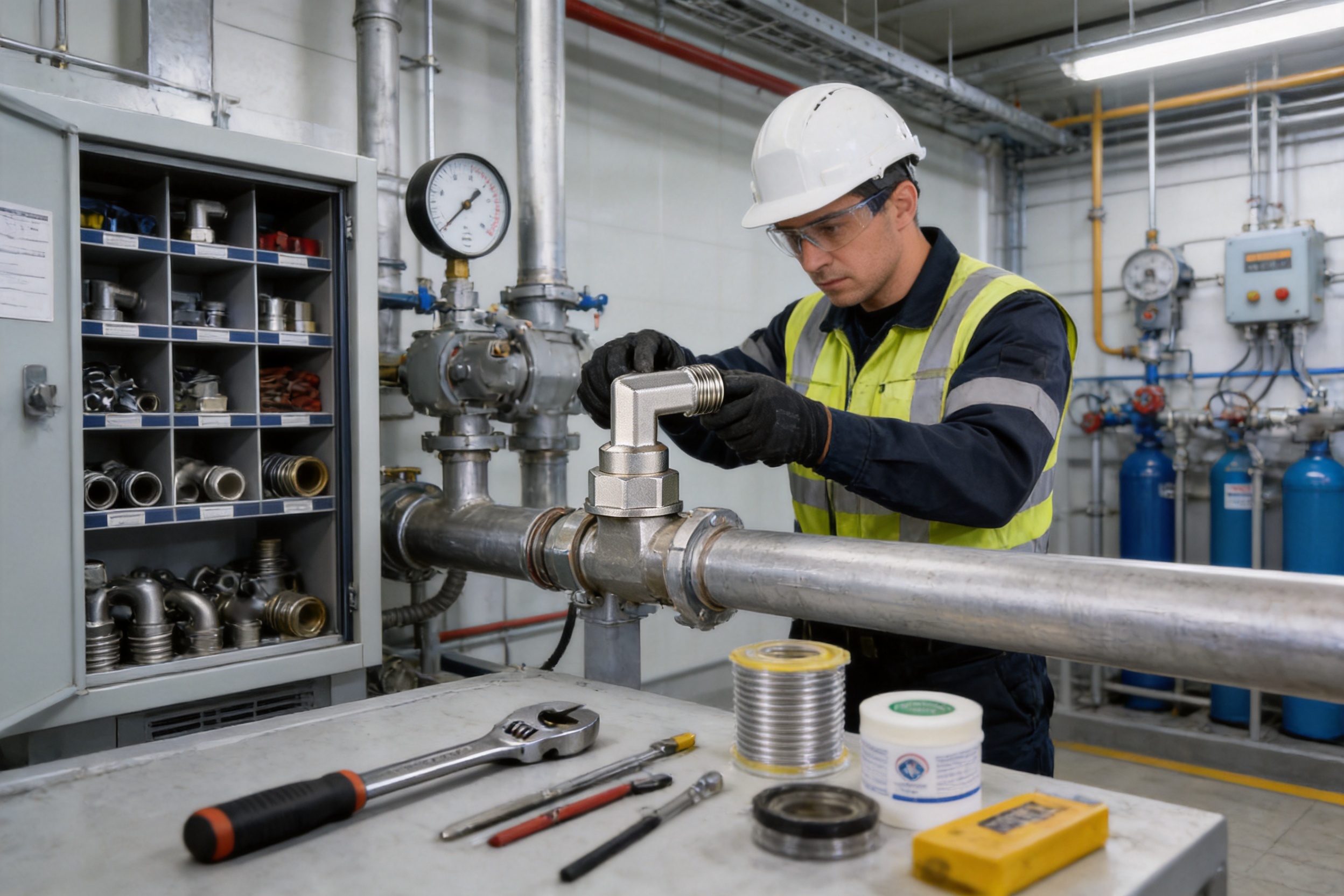
Pipe fittings are essential components in almost every fluid and gas handling system. They connect pipes, change flow direction, adapt different connection sizes, support installation layouts, and help create a secure path for water, gas, air, oil, and other compatible media. Although fittings are often smaller and less complex than valves, their dimensional accuracy, material quality, connection design, and manufacturing consistency have a direct effect on the safety and efficiency of an entire piping system.
Pipe Fittings from Ningbo Yunhua Valve Co., Ltd. are developed for customers who require dependable connection components for industrial, commercial, construction, utility, and maintenance applications. Supported by a professional precision machining workshop, automated assembly lines, and dedicated testing facilities, the company combines practical product design with organized production management. This approach helps provide stable quality for customers who purchase fittings in regular production quantities or require coordinated solutions for valves and hardware accessories.
The product category covers pipe connection components intended to work with various piping arrangements. Depending on the application, pipe fittings may be used to join straight pipe sections, connect branch lines, change direction, reduce or increase pipe size, or adapt a pipe to a threaded valve, instrument, or other equipment. When properly selected and installed, they contribute to a compact, serviceable, and leak-resistant system.
Modern buyers expect more than a basic metal component. They need predictable dimensions, clean threads, reliable surfaces, suitable mechanical strength, stable supply, and responsive technical cooperation. A fitting that appears acceptable visually may still cause installation difficulties if the thread form is inconsistent, the sealing surface is damaged, or the dimensions vary between production batches. For this reason, professional manufacturing capability is one of the most important advantages when selecting a pipe fitting supplier.
Pipe Fittings
Understanding Pipe Fittings
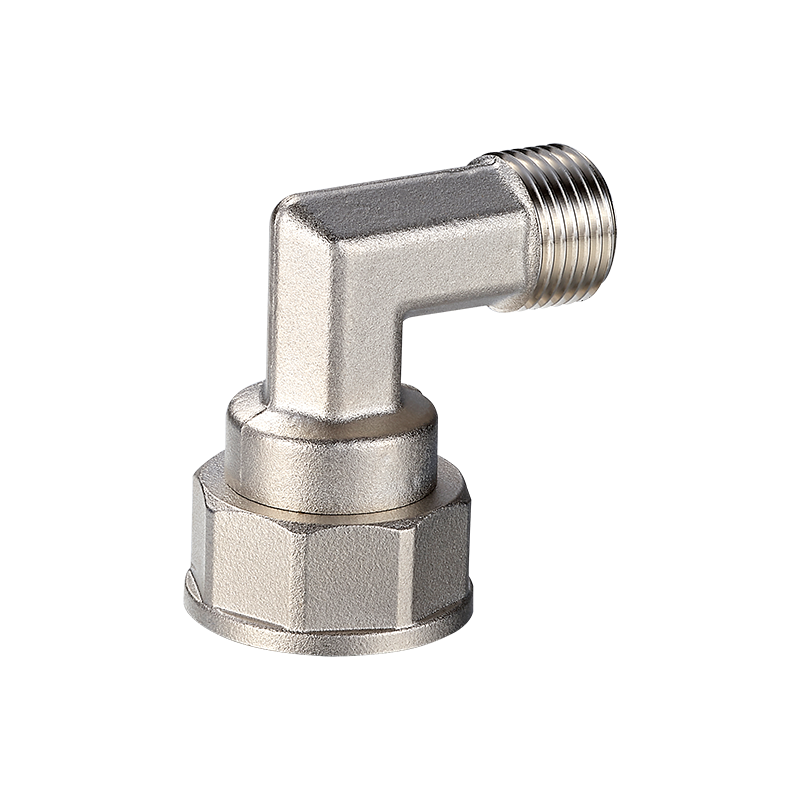
Pipe fittings are mechanical components used to connect, control, support, or modify the direction of a piping system. Common forms include elbows, tees, couplings, unions, reducers, adapters, caps, plugs, and threaded connectors. Some fittings are designed for permanent installation, while others allow easier disassembly during maintenance or equipment replacement.
The correct fitting must match the pipe material, nominal size, connection standard, pressure requirement, temperature range, medium, installation environment, and maintenance plan. A fitting used in a domestic water line may have different requirements from one installed in a gas distribution assembly, industrial process line, compressed air system, or outdoor utility network.
Threaded fittings are particularly useful when a system requires a practical and relatively simple connection method. Internal and external threads allow pipes, valves, and accessories to be assembled without welding equipment. Threaded connections are often selected for smaller diameter systems, service lines, equipment connections, and applications where future disassembly is beneficial.
However, threaded connections require accurate machining and proper installation. Thread damage, poor alignment, excessive tightening, insufficient sealing material, or incompatible components can lead to leakage or premature failure. This is why manufacturing accuracy and quality inspection are central to the performance of threaded pipe fittings.
Typical Functions of Pipe Fittings
One of the primary functions of a fitting is to connect two pipe sections. A coupling, for example, can join pipes of the same nominal size, while an adapter can connect components using different thread types, sizes, or connection arrangements.
Fittings can also redirect flow. Elbows are used to create a change in direction, commonly at 45 or 90 degrees, although other angles may be available according to system requirements. A well-designed elbow helps maintain a practical installation route while limiting unnecessary turbulence and pressure loss.
Branch fittings allow one main line to divide into two or more paths. Tees and related components are often used to supply separate appliances, distribute water, connect instrumentation, or create a service branch. Their internal geometry and wall thickness must be suitable for the expected operating conditions.
Reducers and enlargers connect pipes with different nominal diameters. They are useful when a system transitions between different flow requirements or when a valve, pump, meter, or appliance has a connection size different from the main pipe.
Caps and plugs close the end of an unused pipe or provide temporary isolation during construction and maintenance. These simple components can help prevent contamination, protect threads, and prepare a system for future expansion.
Product Advantages of Precision Pipe Fittings
Reliable Dimensional Accuracy
Dimensional accuracy is one of the most important characteristics of a high-quality pipe fitting. A fitting must correspond with the pipe, valve, hose, or accessory it is designed to connect. If the dimensions are inconsistent, installers may need excessive force, additional correction, or unsuitable sealing materials. In severe cases, poor dimensional control can create misalignment and stress throughout the piping system.
Precision machining helps maintain key dimensions such as overall length, thread depth, thread diameter, connection geometry, wall thickness, and sealing surface position. Stable dimensions improve assembly efficiency and make it easier for customers to use fittings from the same production batch in large installation projects.
For professional buyers, dimensional consistency also simplifies inventory management. When every fitting follows the expected specification, purchasing teams can reduce uncertainty, maintenance departments can replace components more efficiently, and installers can spend less time adjusting parts on site.
Secure Threaded Connections
Thread quality directly affects installation performance. Clean, accurately formed threads allow a fitting to engage smoothly with a corresponding pipe or component. Correct thread geometry also supports the use of approved sealing materials, helping create a dependable connection when the system is assembled according to the applicable installation procedure.
High-quality threaded pipe fittings should have well-defined thread crests and roots, an appropriate engagement length, and a clean surface without excessive burrs or visible deformation. These details are especially important for gas-related assemblies, where connection integrity is a central safety consideration.
Compared with low-cost fittings that may have rough or inconsistent threads, precision-made fittings can offer a smoother installation experience and reduce the risk of cross-threading. This advantage is valuable for contractors working under time pressure and for distributors who need products with fewer customer complaints.
Suitable Strength for Practical Applications
Pipe fittings must withstand the mechanical and environmental conditions of their intended service. These conditions may include internal pressure, installation torque, vibration, thermal expansion, external impact, and repeated maintenance activity. Appropriate material selection and controlled processing help the fitting maintain its structural integrity during normal use.
The company’s product portfolio is associated with valves, fluid control components, and hardware accessories. This background supports an application-oriented understanding of connection components. A fitting is not viewed as an isolated part; it is considered as one element in a complete fluid or gas control assembly.
For customers, this means that pipe fittings can be evaluated alongside related products such as threaded globe valves, forged steel valves, brass gas ball valves, water supply valves, and other hardware accessories. Coordinated sourcing can help reduce compatibility concerns and simplify purchasing for complete piping projects.
Clean and Functional Surface Finishing
Surface condition influences appearance, installation, corrosion resistance, and cleanliness. A properly finished fitting should have a practical surface suitable for its material and application. Machined areas should be free from excessive burrs, sharp edges, and machining residue that could interfere with assembly.
A clean surface is particularly valuable for distributors and equipment manufacturers because it presents a more consistent product to their customers. It also helps installers identify threads, sealing areas, and connection features before assembly.
Where the application requires additional surface treatment, customers can discuss material, coating, plating, or finishing requirements with the supplier. The appropriate treatment depends on the medium, environment, expected service life, and relevant technical specification.
Compatibility with Valve and Hardware Assemblies
Pipe fittings are frequently installed together with valves and other hardware accessories. A fitting may connect a pipe to a ball valve, globe valve, pressure gauge, filter, hose, actuator, or equipment inlet. Compatibility must therefore be considered across the entire assembly rather than only at the fitting level.
A supplier with experience in both valves and fittings can provide useful coordination regarding connection sizes, thread arrangements, installation space, and product combinations. This can be especially helpful for customers purchasing complete fluid control solutions instead of individual components.
For example, a brass gas ball valve may need a suitable threaded adapter or connector for integration into a gas line. A threaded globe valve may require a fitting that offers the correct size and connection orientation. Selecting products from a coordinated product range can reduce the chance of mismatched specifications.
Advantages Compared with Less Controlled Alternatives
Price is an important factor in pipe fitting procurement, but the lowest initial price does not always represent the lowest total cost. A fitting that requires additional installation labor, causes leakage, creates rework, or fails prematurely can produce greater expenses than a more consistently manufactured product.
Reduced Installation Uncertainty
Products made with better process control generally provide more predictable installation results. Consistent threads and stable dimensions allow installers to plan their work with greater confidence. This is particularly valuable for projects involving hundreds or thousands of connection points, where a small defect rate can create significant delays.
Less controlled alternatives may show variation between batches. One piece may assemble smoothly while another requires excessive force or replacement. Such variation complicates quality control at the installation site and can make it difficult for distributors to maintain a dependable customer experience.
Lower Risk of Leakage from Poor Connections
Leakage can result from many factors, including incorrect assembly, unsuitable sealing material, excessive tightening, pipe damage, or product defects. A manufacturer cannot eliminate every installation-related risk, but accurate and cleanly produced fittings help reduce risks caused by poor machining or inconsistent geometry.
For water applications, leakage can damage surrounding structures, increase consumption, and interrupt service. For gas applications, leakage creates more serious safety concerns and requires immediate attention. Using suitable fittings from a manufacturer with organized inspection and testing procedures is therefore an important part of responsible system design.
More Consistent Distributor Quality
Distributors need products that maintain a stable level of quality over time. If a customer receives noticeably different performance from repeated orders, confidence in the distributor and manufacturer may decline. Batch consistency helps distributors build repeat business and reduce the cost of returns, replacement shipments, and technical complaints.
A professional supplier can support this consistency through controlled raw material purchasing, standardized machining programs, defined assembly procedures, and inspection records. These practices are more dependable than relying only on final visual inspection.
Better Support for Project Procurement
Large construction and industrial projects require clear specifications, planned delivery schedules, and coordinated product categories. A manufacturer producing valves and hardware accessories in addition to pipe fittings may be able to support broader procurement requirements.
Consolidated sourcing can reduce the number of suppliers involved in a project. It may also simplify communication about packaging, labeling, product identification, connection compatibility, and order scheduling. These operational advantages can be as important as the physical characteristics of the fitting itself.
Manufacturing Strength and Production Infrastructure
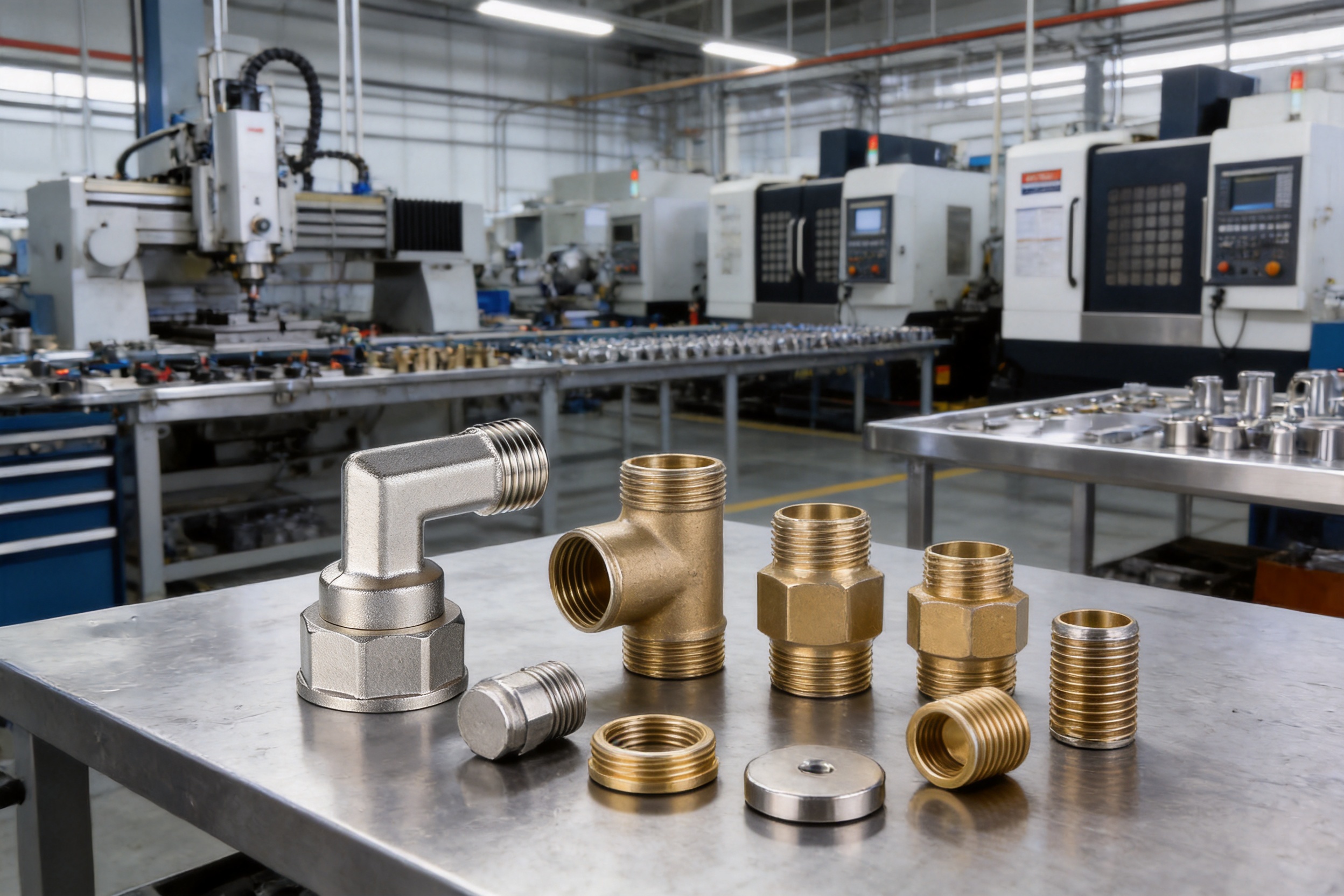
Ningbo Yunhua Valve Co., Ltd. has developed its manufacturing capability through more than ten years of business development in gas and fluid valves, water supply valves, and hardware accessories. The company covers approximately 20,000 square meters and operates a professional precision machining workshop, assembly line, and testing workshop.
The company’s manufacturing facilities include advanced domestic and international CNC machine tools as well as professional automated assembly and testing equipment. This combination is important because modern pipe fittings require both accurate machining and repeatable process control. CNC equipment can support precise production of threads, bores, shoulders, sealing areas, and other critical features, while automated equipment helps improve assembly consistency.
The company reports an annual production capacity of approximately 2 million sets of valves and 10 million sets of hardware accessories. This capacity indicates that the business is structured to serve volume requirements while maintaining an organized production system. For customers, production scale can improve supply planning and help support recurring orders.
Precision CNC Machining
CNC machining is a core process for producing accurate pipe fittings. Computer-controlled equipment follows programmed tool paths to remove material and create the required external and internal features. Compared with less automated machining methods, CNC production can offer improved repeatability when the program, tooling, material, and inspection requirements are properly controlled.
Typical machining operations may include turning, drilling, boring, threading, facing, chamfering, and deburring. Each process contributes to the final function of the fitting. For example, a precise bore supports proper flow passage, while a controlled thread profile helps ensure suitable engagement with a mating component.
Machining programs must be selected according to the fitting design and material. Tool wear, cutting conditions, workpiece positioning, and measurement frequency can all influence the result. A professional workshop monitors these factors to maintain consistent output throughout a production run.
Automated Assembly
Automation can improve repeatability during assembly and reduce variation caused by manual handling. It can also help organize the movement of products through defined workstations. Depending on the product structure, assembly may include installing seals, joining components, applying specified treatments, checking movement, or preparing products for final inspection.
Automated assembly does not replace the need for skilled personnel. Instead, it combines equipment efficiency with technical supervision. Operators and production engineers remain important for setup, process verification, troubleshooting, equipment maintenance, and continuous improvement.
For pipe fittings, controlled assembly is especially useful when products include multiple parts or require a consistent orientation. It helps ensure that components are correctly positioned before testing and packaging.
Dedicated Testing Workshop
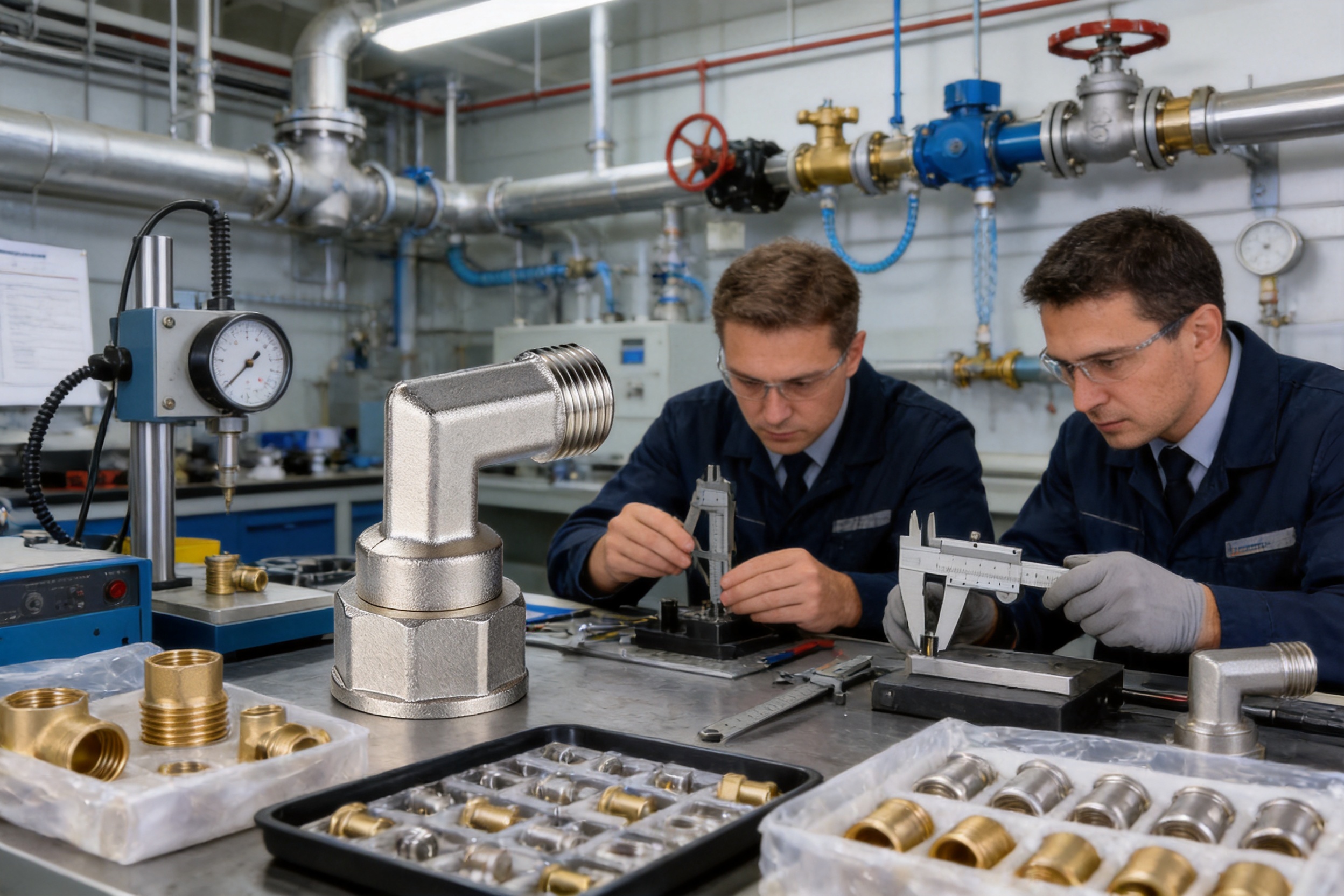
A testing workshop provides a dedicated environment for evaluating product performance and confirming that manufactured components meet defined requirements. Inspection may involve dimensional checks, visual examination, thread verification, pressure-related testing for applicable products, assembly checks, and functional assessment.
Testing requirements depend on product type and customer specification. A simple fitting may require dimensional and visual inspection, while a valve and fitting assembly may require additional pressure or operational tests. Maintaining a dedicated testing area demonstrates the importance of verification within the company’s manufacturing process.
Quality control should ideally occur at several stages: incoming material inspection, first-piece approval, in-process measurement, final product inspection, and packaging verification. A multi-stage approach can identify problems earlier and reduce the number of nonconforming products reaching the final stage.
Integrated Production Management
Manufacturing quality depends not only on machinery but also on management. The company has developed a professional management team and an improved management system during its years of operation. Clear production planning, purchasing controls, process documentation, equipment maintenance, and employee training all contribute to dependable results.
For international buyers, organized management is particularly important because communication, delivery, documentation, and product consistency must be coordinated across distance. A manufacturer with defined internal responsibilities is better positioned to handle repeat orders, customized requirements, and technical clarification.
Materials and Selection Considerations
The correct material for a pipe fitting depends on the application. Common material categories may include brass, stainless steel, carbon steel, ductile iron, plastic, and other engineered materials. Each material has different characteristics relating to strength, corrosion behavior, weight, machinability, temperature tolerance, and cost.
Brass is widely used for many water, gas, and general plumbing components because it offers good machinability and practical corrosion resistance in suitable environments. It is also compatible with many threaded connection designs. However, the exact brass grade and application suitability must be confirmed according to the intended medium and local requirements.
Forged steel and other steel-based materials may be selected where higher mechanical strength or more demanding service conditions are required. A forged component is formed under controlled pressure, which can create a strong and compact structure when the material and process are properly managed.
Stainless steel may be considered for applications requiring enhanced corrosion resistance or a hygienic surface. Its suitability still depends on the specific grade, medium, temperature, chloride exposure, and installation environment.
Material selection should never be based only on appearance or price. Customers should confirm the material grade, applicable standard, pressure rating, temperature range, connection type, and required documentation before placing an order.
Questions to Ask Before Ordering
Buyers should identify the nominal pipe size and connection dimensions. Nominal size does not always equal the exact measured outside or inside diameter, so the applicable standard must be clear. Buyers should also specify whether the connection is internal threaded, external threaded, socketed, flanged, compression-based, or another design.
The working medium must be identified. Water, natural gas, liquefied petroleum gas, compressed air, oil, chemical solutions, and other media can impose different material and sealing requirements.
Operating pressure and temperature are also essential. A fitting suitable for low-pressure water service may not be appropriate for a high-pressure industrial line. Similarly, temperature changes can affect seals, material strength, and thermal expansion.
Installation conditions should be considered as well. Indoor and outdoor use, underground placement, exposure to humidity, salt, chemicals, ultraviolet radiation, vibration, or mechanical impact may influence the preferred material and surface treatment.
Finally, customers should determine whether the product must comply with a specific national, regional, industry, or project standard. Clear technical communication before production helps prevent specification misunderstandings.
Applications Across Fluid and Gas Systems
Water Supply Systems
Pipe fittings are used extensively in residential, commercial, agricultural, and municipal water supply systems. They connect supply lines, distribute water to different areas, adapt pipe sizes, and interface with valves, meters, filters, and appliances.
In water systems, reliable sealing and corrosion performance are important. Fittings should be selected according to water quality, pressure, temperature, and applicable plumbing requirements. Smooth assembly and consistent dimensions are valuable because water supply systems often contain many connection points installed in confined spaces.
Gas Distribution and Appliance Connections
Gas systems require particularly careful component selection and installation. Fittings must be suitable for the gas medium and service conditions, and all connections should be installed and tested according to applicable safety requirements.
Brass gas ball valves and threaded gas components are often integrated with pipe fittings to provide shutoff and connection functions. A coordinated product range can help customers obtain compatible components for gas control assemblies. However, product suitability must always be confirmed against local regulations, approved standards, and the requirements of the gas authority or project engineer.
Industrial Fluid Control
Industrial facilities use fittings in process water, cooling systems, compressed air lines, fuel systems, equipment skids, and general utility networks. These applications may require stronger materials, higher pressure ratings, more detailed documentation, or specialized surface finishes.
In industrial environments, maintenance accessibility is an important design factor. Threaded fittings can be useful where components may need to be removed or replaced. Properly selected fittings also help create modular assemblies that can be inspected and serviced without replacing an entire pipeline section.
Heating and Mechanical Services
Heating, ventilation, and mechanical service systems use fittings to connect circulation lines, pumps, heat exchangers, control valves, and terminal equipment. The fitting must tolerate the operating temperature and fluid conditions of the system.
Thermal expansion, vibration, and repeated cycling can place stress on connection points. Good installation practice, correct support, suitable sealing methods, and appropriate fitting selection are necessary for long-term performance.
Construction and Building Services
Construction projects often require large quantities of standardized fittings delivered according to a schedule. Products may be used in water supply, fire protection support systems, utility rooms, irrigation, drainage-related equipment, and mechanical installations.
For contractors, efficient procurement depends on product availability, clear labeling, secure packaging, and consistent dimensions. A manufacturer with substantial production capacity and experience in hardware accessories can help support these practical requirements.
Quality Assurance from Raw Material to Finished Product
Quality assurance begins before machining. Raw materials should be identified, purchased from controlled sources, and checked according to the required specification. Material verification helps reduce the risk of producing components from an incorrect grade or an unsuitable batch.
During machining, operators and quality personnel should monitor critical dimensions and surface conditions. First-piece inspection is useful for confirming that the machine setup and program produce the intended result. In-process checks can identify tool wear or positioning problems before a large quantity is completed.
After machining, fittings may undergo deburring, cleaning, surface treatment, assembly, and final inspection. Threads should be checked for damage, contamination, and dimensional conformity. Sealing surfaces should be examined for scratches, deformation, or other conditions that could affect installation.
Final inspection should also include product identification and quantity verification. Correct packaging is important because fittings can be damaged during transportation if they are not protected from impact, moisture, or contamination. Packaging should be appropriate for the product material, shipping route, and customer handling requirements.
Importance of Traceability
Traceability allows a manufacturer and customer to connect a finished product with production information such as material batch, manufacturing date, inspection status, or order reference. The exact traceability method may vary by product and customer requirement, but the principle is valuable for quality management and after-sales support.
When a technical question arises, traceable information can help determine whether the issue relates to material, machining, installation, storage, or another factor. This supports faster analysis and more effective corrective action.
Inspection before Shipment
Before shipment, products should be checked against the order specification. This may include model, size, material, thread type, quantity, packaging, labels, and required documents. Shipment verification helps prevent avoidable errors that could delay installation at the customer’s facility.
For international orders, packaging and documentation require additional attention. Products may pass through multiple handling stages, so protective packing and clear product identification help maintain order accuracy during transportation and receiving.
Customization and Cooperation with Customers
Different markets and projects may require variations in size, thread standard, material, surface treatment, packaging, marking, or inspection documentation. A manufacturer experienced in valves and hardware accessories can evaluate these requirements in relation to existing production capabilities.
Customization should begin with a complete technical description. Customers should provide drawings, samples, performance requirements, annual demand, target market, applicable standards, and packaging expectations whenever possible. Clear information allows the supplier to assess tooling, machining, inspection, and production scheduling requirements.
Custom products may require new tooling, process validation, sample approval, and additional testing before mass production. These steps help ensure that the final component matches the intended application rather than relying on assumptions.
Private labeling and customized packaging may also be available depending on order quantity and product type. Product marking should be legible and appropriate for the customer’s distribution channel. Packaging design should protect the fitting while supporting efficient warehouse management.
Benefits of Long-Term Supplier Cooperation
Long-term cooperation can improve communication and reduce repeated technical clarification. Once a customer’s standard products, packaging preferences, quality expectations, and ordering patterns are understood, future orders can be processed more efficiently.
Long-term relationships also allow both parties to identify opportunities for product improvement. Feedback from installers and end users can support changes in thread protection, packaging, labeling, or product configuration.
For distributors, a stable manufacturing partner can help develop a broader product range. Pipe fittings may be combined with valves, water supply products, gas control components, and other hardware accessories to create a more complete offering for local customers.
Installation and Maintenance Recommendations
Before installation, fittings should be inspected for visible damage, contamination, thread deformation, and incorrect dimensions. Products should be stored in a clean and dry environment and protected from unnecessary impact or exposure to corrosive substances.
The installer should confirm that the fitting and mating component have compatible connection specifications. Threads should be aligned by hand before using a tool. If resistance is excessive at the beginning of engagement, the connection should be removed and checked rather than forced.
Approved sealing materials should be selected according to the medium, temperature, pressure, and applicable installation practice. Excessive sealing material should be avoided because it may enter the flow passage or interfere with proper engagement.
Tools should be applied to the designated wrenching surfaces whenever possible. Tightening directly on a delicate or finished area can cause deformation or surface damage. Excessive torque may also stress the fitting, pipe, or valve body.
After installation, the system should be inspected and tested according to the relevant procedure. Gas systems require especially careful leak testing and commissioning by qualified personnel. Any leak or abnormal condition should be corrected before the system is placed into service.
Maintenance Planning
Maintenance requirements depend on the system and operating environment. Periodic inspection may include checking for visible corrosion, leakage, vibration, mechanical damage, or loosening. Areas exposed to weather, chemicals, or repeated temperature changes may require more frequent observation.
When a fitting must be replaced, the replacement should match the original connection size, material suitability, and performance requirements. Substituting a visually similar but technically incompatible component can create new risks.
Keeping spare fittings in a controlled inventory can reduce downtime. Spare parts should be labeled clearly and stored in conditions that prevent contamination, thread damage, and corrosion.
Why Choose a Specialized Manufacturer
A specialized manufacturer understands that the value of pipe fittings lies in dependable performance across many connection points. The product must be machined accurately, inspected consistently, packaged correctly, and supplied with clear technical information.
Ningbo Yunhua Valve Co., Ltd. combines product knowledge in gas and fluid valves, water supply valves, and hardware accessories with dedicated production infrastructure. This product focus allows the company to understand how fittings interact with valves and complete fluid control systems.
The company’s 20,000-square-meter manufacturing base, CNC machining equipment, automated assembly capabilities, and testing workshop provide a foundation for scalable production. Its reported annual capacity of 2 million sets of valves and 10 million sets of hardware accessories supports customers requiring regular supply as well as project-based purchasing.
Another strength is the company’s emphasis on research, development, production, sales, and service. This integrated approach helps connect product design with manufacturing feedback and customer requirements. It also supports ongoing improvement in process management and product coordination.
For buyers comparing suppliers, the most important questions should include:
Can the supplier maintain stable dimensions across repeated orders?
Does the supplier have suitable machining and testing equipment?
Can the supplier support the required material, connection, and packaging specifications?
Is the supplier experienced with related valves and hardware accessories?
Can the supplier communicate clearly about production schedules and quality requirements?
Does the supplier have sufficient capacity for both current and future demand?
A supplier that can answer these questions clearly may offer greater value than a supplier competing only on initial unit price.
Product Comparison Criteria
| Evaluation Factor | What to Check | Value to the Buyer |
|---|---|---|
| Material | Material grade, suitability for the medium, corrosion behavior, and temperature range | Supports safe and durable application selection |
| Dimensions | Nominal size, wall thickness, overall length, bore, and connection geometry | Improves interchangeability and installation efficiency |
| Thread Quality | Thread standard, engagement, cleanliness, burr control, and dimensional consistency | Helps reduce cross-threading and connection leakage |
| Manufacturing Equipment | CNC machining, automated assembly, and dedicated inspection facilities | Supports repeatable production and stable quality |
| Testing | Dimensional, visual, functional, and applicable pressure-related checks | Provides greater confidence before shipment and installation |
| Production Capacity | Annual output, scheduling ability, and supply continuity | Helps support project and repeat-order requirements |
| Customization | Material, size, thread, marking, packaging, and documentation options | Allows the product to match specific market needs |
| Related Products | Valves, gas components, water supply products, and hardware accessories | Enables coordinated purchasing from one product source |
| Technical Service | Specification confirmation, order communication, and after-sales response | Reduces misunderstandings and supports long-term cooperation |
Q&A about Pipe Fittings
What are pipe fittings used for?
Pipe fittings connect pipes and modify the direction, size, route, or termination of a piping system. They can also connect pipes to valves, instruments, appliances, pumps, and other equipment.
Why is thread accuracy important?
Accurate threads allow the fitting to engage correctly with the mating component. They support proper sealing, reduce the risk of cross-threading, and make installation more predictable. Inconsistent threads can cause leakage, damage, or unnecessary installation delays.
Can pipe fittings be used with valves?
Yes. Pipe fittings are commonly used to connect valves such as ball valves, globe valves, gas valves, and water supply valves to piping systems. The fitting and valve must have compatible sizes, thread types, materials, pressure ratings, and application requirements.
Are brass fittings suitable for gas applications?
Brass fittings may be suitable for certain gas applications when the material, design, pressure rating, connection type, and product approvals meet the requirements of the specific system. Buyers should confirm local regulations and the supplier’s technical information before use.
What information should be provided when requesting a quotation?
Customers should provide the fitting type, nominal size, connection configuration, thread standard, material, surface treatment, operating medium, pressure, temperature, quantity, packaging requirements, and applicable standards. Drawings or samples are useful for customized products.
How does CNC machining benefit pipe fitting production?
CNC machining uses programmed equipment to produce features with controlled dimensions and repeatable positioning. It is useful for manufacturing threads, bores, shoulders, sealing areas, and other precision features required for reliable assembly.
Why is a testing workshop important?
A dedicated testing workshop provides an organized location for dimensional, visual, functional, and applicable performance checks. It helps verify that products meet defined requirements before packaging and shipment.
Can pipe fittings be customized?
Customization may be possible for sizes, materials, thread standards, surface treatments, markings, packaging, and other specifications. The feasibility depends on product design, order quantity, tooling, production capability, and testing requirements.
How should pipe fittings be stored?
Fittings should be stored in a clean, dry environment away from corrosive substances and unnecessary impact. Threaded areas should be protected from damage, and products should remain clearly labeled to prevent mixing different sizes or specifications.
What makes one supplier better than another?
Important factors include manufacturing equipment, dimensional control, material management, testing procedures, production capacity, technical communication, product range, customization support, and delivery reliability. A supplier offering stable quality and coordinated service may provide better total value than one offering only a low purchase price.
Conclusion
Pipe fittings are fundamental to safe, efficient, and maintainable fluid and gas systems. Their performance depends on more than basic shape. Material suitability, dimensional accuracy, thread quality, surface condition, manufacturing consistency, inspection, packaging, and installation practice all influence the final result.
Precision Pipe Fittings supported by CNC machining, automated assembly, and dedicated testing can provide important advantages over less controlled alternatives. They help reduce installation uncertainty, improve compatibility with valves and hardware accessories, support stable distributor quality, and contribute to reliable system operation.
Ningbo Yunhua Valve Co., Ltd. offers a manufacturing platform focused on valves, water supply products, gas and fluid control components, and hardware accessories. With approximately 20,000 square meters of facilities, advanced CNC equipment, automated production capabilities, a professional management team, and substantial annual capacity, the company is positioned to support both standard and customized purchasing requirements.
For customers seeking dependable fittings, the best purchasing decision begins with a complete technical specification and a careful evaluation of the supplier’s production capabilities. When product design, precision manufacturing, inspection, and service are considered together, pipe fittings become more than simple connectors. They become reliable building blocks for a safer and more efficient fluid control ecosystem.
References
1. General principles of piping system design, component selection, and installation practice.
2. Industrial guidance on threaded pipe connections, sealing methods, and dimensional verification.
3. Manufacturing quality management principles for CNC machining and automated assembly.
4. Technical guidance for selecting metallic materials for water, gas, and industrial fluid service.
5. General inspection and testing practices for valves, pipe fittings, and fluid control accessories.
6. Ningbo Yunhua Valve Co., Ltd. company information and product manufacturing overview supplied for this article.
Product: Pipe Fittings

Related Products
-
 View More
-
 View More
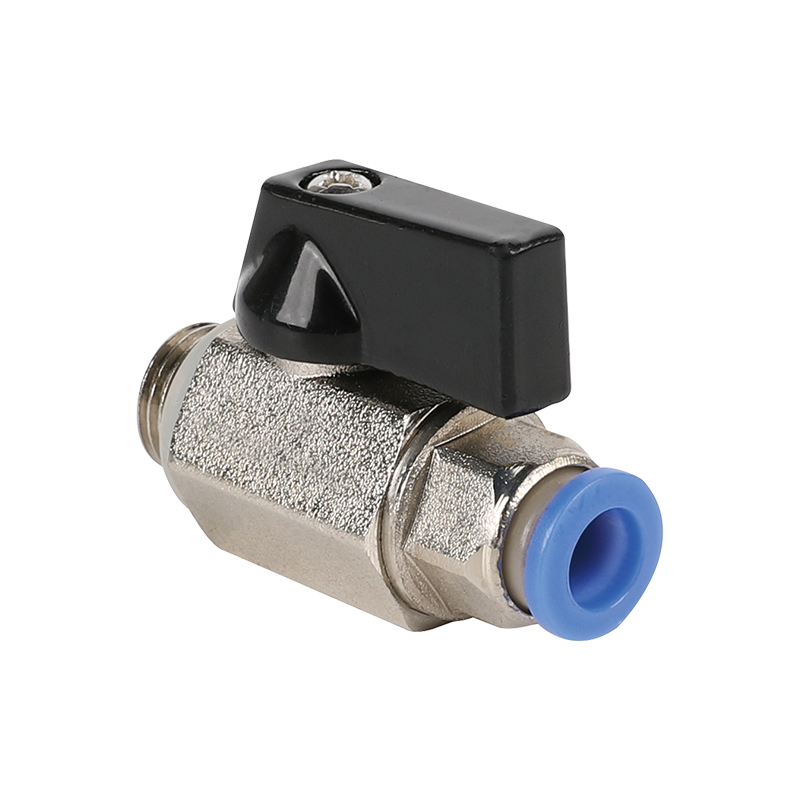
MINI-2 Mini Short-Handle Ball Valve(M/M)
-
 View More
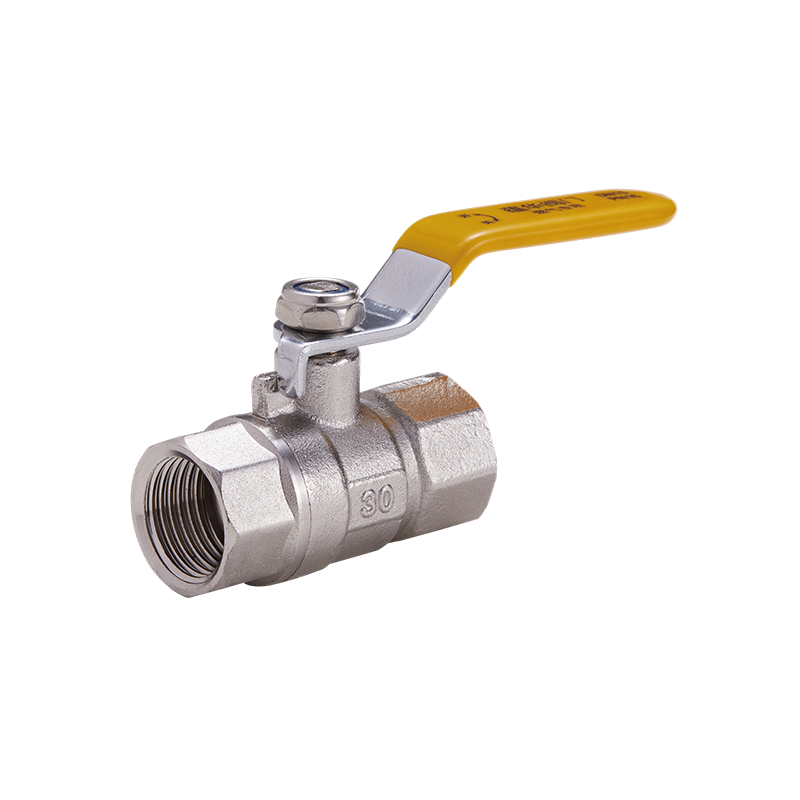
YH-2210 Forged Steel Ball Valve with Long Handle (F/F)
-
 View More
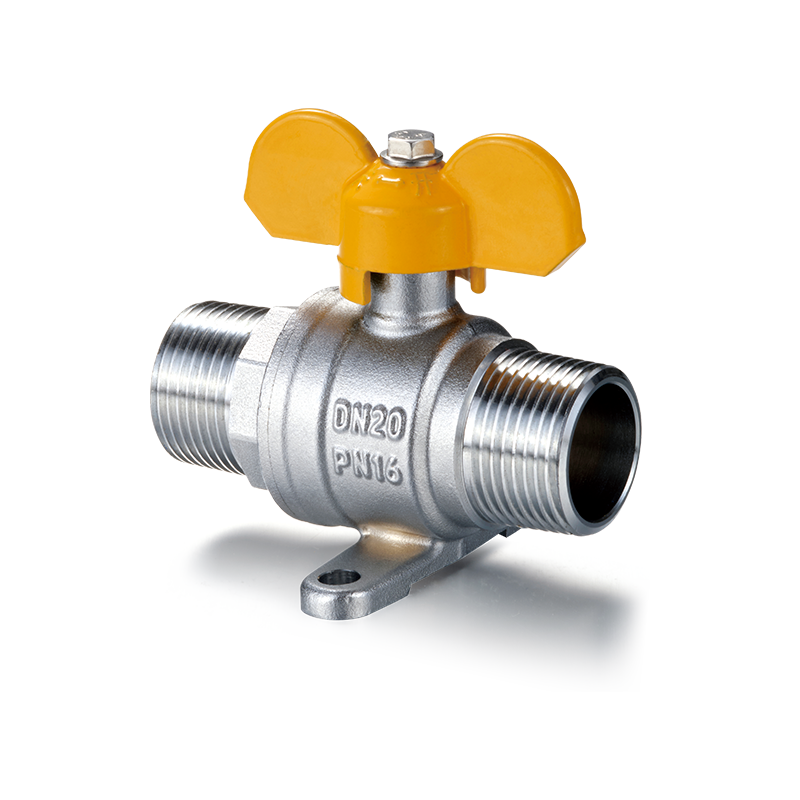
YH-214 Brass Ball Valve with Base& Butterfly Handle(M/M)
-
 View More
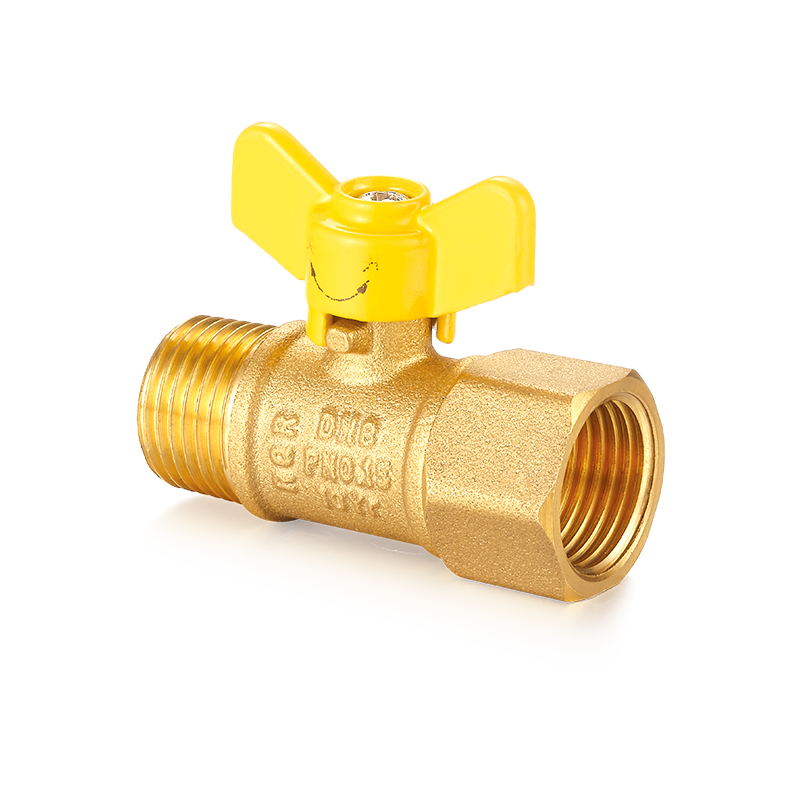
YH-205 Brass Ball Valve with Butterfly Handle(F/M)
-
 View More
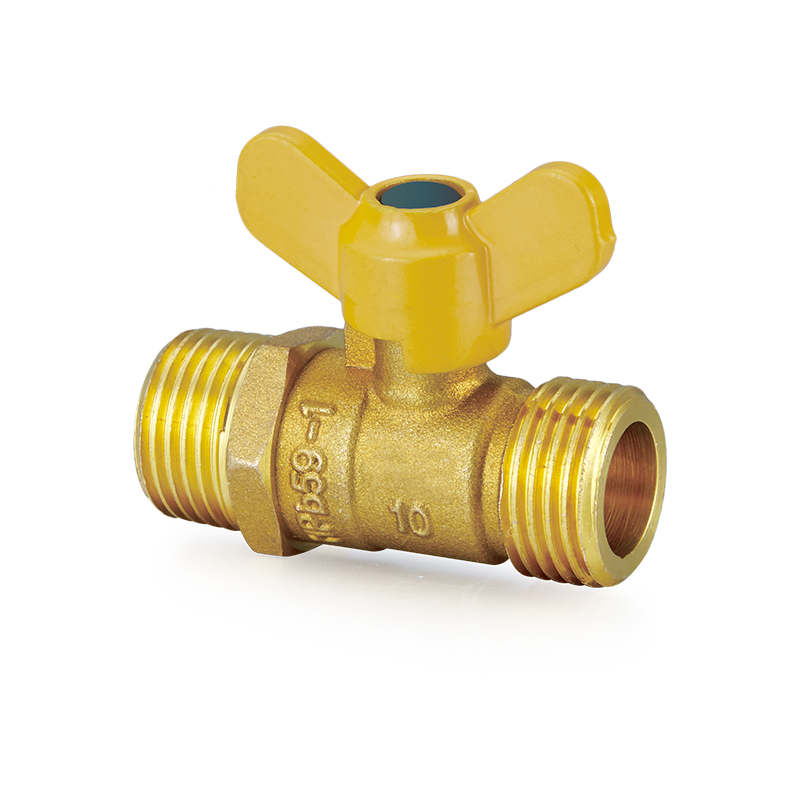
YH-206 Brass Ball Valve with Butterfly Handle(M/M)
Related News
Contact Us
-

-
 +86-0574-63742169
-
 No.104-128, Cizhang East Road, Zhangqi Town, Cixi City, Ningbo, Zhejiang Province, China


Message Us Now !
