

 English
 русский
 عربى
 Español

Hose Connector: Design, Manufacturing Quality, and Reliable Fluid Connection Performance
Content
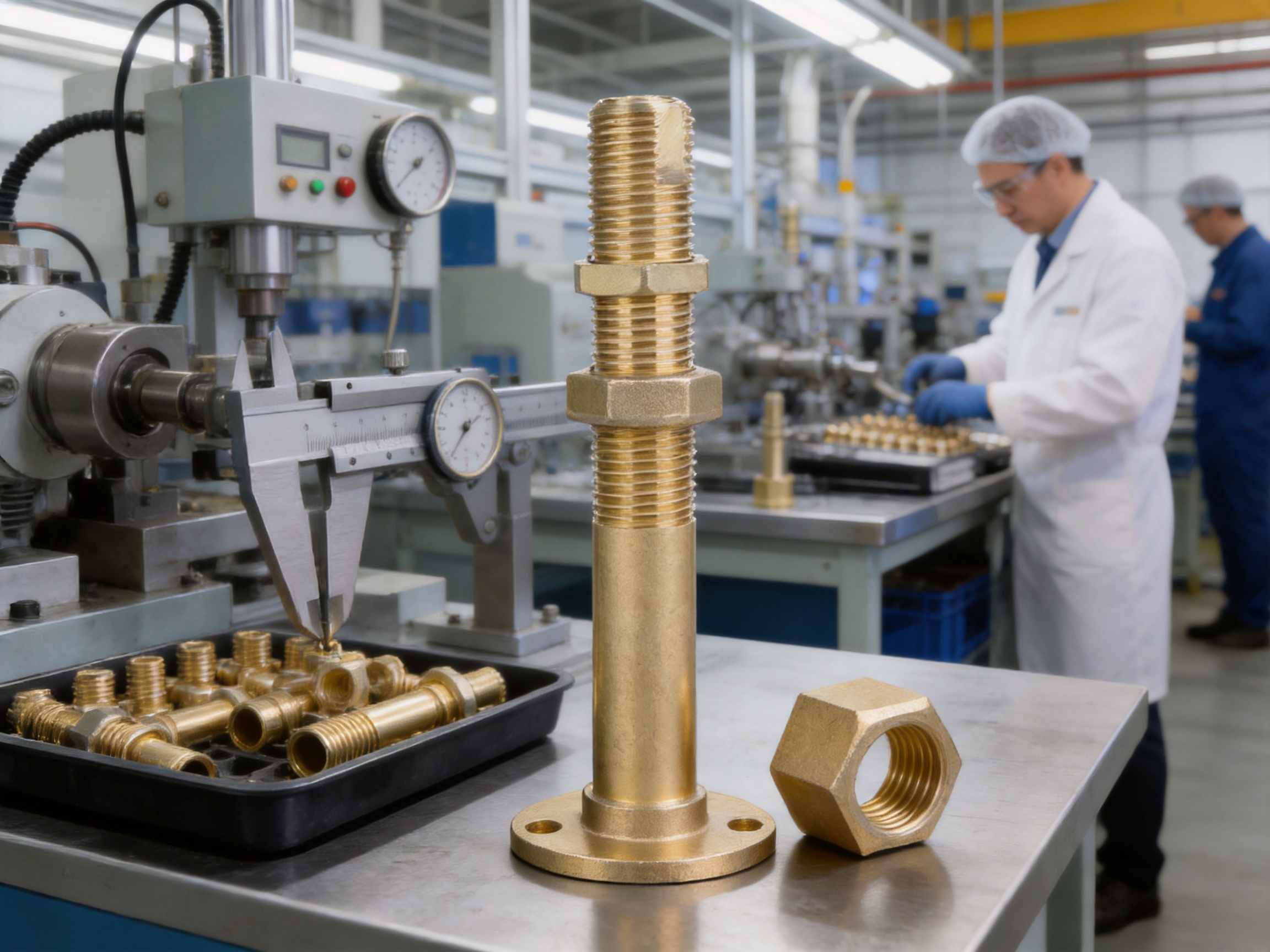
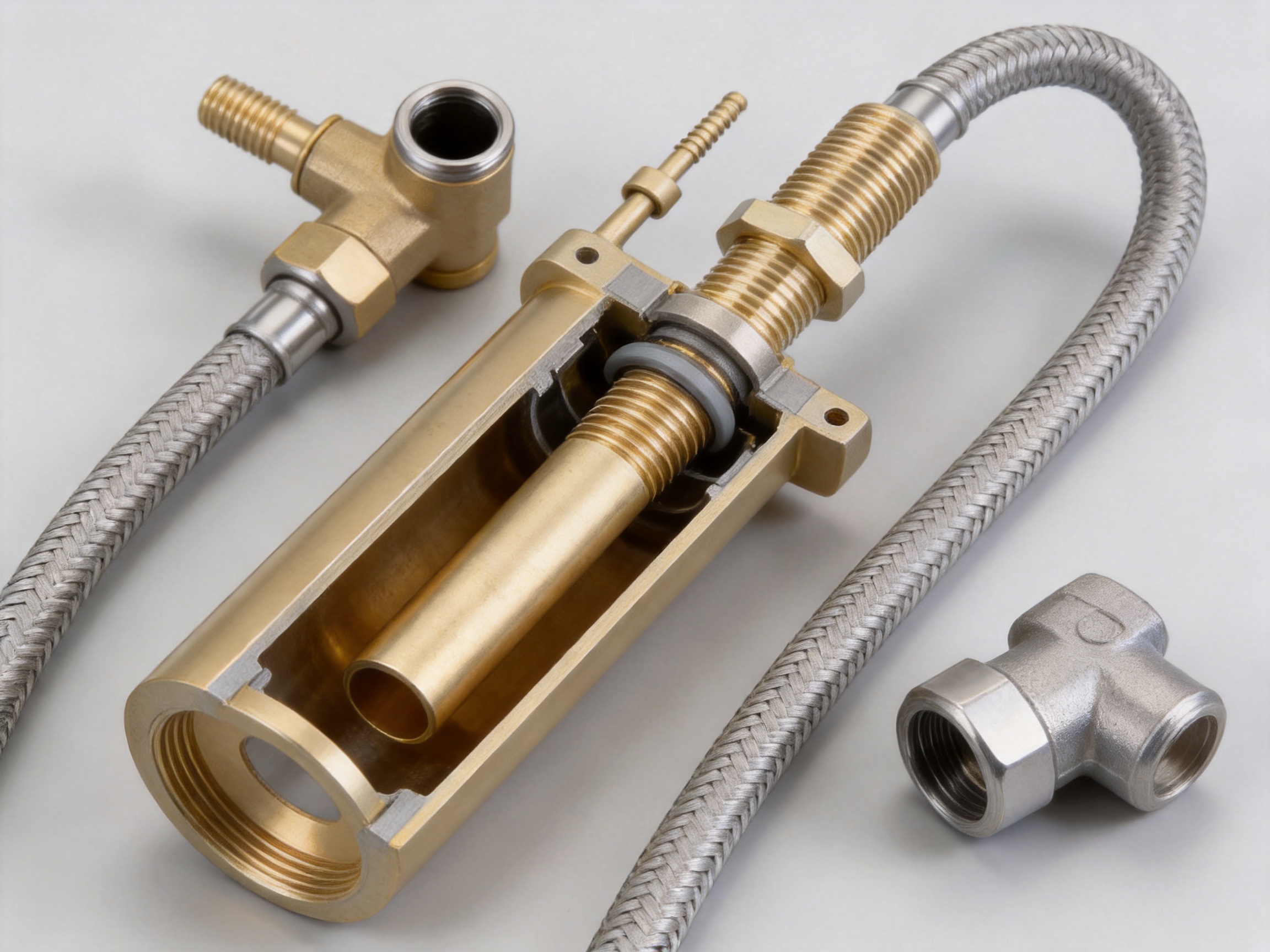
A hose connector is a small but essential component in fluid-handling systems. It provides the transition between a flexible hose and another hose, pipe, valve, fitting, appliance, or equipment port. Although its physical size is usually modest, the connector has a direct influence on sealing performance, installation efficiency, service life, system cleanliness, and overall operating safety.
In water supply systems, irrigation equipment, pneumatic devices, gas-related applications, industrial machinery, and general hardware assemblies, a suitable hose connector helps create a stable and controlled fluid path. It must accommodate the selected hose, match the connection standard, resist the working environment, and maintain a secure seal when exposed to pressure, vibration, temperature variation, and repeated handling.
The Hose Connector supplied by Ningbo Yunhua Valve Co., Ltd. is positioned within the company’s hardware accessories and valve product range. It benefits from the manufacturer’s experience in gas and fluid valves, water supply valves, precision machining, automated assembly, and product testing. This manufacturing background is important because connector performance depends not only on the visible shape of the product but also on dimensional accuracy, material consistency, thread quality, sealing surfaces, and production control.
This article explains the function, construction, advantages, applications, manufacturing process, inspection methods, installation practices, and selection considerations associated with a high-quality hose connector. It also discusses how an experienced valve manufacturer can provide advantages over low-cost alternatives that may have inconsistent dimensions, weak threads, poor surface finishing, or unreliable sealing performance.
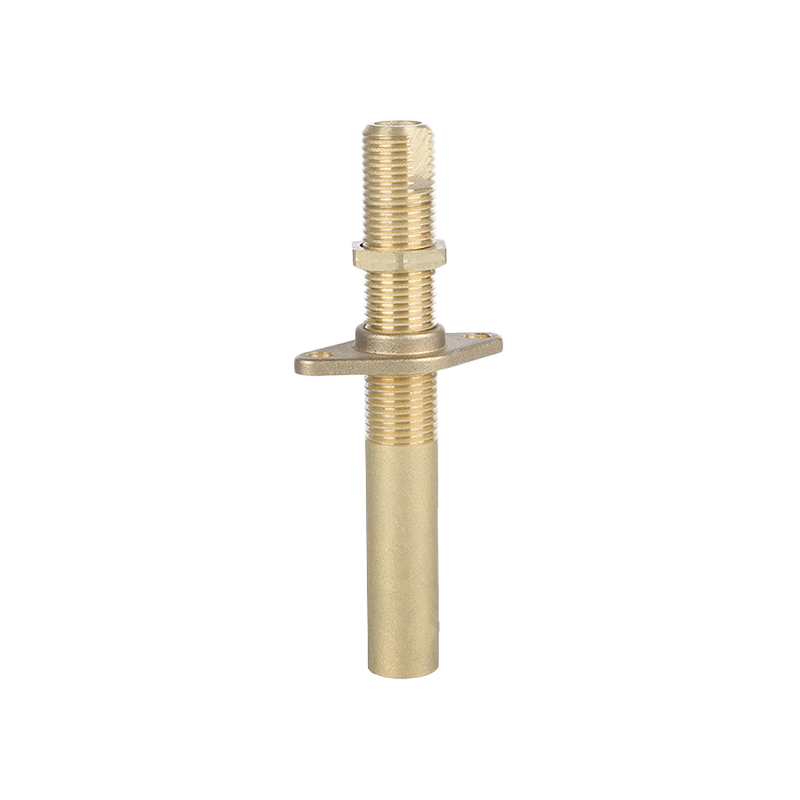
Hose Connector
Understanding the Role of a Hose Connector
A hose connector is designed to join a hose to a compatible connection point. Depending on the application, the connection point may be threaded, barbed, clamped, push-fit, compression-based, or integrated with a valve body. The connector creates a mechanical attachment and, in most designs, provides a sealing interface that prevents fluid leakage.
Flexible hoses are useful because they can absorb movement, simplify routing, and reduce installation difficulty. However, a hose cannot normally connect directly to every valve, pipe, or machine port. The connector bridges the difference between the hose structure and the rigid connection standard used by the rest of the system.
A well-designed connector must address several requirements at the same time. It must hold the hose securely, maintain an unobstructed flow path, resist deformation, support the correct sealing method, and remain compatible with the fluid being transported. In addition, the product should be easy to install without requiring excessive force or specialized tools.
The connector also contributes to system maintenance. A reliable connection can reduce unplanned leakage, while a practical design allows technicians to inspect, disconnect, or replace the hose without damaging surrounding components. For equipment manufacturers, a standardized connector can simplify assembly and make product configurations easier to manage.
Mechanical Connection and Sealing
The mechanical connection prevents the hose from separating under normal operating forces. Depending on the design, this function may be provided by a barb, a clamp, a threaded section, a compression sleeve, or a combination of these features. The sealing function is separate but equally important. A connection may appear mechanically secure while still leaking if its sealing surfaces are inaccurate or its gasket is not properly supported.
Threaded hose connectors are commonly used where a hose assembly must connect to a valve, pipe fitting, manifold, or equipment port. The thread must be manufactured to the appropriate nominal size and standard. Pitch, diameter, profile, and effective engagement all affect the quality of the connection.
Barbed connectors are often selected for flexible hoses because the raised profile helps retain the hose on the fitting. In these applications, the internal diameter of the hose, the outside diameter of the barb, hose flexibility, insertion depth, and clamp selection must be considered together. A connector that is too large may damage the hose during installation, while one that is too small may not provide adequate retention.
Some hose connectors combine multiple connection methods. For example, one end may be threaded for attachment to a valve, while the other end may be barbed for insertion into a flexible hose. This type of transition fitting is useful when a system combines rigid components with flexible tubing.
Key Design Features of a High-Quality Hose Connector
Hose connector performance begins with the geometry of the product. A high-quality design considers the external connection, internal passage, sealing area, wrenching surface, hose retention section, and available installation space. Each feature should work together rather than being treated as an isolated detail.
Accurate Connection Dimensions
Accurate dimensions are essential for compatibility. The connector must fit the selected hose and the mating component without excessive looseness or forced assembly. Dimensional control is especially important for threaded products, because a small deviation in thread profile or diameter can affect engagement, sealing, and installation torque.
Precision machining helps maintain repeatable dimensions across production batches. When customers purchase large quantities for equipment assembly or distribution, consistent dimensions make installation faster and reduce the risk of sorting or reworking components in the field.
Efficient Flow Passage
The internal passage should provide a practical balance between flow capacity and structural strength. An unnecessarily restricted passage can increase pressure loss and reduce the efficiency of a fluid system. On the other hand, removing too much material from the connector may reduce wall thickness and weaken the component.
Experienced manufacturers evaluate the relationship between outside dimensions, internal bore, pressure requirements, material characteristics, and connection style. The result should be a passage that supports the intended application while maintaining adequate strength around the threaded or hose-retention areas.
Reliable Sealing Surfaces
Sealing can be achieved through a gasket, O-ring, tapered thread, flat seat, compression interface, or another application-specific method. The connector should be designed to support the intended seal rather than relying on excessive tightening force.
A smooth and accurately formed sealing surface helps reduce leakage risk. Burrs, scratches, machining marks, or uneven contact areas may prevent the seal from working correctly. For this reason, surface quality and finishing operations are important parts of connector manufacturing.
Practical Installation Geometry
A connector should be easy to grip and position during installation. Hexagonal sections, flats, knurled surfaces, or other tool-engagement features may be used depending on the design. Proper wrenching surfaces allow the installer to apply controlled torque without damaging the connection.
Installation geometry also matters where space is limited. Compact equipment, control cabinets, water treatment assemblies, and household appliances may require a connector that can be installed close to other components. A practical design reduces interference and supports efficient hose routing.
Surface Protection and Appearance
The surface finish influences both appearance and service performance. A clean, uniform surface is easier to inspect and less likely to contain visible defects. Depending on the material and application, a connector may use polishing, plating, coating, passivation, or another finishing process.
Surface treatment must be selected with the working environment in mind. Moisture, chemicals, salt exposure, outdoor conditions, temperature, and contact with dissimilar metals can influence corrosion behavior. Product selection should therefore consider the actual service environment rather than appearance alone.
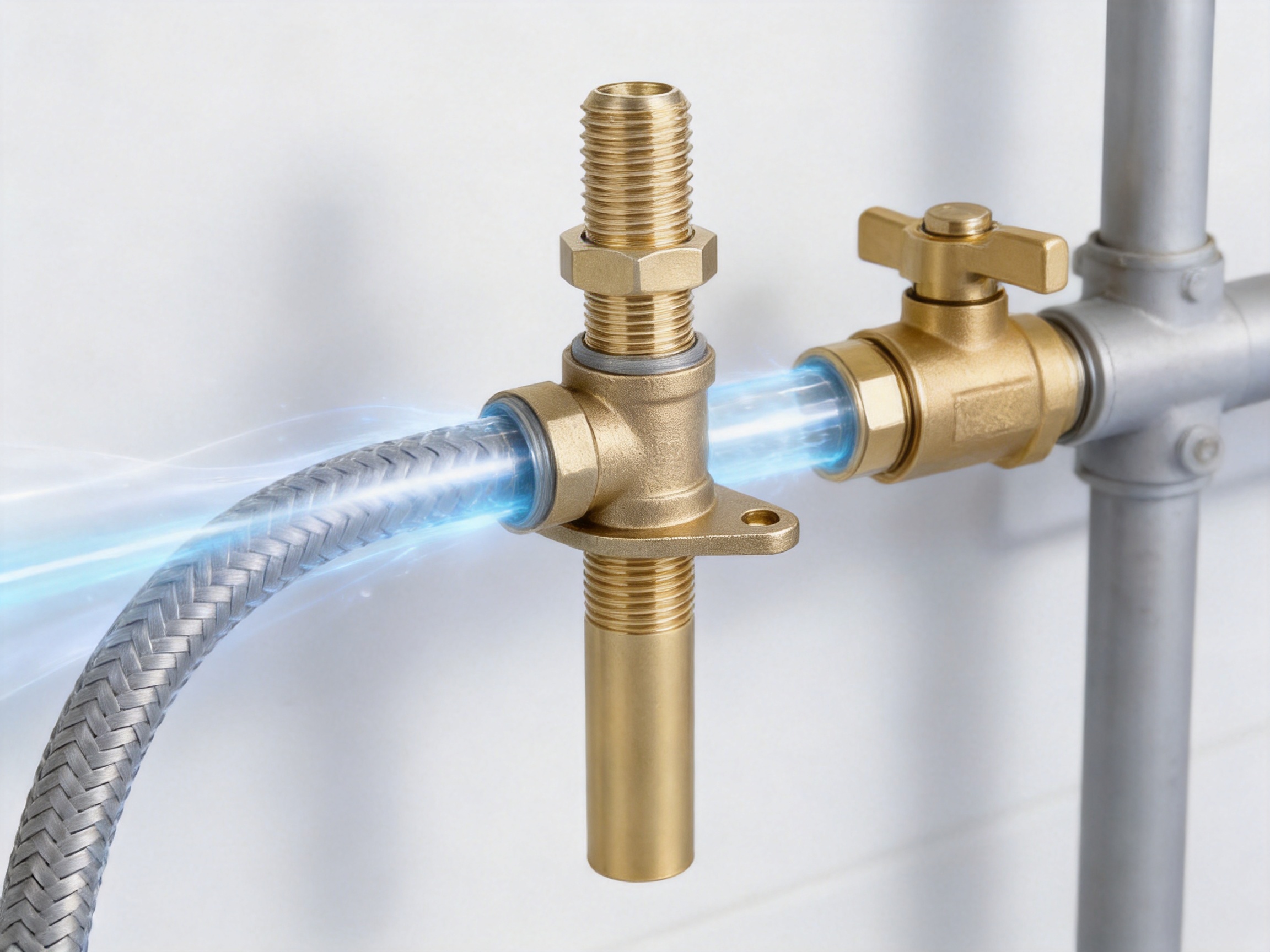
Material Selection for Hose Connectors
The correct material depends on the transported medium, pressure, temperature, installation environment, expected service life, and applicable requirements. Common connector materials include brass, stainless steel, carbon steel, engineering plastics, and other alloys or polymers suitable for specific applications.
Brass is widely used in fluid and plumbing hardware because it offers a useful combination of machinability, strength, corrosion resistance, and dimensional stability. It is also suitable for many water, air, and general-purpose applications. Brass connectors can be machined efficiently, which supports the production of accurate threads and consistent sealing surfaces.
Stainless steel may be selected where higher corrosion resistance, improved chemical compatibility, or a demanding industrial environment is involved. Stainless steel processing requires appropriate tooling and production control because the material can create more demanding machining conditions than softer alloys.
Engineering plastics may offer low weight, electrical insulation, and resistance to selected chemicals. However, their pressure, temperature, creep, and thread-strength characteristics must be carefully evaluated. A plastic connector that is appropriate for low-pressure water service may not be suitable for high-temperature or high-pressure applications.
Carbon steel and other
Product: Hose Connector

Related Products
-
 View More
-
 View More
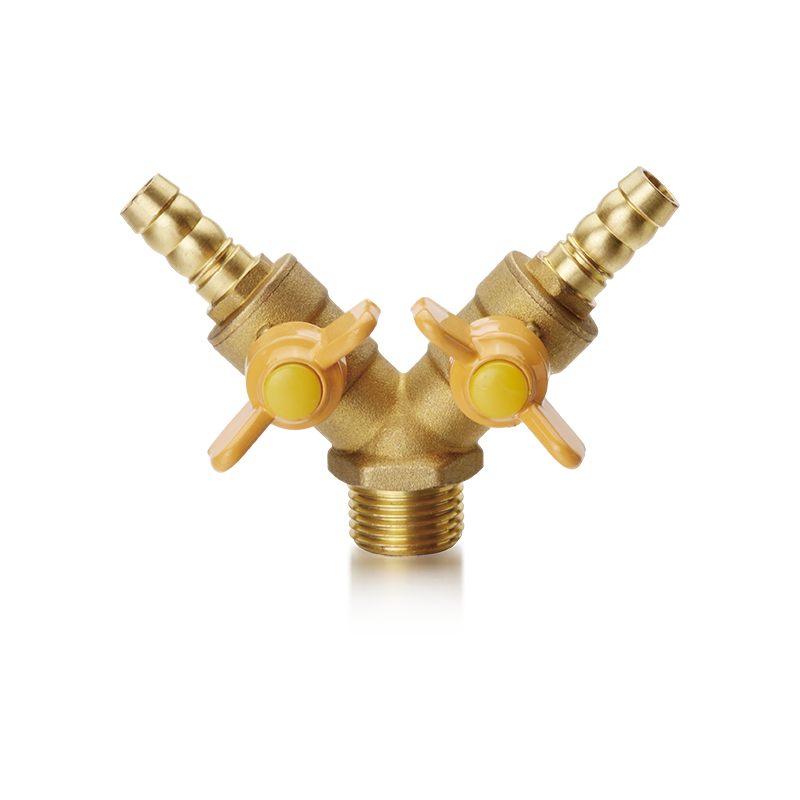
YH-208 Brass Ball Valve(M/Double Hose Connector)
-
 View More
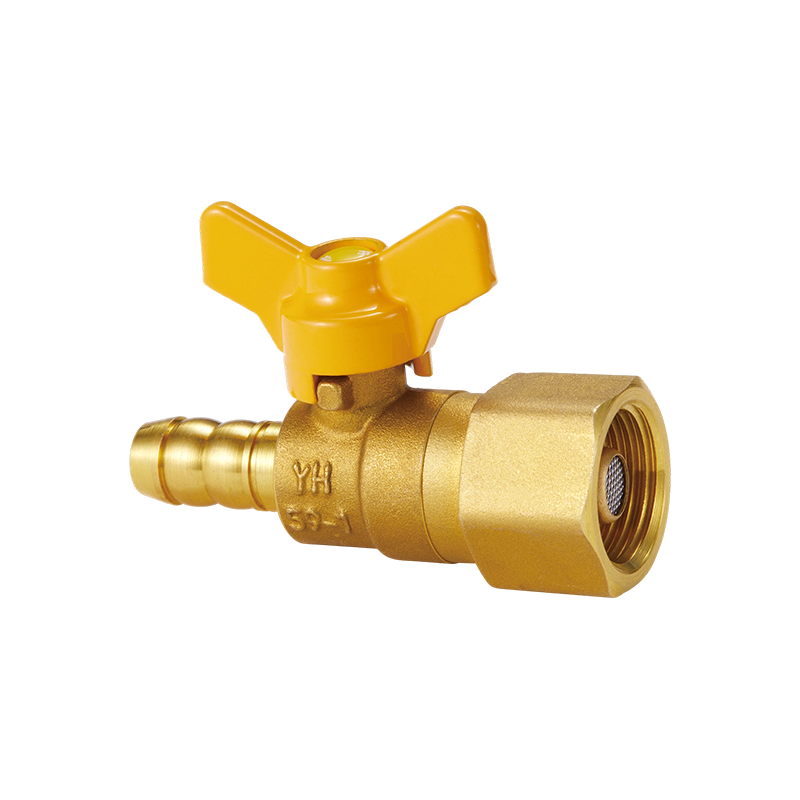
YH-216A Brass Excess Flow Shut-Off Valve(F/Hose Connector)
-
 View More
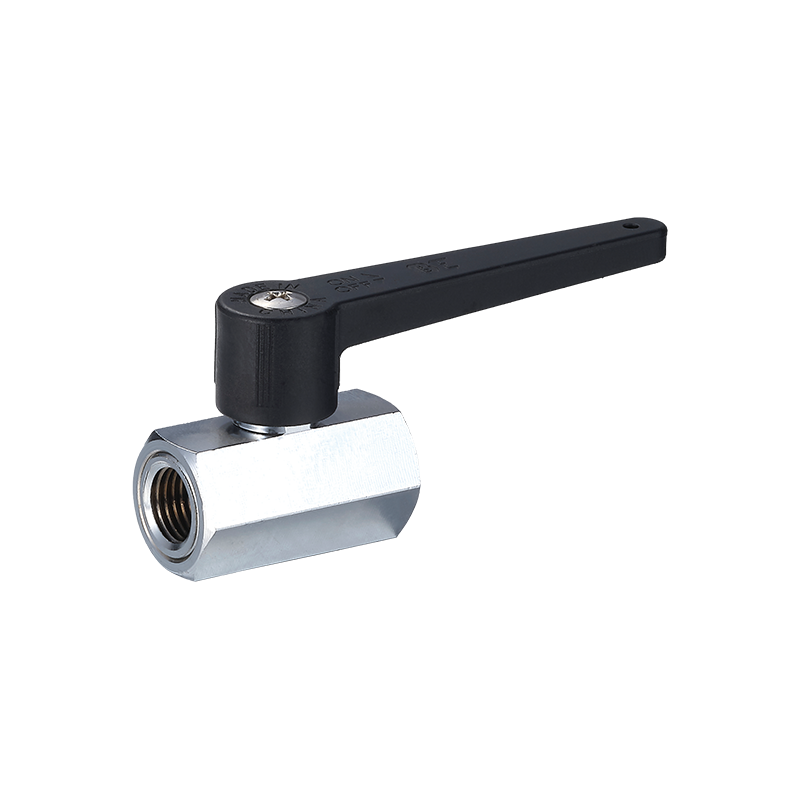
MINI-1 Mini Long Handle Ball Valve(F/F)
-
 View More
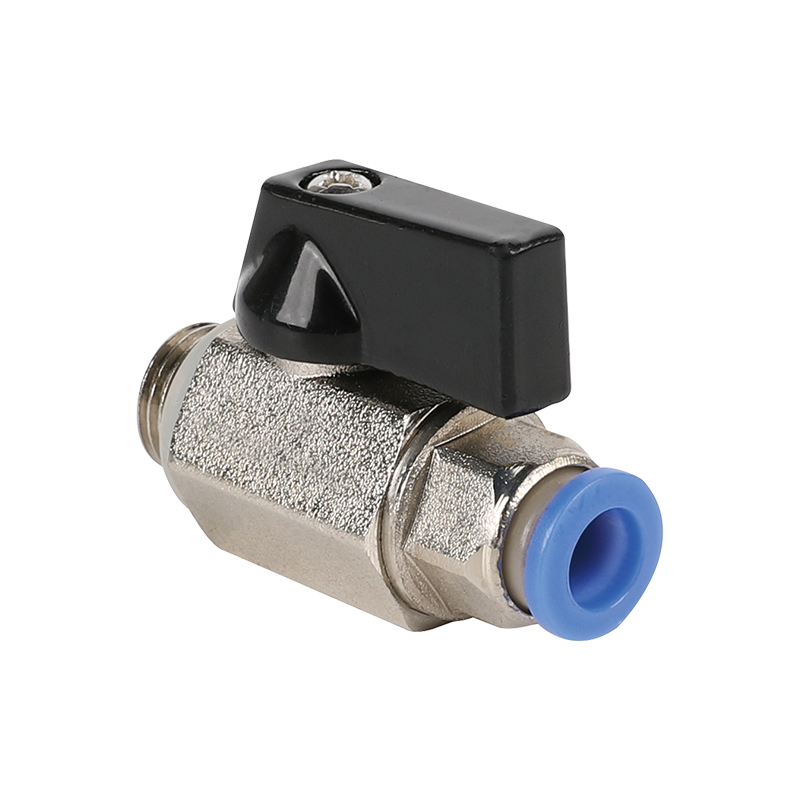
MINI-2 Mini Short-Handle Ball Valve(M/M)
-
 View More
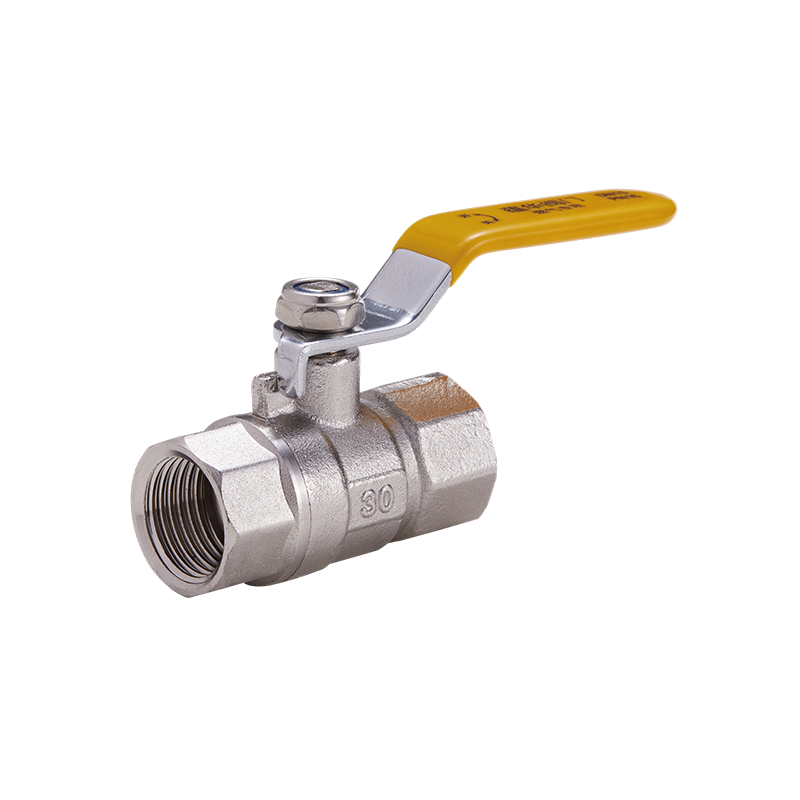
YH-2210 Forged Steel Ball Valve with Long Handle (F/F)
Related News
Contact Us
-

-
 +86-0574-63742169
-
 No.104-128, Cizhang East Road, Zhangqi Town, Cixi City, Ningbo, Zhejiang Province, China


Message Us Now !
