


 English
  русский
  عربى
عربى  Español
High-Performance Pipe Fittings for Safer Gas, Water, and Fluid Systems
Content
- 1 The Essential Role of Pipe Fittings in Modern Fluid Control
- 2 Product Positioning: Reliable Hardware Accessories for Valve and Pipeline Systems
- 3 Key Product Advantages Over Ordinary Pipe Fittings
- 4 Manufacturing Strength: Precision Production from a Modern Facility
- 5 Advanced CNC Machining and Its Value for Pipe Fittings
- 6 Automated Assembly and Testing for Consistent Quality
- 7 Comparison of High-Quality Pipe Fittings and Ordinary Alternatives
- 8 Applications in Gas Systems
- 9 Applications in Water Supply Systems
- 10 Applications in Industrial Fluid Control
- 11 Design Considerations for Selecting Pipe Fittings
- 12 Why Manufacturing Experience Matters
- 13 Quality Control from Raw Material to Finished Product
- 14 Competitive Advantages for Distributors and Project Buyers
- 15 Installation Benefits of Precision Pipe Fittings
- 16 Safety and Long-Term Performance
- 17 Sustainability Through Durability and Efficient Manufacturing
- 18 Company Strengths Supporting Product Reliability
- 19 How Pipe Fittings Contribute to a Safe Fluid Ecosystem
- 20 Buyer Checklist for Evaluating Pipe Fitting Suppliers
- 21 Q&A: Common Questions About Pipe Fittings
- 21.1 What makes a pipe fitting high quality?
- 21.2 Why is thread accuracy so important?
- 21.3 Are pipe fittings only used for water systems?
- 21.4 Why should buyers consider a manufacturer that also produces valves?
- 21.5 How does CNC machining improve pipe fitting quality?
- 21.6 What should distributors look for in a pipe fitting supplier?
- 21.7 Can pipe fittings be customized?
- 21.8 Why is testing necessary if the fitting looks good?
- 22 Conclusion
- 23 References
Pipe fittings are small components with a large responsibility. In gas supply lines, water distribution networks, industrial fluid circuits, heating systems, and equipment assemblies, fittings connect, redirect, regulate, seal, and stabilize the movement of media through pipelines. A well-made fitting helps a system remain tight, efficient, easy to install, and dependable over a long service life. A poorly made fitting, by contrast, can become the weakest point in an otherwise well-designed system, causing leakage, pressure loss, corrosion problems, installation delays, safety risks, and costly maintenance.
This article focuses on pipe fittings for hardware accessories, valve-related installations, gas and fluid control systems, and water supply applications. It explains the functional value of fittings, the advantages that distinguish high-quality products from ordinary alternatives, and the manufacturing strengths behind reliable performance. It also introduces the production capabilities of Ningbo Yunhua Valve Co., Ltd., an enterprise specializing in gas and fluid valves, water supply valves, and hardware accessories, with advanced machining, automated assembly, and testing facilities designed to support consistent quality.
For buyers, contractors, wholesalers, project engineers, and equipment manufacturers, pipe fittings should not be selected only by price or outer appearance. The real value of a fitting is determined by material integrity, thread precision, dimensional stability, pressure resistance, sealing performance, machining accuracy, surface finish, compatibility with valves and pipelines, and the manufacturer’s quality control system. These factors directly affect installation efficiency, operational safety, and long-term maintenance costs.
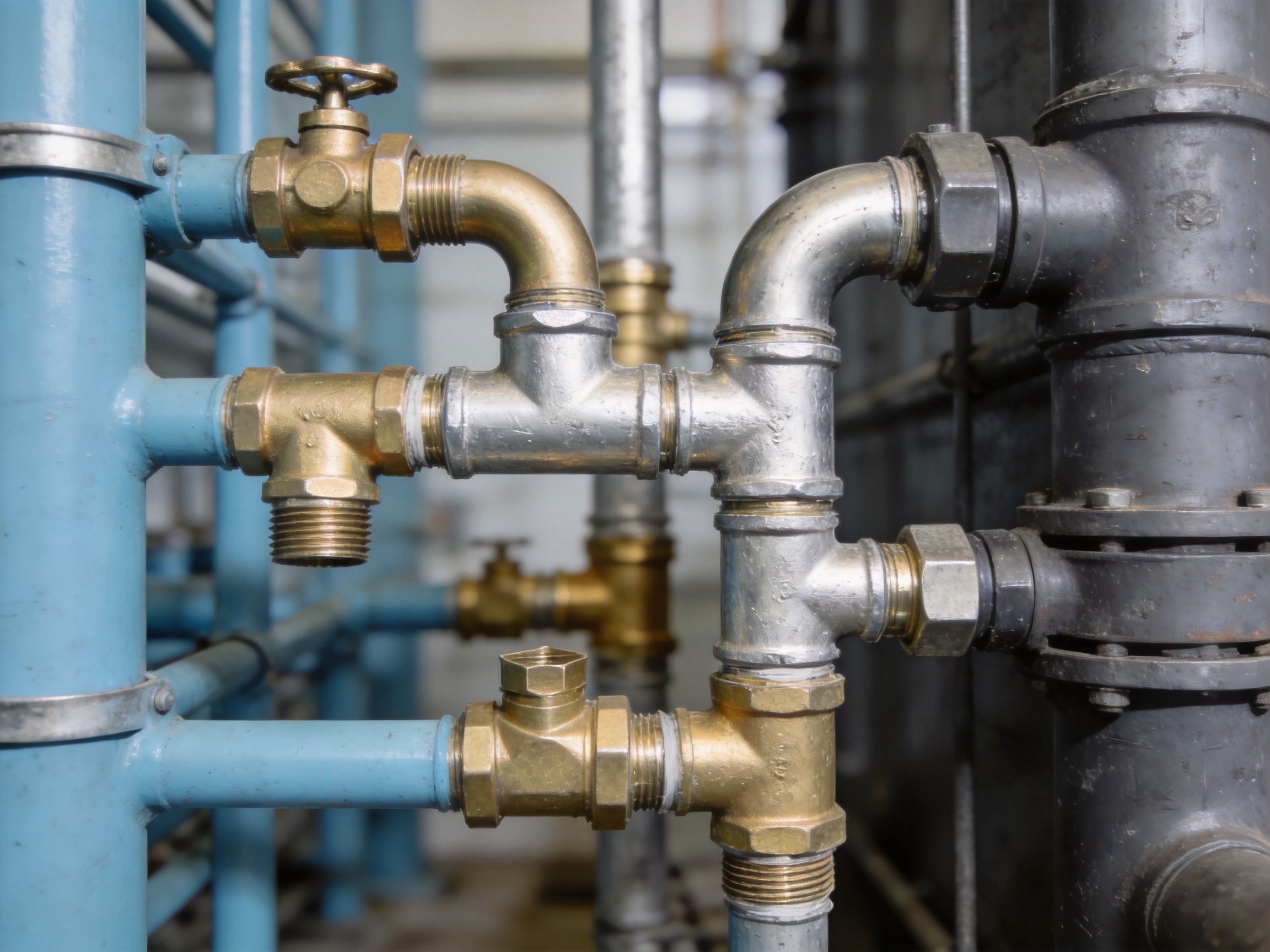
The Essential Role of Pipe Fittings in Modern Fluid Control
Pipe fittings serve as the connection architecture of a pipeline system. They join straight pipe sections, connect pipes to valves, allow changes in direction, adapt different diameters, terminate open ends, and enable disassembly for maintenance. In many systems, fittings operate together with ball valves, globe valves, forged steel valves, gas valves, and other control components. A fitting may look simple, but it must withstand mechanical stress, internal pressure, temperature variation, vibration, chemical exposure, and repeated installation forces.
In gas applications, safety is the primary concern. The fitting must provide stable sealing performance, accurate threading, and resistance to deformation. Even a minor imperfection can cause leakage, which may create serious hazards. In water supply systems, the fitting must resist corrosion, scale formation, pressure fluctuation, and long-term exposure to moisture. In industrial fluid systems, fittings may need to tolerate oils, air, steam, chemicals, and fluctuating operating conditions. In all these environments, consistent quality is essential.
Pipe fittings are also critical for installation flexibility. A project may require elbows, tees, couplings, unions, reducers, nipples, plugs, adapters, and other configurations. The more precise and consistent the fittings are, the faster installers can complete assembly. A fitting with accurate dimensions and smooth threading reduces the need for excessive sealing tape, rework, or replacement. This saves time on site and reduces labor costs.
The quality of pipe fittings also affects the reputation of the finished project. A contractor may install thousands of fittings in a building or industrial plant. If even a small percentage fail, the cost of troubleshooting can exceed the original cost of the fittings. Therefore, professional buyers increasingly prefer suppliers that combine advanced production equipment, systematic inspection, stable raw material sourcing, and proven capacity.
Product Positioning: Reliable Hardware Accessories for Valve and Pipeline Systems
The product category covers hardware accessories and valve-related components, with pipe fittings as a central product group. These fittings are designed to support gas and fluid valves, water supply valves, and general pipeline installations. Their function is not isolated; they are part of a broader fluid control ecosystem in which every component must contribute to safety and efficiency.
High-quality pipe fittings are especially valuable when used with threaded globe valves, forged steel valves, brass gas ball valves, and other valve products. A valve may have excellent internal structure and sealing performance, but if the connecting fitting is inaccurate or weak, the system can still leak or fail. Compatibility between fittings and valves is therefore a practical advantage. Manufacturers with experience in both valves and hardware accessories are better positioned to understand connection requirements, sealing behavior, and field installation challenges.
Ningbo Yunhua Valve Co., Ltd. has developed around this integrated understanding of valves, fluid control, and hardware accessories. The company’s experience in gas and fluid valves supports its ability to design and produce fittings that meet real installation needs rather than merely basic dimensional requirements. This is important because pipeline systems are judged by overall reliability, not by individual parts in isolation.
The company’s production base covers an area of approximately 20,000 square meters and includes a professional fully automated precision machining workshop, assembly line, and testing workshop. Its annual production capacity reaches 2 million sets of valves and 10 million sets of hardware accessories. This scale supports stable supply for wholesalers, distributors, engineering projects, and custom orders.
Key Product Advantages Over Ordinary Pipe Fittings
Accurate Threading for Stronger Sealing
Thread quality is one of the most important performance indicators for pipe fittings. Threads must be clean, uniform, properly angled, and dimensionally accurate. If threads are too shallow, too rough, eccentric, or inconsistent, they may damage mating components, require excessive tightening force, or fail to seal properly. High-quality threaded pipe fittings reduce the risk of leakage and make installation smoother.
Compared with many low-cost alternatives, precision-machined fittings offer better thread engagement and more predictable sealing behavior. This is especially important for gas lines and valve connections. Consistent threads allow installers to achieve secure fastening with standard tools and methods. They also reduce the chance of cross-threading, which can permanently damage a fitting or valve body.
Stable Dimensions for Easy Assembly
Pipe fittings must match specified dimensions so that they can connect smoothly with pipes, valves, and other accessories. Dimensional instability creates installation difficulties, misalignment, poor sealing, and higher scrap rates. Advanced CNC machining helps maintain tighter tolerances and reduces variation between batches.
For distributors and project buyers, dimensional consistency has direct commercial value. It reduces complaints, returns, and installation delays. When fittings from the same batch and across multiple batches behave consistently, customers can standardize their assembly procedures and inventory management. This is a clear advantage over suppliers that rely on less controlled production methods.
Reliable Material Performance
The performance of a pipe fitting depends heavily on the quality of its raw material. Brass, steel, forged steel, and other alloys must be selected according to application requirements. For gas-related and water-related systems, materials must support pressure resistance, corrosion resistance, machinability, and sealing stability. Reliable manufacturers control material sourcing and inspection to ensure that chemical composition and mechanical properties meet the intended standards.
Inferior material can lead to cracking, dezincification, thread stripping, corrosion, deformation, or premature failure. While such problems may not appear during initial installation, they can develop during long-term operation. A manufacturer with professional testing procedures can reduce these risks by verifying material quality before and during production.
Better Surface Finish and Cleanliness
Surface quality affects both appearance and function. Smooth surfaces reduce installation friction, improve sealing contact, and enhance corrosion resistance when proper finishing processes are applied. Clean fittings also reduce the possibility of foreign particles entering the pipeline system. This is particularly relevant for fluid control equipment where contamination can affect valve sealing surfaces or downstream devices.
Compared with rough, poorly finished fittings, well-machined products look more professional and perform more consistently. For wholesalers and brand owners, stable surface quality also helps improve customer confidence. A fitting that looks clean, precise, and well finished communicates manufacturing discipline before it is even installed.
Compatibility with Valve Systems
Pipe fittings used around valves must withstand tightening torque, operational vibration, and pressure changes. They should also match the connection design of valve bodies. Manufacturers that produce both valves and accessories have practical knowledge of how these parts interact. This makes it easier to optimize fitting design for real-world compatibility.
Ningbo Yunhua Valve Co., Ltd. specializes in gas and fluid valves, water supply valves, and hardware accessories. This product background gives the company an advantage over competitors that only produce generic fittings without deep experience in valve applications. A fitting designed with valve integration in mind can improve installation stability and system reliability.
Manufacturing Strength: Precision Production from a Modern Facility
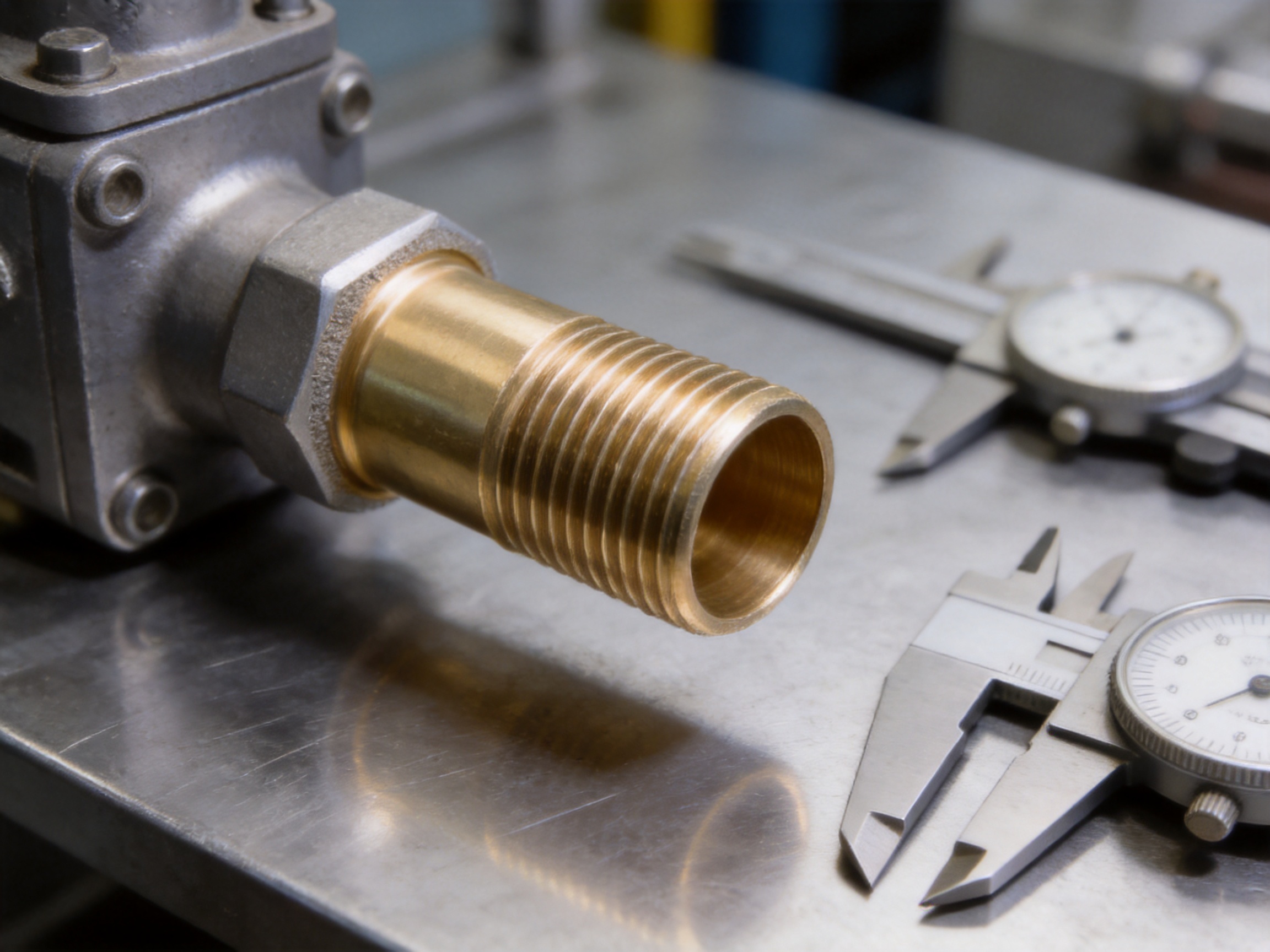
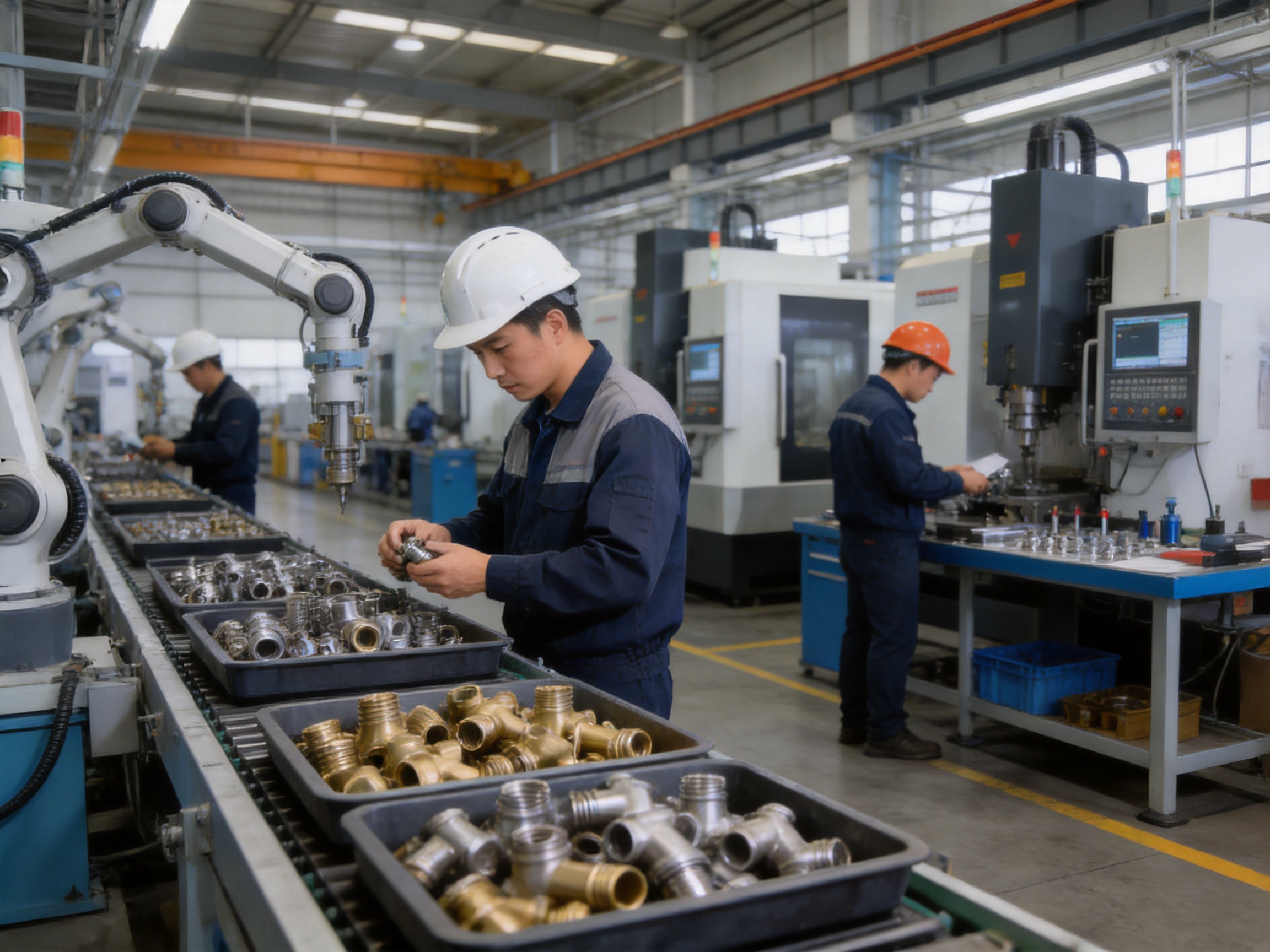
Manufacturing quality begins with process control. Pipe fittings require multiple production steps, including raw material preparation, cutting, forging or forming when applicable, CNC machining, threading, deburring, cleaning, surface treatment, assembly if needed, inspection, pressure testing, packaging, and shipment. Each stage influences the next. If early-stage dimensions are unstable, final machining becomes more difficult. If burrs are not removed, sealing and cleanliness may suffer. If inspection is weak, defective products may reach customers.
Ningbo Yunhua Valve Co., Ltd. has established a professional automated precision machining workshop, assembly line, and testing workshop. The use of advanced domestic and international CNC machine tools supports accurate and repeatable manufacturing. CNC machining is essential for maintaining thread quality, bore alignment, surface finish, and dimensional stability. Automated equipment also reduces dependence on inconsistent manual operations.
Professional automated assembly and testing equipment further strengthen quality assurance. In valve and fitting production, testing is not an optional extra; it is a core requirement. Pressure resistance, leakage prevention, dimensional inspection, and functional verification help ensure that products comply with relevant standards and customer expectations. Testing also provides feedback to the production process, allowing continuous improvement.
The company’s annual production capacity of 10 million sets of hardware accessories demonstrates an ability to supply large orders while maintaining process organization. Capacity matters because customers need not only quality but also delivery stability. A supplier with insufficient capacity may struggle during peak demand, causing project delays. A stronger production base can support long-term cooperation, custom orders, and scalable distribution.
Advanced CNC Machining and Its Value for Pipe Fittings
CNC machining is one of the most important technologies in modern pipe fitting manufacturing. Unlike manual machining, CNC processes are controlled by programmed parameters, allowing repeatability and tighter tolerances. For threaded pipe fittings, this means more uniform thread profiles, better concentricity, and more reliable fit with mating parts.
CNC equipment is particularly valuable for complex or high-volume fittings. Once a process is optimized, the manufacturer can produce large batches with consistent geometry. This reduces variation that could otherwise lead to leaks, assembly issues, or customer complaints. It also allows efficient production of custom configurations for specific market requirements.
Precision machining contributes to pressure performance. Internal bores, sealing faces, and threaded ends must maintain proper alignment. If a fitting is eccentric or uneven, stress concentration may occur during installation or operation. Accurate machining minimizes these issues and supports safer use in gas, water, and industrial fluid systems.
CNC machining also improves productivity. Higher efficiency enables competitive pricing without sacrificing quality. This is an important advantage over competitors that may depend on low-cost labor and less advanced equipment. A modern manufacturing strategy focuses on reducing defects, improving repeatability, and creating value through stable processes rather than merely lowering unit cost.
Automated Assembly and Testing for Consistent Quality
Automation in assembly and testing helps reduce human error and improve product consistency. While skilled workers remain important, automated systems can perform repetitive operations with stable force, timing, and measurement criteria. In pipe fittings and valve-related accessories, this stability is especially valuable because small variations can affect sealing and pressure performance.
Testing equipment may be used to verify leakage resistance, pressure endurance, thread dimensions, surface integrity, and other quality factors. For gas-related products, leakage testing is especially important. Even a tiny leak can create unacceptable risk. A professional testing workshop enables the manufacturer to identify and isolate nonconforming products before shipment.
Quality control should not occur only at the end of production. Effective manufacturers use inspection throughout the process. Raw materials are checked before machining. In-process dimensions are monitored during production. Finished products are inspected and tested before packaging. This layered approach reduces the chance that defects will pass through unnoticed.
The presence of automated testing also supports customer confidence. Buyers want evidence that a supplier can deliver repeatable quality. A factory equipped with dedicated testing systems is better able to meet formal requirements, support large-scale purchasing programs, and provide consistent product performance across multiple shipments.
Comparison of High-Quality Pipe Fittings and Ordinary Alternatives
| Evaluation Factor | High-Quality Precision Pipe Fittings | Ordinary Low-Cost Alternatives | Practical Impact for Buyers |
|---|---|---|---|
| Thread Accuracy | Uniform, clean, and dimensionally controlled threads produced with precision equipment | Possible roughness, inconsistency, eccentricity, or poor thread engagement | Better sealing, easier installation, fewer leaks, and reduced rework |
| Dimensional Stability | Controlled tolerances across batches | Greater variation between pieces and shipments | Improved compatibility with valves, pipes, and project specifications |
| Material Reliability | Selected materials with inspection and process control | Potential use of inconsistent or lower-grade raw materials | Longer service life and reduced risk of cracking, corrosion, or deformation |
| Surface Finish | Smooth, clean, professional finish with proper deburring | Rough surfaces, burrs, or uneven appearance | Improved sealing contact, appearance, and installation safety |
| Testing System | Professional inspection and testing procedures | Limited or inconsistent quality verification | Greater confidence in safety-critical gas and fluid systems |
| Supply Capacity | Large-scale production capacity supporting stable delivery | Potential delays during large or urgent orders | More reliable procurement planning for distributors and projects |
Applications in Gas Systems
Gas systems demand strict attention to sealing performance and safety. Pipe fittings used in gas lines must resist leakage under operating pressure and maintain stable connections over time. They must also tolerate installation torque without thread damage or structural failure. In this field, small defects can create serious consequences, making quality control essential.
Brass gas ball valves and associated fittings are commonly used in residential, commercial, and light industrial gas distribution. The fittings that connect these valves must match thread specifications and provide dependable sealing surfaces. A precision fitting reduces the risk of leakage caused by poor thread engagement or uneven machining.
For gas applications, installers also value predictable assembly behavior. If a fitting tightens smoothly and seals reliably, installation becomes faster and safer. If the fitting is rough or inconsistent, installers may overtighten it, use excessive sealing material, or replace it entirely. These problems increase labor time and risk. High-quality fittings therefore offer both safety and economic advantages.
Applications in Water Supply Systems
Water supply systems require fittings that resist corrosion, pressure fluctuation, and long-term exposure to moisture. In residential plumbing, commercial buildings, municipal systems, and equipment water lines, fittings must provide stable performance over years of use. Leakage in water systems can damage property, interrupt service, and create maintenance costs.
Pipe fittings for water supply must have smooth internal passages and secure connections. A well-finished interior helps reduce turbulence and accumulation of debris. Accurate threading and sealing geometry prevent drips and pressure loss. Material selection is also important because water quality, temperature, and chemical composition may vary between regions.
In water valve assemblies, fittings may connect to shut-off valves, control valves, pressure devices, filters, meters, and flexible connectors. Compatibility with these components makes installation easier. A manufacturer experienced in water supply valves and hardware accessories can better understand the functional requirements of these connections.
Applications in Industrial Fluid Control
Industrial fluid systems may transport compressed air, lubricating oil, cooling water, process fluids, or other media. These systems often operate under changing pressure and temperature conditions. Pipe fittings used in industrial environments must therefore offer mechanical strength, sealing reliability, and resistance to vibration.
Threaded globe valves, forged steel valves, and other industrial valve products often require robust fittings and adapters. A fitting in this environment is not only a connector but also a pressure-bearing component. Its failure can interrupt production, damage equipment, or create safety hazards. Precision machining and material verification help reduce these risks.
Industrial buyers usually evaluate total cost of ownership. A cheaper fitting may appear attractive at the purchasing stage, but if it causes leakage, downtime, or equipment damage, the actual cost becomes much higher. High-quality fittings support preventive maintenance strategies and reduce unplanned shutdowns.
Design Considerations for Selecting Pipe Fittings
When selecting pipe fittings, buyers should consider more than nominal size. The fitting must match the pipe material, thread type, pressure rating, media type, installation environment, and applicable standards. A fitting that works well in a low-pressure water line may not be suitable for gas service or industrial fluid use. Understanding these differences helps prevent misapplication.
Thread type is a primary consideration. Different markets and systems may use different thread standards. Accurate identification of thread requirements prevents compatibility problems. Buyers should also confirm whether the fitting needs male threads, female threads, tapered threads, straight threads, or special connection forms.
Pressure rating is another important factor. The fitting should be suitable for the maximum operating pressure of the system, including possible pressure surges. It is not enough to consider only normal operating pressure. Safety margins are important, especially in gas and industrial applications.
Material compatibility must also be evaluated. Some fluids may react with certain metals or accelerate corrosion. Water composition, gas type, temperature, and surrounding environment can all influence material selection. Professional suppliers can help customers choose suitable fittings based on application conditions.
Why Manufacturing Experience Matters
Pipe fitting manufacturing requires practical knowledge accumulated through repeated production, inspection, and customer feedback. Experience helps a manufacturer understand where defects are likely to occur and how to prevent them. It also supports better tooling design, machining parameters, inspection standards, and packaging methods.
Ningbo Yunhua Valve Co., Ltd. has developed over more than ten years with a focus on gas and fluid valves, water supply valves, and hardware accessories. During this period, the company has cultivated a management system and professional team to support consistent production. A stable management system is important because quality depends not only on machines but also on disciplined procedures.
Manufacturing experience also improves customization capability. Customers may need different sizes, materials, surface treatments, thread standards, packaging formats, or supporting accessories. A capable manufacturer can evaluate these requirements and organize production efficiently. This flexibility is valuable for distributors serving multiple markets and for equipment manufacturers needing application-specific parts.
Quality Control from Raw Material to Finished Product
A strong pipe fitting begins with qualified raw material. Material inspection may include checking certificates, chemical composition, mechanical properties, appearance, and dimensions. Once material enters production, cutting and forming processes must be controlled to avoid cracks, deformation, or waste. During machining, key dimensions and threads must be monitored.
Deburring is a small but essential step. Burrs can interfere with sealing, damage threads, create safety hazards during handling, or break loose into the pipeline. Proper deburring and cleaning demonstrate attention to detail. Surface treatment or finishing should then be applied according to product requirements.
Final inspection verifies that the fitting meets dimensional, visual, and functional requirements. For certain applications, pressure testing or leakage testing may be conducted. Packaging must protect the fittings from damage, contamination, and corrosion during transportation and storage. Good packaging also supports efficient distribution and professional presentation.
This complete quality chain helps distinguish reliable manufacturers from low-cost suppliers that inspect only randomly or focus mainly on appearance. For safety-related products, systematic quality control is a necessity rather than a marketing claim.
Competitive Advantages for Distributors and Project Buyers
Distributors need products that are easy to sell, reliable in use, and stable in supply. Pipe fittings from a strong manufacturer support these needs by reducing after-sales problems and improving customer satisfaction. Consistent quality helps distributors build trust with installers, retailers, and project clients.
Project buyers often require large quantities within defined delivery schedules. A supplier with a 20,000-square-meter production base and high annual capacity can better support these requirements. Stable capacity helps prevent delays caused by insufficient production resources. It also allows customers to plan inventory more confidently.
Another advantage is product integration. Because Ningbo Yunhua Valve Co., Ltd. works with valves and hardware accessories, customers can source related products from a supplier that understands system-level requirements. This can simplify procurement, reduce coordination costs, and improve compatibility between components.
For OEM and custom buyers, advanced machining and professional management create opportunities for tailored solutions. Custom dimensions, thread types, material choices, and packaging can be developed according to market requirements. The ability to combine flexibility with production scale is a strong competitive advantage.
Installation Benefits of Precision Pipe Fittings
Installers appreciate fittings that save time and reduce uncertainty. Precision fittings are easier to align, thread, tighten, and seal. They reduce the risk of cross-threading and minimize the need for repeated disassembly. This is especially important in large projects where hundreds or thousands of fittings may be installed.
Clean threads and accurate dimensions also reduce tool wear and installer fatigue. A poorly made fitting may require excessive force, increasing the chance of damaging the fitting, pipe, or valve. A well-made fitting provides predictable resistance during tightening and helps installers achieve a professional result.
In maintenance situations, reliable fittings are equally valuable. When a system must be repaired or modified, fittings that were originally manufactured with accurate threads and durable materials are easier to service. They are less likely to seize, crack, or deform. This contributes to lower lifecycle costs.
Safety and Long-Term Performance
Safety is the ultimate purpose of quality in pipe fittings. Whether the system carries gas, water, or industrial fluid, leakage and component failure can create serious problems. High-quality fittings reduce these risks by providing stable mechanical strength, reliable sealing surfaces, and compatibility with operating conditions.
Long-term performance depends on resistance to corrosion, fatigue, pressure fluctuation, and installation stress. A fitting may pass a simple initial test but fail after repeated thermal expansion, vibration, or environmental exposure. This is why material selection, precision machining, and quality testing must work together.
For end users, long service life means fewer repairs and lower maintenance costs. For distributors, it means fewer complaints and stronger market reputation. For project owners, it means safer systems and reduced downtime. In all cases, the value of a dependable fitting extends far beyond its purchase price.
Sustainability Through Durability and Efficient Manufacturing
Sustainability in hardware products is often connected to durability. A fitting that lasts longer reduces replacement frequency, waste, transportation demand, and maintenance activity. Reliable manufacturing also reduces scrap and rework during production. Precision machining, stable process control, and professional testing all contribute to resource efficiency.
Automated production can improve material utilization and reduce errors. When fewer defective products are produced, less energy and raw material are wasted. Quality control also prevents defective products from being shipped and later discarded. In this way, manufacturing discipline supports both economic and environmental goals.
Durable fittings also help maintain efficient pipeline operation. Leakage wastes gas, water, or process fluids. Pressure loss can increase energy consumption in pumping or compression systems. By supporting leak-free connections, high-quality fittings contribute indirectly to resource conservation.
Company Strengths Supporting Product Reliability
Ningbo Yunhua Valve Co., Ltd. is an innovative enterprise focused on research, development, production, sales, and service of gas and fluid valves, water supply valves, and hardware accessories. Its mission is to build a safe fluid ecosystem with high-quality valves, and its vision is to become a leading company in the global fluid control industry.
The company has developed a professional management team and improved management system over more than ten years. These organizational strengths matter because stable quality requires coordination between purchasing, engineering, production, inspection, packaging, and customer service. A factory may own advanced machines, but without management discipline, quality can still vary. The combination of equipment and management is therefore a major advantage.
The manufacturing site includes a fully automated precision machining workshop, assembly line, and testing workshop. Advanced CNC machine tools and automated equipment support precision, efficiency, and repeatability. These capabilities enable the company to produce both valves and hardware accessories at significant scale.
With annual production capacity of 2 million sets of valves and 10 million sets of hardware accessories, the company can support both routine supply and larger procurement programs. This capacity is important for international distributors, construction projects, and equipment manufacturers that require reliable delivery schedules.
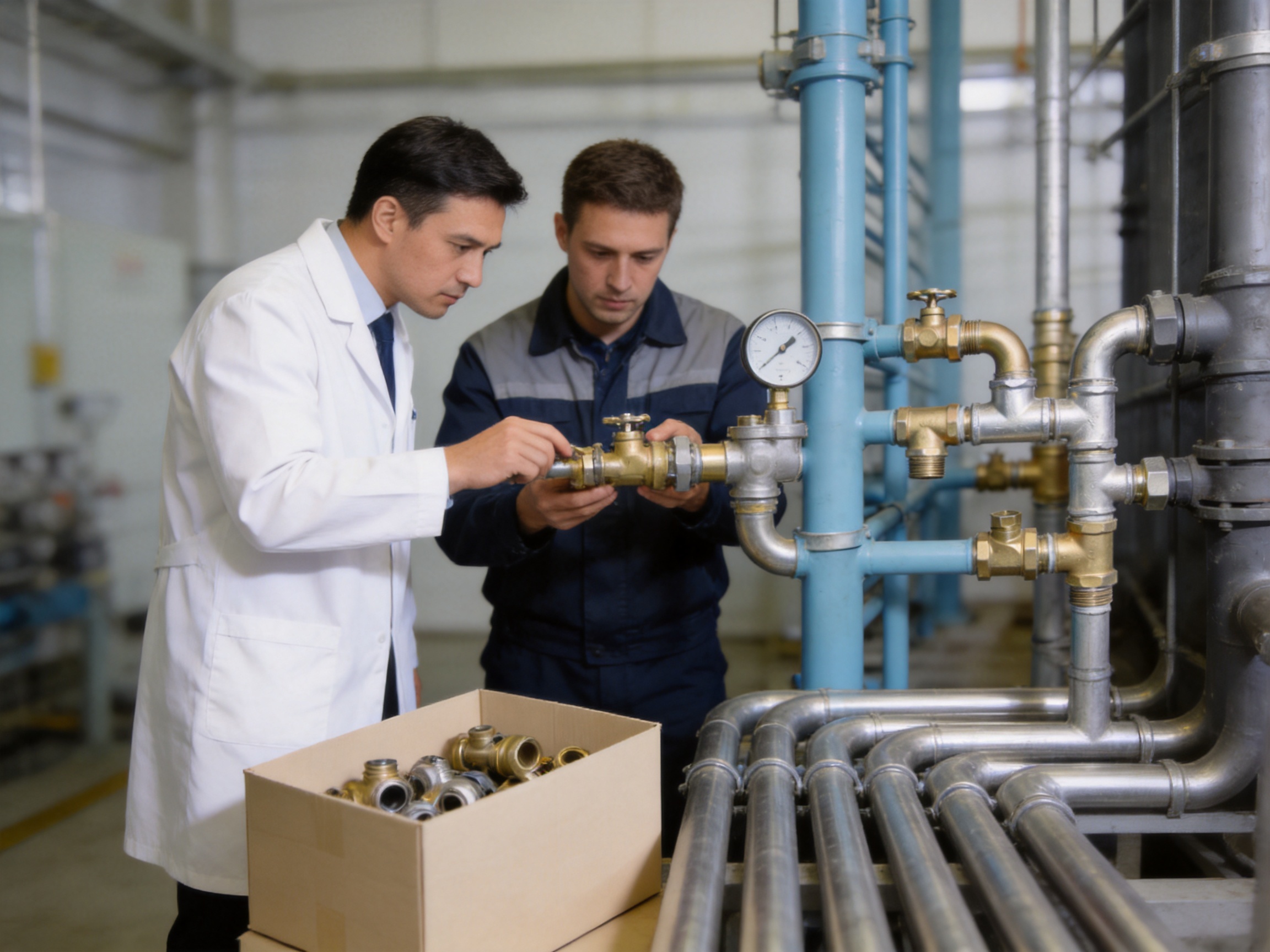
How Pipe Fittings Contribute to a Safe Fluid Ecosystem
A safe fluid ecosystem is built from many components working together. Valves control flow, pipes transport media, fittings connect and adapt the system, and testing ensures reliability. Pipe fittings are therefore a foundational part of the ecosystem. They may not be the most visible components, but their performance affects every connected part.
In a gas installation, fittings help maintain sealed pathways from supply to appliance or equipment. In water systems, they support clean and stable distribution. In industrial systems, they enable flexible equipment layout and maintenance access. In each case, fittings must perform under real operating conditions, not merely look correct in a catalog.
The goal of safe fluid control aligns with the need for precision manufacturing. Safety cannot be inspected into a product at the last moment; it must be designed and manufactured into every part. This includes choosing appropriate materials, controlling machining processes, testing finished goods, and continually improving based on data and experience.
Buyer Checklist for Evaluating Pipe Fitting Suppliers
Buyers can use a structured checklist to compare suppliers. First, confirm the supplier’s product range and whether fittings match required applications, such as gas, water, or industrial fluid systems. Second, evaluate manufacturing equipment, especially CNC machining capability and testing facilities. Third, ask about material control and inspection procedures.
Fourth, review production capacity. A supplier may provide acceptable samples but fail to maintain consistency in large orders. Capacity and process control must be evaluated together. Fifth, check whether the supplier has experience with valves and related accessories, as this experience can improve product compatibility.
Sixth, assess communication and service. Custom orders, documentation, packaging requirements, and delivery schedules require responsive coordination. A professional supplier should be able to understand technical requirements and provide practical solutions. Finally, consider total value rather than unit price alone. The lowest price may create higher costs through defects, delays, and maintenance problems.
Q&A: Common Questions About Pipe Fittings
What makes a pipe fitting high quality?
A high-quality pipe fitting combines reliable material, accurate dimensions, clean threading, smooth surface finish, proper deburring, and verified sealing or pressure performance. It should install smoothly, connect securely, and perform consistently over time.
Why is thread accuracy so important?
Thread accuracy determines how well the fitting engages with pipes, valves, or other components. Poor threads can cause leakage, cross-threading, difficult installation, and damaged mating parts. Accurate threads improve sealing reliability and reduce installation time.
Are pipe fittings only used for water systems?
No. Pipe fittings are used in gas systems, water supply networks, industrial fluid circuits, compressed air lines, heating systems, equipment assemblies, and valve installations. The correct fitting must be selected according to media, pressure, temperature, and connection requirements.
Why should buyers consider a manufacturer that also produces valves?
A manufacturer experienced in valves understands how fittings interact with valve bodies, sealing surfaces, pressure conditions, and installation practices. This helps improve compatibility and system-level reliability.
How does CNC machining improve pipe fitting quality?
CNC machining provides repeatable precision. It helps produce consistent threads, accurate dimensions, aligned bores, and smooth surfaces. This reduces variation between products and supports better sealing and easier installation.
What should distributors look for in a pipe fitting supplier?
Distributors should look for stable quality, reliable capacity, professional testing, strong packaging, responsive service, and product consistency across batches. These factors reduce after-sales issues and help build market trust.
Can pipe fittings be customized?
Yes. Depending on the manufacturer’s capabilities, pipe fittings may be customized by size, thread type, material, surface treatment, structure, packaging, or application requirements. Advanced machining and organized production management improve customization efficiency.
Why is testing necessary if the fitting looks good?
Appearance alone cannot confirm sealing performance, pressure resistance, material integrity, or dimensional accuracy. Testing helps detect hidden defects and ensures that fittings meet functional requirements before shipment.
Conclusion
Pipe fittings are essential components in gas, water, and fluid control systems. Their value lies in reliable sealing, accurate connection, material strength, dimensional stability, and long-term durability. Although they may appear simple, they carry significant responsibility for system safety and performance.
High-quality pipe fittings provide clear advantages over ordinary low-cost alternatives. They install more easily, seal more reliably, reduce maintenance risks, and support safer operation. For distributors, contractors, and project buyers, these advantages translate into lower lifecycle costs, fewer complaints, and stronger customer confidence.
Ningbo Yunhua Valve Co., Ltd. supports pipe fitting reliability through advanced CNC machining, automated assembly, professional testing, large-scale production capacity, and experience in valves and hardware accessories. Its manufacturing base, management system, and commitment to safe fluid control provide a strong foundation for supplying fittings that meet practical market needs.
In modern pipeline systems, every connection matters. Choosing precision pipe fittings from a capable manufacturer is not only a purchasing decision but also an investment in safety, efficiency, and long-term system value.
References
International Organization for Standardization. Pipe Threads Where Pressure-Tight Joints Are Made on the Threads: Dimensions, Tolerances, and Designation.
American Society of Mechanical Engineers. ASME B16 Series Standards for Pipe Fittings, Flanges, Valves, and Related Components.
Manufacturers Standardization Society. MSS Standards for Valves, Fittings, Flanges, and Pipe Hangers.
Crane Co. Flow of Fluids Through Valves, Fittings, and Pipe.
Smith, P. Piping Materials Guide: Selection and Applications.
American Water Works Association. Standards and Manuals for Water Supply Components and Installation Practices.

Related Products
-
 View More
-
 View More
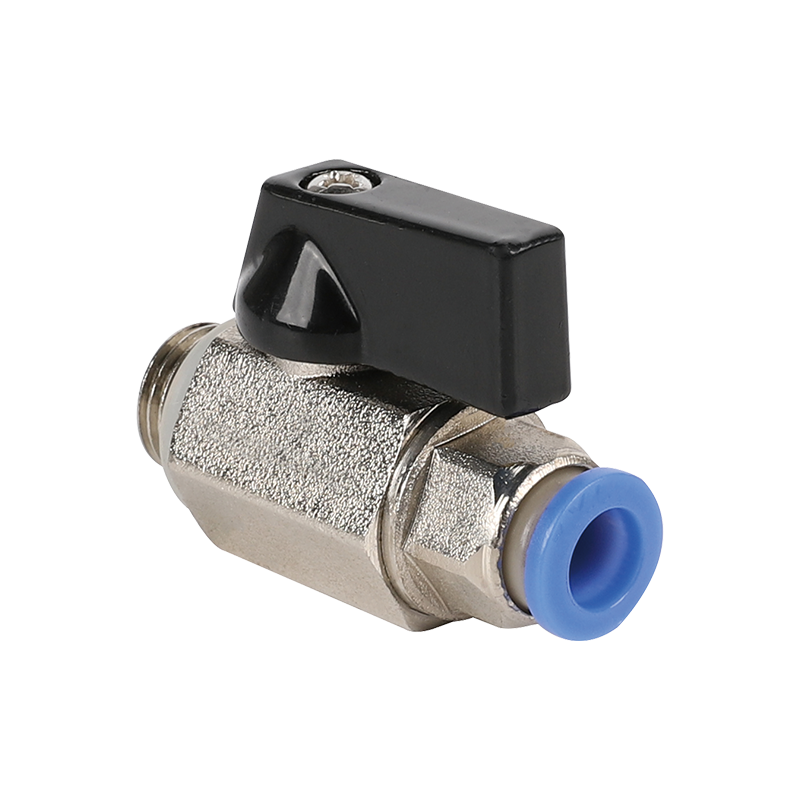
MINI-2 Mini Short-Handle Ball Valve(M/M)
-
 View More
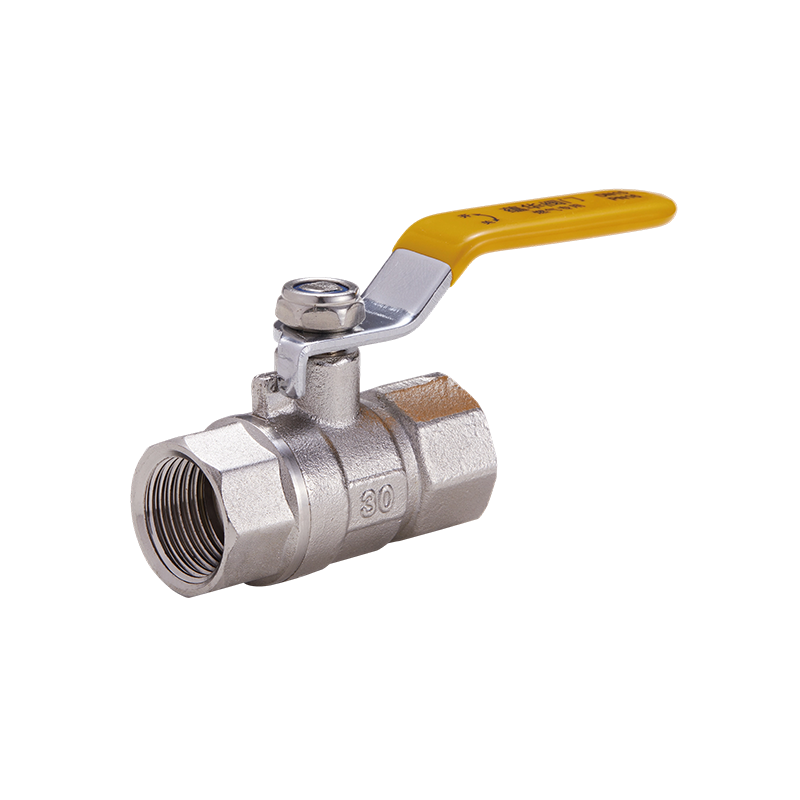
YH-2210 Forged Steel Ball Valve with Long Handle (F/F)
-
 View More
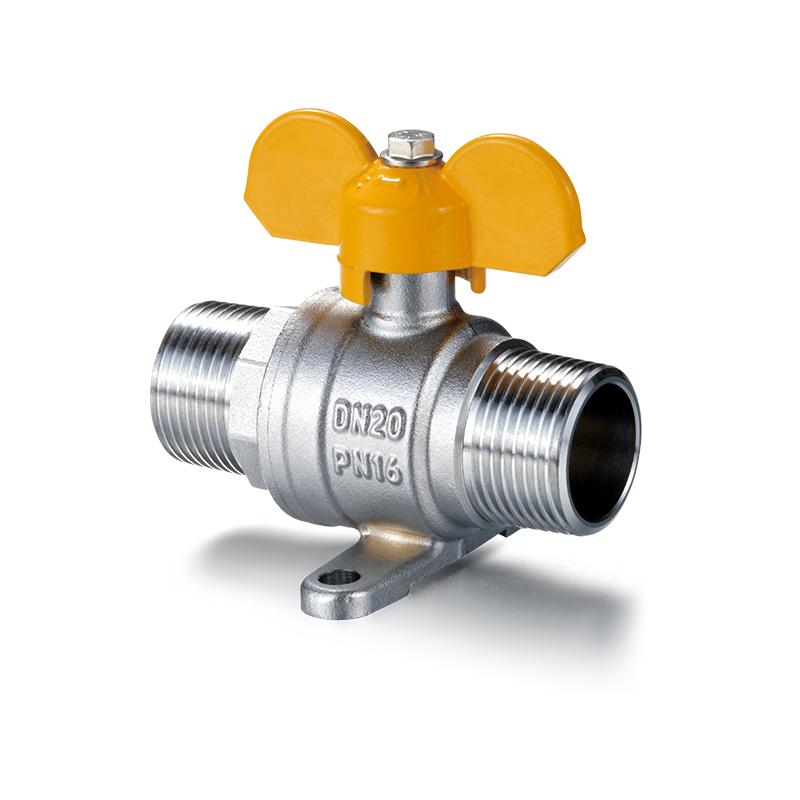
YH-214 Brass Ball Valve with Base& Butterfly Handle(M/M)
-
 View More
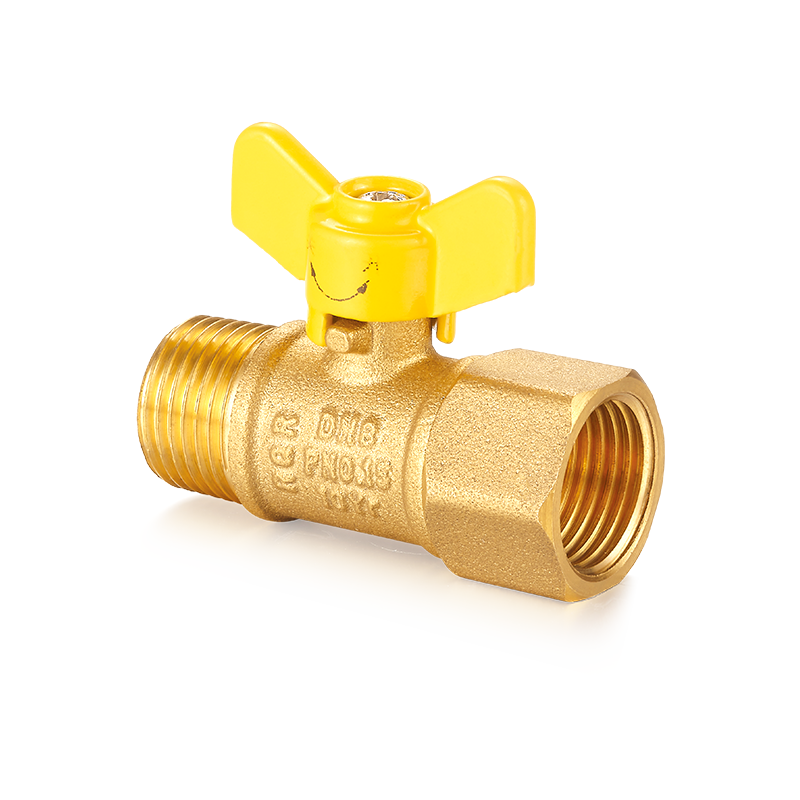
YH-205 Brass Ball Valve with Butterfly Handle(F/M)
-
 View More
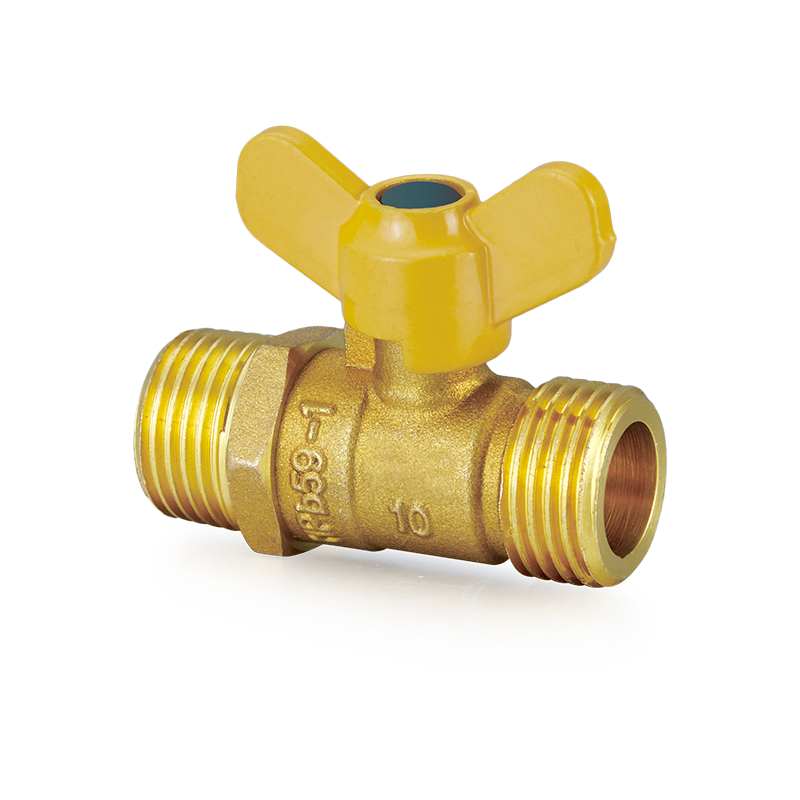
YH-206 Brass Ball Valve with Butterfly Handle(M/M)
Related News
Contact Us
-

-
 +86-0574-63742169
 -
 No.104-128, Cizhang East Road, Zhangqi Town, Cixi City, Ningbo, Zhejiang Province, China


Message Us Now !
