


 English
  русский
  عربى
عربى  Español
Secure Magnetic Lockable Ball Valve for Controlled Gas and Water Systems
Content
- 1 Product Overview and Functional Purpose
- 2 Core Advantages of the Magnetic Lockable Design
- 3 High Pressure Compatibility for Gas and Water Applications
- 4 Full Bore Flow Path and Reduced Pressure Loss
- 5 Material Selection for Safety and Durability
- 6 Technical Specifications
- 7 Application Scenarios in Real-World Utility Control
- 8 Advantages Over Conventional and Competing Valves
- 9 Manufacturing Strength Behind the Product
- 10 Precision Machining and Its Role in Valve Quality
- 11 Quality Control and Testing for Reliable Performance
- 12 Installation Considerations
- 13 Maintenance and Service Life Considerations
- 14 Procurement Value for Distributors, Contractors, and Facility Managers
- 15 Company Manufacturing Capability and Industry Position
- 16 Why Magnetic Lockable Ball Valves Matter in Modern Infrastructure
- 17 Q&A Section
- 17.1 What is the main purpose of this magnetic lockable ball valve?
- 17.2 How does the magnetic anti-tamper function improve safety?
- 17.3 What pressure rating does the valve have?
- 17.4 What media can the valve handle?
- 17.5 What is the working temperature range?
- 17.6 Why is full bore design important?
- 17.7 Can this valve be used in potable water systems?
- 17.8 What sizes are available?
- 17.9 What thread standard does the valve use?
- 17.10 How does this valve compare with ordinary ball valves?
- 17.11 How does this valve compare with padlock-style lockable valves?
- 17.12 What manufacturing strengths support product quality?
- 18 Conclusion
- 19 References
In modern utility management, a valve is no longer expected to perform only a basic open-and-close function. In public buildings, rental properties, commercial facilities, metering stations, and industrial pipeline access points, a valve must also support safety, accountability, durability, and controlled access. The magnetic lockable ball valve is designed for exactly these requirements. It combines the simple reliability of a brass ball valve with an anti-tamper locking structure that can be operated only with a dedicated magnetic key. This makes it a practical choice for situations where unauthorized operation of water, gas, or non-corrosive fluid lines may create safety risks, financial losses, service disputes, or maintenance complications.
The YH-204 Magnetic Lockable Ball Valve, with female-to-female threaded ends, is a compact but highly functional valve solution for controlled fluid and gas systems. It is built for a nominal pressure of 1.6 MPa, supports water, non-corrosive fluids, and gas, and operates within a temperature range of -20°C to 80°C. Its parallel pipe thread conforms to ISO 228, making it suitable for standardized installation in many pipeline systems. Available in DN15 and DN20 specifications, it is particularly suitable for household utility control, property management, public facility pipelines, rental property metering, and industrial access control applications.
What makes this valve especially valuable is its combination of security, pressure capacity, flow efficiency, material safety, and precision manufacturing. Many conventional valves can be easily turned by hand or with ordinary tools, which may allow unauthorized users to open or close a system without permission. By contrast, this magnetic lockable ball valve introduces a controlled access mechanism. Without the correct magnetic key, non-professionals cannot conveniently change the valve position. This provides a clear advantage in environments where facility managers, utility providers, landlords, or maintenance teams need to prevent misuse while still allowing authorized technicians to operate the pipeline quickly and efficiently.
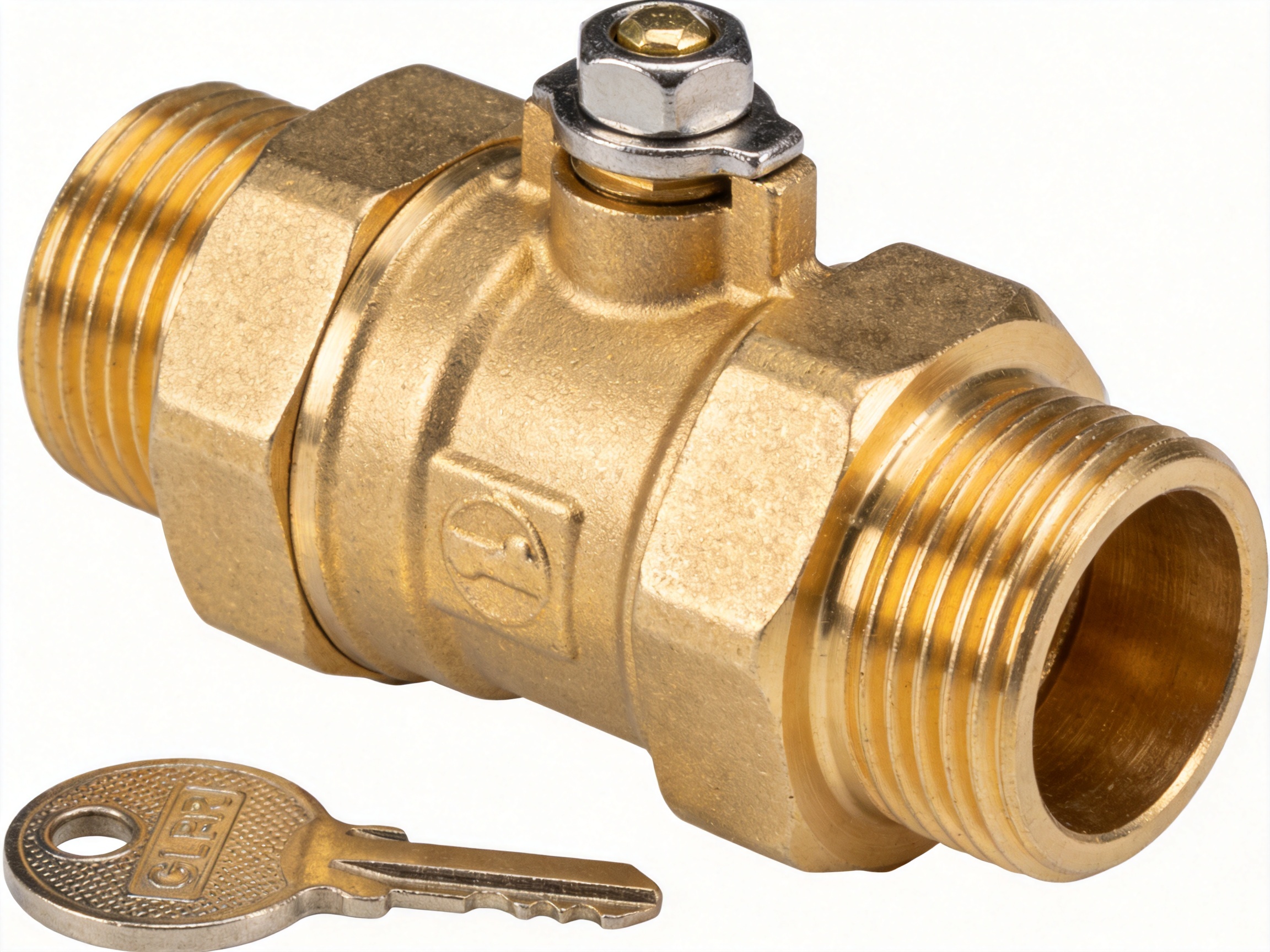
Product Overview and Functional Purpose
The product is a brass lockable ball valve designed with a magnetic anti-tamper mechanism. The core valve body follows the proven ball valve structure: a spherical closure element rotates within the valve body to open or close the flow path. When the bore of the ball aligns with the pipeline, the valve allows fluid or gas to pass through. When the ball is rotated to a closed position, the flow is stopped. This mechanism is valued worldwide because it provides quick quarter-turn operation, reliable sealing, and low flow resistance when fully open.
The magnetic lockable function adds another layer of utility. In many installations, especially those involving gas supply or shared water systems, unrestricted valve access can lead to serious operational problems. A tenant may shut off a line that serves multiple users. An unauthorized person may open a gas line after maintenance has been completed but before safety inspection. A third party may interfere with metering or billing equipment. In public facilities, casual tampering can interrupt service or create hazards. The magnetic locking design is intended to prevent these situations by restricting operation to personnel who hold the dedicated magnetic key.
The valve is configured with female-to-female connections, which are commonly used in pipeline installations where both ends connect to externally threaded pipe fittings. The thread standard is parallel pipe thread to ISO 228, supporting consistent installation with compatible fittings. The valve is available in DN15 with a 1/2-inch thread and DN20 with a 3/4-inch thread. These sizes are widely used in residential, commercial, and light industrial systems, especially for branch lines, meter control points, appliance supply points, and service isolation locations.
The nominal pressure rating of 1.6 MPa provides a broad operating range for many ordinary water and gas applications. While actual suitability depends on system design, applicable regulations, and medium conditions, a 1.6 MPa rating indicates that the valve has been built for stable performance under common medium-pressure working conditions. Its stated working media include water, non-corrosive fluids, and gas, making it a versatile component for utility control.
Core Advantages of the Magnetic Lockable Design
The most distinctive advantage of the product is magnetic anti-tamper security. Unlike a standard handle-operated valve, which may be opened or closed by anyone with physical access, this valve requires a dedicated magnetic key. The lockable structure helps reduce unauthorized operation by non-professionals. This is especially important in public buildings, apartment buildings, rental properties, utility rooms, school facilities, commercial spaces, and shared mechanical areas.
In property management, unauthorized valve operation can cause disputes and service interruptions. For example, if a valve connected to a water meter is opened without permission, billing accuracy may be affected. If a gas valve is operated by an untrained user, system safety may be compromised. If a public facility valve is closed as a prank or by mistake, multiple users may lose service. A magnetic lockable valve helps solve these issues by creating a controlled access point. Authorized technicians can operate the valve quickly, while casual tampering becomes much more difficult.
Compared with ordinary lockable valves that use external padlocks or bulky mechanical locking plates, a magnetic lockable valve offers a cleaner and more compact solution. Padlocks may corrode, become lost, interfere with nearby equipment, or create inconvenient installation profiles. Mechanical locks may also be damaged by force or may require exposed moving parts. A magnetic key mechanism can reduce the need for protruding locking components and allows the valve to maintain a simple, professional appearance. This is beneficial in meter boxes, narrow service shafts, and concealed utility spaces where compact design matters.
Another advantage is operational clarity. With an appropriate magnetic key, authorized staff can operate the valve without needing to remove chains, padlocks, or additional locking devices. This can shorten service time during inspection, maintenance, emergency isolation, and reconnection procedures. In large property portfolios, even small time savings per valve can become significant when multiplied across many installations.
High Pressure Compatibility for Gas and Water Applications
The valve is designed with a nominal pressure rating of 1.6 MPa. This rating supports use in a wide range of low-pressure gas and medium-pressure water systems, provided that installation and operation follow applicable standards. In practical terms, this makes the valve more versatile than lower-rated products that may be limited to simple low-pressure water lines. Facility owners and procurement teams often prefer components with stronger pressure compatibility because they can reduce inventory complexity and provide confidence across different installation scenarios.
Pressure capacity depends not only on the strength of the valve body but also on the quality of machining, sealing materials, assembly accuracy, and testing procedures. A valve that is poorly manufactured may show leakage, thread deformation, loose ball operation, or premature seal wear even if its nominal specification appears acceptable. Therefore, the value of a 1.6 MPa rating is fully realized only when it is supported by precise production and quality control.
For water systems, stable pressure performance helps maintain reliable service in supply lines, branch lines, and meter areas. For gas systems, leak-tightness and reliable shutoff are essential safety factors. A ball valve is often preferred for shutoff service because it provides rapid closure and strong sealing when properly manufactured. The magnetic locking function further enhances gas safety by reducing the chance of unauthorized reopening after the line has been shut off for maintenance, non-payment, inspection, or emergency response.
Compared with many basic valves used in cost-sensitive projects, this product offers a balanced combination of pressure rating and controlled access. Some competing products may offer lockability but may not provide equivalent flow performance. Others may offer adequate pressure performance but remain easy to tamper with. The magnetic lockable ball valve integrates both characteristics, creating a more complete solution for modern utility control.

Full Bore Flow Path and Reduced Pressure Loss
Flow efficiency is a major reason ball valves are widely used. The product features a full bore flow path, meaning the internal opening is designed to minimize obstruction when the valve is fully open. A full bore configuration reduces turbulence and pressure loss compared with reduced-bore valves or valves with complex internal passages. This is particularly useful in systems where maintaining flow rate is important, such as water distribution branches, gas supply lines, and utility metering arrangements.
Pressure loss may seem minor at a single valve, but in a system with many fittings, elbows, meters, filters, and valves, accumulated resistance can affect overall performance. Reduced pressure may lead to lower fixture output, unstable appliance operation, increased pump workload, or energy loss. By providing a smoother flow path, a full bore ball valve helps preserve system efficiency.
In gas applications, smooth flow can support consistent supply to downstream equipment within the intended operating range. In water applications, it can help maintain user comfort and reduce unnecessary hydraulic resistance. Full bore design is also beneficial during maintenance because the more open internal passage may reduce the tendency for flow restriction compared with narrow-port alternatives.
Competitor products with reduced internal diameters may appear similar from the outside but can create greater pressure drop. In procurement, price alone may not reveal this difference. A valve that is slightly cheaper but restricts flow can cause long-term inefficiency or performance complaints. The full bore feature of this magnetic lockable ball valve gives it a technical advantage, especially in installations where both access control and stable flow are required.
Material Selection for Safety and Durability
The valve is available in lead-free brass or low-lead brass. This material option is important because brass valves may be used in potable water systems, where material safety must be considered carefully. Lead-free or low-lead brass helps meet drinking water safety expectations and supports safer use in water supply applications. For projects involving residential buildings, schools, public buildings, healthcare-related facilities, or commercial premises with potable water lines, material compliance is a significant procurement factor.
Brass is a common material for valves because it offers a good balance of strength, corrosion resistance in appropriate media, machinability, and cost-effectiveness. It is suitable for many water and gas applications and can be precisely machined to form reliable threads, sealing surfaces, and internal ball chambers. Compared with some lower-grade alloys, high-quality brass can provide better mechanical stability and longer service life.
The stated working media include water, non-corrosive fluids, and gas. This means the valve is intended for systems where the medium does not aggressively attack brass or the sealing components. Correct medium compatibility is essential for valve performance. In corrosive chemical environments, a different material may be required. However, for the intended utility applications, brass remains a dependable and widely accepted choice.
Material choice also affects thread quality. A well-machined brass body can provide clean ISO 228 parallel threads, supporting proper connection with compatible fittings. Poor-quality brass or inconsistent casting and forging practices can lead to thread defects, installation difficulty, leakage risk, or reduced pressure resistance. The ability to supply lead-free or low-lead brass gives this product a strong position in projects where both regulatory compliance and mechanical reliability are required.
Technical Specifications
The following table summarizes the main dimensions and technical data available for the product. These details help engineers, buyers, installers, and maintenance teams verify size compatibility during system design or replacement planning.
| Specification | Thread G | D | L | A |
| DN15 | 1/2 inch | 12 | 55 | 43.5 |
| DN20 | 3/4 inch | 18 | 66 | 48 |
Nominal pressure: 1.6 MPa.
Working medium: water, non-corrosive fluids, and gas.
Working temperature: -20°C to 80°C.
Thread type: parallel pipe thread to ISO 228.
Connection type: female-to-female threaded connection.
The DN15 and DN20 options cover common installation requirements in small and medium utility lines. DN15 is suitable for compact service points, small branch lines, meter outlets, and appliance connections. DN20 provides a larger flow path for applications requiring greater capacity. The L dimension indicates compact overall length, while the A dimension helps installers understand clearance requirements for operation and placement.
Application Scenarios in Real-World Utility Control
The valve is especially suitable for public building utility control. Public buildings often include many accessible or semi-accessible service points, including water supply rooms, gas control cabinets, maintenance corridors, outdoor meter boxes, and mechanical spaces. In such locations, valves must be secure enough to prevent casual tampering while remaining serviceable for trained personnel. The magnetic locking mechanism provides this balance.
Rental property gas and water metering is another important application. Landlords and property managers need clear control over supply points, especially when units change tenants, when maintenance is required, or when usage disputes occur. A magnetic lockable valve can help ensure that only authorized personnel open or close service lines. This improves management efficiency and reduces the risk of unauthorized reconnection or interference.
Industrial pipeline access control is also a suitable scenario. In factories, workshops, laboratories, and utility distribution areas, certain pipelines should be operated only by approved technicians. Accidental valve operation can interrupt production, damage equipment, or create unsafe conditions. A magnetic lockable valve is a simple but effective way to add access control to selected pipeline points without installing complex electronic systems.
In gas utility systems, the anti-tamper function is especially valuable. Gas lines require careful control because improper operation may create leakage hazards, appliance malfunction, or safety incidents. While the valve itself is not a substitute for professional system design, gas detection, regulation, or inspection, it provides an important physical barrier against unauthorized operation.
In water systems, the valve can protect metering points, restrict unauthorized use, and support maintenance isolation. For example, in a commercial building, the facility team may need to shut off water to a particular tenant unit or equipment line. A lockable valve prevents the line from being reopened before repairs are complete. In public washrooms, outdoor taps, or shared water points, lockable control can reduce waste and misuse.
Advantages Over Conventional and Competing Valves
The first competitive advantage is integrated security. A conventional brass ball valve can be operated by anyone who can access the handle. Even when the handle is removed, the stem may sometimes be turned with basic tools. A magnetic lockable design provides a higher level of access control by requiring a dedicated key. This is more convenient and professional than improvised locking methods.
The second advantage is compactness. Some lockable valves rely on large external locking handles, padlock holes, or bracket assemblies. These can be inconvenient in crowded meter boxes or narrow pipeline corridors. The magnetic locking approach offers a neater structure that can reduce installation interference. For modern buildings where space efficiency matters, compact lockable valves are easier to integrate.
The third advantage is full bore flow. Many low-cost lockable valves sacrifice internal flow diameter to reduce material use or simplify production. This can result in unnecessary pressure loss. The full bore design of this valve supports efficient fluid transport and helps preserve downstream performance.
The fourth advantage is material flexibility. The availability of lead-free or low-lead brass helps the valve meet the needs of potable water projects. Competing products made from uncertain alloys or non-compliant brass may be unsuitable for drinking water applications, even if they appear similar externally. Material safety is increasingly important as building owners and regulators pay closer attention to water quality.
The fifth advantage is pressure compatibility. With a nominal pressure of 1.6 MPa, the valve is suitable for a wide range of utility systems. This reduces the need for buyers to maintain multiple valve categories for ordinary gas and water control applications. Standardization around a reliable product can simplify procurement, installation, and maintenance.
The sixth advantage is manufacturing consistency. The product is supported by a company with automated precision machining, assembly lines, and testing workshops. This matters because ball valve performance depends heavily on tolerances. A small deviation in ball roundness, seat fit, thread geometry, or sealing compression can affect leakage performance and operating feel. Advanced manufacturing capability helps ensure that each valve is produced with stable quality.
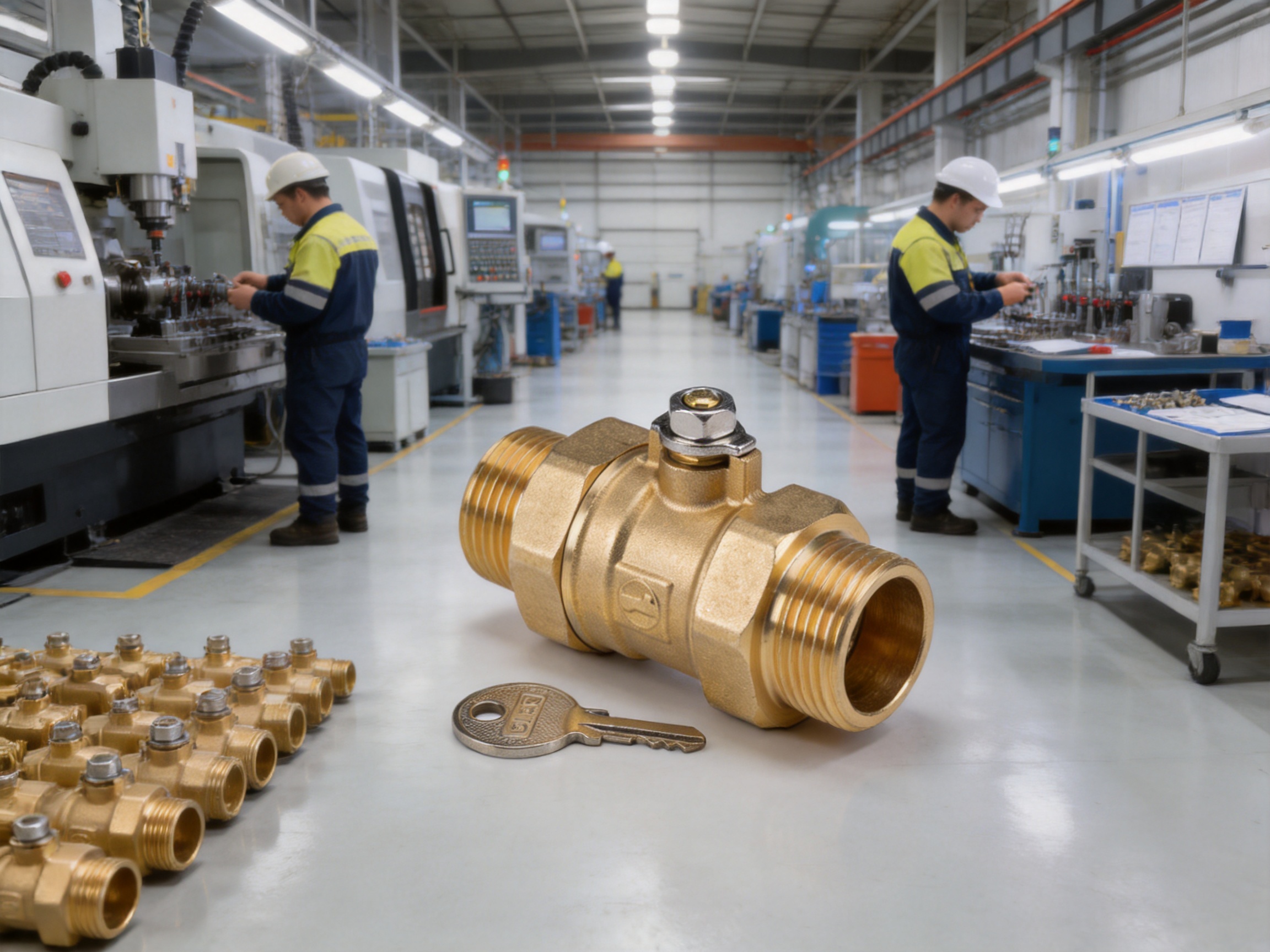
Manufacturing Strength Behind the Product
Ningbo Yunhua Valve Co., Ltd. is an innovative enterprise specializing in the research, development, production, sales, and service of gas and fluid valves, water supply valves, and hardware accessories. The company has developed its manufacturing capabilities over more than ten years and has established a professional management system, a skilled management team, and a culture focused on reliable valve production. These strengths support the performance of the magnetic lockable ball valve.
The company covers an area of 20,000 square meters. This scale allows the organization to integrate production, assembly, testing, and management activities in a coordinated facility. For valve manufacturing, facility organization is important because quality depends on process control from raw material handling through machining, assembly, inspection, packaging, and shipment.
A major strength is the professional fully automated precision machining workshop. Brass valve bodies and components require accurate machining to achieve thread consistency, sealing surface quality, ball alignment, and dimensional stability. CNC machine tools allow complex surfaces and critical dimensions to be processed with high repeatability. Compared with manual or semi-manual machining methods, automated CNC production reduces variability and supports stable mass production.
The company is equipped with advanced domestic and international CNC machine tools. This provides flexibility and precision for different product structures, including lockable ball valves, gas valves, water supply valves, and hardware accessories. For the magnetic lockable ball valve, CNC machining contributes to clean internal chambers, accurate female threads, proper bore alignment, and reliable assembly fit.
Professional automated assembly equipment is another important advantage. Valve assembly requires correct placement of seals, ball, stem, locking structure, and body components. If assembly force is inconsistent, the valve may be too tight, too loose, or prone to leakage. Automated assembly helps improve consistency, reduce human error, and maintain stable operating torque. This is particularly important for lockable valves, where the locking mechanism must work smoothly with the ball valve function.
The company also uses professional automated testing equipment. Testing is essential for valves used in gas and water systems. A visually acceptable valve may still fail under pressure if sealing surfaces are defective or assembly is inconsistent. Automated testing can verify performance more consistently than informal manual checks. Pressure testing, sealing inspection, and operating verification help ensure that products meet relevant standards before shipment.
With an annual production capacity of 2 million sets of valves and 10 million sets of hardware accessories, the company is able to support large projects and stable supply requirements. Production capacity is not only a number; it reflects the ability to organize materials, labor, equipment, quality control, and delivery schedules. For distributors, contractors, utility companies, and property management groups, a dependable production partner reduces procurement risk.
Precision Machining and Its Role in Valve Quality
Precision machining is one of the most important elements in ball valve performance. The valve body must be machined so that the ball sits accurately between the seats. The bore must align with the pipeline. The threads must connect securely without excessive looseness or installation difficulty. The stem hole must allow smooth rotation while maintaining sealing integrity. The locking mechanism must align with the operating structure so that authorized operation is smooth and unauthorized operation is restricted.
In a full bore valve, internal geometry is especially important. The bore must be processed accurately to maintain flow efficiency. Rough surfaces or misalignment can create turbulence, pressure loss, or areas where deposits may accumulate. Clean machining improves both performance and appearance.
Thread machining is also critical. ISO 228 parallel pipe threads require dimensional consistency. If threads are too shallow, too deep, rough, or out of tolerance, installers may experience leakage, cross-threading, or poor mechanical connection. Consistent CNC machining supports reliable thread engagement with compatible fittings.
The ball surface and sealing contact areas must be carefully controlled. A ball valve relies on close contact between the ball and seats to stop flow. If the ball is poorly finished or out of round, the valve may leak. If the seat compression is inconsistent, operating torque may become too high or sealing may be weak. Precision production helps achieve the correct balance between easy operation and tight shutoff.
For a magnetic lockable ball valve, the lock structure adds additional tolerance requirements. The key interface must function reliably, and the lock must resist casual operation without creating excessive difficulty for authorized users. A poorly made locking structure may jam, wear quickly, or fail to prevent tampering. Advanced machining and assembly reduce these risks.
Quality Control and Testing for Reliable Performance
Quality control in valve manufacturing should begin with material selection. Brass materials must be suitable for the intended application, and lead-free or low-lead options must be controlled carefully for potable water use. Material verification helps ensure that the final product meets project requirements.
During machining, dimensional inspection is necessary to maintain stable production. Critical dimensions include thread geometry, bore diameter, body length, ball chamber dimensions, and stem alignment. Consistent inspection helps detect tool wear, setup errors, or material variation before they affect large quantities of products.
Assembly quality is equally important. Seats and seals must be installed correctly. The ball must rotate smoothly. The stem must be secure. The magnetic locking mechanism must engage and disengage properly with the dedicated key. Each of these steps affects field performance.
Pressure and leakage testing provide final confirmation. For a valve rated at 1.6 MPa, testing helps verify that the valve body and sealing structure can withstand operating conditions. In gas applications, sealing reliability is especially critical. Automated testing equipment improves repeatability and helps identify defects before delivery.
Visual inspection and packaging also matter. Clean threads, intact surfaces, correct markings, and protected connections reduce installation problems. A valve may be technically sound but still create customer dissatisfaction if it arrives with damaged threads or contamination. Proper packaging supports product quality from factory to jobsite.
Installation Considerations
Correct installation is essential for safe and reliable valve performance. Before installation, the pipeline should be checked for compatibility with the valve size, thread type, pressure requirement, medium, and temperature range. The valve uses parallel pipe thread to ISO 228, so compatible fittings and appropriate sealing methods should be selected according to local practice and standards.
The pipeline should be clean before the valve is installed. Dirt, metal chips, sealing tape fragments, or other debris can damage the ball or seats and may affect sealing. Installers should avoid applying excessive force to the valve body, as over-tightening can damage threads or create stress in the pipeline.
The direction of ball valve installation is generally flexible for shutoff service, but the system design should be followed. Sufficient clearance should be provided for operation with the magnetic key. Because the valve is intended to prevent unauthorized use, the key should be controlled by authorized personnel only.
For gas systems, installation should be performed by qualified professionals in accordance with relevant gas safety regulations. Leak testing after installation is essential. For potable water systems, material selection should correspond to drinking water requirements, and the system should be flushed as needed before use.
The valve should be used within its stated working conditions: water, non-corrosive fluids, and gas; nominal pressure of 1.6 MPa; and temperature range from -20°C to 80°C. It should not be used with corrosive media or in conditions beyond its design limits unless approved by qualified engineering evaluation.
Maintenance and Service Life Considerations
Ball valves are generally low-maintenance components, but good operating practices can extend service life. The valve should be operated periodically in systems where it remains in one position for long periods. Periodic operation helps prevent stiffness caused by deposits or long-term static contact. However, because this product is lockable, such operation should be performed only by authorized personnel with the correct magnetic key.
The external valve body should be kept reasonably clean, especially in dusty mechanical rooms or outdoor meter boxes. Dirt buildup around the locking area may affect key engagement over time. If the valve is installed in a corrosive environment, additional protection may be considered, even though the valve is intended for non-corrosive media.
During routine inspection, technicians should check for external leakage, thread connection integrity, smooth authorized operation, and proper locking function. If a valve becomes difficult to operate, excessive force should not be used, as this may damage the mechanism. The cause should be investigated, including possible debris, corrosion, installation stress, or lack of operation.
In gas applications, any suspected leakage should be treated seriously and handled according to safety procedures. In water systems, minor seepage at threaded connections may indicate insufficient sealing or installation stress rather than valve body failure. Proper diagnosis helps avoid unnecessary replacement.
Procurement Value for Distributors, Contractors, and Facility Managers
For distributors, the magnetic lockable ball valve offers a product with clear differentiation. It is not merely another standard brass ball valve; it addresses a real market need for anti-tamper utility control. Distributors serving property management, gas installation, water supply, and building maintenance markets can position it as a higher-value solution for controlled access applications.
For contractors, the valve provides a practical way to meet project requirements involving security, safety, and utility management. Instead of adding separate locking devices, contractors can install a valve with integrated magnetic locking. This simplifies installation and improves the appearance of the finished system.
For facility managers, the valve supports operational control. A controlled valve reduces the risk of unauthorized shutoff, unauthorized reconnection, water misuse, gas safety concerns, and maintenance interference. When installed at strategic points, it becomes part of a broader facility management strategy.
For utility service providers, lockable valves can help protect metering points and service boundaries. They can be used to restrict access during maintenance, inspection, or account-related service control. The magnetic key system can simplify authorized operation while discouraging casual tampering.
The manufacturer’s production scale and quality systems also improve procurement confidence. A company with automated precision machining, automated assembly, testing capabilities, and high annual output is better positioned to deliver consistent products in volume. This matters for projects requiring repeat orders, replacement consistency, and stable lead times.
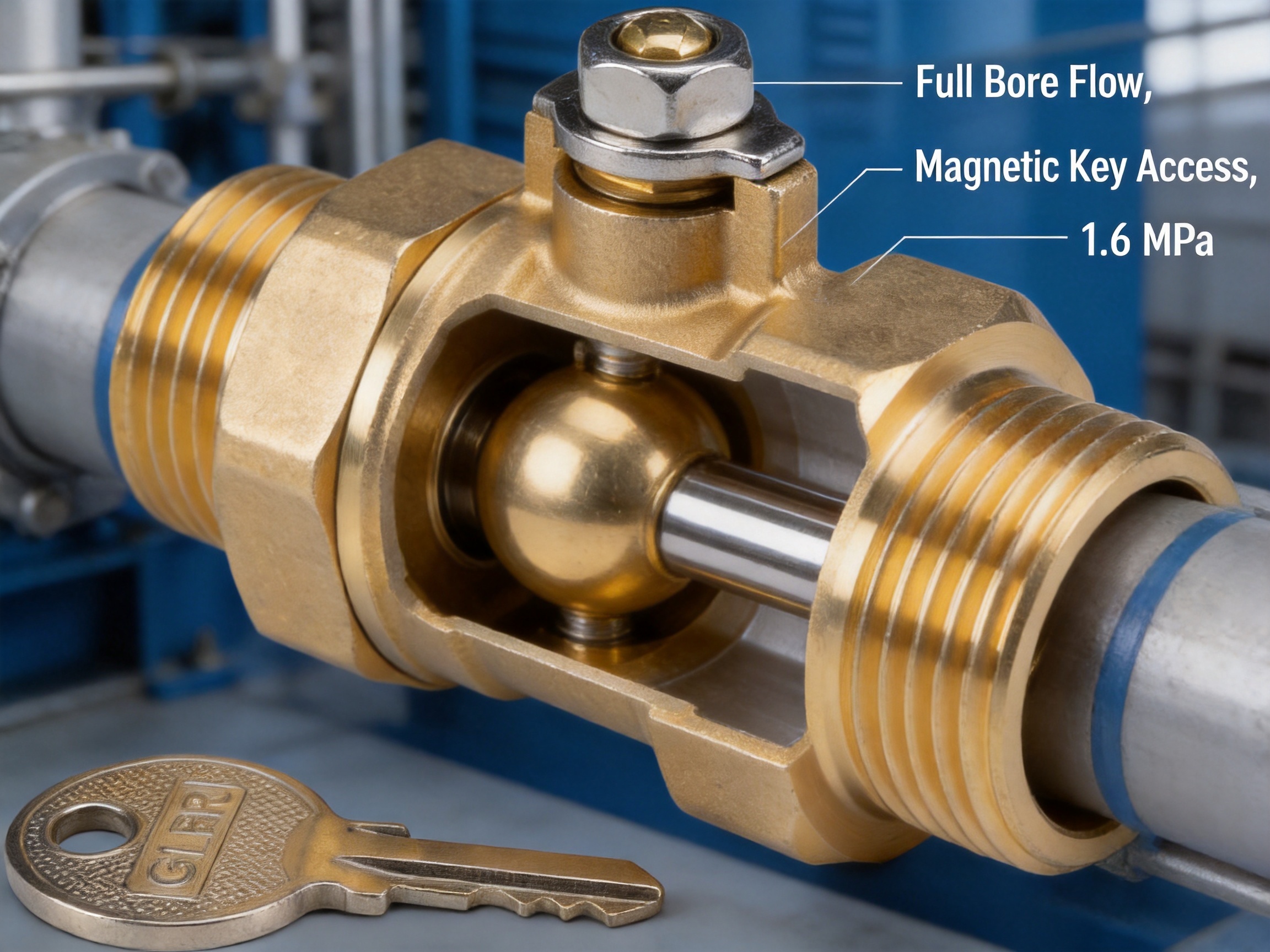
Company Manufacturing Capability and Industry Position
Ningbo Yunhua Valve Co., Ltd. focuses on gas and fluid valves, water supply valves, and hardware accessories. Its long-term development has been built around product research, production quality, sales service, and manufacturing modernization. The company’s vision is to become a leading company in the global fluid control industry, and its mission is to build a safe fluid ecosystem with high-quality valves.
This mission is closely connected to the magnetic lockable ball valve. A safe fluid ecosystem requires more than leak-tight components. It requires controlled access, reliable shutoff, material safety, stable pressure performance, and consistent manufacturing. The product reflects these values by combining anti-tamper locking, full bore flow, suitable brass material options, and a 1.6 MPa nominal pressure rating.
The company’s 20,000-square-meter facility provides the physical foundation for modern production. Automated precision machining supports accurate components. Assembly lines support efficient and consistent product building. Testing workshops help verify that valves meet relevant requirements. Advanced CNC machine tools and automated equipment support quality and productivity.
The annual capacity of 2 million sets of valves and 10 million sets of hardware accessories indicates that the company can serve both specialized and large-volume markets. This is important for international buyers who require not only good product design but also reliable supply, repeatability, and continuous service support.
Over the past decade, the company has cultivated a corporate culture and management system that support professional manufacturing. In competitive valve markets, production culture matters. Quality depends on daily discipline, operator training, inspection habits, equipment maintenance, and management attention. A strong production culture helps transform design specifications into dependable finished products.
Why Magnetic Lockable Ball Valves Matter in Modern Infrastructure
Infrastructure is becoming more complex, and utility systems are increasingly expected to support both performance and control. Traditional valves remain essential, but many installations now require restricted access. Water conservation, gas safety, tenant management, public facility security, and industrial process control all create demand for lockable valve solutions.
A magnetic lockable ball valve is a simple mechanical solution to a common management problem. It does not require electricity, software, batteries, or network connectivity. It can be installed in ordinary pipeline systems and operated by authorized personnel using a dedicated magnetic key. This makes it reliable and cost-effective compared with more complex access-control systems.
In public buildings, the valve can help prevent accidental or intentional service disruption. In rental properties, it can help enforce controlled service access. In industrial areas, it can help ensure that only trained staff operate critical lines. In water systems, it can reduce misuse. In gas systems, it can support safer control practices.
The product is especially practical because it does not compromise basic valve performance. It retains a full bore flow path, supports a 1.6 MPa nominal pressure rating, and is available in commonly used DN15 and DN20 sizes. This means security is added without sacrificing the core expectations of a high-quality brass ball valve.
Q&A Section
What is the main purpose of this magnetic lockable ball valve?
The main purpose is to provide reliable shutoff control for water, non-corrosive fluids, and gas while preventing unauthorized operation. The magnetic locking mechanism requires a dedicated key, making it suitable for public facilities, rental properties, metering points, and industrial access control.
How does the magnetic anti-tamper function improve safety?
It reduces the chance that untrained or unauthorized people will open or close the valve. This is especially important for gas lines, shared water systems, and utility management points where improper operation may cause safety risks, service interruption, or billing disputes.
What pressure rating does the valve have?
The valve has a nominal pressure rating of 1.6 MPa. This makes it suitable for many low-pressure gas and medium-pressure water applications, provided that the system conditions match the valve specifications and local standards.
What media can the valve handle?
The valve is intended for water, non-corrosive fluids, and gas. It should not be used with corrosive media unless compatibility is confirmed by qualified engineering evaluation.
What is the working temperature range?
The stated working temperature range is from -20°C to 80°C. Operation outside this range may affect sealing performance or material reliability.
Why is full bore design important?
Full bore design minimizes internal flow obstruction when the valve is fully open. This helps reduce pressure loss, maintain flow efficiency, and support stable system performance.
Can this valve be used in potable water systems?
The valve can be supplied in lead-free brass or low-lead brass, which supports drinking water safety requirements. Buyers should select the appropriate material option according to local regulations and project specifications.
What sizes are available?
The available specifications include DN15 with a 1/2-inch thread and DN20 with a 3/4-inch thread. These are common sizes for residential, commercial, and light industrial utility lines.
What thread standard does the valve use?
The valve uses parallel pipe thread to ISO 228. Installers should use compatible fittings and proper sealing methods according to relevant standards and installation practices.
How does this valve compare with ordinary ball valves?
An ordinary ball valve can usually be operated by anyone with access to the handle. This magnetic lockable ball valve restricts operation to authorized personnel with the correct key, while still providing the flow efficiency and shutoff performance expected from a ball valve.
How does this valve compare with padlock-style lockable valves?
Padlock-style valves may require external locks or bulky brackets. The magnetic lockable structure is more compact and convenient, especially in meter boxes, service shafts, and confined installation spaces.
What manufacturing strengths support product quality?
The manufacturer operates automated precision machining workshops, assembly lines, and testing workshops. Advanced CNC machine tools and automated assembly and testing equipment help ensure consistent dimensions, reliable sealing, and stable production quality.
Conclusion
The magnetic lockable ball valve is a practical and high-value solution for controlled gas and water systems. It combines anti-tamper security, 1.6 MPa pressure compatibility, full bore flow efficiency, and safe brass material options in a compact female-to-female threaded design. Its DN15 and DN20 specifications make it suitable for many common utility control points, including public building systems, rental property metering, gas and water service lines, and industrial pipeline access locations.
Its greatest value lies in the balance between security and performance. It prevents unauthorized operation without sacrificing the essential advantages of a brass ball valve. The magnetic key mechanism supports professional access control. The full bore structure reduces pressure loss. The lead-free or low-lead brass material options support potable water applications. The ISO 228 parallel thread standard supports standardized installation.
Behind the product is a manufacturer with strong production capacity, advanced CNC machining, automated assembly, automated testing, and a professional management system. These capabilities help ensure that the valve is not only well designed but also consistently produced. For buyers seeking a dependable lockable valve for modern utility management, this product offers a strong combination of safety, efficiency, durability, and manufacturing reliability.
References
International Organization for Standardization. ISO 228 Pipe Threads Where Pressure-Tight Joints Are Not Made on the Threads.
Crane Co. Flow of Fluids Through Valves, Fittings, and Pipe.
American Society of Mechanical Engineers. Valve Standards and Pressure Rating Guidance.
Manufacturers Standardization Society. Valve Selection and Application Practice.
Water Quality Association. Guidance on Lead-Free Materials for Potable Water Systems.
Gas Technology Institute. General Principles of Gas Distribution Safety and Shutoff Control.

Related Products
-
 View More
-
 View More
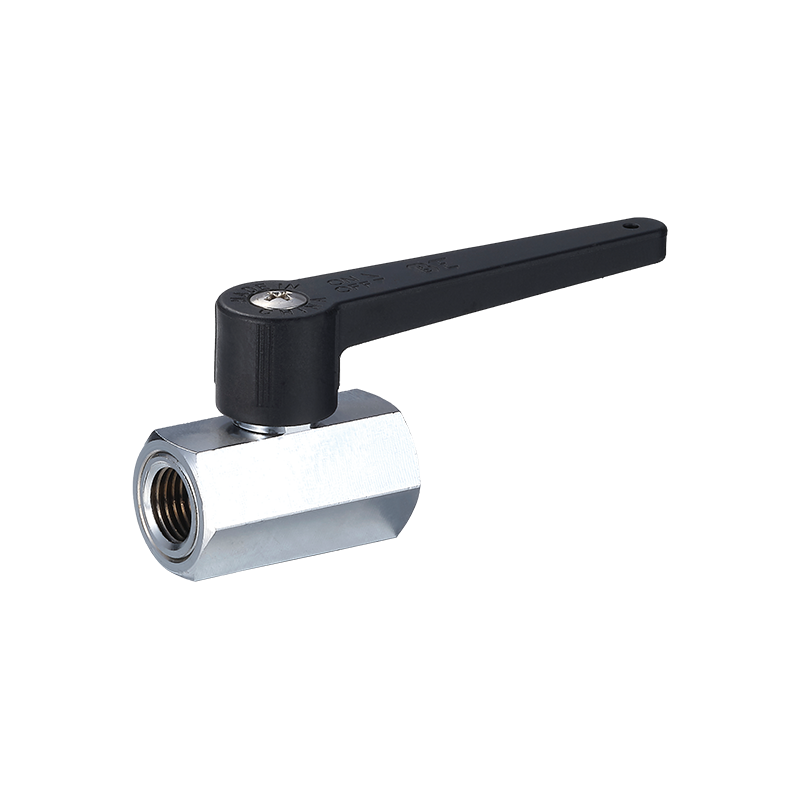
MINI-1 Mini Long Handle Ball Valve(F/F)
-
 View More
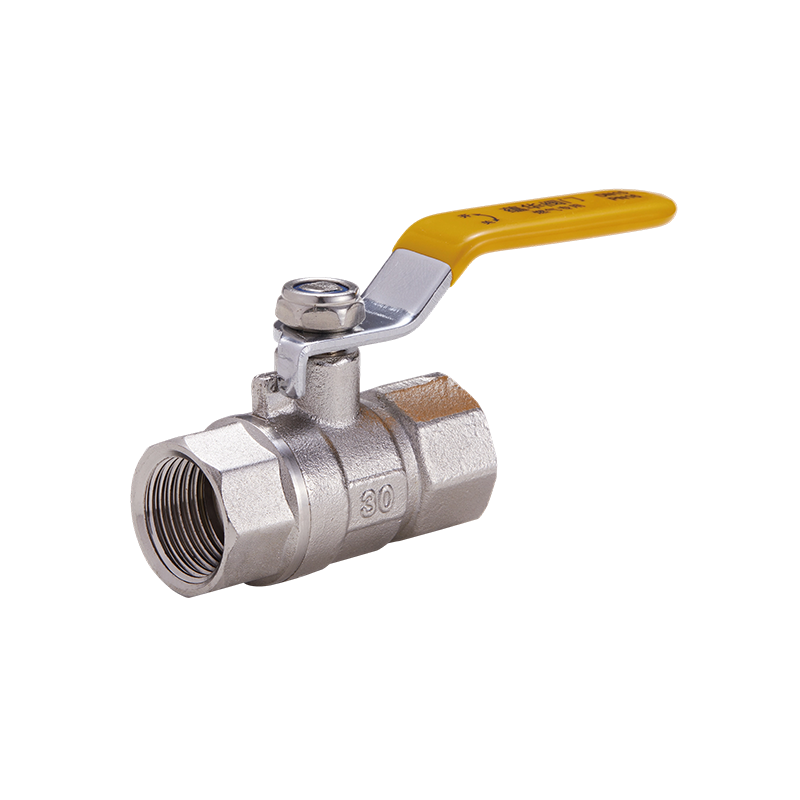
YH-2210 Forged Steel Ball Valve with Long Handle (F/F)
-
 View More
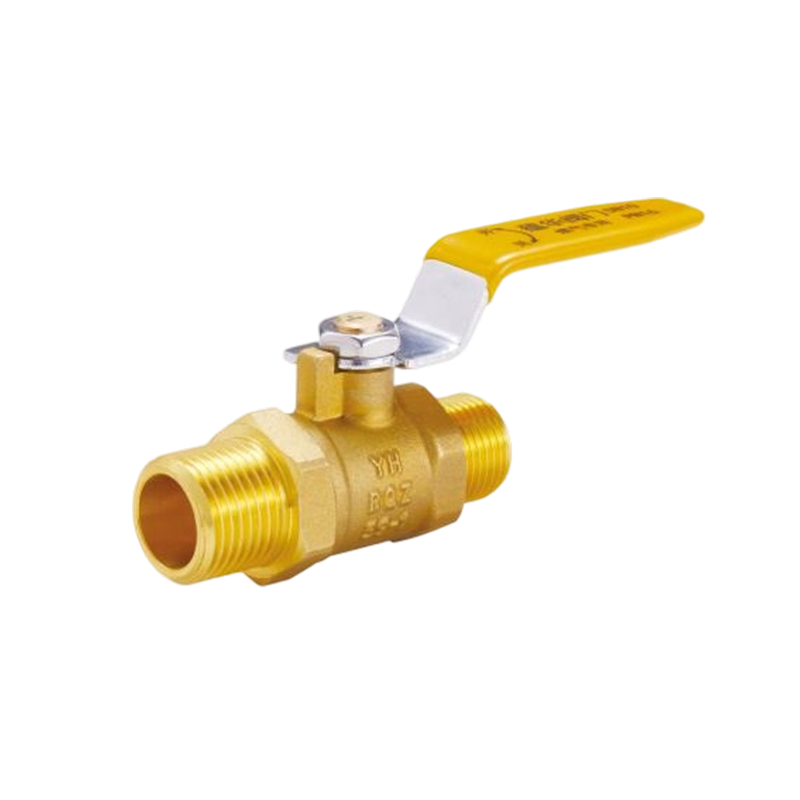
YH-221 Brass Ball Valve with Long Handle(M/M)
-
 View More
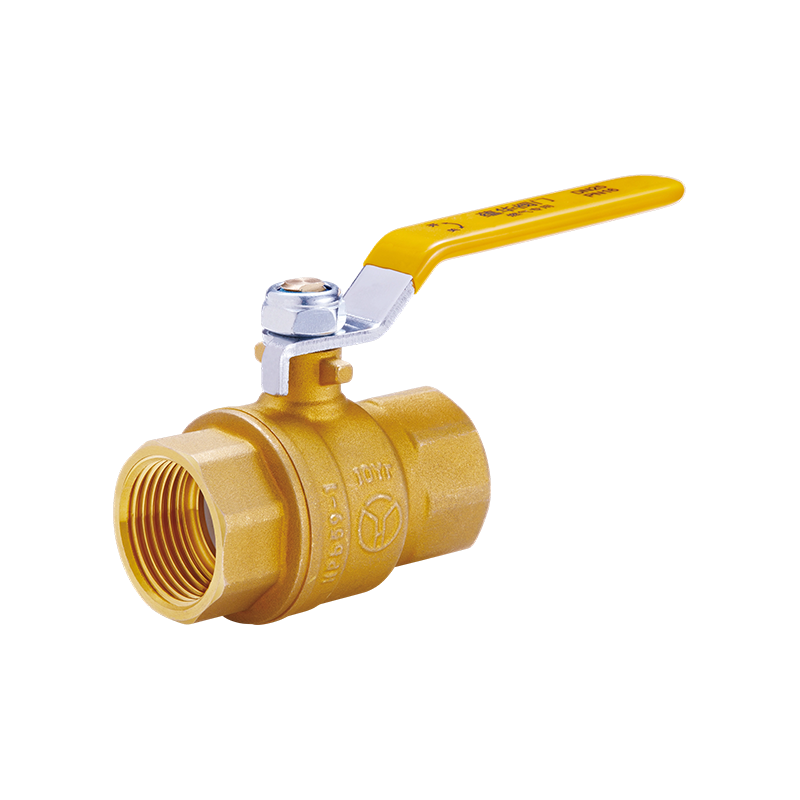
YH-220 Full Port Brass Ball Valve with Long Handle(F/F)
-
 View More
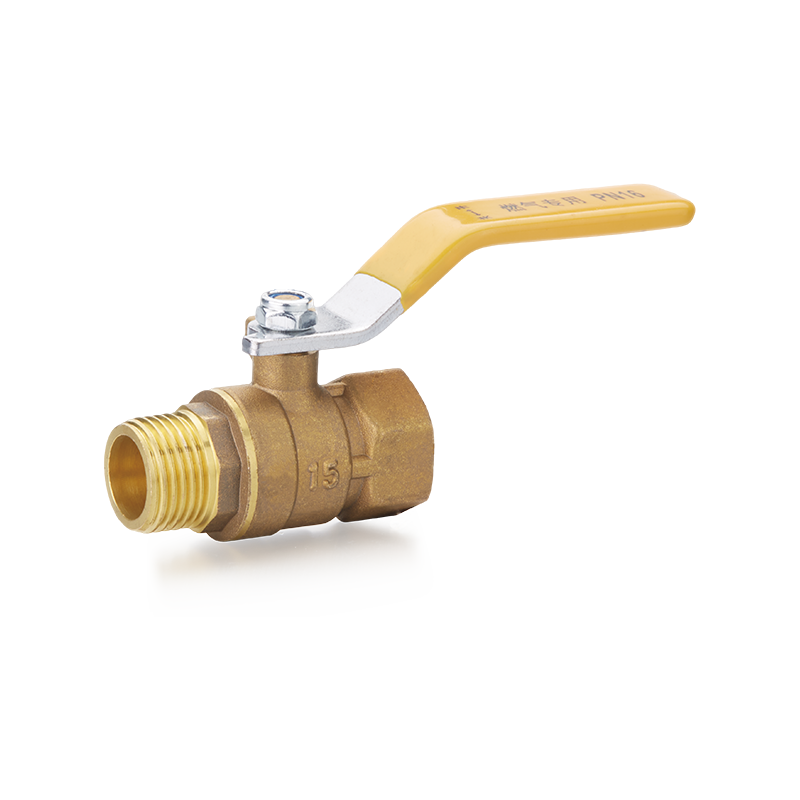
YH-202 Brass Ball Valve with Long Handle(F/M)
Related News
Contact Us
-

-
 +86-0574-63742169
 -
 No.104-128, Cizhang East Road, Zhangqi Town, Cixi City, Ningbo, Zhejiang Province, China


Message Us Now !
