


 English
  русский
  عربى
عربى  Español
Irregular-Shaped Pipe Fittings for Reliable Fluid and Gas Systems
Content
- 1 Understanding the Role of Irregular-Shaped Pipe Fittings
- 2 Key Product Advantages
- 3 Comparison with Conventional or Lower-Grade Alternatives
- 4 Manufacturing Strengths Behind the Product
- 5 Design Features that Improve System Performance
- 6 Applications in Gas, Water, Fluid, and Hardware Systems
- 7 Customization Value for OEM and Project Customers
- 8 Product Selection Guide
- 9 Installation and Maintenance Considerations
- 10 Quality Control as a Competitive Advantage
- 11 How Advanced Production Supports Stable Supply
- 12 Why Irregular-Shaped Pipe Fittings Matter in Modern Engineering
- 13 Company Capabilities Supporting Customer Confidence
- 14 Practical Benefits for Distributors, Installers, and OEM Manufacturers
- 15 Q&A: Common Questions About Irregular-Shaped Pipe Fittings
- 15.1 What are irregular-shaped pipe fittings?
- 15.2 Why choose an irregular-shaped fitting instead of combining several standard fittings?
- 15.3 Where are these fittings commonly used?
- 15.4 What makes manufacturing quality so important?
- 15.5 Can these fittings be customized?
- 15.6 How do these fittings improve gas system safety?
- 15.7 What should buyers confirm before ordering?
- 15.8 Why is a valve manufacturer well suited to produce these fittings?
- 16 Conclusion
- 17 References
- 18 Product: Irregular-Shaped Pipe Fittings
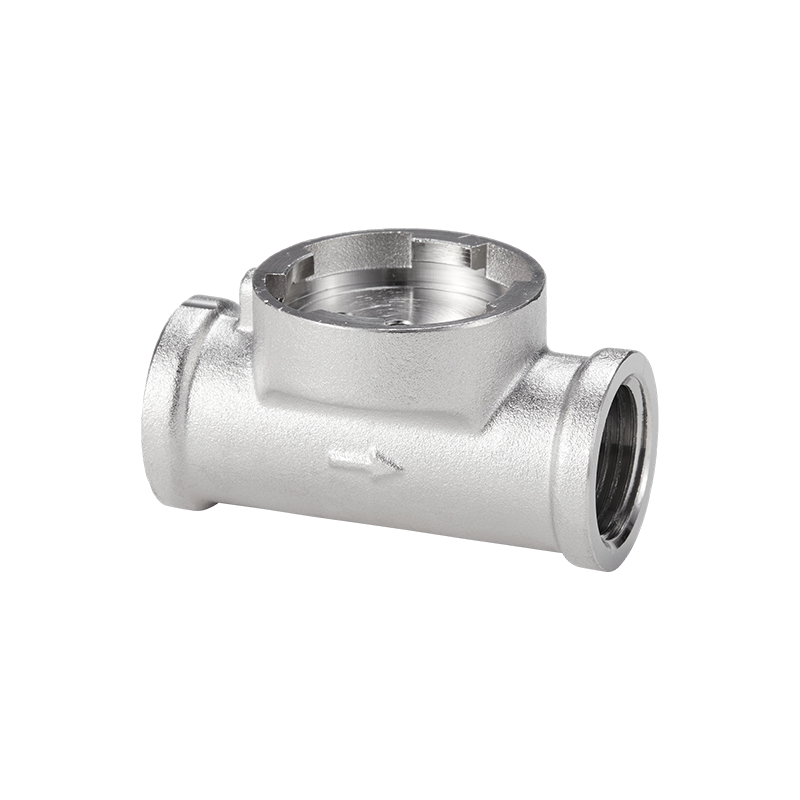
Irregular-shaped pipe fittings are essential components in modern fluid control, gas distribution, water supply, heating, mechanical assembly, and hardware accessory systems where standard elbows, tees, unions, couplings, and adapters cannot fully solve installation challenges. Unlike conventional pipe fittings that follow simple straight, right-angle, or symmetrical configurations, irregular-shaped pipe fittings are designed to meet complex routing requirements, special spatial limitations, non-standard connection directions, and customized assembly needs. Their value is especially clear in compact equipment, multi-directional pipelines, retrofit projects, OEM hardware assemblies, and valve-related systems where performance, durability, dimensional accuracy, and installation convenience must be balanced.
As a product category, Irregular-Shaped Pipe Fittings are more than simple connectors. They are functional transition parts that help a pipeline system maintain safe flow, controlled pressure, leak resistance, and mechanical stability in situations where ordinary fittings may create unnecessary stress, excessive installation space, or unstable sealing conditions. When manufactured with precision equipment and strict quality control, these fittings can improve installation efficiency, reduce rework, support consistent sealing, and extend the service life of the complete system.
Ningbo Yunhua Valve Co., Ltd. focuses on gas and fluid valves, water supply valves, and hardware accessories, giving it a strong technical foundation for producing fittings used in demanding flow-control environments. The company has developed a professional manufacturing system that includes precision machining, automated assembly lines, testing workshops, advanced CNC machine tools, and dedicated quality inspection processes. These strengths allow the company to support customized pipe fitting requirements while maintaining stable production quality and scalable output.
Irregular-Shaped Pipe Fittings
Understanding the Role of Irregular-Shaped Pipe Fittings
In many piping systems, the route between two connection points is not perfectly straight or standard. Equipment layouts may include obstacles, angled walls, limited cabinet space, valve clusters, manifolds, metering devices, burners, pumps, tanks, or structural supports. In these environments, a standard fitting may require multiple additional components to complete one connection. Each added part increases the number of threaded joints or sealing points, and every joint becomes a possible source of leakage, pressure loss, vibration, and maintenance labor.
Irregular-shaped pipe fittings solve this problem by combining special geometry, precise connection interfaces, and functional flow direction into one compact component. A single irregular fitting may replace several standard fittings, reducing assembly time and improving the neatness of the pipeline layout. This advantage is important in valve and hardware systems, where compactness and reliability are often required at the same time.
For example, in a gas valve installation, the fitting may need to connect a valve body to a pipe line while avoiding interference with a wall, cabinet, burner frame, or instrument. In a water supply system, the fitting may need to transition between different directions or connection types without creating unnecessary bending stress. In hardware accessories, the fitting may serve as a customized connector inside a larger product assembly. In each case, the fitting is not only a part but also a design solution.
The performance of an irregular-shaped pipe fitting depends on several factors: material selection, wall thickness, machining accuracy, thread precision, surface treatment, sealing surface quality, internal flow smoothness, and consistency between production batches. A fitting with poor dimensional control may appear acceptable visually, but it can cause cross-threading, leakage, difficult installation, or premature failure. A well-made fitting, by contrast, supports predictable assembly and dependable operation.
Key Product Advantages
The primary advantage of Irregular-Shaped Pipe Fittings is their ability to match real installation conditions. In the market, many competing fittings are limited to standard catalog shapes. When installers face non-standard spaces, they may have to combine multiple ordinary fittings, cut and adjust pipes, or accept a layout that is not ideal. A customized or irregular-shaped fitting provides a cleaner and more practical solution by adapting the component to the system rather than forcing the system to adapt to the component.
A second advantage is improved space utilization. Many valve, gas, and water supply systems are installed in restricted areas, including utility cabinets, building walls, machinery interiors, kitchen systems, heating units, industrial equipment, and compact OEM assemblies. An irregular-shaped fitting can reduce the overall envelope of the connection and allow the system to fit into a smaller area. This helps equipment manufacturers improve product design and helps installers complete projects with fewer layout compromises.
A third advantage is the reduction of connection points. Every threaded connection, compression connection, or sealed joint requires labor and creates a possible risk point. By replacing several standard parts with one specially shaped fitting, the system may reduce leakage risks, simplify inventory, shorten installation time, and make future maintenance easier. This is particularly valuable for gas-related applications where sealing reliability is a critical safety concern.
A fourth advantage is mechanical stability. When multiple standard fittings are assembled together to create a non-standard angle or offset, the final assembly may be longer, heavier, and more vulnerable to vibration or torque. An integrated irregular-shaped fitting can provide a stronger and more compact structure. Properly manufactured fittings can help distribute stress more evenly and reduce the risk of loosened joints caused by vibration, thermal expansion, or installation force.
A fifth advantage is better compatibility with valve systems. Because Ningbo Yunhua Valve Co., Ltd. has extensive experience in gas and fluid valves, water supply valves, hardware accessories, Threaded Globe Valve products, Forged Steel Valve-related manufacturing knowledge, and Brass Gas Ball Valve applications, the company understands the connection requirements around valve bodies, sealing interfaces, threaded ports, and pressure-bearing components. This background helps the company approach irregular fitting production from the viewpoint of the entire flow-control system rather than as an isolated metal part.
Comparison with Conventional or Lower-Grade Alternatives
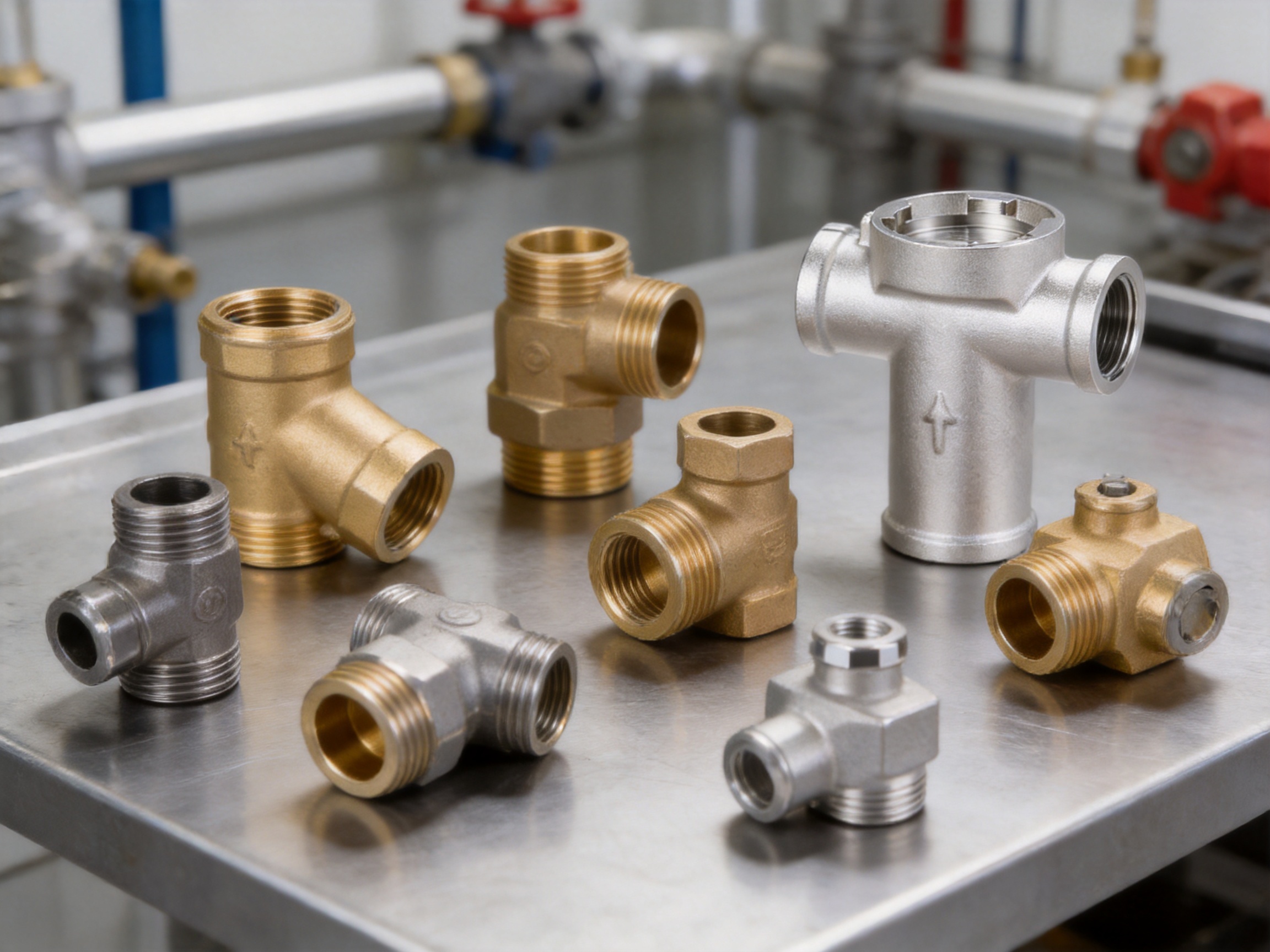
Competitor products in the general pipe fitting market vary widely. Some are produced mainly for low-cost distribution, with limited attention to precise installation conditions. Others may provide acceptable basic geometry but lack stable machining control, resulting in thread inconsistency or rough sealing surfaces. In contrast, irregular-shaped fittings produced through precision machining and controlled testing provide greater value for customers who need reliable assembly and long-term performance.
| Evaluation Item | Irregular-Shaped Pipe Fittings with Precision Manufacturing | Common Standard or Lower-Grade Alternatives |
|---|---|---|
| Installation adaptability | Designed for special angles, offsets, compact spaces, and customized routing | Often limited to standard shapes and may require several extra parts |
| Leakage control | Fewer joints can reduce sealing risks when properly installed | Multiple fittings create more threaded or sealed connection points |
| Space efficiency | Compact geometry supports dense valve and equipment layouts | Larger assembled size may interfere with nearby components |
| Mechanical strength | Integrated structure can improve rigidity and reduce vibration-related loosening | Long stacked assemblies may be more vulnerable to torque and movement |
| Thread and sealing quality | Precision machining supports consistent threads and sealing surfaces | Inconsistent machining may cause difficult installation or leakage |
| Production consistency | Automated machining and testing help maintain repeatable batch quality | Quality may vary significantly from batch to batch |
| System appearance | Cleaner layout with fewer visible joints and more professional assembly | May look improvised or crowded when many fittings are combined |
| Lifecycle value | Can reduce labor, maintenance, rework, and failure risk | Lower initial cost may be offset by installation and service issues |
This comparison shows that the value of an irregular-shaped fitting should not be judged only by its unit price. The more important question is how the fitting affects the complete system. If one precision fitting can replace three ordinary fittings, reduce labor, improve sealing reliability, and prevent interference with surrounding components, it may provide better total value even if the single component is more advanced.
Manufacturing Strengths Behind the Product
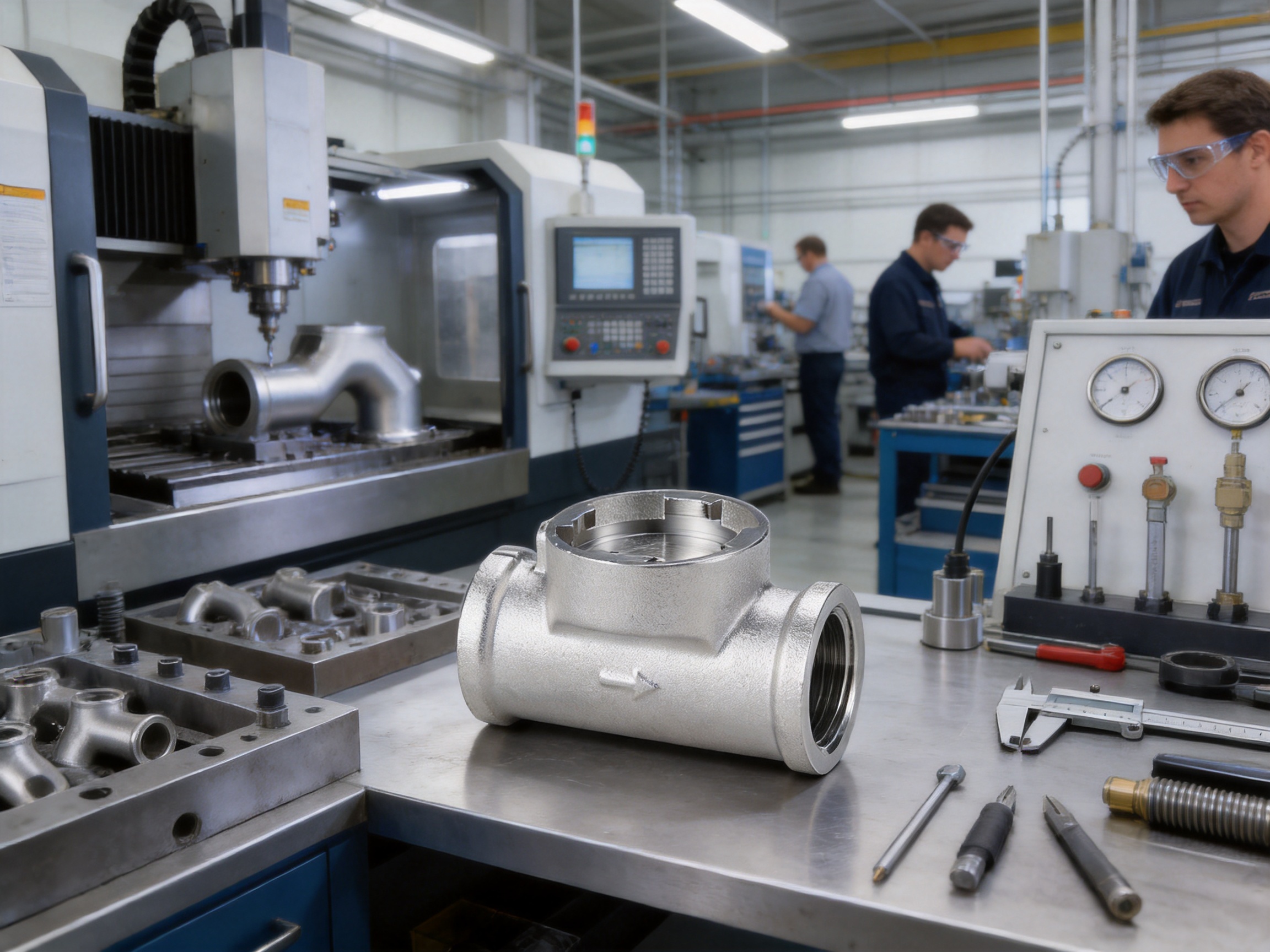
The quality of an irregular-shaped pipe fitting depends heavily on manufacturing capability. Simple pipe fittings may be produced with relatively basic processes, but irregular shapes require stronger control of machining paths, fixtures, material positioning, dimensional inspection, and surface quality. When a component has non-standard geometry, even a small deviation can cause assembly problems. For this reason, advanced manufacturing is one of the most important product advantages.
Ningbo Yunhua Valve Co., Ltd. operates from a production base covering approximately 20,000 square meters. The company has established a professional, fully automated precision machining workshop, an assembly line, and a testing workshop. It uses advanced domestic and international CNC machine tools as well as professional automated assembly and testing equipment. This production structure supports large-scale valve and hardware accessory manufacturing while maintaining control over precision components such as irregular-shaped pipe fittings.
The company’s annual production capacity reaches approximately 2 million sets of valves and 10 million sets of hardware accessories. This capacity is meaningful because it reflects not only output volume but also operational organization. Large-scale production requires stable supply management, trained personnel, systematic inspection, equipment maintenance, process documentation, and repeatable quality control. For customers, this means the company can support both regular orders and customized development needs with greater confidence.
Precision Machining
Irregular-shaped pipe fittings often include threaded ports, curved or offset bodies, sealing faces, shoulders, wrench flats, stepped diameters, and customized connection sections. CNC machining allows these features to be produced with high repeatability. Compared with manual or low-precision machining, CNC processes can better control concentricity, perpendicularity, thread depth, surface finish, and dimensional tolerance.
Precision machining also improves the fit between the fitting and related components such as valves, pipes, gauges, manifolds, and hardware assemblies. When threads are accurately machined, installers can tighten the fitting smoothly without excessive force. When sealing surfaces are clean and consistent, gaskets, thread sealants, or mating metal surfaces can perform more reliably. These details may appear small, but they are essential to safe fluid and gas systems.
Automated Assembly and Testing
Automated assembly and testing equipment help reduce variation caused by manual operation. In valve and fitting production, consistency is a major quality factor. A product that performs well in one batch but poorly in another can create serious problems for distributors, equipment manufacturers, and installers. Automated processes help maintain stable torque, controlled positioning, repeatable inspection steps, and efficient production flow.
Testing workshops are especially important for parts used near gas and fluid control systems. Although the specific test method may vary according to product type and customer requirement, common concerns include leakage, pressure resistance, thread accuracy, dimensional compliance, visual quality, and surface integrity. A company that invests in dedicated testing capability is better prepared to identify issues before products reach customers.
Process Control from Material to Finished Product
A reliable fitting begins with suitable material and continues through every stage of production. Material selection must consider strength, corrosion resistance, machinability, compatibility with fluids or gases, and cost efficiency. The production process must maintain traceability and prevent mixing of incorrect materials or dimensions. Machining must be controlled to avoid burrs, cracks, deformation, and surface defects. Final inspection must confirm that the product meets functional expectations.
For irregular-shaped pipe fittings, fixtures and tooling are especially important. A non-standard shape may not sit easily in ordinary machining fixtures. The manufacturer must design stable clamping methods that hold the part accurately without damaging it. This expertise is difficult to achieve through basic production experience alone. It requires engineering capability, skilled technicians, and continuous improvement in production methods.
Design Features that Improve System Performance
Irregular-shaped pipe fittings may be designed in many forms, including offset connectors, multi-angle adapters, asymmetric unions, special threaded connectors, compact transition fittings, customized hardware joints, and valve connection accessories. Regardless of the exact shape, several design features are important for performance.
First, the internal passage should support smooth flow where possible. Sharp restrictions or poorly finished internal surfaces may increase pressure drop, turbulence, or accumulation of debris. A well-designed fitting balances the need for compact geometry with the need for stable flow. In gas and water applications, smooth flow can contribute to efficiency, noise reduction, and consistent downstream performance.
Second, the fitting must provide sufficient wall thickness in pressure-bearing areas. Irregular geometry can create local stress concentration, especially near corners, transitions, and threaded sections. Careful design and machining help maintain strength where it is needed most. This is one reason why precision production is critical: a small machining error near a thread root or transition area can reduce the safety margin of the component.
Third, the connection interface must match the application. Thread type, thread length, sealing method, port orientation, and tool access must all be considered. A fitting that cannot be tightened conveniently in the field may cause installation delays or damage. A fitting with properly designed wrench flats or accessible tightening surfaces can make installation safer and more efficient.
Fourth, the external shape should reduce interference. In many assemblies, the fitting is located near valve handles, meters, regulators, brackets, walls, or other pipe sections. An irregular-shaped fitting can be designed to avoid these obstacles while maintaining correct connection alignment. This is one of its strongest advantages over ordinary fittings.
Fifth, the product should be suitable for repeat production. A custom fitting is only valuable if it can be made consistently. Ningbo Yunhua Valve Co., Ltd.’s automated precision machining and testing capabilities support repeatability, enabling customers to use irregular-shaped fittings not only for one-time repairs but also for batch production and OEM assembly.
Applications in Gas, Water, Fluid, and Hardware Systems
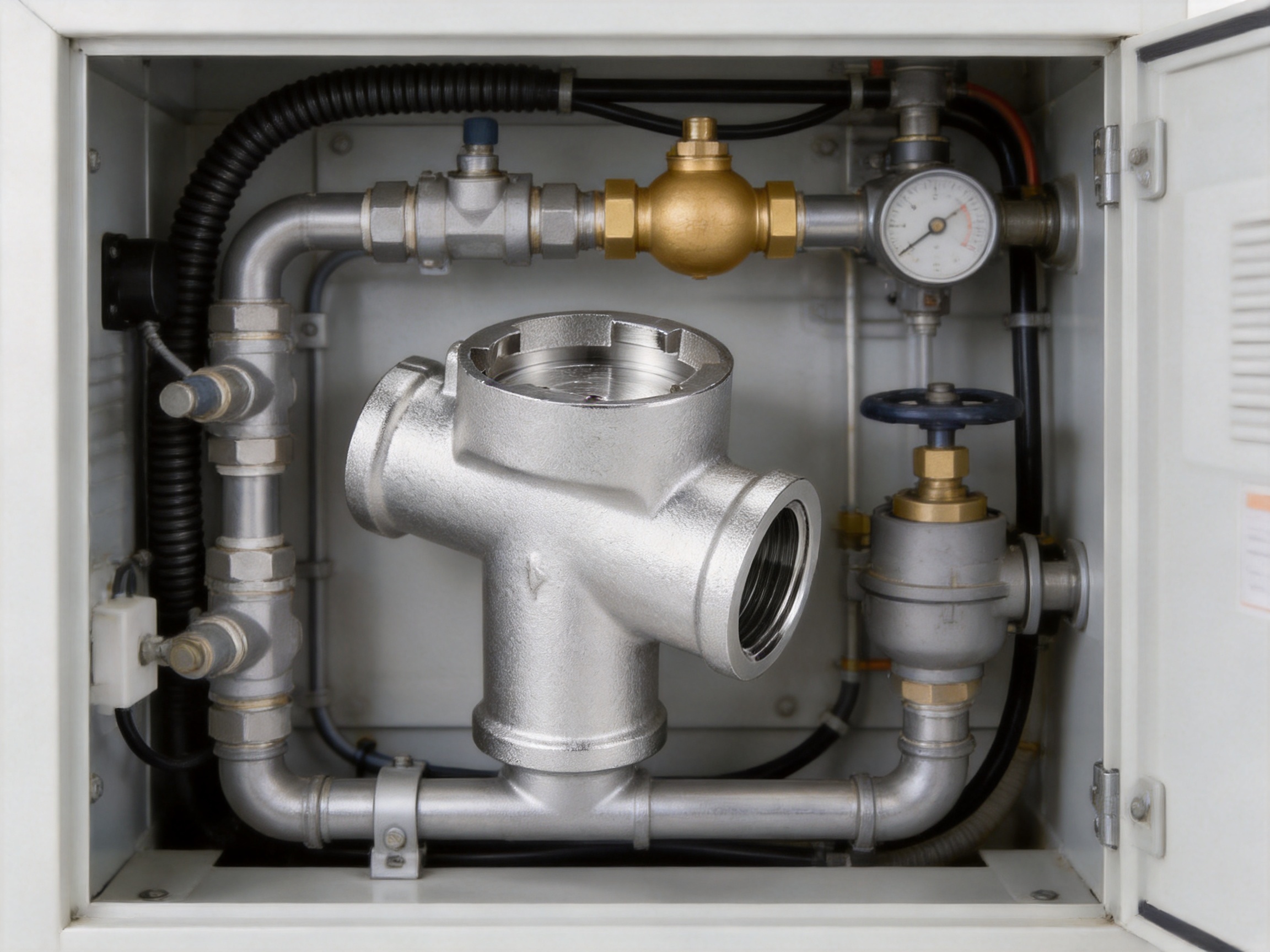
Irregular-shaped pipe fittings are used across a wide range of applications. In gas systems, they may connect valves, burners, regulators, meters, flexible lines, or distribution pipes. Safety and sealing reliability are critical in these environments, so dimensional accuracy and thread quality are major priorities. A compact fitting can help reduce unnecessary joints and create a more secure installation.
In water supply systems, irregular-shaped fittings may be used where pipes must turn around obstacles, connect to wall-mounted fixtures, transition between valves and pipelines, or fit into compact plumbing assemblies. Water systems may experience pressure variation, vibration, and temperature changes, so the fitting must be mechanically stable and corrosion resistant according to the application requirements.
In general fluid systems, such fittings may support pumps, tanks, filters, manifolds, and processing equipment. Irregular shapes can simplify connection between components that were not originally aligned. This is useful in equipment upgrades, maintenance replacement, and custom machine design. Rather than redesigning an entire system around standard fittings, engineers can specify a fitting that bridges the required space efficiently.
In hardware accessories, irregular-shaped fittings may function as mechanical connectors, transition joints, structural fluid ports, or specialized assembly parts. Because the company produces millions of hardware accessories annually, it has practical experience in high-volume component production. This experience supports product consistency, cost control, and practical engineering solutions.
Valve-related applications are particularly important. The company’s product knowledge includes valve categories and connection solutions associated with Threaded Globe Valve, Forged Steel Valve, and Brass Gas Ball Valve products. Irregular fittings can support these systems by providing the correct connection geometry around valve bodies, handles, flow direction markers, and installation spaces. This combination of valve manufacturing experience and fitting production capability creates a stronger technical base than a supplier that produces fittings only as simple commodity parts.
Customization Value for OEM and Project Customers
Many customers choose irregular-shaped pipe fittings because they have a specific installation challenge. An OEM manufacturer may need a fitting that fits inside a compact appliance. A distributor may need a special connector for regional installation habits. A project contractor may need a fitting that simplifies field assembly. A valve system designer may need a connection part that reduces stress on the valve body. In each case, customization can provide practical value.
Customization should not mean uncontrolled variation. A professional manufacturer must translate customer requirements into stable production standards. This includes confirming the connection type, material, pressure expectation, installation environment, drawing dimensions, tolerance requirements, surface treatment, packaging needs, and testing criteria. With a structured process, the final fitting can meet the customer’s functional needs while remaining suitable for repeat manufacturing.
Ningbo Yunhua Valve Co., Ltd. has built a management system and professional team over more than ten years of development. This background supports communication, engineering coordination, production planning, and quality management. For customers, such organizational strength can be as important as equipment strength. A factory with advanced machines but weak process management may still struggle with delivery and consistency. A factory with both equipment and management capability is better positioned to serve long-term customers.
Product Selection Guide
Selecting the right irregular-shaped pipe fitting requires more than choosing a visible shape. Buyers and engineers should review the complete application environment. The fitting must match the system’s fluid or gas medium, operating pressure, temperature range, installation space, connection standard, sealing method, and maintenance expectations. The following table summarizes key selection factors.
| Selection Factor | Why It Matters | Recommended Consideration |
|---|---|---|
| Connection type | Determines compatibility with pipes, valves, and equipment | Confirm thread form, size, port direction, and sealing method before ordering |
| Material | Affects strength, corrosion resistance, and medium compatibility | Select material according to gas, water, fluid type, and environmental conditions |
| Geometry | Controls fit in restricted spaces and flow direction | Use drawings or samples to confirm angles, offsets, and clearances |
| Wall thickness | Influences pressure capability and mechanical durability | Avoid designs that weaken threaded or transition areas |
| Thread accuracy | Directly affects assembly, sealing, and service reliability | Require precision machining and inspection of threaded sections |
| Surface quality | Impacts sealing, appearance, and corrosion behavior | Check for burrs, scratches, rough sealing faces, and contamination |
| Testing requirements | Confirms performance before delivery | Define dimensional, leakage, pressure, and visual inspection requirements |
| Production volume | Affects tooling, cost, and delivery planning | Clarify prototype, small batch, or mass production needs early |
This selection process helps prevent problems that may otherwise appear during installation. A fitting may look correct but fail to meet functional needs if the thread length is too short, the wrench area is inaccessible, the offset is slightly wrong, or the material is unsuitable for the medium. Clear communication between buyer and manufacturer is therefore essential.
Installation and Maintenance Considerations
Even a high-quality irregular-shaped pipe fitting must be installed correctly. Installers should inspect the fitting before use, confirming that the threads are clean, the sealing surfaces are undamaged, and the part matches the intended connection. Any protective caps or packaging materials should be removed carefully to avoid contamination. If the fitting is used in a gas system, installation should follow applicable safety requirements and be performed by qualified personnel.
Threaded connections should be tightened with suitable tools and appropriate torque. Excessive force can damage threads, distort the fitting, or stress connected valves and pipes. Insufficient tightening may result in leakage. Sealant or tape should be selected according to the medium and thread type. The installer should avoid applying sealant in a way that blocks the internal passage or contaminates downstream equipment.
Because irregular-shaped fittings often have special geometry, tool access must be considered during installation. A well-designed fitting should include surfaces that allow secure tightening without damaging the body. If the fitting is installed in a compact area, the installer should check that nearby parts do not interfere with tightening movement, valve handle operation, inspection access, or future maintenance.
After installation, pressure or leakage testing should be performed according to the system’s requirements. In gas applications, leak checks are especially important. In water and fluid systems, pressure testing can reveal improper sealing, misalignment, or damaged threads before the system enters normal service. Periodic inspection may be needed depending on vibration, temperature cycling, medium characteristics, and regulatory requirements.
Maintenance is usually simple when the fitting is properly selected and installed. The system should be checked for signs of leakage, corrosion, mechanical stress, loosened joints, or external damage. If a fitting must be removed, tools should be applied to the correct wrench surfaces. Reusing sealing materials may not be appropriate, and threaded parts should be inspected before reassembly.
Quality Control as a Competitive Advantage
Quality control is one of the strongest differentiators in the pipe fitting market. Many fittings appear similar from the outside, but their performance can differ greatly under pressure, vibration, and long-term use. Quality control must therefore cover not only appearance but also dimensions, threads, sealing surfaces, material condition, internal cleanliness, and functional testing.
For irregular-shaped pipe fittings, dimensional inspection is especially important. A standard fitting may have simple reference points, while an irregular fitting may require inspection of angles, offsets, port orientation, wall thickness, and position relationships. Precision measuring tools and trained inspectors are necessary to confirm that the product matches the drawing or sample. This prevents assembly problems at the customer’s production line or installation site.
Thread inspection is another essential step. Threads must engage smoothly and provide the intended sealing behavior. Poor threads can cause cross-threading, insufficient engagement, galling, or leakage. CNC machining helps produce stable thread geometry, while inspection helps confirm that each batch remains within requirement.
Visual inspection also matters. Burrs can break loose and enter fluid systems. Sharp edges can damage seals or injure installers. Surface cracks, dents, or machining marks may indicate deeper problems. A professional manufacturer should remove burrs, protect sealing areas, and package fittings to prevent damage during transportation.
Testing capability provides additional assurance. The company’s testing workshop and automated testing equipment support the goal of delivering products that meet relevant standards and customer expectations. While each application may require different test conditions, the existence of dedicated testing infrastructure reflects a commitment to reliability rather than simple mass production.
How Advanced Production Supports Stable Supply
Customers often evaluate a supplier not only by sample quality but also by long-term supply stability. A sample may be carefully made, but repeated orders require process control and production capacity. Ningbo Yunhua Valve Co., Ltd. has built a manufacturing system capable of producing large quantities of valves and hardware accessories. This scale supports stable supply for irregular-shaped pipe fittings when customers need repeat orders, seasonal delivery, or project-based quantities.
Advanced CNC equipment improves manufacturing flexibility. When a customer requires a modified geometry, machining programs and fixtures can be adjusted more systematically than with purely manual production. Automated production also helps reduce human error and maintain consistent cycle times. This is valuable for customers who depend on predictable delivery schedules.
The company’s automated precision machining workshop, assembly line, and testing workshop form an integrated production chain. Instead of relying only on outside processing, the company can control important steps internally. This can improve communication between engineering, production, and quality teams. When a problem is found, corrective action can be implemented more quickly.
The company’s location in Ningbo, Zhejiang Province, China, also supports manufacturing and export activity. Ningbo is known as an important industrial and logistics region, which can help with supplier coordination, transportation, and international trade. For global customers, a supplier with both manufacturing capability and logistical access can provide practical advantages.
Why Irregular-Shaped Pipe Fittings Matter in Modern Engineering
Modern engineering increasingly demands compact, efficient, and customized systems. Standard parts remain important, but they cannot solve every layout problem. As equipment becomes smaller and more integrated, connection components must become more intelligent in shape and function. Irregular-shaped pipe fittings answer this trend by offering geometry that matches the system’s real needs.
In fluid control, a small connector can influence the reliability of an entire system. A poorly selected fitting can create leakage, stress, pressure drop, or difficult maintenance. A well-designed fitting can make the system cleaner, safer, and easier to assemble. This is why engineering teams should treat fittings as functional components rather than afterthoughts.
The demand for higher quality also changes purchasing decisions. Low-cost commodity fittings may be acceptable for simple, low-risk installations, but they may not be suitable for gas systems, compact valve assemblies, OEM products, or high-volume manufacturing. Customers who value lifecycle performance often prefer suppliers with precision machining, automated testing, and practical valve-system experience.
Irregular-shaped pipe fittings are especially valuable when the cost of installation labor, downtime, leakage repair, or product failure is considered. A fitting that saves ten minutes during assembly may create major savings in high-volume production. A fitting that prevents one leakage point may protect equipment, property, and safety. A fitting that allows a more compact design may improve the competitiveness of an entire product line.
Company Capabilities Supporting Customer Confidence
Ningbo Yunhua Valve Co., Ltd. is an innovative enterprise specializing in research, development, production, sales, and service for gas and fluid valves, water supply valves, and hardware accessories. Over the past decade, the company has cultivated a unique corporate culture, improved its management system, and established a professional management team. These factors support continuous improvement and customer-oriented service.
The company’s manufacturing environment includes advanced CNC machine tools, professional automated assembly equipment, and testing equipment. This helps ensure that product quality meets relevant standards and customer requirements. The company’s production capacity of 2 million sets of valves and 10 million sets of hardware accessories per year demonstrates its ability to manage large-scale production while supporting diverse product categories.
Its product and process knowledge extends across valve and fitting applications, including fields associated with Threaded Globe Valve manufacturing, Forged Steel Valve supply, and Brass Gas Ball Valve customization. This broad technical background is useful because fittings often work together with valves rather than independently. Understanding valve connection requirements, sealing conditions, and installation environments helps the company design and produce more practical pipe fitting solutions.
The company’s vision is to become a leading company in the global fluid control industry, and its mission is to build a safe fluid ecosystem with high-quality valves. Irregular-shaped pipe fittings support this mission by improving the reliability and adaptability of pipeline connections. They help create safer, cleaner, and more efficient fluid systems in both standard and customized applications.
Practical Benefits for Distributors, Installers, and OEM Manufacturers
Different customer groups gain different benefits from irregular-shaped pipe fittings. Distributors can expand their catalog with specialized components that solve real field problems. Instead of offering only standard fittings, they can provide value-added solutions for contractors and equipment manufacturers. This can improve customer loyalty and reduce the need for improvised assemblies.
Installers benefit from reduced assembly complexity. A fitting designed for the actual installation space can reduce cutting, repositioning, additional adapters, and repeated sealing attempts. This improves job-site efficiency and reduces the chance of errors. In gas and water supply work, fewer joints and cleaner layouts are especially valuable.
OEM manufacturers benefit from repeatable design integration. Once a custom irregular fitting is approved, it can become part of the product’s standard bill of materials. This supports consistent assembly line operations and reduces dependence on manual adjustment. A compact fitting may also allow the OEM to reduce product size, improve appearance, or simplify internal routing.
Engineering teams benefit from design flexibility. Instead of compromising the layout around standard fitting limitations, they can request a fitting that supports the preferred design. This may improve service access, reduce flow resistance, or allow better placement of valves and instruments. The result is a more optimized system.
Q&A: Common Questions About Irregular-Shaped Pipe Fittings
What are irregular-shaped pipe fittings?
Irregular-shaped pipe fittings are customized or non-standard pipe connection components designed for special angles, offsets, compact spaces, or unique assembly requirements. They connect pipes, valves, and equipment when ordinary fittings cannot provide the best layout.
Why choose an irregular-shaped fitting instead of combining several standard fittings?
An irregular-shaped fitting can reduce the number of joints, save installation space, improve mechanical stability, simplify assembly, and lower the risk of leakage. In many systems, one well-designed fitting can replace several ordinary parts.
Where are these fittings commonly used?
They are used in gas systems, water supply systems, fluid control equipment, valve assemblies, hardware accessories, OEM products, machinery, compact appliances, and retrofit installations where space or connection geometry is challenging.
What makes manufacturing quality so important?
Irregular geometry requires precise control of dimensions, threads, sealing surfaces, and wall thickness. Poor manufacturing can lead to leakage, difficult installation, weak structure, or inconsistent performance. Precision CNC machining and testing help prevent these problems.
Can these fittings be customized?
Yes. Customization may include shape, angle, offset, thread type, material, surface treatment, wall thickness, and connection orientation. Customers should provide drawings, samples, or detailed requirements to support accurate development.
How do these fittings improve gas system safety?
They can reduce unnecessary connection points and support cleaner, more stable layouts. When manufactured accurately and installed correctly, they help improve sealing reliability. Gas systems should always follow applicable safety standards and qualified installation practices.
What should buyers confirm before ordering?
Buyers should confirm medium, pressure, temperature, material, thread standard, sealing method, installation space, drawing dimensions, testing needs, and order quantity. Clear specifications reduce the risk of mismatch.
Why is a valve manufacturer well suited to produce these fittings?
A valve manufacturer understands sealing, pressure-bearing components, threaded connections, flow direction, and installation requirements around valves. This experience helps produce fittings that work well within complete fluid and gas systems.
Conclusion
Irregular-shaped pipe fittings play a critical role in solving complex pipeline connection challenges. They provide adaptability, compactness, reduced joint count, improved installation efficiency, and enhanced system reliability. Compared with ordinary standard fittings or lower-grade alternatives, precision-made irregular fittings can offer better lifecycle value by reducing leakage risks, saving labor, improving mechanical stability, and supporting professional system design.
The strength of the product depends on the strength of the manufacturer. Ningbo Yunhua Valve Co., Ltd. supports Irregular-Shaped Pipe Fittings with advanced CNC machining, automated assembly, dedicated testing workshops, large-scale production capacity, and practical experience in gas and fluid valves, water supply valves, and hardware accessories. Its technical background in products such as Threaded Globe Valve, Forged Steel Valve, and Brass Gas Ball Valve applications further strengthens its understanding of connection performance and fluid control requirements.
For distributors, installers, OEM manufacturers, and engineering teams, Irregular-Shaped Pipe Fittings are not merely special-shaped metal parts. They are practical engineering solutions that help build safer, cleaner, more compact, and more reliable systems. As modern fluid and gas applications continue to demand higher precision and better integration, these fittings will remain an important component in high-quality pipeline and valve assemblies.
References
1. Crane Co. Flow of Fluids Through Valves, Fittings, and Pipe, Technical Paper No. 410.
2. American Society of Mechanical Engineers. ASME B1.20.1, Pipe Threads, General Purpose.
3. American Society of Mechanical Engineers. ASME B16 Series Standards for Valves, Flanges, Fittings, and Gaskets.
4. International Organization for Standardization. ISO 7-1, Pipe Threads Where Pressure-Tight Joints Are Made on the Threads.
5. International Organization for Standardization. ISO 9001 Quality Management Systems, Requirements.
6. Nayyar, Mohinder L. Piping Handbook. McGraw-Hill Education.
7. Smith, Peter. The Fundamentals of Piping Design. Gulf Publishing Company.
Product: Irregular-Shaped Pipe Fittings

Related Products
-
 View More
-
 View More
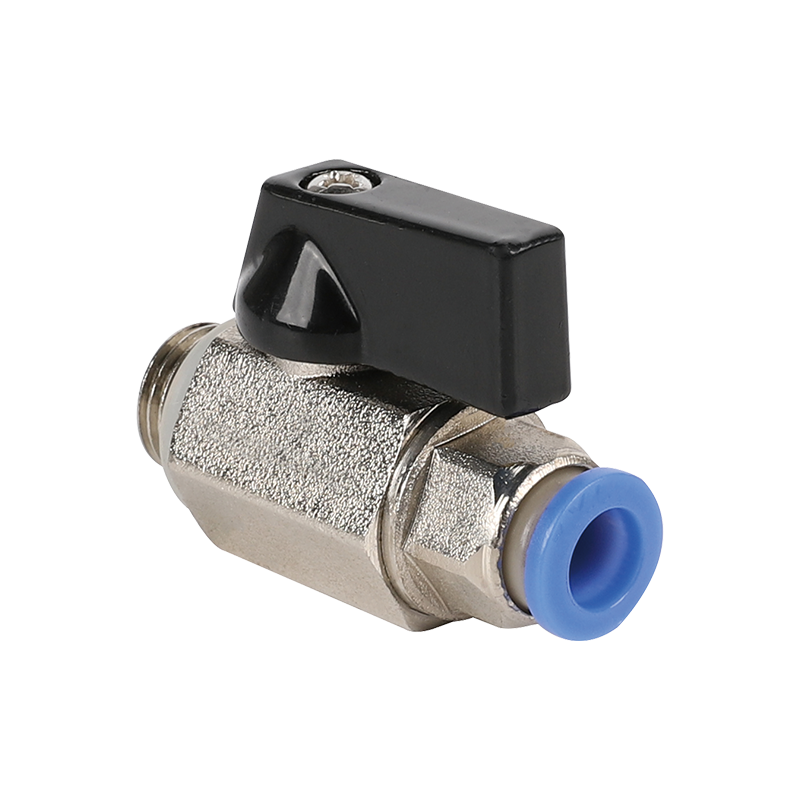
MINI-2 Mini Short-Handle Ball Valve(M/M)
-
 View More
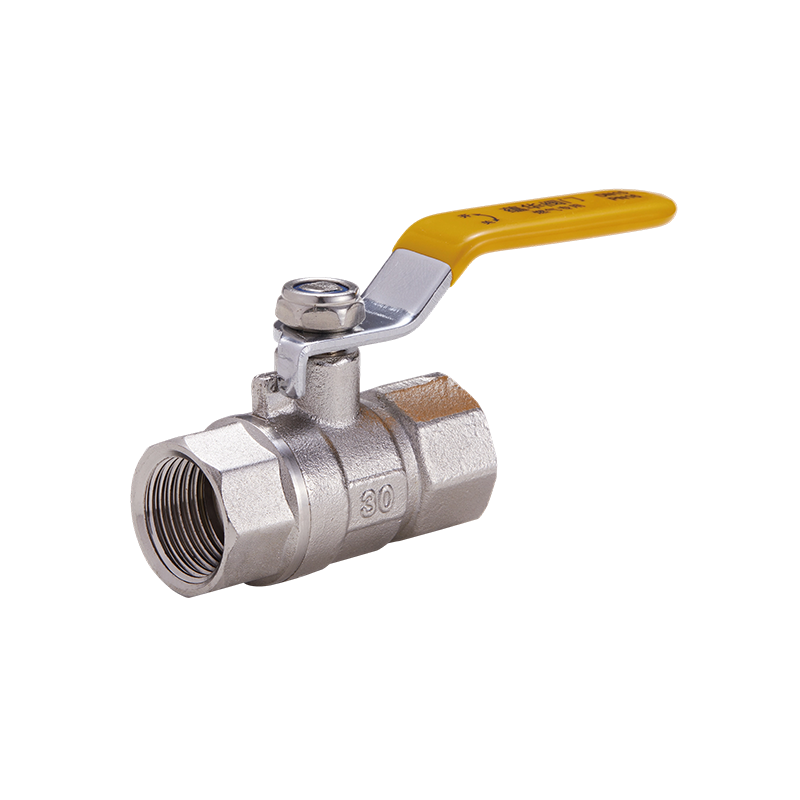
YH-2210 Forged Steel Ball Valve with Long Handle (F/F)
-
 View More
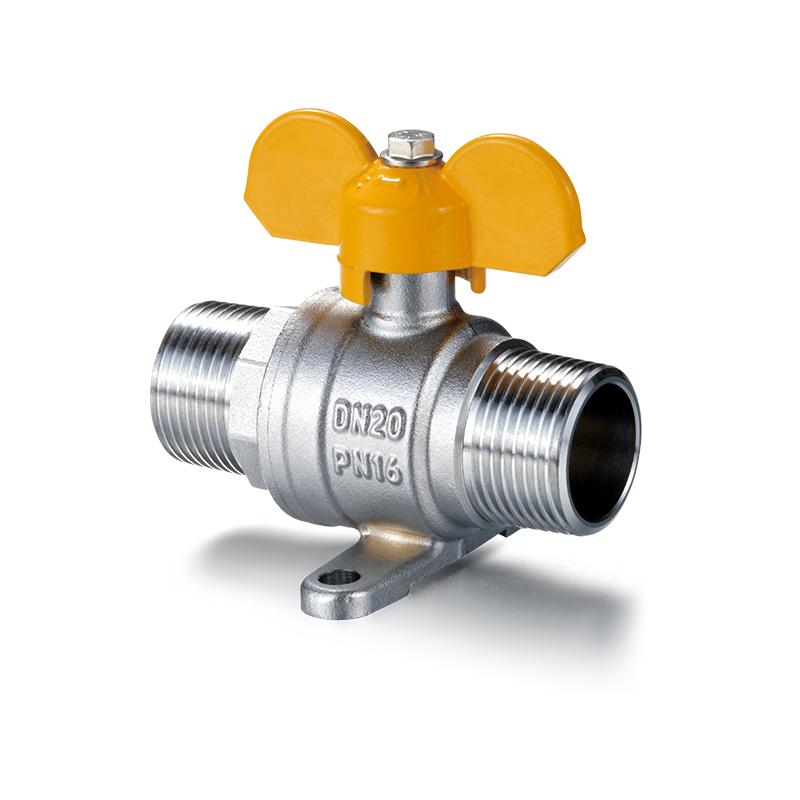
YH-214 Brass Ball Valve with Base& Butterfly Handle(M/M)
-
 View More
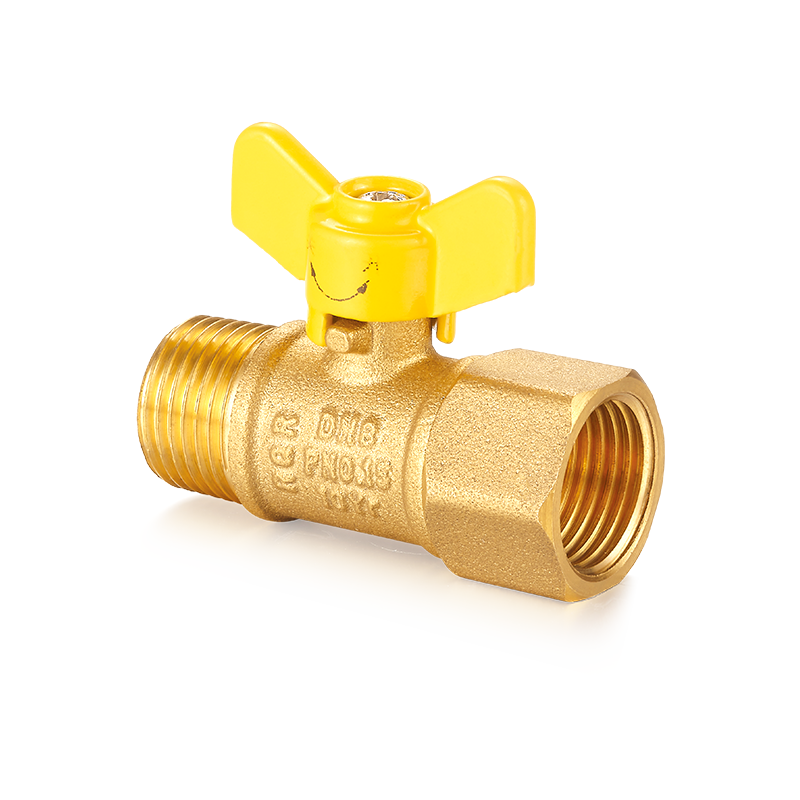
YH-205 Brass Ball Valve with Butterfly Handle(F/M)
-
 View More
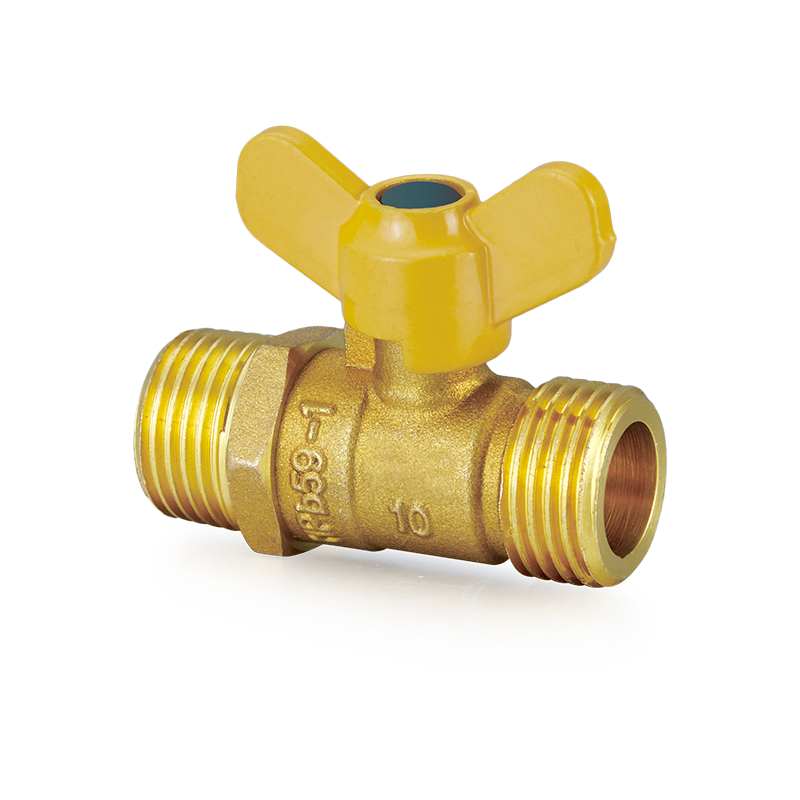
YH-206 Brass Ball Valve with Butterfly Handle(M/M)
Related News
Contact Us
-

-
 +86-0574-63742169
 -
 No.104-128, Cizhang East Road, Zhangqi Town, Cixi City, Ningbo, Zhejiang Province, China


Message Us Now !
