


 English
  русский
  عربى
عربى  Español
Precision Hose Connector for Reliable Fluid and Gas Transfer Systems
Content
- 1 Introduction
- 2 Role of the Hose Connector in Modern Fluid Systems
- 3 Product Overview
- 4 Key Product Advantages
- 5 Comparison with Ordinary Hose Connectors
- 6 Advanced Manufacturing Capabilities
- 7 Precision Machining and Its Impact on Connector Quality
- 8 Quality Control from Raw Material to Finished Product
- 9 Applications in Water Supply Systems
- 10 Applications in Gas and Fluid Valve Systems
- 11 Customization Possibilities
- 12 Design Details that Improve User Experience
- 13 Surface Treatment and Appearance Quality
- 14 Manufacturing Strengths Behind the Product
- 15 How the Hose Connector Supports Safer Fluid Ecosystems
- 16 Buyer Considerations and Selection Guidance
- 17 Installation and Maintenance Best Practices
- 18 Value for Distributors and OEM Customers
- 19 Environmental and Efficiency Considerations
- 20 Frequently Asked Questions
- 20.1 What is the main function of the Hose Connector?
- 20.2 What makes this hose connector different from ordinary low-cost connectors?
- 20.3 Can the Hose Connector be used with valves?
- 20.4 Is customization available?
- 20.5 Why is CNC machining important for a hose connector?
- 20.6 How should buyers choose the correct hose connector?
- 20.7 Can the connector be used for gas applications?
- 20.8 What maintenance is recommended?
- 21 Conclusion
- 22 References
- 23 Product: Hose Connector
Introduction
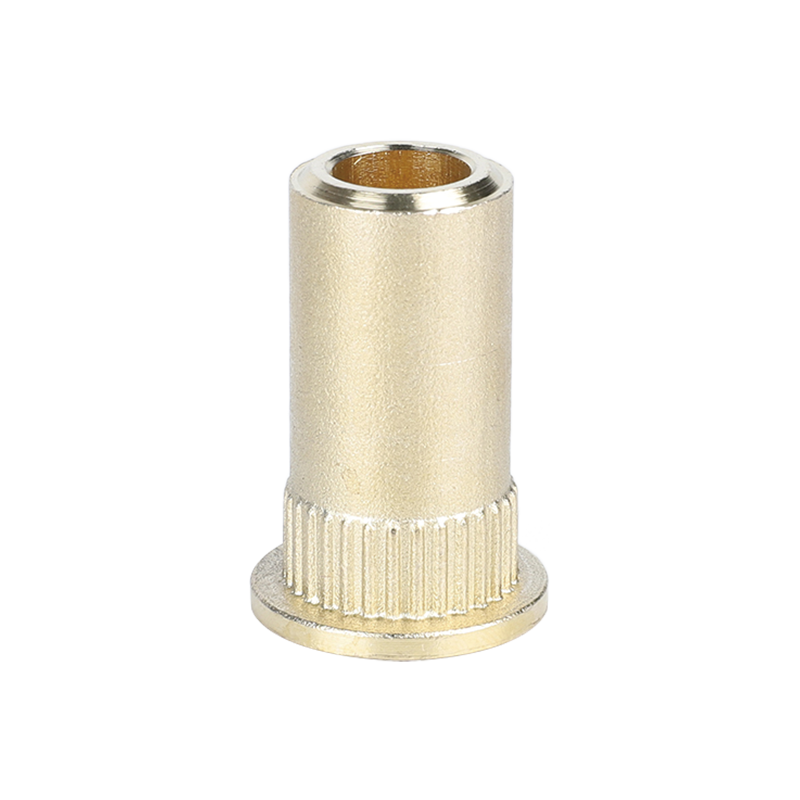
A hose connector is a small component with a large responsibility. In fluid transfer, gas delivery, water supply, irrigation, pneumatic equipment, industrial maintenance, and household hardware systems, the connector is often the point where performance either succeeds or fails. A reliable hose connector must join hoses securely, resist leakage, tolerate repeated assembly, withstand pressure variation, and remain stable under changing working environments. Although it may appear simple, its design, material selection, machining precision, sealing geometry, and surface finish directly influence the safety and efficiency of the entire system.
The Hose Connector introduced here belongs to the hardware accessories and valve-related product category. It is designed for users who require practical installation, dependable sealing, and long service life. Whether used as a supporting accessory for water supply valves, gas and fluid control products, or general hose systems, the connector provides a stable connection interface between flexible hose and rigid equipment. In many applications, it helps reduce maintenance time, improve fluid transfer consistency, and support safer operation.
Compared with many ordinary hose fittings available in the market, this hose connector emphasizes accurate machining, stable dimensional control, high-quality material processing, and strict inspection. These qualities are especially important for customers who do not want connectors that loosen easily, deform during tightening, corrode prematurely, or create uncertain sealing performance. The connector is not only a hardware accessory; it is a functional part of a complete fluid control solution.
Ningbo Yunhua Valve Co., Ltd. manufactures valves and hardware accessories with a focus on gas and fluid valves, water supply valves, and related components. With years of development in production, sales, research, and service, the company has established professional precision machining, automated assembly, and testing capabilities. These manufacturing strengths provide the foundation for producing hose connectors that meet the expectations of modern buyers, distributors, contractors, and industrial users.
Role of the Hose Connector in Modern Fluid Systems
In a complete pipeline or hose assembly, the hose connector is responsible for creating a transition between different system elements. It may connect a hose to a valve, a hose to a pipe, a hose to a nozzle, or a hose to an appliance. The performance requirements vary according to the medium, pressure, temperature, installation environment, and frequency of use. However, the core objective remains the same: to establish a reliable, controlled, and durable connection.
In water supply systems, leakage is not only inconvenient but also wasteful. A poor connector can lead to dripping, pressure loss, mineral accumulation, and damage to surrounding equipment. In gas-related applications, connection reliability becomes even more critical because sealing stability and mechanical security directly affect safety. In industrial and workshop environments, connectors may be exposed to vibration, repeated operation, tool impact, and inconsistent handling. These conditions demand a connector that is not easily compromised by daily use.
A well-made hose connector improves the predictability of system performance. When the connector threads, sealing surfaces, and hose engagement areas are properly formed, installers can achieve a firm connection without excessive force. This reduces the risk of thread damage, overtightening, or uneven compression. It also helps standardize installation quality, especially in projects where many connection points must be assembled quickly and consistently.
The Hose Connector is suitable for the broader market where customers value practical reliability. It can be used as a supporting component in systems involving valves, hose assemblies, garden or water supply equipment, maintenance tools, and fluid control accessories. Its value comes from combining simple installation with dependable mechanical structure.
Product Overview
The Hose Connector is a precision hardware accessory developed for secure hose connection and fluid transfer support. Its design focuses on tight engagement, smooth flow, easy installation, and dependable service life. While specific dimensions and connection standards may vary according to customer requirements, the fundamental engineering goal is to maintain a stable connection under normal operating loads.
The connector can be produced according to different structural requirements, such as threaded connection, barbed hose connection, coupling interface, or customized end geometry. For many buyers, compatibility is a major purchasing factor. A connector must match existing valves, hoses, pipes, or fittings. Therefore, manufacturing flexibility is important. The company’s machining and production capabilities support customized development for different markets and applications.
The connector is associated with hardware accessories and valve systems, which means it must meet a higher expectation than purely decorative or low-duty hardware. It is expected to resist mechanical stress, maintain a proper sealing interface, and work together with other fluid control components. The manufacturing experience behind valve production is valuable here because valve components demand precision, sealing control, and material reliability. These same principles are applied to the production of hose connectors.
The product can be positioned for distributors, equipment manufacturers, plumbing hardware suppliers, maintenance contractors, agricultural users, and industrial accessory buyers. For professional customers, the most important advantages include stable quality, repeatable dimensions, reliable sealing, clean machining, and efficient supply capacity. For end users, the advantages include easier assembly, reduced leakage risk, and longer usable life.
Key Product Advantages
Reliable Sealing Performance
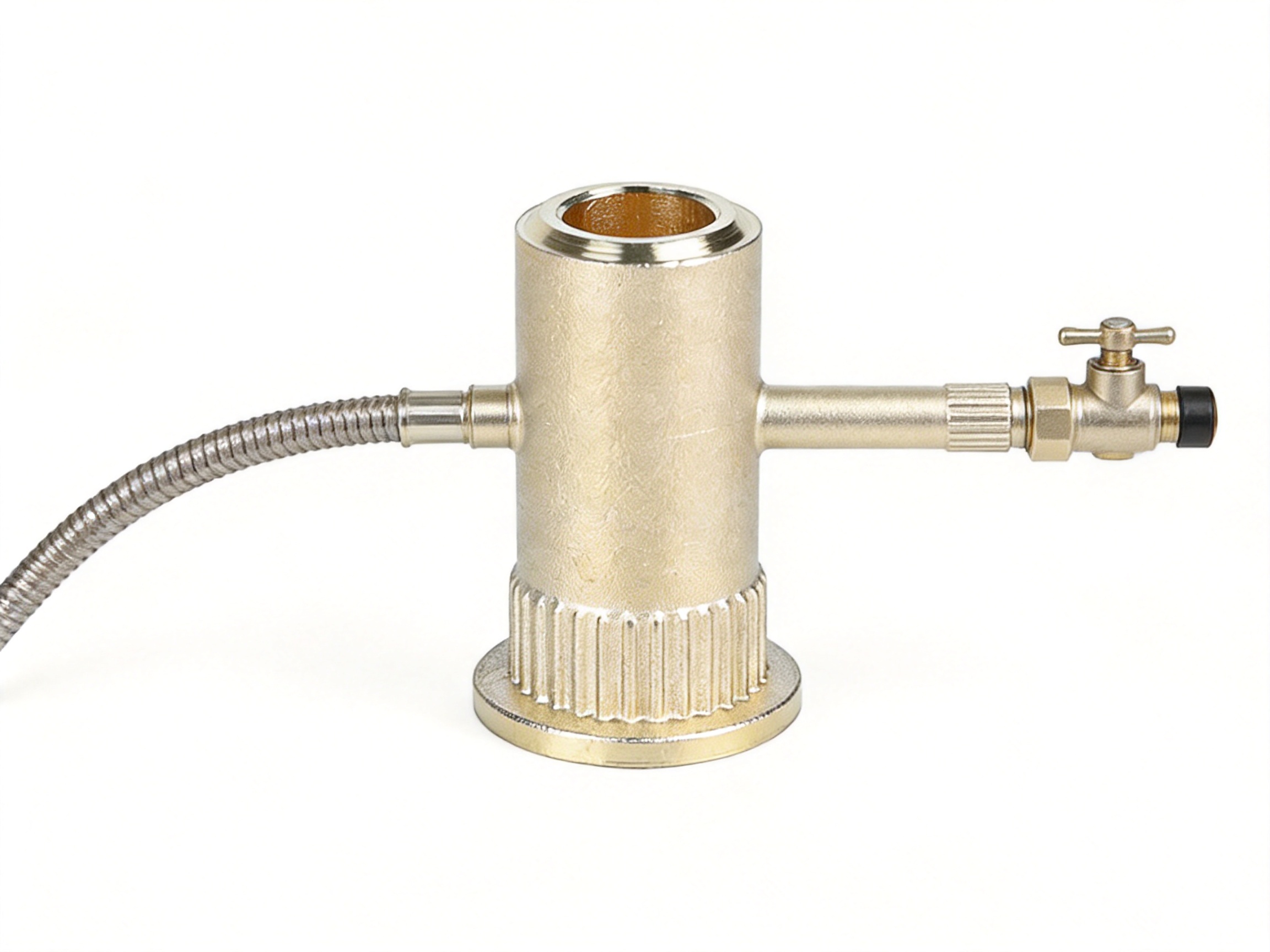
One of the most important advantages of a quality hose connector is sealing reliability. Many low-cost connectors fail because the sealing surfaces are rough, the thread geometry is inconsistent, or the hose engagement area lacks proper dimensional stability. Even a small machining deviation can cause fluid leakage or air seepage. The Hose Connector is manufactured with attention to dimensional accuracy so that the connection interface can perform consistently.
Reliable sealing begins with correct structure. If the connector uses a threaded end, the thread must be clean, uniform, and properly aligned. If the connector uses a hose barb, the barb profile must grip the hose without tearing it. If the connector requires a gasket or sealing ring, the sealing seat must be smooth and stable. The connector is produced with these functional details in mind, helping users achieve better results during installation and operation.
Strong Mechanical Connection
A hose connector must not only seal; it must hold. During operation, hoses may be pulled, twisted, bent, or vibrated. In water supply and fluid delivery systems, pressure pulses can cause repeated stress at the connection point. If the connector is weak or poorly shaped, the hose may loosen or the threads may strip. A stronger mechanical design helps prevent sudden connection failure.
The Hose Connector is designed to provide dependable engagement with matching components. Properly formed threads reduce the risk of cross-threading. Consistent outer geometry allows tools or hands to grip the connector more effectively during installation. Accurate hose engagement surfaces help keep the hose in place. These details improve the user experience and reduce maintenance problems.
Durable Material Processing
Material durability is a competitive advantage in hardware accessories. Connectors are often exposed to water, cleaning agents, temperature changes, humidity, and mechanical wear. Poor material selection or uncontrolled processing can cause corrosion, cracking, deformation, or surface deterioration. A durable connector must be made from suitable material and processed with stable production control.
The company’s experience in producing gas and fluid valves supports material management for related accessories. Valve manufacturing requires careful attention to pressure-bearing components, sealing contact areas, and material strength. These principles help ensure that hose connectors are produced with a practical balance of machinability, corrosion resistance, and service durability.
Precision Machining for Better Fit
Precision machining is a clear advantage over many competitors. In the hose connector market, price competition sometimes leads to inconsistent dimensions, rough threads, and poor surface finish. These defects may not be obvious at first glance, but they become serious during installation. A connector that looks acceptable may still leak, jam, or fail if the internal and external dimensions are not controlled.
Advanced CNC machining enables the production of stable batches with tighter tolerances. CNC equipment can create more uniform threads, smoother sealing surfaces, and consistent shapes. This improves compatibility with other components and reduces variation from one connector to another. For distributors and equipment manufacturers, stable batch quality is essential because it reduces complaints, returns, and rework.
Ease of Installation
A good hose connector should save time. Installers appreciate components that align easily, tighten smoothly, and create a secure connection without unnecessary adjustment. When connectors are poorly produced, installers may need sealing tape, extra tools, excessive tightening, or repeated removal and reinstallation. These hidden labor costs can be significant in large projects.
The Hose Connector is designed for practical installation. Clean machining and stable geometry help the connector engage smoothly with matching parts. A well-formed structure reduces the probability of installation error. This is especially valuable for distributors serving contractors, maintenance teams, and equipment manufacturers who must assemble many units efficiently.
Comparison with Ordinary Hose Connectors
The market includes many hose connectors that appear similar but perform very differently. The difference often comes from manufacturing discipline. A connector made with unstable tooling, poor inspection, and low-grade finishing may have defects that reduce reliability. Buyers who focus only on unit price may later face leakage, customer complaints, and shortened product life. The Hose Connector is positioned as a more dependable solution through stronger production control and practical engineering.
| Performance Area | Precision Hose Connector | Common Low-Grade Connector |
|---|---|---|
| Dimensional Consistency | Produced with controlled machining for stable fit and repeatable assembly. | Often varies between batches, creating fit and sealing uncertainty. |
| Thread Quality | Clean, consistent threads support smoother installation and better engagement. | Rough or uneven threads may cause cross-threading or leakage. |
| Sealing Reliability | Designed with attention to sealing surfaces and connection geometry. | May rely on excessive tightening to compensate for poor surface quality. |
| Durability | Manufactured with controlled material processing and quality inspection. | May deform, corrode, or wear prematurely under regular use. |
| Installation Efficiency | Supports faster and more predictable assembly. | Can require repeated adjustment, extra sealing materials, or replacement. |
| Batch Stability | Suitable for distributors and manufacturers requiring consistent supply. | Quality may fluctuate, increasing after-sales risk. |
This comparison shows why a hose connector should not be evaluated only by appearance. The most important value lies in the invisible details: thread accuracy, sealing contact, surface smoothness, material structure, inspection discipline, and process repeatability. For professional customers, these factors directly influence operating reliability and long-term cost.
Advanced Manufacturing Capabilities
Ningbo Yunhua Valve Co., Ltd. has developed a production system that supports the manufacturing of valves and hardware accessories. The company covers an area of 20,000 square meters and has established a professional precision machining workshop, automated assembly line, and testing workshop. These capabilities are important because hose connectors require consistent production control, especially when supplied in large quantities.
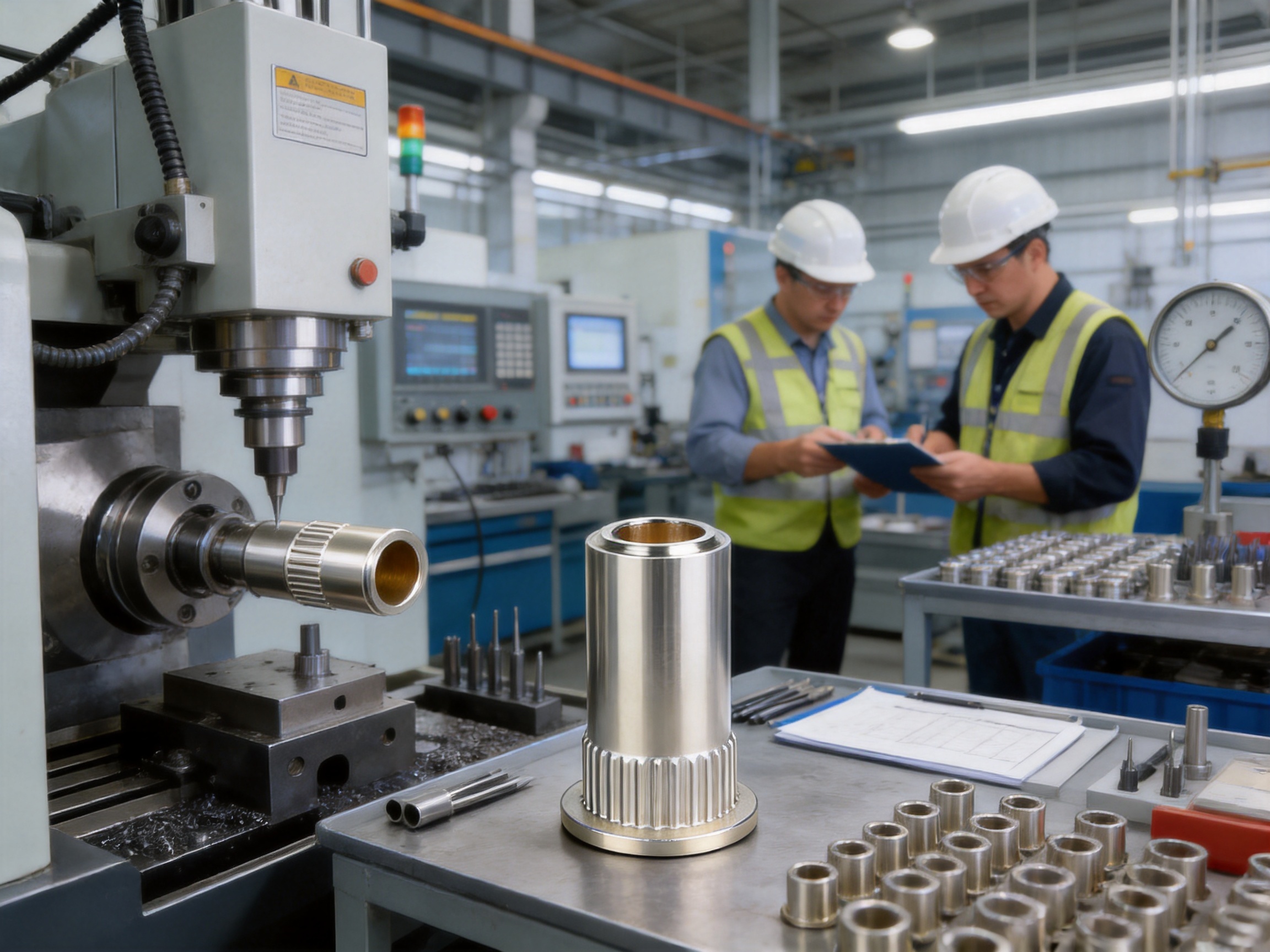
The company is equipped with advanced domestic and international CNC machine tools. CNC machining plays a central role in producing accurate hose connectors. Unlike manual or low-precision processing, CNC machining can maintain stable dimensions over repeated production cycles. It allows the company to process connector profiles, threads, sealing seats, and external surfaces with improved repeatability.
Automated assembly and testing equipment further strengthens quality control. Although a hose connector may be a single component or a simple assembly, testing remains important. Depending on the product structure, testing may include dimensional inspection, thread verification, sealing performance evaluation, pressure-related checks, appearance inspection, and packaging control. By using organized inspection processes, the company reduces the probability of defective products entering the market.
The company has an annual production capacity of 2 million sets of valves and 10 million sets of hardware accessories. This production capacity demonstrates a mature manufacturing foundation. For buyers, capacity matters because it affects delivery stability, order fulfillment, and the ability to support long-term cooperation. A supplier with scalable production can better serve distributors, OEM projects, and customized accessory programs.
Precision Machining and Its Impact on Connector Quality
Precision machining determines how well a hose connector performs in real use. A connector may include several functional surfaces: thread peaks and roots, sealing shoulders, internal flow passages, hose engagement ribs, wrench flats, chamfers, and end faces. Each surface has a purpose. If any one of these features is poorly processed, the connector may become difficult to install or unreliable during operation.
Thread machining is especially important. Threads must be formed with the correct pitch, angle, depth, and surface condition. If threads are too loose, leakage or loosening may occur. If they are too tight, installation becomes difficult and the mating part may be damaged. If the threads contain burrs, they may cut sealing material or prevent full engagement. CNC machining helps control these factors.
Surface finish also affects performance. A rough sealing surface can create leakage paths. A sharp edge can damage hoses or sealing rings. A poorly finished exterior can reduce product appearance and handling comfort. Controlled finishing processes improve both function and user perception. For hardware accessories sold in competitive markets, visual quality also matters because buyers often judge reliability from surface cleanliness and processing quality.
Internal flow design should not be ignored. A hose connector should allow fluid to pass efficiently without unnecessary obstruction. While the connector must be strong enough to resist mechanical stress, it should also maintain a practical internal passage. Smooth internal transitions can help reduce turbulence, pressure loss, and debris accumulation. This is beneficial in water, fluid, and gas-related systems.
Quality Control from Raw Material to Finished Product
A reliable hose connector is the result of a complete quality chain. Quality cannot be added only at the final inspection stage; it must be built into every process. The company’s manufacturing system supports quality control from material selection to processing, assembly, testing, and packaging.
Raw material control is the first step. Suitable materials must meet requirements for strength, machinability, corrosion resistance, and application compatibility. Material defects such as cracks, porosity, impurity concentration, or inconsistent hardness can reduce product reliability. Careful material management helps prevent these problems before production begins.
During machining, process parameters must be controlled. Cutting speed, tool condition, clamping stability, and measurement frequency all influence dimensional accuracy. Worn tools can create rough surfaces or incorrect dimensions. Improper clamping can create eccentricity or deformation. An organized workshop uses inspection and process monitoring to maintain stable production.
After machining, parts may go through cleaning, deburring, surface treatment, assembly, or other finishing operations depending on product requirements. Deburring is particularly important for hose connectors because burrs can interfere with sealing or damage hoses. Cleaning helps remove chips, oil, and residue that could affect appearance or performance.
Final inspection verifies that the connector meets requirements before delivery. Inspection may include checking thread compatibility with gauges, measuring key dimensions, evaluating surface condition, testing sealing performance, and reviewing packaging. This structured control helps ensure that customers receive connectors ready for installation or resale.
Applications in Water Supply Systems
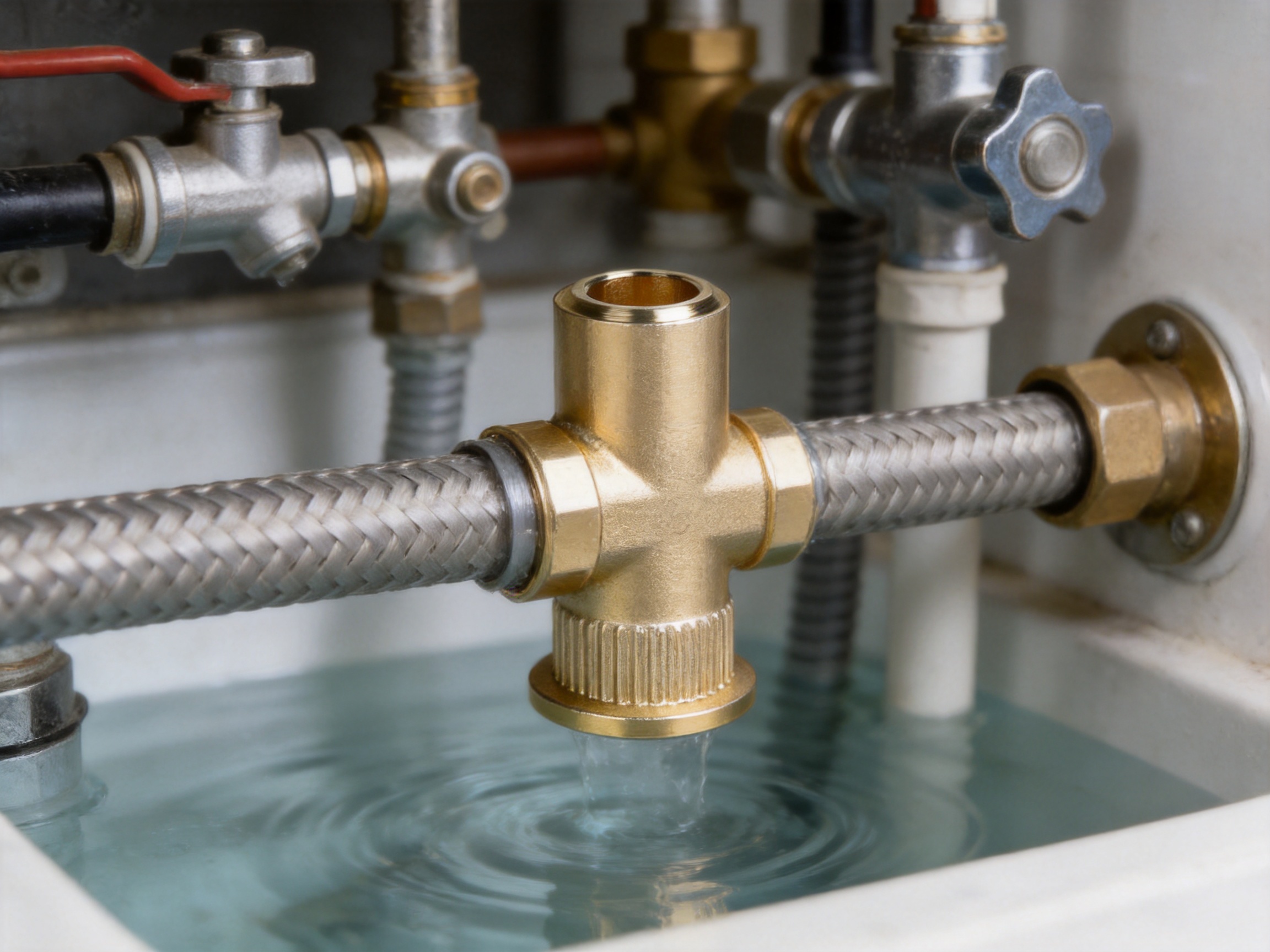
Water supply systems require components that can withstand moisture, pressure changes, and repeated operation. A hose connector used in this environment must maintain a secure joint even when exposed to daily temperature variation and water flow. It may be used with faucets, valves, hoses, washing equipment, irrigation lines, garden accessories, or maintenance tools.
In residential and commercial water supply, leakage prevention is a primary concern. Even small leaks can waste water and cause staining, corrosion, or mold growth. A precision hose connector helps reduce this risk by providing a stable interface between hose and equipment. The connector’s accurate machining supports better sealing and easier installation.
In irrigation and agricultural use, connectors may experience outdoor exposure, movement, dirt, and frequent disconnection. A durable connector can reduce downtime and replacement frequency. Users benefit from components that resist wear and maintain hose grip during repeated use. The Hose Connector is suitable for such practical applications when selected according to appropriate specifications.
In maintenance and cleaning systems, connectors are often handled roughly. They may be tightened and loosened many times. A low-quality connector may quickly lose thread integrity or become difficult to seal. A well-machined connector provides better endurance in these repeated-use conditions.
Applications in Gas and Fluid Valve Systems
Because the product is related to the hardware accessories and valve category, it is valuable as a supporting component for gas and fluid control systems. Valves such as threaded globe valves, forged steel valves, brass gas ball valves, and water supply valves often require reliable connection accessories. A hose connector may be used to connect flexible lines, testing equipment, service hoses, or auxiliary fluid transfer lines.
In gas-related systems, connection quality is critical. The connector must be selected according to applicable standards, medium compatibility, pressure rating, and installation method. Precision machining and reliable sealing surfaces help support safer performance. While the connector itself is only one part of the system, its quality can significantly influence the integrity of the entire assembly.
Fluid valve systems also benefit from stable connectors. Whether the medium is water, air, or another compatible fluid, the connection point must resist leakage and mechanical loosening. The company’s background in valve manufacturing strengthens its understanding of sealing requirements, pressure behavior, and component compatibility.
For OEM manufacturers, a consistent hose connector can become part of a larger product package. When connectors match valves and accessories reliably, assembly becomes smoother and customer satisfaction improves. This is why integrated manufacturing experience in valves and hardware accessories provides an advantage over suppliers that produce only generic fittings without fluid control expertise.
Customization Possibilities
Different markets require different connector specifications. Hose diameter, thread standard, material, surface finish, packaging, and branding requirements may vary by region and application. A supplier with flexible production capability can help customers develop connectors suited to their market needs.
Customization may involve changing the connection type, adjusting the hose barb profile, producing different thread standards, modifying the external shape for easier gripping, or developing a connector for a specific valve assembly. It may also include packaging customization for wholesalers, retailers, or OEM customers.
The company’s production capacity and machining equipment make customization more practical. CNC machining allows design adjustments to be implemented with controlled accuracy. Automated testing and inspection help verify that customized parts remain reliable. This combination of flexibility and quality control is important for customers who need more than standard off-the-shelf parts.
Customized development should always consider application conditions. Buyers should provide information such as medium type, working pressure, hose material, hose inner diameter, connection standard, installation environment, and required service life. With clear specifications, the connector design can be optimized for function, safety, and cost efficiency.
Design Details that Improve User Experience
A successful hose connector is not only technically reliable; it is also convenient to use. Small design details can greatly improve installation and maintenance. For example, chamfered edges can help the connector enter the hose or mating thread more easily. A properly shaped gripping area can allow users to tighten the connector without slipping. Smooth surfaces can prevent hand injury and improve appearance.
Hose engagement design is another important detail. If the connector uses a barbed structure, the barb must balance grip and hose protection. A barb that is too aggressive may damage the hose. A barb that is too shallow may not hold securely. Correct geometry helps create a firm connection while maintaining hose integrity.
Thread entry design also matters. A lead-in chamfer can reduce cross-threading and make assembly easier. This is especially useful in field installation where workers may not have ideal lighting, space, or alignment. By reducing installation difficulty, the connector helps prevent damage and saves time.
Flow passage design affects system performance. Internal burrs or restrictions can reduce flow and trap debris. A clean internal passage contributes to more efficient transfer and easier cleaning. These details reflect the difference between a carefully engineered connector and a low-cost generic fitting.
Surface Treatment and Appearance Quality
Surface quality influences both performance and market acceptance. A connector with a clean, smooth, and uniform surface gives buyers confidence. In contrast, visible defects such as scratches, oxidation, burrs, tool marks, or stains may suggest poor manufacturing control. While appearance alone does not guarantee performance, it often reflects the discipline of the production process.
Depending on material and application requirements, hose connectors may require specific surface treatment or finishing. Surface treatment can improve corrosion resistance, reduce friction, enhance appearance, or meet customer preferences. The selected treatment must be compatible with the working environment and the medium being transferred.
For water and fluid applications, corrosion resistance is important. For gas-related accessories, surface cleanliness and dimensional control are critical. For retail hardware products, appearance consistency may affect shelf appeal. A capable manufacturer can balance these requirements through controlled finishing and inspection.
Deburring is a key part of surface quality. Burrs left on threads, edges, or internal passages can cause leakage, hose damage, assembly difficulty, or contamination. Removing burrs helps improve safety and reliability. This is one reason advanced machining must be combined with proper finishing procedures.
Manufacturing Strengths Behind the Product
The manufacturer’s broader capabilities are central to the value of the Hose Connector. Ningbo Yunhua Valve Co., Ltd. is an innovative enterprise specializing in research, development, production, sales, and service of gas and fluid valves, water supply valves, and hardware accessories. This business scope allows the company to understand not only individual components but also the systems in which those components operate.
Over more than ten years, the company has developed a professional management team and an organized corporate culture. Stable management is important for manufacturing because quality depends on consistent processes, trained workers, controlled documentation, and continuous improvement. A product such as a hose connector may be simple in form, but high-volume quality requires disciplined management.
The company’s 20,000-square-meter facility supports specialized production areas. A precision machining workshop provides the foundation for dimensional accuracy. Automated assembly lines increase efficiency and consistency. Testing workshops verify that products meet performance expectations. Together, these facilities create a complete production chain for valves and accessories.
Advanced CNC machine tools allow the company to maintain precise machining standards. Professional automated assembly and testing equipment help reduce human error and improve production efficiency. These strengths are especially valuable for customers who need large-volume orders with stable quality.
The annual capacity of 2 million sets of valves and 10 million sets of hardware accessories demonstrates strong supply ability. This matters for global buyers because delivery reliability is often as important as product design. A supplier must be able to maintain stable output during peak demand, repeat orders, and long-term cooperation.
How the Hose Connector Supports Safer Fluid Ecosystems
The company’s mission is to build a safe fluid ecosystem with high-quality valves. The Hose Connector contributes to this mission by strengthening one of the most common weak points in fluid systems: the connection. Even the best valve or hose can fail to perform if the connector between them is unreliable. Therefore, improving connector quality is part of improving system safety.
A safe fluid ecosystem depends on controlled flow, reliable sealing, material compatibility, and predictable maintenance. Hose connectors help maintain these conditions by ensuring that hoses remain securely connected and that fluid or gas does not escape unexpectedly. In practical terms, this means less leakage, fewer service interruptions, and better protection for equipment and users.
In water systems, improved connectors help conserve water and reduce damage from leaks. In gas systems, reliable connectors help support safer operation when properly selected and installed. In industrial fluid systems, stable connectors reduce downtime and maintenance cost. Across all these applications, the connector plays a quiet but essential role.
The Hose Connector reflects the idea that small components deserve serious engineering. By applying valve manufacturing standards and precision machining knowledge to hardware accessories, the product offers a more dependable solution than ordinary connectors made with minimal process control.
Buyer Considerations and Selection Guidance
Choosing the correct hose connector requires attention to technical and practical factors. Buyers should not select a connector only by visual similarity. The connector must match the hose, the mating component, the working medium, and the operating conditions.
The first consideration is size. Hose inner diameter, outer diameter, wall thickness, and flexibility affect connector compatibility. A connector that is too small may not seal properly, while one that is too large may damage the hose or be difficult to install. Threaded connectors must match the correct thread standard and size.
The second consideration is medium compatibility. Water, air, gas, oil, and other fluids may require different material or sealing solutions. Buyers should confirm that the connector material and any sealing elements are suitable for the intended medium. For gas applications, relevant safety standards and professional installation practices must be followed.
The third consideration is pressure and temperature. Even if a connector fits physically, it must be suitable for the working pressure and temperature range. Systems with pressure pulses or vibration may require stronger engagement and additional clamping.
The fourth consideration is installation environment. Outdoor use, humidity, chemical exposure, mechanical impact, and frequent disassembly can all affect connector life. Selecting a connector with appropriate durability reduces maintenance cost.
The fifth consideration is supplier reliability. A capable manufacturer should offer stable quality, consistent batch production, testing capability, and customization support. For distributors and OEM buyers, supplier reliability directly affects brand reputation and customer satisfaction.
Installation and Maintenance Best Practices
Proper installation is essential for achieving the full performance of any hose connector. Even a high-quality connector can fail if it is installed incorrectly. Users should always follow applicable standards, system requirements, and professional guidance.
Before installation, inspect the connector and mating parts. Check for visible damage, dirt, burrs, thread deformation, or unsuitable sealing elements. The hose should be clean, correctly cut, and free from cracks. If the hose end is uneven or hardened, it may not seal well.
During installation, align the connector carefully. For threaded connections, avoid cross-threading. Start the thread by hand whenever possible before using tools. Tighten gradually and do not apply excessive force. Overtightening can damage threads, deform sealing surfaces, or crack connected components.
For hose barb connections, ensure the hose is inserted to the correct depth. If a clamp is required, use the appropriate clamp type and tighten it evenly. The clamp should secure the hose without cutting into it. After installation, check that the hose is not twisted or sharply bent near the connector.
After assembly, perform a leak check under safe operating conditions. In water systems, observe for dripping or pressure loss. In gas-related systems, use approved leak detection methods and follow professional safety requirements. Never rely on smell or guesswork for safety-critical applications.
Maintenance should include periodic inspection. Look for signs of loosening, corrosion, cracking, hose hardening, or leakage. Replace damaged components promptly. Regular inspection is especially important in systems exposed to vibration, outdoor conditions, or frequent operation.
Value for Distributors and OEM Customers
Distributors and OEM customers need products that combine quality, availability, and market competitiveness. The Hose Connector offers value because it addresses common pain points in the hardware accessories market: unstable quality, poor fit, leakage complaints, and inconsistent batch supply.
For distributors, a reliable connector reduces after-sales problems. Customers are more likely to reorder when the product installs easily and performs as expected. Consistent appearance and packaging also support stronger market presentation. A supplier with large production capacity can help distributors maintain inventory and respond to demand changes.
For OEM customers, component consistency is crucial. A connector that varies from batch to batch can disrupt assembly lines and create quality issues in finished products. Precision machining and organized inspection help maintain the repeatability OEM buyers require. Customization options further allow the connector to be integrated into specific equipment or valve assemblies.
The company’s experience with threaded globe valves, forged steel valves, brass gas ball valves, water supply valves, and hardware accessories gives it a broad understanding of fluid control markets. This knowledge supports the development of connectors that meet practical system needs rather than merely meeting basic shape requirements.
Environmental and Efficiency Considerations
Reliable hose connectors can contribute to environmental efficiency by reducing leakage and extending product life. Water leakage wastes resources, increases operating cost, and may damage surrounding structures. Gas or fluid leakage may create safety and environmental concerns depending on the medium. A connector that seals properly helps reduce these risks.
Long service life also supports sustainability. Products that fail quickly require replacement, transportation, packaging, and disposal. A durable connector helps reduce waste over time. While the connector is a small part, high-volume applications make durability meaningful at scale.
Efficient manufacturing also matters. Automated equipment and precision machining can reduce rework and improve material utilization. Consistent production helps avoid defective batches and unnecessary waste. A mature manufacturing system supports both quality and operational efficiency.
For buyers, environmental responsibility often aligns with cost savings. Fewer leaks, fewer failures, and fewer replacements mean lower maintenance cost and better system reliability. Therefore, choosing a higher-quality hose connector is not only a technical decision but also an economic and environmental decision.
Frequently Asked Questions
What is the main function of the Hose Connector?
The main function is to create a secure connection between a hose and another component, such as a valve, pipe, fitting, nozzle, or equipment interface. It supports controlled fluid or gas transfer while helping reduce leakage and connection failure.
What makes this hose connector different from ordinary low-cost connectors?
Its advantages come from precision machining, stable dimensional control, reliable sealing geometry, clean threads, durable processing, and organized quality inspection. These features help improve installation efficiency and reduce leakage risk compared with connectors made with poor process control.
Can the Hose Connector be used with valves?
Yes, it is suitable as a hardware accessory for valve-related systems when the specifications match the application. It may support systems involving water supply valves, gas and fluid valves, threaded globe valves, forged steel valves, brass gas ball valves, or other compatible equipment.
Is customization available?
Customization may be available according to customer requirements. Options can include connection type, thread standard, hose size, external shape, surface finish, packaging, and application-specific design adjustments. Buyers should provide detailed technical requirements for accurate development.
Why is CNC machining important for a hose connector?
CNC machining improves dimensional consistency, thread accuracy, surface finish, and batch repeatability. These qualities help the connector fit better, seal more reliably, and install more smoothly.
How should buyers choose the correct hose connector?
Buyers should confirm hose size, thread standard, medium compatibility, working pressure, temperature range, installation environment, and applicable safety standards. Supplier quality and production capacity should also be considered.
Can the connector be used for gas applications?
It may be used in gas-related systems only when the selected specification, material, sealing method, and installation process are suitable for the gas application and comply with relevant safety standards. Professional installation and leak testing are essential.
What maintenance is recommended?
Regularly inspect the connector for loosening, corrosion, leakage, thread damage, hose cracking, or clamp movement. Replace damaged parts promptly and perform leak checks after installation or maintenance.
Conclusion
The Hose Connector is a practical yet critical component for fluid and gas transfer systems. Its value lies in reliable sealing, strong mechanical engagement, precision machining, durable material processing, and user-friendly installation. Compared with many ordinary connectors, it offers better consistency, reduced leakage risk, smoother assembly, and stronger long-term reliability.
Behind the product is a manufacturing system with advanced CNC machining, automated assembly, professional testing, and large-scale production capacity. Ningbo Yunhua Valve Co., Ltd. applies its experience in gas and fluid valves, water supply valves, and hardware accessories to produce connectors that support safer and more efficient fluid systems. With a 20,000-square-meter facility, professional workshops, advanced equipment, and substantial annual output, the company provides strong support for distributors, OEM customers, and project buyers.
For customers seeking a dependable hose connector, the key is to look beyond appearance and evaluate machining quality, sealing design, material durability, inspection control, and supplier capability. A high-quality connector may be small, but it protects the performance of the entire system. In modern fluid control, reliability begins at every connection point.
References
1. Smith, P. R. Industrial Piping and Hose Connection Design Principles. Mechanical Engineering Press.
2. Brown, T. Fluid Sealing Technology for Valves and Fittings. Technical Manufacturing Publications.
3. International Organization for Standardization. General Principles for Pipe Threads, Fluid Connectors, and Sealing Interfaces.
4. Miller, J. CNC Machining Quality Control for Precision Hardware Components. Advanced Manufacturing Series.
5. Davis, L. Practical Guide to Valve Accessories and Fluid Transfer Assemblies. Industrial Components Handbook.
Product: Hose Connector

Related Products
-
 View More
-
 View More
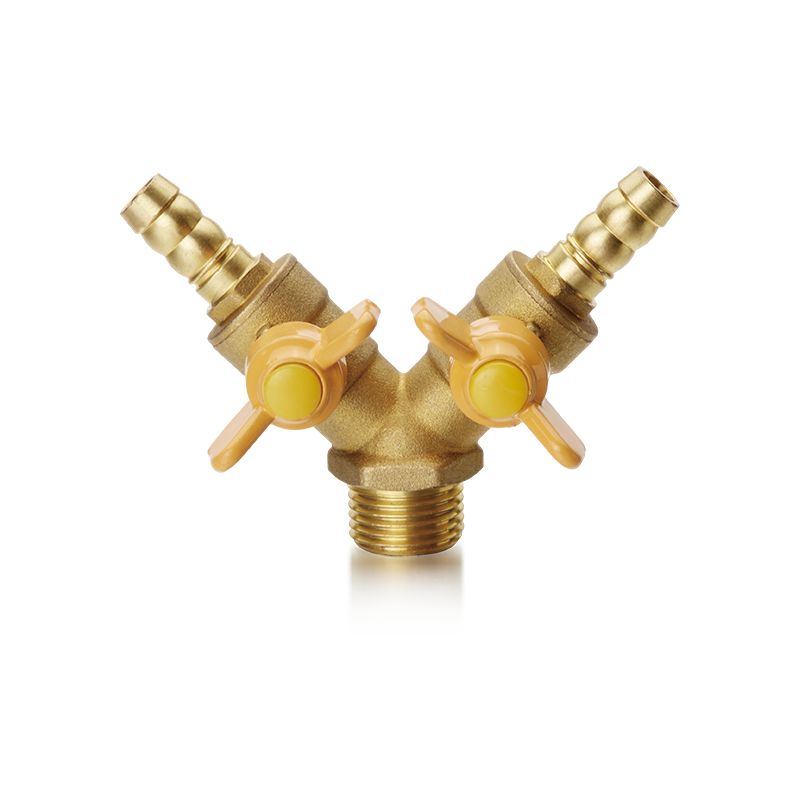
YH-208 Brass Ball Valve(M/Double Hose Connector)
-
 View More
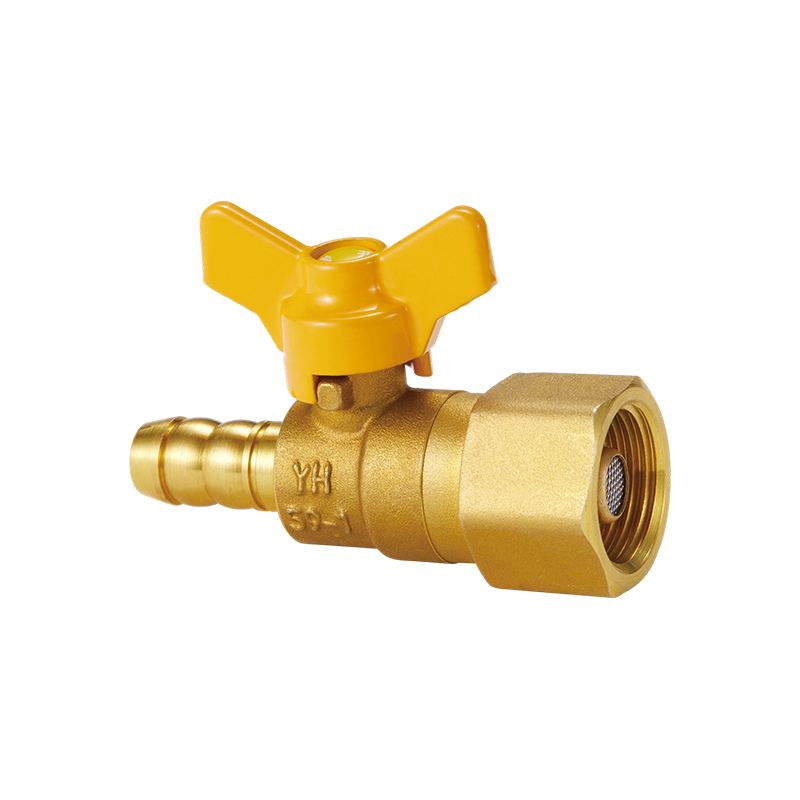
YH-216A Brass Excess Flow Shut-Off Valve(F/Hose Connector)
-
 View More
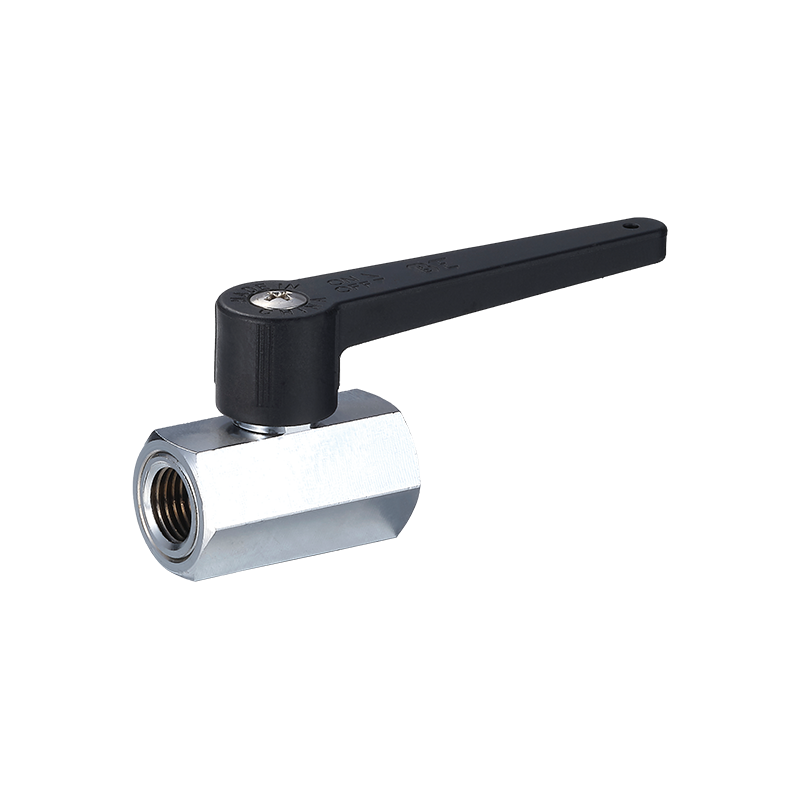
MINI-1 Mini Long Handle Ball Valve(F/F)
-
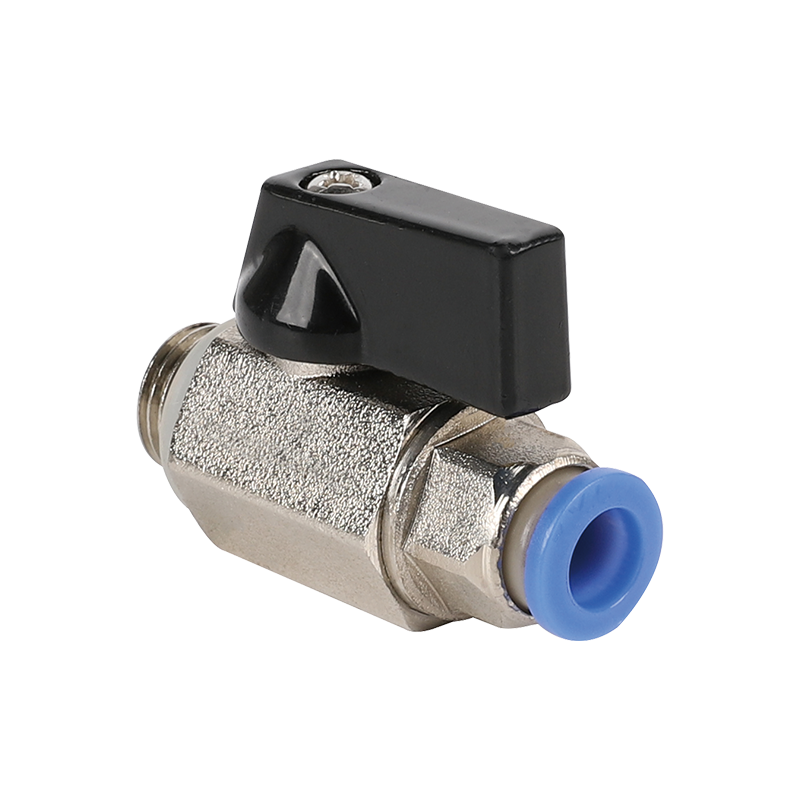 View More
MINI-2 Mini Short-Handle Ball Valve(M/M)
-
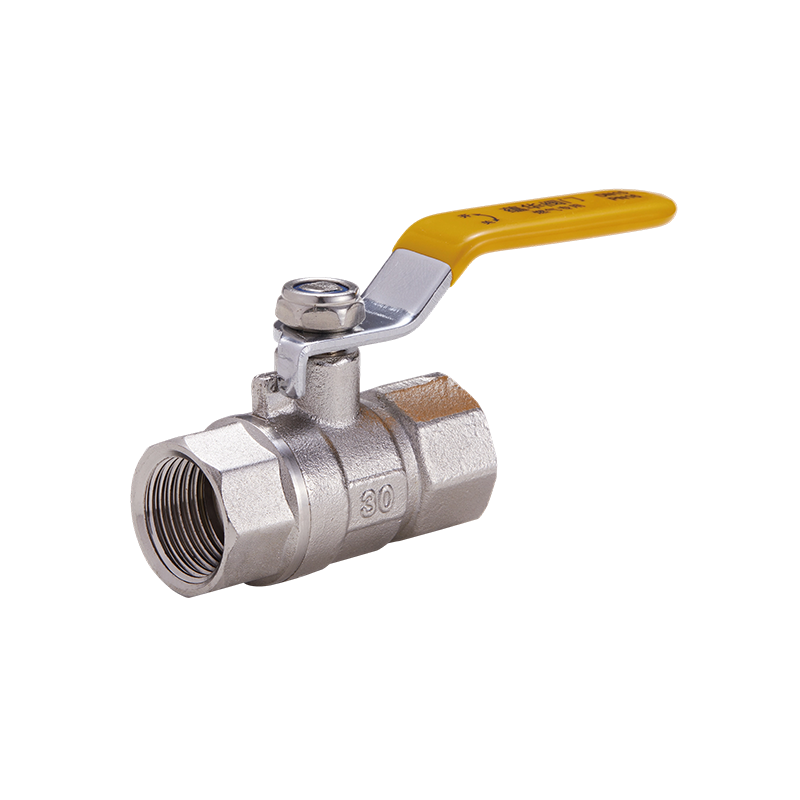 View More
YH-2210 Forged Steel Ball Valve with Long Handle (F/F)
Related News
Contact Us
-

-
 +86-0574-63742169
 -
 No.104-128, Cizhang East Road, Zhangqi Town, Cixi City, Ningbo, Zhejiang Province, China


Message Us Now !
