


 English
  русский
  عربى
عربى  Español
Brass Vertical Check Valve for Reliable Backflow Prevention in Water Systems
Content
- 1 Understanding the Role of a Brass Vertical Check Valve
- 2 Core Product Overview
- 3 Technical Specifications
- 4 Why Brass Is a Strong Choice for Check Valve Construction
- 5 Low Pressure Drop and System Efficiency
- 6 Precision-Machined Internal Mechanism
- 7 Quiet Operation and Reduced Water Hammer
- 8 Compact Design for Practical Installation
- 9 Applications in Residential Plumbing
- 10 Applications in Irrigation and Pump Systems
- 11 Applications in Water Heater Systems
- 12 Advantages Over Competing Products
- 13 Manufacturing Strength Behind the Product
- 14 Quality Control and Testing Philosophy
- 15 Importance of ISO228 Parallel Pipe Threads
- 16 Design Considerations for Proper Installation
- 17 Maintenance and Service Life
- 18 How the Valve Supports System Safety
- 19 Comparison With Other Check Valve Types
- 20 Value for Distributors and Project Buyers
- 21 Environmental and Economic Considerations
- 22 Company Manufacturing Strengths and Industry Vision
- 23 Selection Guide for Buyers
- 24 Frequently Asked Questions
- 24.1 What is the main function of this brass vertical check valve?
- 24.2 What media can the valve be used with?
- 24.3 What is the nominal pressure rating?
- 24.4 What is the working temperature range?
- 24.5 Why is brass used for the valve body?
- 24.6 How does the low-pressure drop design help?
- 24.7 Can the valve reduce water hammer?
- 24.8 What thread standard does the valve use?
- 24.9 What sizes are available?
- 24.10 Does the valve require regular maintenance?
- 24.11 Where is the valve commonly used?
- 24.12 What makes the product competitive?
- 25 Conclusion
- 26 References
- 27 Product: YH-401 Brass Vertical Check Valve
In modern plumbing, heating, irrigation, and light industrial water systems, reliable backflow prevention is not optional; it is a core requirement for safety, efficiency, and equipment protection. A brass vertical check valve is designed to allow fluid to move in one direction while automatically blocking reverse flow. This simple function plays a major role in preventing pump damage, protecting water heaters, reducing contamination risks, and maintaining stable system pressure. The YH-401 Brass Vertical Check Valve is engineered for these demanding tasks with a compact brass body, precise internal components, low pressure drop, and dependable sealing performance.
This article focuses on the product’s technical value, application advantages, competitive strengths, and the manufacturing capabilities behind its consistent quality. It also explains why brass construction, ISO228 parallel pipe threads, a vertical installation design, and precision-machined sealing components matter in practical use. For buyers, installers, distributors, plumbing contractors, and system designers, understanding these details helps determine whether a check valve is merely acceptable or truly suitable for long-term service.
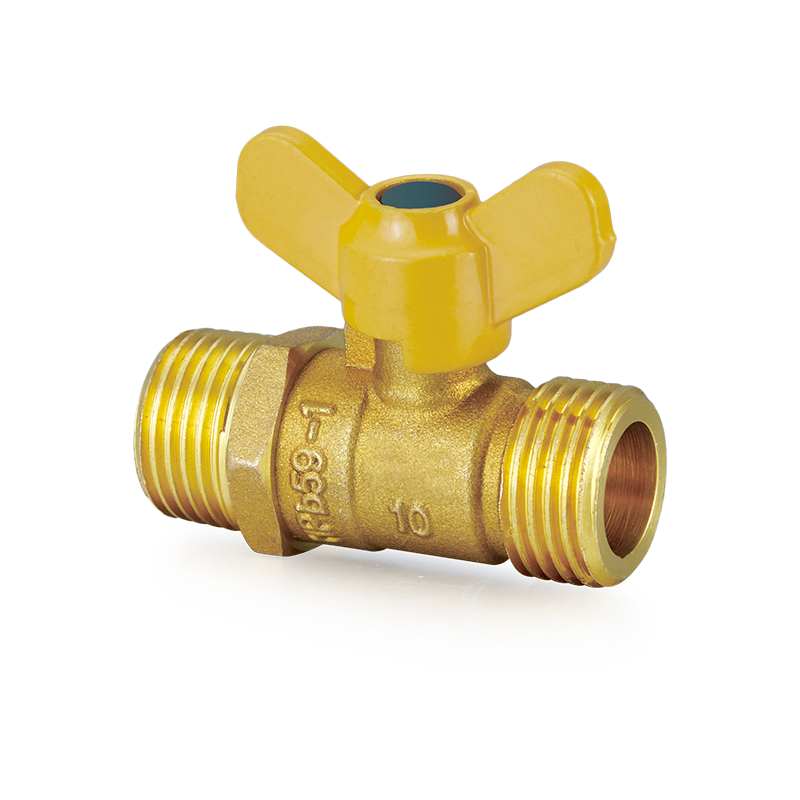
YH-401 Brass Vertical Check Valve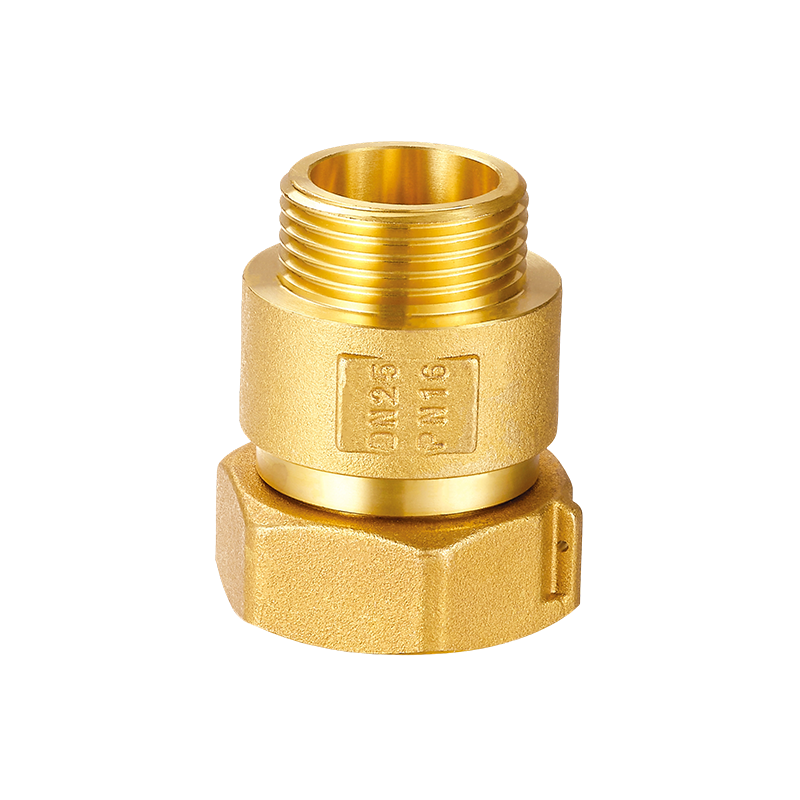
Understanding the Role of a Brass Vertical Check Valve
A check valve is an automatic one-way valve. Unlike a manual shut-off valve, it does not require a handle, operator, actuator, or external control signal. When fluid pressure moves in the intended direction, the internal mechanism opens. When reverse flow begins or pressure drops below the required level, the internal component returns to the closed position and blocks backward movement. This automatic response is essential in systems where reverse flow can cause contamination, loss of prime, water hammer, thermal stress, or mechanical damage.
The vertical check valve format is especially useful in compact piping layouts where the valve is installed in a vertical pipeline or where available space is limited. A vertical check valve can help maintain orderly piping design, reduce the need for unnecessary elbows, and simplify installation around pumps, heaters, tanks, and branch lines. When built with a durable brass body, the valve becomes suitable for many water and non-caustic liquid applications, including potable water distribution, domestic heating circuits, irrigation systems, and equipment protection lines.
The YH-401 Brass Vertical Check Valve is designed to meet the practical needs of these systems. Its nominal pressure rating of 1.6 MPa makes it appropriate for common residential and commercial water supply conditions. Its working temperature range of 0°C to 100°C supports both cold-water and hot-water environments. Its compatibility with water and non-caustic liquids provides flexibility for everyday plumbing and fluid control use. The use of parallel pipe threads according to ISO228 also supports international installation expectations and helps improve connection reliability.
Core Product Overview
The YH-401 Brass Vertical Check Valve is a compact brass valve designed to prevent backflow automatically in water systems. Its primary value lies in combining simple operation with dependable engineering. The brass body resists corrosion better than many ordinary ferrous materials, while the precision-machined internal mechanism supports tight sealing and quiet operation. This balance of durability, low maintenance, and dependable flow control makes it a cost-effective component for system integrity.
In many plumbing systems, low-cost check valves may appear similar from the outside, but their long-term performance can vary greatly. Differences in material composition, machining tolerance, thread quality, sealing precision, and assembly consistency can determine whether a valve operates quietly for years or fails prematurely. The YH-401 is positioned as a practical solution for users who require stability rather than temporary performance. It is built for installers and buyers who value corrosion resistance, reduced pressure loss, predictable sealing, and simplified maintenance.
The product is available in common sizes such as DN15 and DN20, covering widely used domestic and light commercial pipe dimensions. The compact dimensional design makes the valve easier to install in tight spaces, while its threaded connections allow convenient integration with standard pipework. The product’s design also helps reduce water hammer by promoting stable closure and minimizing sudden reverse-flow impact.
Technical Specifications
The valve’s specifications define its recommended operating conditions and help users select the correct model for a system. The following table summarizes key available dimensions and connection data.
Specification |
A |
G1 |
G2 |
DN15 |
46.6 |
1/2 |
3/4 |
DN20 |
52 |
3/4 |
1 |
Nominal pressure: 1.6 MPa.
Working medium: water and non-caustic liquid.
Working temperature: 0°C ≤ t ≤ 100°C.
Thread standard: parallel pipe thread according to ISO228.
These specifications show that the valve is designed for everyday water supply and heating applications rather than aggressive chemical processing. The 1.6 MPa nominal pressure rating provides a strong margin for common building water systems. The 0°C to 100°C operating temperature range allows use in hot and cold water lines, while ISO228 threads contribute to connection consistency when paired with compatible fittings.
Why Brass Is a Strong Choice for Check Valve Construction
Material selection is one of the most important factors in valve performance. Brass is widely used in water control products because it offers a practical combination of corrosion resistance, mechanical strength, machinability, thermal stability, and cost efficiency. Compared with many ordinary carbon steel components, brass is less prone to rust in water service. Compared with some plastic materials, brass provides greater dimensional stability under heat and pressure. Compared with premium stainless steel, brass often offers a more economical solution for general water applications while still maintaining dependable durability.
The YH-401 Brass Vertical Check Valve benefits from the inherent advantages of brass. The body resists corrosion in potable water and heating applications, reducing the risk of internal scaling, leakage, and thread deterioration. Its strength supports pressure-bearing performance, while its machinability allows accurate threading and internal surface finishing. These qualities are essential for a check valve because both the body and the internal sealing interface must maintain dimensional accuracy over time.
Brass also performs well in systems where temperature changes occur frequently. Water heaters and heating loops can produce expansion and contraction cycles. A valve material that cannot tolerate these cycles may deform, crack, or lose sealing reliability. Brass provides a stable structure that supports long service life under normal hot-water conditions. For installers, this means fewer callbacks. For property owners, it means lower maintenance cost. For distributors, it means a product that aligns with market expectations for dependable plumbing hardware.
Low Pressure Drop and System Efficiency
One of the key selling points of this brass vertical check valve is its low-pressure drop design. Pressure drop refers to the loss of pressure as fluid moves through a valve or fitting. In a plumbing or pumping system, excessive pressure drop forces pumps to work harder, reduces delivery efficiency, and may create uneven flow at terminal fixtures. A check valve must therefore prevent backflow without creating unnecessary resistance during normal forward flow.
The YH-401 is designed with a compact and efficient flow path. Its precision-machined internal mechanism opens reliably under forward flow and minimizes obstruction once open. This design helps maintain stable flow rates and reduces energy waste in pumped systems. In irrigation systems, lower pressure loss can improve sprinkler or drip-line performance. In water heater systems, it can help maintain smoother circulation and reduce strain on connected equipment. In domestic plumbing, it can contribute to consistent water delivery and reduced noise.
When compared with poorly designed check valves, the difference can be significant. Some competing products use rough internal surfaces, inconsistent spring force, or poorly aligned sealing components. These issues increase turbulence and resistance. Over time, turbulence can contribute to noise, vibration, and internal wear. By contrast, a low-pressure drop design supports both operational efficiency and long-term reliability.
Precision-Machined Internal Mechanism
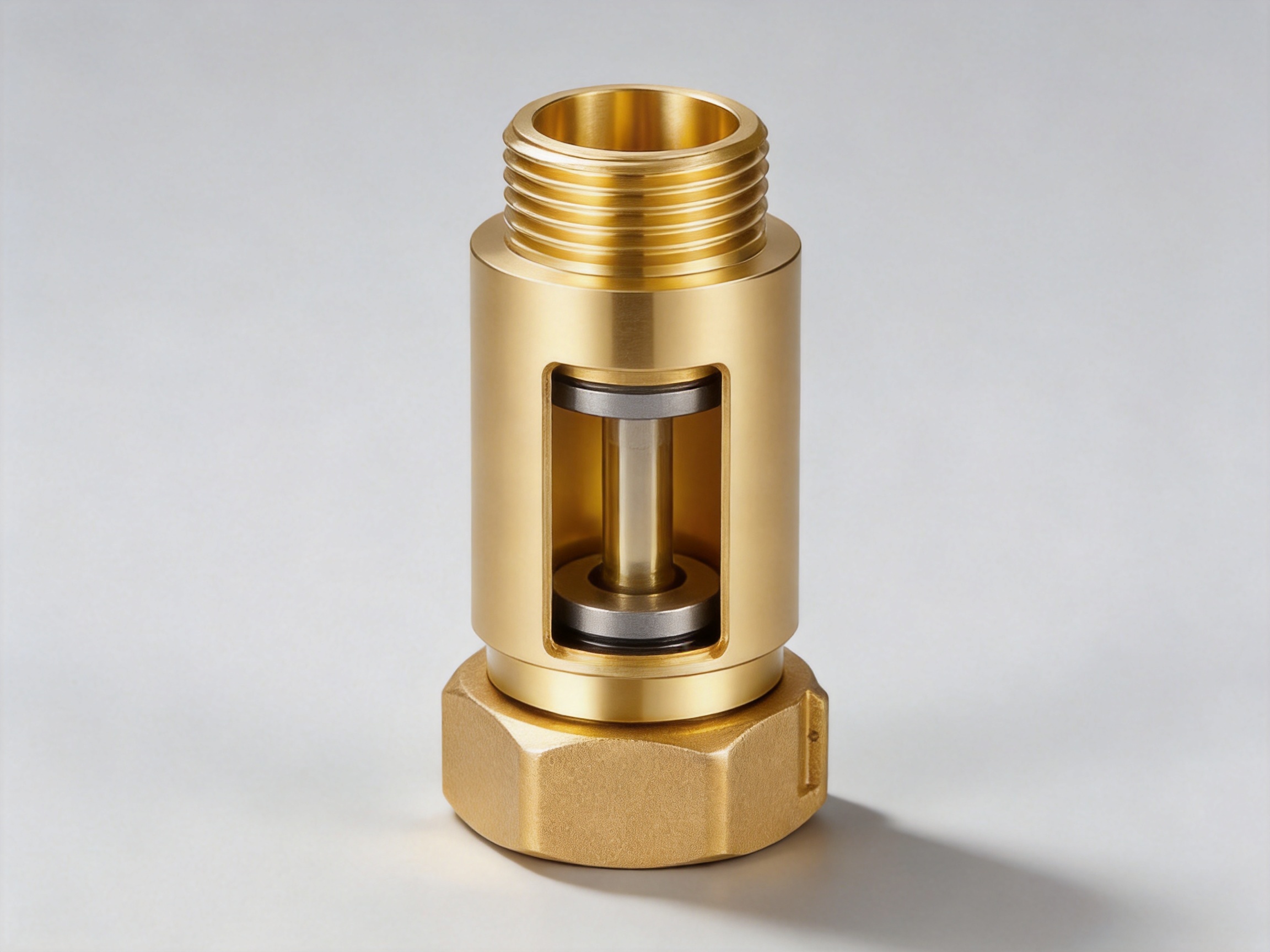
The internal mechanism of a check valve determines how quickly it responds, how tightly it seals, and how quietly it operates. Even a strong body cannot compensate for poor internal precision. The YH-401 Brass Vertical Check Valve emphasizes a precision-machined internal structure, which helps ensure that the moving component seats accurately and consistently. This matters because backflow prevention depends on the quality of the seal between the closing element and the valve seat.
Precision machining helps reduce dimensional variation from one valve to another. In production, if the internal seat angle, surface smoothness, or alignment is inconsistent, some valves may leak, chatter, or require excessive opening pressure. By using accurate machining processes, the valve can achieve a better sealing interface and more predictable operating behavior. This is especially important in residential plumbing, where users expect quiet operation and reliable protection without frequent maintenance.
A tight seal protects connected equipment from reverse flow damage. For example, when a pump stops, pressure on the downstream side can push water backward. If the check valve does not close securely, reverse flow may cause pump impeller rotation, loss of prime, or repeated start-stop cycling. In water heater systems, reverse flow can disturb thermal balance and create inefficient circulation. In irrigation systems, it can drain lines and reduce startup efficiency. A precision internal mechanism helps prevent these problems.
Quiet Operation and Reduced Water Hammer
Water hammer occurs when moving water suddenly stops or changes direction, producing a shock wave through the piping system. It can create banging noises, stress joints, damage equipment, and shorten the life of valves and fittings. Check valves are often associated with water hammer when their closing action is abrupt, delayed, or unstable. A valve that slams shut after reverse flow has already developed can generate significant pressure shock.
The YH-401 is designed for quiet and reliable operation. Its internal mechanism is intended to close effectively and maintain a tight seal without excessive impact. By supporting controlled one-way flow and reducing reverse-flow momentum, the valve helps lower the risk of water hammer. This is particularly valuable in residential buildings, where noise complaints are common, and in equipment systems where repeated hydraulic shock can shorten component life.
Compared with low-quality alternatives, a well-made check valve can be noticeably quieter. Poorly machined products may chatter during partial flow conditions, leak under low reverse pressure, or close unevenly. These behaviors can create noise and vibration that travel through the plumbing network. A stable check valve contributes to a more comfortable indoor environment and a more professional installation result.
Compact Design for Practical Installation
Space is often limited in plumbing installations. Valves may need to fit inside cabinets, wall cavities, mechanical rooms, pump stations, heater compartments, or irrigation control boxes. A compact check valve reduces installation difficulty and allows designers to keep pipe runs organized. The YH-401 Brass Vertical Check Valve uses a compact brass body that provides functional reliability without unnecessary bulk.
The DN15 model has an A dimension of 46.6, while the DN20 model has an A dimension of 52. These compact dimensions are useful for common piping systems where every millimeter matters. The threaded configuration also makes the product convenient for installation, replacement, and service. Installers can integrate it into standard pipe layouts without specialized welding or complex tools, assuming compatible thread fittings and proper sealing practices are used.
The compact body also reduces material weight compared with oversized valve designs. This can simplify handling, reduce pipe support stress, and improve installation efficiency. For distributors and wholesalers, compact valves can also improve storage and shipping efficiency. For project buyers, compact dimensions help standardize components across multiple installations.
Applications in Residential Plumbing
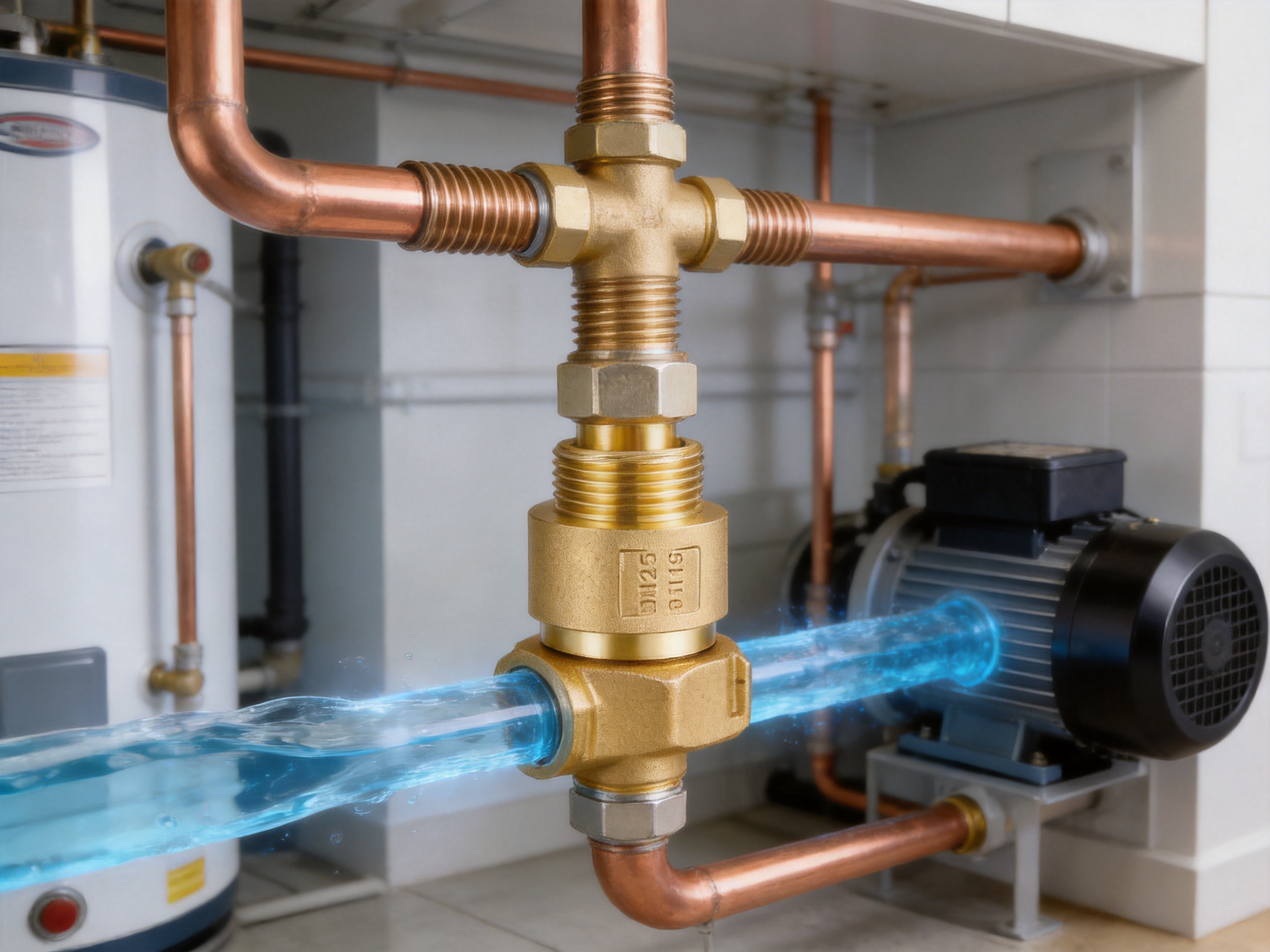
Residential plumbing is one of the most common application areas for brass check valves. In homes, apartments, and small buildings, backflow prevention supports safe and stable water distribution. A check valve may be used to prevent water from reversing into supply lines, to protect pumps, to isolate equipment circuits, or to maintain pressure zones. The YH-401 is suitable for water and non-caustic liquid service within its temperature and pressure range, making it a practical choice for many domestic systems.
In a household water supply line, a check valve can help maintain directionality of flow and prevent unwanted pressure interaction between different branches. In booster pump systems, it helps prevent water from flowing backward through the pump when the pump stops. In hot-water systems, it can help prevent reverse circulation that may waste energy or create temperature fluctuations. In small treatment or filtration systems, it can support proper flow direction and protect cartridges, tanks, or equipment from reverse pressure.
Homeowners typically do not want to think about valves after installation. They expect reliable performance with minimal maintenance. This is where the brass body and precision internal mechanism provide value. A corrosion-resistant valve with a tight seal reduces the likelihood of service issues. For plumbing contractors, using a dependable valve helps protect professional reputation and reduce after-sales visits.
Applications in Irrigation and Pump Systems
Irrigation systems often rely on pumps, pressure zones, and distribution lines that must remain primed and protected. When a pump shuts down, water in the discharge line may attempt to flow backward due to gravity or pressure differences. If reverse flow is not controlled, the pump may lose prime, lines may drain, and system startup may become inefficient. A brass vertical check valve can help maintain water direction and protect the pump from reverse rotation or hydraulic stress.
The YH-401 is useful in irrigation pump installations where water and non-caustic liquids are used. Its low-pressure drop design supports efficient flow delivery, which is important because irrigation systems depend on pressure to operate sprinklers, emitters, and distribution devices correctly. A valve that creates unnecessary resistance can reduce coverage uniformity or force the pump to consume more energy. By minimizing pressure loss, the valve helps maintain system performance.
Outdoor irrigation environments may expose components to moisture, temperature variation, and occasional mechanical stress. Brass construction provides better durability than many lightweight materials. While correct installation and protection from freezing conditions remain important, brass offers a robust foundation for long service life. For agricultural, garden, and landscape irrigation users, this reliability can reduce downtime and maintenance cost.
Applications in Water Heater Systems
Water heaters and hot-water circulation systems benefit greatly from proper check valve placement. Reverse flow in a water heater circuit can cause temperature imbalance, unwanted mixing, inefficient energy use, or pressure disturbances. A check valve helps maintain correct flow direction so that hot water moves where intended and cold water does not reverse into heated sections unexpectedly.
The YH-401 Brass Vertical Check Valve has a working temperature range up to 100°C, making it suitable for many hot-water plumbing environments within specified operating limits. Its brass body offers thermal stability, and its precision sealing design helps maintain reliable separation between flow zones. In water heater applications, quiet operation is especially valuable because these systems are often located near living spaces, kitchens, bathrooms, or utility rooms.
Compared with low-cost valves that may chatter or leak under changing temperature and pressure, a precision brass valve provides more stable performance. A dependable check valve can contribute to energy efficiency by preventing unwanted circulation patterns. It can also help protect equipment from pressure reversals and reduce the risk of nuisance noise in domestic hot-water networks.
Advantages Over Competing Products
The YH-401 Brass Vertical Check Valve offers several advantages over common competing check valves. The first advantage is material quality. Brass provides a strong balance of corrosion resistance, pressure strength, and machinability. Some competing products may use lower-grade alloys, plastic bodies, or untreated steel components that can degrade faster in water service. A durable brass body supports longer service life and more stable sealing alignment.
The second advantage is low pressure drop. Many inexpensive check valves are designed primarily for low cost, not flow efficiency. They may have narrow internal passages, rough surfaces, or inconsistent opening characteristics. These design weaknesses can reduce system pressure and increase pump workload. The YH-401 is designed to support smooth one-way flow, making it more efficient in practical water systems.
The third advantage is precision-machined sealing performance. A check valve’s ability to prevent backflow depends on the accuracy of its seat and internal closing element. Products with poor machining tolerance can leak even when new, and leakage may worsen as wear develops. The YH-401 emphasizes precise internal machining to achieve tight sealing and reliable closure.
The fourth advantage is quiet operation. Water hammer and valve chatter are frequent complaints in plumbing systems. The valve’s stable internal mechanism helps reduce noise and protect piping from shock. In residential and commercial settings, this improves user comfort and lowers the risk of damage caused by repeated hydraulic impact.
The fifth advantage is installation practicality. With ISO228 parallel pipe threads and compact dimensions, the valve is easy to integrate into standard threaded piping systems. Poorly formed threads are a common problem in low-quality valves, leading to difficult installation, leakage, or damaged fittings. Accurate thread machining improves connection reliability and reduces installation time.
The sixth advantage is zero-maintenance operation under suitable service conditions. Because the check valve operates automatically and uses durable materials, it does not require routine manual adjustment. This makes it ideal for systems where access is limited or where users prefer long-term reliability with minimal attention.
Manufacturing Strength Behind the Product
Product performance depends not only on design but also on manufacturing control. Ningbo Yunhua Valve Co., Ltd. specializes in the research, development, production, sales, and service of gas and fluid valves, water supply valves, and hardware accessories. The company has developed its capabilities over more than ten years, building a management system, professional team, and production infrastructure dedicated to valve quality.
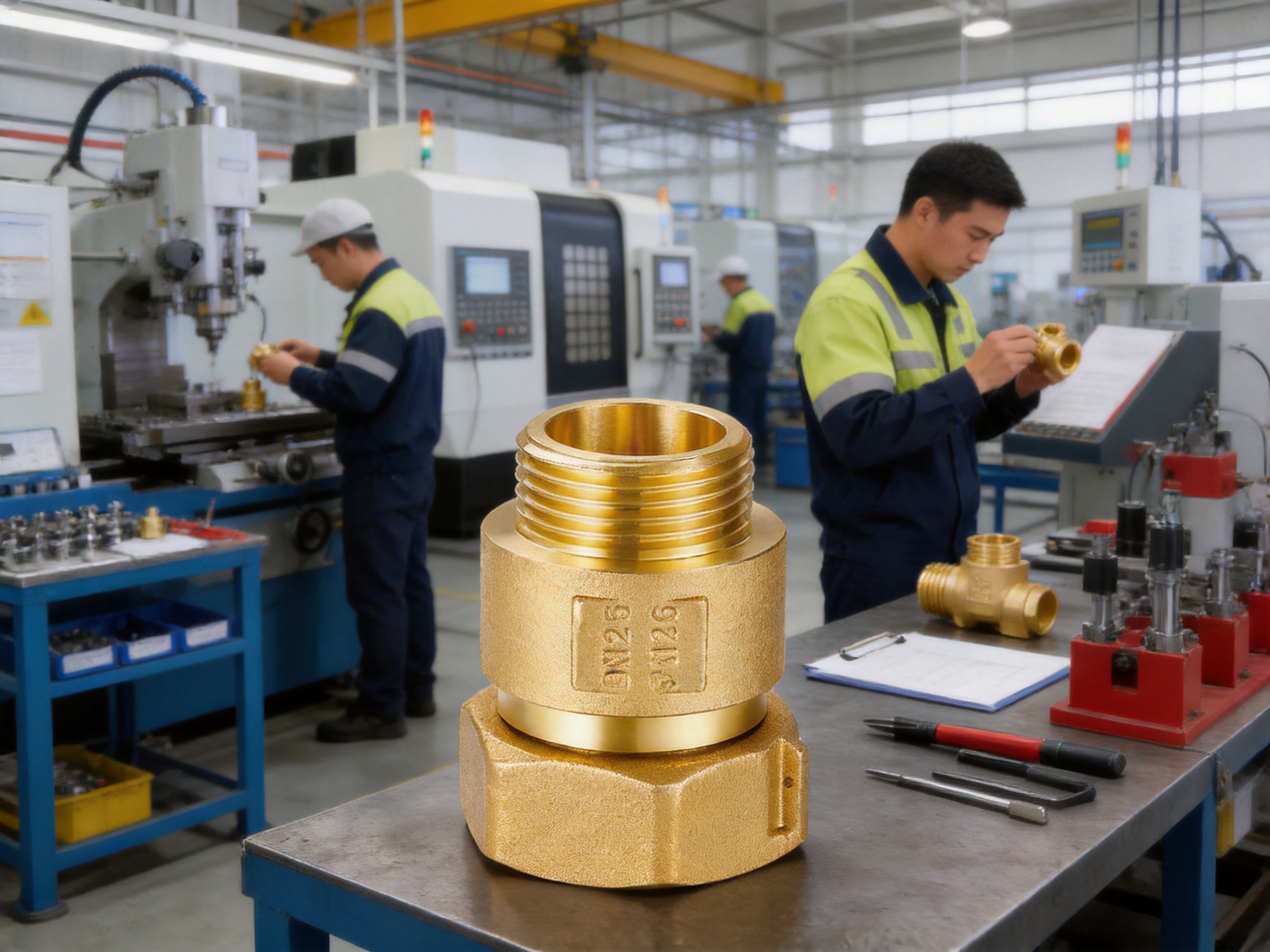
The company covers an area of 20,000 square meters and has established a professional, fully automated precision machining workshop, assembly line, and testing workshop. This manufacturing environment supports consistent output and stable quality control. In valve production, repeatability is critical. A single well-made sample is not enough; every batch must meet dimensional and functional expectations. Automated equipment helps reduce variation and improve production efficiency.
Advanced domestic and international CNC machine tools are used to support accurate machining. CNC machining is important for brass valve bodies because thread geometry, sealing surfaces, internal passages, and dimensional interfaces must be controlled precisely. If machining is inaccurate, the valve may leak, produce noise, or fail to fit properly. Precision equipment allows the manufacturer to maintain consistent tolerances across high-volume production.
The company also uses professional automated assembly and testing equipment. Automated assembly can improve consistency by controlling force, alignment, and process sequence. Testing equipment verifies whether finished valves meet performance requirements before shipment. This approach reduces the risk of defective products reaching customers and supports long-term trust among distributors, contractors, and end users.
Quality Control and Testing Philosophy
A reliable check valve must be tested not only for appearance but also for function. Quality control should cover raw material selection, machining accuracy, thread inspection, sealing performance, pressure resistance, assembly correctness, and final packaging. For a brass vertical check valve, the key quality concerns include body integrity, thread accuracy, internal cleanliness, sealing tightness, and smooth operation under forward and reverse pressure conditions.
During manufacturing, brass material quality influences corrosion resistance and mechanical strength. Proper machining ensures the valve body and internal components fit correctly. Thread inspection confirms compatibility with standard pipe fittings. Assembly inspection ensures that internal components are oriented correctly and move as intended. Pressure and sealing tests confirm that the valve can handle specified service conditions and prevent reverse flow effectively.
Because the company has a dedicated testing workshop, it can build quality verification into production rather than treating inspection as an afterthought. This is an important competitive advantage. Inconsistent quality is one of the major problems in commodity valve markets. Buyers may receive products that look similar but perform differently from batch to batch. A structured manufacturing and testing system helps deliver predictable performance.
The company’s annual production capacity of 2 million sets of valves and 10 million sets of hardware accessories also shows its ability to support large orders and stable supply. For distributors and project buyers, capacity matters because delayed delivery can disrupt construction schedules and inventory planning. Strong manufacturing scale, when combined with quality control, allows the supplier to support both standard demand and customized purchasing requirements.
Importance of ISO228 Parallel Pipe Threads
Thread quality is often underestimated, but it is one of the most important practical aspects of a threaded valve. The YH-401 uses parallel pipe threads according to ISO228. This thread standard is widely recognized and helps ensure compatibility with appropriate fittings in many international markets. Parallel threads are commonly used where sealing is achieved with a gasket, washer, O-ring, or suitable sealing method depending on the connection design.
Accurate thread machining helps prevent installation problems. Poor threads may cause cross-threading, leakage, uneven tightening, or damage to connected fittings. In plumbing work, these problems cost time and can lead to callbacks. A check valve with precise threads is easier to install and more reliable in service. It also reduces the chance that installers will overtighten the connection in an attempt to compensate for poor fit.
For distributors, standardized threads improve market acceptance. Contractors and installers prefer products that integrate smoothly with existing pipe systems. The DN15 and DN20 connection options cover common sizes used in domestic water supply and small equipment lines. The combination of compact dimensions and standard threads makes the valve suitable for broad distribution and practical field use.
Design Considerations for Proper Installation
Even the best check valve must be installed correctly to perform as intended. Users should confirm that the valve size matches the pipe size and flow requirements. They should also verify that the valve is installed in the correct flow direction. Most check valves include a direction indicator on the body, and this direction must align with intended flow. Incorrect installation will block normal flow or fail to prevent reverse flow.
The piping system should be clean before installation. Debris such as metal chips, sealing tape fragments, sand, or scale can interfere with the internal mechanism and sealing surface. Flushing the line before installation helps protect the valve. Threaded connections should be made carefully using appropriate sealing practices for the system design. Overuse of sealing material should be avoided because excess material can enter the valve and affect operation.
The valve should be installed within its specified pressure and temperature limits. The nominal pressure is 1.6 MPa, and the working temperature range is 0°C to 100°C. It should be used with water or non-caustic liquids, not aggressive chemicals unless compatibility has been confirmed. In freezing environments, systems should be protected because frozen water can expand and damage valves, fittings, and pipes.
Proper pipe support is also important. Although the valve is compact, threaded components should not be used as structural supports for heavy piping. Misalignment or excessive mechanical stress can affect sealing and thread integrity. Good installation practice improves valve life and ensures that the product’s engineered advantages are fully realized.
Maintenance and Service Life
One of the product’s major benefits is zero-maintenance operation under normal suitable conditions. Because a check valve operates automatically, there is no handle to adjust and no routine operational setting to manage. The brass body resists corrosion, and the internal mechanism is designed for reliable movement and sealing. In many water systems, this allows long service life with minimal user attention.
However, zero maintenance does not mean improper conditions can be ignored. System cleanliness, correct installation, and compatible media are still important. If a system contains heavy sediment, scale, or suspended particles, the valve may require periodic inspection or upstream filtration. If exposed to freezing, excessive pressure, aggressive chemicals, or mechanical shock, any valve may suffer damage. Users should treat the valve as part of a complete system and ensure operating conditions remain within specification.
The long service life of a brass check valve can reduce total ownership cost. A cheaper valve that fails early may require replacement labor, water shutoff, troubleshooting, and possible damage repair. In contrast, a dependable valve can operate quietly in the background for years. For commercial buyers, this difference affects warranty cost and customer satisfaction. For homeowners, it affects convenience and peace of mind.
How the Valve Supports System Safety
Backflow can create safety risks in water systems. In potable water networks, reverse flow may allow contaminated or heated water to move into areas where it should not be present. In equipment systems, reverse flow may damage pumps, heaters, filters, or meters. In irrigation systems, reverse movement may drain lines or introduce unwanted materials into supply sections. A check valve helps maintain separation and directional control.
The YH-401 provides automatic protection without requiring user intervention. This is valuable because backflow events may occur suddenly when pumps stop, pressure changes, valves close, or demand patterns shift. A manual valve cannot respond instantly to these changes unless someone is present. A check valve responds directly to hydraulic conditions, making it a passive but essential safety component.
System safety also includes noise and pressure stability. Water hammer can damage pipes and fittings over time, creating leaks or failures. By supporting quiet closure and reducing reverse-flow shock, the valve contributes to a safer hydraulic environment. While check valves are only one part of water hammer control, selecting a well-designed valve is a meaningful step toward reducing system stress.
Comparison With Other Check Valve Types
Different check valve designs exist, including swing check valves, spring check valves, lift check valves, wafer check valves, and ball check valves. Each has strengths and limitations. Swing check valves may offer good flow capacity but can require more space and may close slowly, increasing water hammer risk in some systems. Plastic check valves may be lightweight and inexpensive but may not provide the same temperature stability or mechanical durability as brass. Large industrial check valves may be excessive for residential plumbing and may not fit compact installations.
A brass vertical check valve such as the YH-401 offers a balanced solution for general water systems. It is compact, durable, threaded, and suitable for common pressure and temperature conditions. Its brass body provides strength without the high cost of specialized industrial alloys. Its internal design supports automatic sealing while maintaining low pressure drop. This balance makes it especially attractive for residential plumbing, water heaters, small pumps, and irrigation applications.
Compared with a basic swing check valve, the vertical brass design can be easier to fit into tight piping arrangements. Compared with low-grade plastic models, it offers better heat resistance and mechanical robustness. Compared with oversized industrial valves, it provides practical economy and easier handling. These competitive advantages make it a strong choice for buyers seeking a reliable everyday check valve rather than an overbuilt or underperforming alternative.
Value for Distributors and Project Buyers
Distributors need products that combine reliable quality, stable supply, competitive pricing, and marketable features. The YH-401 Brass Vertical Check Valve offers a clear value proposition: brass durability, compact design, ISO228 threads, low pressure drop, tight sealing, quiet operation, and broad use in water systems. These features are easy to communicate to plumbing contractors and end users.
Project buyers care about consistency. A construction or renovation project may require many valves, and each one must install smoothly and perform reliably. Inconsistent thread quality or sealing performance can delay work and increase labor cost. The manufacturing strength behind the product helps address these concerns. Automated precision machining, assembly lines, and testing workshops support batch consistency and reduce quality variation.
The company’s production capacity also supports repeat purchasing. When a distributor builds market demand for a product, supply continuity becomes essential. With annual output capability in valves and hardware accessories, the manufacturer can serve ongoing demand while supporting custom or large-volume purchasing needs. This makes the product suitable not only for individual installations but also for channel distribution and project procurement.
Environmental and Economic Considerations
A durable valve contributes to sustainability by reducing replacement frequency and waste. Products that fail prematurely consume additional materials, labor, packaging, and transportation resources. A brass check valve with long service life can reduce this cycle. Brass is also a valuable engineering material that can be recycled through appropriate metal recovery channels at the end of product life.
From an economic perspective, the lowest purchase price is not always the lowest total cost. A valve that leaks, creates noise, causes pump damage, or requires replacement can become far more expensive than a better-made product. The YH-401’s low-pressure drop design can also contribute to operational efficiency by reducing unnecessary flow resistance. In pumped systems, even small improvements in hydraulic efficiency can matter over long operating periods.
For property owners, the economic benefit is reliability and fewer service interruptions. For contractors, it is reduced installation risk and fewer callbacks. For distributors, it is customer satisfaction and repeat business. For system designers, it is a dependable component that supports stable system function.
Company Manufacturing Strengths and Industry Vision
Ningbo Yunhua Valve Co., Ltd. is an innovative enterprise focused on gas and fluid valves, water supply valves, and hardware accessories. Its development over the past decade reflects a commitment to product research, production management, and service improvement. The company has cultivated a corporate culture and established a professional management team, allowing it to respond to market needs with organized production and quality systems.
The company’s 20,000-square-meter facility includes automated precision machining, assembly, and testing capabilities. These resources allow it to manufacture products such as brass check valves with consistent quality. CNC machine tools support accurate component production, while automated assembly and testing equipment improve efficiency and reliability. This combination of technology and management is important in a competitive valve market where product appearance alone cannot guarantee performance.
The company’s vision is to become a leading company in the global fluid control industry, and its mission is to build a safe fluid ecosystem with high-quality valves. The YH-401 Brass Vertical Check Valve reflects this mission by addressing a practical safety need: preventing reverse flow in water systems. Its design emphasizes durability, efficiency, and reliable sealing, all of which support safer fluid control.
Selection Guide for Buyers
When selecting a brass vertical check valve, buyers should begin with operating conditions. Confirm the medium, temperature, pressure, flow rate, pipe size, and installation orientation. The YH-401 is intended for water and non-caustic liquids, with nominal pressure of 1.6 MPa and working temperature from 0°C to 100°C. If the system involves chemicals, steam, oil, abrasive particles, or extreme temperatures, compatibility should be evaluated separately.
Next, buyers should confirm the thread standard. ISO228 parallel pipe threads are suitable for many markets and applications, but compatibility with local fittings and sealing methods should always be checked. DN15 and DN20 options cover common pipe sizes. The dimensional table should be reviewed to ensure the valve fits the available space.
Buyers should also consider lifecycle cost. A check valve is often installed in a location where replacement is inconvenient. Choosing a product with brass construction, precision machining, and reliable testing can reduce future maintenance risk. For distributors, selecting a stable product from a manufacturer with strong production capacity can also reduce supply uncertainty.
Frequently Asked Questions
What is the main function of this brass vertical check valve?
Its main function is to prevent backflow. It allows water or non-caustic liquid to flow in one direction and automatically closes when reverse flow occurs, helping protect pumps, water heaters, and plumbing systems.
What media can the valve be used with?
The valve is suitable for water and non-caustic liquids within the specified pressure and temperature range. It is not intended for aggressive chemicals unless compatibility is confirmed by technical evaluation.
What is the nominal pressure rating?
The nominal pressure rating is 1.6 MPa, making it suitable for many common residential, commercial, and light equipment water systems.
What is the working temperature range?
The working temperature range is 0°C to 100°C. This allows use in both cold-water and hot-water systems, including many water heater applications.
Why is brass used for the valve body?
Brass offers corrosion resistance, mechanical strength, good machinability, and thermal stability. These properties make it a practical and durable material for water system valves.
How does the low-pressure drop design help?
A low-pressure drop design reduces flow resistance, helping maintain system pressure and improve efficiency. This is especially valuable in pump, irrigation, and water distribution systems.
Can the valve reduce water hammer?
The valve is designed for quiet and reliable operation with a precision internal mechanism. While overall water hammer control depends on the entire system design, a stable check valve can help reduce reverse-flow shock and noise.
What thread standard does the valve use?
The valve uses parallel pipe threads according to ISO228. This supports compatibility with appropriate threaded fittings and helps improve installation consistency.
What sizes are available?
The listed specifications include DN15 and DN20. DN15 has an A dimension of 46.6, with G1 of 1/2 and G2 of 3/4. DN20 has an A dimension of 52, with G1 of 3/4 and G2 of 1.
Does the valve require regular maintenance?
Under suitable operating conditions, the valve is designed for zero-maintenance operation. However, system cleanliness and correct installation are important. Sediment, debris, freezing, or incompatible media can affect any valve’s service life.
Where is the valve commonly used?
Common applications include residential plumbing, water heater systems, irrigation pumps, booster pump lines, and general water systems requiring automatic one-way flow control.
What makes the product competitive?
Its competitive strengths include a corrosion-resistant brass body, compact design, low pressure drop, precision-machined internal mechanism, tight sealing, quiet operation, ISO228 threads, and manufacturing support from advanced CNC machining, automated assembly, and testing capabilities.
Conclusion
The YH-401 Brass Vertical Check Valve is a practical and reliable solution for preventing backflow in water and non-caustic liquid systems. Its brass body provides corrosion resistance and mechanical durability, while its compact design supports easy installation in limited spaces. The low-pressure drop flow path helps maintain system efficiency, and the precision-machined internal mechanism supports tight sealing, quiet operation, and reduced risk of water hammer.
Compared with many ordinary check valves, this product offers a stronger balance of durability, installation convenience, and long-term reliability. It is suitable for residential plumbing, irrigation pump systems, water heaters, and other water control applications within its specified pressure and temperature range. For contractors, it helps reduce callbacks. For distributors, it provides clear market value. For end users, it offers dependable protection with minimal maintenance.
Behind the product is a manufacturer with advanced production capabilities, including automated precision machining workshops, assembly lines, testing workshops, CNC equipment, and professional quality control systems. This manufacturing strength supports consistent product performance and stable supply. In a market where many valves may look similar, the difference lies in material quality, machining precision, testing discipline, and long-term reliability. The YH-401 Brass Vertical Check Valve delivers these qualities in a compact, cost-effective product designed to protect water systems and support safe fluid control.
References
Crane Co. Flow of Fluids Through Valves, Fittings, and Pipe. Technical Paper No. 410.
International Organization for Standardization. ISO 228: Pipe Threads Where Pressure-Tight Joints Are Not Made on the Threads.
Idelchik, I. E. Handbook of Hydraulic Resistance.
American Society of Plumbing Engineers. Plumbing Engineering Design Handbook.
Mays, Larry W. Water Distribution Systems Handbook.
Karassik, Igor J., Joseph P. Messina, Paul Cooper, and Charles C. Heald. Pump Handbook.
Product: YH-401 Brass Vertical Check Valve

Related News
Contact Us
-

-
 +86-0574-63742169
 -
 No.104-128, Cizhang East Road, Zhangqi Town, Cixi City, Ningbo, Zhejiang Province, China


Message Us Now !
