


 English
  русский
  عربى
عربى  Español
High-Performance Hose Connectors for Reliable Fluid and Gas Connections
Content
- 1 Understanding the Role of a Hose Connector
- 2 Product Positioning in Hardware Accessories and Valve Systems
- 3 Key Advantages of the Hose Connector
- 4 Comparison with Ordinary Competitor Products
- 5 Advanced Manufacturing Strengths Behind the Product
- 6 Material and Structural Considerations
- 7 Quality Control and Testing
- 8 Applications in Fluid, Gas, Water Supply, and Hardware Systems
- 9 Installation Considerations for Better Performance
- 10 Maintenance and Service Life
- 11 Why Manufacturing Experience in Valves Matters
- 12 Customization and Customer-Oriented Supply
- 13 Sustainability, Safety, and Long-Term Value
- 14 Company Strengths Supporting Global Fluid Control Goals
- 15 Practical Buying Guidance
- 16 Frequently Asked Questions
- 16.1 What is the main function of a hose connector?
- 16.2 Why is precision machining important for a hose connector?
- 16.3 How does this Hose Connector compare with ordinary low-cost connectors?
- 16.4 Can a hose connector be used in gas applications?
- 16.5 What should be checked before installation?
- 16.6 Why does valve manufacturing experience help in hose connector production?
- 16.7 What are common causes of hose connector leakage?
- 16.8 How can service life be extended?
- 17 Conclusion
- 18 References
- 19 Product: Hose Connector
In modern fluid control systems, a hose connector may appear to be a small component, yet it often determines whether an installation is stable, safe, easy to maintain, and durable under demanding operating conditions. A high-quality hose connector links hoses, valves, pipelines, appliances, irrigation equipment, pneumatic devices, and gas or water distribution systems with dependable sealing performance. When designed and manufactured correctly, it helps prevent leakage, supports steady flow, reduces maintenance frequency, and improves the overall reliability of the system.
The Hose Connector discussed in this article belongs to the hardware accessories and valve-related product category. It is built for practical connection tasks in fluid and gas applications, where users expect secure assembly, consistent dimensional accuracy, and long service life. Its value lies not only in the visible form of the connector but also in the precision machining, material selection, inspection procedures, and production management behind it.
Ningbo Yunhua Valve Co., Ltd. is an innovative enterprise specializing in the research, development, production, sales, and service of gas and fluid valves, water supply valves, and hardware accessories. With a manufacturing area of 20,000 square meters, advanced CNC machining equipment, automated assembly lines, testing workshops, and a professional management team, the company has developed a strong foundation for producing dependable hose connectors and related valve products. Its annual production capacity includes 2 million sets of valves and 10 million sets of hardware accessories, allowing it to serve customers requiring both stable quality and scalable supply.
This article explores the Hose Connector from the perspective of product function, structural design, manufacturing strengths, quality control, competitive advantages, application value, selection guidance, installation considerations, and long-term maintenance. It also explains how advanced production capability supports consistent performance in a market where even a minor connector failure can lead to costly leakage, downtime, or safety risks.
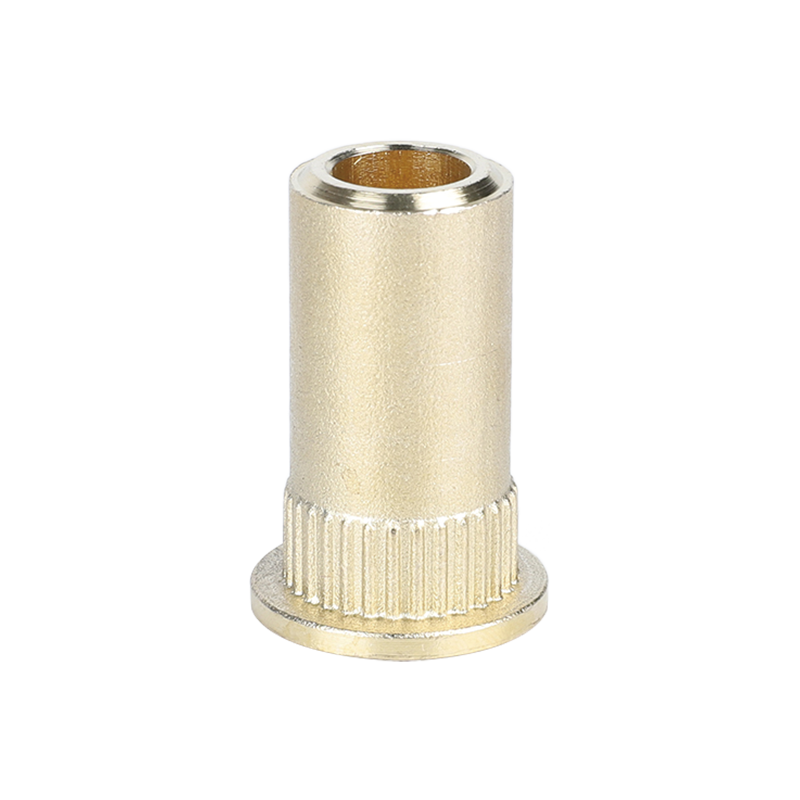
Understanding the Role of a Hose Connector
A hose connector is a mechanical fitting used to join a hose to another hose, a valve, a pipe, a faucet, a regulator, a pump, or a piece of equipment. Depending on the specific structure, it may use threads, barbs, compression features, clamps, sealing rings, or other locking methods to create a reliable connection. The primary goal is simple: transfer fluid or gas from one section of a system to another while maintaining tight sealing and mechanical stability.
In actual use, however, this simple goal becomes much more complex. The connector must resist internal pressure, vibration, repeated assembly and disassembly, environmental corrosion, thermal expansion, and sometimes exposure to gas, water, oil, air, or industrial fluids. If the hose connector is poorly manufactured, the connection may loosen, the threads may deform, the surface may corrode, or the sealing area may fail. Therefore, customers increasingly look for hose connectors produced by manufacturers with strong machining capability, reliable testing systems, and experience in valve and fluid control products.
The Hose Connector is positioned as a practical component for users who need stable connection performance in hardware, water supply, fluid transfer, gas control, and general valve accessory systems. Its usefulness comes from the combination of precise fit, robust structure, easy installation, and dependable sealing. These qualities make it suitable for distributors, equipment builders, plumbing contractors, maintenance teams, and industrial users who require repeatable product quality.
Compared with ordinary low-cost connectors, a well-produced hose connector offers better dimensional consistency. This means that threads match more accurately, the hose seat is shaped more reliably, and the sealing interface is less likely to create leakage points. In large-scale installations, such consistency can reduce installation time because workers do not need to spend extra effort correcting poorly finished parts. It also helps reduce customer complaints, replacement costs, and system failure risk.
Product Positioning in Hardware Accessories and Valve Systems
The Hose Connector sits at the intersection of hardware accessories and valve-related components. In many systems, valves control flow, while connectors ensure that the controlled flow reaches the correct destination. A valve without a dependable connector may fail to deliver its intended performance because leakage or looseness at the connection point can compromise the entire assembly. For this reason, manufacturers with expertise in valves are well-positioned to produce hose connectors, as they understand sealing behavior, pressure requirements, and fluid system safety.
In water supply systems, hose connectors are used to link flexible hoses with faucets, valves, filters, tanks, or appliances. In gas applications, connectors must be especially reliable because leakage can create serious safety concerns. In irrigation or garden systems, connectors must withstand repeated handling and outdoor exposure. In industrial applications, connectors may need to handle pressure, vibration, and frequent operation. Across these applications, the connector’s dimensions, material quality, surface finish, and sealing structure all matter.
Ningbo Yunhua Valve Co., Ltd. has built its product capabilities around gas and fluid valves, water supply valves, and hardware accessories. This integrated product background is important because hose connectors are not isolated components; they are part of a larger fluid control ecosystem. The company’s vision of becoming a leading enterprise in the global fluid control industry and its mission of building a safe fluid ecosystem with high-quality valves align closely with the need for safe, durable, and accurate connecting components.
The company’s SEO-related product focus includes Threaded Globe Valve, Forged Steel Valve, and Brass Gas Ball Valve, which reflect its knowledge of threaded sealing, pressure-bearing structures, gas control, and valve reliability. These areas of experience contribute indirectly to the development of hose connectors because similar principles apply: precise threads, leak-resistant design, consistent machining, and strict inspection are all essential.
Key Advantages of the Hose Connector
The first advantage of the Hose Connector is secure connection performance. A connector must hold firmly under normal working conditions and resist accidental detachment. Reliable geometry and accurate sizing help the connector grip or fit the mating part correctly. When the connection is stable, the system can operate smoothly with lower risk of leakage or vibration-induced loosening.
The second advantage is sealing reliability. Leakage is one of the most common problems in hose and valve connections. A connector with poor surface quality, inaccurate threads, uneven wall thickness, or flawed sealing zones may allow fluid or gas to escape. The Hose Connector is designed and manufactured with attention to sealing interfaces, helping users achieve dependable leak prevention when the connector is installed correctly with suitable hoses, clamps, gaskets, or sealing materials.
The third advantage is installation convenience. A good hose connector should support fast and intuitive assembly. Installers prefer components that fit smoothly, tighten properly, and do not require excessive force. Accurate machining improves thread engagement and reduces the chance of cross-threading. A well-shaped connector also supports better hose insertion and positioning, making assembly easier for professional and general users.
The fourth advantage is durability. A hose connector is often exposed to mechanical stress, moisture, temperature changes, and repeated handling. Durable construction helps the product maintain its shape and function over time. When combined with appropriate surface treatment and quality materials, the connector can provide longer service life than poorly made alternatives.
The fifth advantage is consistent production quality. For distributors and equipment manufacturers, consistency is just as important as individual product performance. A single good sample is not enough; every batch must meet expected dimensions and performance standards. The company’s automated precision machining workshop, assembly line, and testing workshop contribute to batch-to-batch stability, helping customers receive products that perform predictably.
The sixth advantage is compatibility with broader fluid control solutions. Because the company also produces valves and hardware accessories, the Hose Connector can be understood and supplied as part of a complete connection and control solution. This is valuable for customers who want to source related components from a manufacturer familiar with complete system requirements.
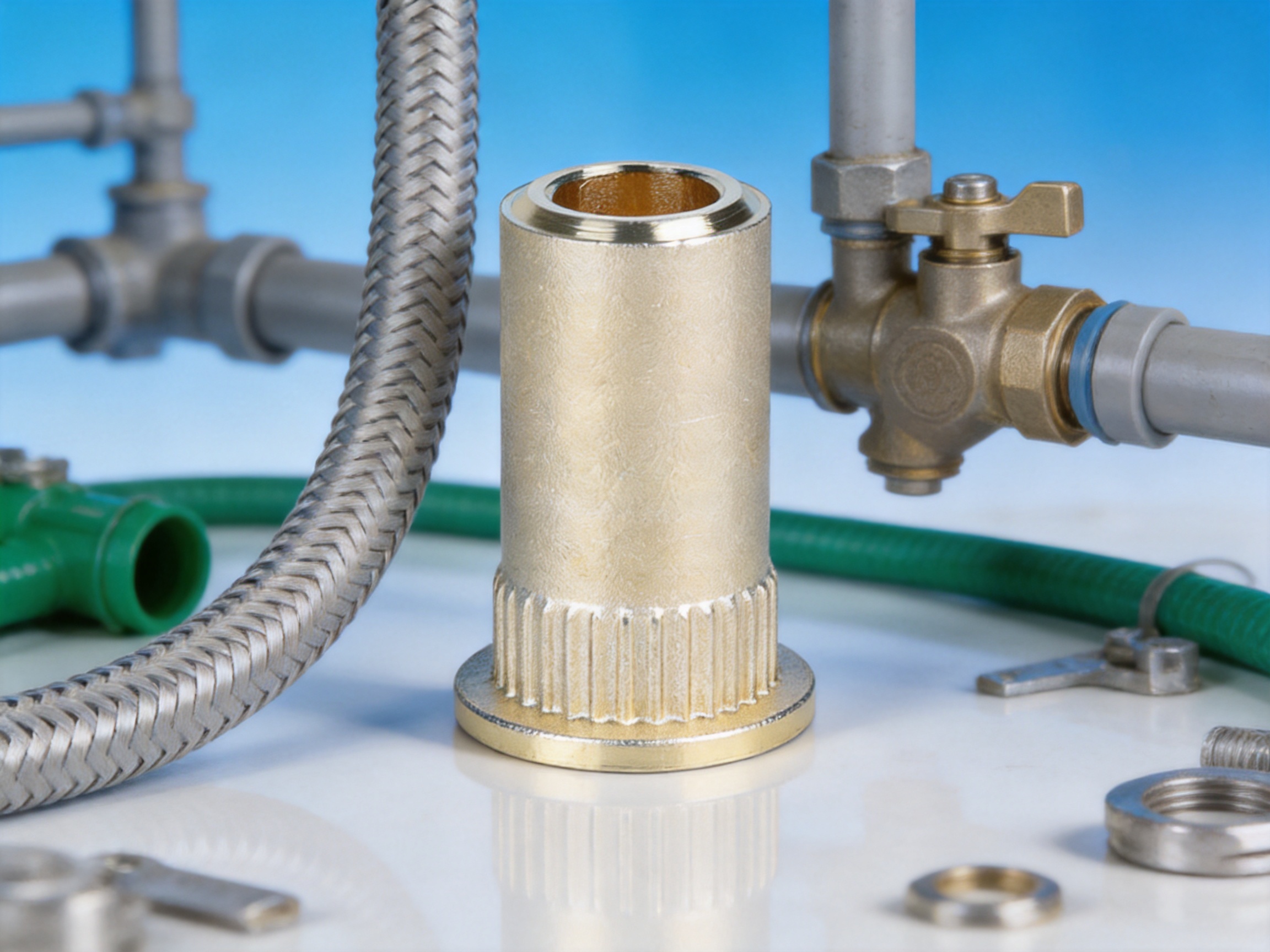
Comparison with Ordinary Competitor Products
Many low-end hose connectors in the market are produced with limited process control. They may look acceptable at first glance, but problems often appear during installation or operation. Threads may be rough or inconsistent, the connector body may have burrs, sealing surfaces may be uneven, and material quality may vary from batch to batch. Such issues can cause installation delays, leakage, premature corrosion, or customer dissatisfaction.
The Hose Connector from a precision-oriented production environment offers advantages over these ordinary competitor products. Advanced CNC machining supports accurate dimensions and repeatable profiles. Automated equipment reduces variation caused by inconsistent manual processing. Dedicated testing workshops help verify that products meet relevant standards before shipment. Professional management systems further support production discipline, traceability, and continuous improvement.
Competitors that focus only on low price may sacrifice long-term value. A cheap connector can become expensive if it causes leakage, equipment shutdown, reinstallation labor, or replacement. In contrast, a connector manufactured with stable quality control can reduce hidden costs. For commercial buyers, the total cost of ownership includes not only purchase price but also installation efficiency, defect rate, warranty claims, maintenance frequency, and end-user satisfaction.
The following table summarizes important comparison points:
| Evaluation Area | High-Quality Hose Connector | Ordinary Low-End Connector | Customer Impact |
|---|---|---|---|
| Dimensional Accuracy | Produced with precision machining and controlled tolerances | May have inconsistent sizes or uneven threads | Better fit, easier installation, fewer leaks |
| Sealing Reliability | Designed with attention to sealing surfaces and stable engagement | May have rough surfaces, burrs, or poor contact zones | Lower leakage risk and improved safety |
| Batch Consistency | Supported by automated production and inspection processes | Quality may vary between batches | More predictable sourcing and reduced complaints |
| Durability | Built for repeated use and stable service conditions | May deform, corrode, or fail sooner | Longer service life and lower replacement cost |
| Manufacturing Support | Backed by valve and hardware accessory production expertise | Often produced as a simple commodity item | Better technical understanding of fluid systems |
| Supply Capability | Large-scale capacity for valves and hardware accessories | May have unstable production capacity | More reliable procurement for distributors and OEM users |
This comparison shows that the advantage of a hose connector is not limited to its appearance. The real difference is built into machining precision, process control, material handling, testing procedures, and the manufacturer’s understanding of fluid control safety.
Advanced Manufacturing Strengths Behind the Product
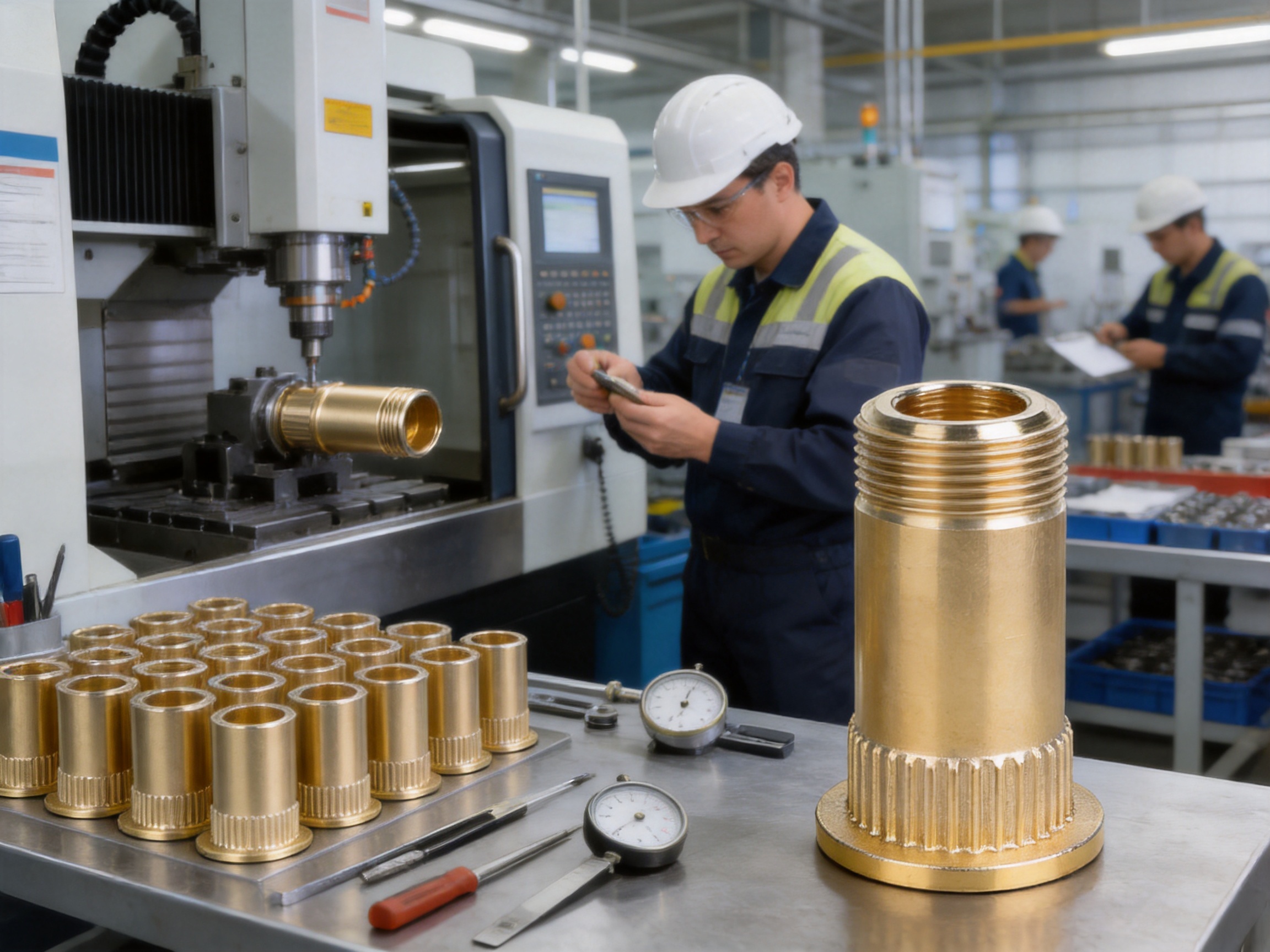
A hose connector’s performance begins long before it reaches the user. It begins with product design, material preparation, machining strategy, equipment capability, assembly processes, inspection standards, and final packaging. Ningbo Yunhua Valve Co., Ltd. has established a professional, fully automated precision machining workshop, an assembly line, and a testing workshop. These manufacturing foundations support the stable production of hose connectors as well as valves and other hardware accessories.
Advanced CNC machine tools are especially important for connector production. CNC machining can maintain controlled dimensions, repeatable thread forms, accurate outer profiles, and smooth sealing areas. Compared with less controlled machining methods, CNC processing reduces variation and improves the reliability of mating parts. When a connector is used with a valve, hose, or pipe, even small deviations can affect sealing. Therefore, precise machining directly contributes to field performance.
Automated assembly and testing equipment also contribute to quality stability. Automation reduces dependence on inconsistent manual operations and supports repeatable procedures. Testing equipment helps confirm that products satisfy relevant performance requirements. In fluid control components, inspection may include dimensional checks, thread checks, surface inspection, pressure-related verification, sealing assessment, and visual quality control. A structured testing environment reduces the possibility that defective parts reach customers.
The company’s production capacity is another manufacturing strength. With an annual capacity of 2 million sets of valves and 10 million sets of hardware accessories, it is able to support large orders and long-term cooperation. For customers, capacity matters because shortages or delayed deliveries can disrupt project schedules and distribution plans. A manufacturer with sufficient capacity and a mature production system can provide more stable supply.
The 20,000-square-meter production base also indicates room for organized manufacturing workflows. Space allows separation of machining, assembly, inspection, storage, and logistics, which improves process management. A clean and systematic layout can reduce handling damage, prevent material confusion, and support production efficiency. When combined with a professional management team, these facilities create a strong operational platform.
Material and Structural Considerations
Although hose connector specifications may vary according to application, the essential material and structural requirements are generally similar. The connector must be strong enough to withstand mechanical tightening and operating pressure. It must maintain dimensional stability during use. It must be compatible with the fluid or gas being conveyed. It must also resist corrosion in the expected environment.
In valve and hardware accessory manufacturing, brass and metal alloys are commonly valued for their machinability, corrosion resistance, and strength in fluid systems. For gas-related components, material integrity is especially important. The company’s experience with Brass Gas Ball Valve products supports an understanding of gas sealing safety, material reliability, and precision-machined metal components. This background helps guide connector production for applications where safety and durability are priorities.
Structurally, a hose connector may include threaded sections, hose tails, hexagonal wrench flats, sealing faces, shoulders, or internal passages. Each feature has a purpose. Threads create mechanical engagement. Hose tails help secure flexible hoses. Wrench flats allow controlled tightening. Sealing faces provide contact surfaces for gaskets or mating parts. Internal passages influence flow behavior. If any of these features are poorly designed or manufactured, performance may be affected.
A good connector must balance strength and flow efficiency. If walls are too thin, durability may suffer. If internal passages are poorly formed, pressure loss or turbulence may increase. If the connector is too bulky, installation may be inconvenient. Proper design aims to provide reliable strength without unnecessary material waste or difficult handling.
Surface finish is another important consideration. Burrs, sharp edges, and rough sealing areas can damage hoses, interfere with assembly, or create leak paths. Precision machining and inspection help produce cleaner surfaces. Proper finishing also improves the user’s perception of product quality, which is important for distributors and brands selling to professional markets.
Quality Control and Testing
Quality control is one of the strongest differentiators in hose connector manufacturing. Because connectors are small and often purchased in quantity, some buyers may underestimate the importance of inspection. However, a single defective connector can cause leakage or system failure. Therefore, systematic testing is essential.
Quality control usually begins with incoming material inspection. Materials should be checked to ensure they meet expected composition, mechanical properties, and appearance requirements. If unsuitable material enters production, even the best machining equipment cannot fully compensate. Reliable material control is the first barrier against future product problems.
During machining, dimensional control is necessary. Critical measurements may include thread size, outer diameter, inner diameter, length, sealing surface flatness, wall thickness, and hose engagement dimensions. Gauges and measuring instruments help operators confirm that the connector remains within tolerance. In a mature production system, process inspection occurs at multiple stages rather than only at final inspection.
After machining, surface inspection helps identify burrs, scratches, deformation, cracks, or other visible defects. For connectors used in fluid systems, visual quality is not merely cosmetic. Surface flaws can affect sealing, hose contact, and corrosion behavior. Clean and controlled finishing reduces these risks.
Testing workshops provide another layer of assurance. Depending on product type and customer requirements, testing may involve pressure testing, leakage checks, torque-related assessment, thread engagement verification, and functional inspection. For valve-related accessories, testing knowledge is especially valuable because the manufacturer understands how small sealing defects can influence an entire fluid control system.
Final quality control also includes packaging inspection. Connectors must be protected during transportation to prevent thread damage, surface scratches, or contamination. Good packaging helps ensure that the product quality achieved in production is preserved until installation.
Applications in Fluid, Gas, Water Supply, and Hardware Systems
The Hose Connector can be applied across a wide range of systems where reliable hose connection is required. In water supply applications, it may connect hoses to faucets, valves, filtration devices, pumps, tanks, or other fixtures. These systems require leak-resistant connections because even small leaks can waste water, damage surrounding materials, or create maintenance issues.
In gas applications, connector reliability is even more critical. Gas leakage can create safety hazards, so the connector must be properly selected, installed, and tested according to the relevant application requirements. A manufacturer experienced in gas valves and Brass Gas Ball Valve products has valuable knowledge of sealing safety, precision machining, and pressure-related performance.
In irrigation and gardening systems, hose connectors must be easy to install and resistant to outdoor use. Users often connect and disconnect hoses repeatedly, so the connector must withstand handling while maintaining sealing performance. A durable connector reduces frustration and extends the life of the system.
In industrial maintenance, hose connectors are often used with air lines, cooling systems, water transfer devices, washing equipment, and general utility connections. Industrial users value reliability because downtime can be expensive. A connector that installs quickly and performs consistently is preferable to a low-cost product that requires frequent replacement.
In household and commercial hardware markets, hose connectors are sold as accessories for plumbing, equipment repair, appliance connection, and general water or gas control. Distributors in these markets need products with attractive appearance, consistent dimensions, and low complaint rates. A manufacturer with large-scale hardware accessory capacity can support such distribution needs.
The Hose Connector can also work alongside valves such as Threaded Globe Valve, Forged Steel Valve, and Brass Gas Ball Valve products in broader systems. While each valve has a different function, connectors help complete the installation by linking hoses and pipelines to the control component. This makes the connector a small but essential part of the complete flow path.
Installation Considerations for Better Performance
Even a well-manufactured hose connector must be installed correctly. The first installation consideration is compatibility. The connector size, thread type, hose diameter, pressure rating, and material should match the system requirements. Using an unsuitable connector can lead to leakage, restricted flow, or mechanical failure.
The second consideration is thread engagement. If the connector uses threaded connection, the installer should align the threads carefully before tightening. Cross-threading can damage both the connector and the mating component. Precision-machined threads help reduce this risk, but proper installation technique remains important.
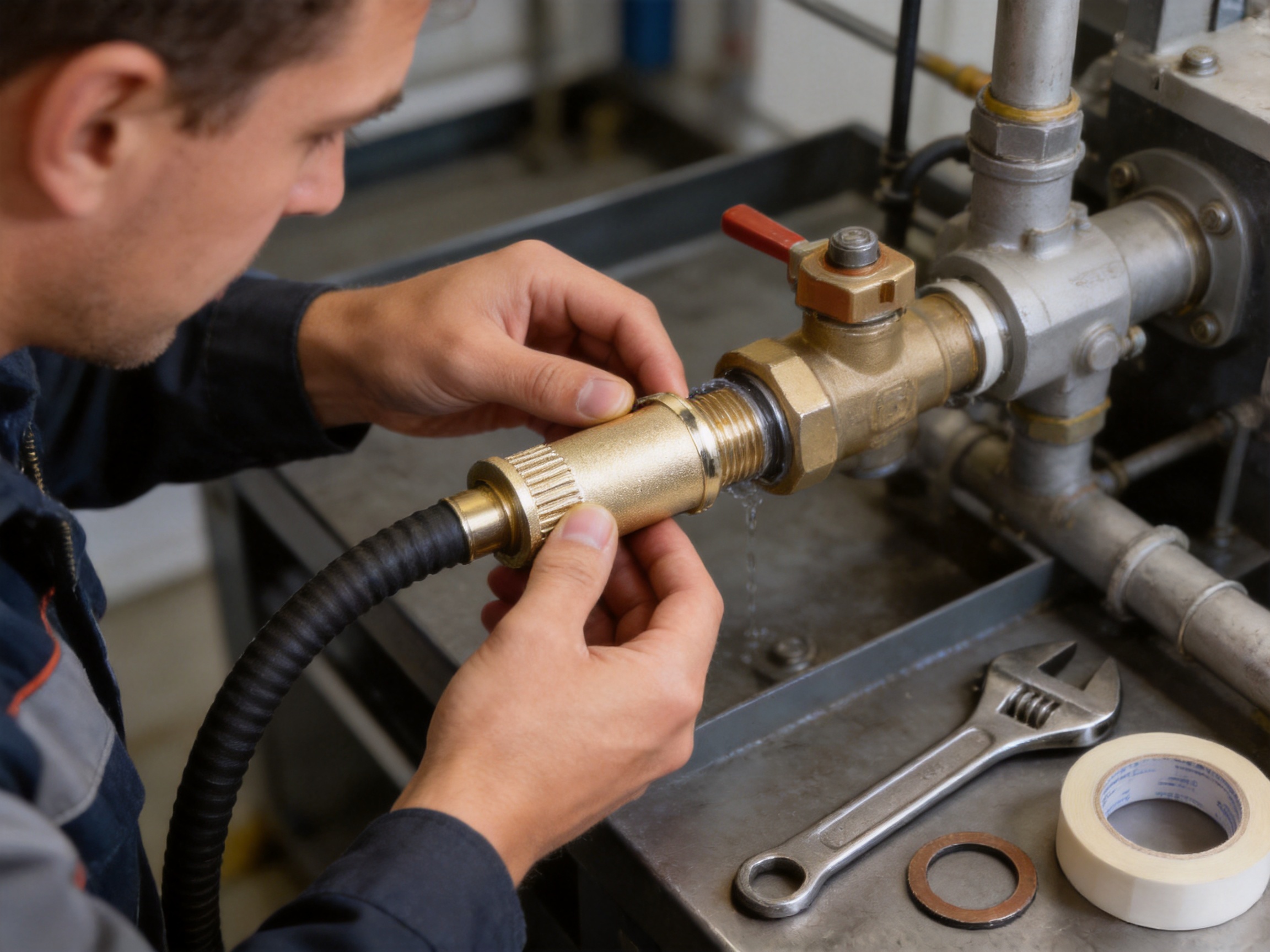
The third consideration is sealing material. Depending on the connection design, installation may require a gasket, washer, sealing ring, thread seal tape, sealant, or clamp. The sealing method must be suitable for the medium, pressure, and temperature. Gas applications require particular attention to approved sealing materials and leak testing after installation.
The fourth consideration is tightening force. Over-tightening can deform threads, damage sealing surfaces, or crack connected components. Under-tightening can allow leakage or loosening. Installers should use the correct tool and apply reasonable torque according to system needs. Wrench flats or tool-friendly connector shapes can help achieve controlled tightening.
The fifth consideration is hose condition. A connector cannot compensate for a damaged, cracked, hardened, or incorrectly sized hose. The hose should be inspected before installation. If the hose end is worn or uneven, it may need to be cut cleanly or replaced. Proper hose clamping or locking is also essential for secure connection.
The sixth consideration is post-installation testing. After assembly, the system should be checked for leakage under operating conditions. Water systems can be visually inspected for drips. Gas systems should be tested using appropriate leak detection methods and safety procedures. Testing confirms that both the connector and installation are functioning as intended.
Maintenance and Service Life
A high-quality hose connector is designed for durable service, but periodic inspection helps extend system reliability. Users should check for signs of leakage, corrosion, looseness, hose cracking, thread damage, or unusual movement. Early detection of minor issues can prevent larger failures.
In water systems, mineral deposits may accumulate over time, especially in hard water environments. Cleaning or replacement may be necessary if deposits affect flow or sealing. In outdoor systems, exposure to sunlight, rain, temperature changes, and soil contact may affect hoses and connected components. The connector should be inspected together with the surrounding system.
In gas systems, maintenance should follow applicable safety standards and professional guidance. Any suspected gas leakage should be addressed immediately by qualified personnel. Connectors used in gas applications should not be modified, forced, or reused in unsuitable conditions.
Repeated assembly and disassembly can gradually wear threads or hose engagement surfaces. A precision-manufactured connector offers better resistance to premature wear, but all mechanical components have practical service limits. If a connector shows deformation, damaged threads, cracks, or persistent leakage, replacement is recommended.
Proper storage also matters before installation. Connectors should be stored in a dry, clean environment to avoid contamination and surface damage. Threads and sealing areas should be protected from impact. Good packaging from the manufacturer helps, but distributors and users should also handle the products carefully.
Why Manufacturing Experience in Valves Matters
Hose connectors and valves share many technical requirements. Both must maintain sealing integrity, withstand pressure, fit with other components, and perform reliably in fluid systems. A manufacturer experienced in valve production therefore has a practical advantage when producing hose connectors.
Threaded Globe Valve products require accurate threaded connections and controlled flow structures. Forged Steel Valve products require knowledge of strength, pressure-bearing design, and material integrity. Brass Gas Ball Valve products require gas sealing performance, smooth operation, and safety-focused manufacturing. These competencies create a technical foundation that can also benefit hose connector production.
The company’s background in gas and fluid valves means it understands that fluid control products must do more than look correct. They must perform under real operating conditions. This perspective supports better design decisions, stricter inspection, and a stronger commitment to dependable quality.
For customers, sourcing hose connectors from a valve-oriented manufacturer can simplify procurement. Instead of buying connectors from a general hardware supplier with limited fluid system knowledge, customers can work with a company that understands how connectors interact with valves, hoses, and pressure systems. This can be valuable for OEM projects, distribution programs, and custom requirements.
Customization and Customer-Oriented Supply
Modern buyers often require more than standard products. They may need special dimensions, thread types, materials, surface finishes, packaging, or compatibility with specific valves and hoses. A manufacturer with research, development, production, sales, and service capabilities is better prepared to support such requirements.
Custom hose connector development begins with understanding the application. Important questions include: What medium will pass through the connector? What pressure and temperature will it face? What hose material and size will be used? What mating thread or valve type is required? Will the product be used indoors, outdoors, in a household system, in an industrial system, or in a gas application?
After confirming the requirements, engineering and production teams can evaluate design feasibility, machining methods, material selection, and inspection standards. CNC machining provides flexibility for producing accurate customized shapes. Automated processes and testing equipment help maintain stable quality once the design is confirmed.
Packaging customization may also be important for distributors. Clear labeling, protective packaging, and consistent appearance help improve market presentation. For OEM buyers, stable supply and repeatable quality are essential because the connector becomes part of their own finished product.
The company’s annual capacity for hardware accessories supports large-volume supply, while its valve manufacturing experience supports technical understanding. This combination is useful for customers who need both practical production scale and product reliability.
Sustainability, Safety, and Long-Term Value
A durable hose connector contributes to sustainability by reducing waste. Products that fail quickly must be replaced more often, consuming additional materials, packaging, transportation, and labor. A connector with longer service life supports more efficient resource use and lowers the environmental burden associated with frequent replacement.
Safety is another major part of long-term value. In fluid systems, leakage can cause property damage, water loss, contamination, or operational problems. In gas systems, leakage can create serious hazards. A reliable connector supports safer operation when properly selected and installed. This safety value is especially important in applications connected with gas valves, water supply valves, and equipment systems.
Long-term value also includes reduced maintenance. Maintenance teams prefer components that work consistently because they allow personnel to focus on planned service rather than emergency repair. Distributors prefer products that reduce complaints and returns. End users prefer connectors that install easily and do not require frequent attention. A high-quality Hose Connector addresses all these expectations.
Price remains important, but value should be evaluated beyond the initial purchase cost. A slightly better connector can save money through fewer leaks, faster installation, lower replacement frequency, and stronger user satisfaction. For commercial buyers, these savings can be significant across thousands or millions of components.
Company Strengths Supporting Global Fluid Control Goals
Ningbo Yunhua Valve Co., Ltd. has developed over the past ten years with a unique corporate culture, an improved management system, and a professional management team. These organizational strengths matter because manufacturing quality depends not only on machines but also on people, procedures, training, and discipline.
The company’s 20,000-square-meter site provides a substantial base for production. Its professional automated precision machining workshop supports accurate component manufacturing. Its assembly line improves production efficiency and consistency. Its testing workshop helps verify that product quality meets relevant standards. Together, these facilities create a complete production environment for valves and hardware accessories.
Advanced domestic and international CNC machine tools allow the company to process components with high precision. Professional automated assembly and testing equipment further improves reliability. These investments show a commitment to manufacturing capability rather than short-term commodity production.
The company’s production capacity of 2 million sets of valves and 10 million sets of hardware accessories per year demonstrates scalability. This is important for global buyers who require reliable delivery schedules and stable volume supply. Large capacity also suggests experience with process planning, inventory control, workforce coordination, and quality management.
The company’s mission is to build a safe fluid ecosystem with high-quality valves. Hose connectors support this mission because safe fluid systems require reliable connection points. Even the best valve cannot fully protect a system if the connected hose fitting leaks or fails. Therefore, producing dependable connectors is part of building a safer and more complete fluid control environment.
Practical Buying Guidance
When selecting a hose connector, buyers should begin with the application. Water, gas, air, oil, and other fluids may require different material and sealing considerations. The connector should be suitable for the medium and the operating environment.
Next, buyers should confirm size and connection type. Thread standards, hose inner diameter, hose outer diameter, and mating component dimensions must match. Incorrect sizing is one of the most common causes of installation failure.
Buyers should also evaluate quality consistency. For small quantities, visual inspection may reveal basic quality. For large-volume purchasing, buyers should assess the manufacturer’s production equipment, quality control process, testing capability, and delivery capacity. A supplier with automated machining and testing is generally better positioned to provide consistent batches.
Surface finish and thread quality should be checked. Threads should be clean and well-formed. Sealing surfaces should be smooth and free from major scratches or burrs. Hose engagement areas should be shaped properly to support secure fitting.
For gas applications, buyers should be especially cautious. They should confirm that the connector is suitable for gas service and used according to applicable standards. Installation should be performed carefully, and leakage testing should never be skipped.
Finally, buyers should consider long-term cooperation. A reliable manufacturer can support repeat orders, customization, technical communication, and stable supply. This is more valuable than one-time purchasing from uncertain sources.
Frequently Asked Questions
What is the main function of a hose connector?
A hose connector joins a hose to another hose, valve, pipe, faucet, pump, regulator, or equipment port. Its main function is to create a secure and leak-resistant path for fluid or gas transfer.
Why is precision machining important for a hose connector?
Precision machining helps ensure accurate dimensions, well-formed threads, smooth sealing areas, and consistent fit. These factors reduce leakage risk, improve installation efficiency, and support long service life.
How does this Hose Connector compare with ordinary low-cost connectors?
It offers advantages in dimensional consistency, sealing reliability, surface quality, durability, and batch stability. These benefits come from advanced CNC machining, automated production, testing workshops, and manufacturing experience in valve and fluid control products.
Can a hose connector be used in gas applications?
A hose connector may be used in gas-related systems only when its material, design, sealing method, and specifications are suitable for the application. Gas connections require careful installation and proper leak testing according to safety requirements.
What should be checked before installation?
Users should confirm connector size, thread type, hose diameter, material compatibility, pressure requirements, sealing method, and hose condition. The connector should be clean, undamaged, and correctly matched with the system.
Why does valve manufacturing experience help in hose connector production?
Valve manufacturing requires knowledge of sealing, pressure control, material performance, machining accuracy, and testing. These same capabilities are valuable when producing connectors used in fluid and gas systems.
What are common causes of hose connector leakage?
Common causes include incorrect size selection, damaged threads, poor sealing material, insufficient tightening, over-tightening, damaged hose ends, rough sealing surfaces, or use in unsuitable operating conditions.
How can service life be extended?
Service life can be extended through correct product selection, proper installation, periodic inspection, protection from damage, suitable storage, and timely replacement when wear or deformation appears.
Conclusion
The Hose Connector is a compact but essential component in fluid, gas, water supply, and hardware systems. Its importance comes from its role at the connection point, where leakage, looseness, or poor fit can affect the entire system. A dependable connector improves safety, installation efficiency, durability, and user confidence.
Compared with ordinary competitor products, a high-quality Hose Connector provides stronger value through precision machining, reliable sealing surfaces, consistent dimensions, better durability, and stable batch quality. These advantages are especially important for distributors, OEM buyers, contractors, and industrial users who need predictable performance and reduced maintenance risk.
Ningbo Yunhua Valve Co., Ltd. supports this product with strong manufacturing capability, including a 20,000-square-meter production base, automated precision machining, assembly lines, testing workshops, advanced CNC machine tools, and professional management. Its experience in gas and fluid valves, water supply valves, hardware accessories, Threaded Globe Valve products, Forged Steel Valve products, and Brass Gas Ball Valve products strengthens its understanding of safe and reliable fluid control.
In a competitive market, the best hose connector is not simply the lowest-priced item. It is the connector that installs correctly, seals reliably, lasts longer, supports system safety, and arrives with consistent quality from batch to batch. For customers seeking dependable hardware accessories within a broader fluid control environment, the Hose Connector represents a practical and valuable choice.
References
1. Industrial Valve and Fitting Handbook, standard principles of fluid connection design and sealing performance.
2. Fluid Power and Piping Systems Engineering Guide, general practices for hose, fitting, and connector selection.
3. Quality Control in Precision Machining, reference concepts for CNC tolerance control and inspection planning.
4. Gas Valve Safety and Installation Practices, general guidance on gas system sealing and leak prevention.
5. Plumbing Hardware Materials and Corrosion Resistance Manual, reference information on metal fittings in water supply environments.
Product: Hose Connector

Related Products
-
 View More
-
 View More
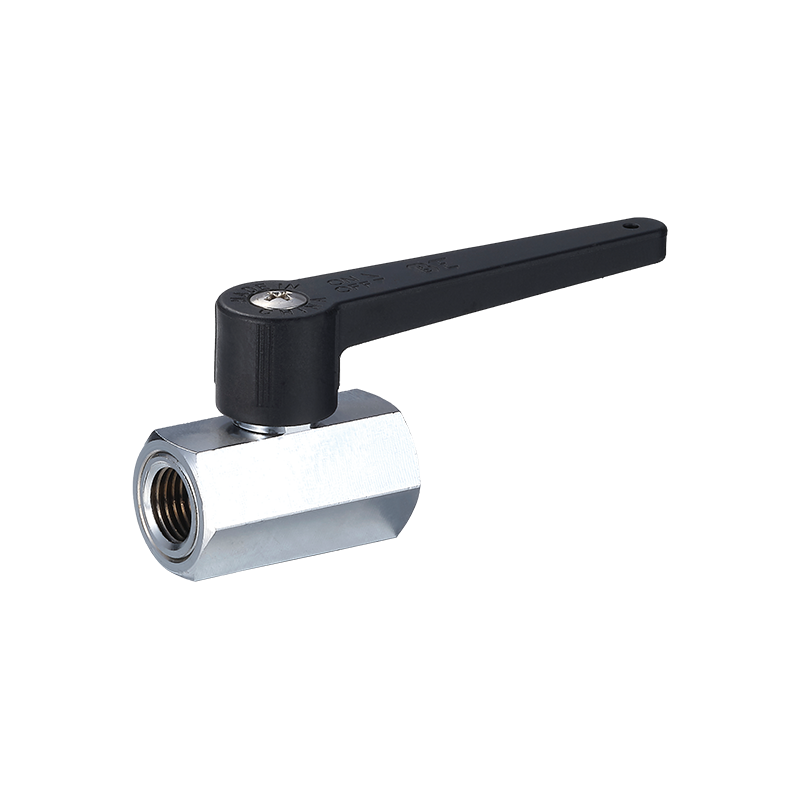
MINI-1 Mini Long Handle Ball Valve(F/F)
-
 View More
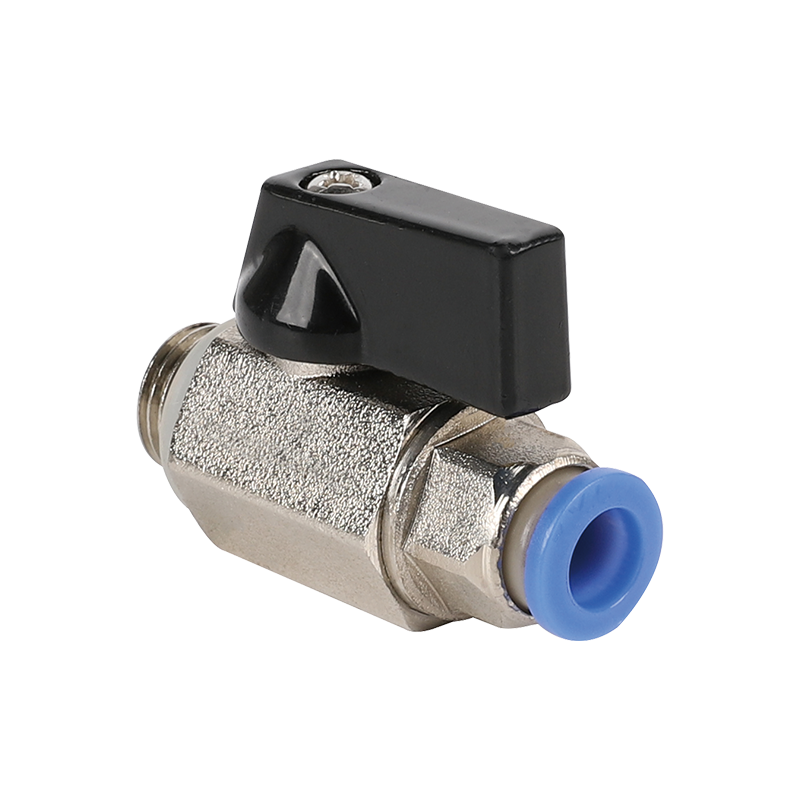
MINI-2 Mini Short-Handle Ball Valve(M/M)
-
 View More
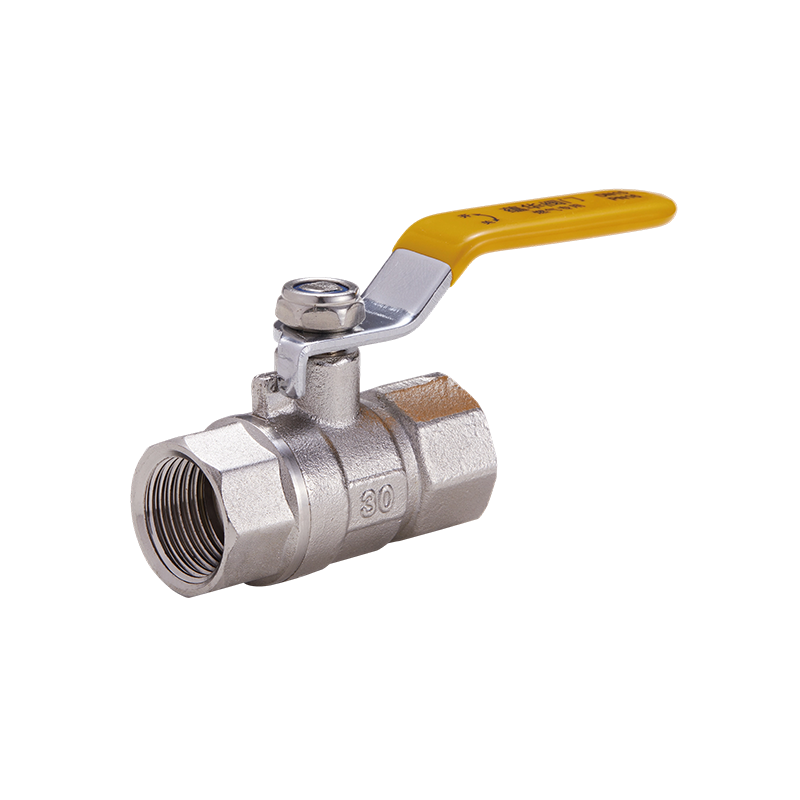
YH-2210 Forged Steel Ball Valve with Long Handle (F/F)
-
 View More
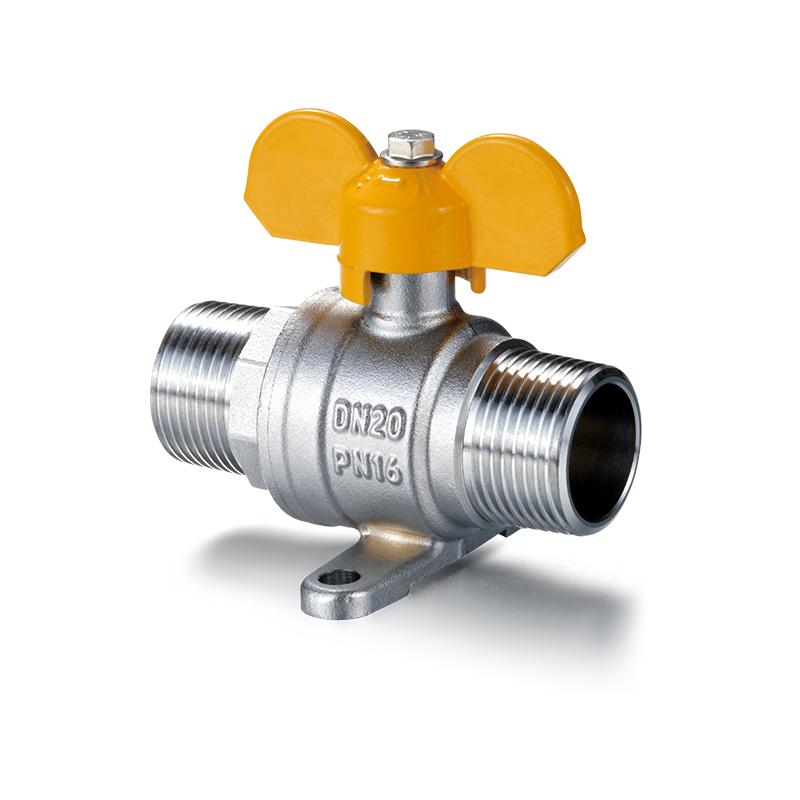
YH-214 Brass Ball Valve with Base& Butterfly Handle(M/M)
-
 View More
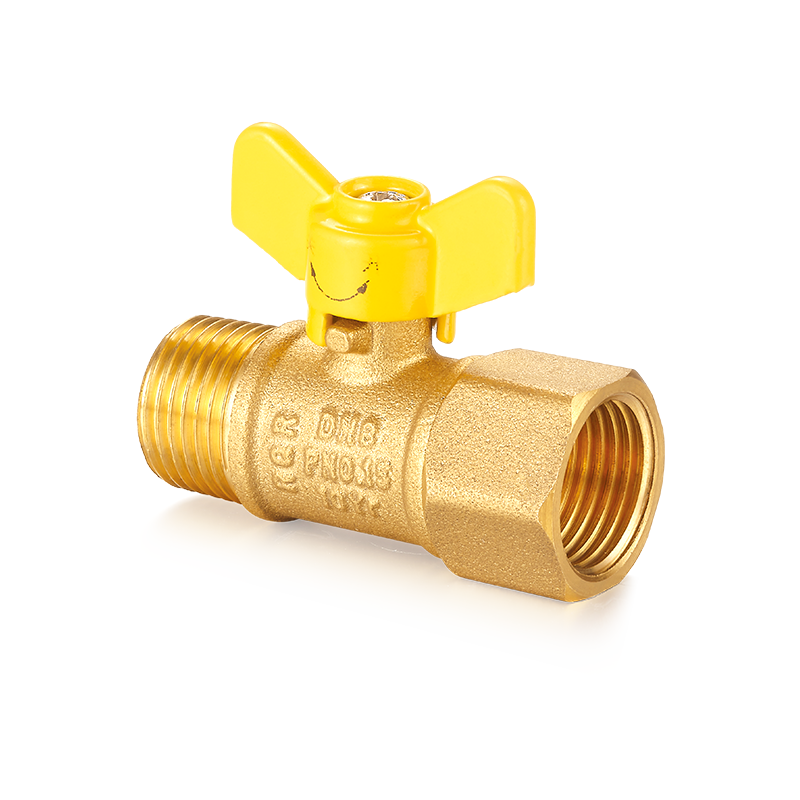
YH-205 Brass Ball Valve with Butterfly Handle(F/M)
Related News
Contact Us
-

-
 +86-0574-63742169
 -
 No.104-128, Cizhang East Road, Zhangqi Town, Cixi City, Ningbo, Zhejiang Province, China


Message Us Now !
