


 English
  русский
  عربى
عربى  Español
Brass Piston Pressure Reducing Valve for Stable Water Pressure Control
Content
- 1 Product Overview
- 2 Why Pressure Reduction Matters
- 3 Core Working Principle
- 4 Key Advantages of the Brass Construction
- 5 Stable Outlet Pressure and System Protection
- 6 Compact and Versatile Design
- 7 Applications in Water Supply Systems
- 8 Applications in Irrigation Systems
- 9 Specifications and Dimensional Data
- 10 Advantages Over Common Competitor Products
- 11 Performance Value for Contractors and Distributors
- 12 Manufacturing Strength Behind the Valve
- 13 Quality Control and Testing Philosophy
- 14 Production Capacity and Supply Reliability
- 15 Advanced Machining and Why It Matters
- 16 Automated Assembly for Consistency
- 17 Testing Workshop and Product Assurance
- 18 Installation Considerations
- 19 Maintenance and Service Life
- 20 Selection Guidance for Buyers
- 21 Environmental and Efficiency Benefits
- 22 Why Manufacturing Experience Creates Product Confidence
- 23 Q&A Section
- 23.1 What is the main function of this brass piston pressure reducing valve?
- 23.2 What working media are suitable for the valve?
- 23.3 What is the nominal pressure rating?
- 23.4 What temperature range can the valve handle?
- 23.5 Where can the valve be used?
- 23.6 Why is brass a good material for this product?
- 23.7 How is this valve different from an ordinary manual valve?
- 23.8 What thread standard does the valve use?
- 23.9 What sizes are available?
- 23.10 Why should buyers consider the manufacturer’s production capability?
- 24 Conclusion
- 25 References
- 26 Product: YH-601 Brass Piston Pressure Reducing Valve
In modern water distribution, irrigation, commercial plumbing, and industrial fluid-control systems, stable pressure is not a luxury; it is a fundamental requirement for safety, efficiency, and equipment longevity. A brass piston pressure reducing valve is designed to take higher and often fluctuating inlet pressure and convert it into a lower, steadier outlet pressure. By doing so, it protects downstream pipelines, meters, faucets, irrigation components, appliances, and process equipment from the stress, leakage, vibration, and premature wear caused by excessive pressure.
The YH-601 Brass Piston Pressure Reducing Valve is a compact, durable, and practical valve solution developed for water and non-caustic liquid applications. It combines a corrosion-resistant brass body, piston-style regulation, threaded installation, and a pressure rating suitable for many residential, commercial, agricultural, and light industrial systems. Its value lies not only in reducing pressure, but also in maintaining pressure stability when supply conditions change. This makes it a strong choice for projects where dependable performance, long service life, and ease of installation are important.
Compared with ordinary flow-control valves or low-grade reducing valves, this product is engineered for a more specific and critical function: automatic pressure stabilization. A basic valve may restrict flow, but it cannot consistently regulate outlet pressure as inlet pressure fluctuates. A well-made piston pressure reducing valve responds to system changes and keeps the downstream side within a safer operating range. This difference is especially important in buildings and irrigation lines where pressure peaks can damage sensitive equipment or cause unnecessary water loss.
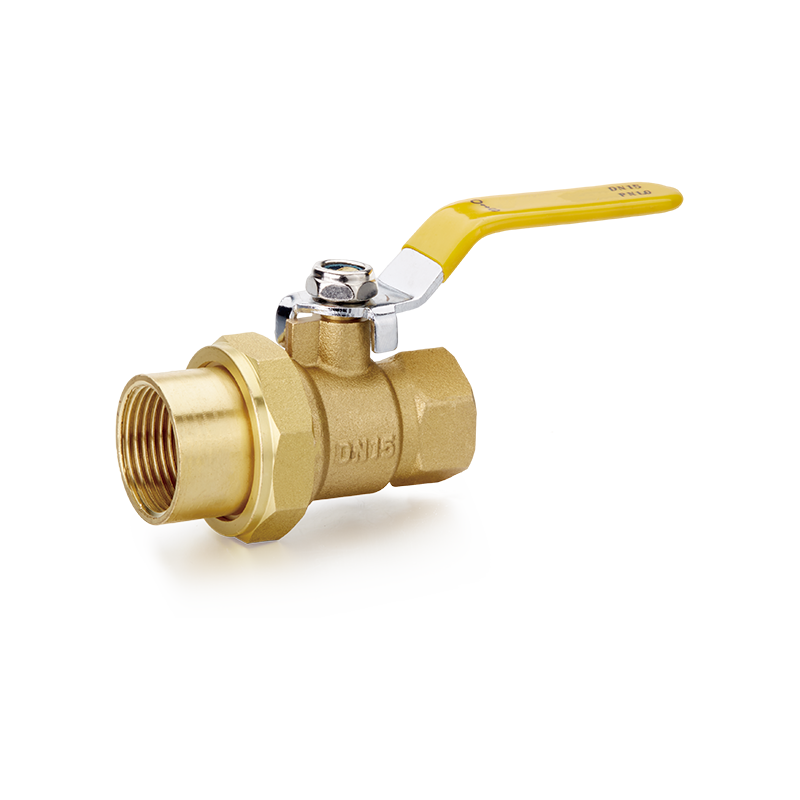
YH-601 Brass Piston Pressure Reducing Valve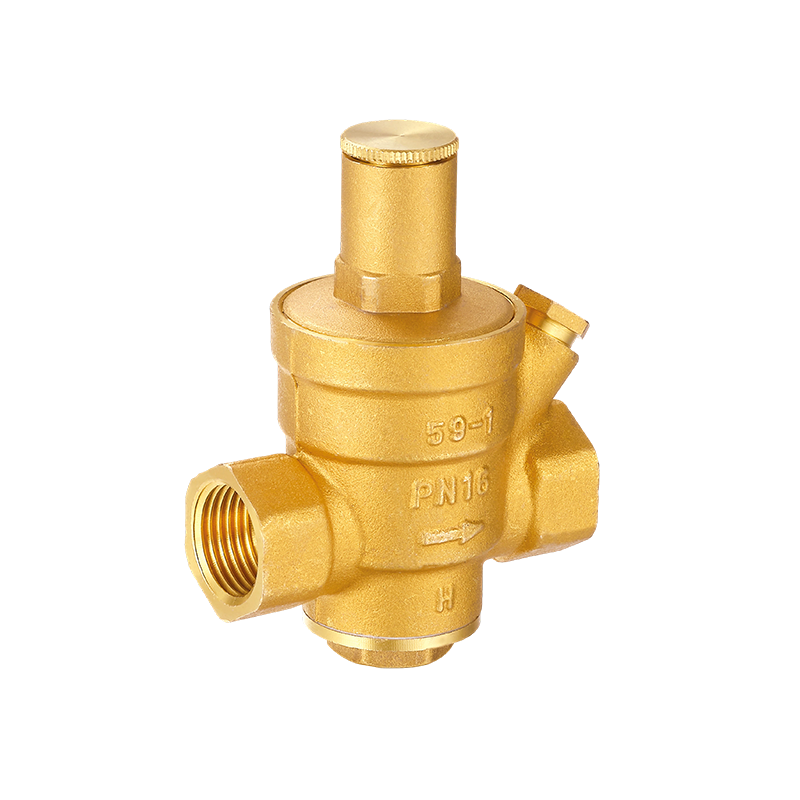
Product Overview
The YH-601 Brass Piston Pressure Reducing Valve belongs to the brass pressure reducing valve category and is suitable for hardware accessory and valve applications. It is designed for pipeline systems that require inlet pressure to be reduced automatically and stabilized at a lower outlet pressure. The main working medium is water, as well as non-caustic liquids compatible with brass and the valve’s internal structure. The working temperature range is 0°C to 80°C, making it suitable for common water supply and irrigation environments.
The nominal pressure rating is 1.6 MPa, which supports use in many practical pipeline systems where pressure control is needed before water reaches downstream devices. The valve uses parallel pipe thread connections according to ISO 228, an important feature for international plumbing compatibility. Threaded installation simplifies mounting, replacement, and maintenance, allowing the valve to be used in new construction, retrofit projects, equipment protection assemblies, and compact mechanical spaces.
The valve is available in several nominal sizes, including DN15, DN20, DN25, DN32, DN40, and DN50. These sizes cover common small and medium pipeline requirements, ranging from residential branch lines to larger distribution or irrigation sections. The compact dimensions make the valve especially useful where space is limited, such as utility cabinets, valve boxes, pump-room manifolds, water meter assemblies, and localized protection points near sensitive equipment.
Why Pressure Reduction Matters
Pressure that is too high can cause a wide range of problems. In a residential or commercial water system, excessive pressure can lead to dripping faucets, noisy pipes, water hammer, damaged hoses, stressed seals, and increased wear on fixtures. In irrigation systems, pressure that exceeds the recommended range can damage sprinklers, drip lines, emitters, filters, and control valves. In industrial or equipment supply lines, unstable pressure can affect process consistency and shorten the service life of instruments and devices.
A pressure reducing valve helps solve these problems by creating a controlled pressure zone downstream. Instead of allowing every upstream pressure fluctuation to pass directly into the system, the valve regulates the outlet pressure to a more consistent level. This makes the entire downstream network easier to manage and reduces the likelihood of pressure-related failures. For users, the result is better system reliability, fewer maintenance events, and more predictable equipment performance.
In many projects, pressure reduction also contributes to water conservation. High pressure can increase flow through fixtures beyond what is needed, resulting in unnecessary water use. By reducing pressure to a practical level, a system can deliver enough flow for normal operation while minimizing waste. This is particularly relevant in buildings with multiple usage points and in irrigation systems where excessive pressure can create misting, uneven coverage, and water loss through overspray.
Core Working Principle
A piston pressure reducing valve uses an internal piston mechanism to control the opening area through which the medium passes. When inlet pressure is higher than desired, the valve’s internal structure responds to balance forces and regulate the flow passage. The outlet side is maintained at a lower and steadier pressure, helping protect the downstream system. While the exact internal configuration may vary by model, the general purpose remains the same: automatic reduction and stabilization of pressure.
The advantage of piston-style regulation is its mechanical reliability and suitability for compact brass valve designs. The piston mechanism can provide responsive adjustment while maintaining a robust structure. In everyday operation, the user benefits from a valve that does not require constant manual adjustment. Once installed in the correct direction and used within its rated conditions, the valve works continuously to reduce and stabilize pressure.
This automatic behavior is one of the strongest differences between a pressure reducing valve and an ordinary shut-off or throttling valve. A manual valve can be partially closed to reduce flow, but outlet pressure may still change significantly when inlet pressure or flow demand changes. A pressure reducing valve is designed specifically to maintain a controlled downstream pressure zone, making it more suitable for equipment protection and system management.
Key Advantages of the Brass Construction
Brass is widely used in valves for water and compatible non-caustic liquids because it offers a strong balance of mechanical strength, corrosion resistance, machinability, and cost effectiveness. The YH-601 valve uses high-quality brass construction to support long-term service in pipeline environments. A durable brass body helps resist corrosion and reduces the risk of structural weakness that can occur with lower-quality materials in wet service conditions.
Compared with some low-cost valve bodies made from inferior alloys or unstable materials, a properly manufactured brass body provides better durability under repeated pressure cycles. It can handle normal installation stresses when threaded into the pipeline and offers a dependable sealing platform for internal components. The material also supports accurate machining, which is important because pressure reducing valves require precise internal geometry to regulate pressure effectively.
Brass also offers practical advantages for installers. It is familiar to plumbing professionals, compatible with common threaded piping systems, and suitable for compact valve bodies. In applications where corrosion resistance, mechanical reliability, and ease of installation matter, brass remains one of the most trusted valve materials. For customers comparing alternatives, this construction is a key selling point because it supports both performance and service life.
Stable Outlet Pressure and System Protection
The primary function of the valve is to maintain a steady outlet pressure despite fluctuations in the supply line. This is especially important when upstream pressure changes during peak and off-peak usage periods. Municipal water pressure may rise at night, irrigation pump pressure may vary with demand, and industrial supply lines may experience pressure changes when other equipment starts or stops. Without pressure reduction, downstream devices are exposed to these variations.
By stabilizing pressure, the YH-601 valve helps protect downstream equipment from damage caused by high pressure. In water supply systems, it can be installed before fixtures, branch lines, water heaters, filtration equipment, or other devices that require controlled pressure. In irrigation systems, it can be installed before sprinkler zones, drip irrigation lines, or other components that perform best within a defined pressure range.
Pressure stability also improves system comfort and performance. In buildings, users may experience more consistent water delivery. In irrigation, emitters and sprinklers can operate closer to their intended range, improving coverage and reducing the risk of misting or uneven watering. In equipment systems, stable pressure helps reduce stress on seals, connectors, and instruments. These practical results make the valve valuable not only as a protective device but also as an efficiency component.
Compact and Versatile Design
Space is often limited in real-world installations. Valve assemblies may be located in wall boxes, under sinks, inside cabinets, in irrigation control boxes, or near machinery where clearance is limited. The compact design of the YH-601 valve is therefore a significant advantage. It allows pressure control to be added without requiring large installation space or extensive pipeline redesign.
Its threaded design also makes it versatile. Parallel pipe threads to ISO 228 support standardized connection methods and allow the valve to be integrated into a wide range of piping systems. Installers can select the appropriate nominal size based on pipeline diameter and system flow requirements. The availability of DN15 through DN50 sizes means the valve can serve small branches as well as larger supply sections.
Compactness should not be mistaken for limited functionality. A well-designed compact valve can deliver substantial system protection when placed correctly. In many cases, localized pressure reduction is more practical than reducing pressure for an entire facility. For example, a valve can be installed before a sensitive irrigation zone or equipment branch, creating a protected area without altering the rest of the system.
Applications in Water Supply Systems
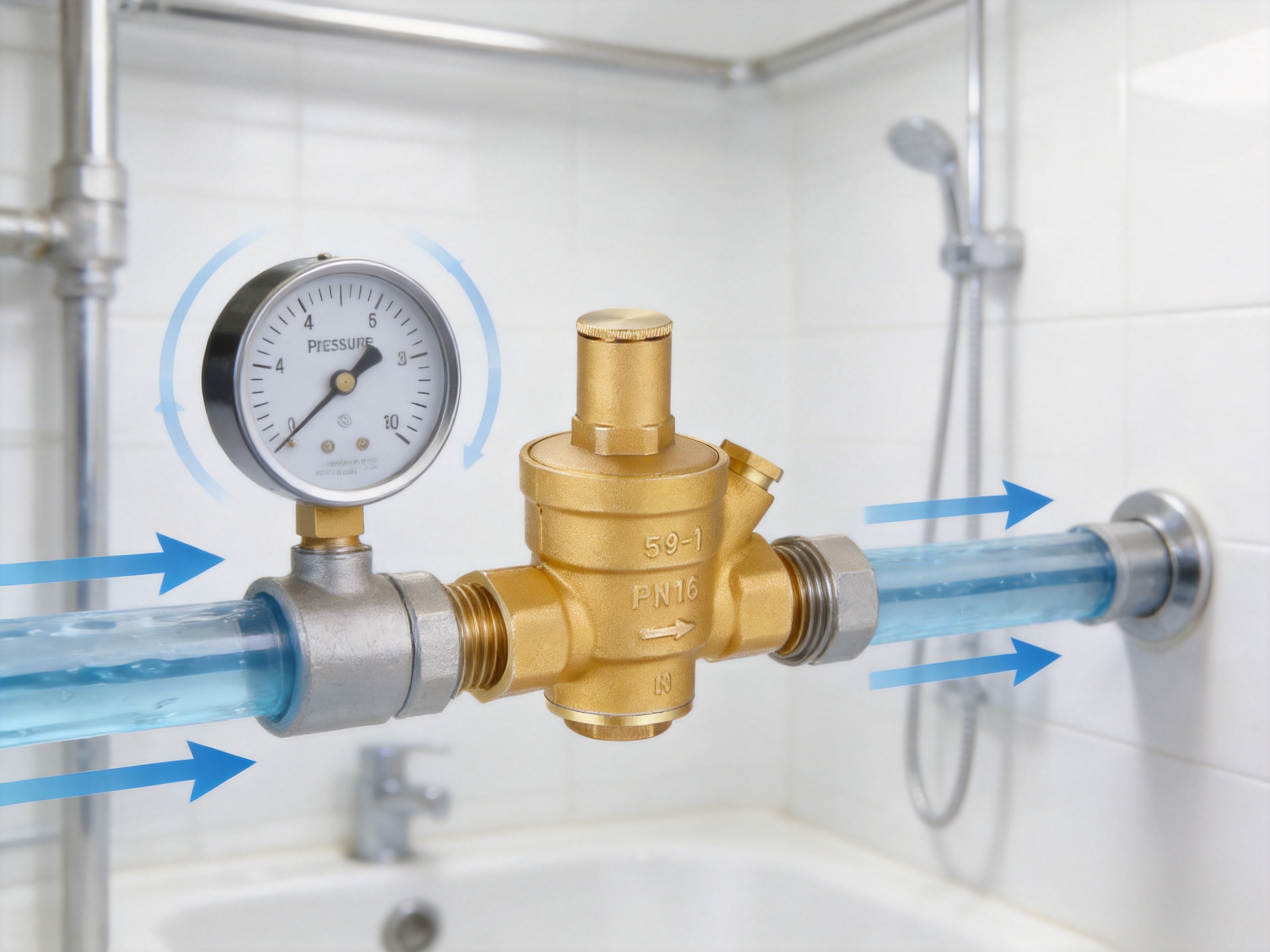
Water supply pipelines are one of the most common application areas for this brass piston pressure reducing valve. In residential systems, it can help protect household plumbing from high municipal pressure. In commercial buildings, it can be used in branch lines, fixture groups, equipment supply lines, and mechanical-room assemblies. In both cases, the valve contributes to reduced stress on pipes and connected devices.
High pressure in water supply systems often leads to hidden costs. Even if the system does not fail immediately, seals and gaskets may wear faster, water heaters may experience additional stress, and fixtures may develop leakage over time. A pressure reducing valve helps lower these risks by keeping pressure closer to a practical operating range. For property owners and maintenance teams, this can translate into fewer emergency repairs and more predictable maintenance planning.
The valve’s brass construction is particularly suitable for water service because it resists corrosion in many common water environments. Its working temperature range of 0°C to 80°C covers typical cold and warm water conditions, although users should always confirm compatibility with the full system design and local regulations. When installed properly, the valve can become an important protective component in a dependable water supply network.
Applications in Irrigation Systems
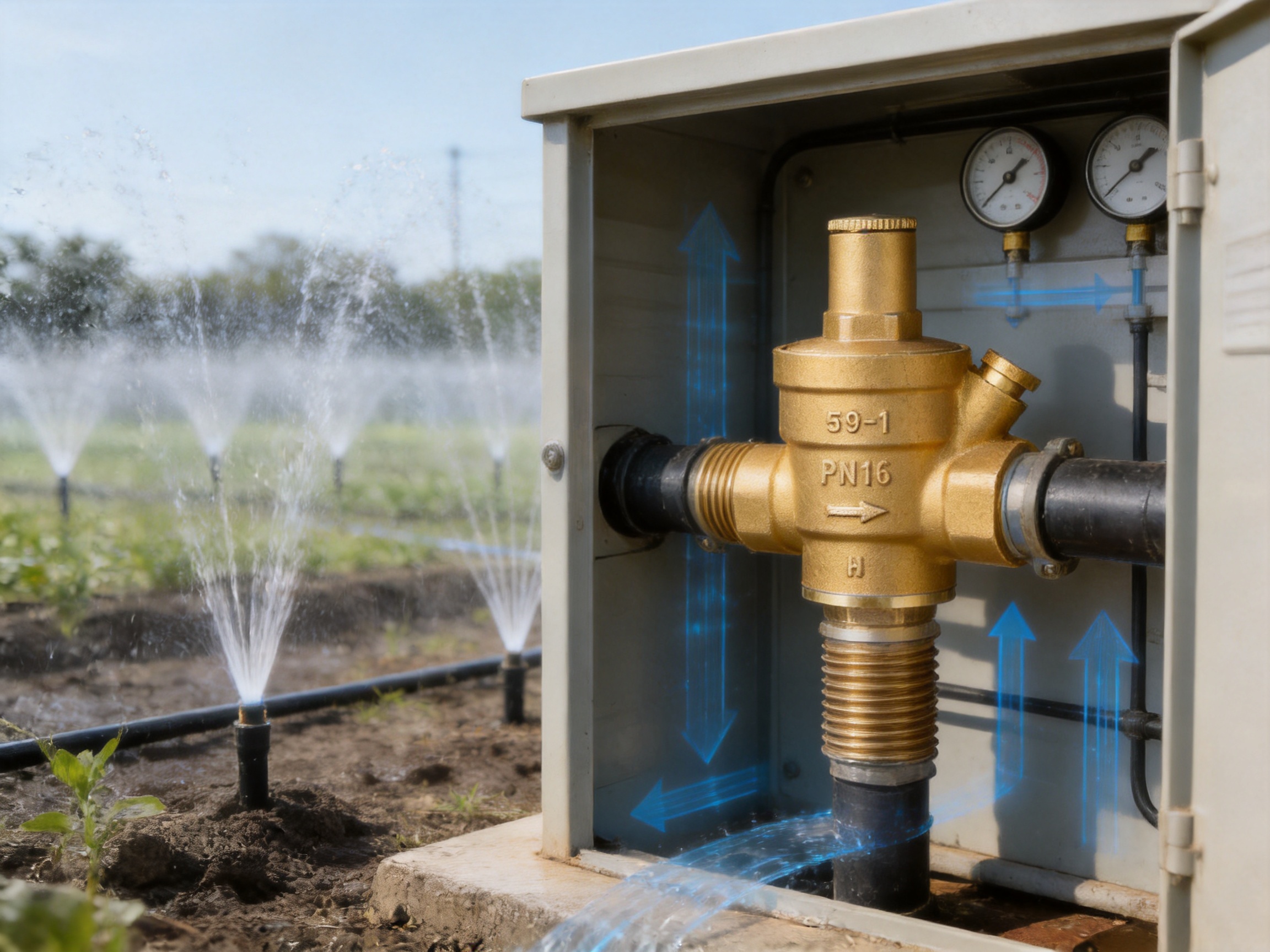
Irrigation systems are highly sensitive to pressure. Sprinklers, drip emitters, filters, zone valves, and hoses all perform best within recommended pressure ranges. If pressure is too high, sprinklers may produce fine mist rather than effective droplets, causing water loss through wind drift and evaporation. Drip emitters may discharge too much water or suffer from premature wear. Pipes and fittings may also be exposed to unnecessary stress.
The YH-601 valve is widely applicable in irrigation systems because it reduces and stabilizes pressure before water reaches these sensitive components. By doing so, it helps protect equipment and improve watering performance. In agricultural irrigation, landscape irrigation, greenhouse systems, and garden water supply, stable pressure supports more uniform distribution and better control over water delivery.
For irrigation contractors and system designers, the compact body and threaded installation are practical benefits. The valve can be installed in valve boxes or inline assemblies where space is limited. It can also be selected by size to match different pipe sections. Compared with using only manual throttling or relying on pump adjustment, a pressure reducing valve provides automatic protection against pressure variation.
Specifications and Dimensional Data
The following table summarizes the available specifications and dimensional values supplied for the YH-601 Brass Piston Pressure Reducing Valve. Dimensions should be checked against installation requirements, pipeline layout, and project drawings before final selection. For any dimension that appears unusual in a project document, confirmation with technical documentation or the manufacturer is recommended.
| Specification | A | B | H1 | H2 | G Thread |
| DN15 | 78 | 11 | 29.5 | 64 | 1/2 |
| DN20 | 78.5 | 11 | 30 | 63.5 | 3/4 |
| DN25 | 85 | 15 | 35.5 | 77 | 1 |
| DN32 | 85 | 18 | 37 | 79.5 | 1¼ |
| DN40 | 103 | 22.5 | 47.5 | 104.7 | 1½ |
| DN50 | 120 | 27.5×222.5 | 47.5 | 104.8 | 2 |
In addition to dimensional data, the main operating parameters are important for correct product selection. The nominal pressure is 1.6 MPa. The working medium is water or non-caustic liquid. The working temperature range is 0°C≤t≤80°C. The thread standard is parallel pipe thread to ISO 228. These parameters help engineers, installers, and purchasing teams determine whether the valve is suitable for the intended system.
Advantages Over Common Competitor Products
One of the main competitive advantages of this brass piston pressure reducing valve is its combination of compact size and reliable pressure control. Some competing products may offer pressure reduction but require larger installation space, making them less convenient in tight mechanical areas. Others may be compact but lack the robust construction needed for long service. This valve addresses both concerns by combining a small form factor with a durable brass body.
Another advantage is its wide size range for practical applications. With DN15 through DN50 options, the valve can be applied across different pipeline scales without forcing the customer to switch product families for common sizes. This consistency simplifies purchasing and maintenance, particularly for contractors or distributors who support multiple project types. Standardized product selection can reduce inventory complexity and improve installation planning.
The use of ISO 228 parallel pipe threads is also an advantage in international applications. Standardized threading supports compatibility, reduces installation uncertainty, and helps customers integrate the valve into existing systems. Products with poorly controlled thread quality or non-standard connections may create leakage risks and installation delays. A valve designed around recognized threading requirements is easier to specify and easier to use.
Material quality is a further differentiator. Low-cost competitors may reduce price by using inconsistent brass, rough machining, or weak internal components. Such choices may not be visible at first glance, but they can affect sealing performance, corrosion resistance, and service life. A properly made brass valve provides a better foundation for long-term pressure control. This is especially valuable in systems where valve failure could lead to water damage, production interruption, or irrigation inefficiency.
Performance Value for Contractors and Distributors
Contractors value products that install easily, perform reliably, and reduce call-backs. A pressure reducing valve that is compact, threaded, and made from quality brass supports efficient field work. Installers can fit it into common pipeline assemblies, and the valve’s automatic pressure regulation helps prevent downstream failures that might otherwise be blamed on installation quality. This makes the product attractive not only for its technical function but also for its business value.
Distributors benefit from products that address broad market needs. Pressure control is required in many water supply and irrigation systems, so a well-positioned brass pressure reducing valve can serve multiple customer groups. The range of sizes supports different project scales, and the product’s clear technical parameters make it easier for sales teams to recommend the right option. Its durability and practicality can help build repeat purchasing confidence.
For project owners, the value is measured in protection, service life, and total cost. A low-quality valve may save money at the time of purchase but create future costs through leakage, pressure instability, or replacement labor. A dependable brass piston reducing valve supports a better total cost profile because it protects other equipment and reduces the likelihood of pressure-related damage. In many systems, the valve is a small component with a large protective role.
Manufacturing Strength Behind the Valve
The quality of a pressure reducing valve depends heavily on manufacturing capability. Precision, consistency, and testing are essential because the valve must regulate pressure through internal geometry, reliable sealing surfaces, and stable moving components. Ningbo Yunhua Valve Co., Ltd. supports this product with an industrial foundation focused on research, development, production, sales, and service of gas and fluid valves, water supply valves, and hardware accessories.
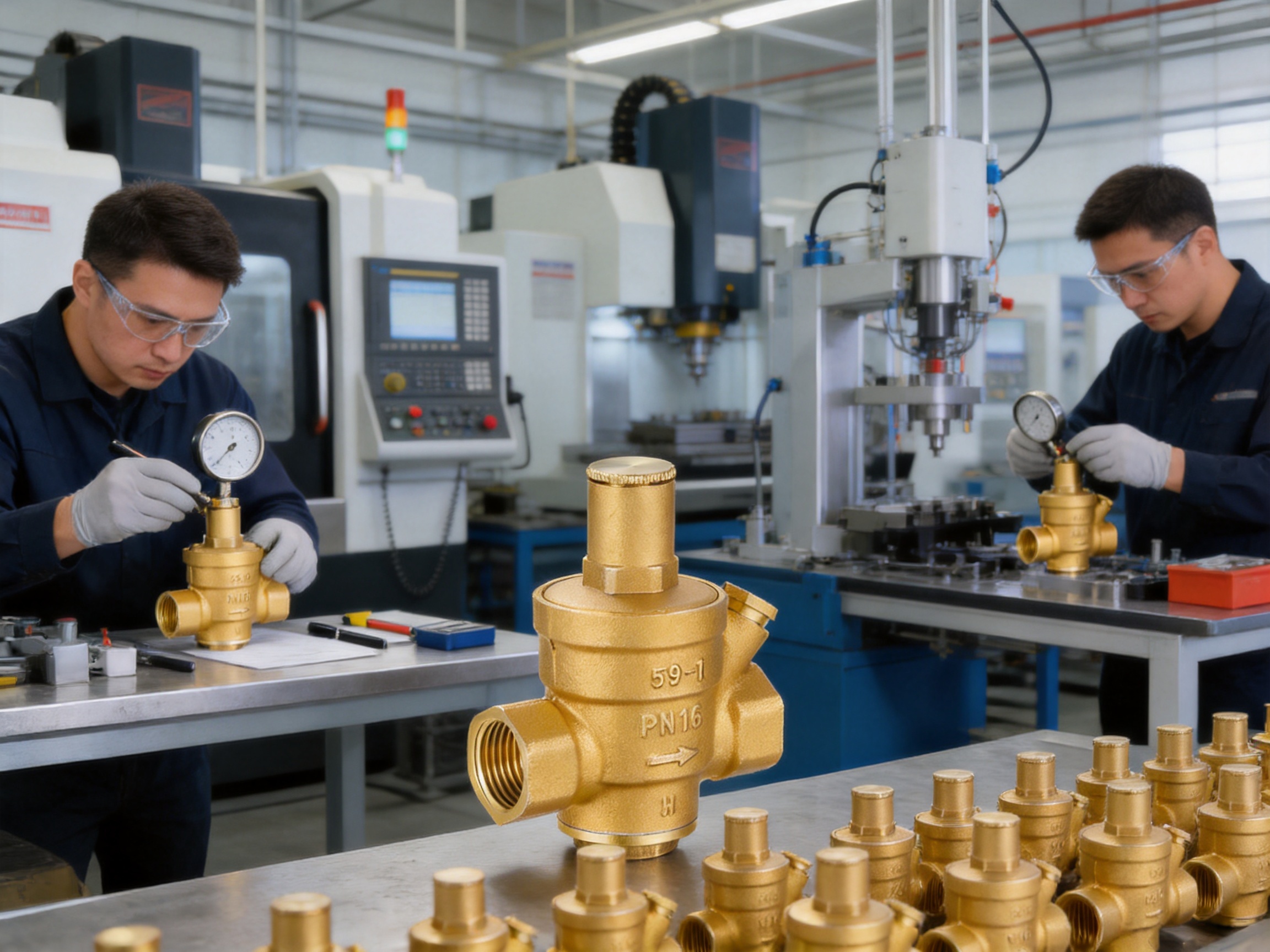
The company operates on a site covering approximately 20,000 square meters and has developed a professional, fully automated precision machining workshop, assembly line, and testing workshop. This manufacturing infrastructure is important because valve production requires repeatable accuracy. Brass bodies must be machined to controlled dimensions, threads must be formed accurately, and internal parts must fit correctly to support stable performance. Automated and precision-oriented production helps reduce variation between units.
Advanced domestic and international CNC machine tools are used to support accurate machining. CNC processes are valuable for valve manufacturing because they can maintain consistent dimensions over high-volume production. For a pressure reducing valve, this consistency affects thread quality, sealing surfaces, internal flow paths, and assembly fit. A valve that looks similar externally may perform very differently if its internal dimensions are not controlled. Precision machining is therefore a direct contributor to performance.
Automated assembly and testing equipment further strengthens product reliability. Assembly quality affects how internal components align and move. Testing helps verify that products meet relevant standards and performance expectations before leaving the factory. A valve supplier with integrated machining, assembly, and testing capabilities has better control over the final product than a supplier relying on fragmented or inconsistent production processes.
Quality Control and Testing Philosophy
Pressure reducing valves must be trusted under real operating conditions. Quality control is therefore not a final step only; it must be built into each stage of production. Material selection, machining, cleaning, assembly, sealing verification, and pressure-related testing all contribute to the final result. When these stages are managed systematically, the product is more likely to deliver stable performance in the field.
The company’s testing workshop and professional production setup indicate a commitment to product verification. For valves, testing may include checks related to leakage, thread quality, dimensional accuracy, pressure resistance, and functional performance according to applicable standards and product requirements. The goal is to ensure that each valve is suitable for service within its rated conditions and that customers receive consistent quality across batches.
Quality control is particularly important for brass pressure reducing valves because small imperfections can influence performance. A rough sealing surface may cause leakage. Inaccurate thread machining may cause installation problems. Internal burrs or inconsistent geometry may affect pressure regulation. By investing in precision machining and automated testing, the manufacturer improves the probability that each valve will function as intended.
Production Capacity and Supply Reliability
Supply reliability is another important factor for buyers, especially distributors, contractors, and project managers. The company has an annual production capacity of 2 million sets of valves and 10 million sets of hardware accessories. This scale supports stable supply for both standard orders and larger project requirements. High production capacity also reflects accumulated manufacturing experience and organized production management.
For global valve buyers, capacity alone is not enough; it must be paired with quality systems and technical understanding. The company’s development over more than ten years has included corporate culture, management system improvement, and a professional management team. These factors support production discipline, delivery coordination, and customer service. In competitive valve markets, the ability to supply consistent products on schedule is a significant advantage.
Large-scale manufacturing also helps support product availability across size ranges. For a product such as the YH-601 pressure reducing valve, customers may need several sizes for different projects. A capable manufacturer can maintain production efficiency while serving varied demand. This is valuable for distributors that require dependable replenishment and for engineering buyers who need consistent specifications over time.
Advanced Machining and Why It Matters
Valve machining is more than cutting metal into shape. It determines how well parts connect, seal, and regulate flow. In a pressure reducing valve, the body must support flow passage, thread connection, seating areas, and alignment of internal components. If these features are inaccurate, the valve may leak, fail to regulate correctly, or become difficult to install. Advanced CNC machining reduces these risks by producing repeatable and controlled geometry.
Precision thread machining is especially important. ISO 228 parallel pipe threads require controlled dimensions to ensure proper connection with compatible fittings. Threads that are too rough, shallow, or inconsistent can create installation difficulty and sealing concerns. A manufacturer equipped with advanced CNC tools can better maintain thread quality across production batches, giving installers greater confidence in the field.
Machining also affects internal flow behavior. Pressure reducing valves rely on carefully formed passages and moving components. Smooth, accurate surfaces help reduce unwanted turbulence, sticking, or irregular movement. While external appearance is important for customer confidence, internal precision is what determines performance. This is why buyers should look beyond appearance and consider the manufacturer’s actual machining capability.
Automated Assembly for Consistency
Assembly is the stage where individual machined and purchased components become a functional valve. Inconsistent assembly can undermine even well-machined parts. Automated or professionally managed assembly lines help ensure correct sequence, controlled fit, and repeatable torque or positioning where applicable. For pressure reducing valves, this consistency is essential because internal movement and sealing must remain stable from unit to unit.
Automated assembly also supports production efficiency and reduces the likelihood of human error in repetitive tasks. When combined with trained personnel and inspection procedures, automation helps create a more reliable manufacturing process. Customers benefit through more consistent products, more stable supply, and improved confidence that each valve will perform like the last one.
For distributors and OEM-style buyers, consistent assembly quality is very important. A single defective batch can create warranty claims, customer dissatisfaction, and project delays. Choosing a supplier with professional assembly infrastructure reduces this risk. The YH-601 valve benefits from being produced within a manufacturing environment that emphasizes automation, precision, and testing.
Testing Workshop and Product Assurance
Testing is the bridge between manufacturing and field reliability. A valve may be well-designed and well-machined, but final verification is still needed to confirm that it meets performance expectations. A dedicated testing workshop allows the manufacturer to check products before shipment and identify issues before they reach customers. This is particularly relevant for pressure-related products where leakage or malfunction can cause significant downstream consequences.
Testing supports compliance with relevant standards and internal quality requirements. For a brass pressure reducing valve, testing may confirm that the valve body can withstand rated pressure conditions, that threaded connections are properly formed, and that sealing performance is acceptable. Functional verification can also support confidence in pressure regulation behavior. The combination of advanced equipment and process control helps ensure that product quality is not left to chance.
Customers should consider testing capability when comparing suppliers. A lower-cost competitor without strong testing infrastructure may offer attractive pricing but carry greater risk. If defects are discovered only after installation, replacement costs can exceed the initial savings. A supplier with integrated testing helps protect the buyer from these hidden costs and contributes to a more dependable supply chain.
Installation Considerations
Correct installation is essential for any pressure reducing valve. The valve should be selected according to pipeline size, operating pressure, working medium, temperature, and required flow conditions. The system should be cleaned before installation to reduce the risk of debris entering the valve. Strainers or filters may be used upstream in systems where particles are present, especially in irrigation or older pipeline networks.
The valve should be installed in the correct flow direction as indicated by product markings or technical documentation. Threaded connections should be prepared according to accepted plumbing practice, using appropriate sealing materials compatible with the system. Excessive tightening should be avoided, as it may damage threads or place unnecessary stress on the valve body. Proper support of nearby piping can also reduce mechanical stress on the valve.
After installation, the system should be pressurized gradually and checked for leakage. Downstream pressure should be verified according to project requirements. If the system includes sensitive equipment, operators should confirm that the outlet pressure remains within the allowable range under typical operating conditions. Periodic inspection is recommended, especially in systems with changing water quality or heavy use.
Maintenance and Service Life
A high-quality brass pressure reducing valve is designed for long service life, but proper maintenance helps preserve performance. The most common maintenance concern in water and irrigation systems is debris. Particles, scale, or sediment may affect internal movement or sealing. For this reason, upstream filtration and pipeline cleaning are helpful practices. In systems with hard water or dirty supply sources, inspection intervals may need to be shorter.
Operators should monitor system pressure over time. If downstream pressure becomes unstable or rises above the expected range, the valve should be inspected. Possible causes may include debris, wear, system changes, or incorrect sizing. Early inspection can prevent damage to downstream equipment. Maintenance teams should also check surrounding connections for leakage and verify that the valve remains properly supported.
The brass body contributes to corrosion resistance and durability, but the valve should still be used only with compatible media. It is intended for water and non-caustic liquids. Use with corrosive chemicals, unsuitable fluids, or temperatures outside the rated range can shorten service life and create safety risks. Correct application is part of responsible product use and is essential for achieving the expected performance.
Selection Guidance for Buyers
Selecting the correct valve size is not simply a matter of matching pipe diameter. Flow rate, inlet pressure, desired outlet pressure, pressure drop, and system demand should be considered. For typical installations, matching the nominal size to the pipeline may be acceptable, but engineering review is recommended for critical applications. Oversizing or undersizing can affect performance, especially where flow conditions vary significantly.
Buyers should also evaluate the operating environment. The valve is suitable for water and non-caustic liquids, with a working temperature range from 0°C to 80°C. It is not intended for unsuitable corrosive fluids or extreme temperatures beyond the rated range. The nominal pressure of 1.6 MPa should be compared with the system’s maximum expected pressure. Safety margins and local code requirements should be considered.
Thread compatibility is another selection point. The valve uses parallel pipe thread to ISO 228. Buyers should ensure that connected fittings and sealing methods match this standard. If the valve is being used in a market with different thread conventions, adapters or compatible fittings may be required. Confirming thread requirements before purchase helps prevent installation delays and leakage issues.
Environmental and Efficiency Benefits
Pressure control supports environmental efficiency by reducing unnecessary water consumption and preventing leakage. In many systems, high pressure increases flow beyond the useful amount. This can waste water at fixtures, create misting in irrigation, and increase the chance of leakage at weak points. A pressure reducing valve helps establish a more controlled operating condition, allowing water to be used more effectively.
In irrigation systems, pressure stability can improve distribution uniformity. Sprinklers and emitters are designed for specific pressure ranges, and operating outside those ranges often reduces efficiency. By reducing excessive pressure, the valve helps water reach plants more consistently and reduces waste from overspray or mist. This is important for landscapes, farms, greenhouses, and public facilities seeking better water management.
In buildings, stable pressure can reduce strain on fixtures and appliances, contributing to longer service life and fewer replacements. Reducing avoidable damage is also an environmental benefit because it lowers material waste and maintenance consumption. While a pressure reducing valve is a small component, its role in protecting larger systems can support broader sustainability goals.
Why Manufacturing Experience Creates Product Confidence
Valve production requires a combination of design knowledge, material understanding, machining skill, assembly control, and testing discipline. A manufacturer with more than ten years of development in valves and hardware accessories has accumulated practical experience in these areas. This experience helps identify common field problems and improve products accordingly. For customers, experience translates into more dependable product design and more responsive technical support.
The company’s focus on gas and fluid valves, water supply valves, and hardware accessories provides a broad technical foundation. Although different valve categories serve different purposes, they share important manufacturing requirements such as sealing reliability, material quality, pressure resistance, and precise machining. Knowledge gained across product lines can strengthen overall manufacturing capability.
The company’s vision to become a leading enterprise in the global fluid control industry and its mission to build a safe fluid ecosystem with high-quality valves align with the needs of pressure control products. A pressure reducing valve directly contributes to safer fluid systems by preventing excessive pressure from damaging downstream equipment. When product purpose and company mission are aligned, customers can expect continued attention to quality and performance.
Q&A Section
What is the main function of this brass piston pressure reducing valve?
The main function is to automatically reduce higher inlet pressure and stabilize it at a lower outlet pressure. This protects downstream pipelines, fixtures, irrigation components, and equipment from damage caused by excessive or fluctuating pressure.
What working media are suitable for the valve?
The valve is suitable for water and non-caustic liquids compatible with brass and the valve’s internal structure. It should not be used with corrosive chemicals or unsuitable media outside the stated application range.
What is the nominal pressure rating?
The nominal pressure rating is 1.6 MPa. Buyers should compare this rating with the maximum pressure expected in the system and follow applicable engineering and safety requirements.
What temperature range can the valve handle?
The working temperature range is 0°C to 80°C. The valve should not be exposed to temperatures beyond its rated range, and freezing conditions should be avoided unless the system is properly protected.
Where can the valve be used?
It can be used in water supply pipelines, residential plumbing, commercial building systems, irrigation systems, equipment protection lines, and other compatible applications requiring pressure reduction and stabilization.
Why is brass a good material for this product?
Brass provides a strong combination of corrosion resistance, mechanical durability, machinability, and installation practicality. It is widely used in water valves because it supports long service life and reliable threaded connections.
How is this valve different from an ordinary manual valve?
An ordinary manual valve can restrict flow but cannot automatically stabilize outlet pressure when inlet pressure or flow demand changes. A pressure reducing valve is designed specifically to maintain a more consistent downstream pressure.
What thread standard does the valve use?
The valve uses parallel pipe thread to ISO 228. This supports compatibility with appropriate fittings and standardized installation practices.
What sizes are available?
The available sizes include DN15, DN20, DN25, DN32, DN40, and DN50. These sizes cover many common small and medium pipeline applications.
Why should buyers consider the manufacturer’s production capability?
Pressure reducing valve performance depends on precision machining, proper assembly, and testing. A manufacturer with advanced CNC equipment, automated assembly, testing workshops, and large production capacity can provide more consistent quality and reliable supply.
Conclusion
The YH-601 Brass Piston Pressure Reducing Valve is a practical and dependable solution for systems requiring pressure control. Its purpose is clear: reduce and stabilize inlet pressure to protect downstream equipment from high-pressure damage. With durable brass construction, compact size, ISO 228 threaded connections, and a useful range of DN15 to DN50 sizes, it is well suited for water supply pipelines, irrigation systems, and other compatible non-caustic liquid applications.
Its advantages over many competitor products come from the combination of material durability, pressure regulation function, compact installation, standardized threading, and broad application flexibility. It is not merely a fitting; it is a protective component that can improve system safety, reduce maintenance risks, support water efficiency, and extend the service life of connected equipment. For contractors, distributors, engineers, and project owners, these benefits create strong practical value.
Behind the product is a manufacturer with advanced production strengths, including a 20,000-square-meter facility, precision machining workshops, automated assembly lines, testing workshops, advanced CNC machine tools, and significant annual production capacity. These capabilities matter because pressure reducing valves require consistent internal geometry, reliable sealing, accurate threads, and verified performance. Manufacturing quality directly affects field reliability.
For any pipeline system where pressure fluctuations or high pressure may create damage, instability, or waste, a brass piston pressure reducing valve is a smart protective investment. When selected correctly, installed properly, and used within its rated conditions, this valve can become a long-lasting part of a safer and more efficient fluid control system.
References
International Organization for Standardization. ISO 228 Pipe Threads Where Pressure-Tight Joints Are Not Made on the Threads.
Crane Co. Flow of Fluids Through Valves, Fittings, and Pipe.
American Society of Plumbing Engineers. Plumbing Engineering Design Handbook.
Idelchik, I. E. Handbook of Hydraulic Resistance.
Smith, P. R. Valve Selection Handbook: Engineering Fundamentals for Selecting the Right Valve Design for Every Industrial Flow Application.
Product: YH-601 Brass Piston Pressure Reducing Valve

Related Products
Related News
Contact Us
-

-
 +86-0574-63742169
 -
 No.104-128, Cizhang East Road, Zhangqi Town, Cixi City, Ningbo, Zhejiang Province, China


Message Us Now !
