


 English
  русский
  عربى
عربى  Español
Brass Ball Valve with Butterfly Handle and Integrated Hose Connector for Low-Pressure Gas Systems
Content
- 1 Product Overview
- 2 Key Technical Specifications
- 3 Integrated Male Thread and Hose Connector Design
- 4 Low-Pressure Sealing for Gas Applications
- 5 Ergonomic Butterfly Handle for Safer Daily Use
- 6 Corrosion-Resistant Forged Brass Body
- 7 Application Scenarios
- 8 Advantages Over Conventional Competing Valves
- 9 Manufacturing Strength Behind the Product
- 10 Precision Machining and Quality Control
- 11 Design Philosophy: Practical Safety and Installation Efficiency
- 12 Importance of ISO 228 Parallel Pipe Thread
- 13 Working Temperature and Media Compatibility
- 14 Service Life and Maintenance Considerations
- 15 Value for Distributors, Installers, and OEM Customers
- 16 Why Manufacturing Scale Matters
- 17 Comparison With Adapter-Based Valve Assemblies
- 18 Safety-Oriented User Experience
- 19 Environmental and Durability Considerations
- 20 Recommended Installation Awareness
- 21 Quality as a Combination of Design and Process
- 22 Frequently Asked Questions
- 22.1 What is the main purpose of this brass ball valve?
- 22.2 Why is the integrated male thread and hose connector useful?
- 22.3 What pressure range is the valve intended for?
- 22.4 What media can the valve handle?
- 22.5 What is the working temperature range?
- 22.6 Why is a butterfly handle beneficial?
- 22.7 What material is used for the valve body?
- 22.8 Does the valve use a standard thread?
- 22.9 How does this product compare with valves that require hose adapters?
- 22.10 What manufacturing strengths support product quality?
- 23 Conclusion
- 24 References
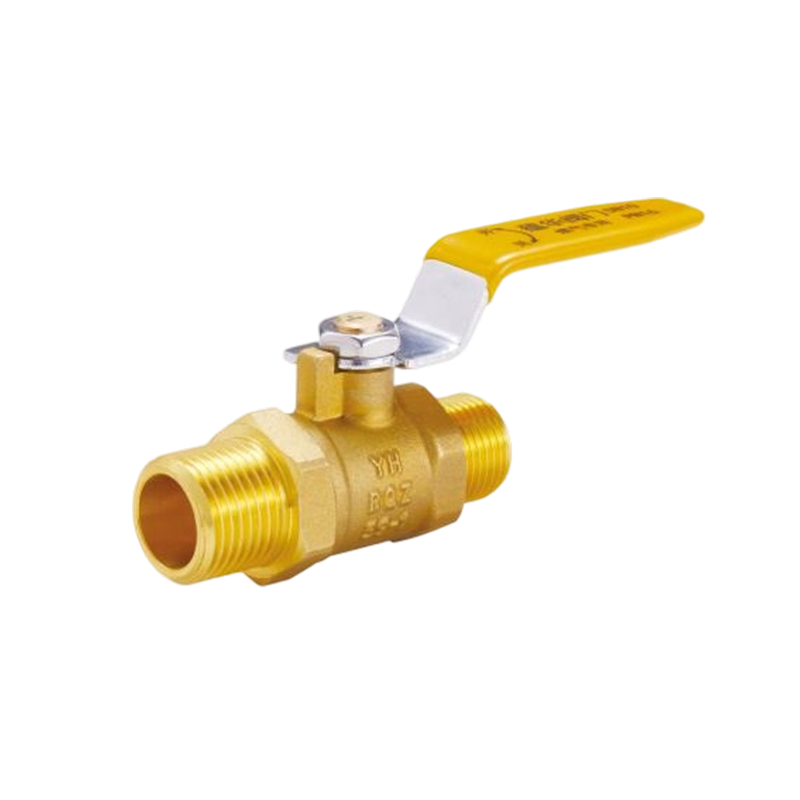
- 25 Product: YH-207 Brass Ball Valve with Butterfly Handle(M/hose connector)
In household gas connections, light commercial gas lines, portable equipment, and simple fluid control systems, a valve must do more than open and close a passage. It must provide dependable sealing at the correct pressure range, connect easily to the existing pipeline or hose, resist corrosion over years of use, and remain simple enough for daily operation by non-specialist users. The YH-207 Brass Ball Valve with Butterfly Handle and male thread plus hose connector is designed for exactly this practical environment. It combines a forged brass body, an integrated dual-interface connection structure, a user-friendly butterfly handle, and low-pressure sealing performance for gas, water, and non-corrosive fluid applications.
YH-207 Brass Ball Valve with Butterfly Handle(M/hose connector)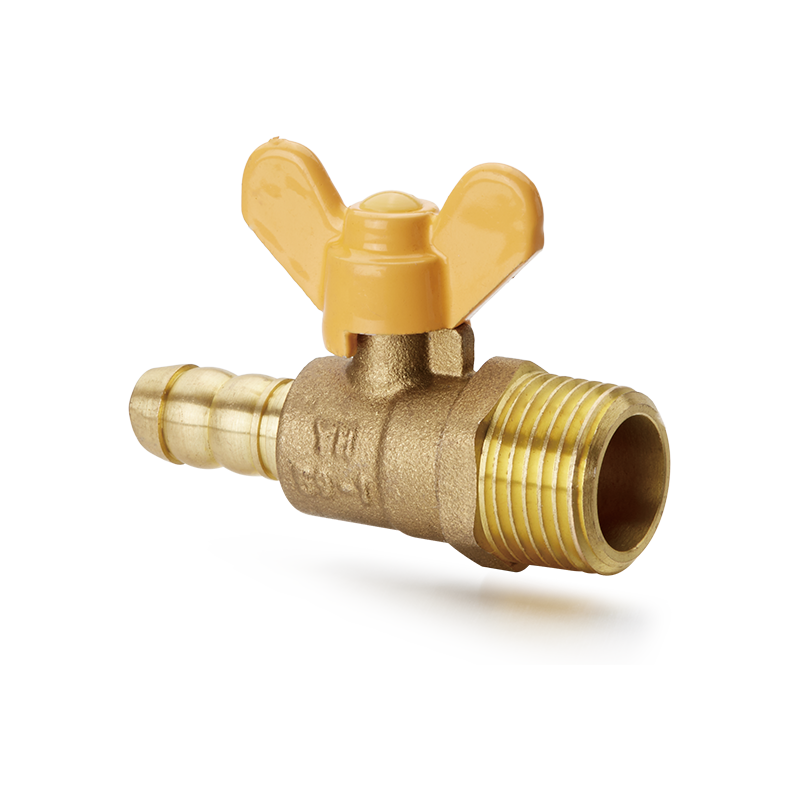
This valve belongs to the brass hose ball valve category and is especially suited to low-pressure gas service where compactness, connection flexibility, and reliable shutoff are essential. Its nominal pressure rating of 0.015 MPa makes it appropriate for low-pressure systems rather than high-pressure industrial circuits. In its intended field, this is a strength: the valve is optimized for easy installation, stable sealing, and convenient operation in household and light commercial environments.
A key feature of the product is its integrated male thread and hose connector design. Many conventional installations require a separate adapter to join a rigid threaded pipe with a flexible hose. Each additional adapter introduces extra cost, extra installation time, and another potential leakage point. By combining the external thread and hose connector in one component, the valve reduces complexity and helps installers create a cleaner, more compact connection. This makes the product particularly valuable for gas stoves, water heaters, portable gas equipment, and small catering gas lines.
Product Overview
The YH-207 Brass Ball Valve with Butterfly Handle is a compact shutoff valve intended for convenient connection between pipework and hose-based equipment. Its primary structure includes a brass valve body, a ball sealing mechanism, a butterfly-style operating handle, and connection ends that support threaded pipe and hose connection requirements. The valve is designed for working media including water, non-corrosive fluids, and gas. Its working temperature range is from -20°C to 80°C, allowing it to function in common indoor and sheltered service conditions.
The parallel pipe thread conforms to ISO 228 requirements, which is important for compatibility in many plumbing and gas connection systems. Standardized threading supports predictable installation, reduces mismatch risk, and helps distributors and installers select compatible components more confidently. For a valve used in repetitive household or light commercial applications, this compatibility can be a major advantage over products with unclear, inconsistent, or non-standard thread specifications.
The valve’s butterfly handle is a practical operating feature. A large butterfly handle provides a clear visual indication of the valve position and offers improved grip compared with very small lever or knob designs. In gas service, quick recognition of open or closed status is important for safety. The butterfly handle allows users to operate the valve with minimal effort, even when hand strength is limited or when the valve is located in a confined cabinet or appliance connection space.
Because the product is made from brass, it offers a balance of strength, machinability, corrosion resistance, and long-term durability. Brass is widely used in water and gas valves because it resists rust better than ordinary carbon steel and provides stable sealing surfaces after precision machining. In the YH-207, the forged brass construction improves body integrity and supports consistent performance in repeated opening and closing cycles.
Key Technical Specifications
| Item | Specification | Practical Meaning |
|---|---|---|
| Product Type | Brass hose ball valve | Designed for compact shutoff and hose connection applications |
| Connection Design | Male thread plus hose connector | Supports connection to rigid threaded pipe and flexible hose without extra adapters |
| Nominal Pressure | 0.015 MPa | Optimized for low-pressure systems, especially low-pressure gas applications |
| Working Medium | Water, non-corrosive fluids, gas | Suitable for common household and light commercial fluid or gas control tasks |
| Working Temperature | -20°C to 80°C | Supports normal indoor and sheltered operating environments |
| Thread Standard | Parallel pipe thread to ISO 228 | Improves compatibility with standardized pipe fittings |
| Handle Type | Butterfly handle | Easy hand operation and clear open/closed indication |
| Body Material | Forged brass | Corrosion resistant, durable, and suitable for precision machining |
Integrated Male Thread and Hose Connector Design
One of the most important competitive advantages of this valve is its integrated connection design. In many practical installations, the valve must sit between a fixed pipe and a flexible hose. Traditional arrangements may require a threaded valve, a hose tail adapter, sealing tape or gasket materials, and careful assembly of multiple interfaces. Every added joint increases labor, space requirements, and the risk of leakage.
The YH-207 solves this issue by integrating the male thread and hose connector into the valve configuration. This design enables direct connection to both rigid pipework and flexible hose. For installers, the benefit is immediate: fewer components, fewer assembly steps, and a more direct installation process. For end users, the benefit is a neat, compact, and reliable connection that requires less maintenance attention.
In low-pressure gas applications, reducing potential leak points is especially valuable. Gas systems depend on proper sealing throughout the entire connection chain. While all fittings must still be installed correctly and checked according to local safety practices, the reduction of unnecessary adapters helps simplify the risk profile. A direct valve-to-hose connection can be easier to inspect and easier to understand.
Compared with competitor products that use a single threaded end and require a separate hose fitting, the integrated design offers a more complete solution. It saves procurement time because the installer does not need to search for a matching adapter. It reduces compatibility uncertainty because the hose connector is part of the valve design. It also improves the overall appearance of the installation, which matters in visible kitchen, catering, and appliance spaces.
Low-Pressure Sealing for Gas Applications
The valve is rated for 0.015 MPa nominal pressure, which positions it for low-pressure service. Rather than being designed as a general-purpose high-pressure industrial valve, it is specialized for household gas, light commercial gas, and similar low-pressure networks. This specialization matters because sealing performance at low pressure has its own requirements. A valve used in a household gas line must be able to minimize leakage even when the driving pressure is relatively low.
Some valves are built with broad, heavy-duty specifications but do not necessarily provide the best combination of low-pressure responsiveness, compact size, and user convenience. The YH-207 focuses on a practical low-pressure environment. Its ball valve mechanism provides quick quarter-turn shutoff, while the sealing structure is intended to support dependable closure under the low-pressure conditions common in urban and household gas supply systems.
For household users, gas safety is not an abstract technical issue. A shutoff valve may be used daily before and after cooking, during equipment replacement, or during maintenance. The valve must close smoothly and give the user confidence that the gas supply has been stopped. The butterfly handle and low-pressure sealing focus together create a product that is easy to operate and suited to its application.
For installers and distributors, a low-pressure specialized product also helps simplify selection. Instead of overspecifying a valve that may be larger, more expensive, or less convenient, this product offers a targeted solution for appliance connections, small gas branches, and flexible hose transitions.
Ergonomic Butterfly Handle for Safer Daily Use
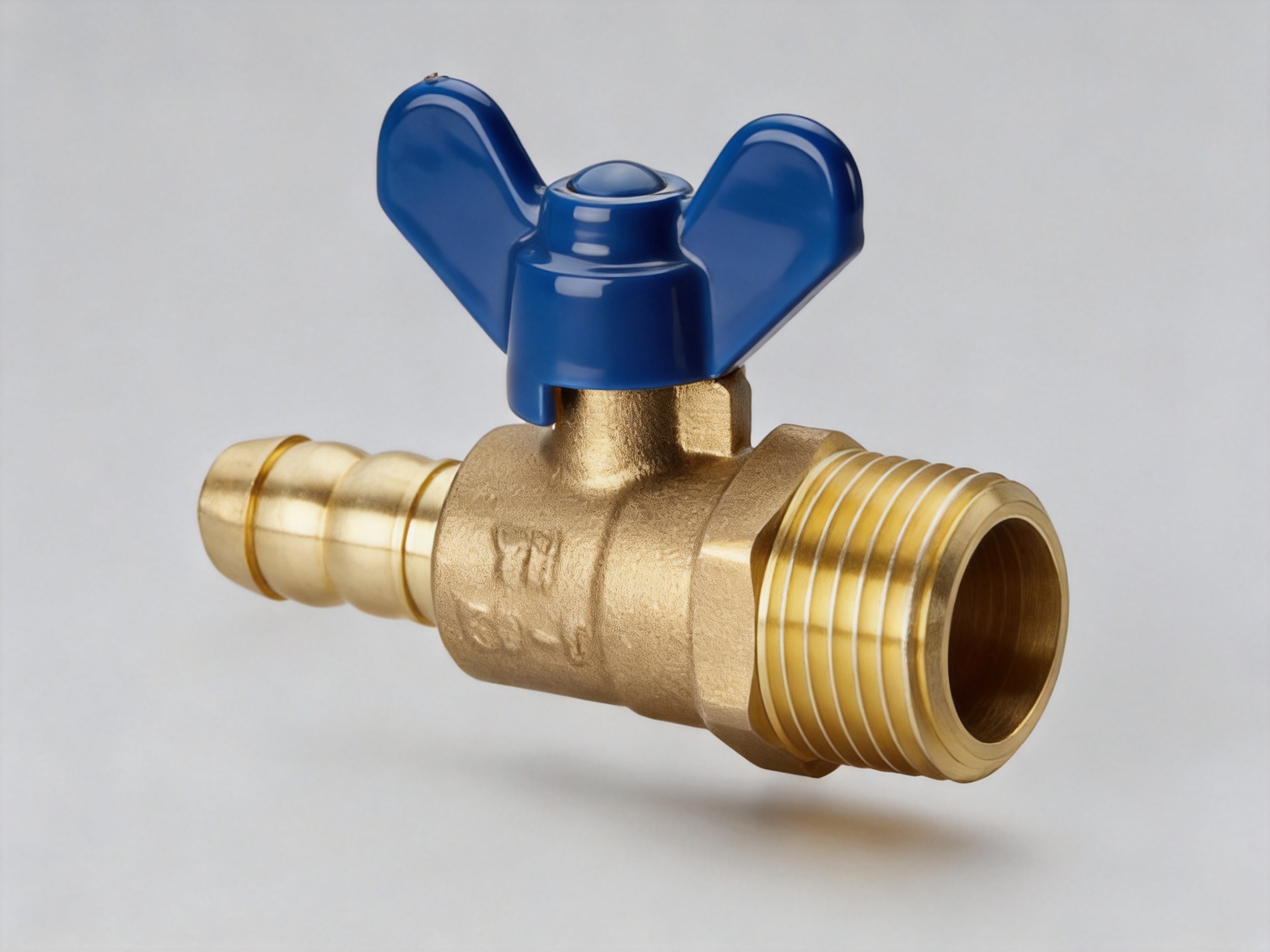
The butterfly handle is more than a visual feature. In a gas valve, the handle is the user’s main interface with the safety function of the system. A clear and comfortable handle helps prevent mistakes. The YH-207 uses a large butterfly handle that can be gripped easily and turned with modest force. This is useful for elderly users, restaurant staff, maintenance workers, and homeowners who may need to operate the valve quickly.
The shape of the butterfly handle also provides intuitive position recognition. Users can see whether the handle is aligned with the flow direction or positioned crosswise. This immediate visual feedback supports safer operation. When compared with small round handles or compact levers that may be difficult to read in a dark cabinet, a butterfly handle offers a more visible operating status.
The handle is particularly suitable for installations near household stoves, water heaters, or portable gas devices. In these locations, a user may need to shut off gas after each use or during cleaning. A valve that is uncomfortable or unclear may be ignored; a valve that is easy to operate encourages proper safety behavior.
Competitor products may use handles that are too small, too sharp-edged, or inconvenient in confined spaces. The YH-207’s butterfly handle provides a balanced solution: compact enough for tight installations, yet large enough for comfortable operation. This gives the valve an advantage in real-world usability, not just specification sheets.
Corrosion-Resistant Forged Brass Body
Material quality is fundamental to valve performance. The YH-207 uses a forged brass body, which provides reliable mechanical strength and corrosion resistance. Brass is naturally resistant to rust because it does not behave like ordinary iron-based metals when exposed to moisture. In household and light commercial environments where valves may encounter humidity, cleaning water, kitchen vapors, and ordinary atmospheric exposure, brass offers long-term stability.
Forging also improves the density and integrity of the valve body compared with less controlled forming methods. A forged body can provide improved structural consistency, which supports pressure resistance, sealing performance, and machining accuracy. For a small brass gas ball valve, dimensional precision is crucial because the internal ball, seat, stem, and body must work together to achieve smooth operation and tight closure.
The brass construction also supports clean and precise machining. Threaded interfaces must be accurate enough to match standardized fittings. Hose connector surfaces must be shaped consistently to hold flexible hose securely when installed with the proper fastening method. Internal sealing surfaces must be controlled to maintain stable ball rotation and closure. Brass provides the machinability needed for these requirements.
In comparison with lower-cost valves made from inferior alloys or poorly controlled casting processes, a forged brass valve provides a stronger foundation for consistent quality. While appearance may be similar from the outside, the internal material structure and machining precision determine long-term performance. This is where a well-manufactured brass valve can outperform cheaper alternatives.
Application Scenarios
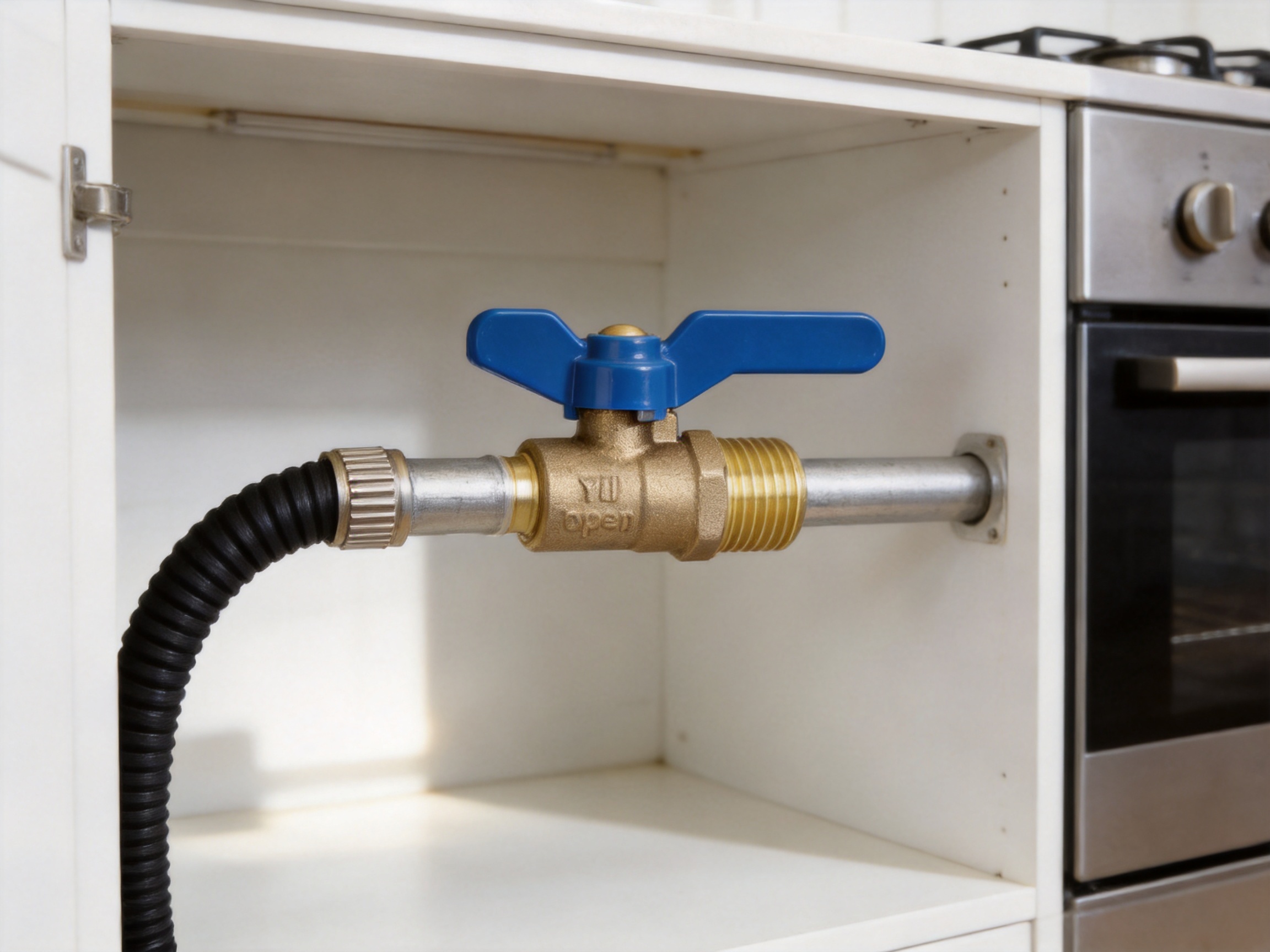
The YH-207 is suitable for household gas appliance connections, including gas stoves and water heaters. In these applications, the valve can be installed between the fixed supply pipe and a flexible hose leading to the appliance. The direct hose connector helps create a simple transition, while the male thread supports connection to standardized pipe fittings.
It is also suitable for portable gas equipment. Portable systems often require compact and convenient connections, and the ability to connect directly to a hose can reduce setup time. For temporary or movable appliances, clear shutoff operation is especially important. The butterfly handle provides quick control when equipment needs to be turned off, moved, or disconnected.
Small-scale catering gas lines are another important application. Restaurants, food stalls, small commercial kitchens, and catering facilities often need reliable shutoff valves for individual appliances. In these settings, valves may be operated frequently by staff who are not technical specialists. Ease of use, clear position indication, and dependable sealing are therefore essential.
Although the product is strongly suited to gas applications, its working media also include water and non-corrosive fluids. This makes it useful for certain simple fluid control systems where brass compatibility, low-pressure operation, and hose connection are appropriate. However, the valve should not be used with corrosive fluids or outside its stated pressure and temperature range.
Advantages Over Conventional Competing Valves
The first major advantage is reduced installation complexity. Many competing valves require separate adapters for hose connection. The YH-207 integrates the male thread and hose connector, making installation more direct. This can reduce labor time and reduce the number of purchased components.
The second advantage is fewer possible leakage points. Every threaded adapter or extra fitting introduces another sealing interface. By reducing the fitting count, the valve helps create a simpler connection path. In gas applications, this simplicity is highly valuable because it supports easier inspection and more straightforward maintenance.
The third advantage is user-friendly operation. Some valves focus on material and pressure rating but neglect the end user’s experience. The butterfly handle of the YH-207 makes daily operation more intuitive. This is a practical safety advantage because users are more likely to close a valve correctly when the handle is easy to understand.
The fourth advantage is low-pressure specialization. A valve used in a household gas line should not merely be a scaled-down industrial valve. It should be suitable for low-pressure sealing, compact installation, and frequent manual operation. The 0.015 MPa nominal pressure rating reflects the product’s intended role in low-pressure systems.
The fifth advantage is the use of forged brass. In markets where low-cost valves may use inconsistent materials or rough processing, forged brass offers a more durable and reliable solution. The material resists rust, supports precision machining, and provides a long service life in normal household and light commercial environments.
Manufacturing Strength Behind the Product
The performance of a valve depends not only on its design but also on the manufacturing capability behind it. Ningbo Yunhua Valve Co., Ltd. is an enterprise specializing in the research, development, production, sales, and service of gas and fluid valves, water supply valves, and hardware accessories. This specialization supports a product development approach focused on practical fluid control needs rather than isolated component production.
The company has developed over more than ten years, building a management system, professional management team, and production culture oriented toward quality and efficiency. This long-term development is important because valves require consistent processes. A ball valve may look simple, but the quality depends on repeatable control of materials, forging, machining, assembly, and testing.
The manufacturing base covers 20,000 square meters and includes a professional fully automated precision machining workshop, assembly line, and testing workshop. This combination of facilities allows the company to manage the valve manufacturing process from component production to final inspection. Integrated production capability helps reduce dependence on uncontrolled external processing and supports consistent delivery.
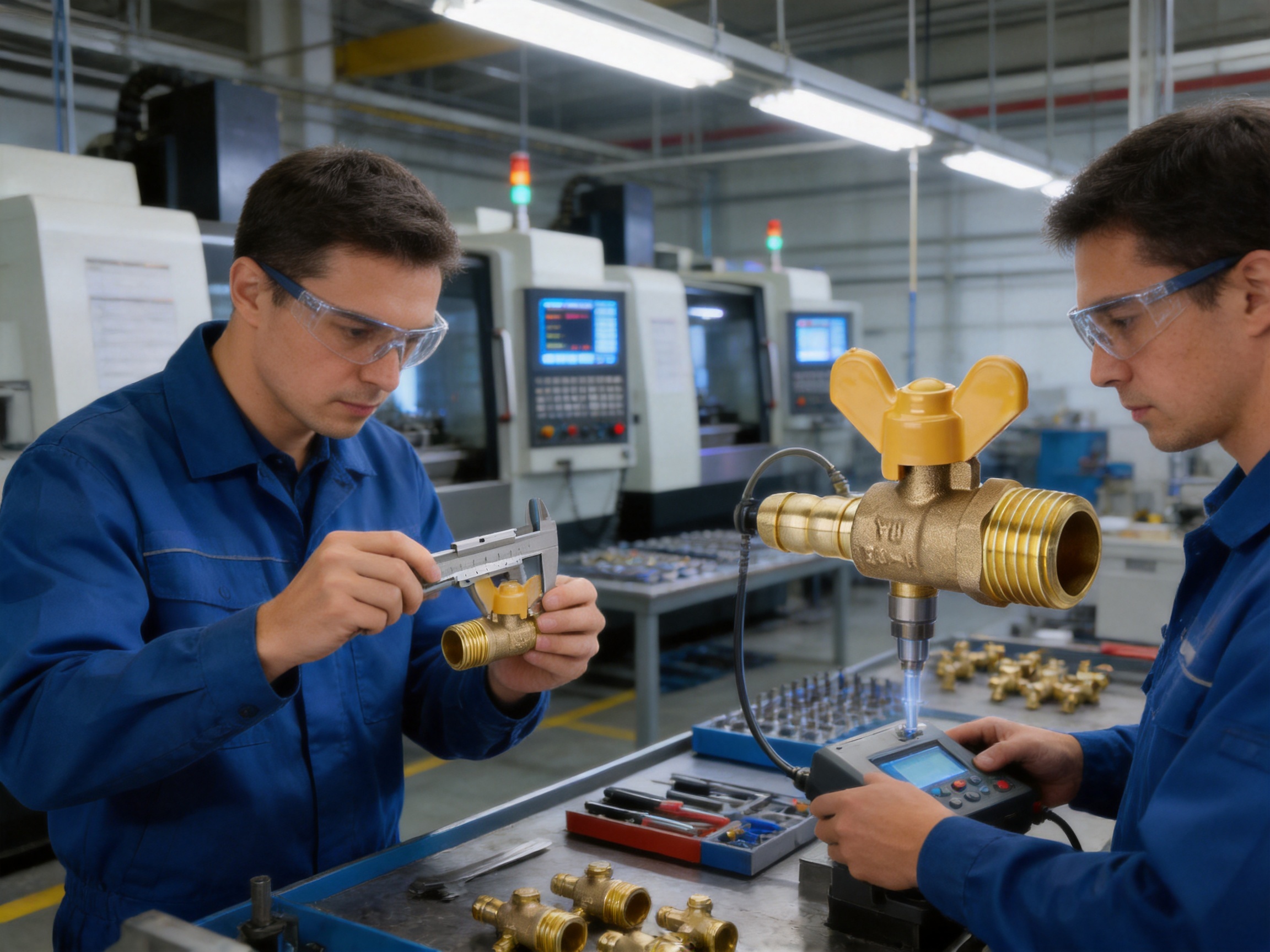
Advanced domestic and international CNC machine tools are used in production. CNC machining is especially important for brass ball valves because threads, sealing cavities, stem holes, and connector profiles must be produced with accurate dimensions. A small deviation in machining can affect sealing, handle torque, or installation compatibility. CNC equipment helps improve dimensional repeatability across large production batches.
The company also uses professional automated assembly and testing equipment. Automated assembly can improve consistency by controlling process steps, reducing human variation, and supporting efficient production. Automated testing helps verify that finished products meet relevant quality requirements before shipment. For gas valves, testing is particularly important because leakage performance is central to safety and customer trust.
With an annual production capacity of 2 million sets of valves and 10 million sets of hardware accessories, the company has the scale to support distributors, OEM customers, project buyers, and long-term supply programs. Production capacity matters because customers need not only a good product sample but also stable batch supply over time.
Precision Machining and Quality Control
Precision machining is one of the most important stages in producing the YH-207 valve. The brass body must be machined to form accurate threaded connections, internal ball seats, stem passages, and hose connector dimensions. Each of these areas affects final performance. The ISO 228 parallel pipe thread must be controlled so that the valve can match compatible fittings and provide predictable installation.
Internal machining affects how the ball rotates and how the seats seal. If the cavity is not accurately formed, the ball may rotate too tightly or too loosely. Excessive torque can make the handle difficult to operate, while insufficient sealing contact can cause leakage. CNC machining helps maintain stable tolerances so that each valve operates smoothly and seals effectively.
The hose connector requires consistent geometry as well. A properly formed hose connector helps the flexible hose seat securely when installed with suitable fastening. A poorly shaped connector could make assembly difficult or create an unreliable connection. By controlling connector dimensions during machining, the manufacturer improves installation reliability.
Quality control continues during assembly. The valve’s ball, stem, seals, handle, and body must be assembled in the correct sequence and with suitable control of tightening and alignment. Automated or semi-automated assembly processes can reduce variation and improve repeatability. Testing after assembly verifies whether the valve performs as intended.
For the end user, these manufacturing steps are not visible. However, they determine whether the valve feels smooth, closes properly, resists leakage, and lasts through repeated use. The real value of advanced manufacturing is therefore experienced in daily reliability.
Design Philosophy: Practical Safety and Installation Efficiency
The YH-207 is built around practical safety. Safety in a low-pressure gas connection is not achieved through one feature alone. It comes from a combination of suitable material, correct pressure rating, reliable sealing, clear operation, and simple installation. This valve addresses each of those areas in a compact design.
The forged brass body provides a durable structure. The ball valve mechanism supports quick shutoff. The butterfly handle makes operation visible and comfortable. The integrated male thread and hose connector reduce unnecessary fitting complexity. The low-pressure rating aligns the valve with household and light commercial gas use. Together, these elements create a product that is carefully matched to real application conditions.
Installation efficiency is another part of the design philosophy. Installers often work under time pressure and in confined spaces. A valve that requires multiple adapters, extra sealing points, and uncertain compatibility can slow down the job. The YH-207 helps installers complete work more efficiently by offering a ready connection format for pipe-to-hose transitions.
Efficiency also benefits distributors and buyers. A single valve that covers both threaded and hose connection needs can simplify inventory planning. Instead of stocking separate valve and adapter combinations for common applications, buyers can select an integrated solution. This supports cleaner procurement and reduces the risk of missing parts during installation.
Importance of ISO 228 Parallel Pipe Thread
The valve information states that the product uses parallel pipe thread to ISO 228. This is an important detail because threads are one of the most common sources of installation problems. When thread types are unclear or inconsistent, installers may force mismatched components together, leading to damage or leakage. Standardized threading helps prevent these problems.
ISO 228 parallel pipe threads are widely used in pipe fittings where pressure-tight joints are typically achieved with appropriate sealing methods at the connection face or with suitable sealing components. The use of a recognized thread standard makes the valve more predictable for markets and customers familiar with ISO-based fittings.
Compared with valves that do not clearly identify their thread standard, the YH-207 provides better selection confidence. Distributors can describe the product more accurately, installers can check compatibility more easily, and users benefit from a more reliable installation process.
Thread quality also reflects manufacturing capability. Cutting or forming a standardized thread requires proper tooling, controlled machining, and inspection. Advanced CNC equipment supports consistent thread production, helping the valve maintain compatibility across large quantities.
Working Temperature and Media Compatibility
The working temperature range of -20°C to 80°C makes the valve suitable for many everyday environments. In household and light commercial installations, temperatures usually remain within this range. The lower limit supports use in colder storage or outdoor-adjacent sheltered areas, while the upper limit covers warm indoor spaces near appliances, provided that direct overheating is avoided.
The valve is suitable for water, non-corrosive fluids, and gas. This versatility is useful for customers who need a brass hose ball valve for different low-pressure applications. However, media compatibility must always be considered carefully. The valve should not be used with corrosive chemicals or fluids that attack brass or sealing materials. It should also not be used beyond the specified pressure and temperature range.
In gas applications, installation should follow local codes, safety rules, and professional practices. Even a well-designed valve must be installed correctly. Hose selection, clamp or fastening method, thread sealing method, ventilation, appliance compatibility, and leak testing all contribute to safe system performance.
Service Life and Maintenance Considerations
A well-made brass ball valve can provide long service life when used within its intended conditions. The corrosion-resistant brass body helps protect the valve from rust-related deterioration. The ball mechanism supports quick operation with limited rotational movement, which can reduce wear compared with multi-turn valve designs.
Maintenance for a valve of this type is usually simple. Users should keep the valve clean, avoid mechanical impact, and operate it periodically if it remains unused for long periods. Regular visual inspection can identify loose hose connections, damaged hoses, external corrosion from environmental contamination, or signs of wear. In gas service, any suspected leakage should be handled immediately according to safety procedures.
The butterfly handle should turn smoothly. If operation becomes unusually stiff, loose, or unclear, the valve should be inspected or replaced. Because gas safety is critical, users should not attempt unsafe modifications, excessive force, or unauthorized disassembly. A valve is a safety component, and replacement is often the best approach when its condition is uncertain.
The product’s simple and integrated design can also make maintenance easier. With fewer separate adapters, there are fewer joints to inspect. A compact valve-to-hose connection is easier to observe than a chain of multiple fittings.
Value for Distributors, Installers, and OEM Customers
For distributors, the YH-207 offers a marketable combination of features: brass body, low-pressure gas suitability, hose connector, male thread, butterfly handle, and ISO 228 thread compatibility. These features align with common demand in household gas and light commercial appliance connection markets.
For installers, the product saves time. The integrated connector reduces the need to prepare additional hose adapters. The butterfly handle makes the final installation user-friendly. The brass body and standardized thread support confidence during assembly.
For OEM customers and private-label buyers, the manufacturing strength behind the product is important. Large production capacity, automated machining, assembly, and testing can support stable supply and consistent quality. Customers purchasing in volume need reliable batch-to-batch performance, not only attractive product features.
For end users, the valve provides ease of use and clear control. Many users judge a valve by whether it feels solid, turns easily, and gives confidence when closed. The YH-207 is designed to deliver that practical experience.
Why Manufacturing Scale Matters
Valve buyers often focus on unit price, but supply reliability is equally important. A low price is not valuable if the product quality varies or delivery cannot be maintained. The manufacturer’s annual production capacity of 2 million sets of valves and 10 million sets of hardware accessories indicates a strong production foundation.
Scale supports better process discipline. When a company produces valves in large quantities, it must develop consistent workflows for material control, machining, assembly, testing, packaging, and shipment. Over time, this creates experience and process knowledge that smaller or less specialized workshops may lack.
Scale also supports customer flexibility. Different markets may require different packaging, order quantities, or product combinations. A manufacturer with broad production capability is better positioned to support wholesalers, project suppliers, and long-term business partners.
The company’s focus on gas and fluid valves, water supply valves, and hardware accessories also creates technical overlap. Knowledge gained from one valve category can improve process control and product development in another. This integrated experience helps strengthen the design and production of brass ball valves such as the YH-207.
Comparison With Adapter-Based Valve Assemblies
An adapter-based assembly may appear flexible at first because installers can combine different parts. However, this flexibility often comes at the cost of complexity. A threaded valve plus a separate hose connector may require additional sealing operations. It may also extend the installation length, which can be a problem behind appliances or inside cabinets.
The YH-207’s integrated structure creates a shorter and cleaner solution. Fewer parts can mean fewer inventory items, fewer installation decisions, and fewer opportunities for mismatch. This is especially useful in repeated installations where speed and consistency matter.
Adapter-based systems can also create inconsistent quality if parts are sourced from different suppliers. The valve may be well-made, but the adapter may not match the same quality level. By integrating the hose connector into the valve, the product keeps more of the connection function within one controlled manufacturing process.
This gives the YH-207 a competitive advantage in markets where installers and end users prefer ready-to-use solutions. Instead of assembling a custom connection from multiple components, they can select a valve designed specifically for pipe-to-hose transition service.
Safety-Oriented User Experience
In many household gas systems, the person operating the valve may not have technical training. The valve must communicate its function through physical design. A butterfly handle helps achieve this by offering a clear shape and direction. The user can quickly identify the handle and turn it without tools.
The quarter-turn nature of a ball valve is also convenient. Unlike a multi-turn valve that may require several rotations and may leave uncertainty about whether it is fully closed, a ball valve typically moves between open and closed positions with a short turn. This supports fast shutoff in routine or urgent situations.
Easy operation does not mean careless operation. Users should still understand the correct open and closed positions and should follow appliance safety instructions. However, a good valve design reduces the likelihood of confusion. The YH-207’s handle design supports this goal.
In competitive terms, user experience is often underestimated. Many valves are sold as technical components, but the daily safety interaction happens through the handle. A valve that users can operate confidently adds value beyond material and pressure specifications.
Environmental and Durability Considerations
Durability has an environmental dimension. A valve that lasts longer under normal conditions reduces replacement frequency and material waste. The YH-207’s brass body supports long-term use because brass resists rust and remains stable in common household environments. Precision manufacturing also contributes to durability because properly fitted components experience less abnormal wear.
Brass is also widely recyclable, which can be an advantage in responsible material management. While recycling depends on local systems and end-of-life handling, brass components generally have recognized scrap value. This makes brass a practical material not only for performance but also for resource recovery.
From a lifecycle perspective, the integrated design may reduce the number of separate fittings required. Fewer components can mean less packaging, fewer logistics steps, and simpler inventory. Although these savings may seem small per installation, they become meaningful across large-scale distribution and repeated appliance connections.
Recommended Installation Awareness
The valve should be installed by qualified personnel or according to local regulations, especially in gas applications. The installer should confirm that the system pressure does not exceed the valve’s intended rating and that the working medium is compatible with brass and the valve seals. Thread compatibility should be checked before assembly.
The hose should match the connector size and application requirements. It should be secured using the appropriate method required by the hose type and local practice. After installation, the connection should be tested for leakage using approved procedures. Open flames should never be used for leak testing.
The valve should not be exposed to direct mechanical stress from misaligned piping or hose tension. The hose should be routed to avoid sharp bends, heat sources, abrasion, and pulling force. A valve installed under stress may experience reduced service life or connection problems.
Users should be instructed on the correct operating direction and the meaning of the handle position. Clear user understanding is part of the safety system. The valve’s butterfly handle makes this instruction easier because the open and closed positions are visually recognizable.
Quality as a Combination of Design and Process
A reliable valve is created when good design meets controlled manufacturing. The YH-207’s design provides the necessary features for low-pressure pipe-to-hose connection service. The company’s manufacturing processes then turn that design into a consistent product. Forging, CNC machining, assembly, and testing must all work together.
The use of advanced CNC machine tools helps maintain dimensional accuracy. Automated assembly and testing equipment support repeatable production and inspection. A professional production facility with dedicated workshops enables better workflow control. These strengths are especially important for customers purchasing valves in volume.
Competitors may offer similar-looking brass valves, but visual similarity does not guarantee equivalent performance. Differences in material control, machining tolerance, assembly discipline, and testing procedures can significantly affect leakage, handle feel, thread fit, and service life. The value of the YH-207 lies in both its functional design and the manufacturing system behind it.
Frequently Asked Questions
What is the main purpose of this brass ball valve?
The valve is designed for low-pressure shutoff applications where a threaded pipe must connect to a flexible hose. It is especially suitable for household gas appliances, water heaters, portable gas equipment, and small catering gas lines.
Why is the integrated male thread and hose connector useful?
The integrated design allows direct connection to both rigid threaded pipe and flexible hose. This reduces the need for separate adapters, simplifies installation, saves time, and reduces the number of potential leakage points.
What pressure range is the valve intended for?
The valve has a nominal pressure of 0.015 MPa. It is intended for low-pressure systems, particularly low-pressure gas applications, rather than high-pressure industrial service.
What media can the valve handle?
The valve is suitable for water, non-corrosive fluids, and gas. It should not be used with corrosive media or outside its specified operating conditions.
What is the working temperature range?
The working temperature range is -20°C to 80°C. This range is suitable for many household and light commercial environments.
Why is a butterfly handle beneficial?
A butterfly handle is easy to grip, simple to turn, and provides clear visual indication of the open or closed position. This improves daily usability and supports safer operation.
What material is used for the valve body?
The valve body is made from forged brass. Brass provides corrosion resistance, durability, and good machinability, making it suitable for precision valve production.
Does the valve use a standard thread?
Yes. The product uses parallel pipe thread to ISO 228, which improves compatibility with standardized pipe fittings.
How does this product compare with valves that require hose adapters?
Compared with adapter-based assemblies, this valve offers a cleaner and simpler connection. It reduces component count, installation time, and potential leakage interfaces.
What manufacturing strengths support product quality?
The product is supported by advanced CNC machining, automated assembly, professional testing equipment, a 20,000-square-meter production facility, and large annual production capacity. These strengths help ensure consistent quality and stable supply.
Conclusion
The YH-207 Brass Ball Valve with Butterfly Handle and integrated male thread plus hose connector is a practical, safety-oriented solution for low-pressure gas, water, and non-corrosive fluid applications. Its greatest strength is the way it combines multiple user needs into one compact valve: direct pipe and hose compatibility, low-pressure sealing focus, corrosion-resistant forged brass construction, ergonomic butterfly handle operation, and standardized ISO 228 threading.
For household gas appliance connections, portable gas devices, and small catering gas lines, this valve offers clear advantages over conventional adapter-based assemblies. It simplifies installation, reduces unnecessary joints, supports easier inspection, and improves the user experience. Its butterfly handle encourages correct daily operation, while the brass body supports durability in normal service environments.
The manufacturing foundation behind the product further enhances its value. With specialized experience in gas and fluid valves, a large production base, automated precision machining, assembly lines, testing workshops, advanced CNC equipment, and significant annual production capacity, Ningbo Yunhua Valve Co., Ltd. provides both product functionality and supply reliability. For distributors, installers, OEM buyers, and end users, the valve represents a balanced combination of design efficiency, practical safety, and manufacturing strength.
References
ISO 228-1, Pipe Threads Where Pressure-Tight Joints Are Not Made on the Threads, International Organization for Standardization.
ISO 5208, Industrial Valves: Pressure Testing of Metallic Valves, International Organization for Standardization.
EN 331, Manually Operated Ball Valves and Closed Bottom Taper Plug Valves for Gas Installations for Buildings.
ASTM B16/B16M, Standard Specification for Free-Cutting Brass Rod, Bar and Shapes for Use in Screw Machines.
ASM Handbook, Volume 2: Properties and Selection: Nonferrous Alloys and Special-Purpose Materials.
Valve Manufacturers Association, Technical Guidelines for Valve Selection, Installation, and Maintenance.
Product: YH-207 Brass Ball Valve with Butterfly Handle(M/hose connector)

Related Products
-
 View More
-
View More
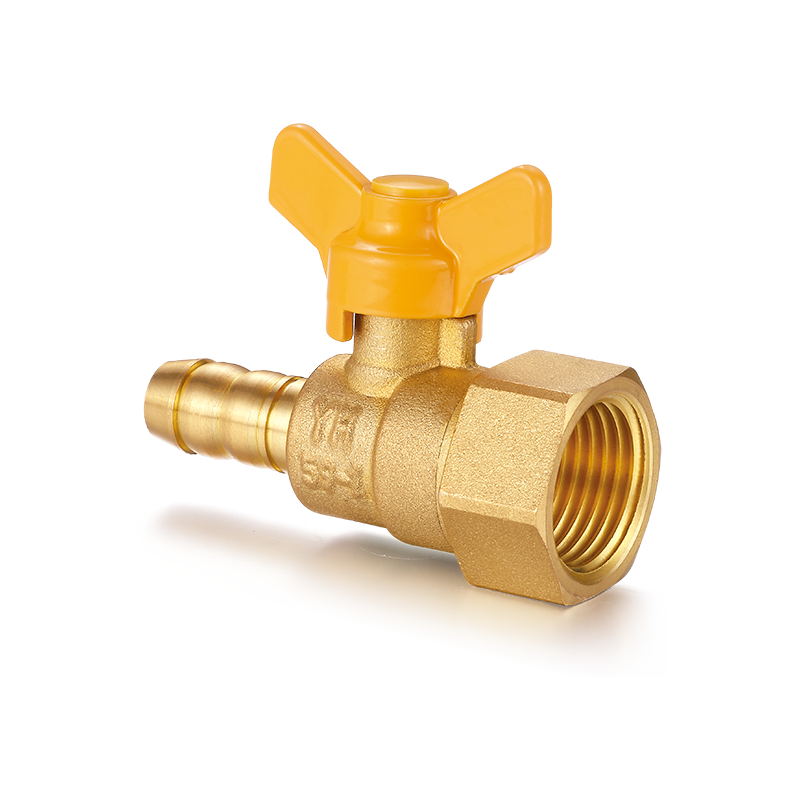
YH-207 Brass Ball Valve with Butterfly Handle(M/hose connector)
-
 View More
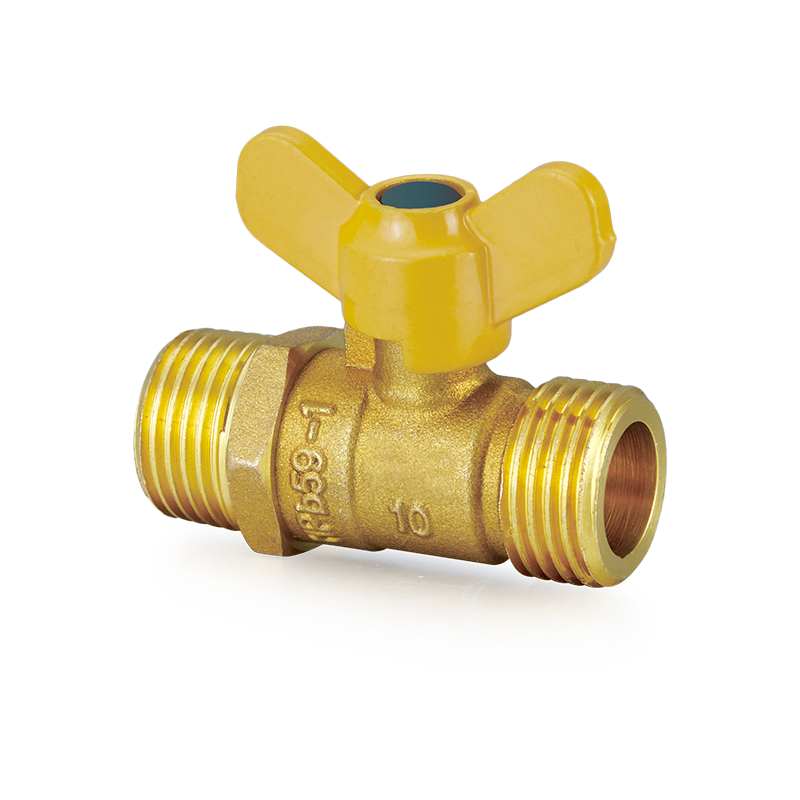
YH-206 Brass Ball Valve with Butterfly Handle(M/M)
-
 View More
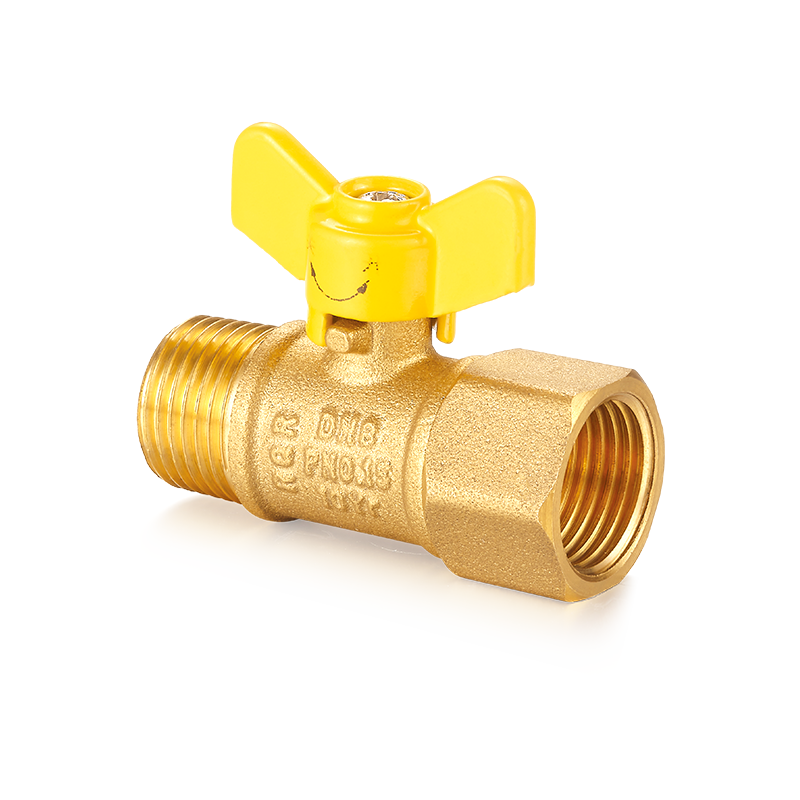
YH-205 Brass Ball Valve with Butterfly Handle(F/M)
-
 View More
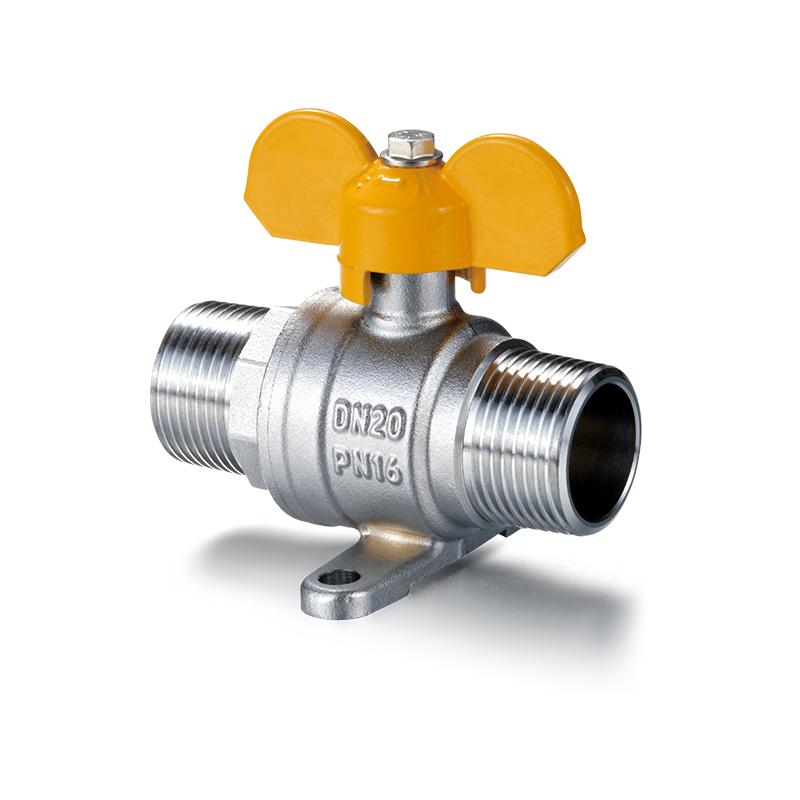
YH-214 Brass Ball Valve with Base& Butterfly Handle(M/M)
-
 View More
YH-221 Brass Ball Valve with Long Handle(M/M)
Related News
Contact Us
-

-
 +86-0574-63742169
 -
 No.104-128, Cizhang East Road, Zhangqi Town, Cixi City, Ningbo, Zhejiang Province, China


Message Us Now !
