


 English
  русский
  عربى
عربى  Español
Precision Pipe Fittings for Durable Gas, Water, and Fluid Control Systems
Content
- 1 The Role of Pipe Fittings in Modern Fluid Systems
- 2 Core Product Advantages
- 3 Material Reliability and Structural Integrity
- 4 Advanced Manufacturing Processes Behind Product Quality
- 5 Advantages Over Ordinary Competitor Products
- 6 Applications in Gas, Water, and Fluid Systems
- 7 Compatibility with Valves and Hardware Accessories
- 8 Design Considerations for Selecting Pipe Fittings
- 9 Quality Management and Corporate Manufacturing Strength
- 10 Customization and Project Support
- 11 Installation Benefits for Contractors and End Users
- 12 Long-Term Value and Total Cost Considerations
- 13 Sustainability Through Durability and Process Efficiency
- 14 Why Manufacturing Background Matters When Buying Pipe Fittings
- 15 Practical Buying Guidance
- 16 Q&A Section
- 16.1 What are pipe fittings used for?
- 16.2 Why is thread quality important in pipe fittings?
- 16.3 How do precision-machined pipe fittings differ from ordinary fittings?
- 16.4 Can these pipe fittings be used with valve products?
- 16.5 What manufacturing strengths support the quality of these fittings?
- 16.6 Why should buyers consider a manufacturer with valve expertise?
- 16.7 Are custom pipe fittings available?
- 16.8 How do high-quality pipe fittings reduce long-term costs?
- 17 Conclusion
- 18 References
- 19 Product: Pipe Fittings
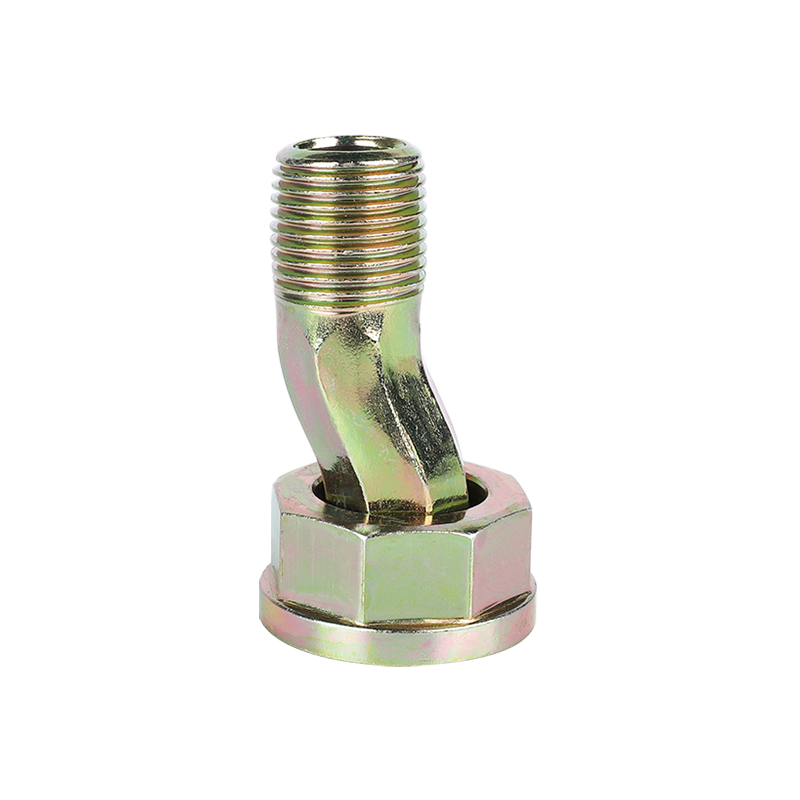
Pipe fittings are small components with a major responsibility: they connect, redirect, extend, reduce, seal, and organize piping systems that carry gas, water, and other fluids. In a reliable pipeline, every fitting must support stable pressure, accurate alignment, secure sealing, and long-term resistance to wear. A high-quality fitting is not simply an accessory; it is a safety-critical and performance-critical part of the entire fluid control structure.
The Pipe Fittings product category is especially important for projects that demand dependable hardware accessories and valve-related connections. Whether used with water supply valves, gas valves, fluid valves, threaded globe valves, forged steel valves, brass gas ball valves, or general pipeline assemblies, precision pipe fittings help ensure that each connection works as intended. Their value lies in consistent dimensions, clean thread formation, stable material performance, and compatibility with practical installation requirements.
Ningbo Yunhua Valve Co., Ltd. manufactures pipe fittings within a broader industrial system dedicated to gas and fluid valves, water supply valves, and hardware accessories. With a production base covering 20,000 square meters, professional automated precision machining workshops, assembly lines, and testing workshops, the company supports pipe fitting quality through integrated manufacturing capability. This combination of product knowledge, manufacturing scale, and process discipline allows the fittings to serve demanding applications with dependable performance.
The Role of Pipe Fittings in Modern Fluid Systems
Pipe fittings are used wherever pipelines need to change direction, branch into multiple paths, connect to equipment, transition between sizes, or terminate safely. In household water systems, they help maintain neat and efficient pipe routing. In gas supply systems, they support controlled distribution and secure sealing. In industrial fluid systems, they make equipment installation, maintenance, and replacement more practical. A pipeline without proper fittings would be difficult to install, difficult to service, and vulnerable to leakage or misalignment.
A fitting must perform several tasks at the same time. It must match pipe dimensions, engage threads or sealing surfaces correctly, tolerate internal pressure, resist corrosion according to the application environment, and remain stable under routine mechanical stress. In many systems, the fitting is repeatedly exposed to temperature changes, vibration, pressure fluctuation, and installation torque. When the fitting is poorly manufactured, the result may include leakage, thread damage, poor alignment, premature corrosion, or unsafe system behavior.
For this reason, pipe fitting quality should be evaluated beyond appearance. Smooth surfaces and clean edges are helpful, but the deeper value comes from machining accuracy, controlled dimensions, material consistency, and effective inspection. A fitting that looks acceptable but has inaccurate thread depth, uneven wall thickness, or insufficient sealing surface finish can create hidden risks. Precision manufacturing helps reduce these risks before the product reaches the installation site.
In valve-related systems, pipe fittings are even more important because they connect control components to the larger pipeline. A valve may be carefully designed, but if the fitting connected to it is weak or inaccurate, the whole assembly may underperform. Pipe fittings therefore support the performance of threaded globe valves, forged steel valves, brass gas ball valves, and other fluid control devices by creating stable and secure connections.
Core Product Advantages
The primary advantage of these pipe fittings is reliable connection performance. A fitting must make installation easier while helping maintain system safety after installation. By focusing on dimensional consistency, thread quality, and material stability, the product helps installers achieve firm connections with reduced risk of leakage. This is especially valuable for gas and fluid systems where secure sealing is essential.
Another advantage is application flexibility. Pipe fittings are used across water supply, gas transmission, general fluid control, machinery, hardware accessories, and building service systems. A well-designed fitting can be integrated with different pipeline layouts and related valve products. This versatility allows buyers to simplify procurement by sourcing fittings from a manufacturer that understands both hardware accessories and valve engineering.
The fittings also benefit from a manufacturing background that includes automated precision machining and automated assembly and testing equipment. Compared with suppliers that rely heavily on manual or inconsistent production methods, a manufacturer with advanced CNC machine tools and structured testing capability can provide more stable quality from batch to batch. This is important for customers who need repeat orders, project consistency, and dependable replacement parts.
Competitor products may sometimes compete mainly on low price, but low-cost fittings can create higher long-term costs if they cause rework, leakage, delayed installation, or equipment damage. The stronger value of precision pipe fittings is lifecycle reliability. When a fitting is accurately produced and properly inspected, it can reduce installation difficulty, maintenance frequency, and operational uncertainty.
| Product Aspect | Practical Benefit | Competitive Advantage |
|---|---|---|
| Precision machining | Improves dimensional consistency and thread accuracy | Supports stable assembly and reduces leakage risk |
| Controlled production workflow | Helps maintain repeatable quality across batches | More dependable than irregular manual production |
| Valve and hardware accessory experience | Improves compatibility with fluid control systems | One source for related fittings, valves, and accessories |
| Automated testing capability | Supports quality verification before delivery | Reduces uncertainty for buyers and installers |
| Scalable manufacturing capacity | Helps support bulk orders and long-term supply | Suitable for project procurement and distributor demand |
| Custom production support | Allows adaptation to project needs | Useful for specialized gas, water, and fluid applications |
Material Reliability and Structural Integrity
Material selection directly affects the performance of pipe fittings. In water supply systems, fittings must resist corrosion and preserve flow quality. In gas systems, fittings must maintain sealing reliability and mechanical stability. In industrial fluid systems, they may be exposed to varying pressures, installation environments, and service conditions. A dependable fitting begins with suitable raw material control and continues through accurate machining and inspection.
Pipe fittings may be produced for different connection types and installation requirements. Depending on project needs, they may be used with threaded connections, valve connections, branch connections, reducers, elbows, couplings, adapters, plugs, or other hardware forms. The essential requirement is that each fitting maintains the dimensional and mechanical characteristics needed for secure assembly.
Threaded fittings require special attention because thread geometry determines how well the fitting engages with the pipe or valve. Threads that are too shallow, too rough, poorly aligned, or inconsistently formed can cause weak engagement and sealing problems. Precision CNC machining helps produce cleaner, more consistent threads, reducing the risk of installation defects. Proper thread quality also helps reduce excessive torque during installation, protecting both the fitting and the connected pipe.
Structural integrity is equally important. A fitting should have sufficient wall strength, stable geometry, and smooth transition areas to handle pressure and mechanical stress. Sharp internal defects, uneven machining, or poor finishing can create stress points that weaken the component over time. A professional production system helps control these details through process planning, machining discipline, and inspection.
Advanced Manufacturing Processes Behind Product Quality
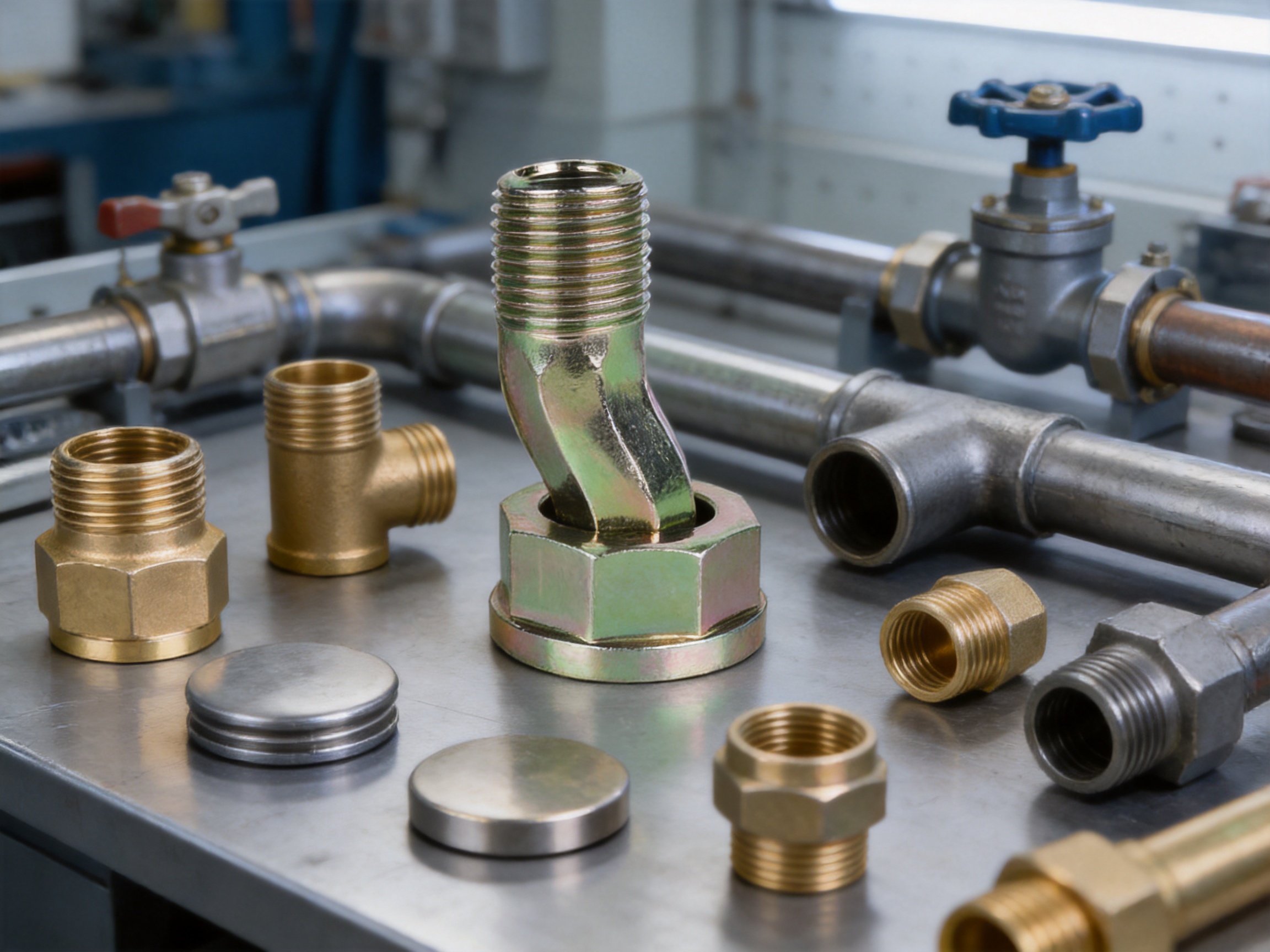
The strength of a pipe fitting depends not only on design but also on how it is manufactured. Ningbo Yunhua Valve Co., Ltd. has developed a production platform that includes a professional fully automated precision machining workshop, assembly line, and testing workshop. This integrated setup allows the company to control important manufacturing stages instead of depending solely on outsourced or fragmented processing.
Advanced domestic and international CNC machine tools are used to support precision machining. CNC machining is valuable because it improves repeatability. Once the machining parameters are established, parts can be produced with consistent dimensions and cleaner profiles. For pipe fittings, this is especially important in threaded areas, sealing faces, connection shoulders, and dimensional transitions. Consistent machining helps every fitting fit as expected during installation.
Automated production equipment also helps reduce human error. Manual processing can be effective when performed by skilled workers, but it is often more vulnerable to variation when order volume increases. Automation supports consistent feeding, cutting, shaping, and inspection steps. This helps create a stable product standard even when fulfilling large-volume orders.
The company’s testing workshop further strengthens the quality chain. Testing is not an optional extra in fluid control products; it is a necessary process for confirming that manufactured parts meet requirements. For pipe fittings, inspection may involve dimensional checking, thread verification, surface evaluation, and functional suitability checks according to relevant product requirements. This attention to testing helps reduce the risk of defective parts reaching customers.
Precision Machining for Consistent Fit
Precision machining is one of the most important advantages of these pipe fittings. A good fitting must match the pipe or valve connection accurately. If the dimensions are inconsistent, installers may encounter loose engagement, cross-threading, misalignment, or sealing difficulty. CNC machining helps ensure that connection areas are produced according to controlled specifications.
For threaded fittings, the machining process must create accurate pitch, depth, angle, and surface condition. When thread form is consistent, the fitting can be assembled more smoothly and can generate a more reliable seal when used with appropriate sealing methods. Precision machining also improves the appearance and tactile quality of the fitting, which can be important for professional installers and distributors evaluating product quality.
The use of precision machining also supports efficient installation. Installers value components that engage correctly the first time. When fittings require repeated adjustment, additional sealing attempts, or replacement due to poor machining, labor time increases. Reliable fittings reduce these problems and help projects stay on schedule.
Automated Assembly and Process Control
Although pipe fittings are often simpler than complete valve products, they still benefit from disciplined process control. The company’s experience in automated assembly lines for valve and hardware products contributes to better production organization. Controlled workflows help ensure that each operation is completed in the correct sequence and that parts are handled properly during production.
Process control includes material management, machining setup, tool maintenance, in-process inspection, cleaning, surface handling, packaging, and final verification. Each stage affects the final product. For example, worn cutting tools can reduce thread quality, poor cleaning can leave contaminants, and uncontrolled handling can damage sealing surfaces. A professional manufacturing system reduces these risks through standardized operating procedures.
This process discipline is a major difference between advanced manufacturers and low-end suppliers. A low-end supplier may produce parts that appear acceptable in small samples but fail to maintain consistency in bulk orders. A controlled production system is designed to keep quality stable across larger production runs.
Testing and Inspection for Dependable Delivery
Testing is essential for pipe fittings because many defects are not obvious at first glance. A fitting may look complete but still have dimensional deviations, thread imperfections, or surface flaws. Professional inspection helps identify these problems before shipment. This protects customers from installation delays and operational risks.
Inspection can include checking key dimensions, verifying threads, examining surfaces, and confirming that product batches meet relevant quality requirements. For fittings used in gas and fluid systems, this kind of verification is especially valuable. It gives buyers more confidence that the parts they receive are suitable for demanding installations.
The company’s testing capability is supported by its broader valve production experience. Because valves require strict attention to sealing, function, and pressure-related performance, the same quality mindset can be applied to pipe fittings. This creates an advantage over suppliers that treat fittings as simple commodity products.
Advantages Over Ordinary Competitor Products
Many pipe fittings on the market are sold as standard hardware items, but their quality can vary widely. Some products may have rough threads, inconsistent dimensions, poor surface treatment, weak packaging, or limited inspection. These issues may not be visible in a catalog, but they become apparent during installation or service. Precision pipe fittings from a manufacturer with advanced production equipment are designed to reduce these uncertainties.
One competitive advantage is production stability. The company has an annual production capacity of 2 million sets of valves and 10 million sets of hardware accessories. This scale reflects organized manufacturing resources and the ability to support repeat demand. For distributors, contractors, and OEM customers, supply reliability matters as much as individual product quality. A supplier that can maintain production capacity helps customers plan projects with fewer procurement risks.
Another advantage is technical alignment with valve products. Since the company specializes in gas and fluid valves, water supply valves, and hardware accessories, it understands how fittings interact with valve bodies, threads, sealing structures, and pipeline connections. This knowledge helps improve practical product design and manufacturing decisions. A fitting intended for valve systems should be produced by a manufacturer that understands valve performance requirements.
Compared with suppliers focused only on low-cost commodity fittings, this manufacturing approach emphasizes quality assurance, machining accuracy, and system compatibility. Buyers receive not only a part but also the benefit of process reliability. This can be especially important for projects where leakage, rework, or part failure would create safety concerns, warranty claims, or maintenance expenses.
Customer support and customization are also important competitive factors. Standard fittings are useful for common applications, but many projects need special sizes, connection types, materials, or packaging. A manufacturer with established production resources can respond more effectively to customized requirements. This makes the product suitable for distributors, project contractors, and industrial buyers looking for stable supply and adaptable service.
Applications in Gas, Water, and Fluid Systems
Pipe fittings are widely used in gas distribution systems, household water supply networks, commercial plumbing, industrial fluid control, equipment manufacturing, and maintenance operations. Their function may seem simple, but their performance influences the reliability of the entire system. A single weak connection can compromise a pipeline, while a well-made fitting helps keep the system secure and efficient.
In water supply applications, fittings are used to connect pipes to valves, meters, pumps, tanks, and distribution lines. They help route water around structural obstacles, branch lines to different outlets, and connect components of different sizes. A smooth internal transition can help maintain flow efficiency, while strong exterior machining supports easier installation.
In gas applications, secure sealing is the most important priority. Gas systems require fittings that can be tightened properly and remain stable after installation. Thread quality and material reliability are essential because leakage can create serious hazards. Pipe fittings produced under strict manufacturing control can help improve confidence in gas system assembly.
In industrial fluid applications, fittings may be exposed to frequent maintenance, pressure changes, or mechanical vibration. Durable fittings reduce downtime by supporting reliable connections and easier servicing. When fittings are integrated with valves such as threaded globe valves or brass gas ball valves, they help complete a controlled system capable of regulating flow, isolating sections, or connecting equipment safely.
Compatibility with Valves and Hardware Accessories
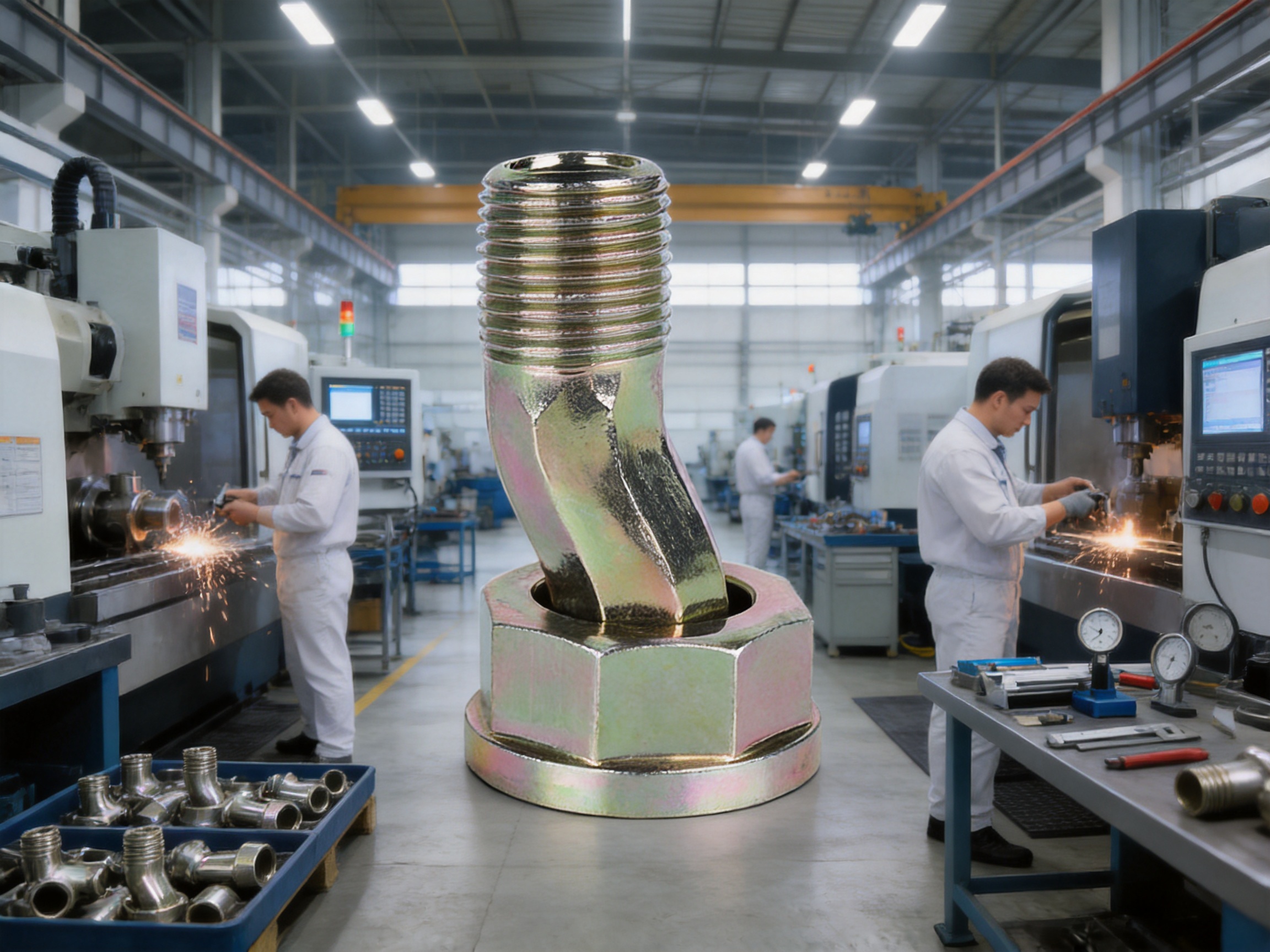
A pipe fitting rarely works alone. It is usually part of a larger system that includes pipes, valves, fasteners, brackets, meters, pumps, or control devices. Therefore, compatibility is a central product requirement. A fitting must connect correctly with the intended valve or pipe thread, align with installation space, and support the sealing method used in the system.
The company’s experience with threaded globe valves, forged steel valves, brass gas ball valves, water supply valves, and gas valves gives it a broader understanding of connection requirements. This experience helps ensure that fittings are designed and manufactured with practical system integration in mind. Buyers who source both fittings and related valves from a manufacturer with fluid control expertise can reduce compatibility issues.
Pipe fittings also contribute to maintenance convenience. A properly selected fitting can make it easier to remove a valve, replace a section of pipe, or add a branch connection. In commercial and industrial settings, maintenance time is a cost factor. Fittings that support clear organization and reliable disassembly can improve long-term system management.
For hardware accessory distributors, consistent fitting quality improves customer satisfaction. Installers often remember whether a fitting threads smoothly, seals reliably, and arrives cleanly packaged. A dependable product line helps distributors build trust with contractors and maintenance professionals.
Design Considerations for Selecting Pipe Fittings
Selecting the right pipe fitting requires careful attention to system requirements. Buyers should consider the application medium, operating pressure, connection type, pipe size, material compatibility, installation environment, sealing method, and maintenance needs. The lowest-cost fitting is not always the most economical choice if it increases installation risk or replacement frequency.
Connection type is one of the first factors to confirm. Threaded connections must match the pipe and valve specifications. Size transitions must be accurate when reducing or expanding line diameter. Elbows and tees must be chosen according to flow direction and pipeline layout. Caps, plugs, couplings, and adapters must match the purpose of the connection.
Material compatibility should also be evaluated. A fitting used in water supply service may face different corrosion risks than one used in gas or industrial fluid service. Environmental conditions such as humidity, outdoor exposure, chemical presence, and temperature variation may influence material selection. A knowledgeable supplier can help customers select fittings that suit practical working conditions.
Installation space is another important factor. Some pipe systems are installed in tight areas where wrench clearance is limited. A fitting with accurate dimensions and clean external geometry can make installation easier. When fittings are poorly formed, installers may struggle to grip, align, or tighten them properly.
Long-term maintenance should be considered during product selection. Systems that require periodic inspection or component replacement may benefit from fittings that allow convenient assembly and disassembly. In contrast, systems intended for long-term fixed operation may prioritize maximum sealing stability and corrosion resistance.
Quality Management and Corporate Manufacturing Strength
Ningbo Yunhua Valve Co., Ltd. has built its manufacturing strength over more than ten years of development. During this period, the company has cultivated a distinct corporate culture, improved its management system, and established a professional management team. These organizational strengths support product quality because manufacturing excellence depends on both equipment and management discipline.
The company’s 20,000-square-meter facility provides the physical foundation for organized production. A dedicated precision machining workshop allows technical control over key product dimensions. An assembly line supports efficient production flow, while a testing workshop reinforces quality verification. Together, these areas create a complete production system rather than a scattered processing model.
Advanced CNC machine tools and professional automated assembly and testing equipment help ensure that product quality meets relevant standards. In pipe fitting manufacturing, this means that critical features can be controlled more effectively. The result is a product that offers consistency, reliability, and practical value for gas, water, and fluid systems.
The company’s annual production capacity also demonstrates supply capability. With the ability to produce 2 million sets of valves and 10 million sets of hardware accessories annually, the company can serve both regular orders and larger project demands. This is important for buyers who need dependable supply continuity.
Manufacturing strength is not only about producing more parts; it is about producing more parts with consistent quality. Large capacity without quality control can create large-scale inconsistency. The company’s combination of production scale, automated equipment, and testing capability supports both quantity and reliability.
Customization and Project Support
Different customers may require different pipe fitting solutions. Some need standard fittings for general distribution. Others need custom sizes, specific connection forms, particular materials, special packaging, or fittings designed to match a larger valve assembly. Customization capability is therefore an important part of product value.
A manufacturer with strong machining resources can respond more effectively to customized fitting requirements. CNC equipment allows controlled production of specific dimensions and geometries. Professional management helps coordinate drawings, samples, production scheduling, inspection, and delivery. This is useful for OEM customers, distributors, and engineering projects.
Customization also helps improve system integration. When fittings are produced to match related valves or hardware accessories, the complete assembly can perform more reliably. This is particularly valuable in gas and fluid systems where connection accuracy and sealing performance are essential.
Project support may include product selection guidance, production planning, quality confirmation, and packaging coordination. Buyers often need more than a catalog item; they need assurance that the product will work in their real application. A manufacturer with valve and hardware accessory expertise can provide more practical support than a general trading supplier.
Installation Benefits for Contractors and End Users
For contractors, the main benefits of high-quality pipe fittings are faster installation, fewer defects, and reduced callbacks. A fitting that threads smoothly, aligns correctly, and seals reliably saves time on site. It also reduces the chance that installers will need to replace parts, apply excessive force, or troubleshoot unexpected leakage.
End users benefit from system stability. A secure fitting helps maintain normal operation and reduces the likelihood of water loss, gas leakage, or fluid system downtime. In residential settings, this means safer and more reliable daily service. In commercial and industrial settings, it means reduced maintenance disruption and better operational control.
Clean machining also improves handling. Rough edges, inconsistent shapes, or damaged threads can slow installation and increase injury or damage risk. A carefully manufactured fitting supports a more professional installation experience. This is one reason experienced installers often prefer fittings from manufacturers with proven production standards.
Reliable fittings also help protect connected equipment. When a fitting is poorly aligned or difficult to tighten, installers may apply excessive torque. This can damage valve bodies, pipe threads, or sealing areas. Precision fittings reduce this risk by supporting proper engagement and stable assembly.
Long-Term Value and Total Cost Considerations
The purchase price of a pipe fitting is only one part of its real cost. A cheaper fitting can become expensive if it causes installation delays, leakage, maintenance visits, warranty claims, or system damage. Long-term value is determined by the total cost of ownership, not the unit price alone.
High-quality fittings can reduce hidden costs. Accurate threads reduce assembly problems. Stable materials reduce premature failure. Good inspection reduces defective deliveries. Consistent dimensions reduce project uncertainty. These advantages may not always be visible at first purchase, but they become significant during installation and operation.
For distributors, consistent quality can reduce returns and complaints. For contractors, it can improve job efficiency and reputation. For industrial users, it can reduce downtime and maintenance expense. For OEM customers, it can support more reliable final products. In each case, the fitting’s value extends beyond the part itself.
This is why pipe fittings should be evaluated as engineered components rather than ordinary accessories. Their role in sealing, connection, and system reliability makes quality investment worthwhile. A well-made fitting protects the pipeline, the valve, the installer’s time, and the end user’s safety.
Sustainability Through Durability and Process Efficiency
Sustainability in pipe fittings is closely related to durability, efficient production, and reduced waste. A fitting that lasts longer helps reduce replacement frequency and material consumption. A fitting that installs correctly the first time reduces rework and discarded parts. A manufacturing system that uses automated machining and organized inspection can also reduce process waste by improving consistency.
Durable products are often more sustainable than low-quality alternatives because they avoid premature failure. When fittings leak or corrode early, they must be replaced, generating waste and additional transportation, labor, and material use. Reliable fittings help extend service life and support responsible resource use.
Process efficiency also contributes to sustainability. Automated machining can reduce unnecessary variation, while controlled inspection helps identify issues before they become larger problems. Organized production planning can improve material utilization and delivery efficiency. These manufacturing habits support both business performance and environmental responsibility.
In fluid control systems, sustainability also includes preventing leakage. Water leakage wastes resources, while gas leakage can create safety and environmental concerns. Pipe fittings that support secure sealing help reduce these risks and contribute to safer, more efficient infrastructure.
Why Manufacturing Background Matters When Buying Pipe Fittings
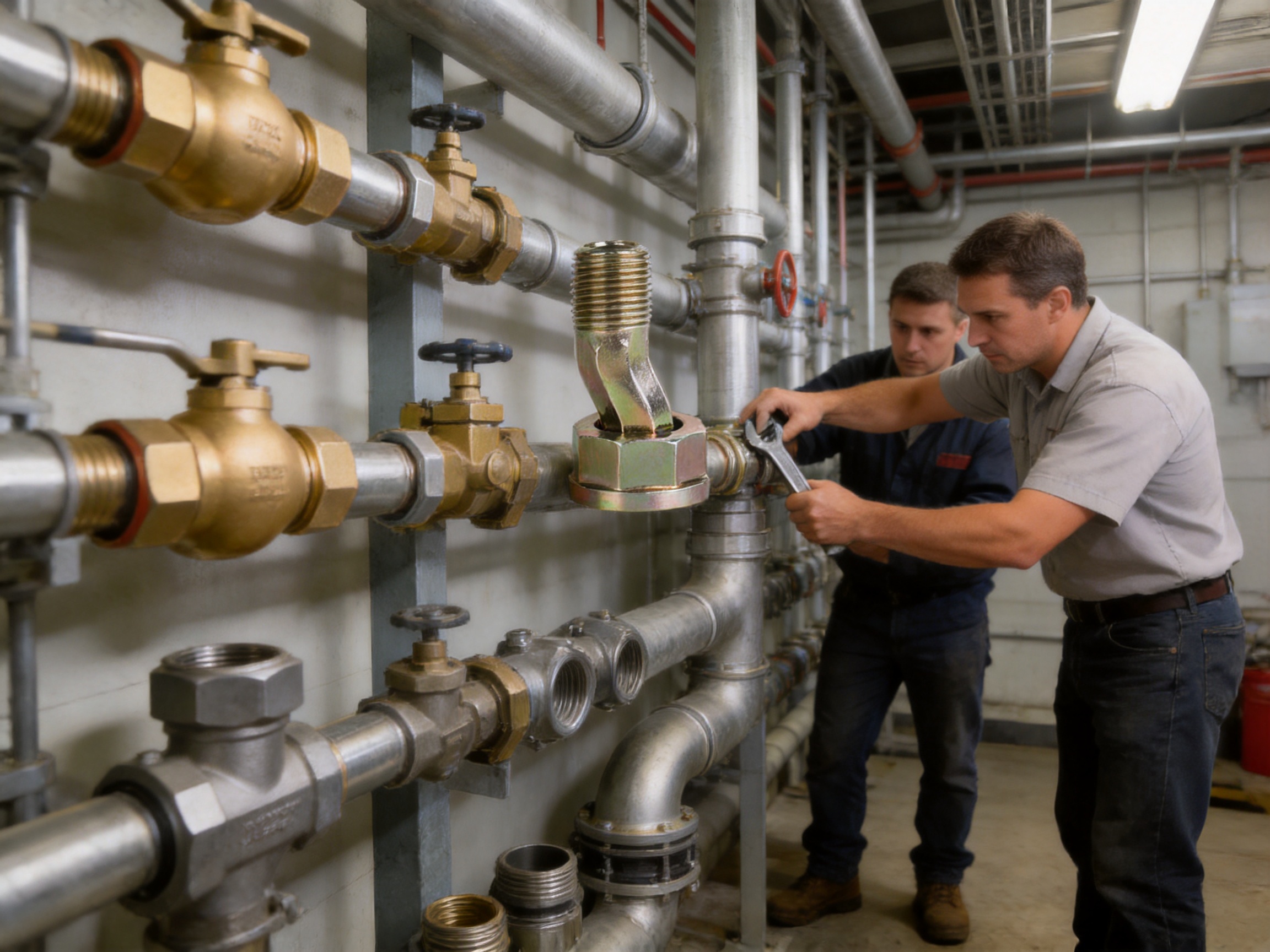
When buyers compare pipe fittings, they should look beyond the product photo. The manufacturer’s background provides important clues about quality reliability. A company that specializes in valves and fluid control products is more likely to understand the importance of sealing, pressure stability, connection accuracy, and inspection. This expertise directly benefits pipe fitting production.
Ningbo Yunhua Valve Co., Ltd. operates with a mission to build a safe fluid ecosystem with high-quality valves. Although pipe fittings are not valves, they are closely connected to this mission because they support the safe movement and control of fluids. A fluid control system is only as reliable as its weakest connection, and fittings are among the most common connection points.
The company’s vision to become a leading enterprise in the global fluid control industry reflects a focus on long-term development rather than short-term commodity supply. This is important for customers seeking stable cooperation. A supplier with a clear industrial direction is more likely to invest in equipment, quality systems, and product improvement.
Buyers should also consider whether a supplier can support growth. Small or inconsistent suppliers may struggle with bulk demand, urgent delivery, or repeat quality. A company with significant annual production capacity and a professional management team is better positioned to support distributors and project customers over time.
Practical Buying Guidance
Before purchasing pipe fittings, customers should define the working medium, pipe size, thread or connection standard, pressure expectations, environmental conditions, and required quantity. Providing clear specifications helps the manufacturer recommend or produce suitable fittings. If customization is required, drawings, samples, or technical descriptions should be prepared.
Customers should also ask about inspection procedures. Reliable suppliers should be able to explain how dimensions, threads, surfaces, and packaging are controlled. This information helps buyers distinguish between professional manufacturers and simple resellers.
Packaging is another practical consideration. Pipe fittings must be protected during transport because thread damage or surface impact can affect installation. A supplier with organized production and delivery processes can provide suitable packaging for domestic or international shipment.
For long-term cooperation, buyers may begin with sample evaluation before placing larger orders. Samples can be inspected for thread engagement, surface finish, dimensional accuracy, and compatibility with existing components. Once approved, repeat production should maintain the same quality level through controlled manufacturing and testing.
Q&A Section
What are pipe fittings used for?
Pipe fittings are used to connect, redirect, branch, reduce, extend, or terminate piping systems. They are essential in water supply systems, gas systems, industrial fluid control, valve assemblies, and general hardware applications.
Why is thread quality important in pipe fittings?
Thread quality affects how securely the fitting connects to a pipe or valve. Accurate, clean threads support smoother installation, better alignment, and improved sealing reliability. Poor threads can cause leakage, cross-threading, or weak engagement.
How do precision-machined pipe fittings differ from ordinary fittings?
Precision-machined fittings are produced with tighter control over dimensions, thread geometry, and surface quality. Compared with ordinary low-cost fittings, they are more consistent, easier to install, and more dependable in demanding gas, water, and fluid systems.
Can these pipe fittings be used with valve products?
Yes. Pipe fittings are commonly used with valve products such as threaded globe valves, forged steel valves, brass gas ball valves, water supply valves, and gas valves. Proper compatibility should be confirmed based on size, thread type, material, and application conditions.
What manufacturing strengths support the quality of these fittings?
The fittings benefit from automated precision machining, advanced CNC machine tools, organized assembly lines, professional testing workshops, and a management system developed through years of valve and hardware accessory manufacturing experience.
Why should buyers consider a manufacturer with valve expertise?
Valve expertise is valuable because valves and fittings share important requirements, including sealing reliability, connection accuracy, pressure-related performance, and material stability. A manufacturer experienced in fluid control systems can better understand the practical demands placed on fittings.
Are custom pipe fittings available?
Custom pipe fittings may be supported according to project requirements. Customers can provide specifications, drawings, samples, or application details so the manufacturer can evaluate suitable materials, dimensions, connections, and production feasibility.
How do high-quality pipe fittings reduce long-term costs?
High-quality fittings reduce hidden costs by lowering the risk of leakage, installation delays, maintenance visits, replacement needs, and system downtime. Their long-term value often exceeds that of cheaper fittings with inconsistent quality.
Conclusion
Pipe fittings are essential components in reliable gas, water, and fluid control systems. Their performance affects sealing, installation efficiency, maintenance convenience, and long-term system safety. A well-made fitting provides more than a simple connection; it supports the stability of the entire pipeline.
The Pipe Fittings product line benefits from precision machining, controlled production, testing capability, and a manufacturing background rooted in valves and hardware accessories. These strengths help the product stand apart from ordinary competitor fittings that may rely on inconsistent manual processing or limited inspection.
Ningbo Yunhua Valve Co., Ltd. supports pipe fitting quality through advanced CNC machine tools, automated assembly and testing equipment, a 20,000-square-meter production base, and substantial annual production capacity. Its experience in gas and fluid valves, water supply valves, and hardware accessories provides a strong foundation for producing fittings that meet practical market needs.
For buyers seeking dependable fittings for gas, water, valve, and fluid applications, product quality should be judged by machining accuracy, material suitability, inspection discipline, supplier reliability, and long-term value. Precision pipe fittings manufactured under a professional quality system can help reduce leakage risk, improve installation efficiency, and support safer fluid control infrastructure.
References
Crane Co. Flow of Fluids Through Valves, Fittings, and Pipe. Technical Paper No. 410.
American Society of Mechanical Engineers. ASME B16 Series Standards for Pipe Flanges, Fittings, Valves, and Related Components.
International Organization for Standardization. ISO Standards for Pipe Threads, Metallic Materials, and Quality Management Systems.
American Petroleum Institute. Recommended Practices for Valve and Piping Component Quality in Fluid Service.
Industrial Press. Machinery’s Handbook: Thread Forms, Fits, Materials, and Machining Practices.
McGraw-Hill Education. Piping Handbook: Design, Construction, and Maintenance of Piping Systems.
Product: Pipe Fittings

Related Products
-
 View More
-
 View More
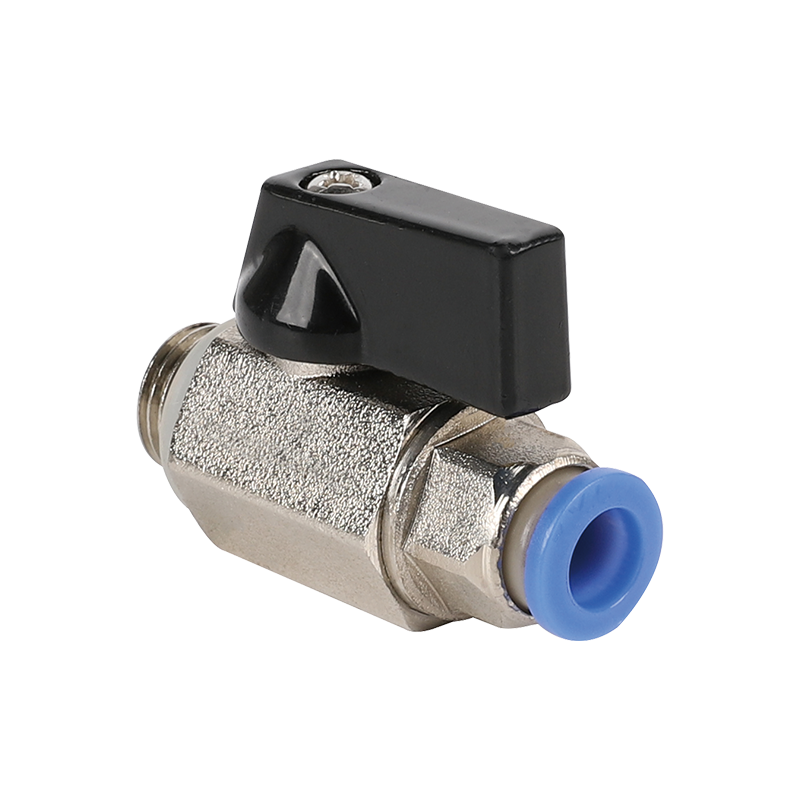
MINI-2 Mini Short-Handle Ball Valve(M/M)
-
 View More
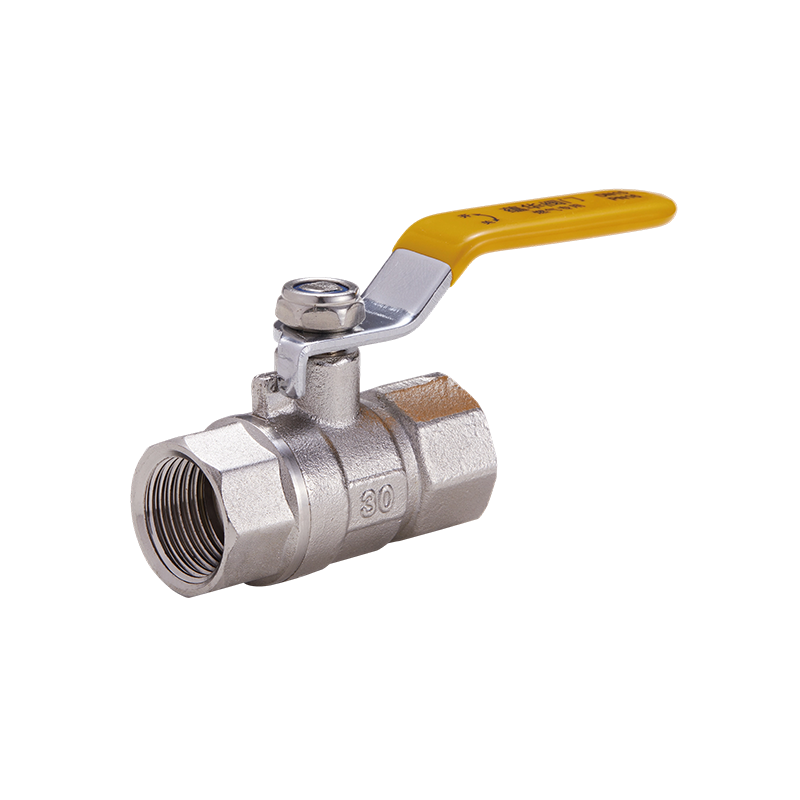
YH-2210 Forged Steel Ball Valve with Long Handle (F/F)
-
 View More
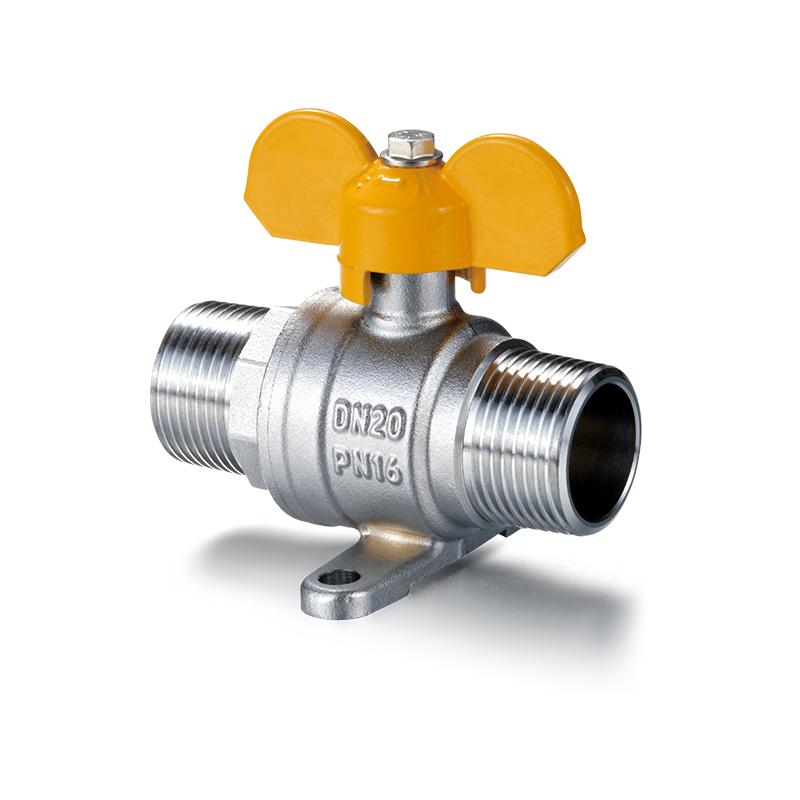
YH-214 Brass Ball Valve with Base& Butterfly Handle(M/M)
-
 View More
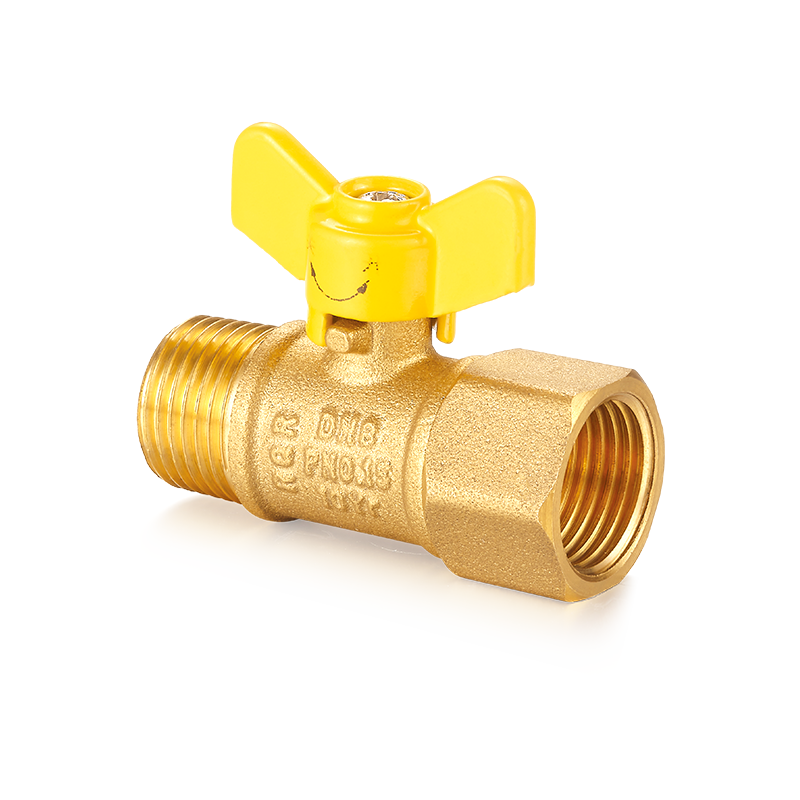
YH-205 Brass Ball Valve with Butterfly Handle(F/M)
-
 View More
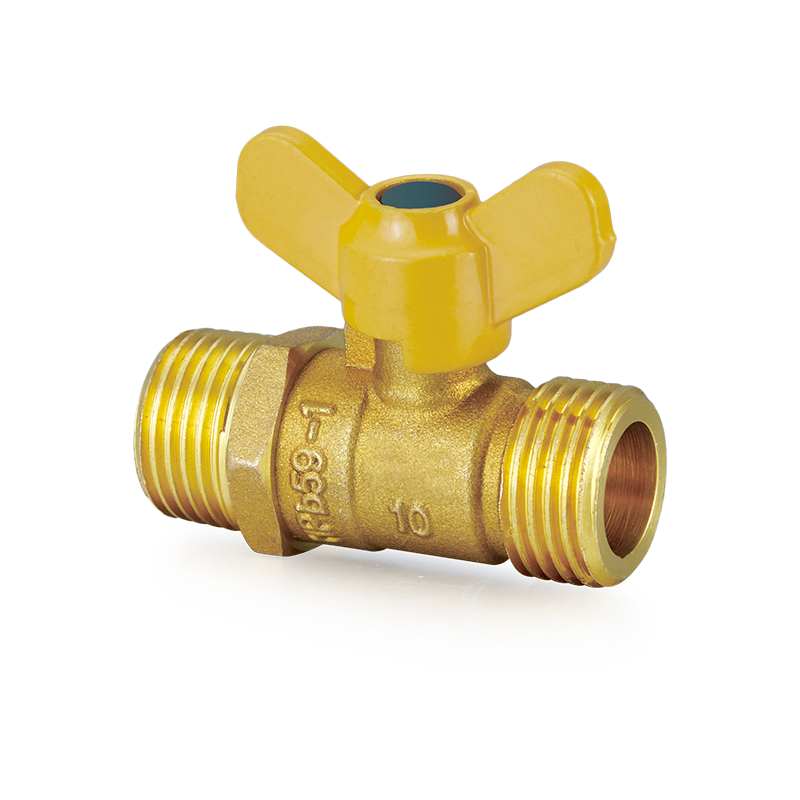
YH-206 Brass Ball Valve with Butterfly Handle(M/M)
Related News
Contact Us
-

-
 +86-0574-63742169
 -
 No.104-128, Cizhang East Road, Zhangqi Town, Cixi City, Ningbo, Zhejiang Province, China


Message Us Now !
