


 English
  русский
  عربى
عربى  Español
Brass Long-Handle Female Thread Ball Valve for Reliable Gas and Water Control
Content
- 1 Product Overview and Core Design Concept
- 2 Why the Long Handle Matters
- 3 Female-to-Female Threaded Connection for Easy Integration
- 4 Pressure, Temperature, and Medium Compatibility
- 5 Technical Specification Table
- 6 Forged Brass Body and Structural Reliability
- 7 Sealing System and Zero-Leak Performance
- 8 Advantages Over Common Competitor Valves
- 9 Advanced Manufacturing Processes Behind Product Quality
- 10 Quality Management and Production Strength
- 11 Application Scenarios
- 12 Installation Considerations
- 13 Operation and Maintenance Guidance
- 14 Selection Guide for Buyers and Engineers
- 15 How the Product Supports Safer Fluid Systems
- 16 Economic Value and Lifecycle Benefits
- 17 Q&A Section
- 17.1 What is the main purpose of this brass long-handle ball valve?
- 17.2 Why is the long handle better than a short handle?
- 17.3 What does F/F mean in the valve description?
- 17.4 What pressure rating does the valve support?
- 17.5 What media can the valve handle?
- 17.6 What temperature range is suitable for this valve?
- 17.7 Which thread standards are available?
- 17.8 Why is forged brass an advantage?
- 17.9 What role do PTFE seats play?
- 17.10 Can the valve be used for flow regulation?
- 17.11 What makes the manufacturer’s production capability important?
- 18 Conclusion
- 19 References
- 20 Product: YH-201 Brass Ball Valve with Long Handle(F/F)
In modern fluid control systems, a valve is more than a simple shutoff component. It is a safety device, a maintenance point, a pressure boundary, and a decisive factor in the long-term reliability of a pipeline. The brass long-handle female thread ball valve represented by the YH-201 design is engineered for dependable on-off control in water, gas, non-corrosive fluid, HVAC, residential, commercial, and light industrial applications. With a forged brass body, a long lever handle, full female threaded ends, a 1.6 MPa nominal pressure rating, and PTFE sealing elements, this valve is built to deliver smooth operation, stable sealing, easy installation, and durable service in demanding everyday environments.
The key value of this product lies in its practical engineering balance. It is compact enough for common pipeline layouts, strong enough for medium-pressure service, simple enough for installers to mount quickly, and robust enough to resist repeated operation over time. Its extended lever handle reduces operating effort, making it especially useful in applications where frequent opening and closing are required or where the valve is installed in a position that is difficult to reach. Compared with many standard short-handle valves, the long-handle design improves control comfort and reduces hand force, helping technicians operate the valve more confidently and safely.
Another major advantage is the female-to-female threaded interface. Both ends of the valve are designed with internal threads, allowing direct connection with male-threaded pipes, fittings, gauges, hoses, and system accessories. This configuration simplifies pipeline extension, retrofitting, maintenance replacement, and modular system integration. Available thread options such as G, Rc, and NPT make the valve adaptable to different regional standards and project requirements. Sizes from 1/2 inch through 2 inches allow the same product family to cover multiple flow demands, from small domestic branches to larger commercial distribution lines.
Ningbo Yunhua Valve Co., Ltd. supports this product with strong manufacturing capability, including precision machining, automated assembly, testing workshops, and advanced CNC equipment. The company focuses on gas and fluid valves, water supply valves, and hardware accessories, combining specialized production experience with systematic quality control. A production environment covering 20,000 square meters, an annual capacity reaching millions of valve sets, and dedicated testing systems provide the foundation for stable batch quality. This manufacturing strength gives the product an important advantage over competitors that rely on inconsistent machining, less controlled assembly, or limited inspection procedures.
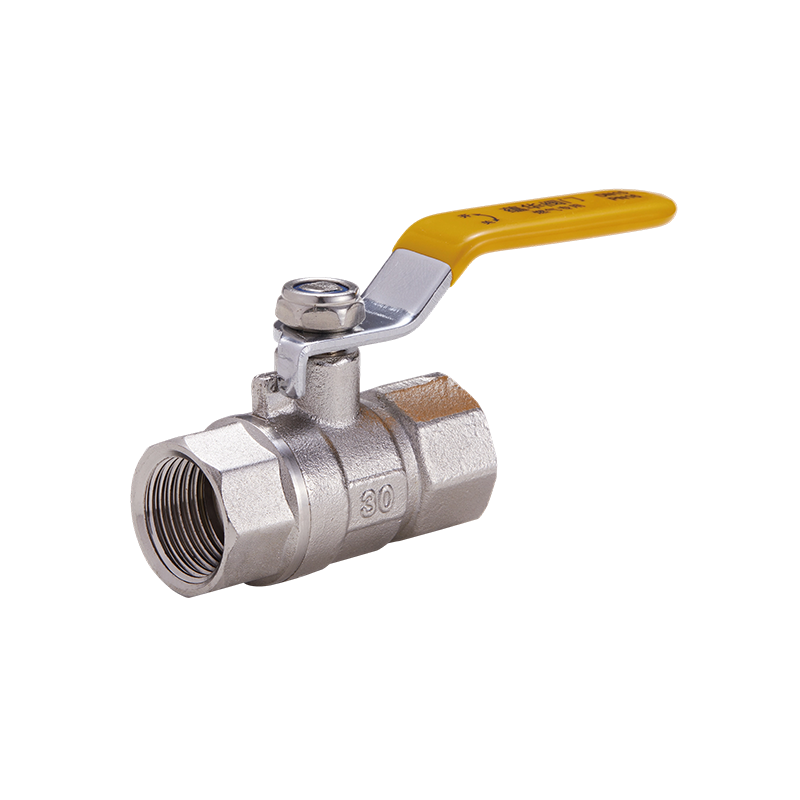
YH-201 Brass Ball Valve with Long Handle(F/F)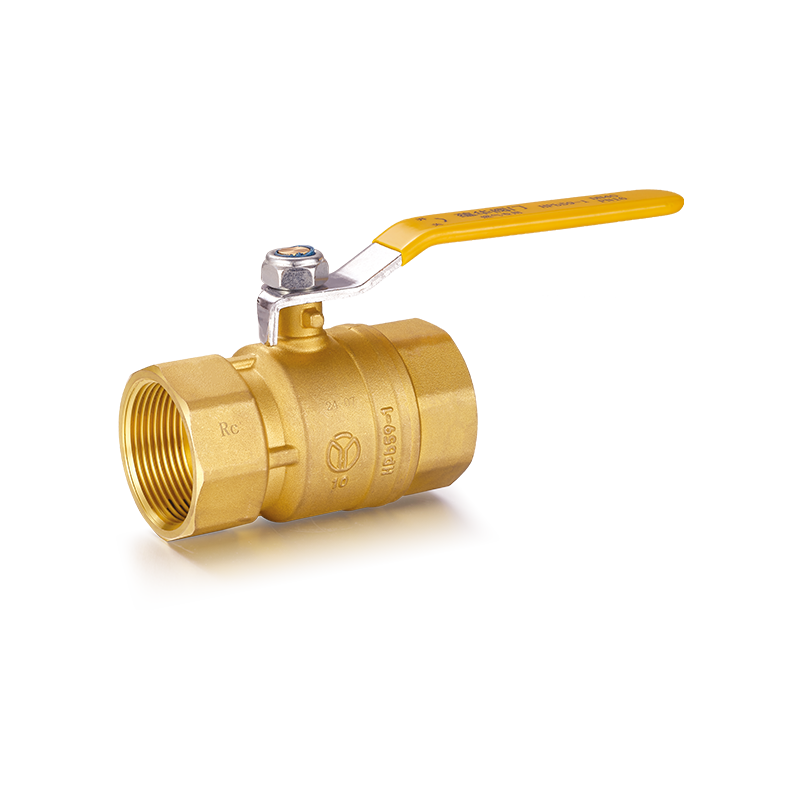
Product Overview and Core Design Concept
The YH-201 brass ball valve with long handle is a straight-through shutoff valve designed for reliable open and closed positions. Its ball mechanism rotates a quarter turn, making operation fast and intuitive. When the bore in the ball aligns with the pipeline, the medium flows through the valve. When the handle is turned ninety degrees, the ball rotates perpendicular to the pipeline and shuts off flow. This simple motion is one of the reasons ball valves are widely used in gas, water, and non-corrosive fluid systems.
The product belongs to the category of brass long-handle ball valves and is built around four core engineering advantages: reduced operating torque, pressure-resistant brass construction, standardized threaded connection, and corrosion-resistant sealing. Each of these features addresses a common challenge in pipeline systems. Users want a valve that can be operated without excessive force, withstand normal working pressure, connect easily to existing pipework, and remain leak-tight even after long-term use. This valve is specifically designed to meet those requirements.
The nominal pressure rating of 1.6 MPa makes it suitable for many medium-pressure systems. In practical terms, this supports common service conditions in residential plumbing, commercial water distribution, HVAC pipework, and gas or non-corrosive fluid lines that operate within the specified range. The working temperature range of minus 20 degrees Celsius to below 80 degrees Celsius further broadens its application field. It can be used in cold-water systems, warm-water systems, indoor gas networks, and general utility pipelines, provided that the selected medium is compatible with brass and PTFE.
The body is made of forged brass, a material valued for mechanical strength, machinability, corrosion resistance in many water and gas environments, and long service life. Forging helps create a dense metal structure, reducing the risk of internal defects that may occur in lower-quality cast components. This contributes to pressure resistance and durability. For pipeline users, a forged brass body means confidence: the valve can handle installation stress, repeated operation, and sustained pressure better than many cheaply made alternatives.
The valve seat and stem sealing system use PTFE, a material known for low friction, chemical resistance, and stable sealing behavior. In a ball valve, the relationship between the polished ball and the seat is critical. A good seat must hold the ball securely enough to prevent leakage, but also allow smooth rotation. PTFE is widely used because it provides this balance effectively. Its low-friction surface supports easy operation, while its chemical resistance helps maintain sealing integrity in water, gas, and compatible non-corrosive fluids.
Why the Long Handle Matters
At first glance, the handle may seem like a minor part of a ball valve. In practice, it has a major impact on user experience, safety, and maintenance efficiency. The long lever handle on this brass ball valve provides greater mechanical advantage than a shorter handle. This means the user needs less force to generate the torque required to rotate the valve stem and ball. According to the product design information, the long handle can reduce operating torque by around 30 percent, making opening and closing easier.
This advantage becomes especially important in real-world installations. Valves are often installed in corners, ceiling spaces, wall boxes, equipment rooms, underground utility areas, and other locations where the operator cannot stand in an ideal position. A short handle may require awkward hand posture or excessive force. A long handle provides better leverage, allowing a technician to operate the valve with more control. This can reduce fatigue during repeated operations and lower the chance of incomplete opening or closing.
Long-handle operation is also helpful when the valve has not been moved for a period of time. In many pipeline systems, shutoff valves remain open or closed for months or years before being operated during maintenance. Over time, deposits, pressure load, or environmental factors may increase starting torque. A longer handle gives the operator additional leverage at the moment of initial movement. This can be the difference between a smooth service action and a difficult, tool-assisted operation that risks damaging the handle or stem.
Compared with competitor valves that use thin, short, or weak handles, this extended lever design improves reliability in daily use. A valve that is technically capable of sealing but difficult to operate can become a maintenance problem. Operators may avoid using it, apply excessive force, or fail to close it fully in emergencies. The long-handle design addresses this by improving usability. In fluid control, usability is not merely comfort; it directly supports safety and system control.
Female-to-Female Threaded Connection for Easy Integration
The full female thread configuration is one of the most practical features of this valve. With internal threads on both ends, the valve can be installed directly between male-threaded pipe sections or fittings. This is particularly useful in pipeline extension, valve replacement, manifold assembly, and equipment connection. Installers can fit the valve without specialized welding, flanging, or complex adapters when the pipeline thread type and size are properly matched.
Threaded connections are widely used because they are economical, serviceable, and compact. In residential and commercial plumbing, they allow quick assembly and disassembly. In gas systems, threaded brass valves are commonly used where standards permit and where sealing methods are properly applied. In HVAC and industrial utility lines, threaded valves are valued for branch isolation and equipment maintenance points. The F/F interface makes the product a flexible component for many of these installations.
The availability of G, Rc, and NPT threads gives the valve an advantage in international supply and project matching. Different regions and industries use different thread standards. G threads are common in many BSPP-related systems, Rc threads correspond to tapered internal pipe thread requirements, and NPT is widely used in North American systems and many international industrial installations. By supporting multiple thread forms, the product can serve a broader customer base and reduce the need for redesign in export projects.
Compared with valves offered in only one thread standard, this adaptability reduces procurement complexity. Distributors can match local markets more effectively. Project engineers can specify the thread type required by their piping system. Installers can avoid unreliable improvised connections that may compromise sealing. The result is faster installation, cleaner system design, and better long-term leak prevention.
Pressure, Temperature, and Medium Compatibility
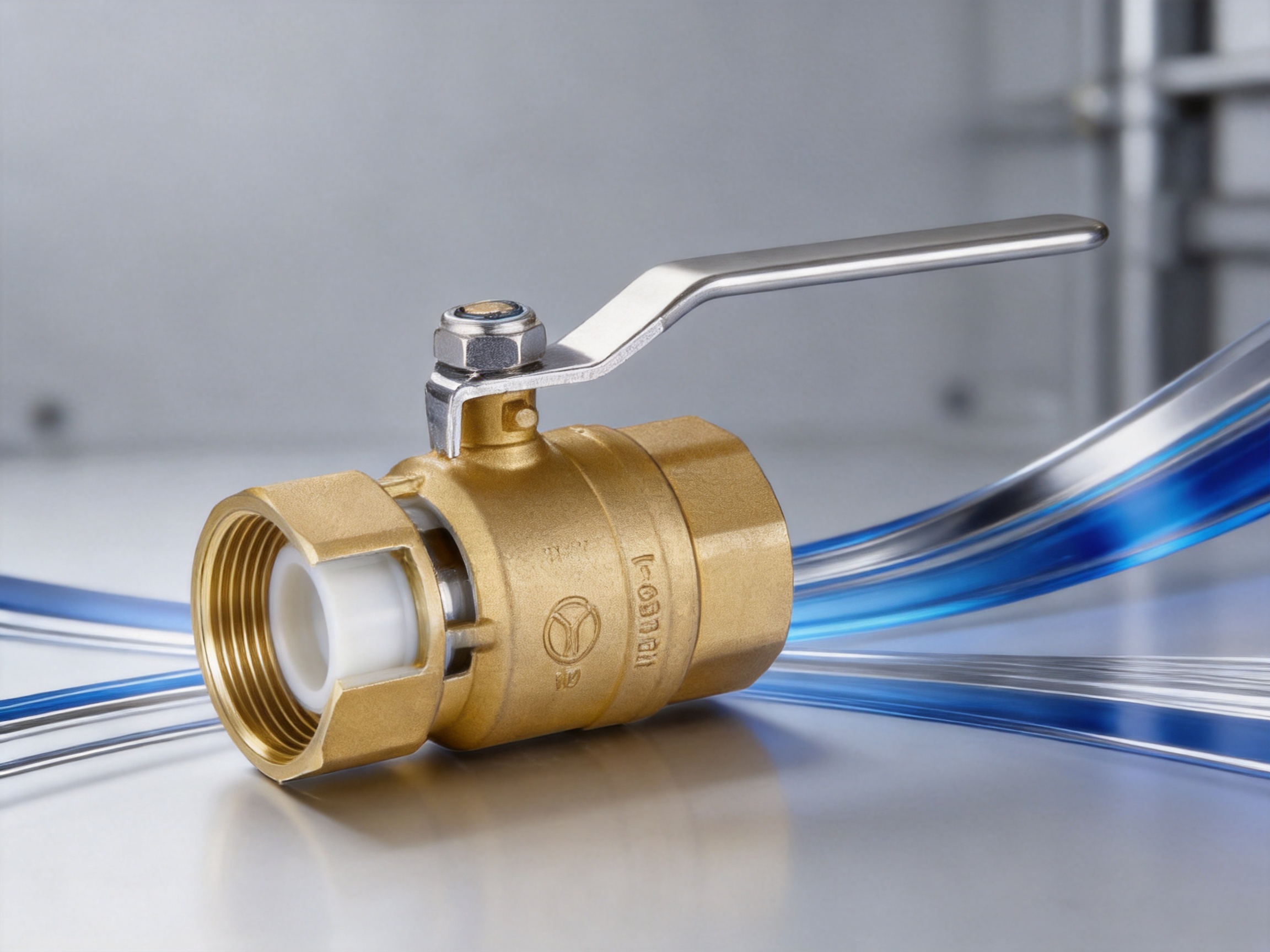
The nominal pressure rating of 1.6 MPa positions this brass ball valve for medium-pressure service. For many water, gas, and utility fluid applications, this rating provides sufficient margin when the system is correctly designed and operated. Pressure capacity is not only about body strength; it also depends on thread quality, sealing integrity, seat structure, material compatibility, and manufacturing consistency. The combination of forged brass body and PTFE sealing supports stable performance under the stated operating conditions.
The working medium includes water, non-corrosive fluids, and gas. This range makes the valve suitable for building services, residential utility lines, commercial pipeline networks, HVAC branch lines, and certain light industrial processes. However, as with any valve, compatibility must be checked before use. Strongly corrosive chemicals, aggressive industrial solvents, abrasive slurries, or fluids outside the temperature range may require special valve materials or sealing systems. The product is optimized for common non-corrosive applications rather than highly aggressive media.
The working temperature range from minus 20 degrees Celsius to below 80 degrees Celsius is well aligned with many building and utility systems. It supports cold environments, chilled-water service, indoor water distribution, gas systems, and warm-fluid pipelines. PTFE seats maintain low-friction operation across a broad temperature range, while brass provides stable mechanical behavior in typical operating conditions. This makes the product dependable in environments where temperature changes occur but remain within the specified limits.
When compared with lower-grade valves that may not clearly specify pressure, temperature, or medium limitations, this product provides users with defined operating boundaries. Clear specifications help engineers and buyers make safer choices. A valve should never be selected only by size; pressure, temperature, medium, thread form, and installation environment are all critical. The product’s technical data enables more professional selection and reduces the risk of incorrect application.
Technical Specification Table
The following table summarizes the available nominal sizes and key dimensional data. These values help engineers, distributors, and installers understand installation space requirements and select the appropriate valve size for a given pipeline.
| Specification | L | D | A | B |
| DN15 | 55 | 12 | 97 | 42 |
| DN20 | 66 | 18 | 83 | 46 |
| DN25 | 75.5 | 22 | 112 | 56 |
| DN32 | 75.5 | 24 | 128 | 61 |
| DN40 | 87 | 31 | 130 | 65 |
| DN50 | 100 | 37 | 148 | 68 |
Available nominal sizes include 1/2 inch, 3/4 inch, 1 inch, 1 1/4 inch, 1 1/2 inch, and 2 inches. This size range allows designers to use the same valve series across multiple parts of a system. Smaller sizes are commonly applied in branch lines, appliance connections, and residential circuits. Larger sizes are suitable for main distribution branches, commercial systems, and higher-flow utility lines. Using one consistent valve family simplifies procurement, installation training, spare parts management, and maintenance planning.
Forged Brass Body and Structural Reliability
The valve body is the primary pressure-retaining component, and its quality directly affects safety and service life. Forged brass is a strong choice for this type of valve because it combines pressure resistance, corrosion resistance in compatible media, good thermal conductivity, and excellent machinability. Forging shapes the brass under pressure, improving density and grain structure compared with many low-cost casting methods. This contributes to better mechanical strength and reduces the likelihood of hidden porosity.
In competitive markets, some valves are made with inconsistent materials, thin walls, or poorly controlled casting processes. Such products may appear similar from the outside but can perform very differently under pressure, during installation, or after years of service. A forged brass body provides a higher level of structural assurance. It supports reliable thread machining, stable sealing surfaces, and resistance to normal mechanical stress during installation.
Brass is also practical for water and gas applications because it resists rust better than ordinary carbon steel in many building-service environments. It does not require the same protective coating approach as steel components and is easier to machine to precise thread and seat dimensions. For installers, brass valves are familiar, easy to handle, and compatible with many standard pipe fittings. For system owners, brass provides a strong balance of durability and cost efficiency.
The pressure rating of a brass valve depends on wall thickness, body geometry, material grade, machining accuracy, and quality control. Ningbo Yunhua Valve Co., Ltd. strengthens product reliability through advanced machining workshops and testing processes. CNC machining helps ensure that the threads, sealing surfaces, ball chamber, and stem bore are produced with tight dimensional consistency. This level of precision is essential for repeatable sealing performance across large production batches.
Sealing System and Zero-Leak Performance
Sealing is the most important performance requirement for a shutoff valve. A valve that operates smoothly but leaks cannot fulfill its basic function. This brass ball valve uses PTFE valve seats and stem seals to provide a reliable barrier against leakage. PTFE is widely respected in valve engineering because it offers chemical resistance, low friction, and strong sealing behavior against polished metal surfaces.
In the ball-seat interface, PTFE seats create a tight contact around the ball. When the valve is closed, the seat prevents fluid or gas from passing through the bore. When the valve is opened or closed, the low-friction properties of PTFE allow the ball to rotate without excessive resistance. This contributes to the product’s easy operation and long service life. The stem sealing system also helps prevent leakage around the operating shaft, which is a critical area in any quarter-turn valve.
Compared with inferior sealing materials that harden, wear quickly, or lose elasticity, PTFE provides better long-term stability under suitable working conditions. It resists many common chemicals and maintains smooth contact with the ball. This is particularly important in systems where the valve may be operated repeatedly or remain in one position for long periods. A good sealing system must perform in both conditions.
The term zero-leak performance should be understood as the design objective under correct installation, correct medium, specified pressure and temperature, and proper manufacturing quality. The company’s testing workshop supports this goal by verifying valve integrity before products reach customers. Leak testing and pressure checks are essential because even well-designed valves can fail if manufacturing defects are not detected. Systematic testing is therefore a major competitive advantage.
Advantages Over Common Competitor Valves
In the market for brass ball valves, products can look similar but differ significantly in quality, operation, and durability. The YH-201 long-handle F/F brass ball valve offers several clear advantages over common competitor valves. First, the long handle reduces operating effort, while many standard valves use shorter handles that require more force. Second, the forged brass body provides stronger pressure reliability than lower-grade cast or lightweight bodies. Third, PTFE sealing supports long-term leak resistance and smooth operation. Fourth, multiple thread options make installation easier across different markets.
Another important advantage is dimensional consistency. Poorly machined valves often create installation problems, such as rough threads, misalignment, uneven seat compression, or stiff handle movement. Precision machining reduces these risks. A high-quality valve should thread smoothly onto compatible fittings, align correctly in the pipeline, and operate with predictable torque. This saves labor time and reduces the likelihood of field complaints.
Competitor products may also compromise on testing. Some low-cost valves are batch-checked rather than individually inspected or may rely on visual inspection without adequate pressure verification. A valve is a pressure boundary, so inadequate testing can create serious risks. Ningbo Yunhua Valve Co., Ltd. emphasizes professional testing workshops and automated inspection capability, helping ensure that valves meet relevant quality expectations before delivery.
Another advantage is production scale. With an annual capacity of 2 million sets of valves and 10 million sets of hardware accessories, the company is able to support stable supply for distributors, project buyers, and long-term partners. In valve procurement, supply reliability matters. A high-quality product is less useful if delivery is inconsistent or specifications change frequently. Large-scale production supported by organized management helps maintain continuity.
Finally, the company’s specialization in gas and fluid valves, water supply valves, and hardware accessories creates product knowledge that general-purpose manufacturers may lack. Valve production requires attention to materials, sealing, machining, assembly torque, pressure testing, thread standards, and packaging protection. Specialized experience improves each of these areas and helps customers receive a product that is not only manufactured, but engineered for real pipeline use.
Advanced Manufacturing Processes Behind Product Quality
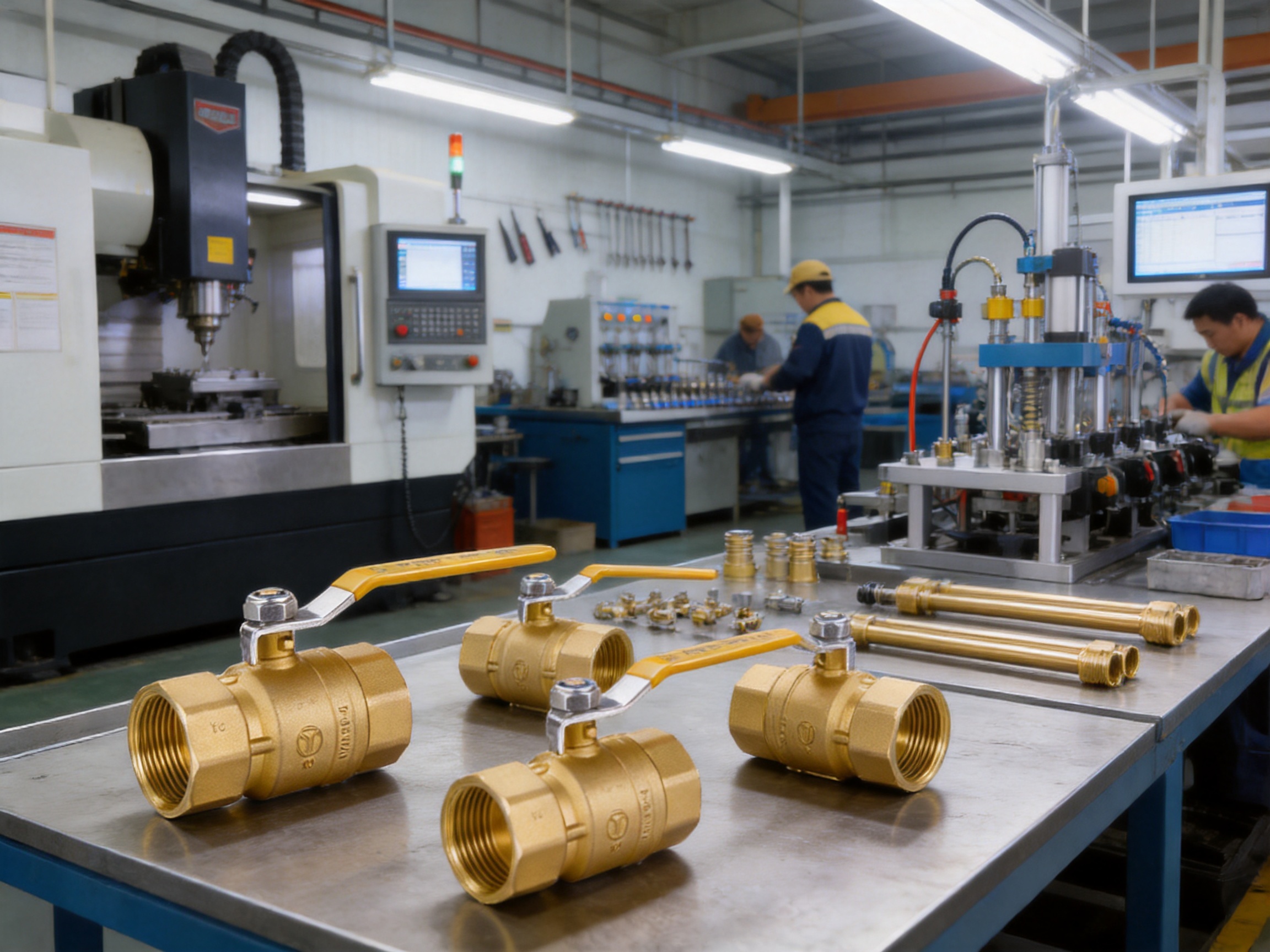
The reliability of a brass ball valve begins long before final assembly. It starts with material selection, forging, machining, component preparation, cleaning, assembly, testing, marking, and packaging. Ningbo Yunhua Valve Co., Ltd. has developed a manufacturing platform that supports each of these stages. The company operates a professional fully automated precision machining workshop, assembly line, and testing workshop, and uses advanced domestic and international CNC machine tools as well as automated assembly and testing equipment.
Forging is a critical early step for the brass body. Proper forging helps shape the material into a strong pressure-retaining form while improving density. After forging, machining processes define the final functional surfaces. CNC turning and machining are used to create accurate threads, ball cavities, stem holes, sealing surfaces, and body dimensions. Precision at this stage determines whether the valve can seal properly, connect smoothly, and operate consistently.
The ball component also requires careful preparation. A ball valve depends on smooth contact between the ball and the PTFE seats. If the ball surface is rough, out of round, or poorly finished, the valve may leak or become difficult to operate. Precision machining and surface finishing help ensure that the ball rotates smoothly and seals evenly. The stem must also be accurately machined so that handle movement is transferred to the ball without excessive play or misalignment.
Assembly is another decisive stage. Even good components can produce a poor valve if assembly pressure, seat positioning, stem sealing, or handle fastening is inconsistent. Automated or controlled assembly improves repeatability. Proper seat compression is especially important: too little compression may lead to leakage, while too much may create high operating torque and premature wear. Controlled production procedures help maintain the ideal balance.
Testing is the final confirmation of manufacturing quality. A professional testing workshop allows the company to verify pressure resistance, sealing performance, and functional operation. For valves used in gas and water systems, leak prevention is essential. Testing helps identify issues before shipment, protecting installers, distributors, and end users from field failures. In competitive comparison, this commitment to inspection is one of the strongest indicators of manufacturer reliability.
Quality Management and Production Strength
Ningbo Yunhua Valve Co., Ltd. has built its capability over more than ten years of development. The company has cultivated a professional management team, improved its management system, and established a production base covering 20,000 square meters. These organizational strengths matter because valve quality depends on consistent process control rather than isolated craftsmanship. Stable procedures, trained personnel, and systematic inspection create repeatable quality.
The company’s annual production capacity demonstrates its ability to meet both standard and large-volume demand. Producing 2 million valve sets per year requires not only equipment, but also scheduling, inventory control, supplier management, tooling maintenance, and quality assurance. This scale supports distributors who need reliable replenishment and project customers who require timely delivery. It also allows the company to refine processes continuously through production experience.
Advanced CNC machine tools contribute directly to the quality of threaded valves. Thread accuracy affects installation safety and sealing. Poor threads can damage pipe fittings, create misalignment, or require excessive sealing material. Precision machining helps create threads that fit correctly with the specified G, Rc, or NPT standards. It also supports consistent dimensional values across different sizes, making the product easier for engineers to specify.
Automated assembly and testing equipment further reduce variation. Manual work can be effective, but without controls it may lead to inconsistent torque, uneven sealing pressure, or missed defects. Automation supports repeatability and efficiency. This is particularly important in high-volume production, where every small process variation can multiply into large quality differences. By investing in automation, the company strengthens both product reliability and supply competitiveness.
The company’s vision is to become a leading enterprise in the global fluid control industry, and its mission is to build a safe fluid ecosystem with high-quality valves. This mission aligns with the practical purpose of the YH-201 valve: safe, reliable, and efficient control of everyday fluid and gas systems. Product quality is not only a technical matter; it supports public safety, building reliability, and customer trust.
Application Scenarios
This brass long-handle ball valve is suitable for a wide range of residential, commercial, and light industrial applications. In residential water systems, it can be used as a shutoff valve for branch lines, appliance supply lines, utility rooms, garden connections, and maintenance isolation points. Its quick quarter-turn action makes it convenient for homeowners and service technicians who need fast control.
In commercial buildings, the valve can serve in water distribution networks, HVAC support lines, equipment isolation, and service branches. Commercial systems often require frequent maintenance, and easy valve operation becomes important. The long handle helps maintenance staff operate valves quickly and with less effort, especially when multiple valves must be controlled during service work.
In gas pipeline applications, the valve’s brass construction, threaded connection, and sealing system are useful when the application conditions and local standards permit. Gas systems demand reliable shutoff performance and careful installation. The female threaded ends allow connection to compatible male-threaded gas pipe components, while the long handle gives a clear visual indication of open or closed position.
In HVAC systems, the valve can be used to isolate sections of pipework, pumps, coils, filters, meters, and equipment. HVAC maintenance often requires quick isolation to replace components or balance systems. A quarter-turn brass ball valve is a practical choice because it minimizes downtime and provides clear operating status. The temperature range also fits many common HVAC utility lines.
In light industrial process lines carrying water or compatible non-corrosive fluids, the valve can provide dependable manual shutoff. Industrial environments often expose valves to frequent operation, vibration, and maintenance activity. The forged brass body and long handle improve durability and ease of operation. However, users should always confirm medium compatibility, pressure conditions, and temperature range before selection.
Installation Considerations
Correct installation is essential for achieving the valve’s intended performance. Before installation, the installer should confirm the valve size, thread type, pressure rating, temperature range, and medium compatibility. The pipeline should be clean and free of debris, because particles can damage the PTFE seats or interfere with sealing. Threads should be inspected to ensure they are not damaged or mismatched.
When installing a female-threaded brass valve, appropriate thread sealant or sealing tape should be used according to the pipe material, medium, and local installation standards. The valve should be tightened using proper tools applied to the correct wrenching surfaces, not by forcing the handle. Using the handle as a lever for installation can damage the stem or handle assembly. Over-tightening should also be avoided because excessive stress may damage threads or distort the valve body.
The valve should be installed in a position that allows the handle to move fully between open and closed positions. Because the product uses a long handle, clearance should be checked before final tightening. In confined spaces, the long handle provides operating leverage but still requires enough swing room. If space is very limited, the system layout should be adjusted to preserve accessibility.
After installation, the system should be pressure tested according to applicable standards and project requirements. The installer should check the threaded joints, valve body, stem area, and downstream shutoff performance. If leakage is detected at the threads, the joint should be depressurized before adjustment. If leakage appears from the valve itself, the valve should be removed from service and inspected according to the supplier’s guidance.
Operation and Maintenance Guidance
The valve operates by rotating the handle a quarter turn. When the handle is parallel to the pipeline, the valve is generally open. When the handle is perpendicular to the pipeline, the valve is generally closed. This visual indication is one of the practical benefits of ball valves. Operators can quickly understand valve status without reading a gauge or opening a cover.
For best long-term performance, the valve should be operated periodically when system conditions allow. Periodic operation helps prevent sticking caused by deposits or long-term inactivity. The operating action should be smooth and controlled. If the valve becomes difficult to turn, excessive force should not be applied without investigating the cause. Possible reasons include debris, corrosion from incompatible media, pressure conditions, or mechanical damage.
Maintenance requirements are generally low because ball valves have a simple structure and durable sealing materials. However, the surrounding pipeline should be inspected for corrosion, stress, vibration, and leakage. Threaded connections should remain secure, and the handle fastening should be checked if the valve is operated frequently. In gas applications, regular leak checks according to local safety procedures are especially important.
The valve should not be used for throttling service unless the application is specifically evaluated. Ball valves are primarily designed for fully open or fully closed operation. Partially open positions can create high-velocity flow around the ball and seats, which may cause wear, noise, or erosion in some systems. For precise flow regulation, a control valve or balancing valve may be more appropriate.
Selection Guide for Buyers and Engineers
When selecting this brass long-handle ball valve, buyers should begin with the pipeline size. The available sizes cover DN15 through DN50, corresponding to common nominal pipe sizes from 1/2 inch to 2 inches. The selected valve size should match the pipe size and required flow capacity. Undersized valves may create pressure loss, while oversized valves may increase cost and installation space unnecessarily.
The second factor is thread standard. G, Rc, and NPT threads are not interchangeable in all applications. Buyers should confirm the required thread type before ordering. Using mismatched threads can cause poor engagement, leakage, or mechanical damage. This is especially important for international projects where components from different standards may be used together.
The third factor is working medium. The valve is suitable for water, gas, and non-corrosive fluids within the stated pressure and temperature limits. If the medium contains chemicals, abrasive particles, oils, additives, or unusual temperature conditions, compatibility should be confirmed. Valve selection should always consider the combined effects of medium, temperature, pressure, and duty cycle.
The fourth factor is operating frequency. If the valve will be opened and closed frequently, the long-handle design becomes especially valuable. Lower operating torque reduces user fatigue and may extend the effective service experience. For emergency shutoff or maintenance isolation points, clear handle position and easy operation are also important.
The fifth factor is manufacturer reliability. A valve is a small component compared with an entire building or industrial system, but failure can create significant cost and risk. Buyers should choose products from manufacturers with proven machining capability, testing systems, material control, and production scale. Ningbo Yunhua Valve Co., Ltd. offers these strengths through its specialized valve manufacturing facilities and professional production management.
How the Product Supports Safer Fluid Systems
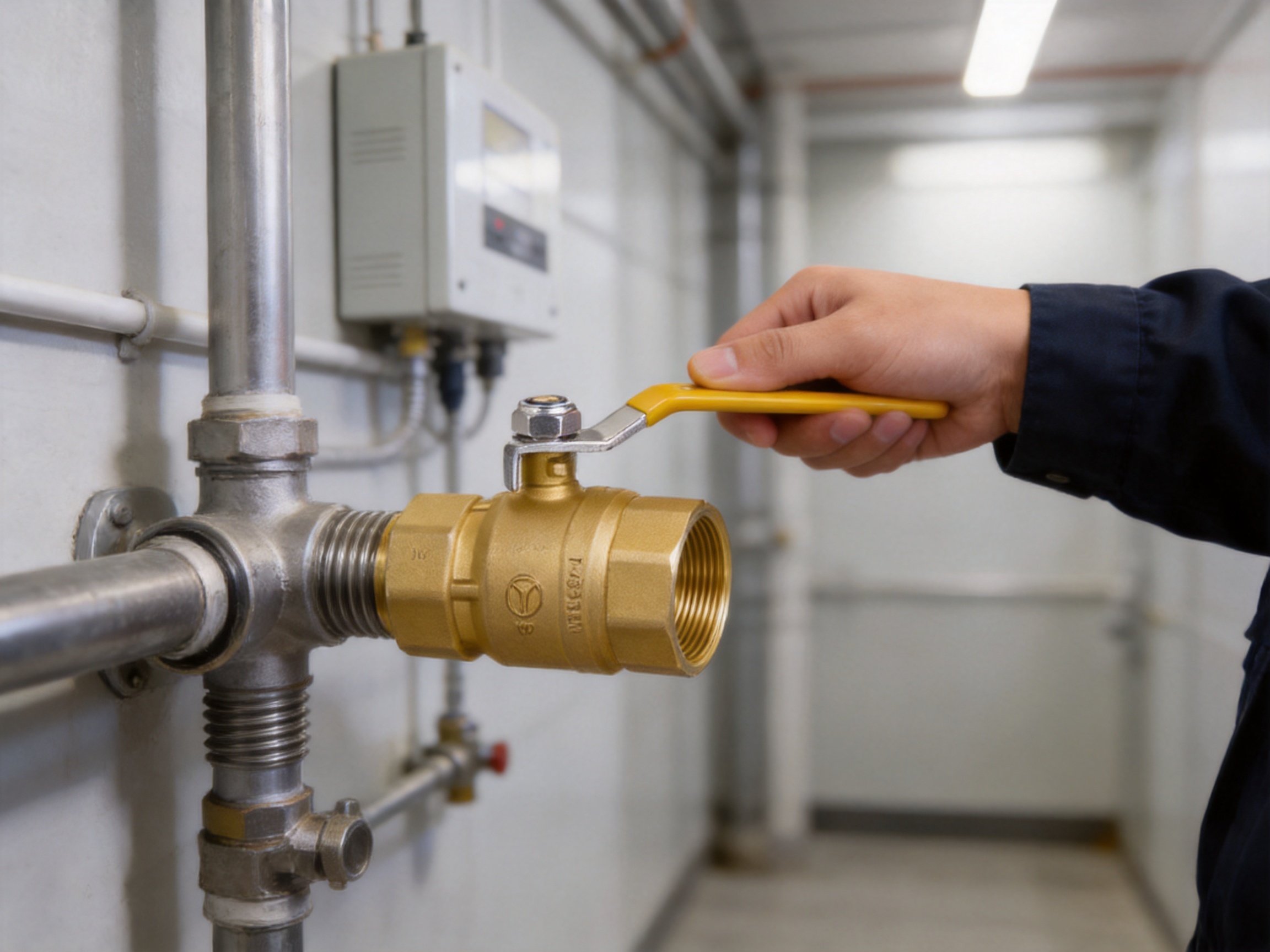
Fluid control safety depends on dependable shutoff. In water systems, a reliable valve helps isolate leaks, repair fixtures, replace equipment, and control maintenance zones. In gas systems, dependable shutoff is even more critical because leakage can create serious hazards. In HVAC and utility systems, valves help reduce downtime by isolating equipment without draining or stopping the entire system. This brass long-handle ball valve supports these safety functions through clear operation, strong sealing, and robust construction.
The long handle improves emergency usability. In urgent situations, operators need to locate and close valves quickly. A larger handle is easier to grip and easier to identify. The quarter-turn motion provides rapid shutoff. Compared with multi-turn valves that require several rotations, a ball valve can change state almost instantly. This speed is valuable in maintenance, troubleshooting, and emergency response.
The forged brass body supports pressure integrity. A valve installed in a pressurized line must safely contain the medium throughout its service life. Strong body material and precise machining reduce the chance of failure. Threaded joints must also remain secure, which is why accurate thread production is important. The product’s manufacturing process supports this requirement.
The sealing system helps prevent unwanted leakage. PTFE seats and stem seals are central to leak prevention. Smooth operation also supports safety because users are more likely to close a valve fully when the operating torque is reasonable. Stiff or unreliable valves can lead to partial closure, handle damage, or delayed response. The product’s mechanical design addresses these practical concerns.
Economic Value and Lifecycle Benefits
A valve’s purchase price is only one part of its cost. The true economic value includes installation time, leak prevention, maintenance frequency, service life, replacement cost, downtime, and risk reduction. This brass long-handle ball valve provides strong lifecycle value because it is easy to install, easy to operate, and designed for long service in compatible systems.
The female threaded connection reduces installation complexity. Installers can connect the valve to standard male-threaded components without welding or specialized joining equipment. This saves labor time and simplifies maintenance replacement. In retrofit projects, threaded valves are particularly useful because they can be installed in existing systems with minimal modification when thread standards match.
The long handle reduces operational effort. In facilities with many valves, this can improve maintenance efficiency. Technicians can isolate equipment faster and with less fatigue. Easier operation also reduces the likelihood that tools will be used improperly to force a valve open or closed. Avoiding such abuse can extend valve life.
The forged brass body and PTFE sealing system support durability. A low-cost valve that leaks early or becomes difficult to operate may cost more over time than a higher-quality valve. Replacement requires labor, system shutdown, possible fluid drainage, and re-testing. Selecting a better valve at the beginning can reduce these hidden costs.
Manufacturing consistency also has economic value for distributors and project buyers. Consistent dimensions reduce returns and field complaints. Stable quality reduces warranty risk. Reliable supply supports inventory planning. These benefits are created not only by product design, but also by the manufacturer’s investment in CNC machining, automated assembly, professional testing, and production management.
Q&A Section
What is the main purpose of this brass long-handle ball valve?
Its main purpose is to provide reliable on-off control for water, gas, and compatible non-corrosive fluid pipelines. It is designed for applications where quick shutoff, easy manual operation, threaded installation, and long-term sealing are required.
Why is the long handle better than a short handle?
The long handle provides greater leverage, reducing the force needed to open or close the valve. This is especially useful in frequent operation, tight spaces, maintenance areas, or systems where the valve may remain inactive for long periods before being operated.
What does F/F mean in the valve description?
F/F means female-to-female. Both valve ends have internal threads, allowing the valve to connect directly with male-threaded pipes or fittings. This makes installation and replacement more convenient in many pipeline systems.
What pressure rating does the valve support?
The valve has a nominal pressure rating of 1.6 MPa. It should be used only within the specified pressure range and in systems designed according to applicable standards and safety requirements.
What media can the valve handle?
The valve is suitable for water, gas, and non-corrosive fluids. Users should confirm compatibility if the medium contains chemicals, abrasive materials, additives, or other substances that may affect brass or PTFE.
What temperature range is suitable for this valve?
The working temperature range is from minus 20 degrees Celsius to below 80 degrees Celsius. Applications outside this range should be reviewed carefully and may require a different valve design or material.
Which thread standards are available?
The valve can be supplied with G, Rc, and NPT thread options. Buyers should confirm the required thread standard before ordering to ensure proper installation and sealing.
Why is forged brass an advantage?
Forged brass provides a dense and strong body structure, supporting pressure resistance and durability. It also allows precise machining of threads and sealing surfaces, which improves installation quality and valve reliability.
What role do PTFE seats play?
PTFE seats create the sealing interface between the valve body and the ball. They provide low friction for smooth operation and strong resistance to wear and chemical effects in compatible media.
Can the valve be used for flow regulation?
It is primarily designed for fully open or fully closed service. It is not the best choice for precise throttling or control applications unless the operating conditions are specifically evaluated.
What makes the manufacturer’s production capability important?
Valve quality depends on consistent material control, precision machining, correct assembly, and reliable testing. The manufacturer’s automated machining, assembly, and testing capabilities help ensure stable product quality and dependable performance.
Conclusion
The YH-201 brass ball valve with long handle and female-threaded ends is a practical, durable, and user-friendly solution for gas, water, HVAC, residential, commercial, and compatible non-corrosive fluid systems. Its long handle reduces operating torque and improves ease of use. Its forged brass body provides strength and pressure reliability. Its PTFE sealing system supports smooth operation and leak-tight performance. Its F/F threaded connection simplifies installation, maintenance, and system integration.
Compared with many ordinary competitor valves, this product stands out through better operating leverage, robust material selection, flexible thread options, defined pressure and temperature ratings, and the backing of a specialized manufacturer with advanced CNC machining, automated assembly, professional testing, and large-scale production capacity. These strengths are important because a valve must perform reliably not only when new, but throughout years of service in real pipeline conditions.
For buyers, engineers, distributors, and installers who need a dependable brass ball valve for common gas and fluid control applications, this long-handle F/F design offers a strong combination of safety, convenience, durability, and lifecycle value. It is a small component with a significant role: protecting systems, simplifying maintenance, and giving users confident control over fluid flow.
References
Crane Co. Flow of Fluids Through Valves, Fittings, and Pipe. Technical Paper No. 410.
International Organization for Standardization. ISO 7-1: Pipe Threads Where Pressure-Tight Joints Are Made on the Threads.
International Organization for Standardization. ISO 228-1: Pipe Threads Where Pressure-Tight Joints Are Not Made on the Threads.
American Society of Mechanical Engineers. ASME B1.20.1: Pipe Threads, General Purpose, Inch.
Manufacturers Standardization Society. MSS SP-110: Ball Valves Threaded, Socket-Welding, Solder Joint, Grooved and Flared Ends.
British Standards Institution. BS EN 13828: Building Valves, Manually Operated Copper Alloy and Stainless Steel Ball Valves for Potable Water Supply in Buildings.
Fluid Controls Institute. Control Valve and Manual Valve Application Guidelines.
Product: YH-201 Brass Ball Valve with Long Handle(F/F)

Related Products
-
 View More
-
 View More
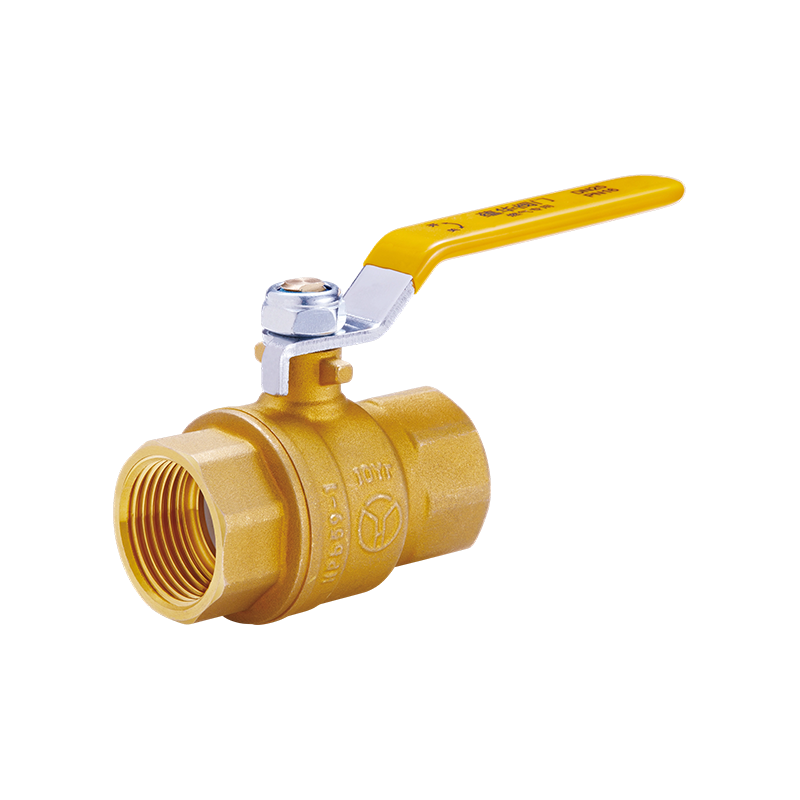
YH-220 Full Port Brass Ball Valve with Long Handle(F/F)
-
 View More
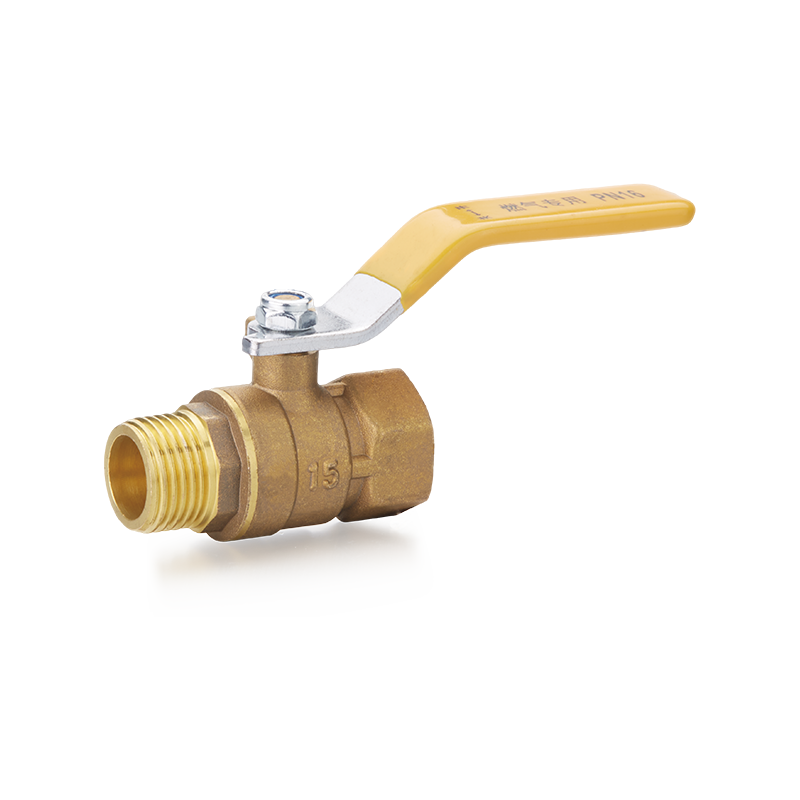
YH-202 Brass Ball Valve with Long Handle(F/M)
-
View More
YH-201 Brass Ball Valve with Long Handle(F/F)
-
 View More
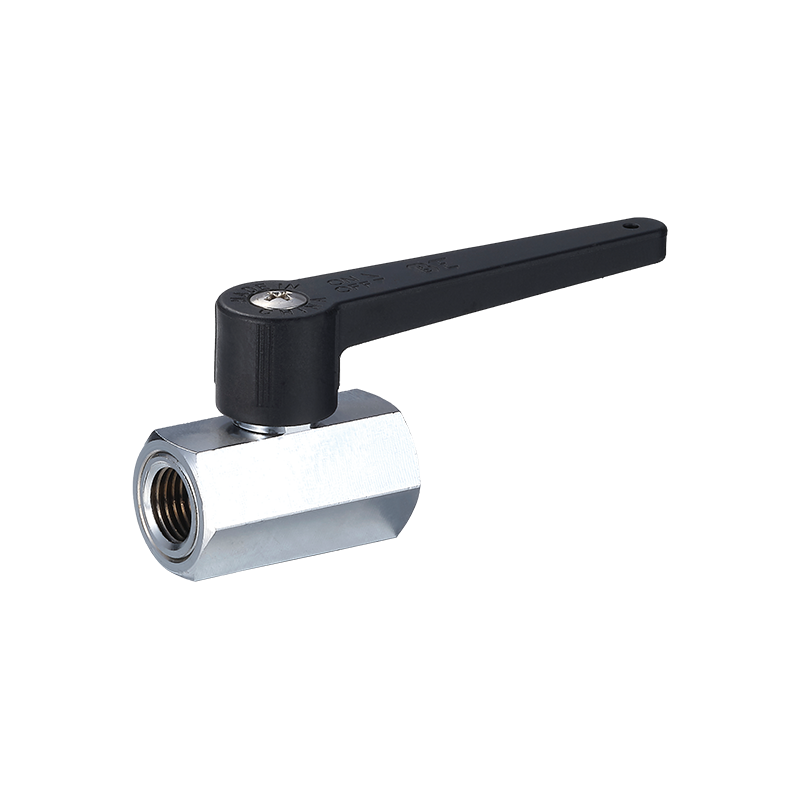
MINI-1 Mini Long Handle Ball Valve(F/F)
-
 View More
YH-2210 Forged Steel Ball Valve with Long Handle (F/F)
Related News
Contact Us
-

-
 +86-0574-63742169
 -
 No.104-128, Cizhang East Road, Zhangqi Town, Cixi City, Ningbo, Zhejiang Province, China


Message Us Now !
