


 English
  русский
  عربى
عربى  Español
Hose Connector: Design, Performance, and Precision Manufacturing for Reliable Fluid Connections
Content
- 1 What Is a Hose Connector?
- 2 Structural Features of a Reliable Hose Connector
- 3 Advantages of a Precisely Manufactured Hose Connector
- 4 Application Areas
- 5 Advanced Manufacturing Process
- 6 Manufacturing Strengths and Production Capacity
- 7 Advantages Compared with Low-Consistency Alternatives
- 8 How to Select the Correct Hose Connector
- 9 Installation Recommendations
- 10 Maintenance and Service Life
- 11 Quality, Safety, and Compliance Considerations
- 12 Ordering and Customization Support
- 13 Why Manufacturing Experience Matters
- 14 Q&A
- 14.1 What is the main purpose of a hose connector?
- 14.2 What materials are commonly used for hose connectors?
- 14.3 How do I know whether a connector fits my hose?
- 14.4 Can one hose connector be used for water and gas?
- 14.5 Why is thread accuracy important?
- 14.6 Does a hose connector always need a clamp?
- 14.7 What makes CNC machining useful for this product?
- 14.8 What should I do if the connection leaks after installation?
- 14.9 Can hose connectors be customized?
- 14.10 Why purchase from a manufacturer with valve experience?
- 14.11 How should connectors be stored?
- 15 Conclusion
- 16 References
- 17 Product: Hose Connector
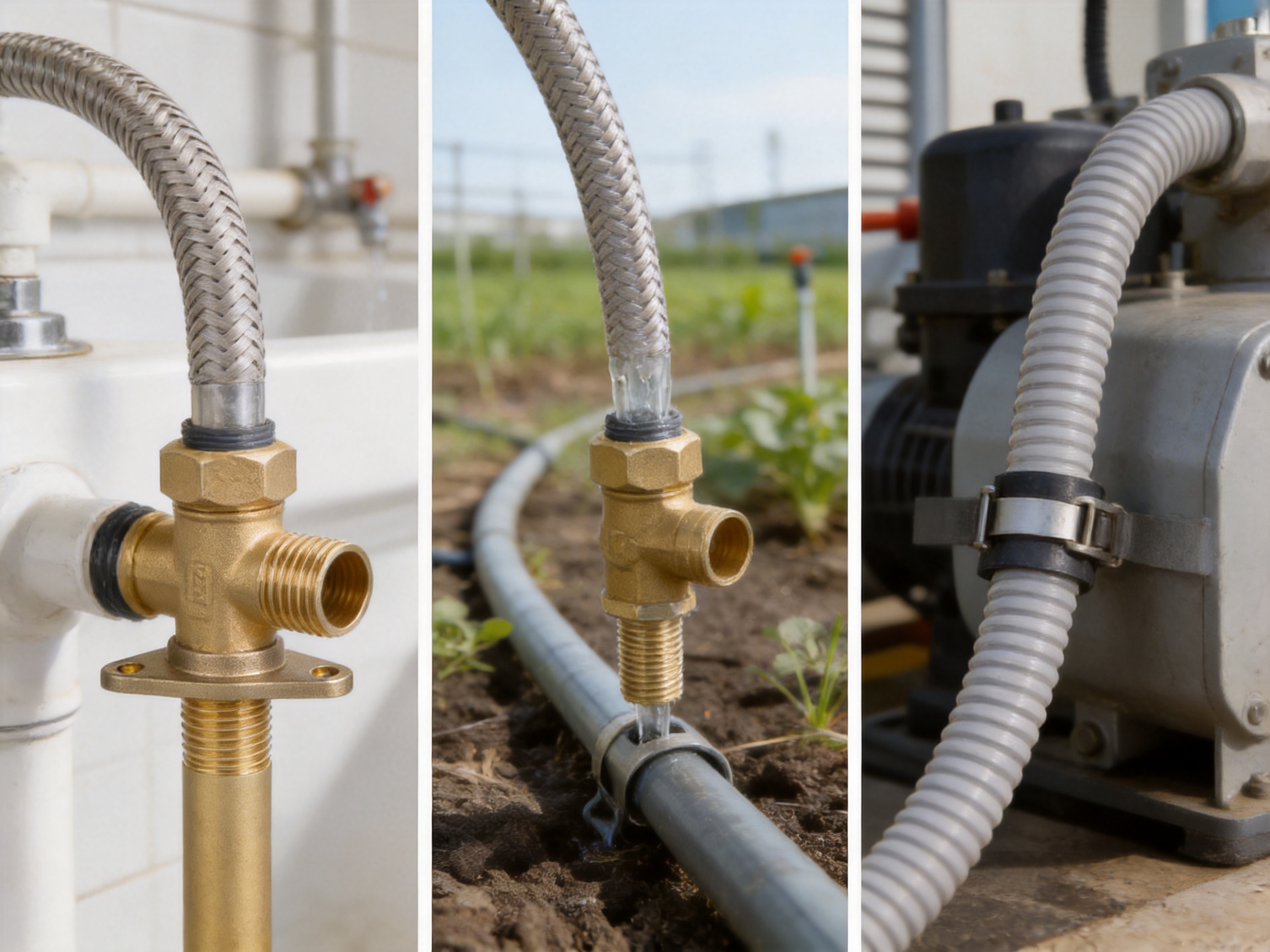
A hose connector is a small but essential component in fluid-control systems. It creates a practical connection between a hose, pipe, valve, fitting, or equipment port, allowing liquids or gases to move through a controlled and dependable pathway. Although its physical size is often modest, the connector can influence the safety, efficiency, service life, and maintenance requirements of the entire installation.
Modern hose connectors are used in domestic water systems, industrial equipment, irrigation assemblies, pneumatic applications, gas-related systems, agricultural machinery, hardware accessories, and general plumbing. Their performance depends on much more than external appearance. Thread accuracy, material quality, sealing design, dimensional consistency, machining precision, surface finish, pressure suitability, and inspection procedures all affect whether a connector performs reliably after installation.
The Hose Connector supplied by Ningbo Yunhua Valve Co., Ltd. is developed for users seeking a practical and precisely manufactured connection solution. As an enterprise specializing in gas and fluid valves, water supply valves, and hardware accessories, the company applies its experience in precision machining, automated assembly, and product testing to the manufacture of compact connection components. This approach helps provide stable product quality for distributors, equipment manufacturers, wholesalers, contractors, and project buyers.
This article examines the structure, advantages, applications, manufacturing process, quality considerations, installation requirements, and purchasing value of a modern hose connector. It also explains how a professional production system can improve consistency and help users select the correct component for different fluid-control environments.
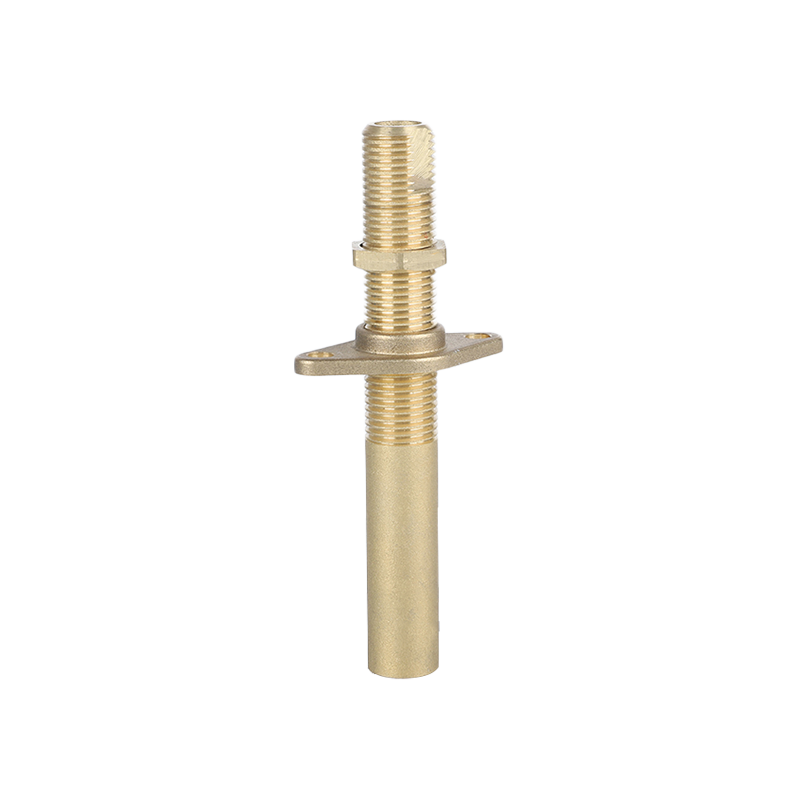
Hose Connector
What Is a Hose Connector?
A hose connector is a fitting designed to join a flexible hose to another component or to connect two hose sections. Depending on the design, one end may include a threaded connection, while the other end may feature a hose barb, compression structure, swivel mechanism, or another hose-retention profile. The connector may be used with clamps, sealing washers, threaded sealants, or integrated sealing elements.
The main purpose of the connector is to create a secure flow path while preventing leakage, hose separation, and unnecessary pressure loss. A correctly selected connector must match the hose size, connection standard, operating medium, temperature, pressure, and installation environment. It should also provide sufficient mechanical strength to withstand vibration, movement, repeated connection, and normal operating loads.
Unlike a simple section of pipe, a hose connector often needs to accommodate the different properties of rigid and flexible components. A pipe generally maintains its shape, while a hose can bend, expand, contract, and move. The connector therefore acts as an interface between two different mechanical conditions. Its geometry must support the hose without damaging the inner wall, while its external connection must remain compatible with the receiving component.
Hose connectors can be produced in various materials, including brass, stainless steel, carbon steel, engineering plastics, and specialized alloys. Brass is widely used because it offers a useful combination of corrosion resistance, machinability, strength, and practical cost. The final material selection should always reflect the intended application and the chemical, thermal, and pressure conditions involved.
Structural Features of a Reliable Hose Connector
Threaded Connection Section
The threaded section allows the connector to be attached to a valve, pipe, manifold, water outlet, pump, or other threaded component. Thread form, nominal size, pitch, and dimensional tolerance must be compatible with the mating part. A thread that is poorly formed, damaged, or incorrectly sized may cause leakage, cross-threading, installation difficulty, or premature failure.
Accurate machining is especially important for short fittings because the available engagement length may be limited. A precise thread profile enables the connector to engage smoothly and maintain stable contact throughout the connection. Proper thread quality also reduces the need for excessive tightening, which can damage both the fitting and the connected equipment.
Hose Retention Section
The hose retention section is designed to hold the flexible tube in position. Depending on the product configuration, this section may use a barb, stepped profile, ribbed surface, or other retaining geometry. The objective is to create sufficient grip without cutting into the hose or restricting the internal passage.
A well-designed hose retention profile distributes contact forces over an appropriate area. It helps prevent the hose from pulling away under pressure or movement. When required, a clamp may be fitted over the hose and connector to increase retention. The connector and clamp should be selected as a compatible set rather than treated as unrelated components.
Flow Passage
The internal passage determines how fluid travels through the connector. A smooth and correctly proportioned passage helps reduce turbulence, unnecessary pressure loss, and areas where debris may accumulate. Internal geometry should be carefully controlled during machining so that the passage remains open and consistent from one production batch to another.
In compact fittings, the internal passage can be affected by thread depth, wall thickness, transitions, and machining tools. Advanced production equipment allows manufacturers to control these features more accurately, supporting stable flow performance and dependable mechanical strength.
Sealing Interface
The sealing interface may be formed by the thread itself, a sealing washer, an O-ring, a tapered surface, or a combination of these features. The most suitable arrangement depends on the connector design and the application. A threaded connection should never be forced to compensate for an incorrect sealing method.
Correct sealing design reduces the risk of leakage during startup, pressure changes, thermal cycling, and long-term service. It also simplifies maintenance because users can identify the appropriate sealing material and installation method before assembly.
Advantages of a Precisely Manufactured Hose Connector
Stable Dimensional Accuracy
Dimensional accuracy is one of the most important advantages of a professionally manufactured connector. The diameter, length, thread, hose entry profile, wall thickness, and internal passage must remain within appropriate tolerances. Stable dimensions improve interchangeability and reduce installation problems for users working with large quantities of components.
For distributors and original equipment manufacturers, dimensional consistency is particularly valuable. A fitting that varies from one batch to another can create additional inspection work, increase assembly time, and cause product returns. Consistent machining helps customers maintain a more predictable production and installation process.
Reliable Mechanical Retention
A hose connector must retain the hose under normal operating conditions. A properly formed barb or retaining profile creates mechanical resistance against pulling forces. When combined with an appropriate clamp, it can provide a secure connection for many general fluid applications.
The retention profile must balance grip and hose protection. Excessively sharp edges may cut or weaken the hose, while an insufficiently defined profile may allow movement or separation. Precision machining and controlled finishing help create a surface that supports reliable retention without introducing unnecessary damage points.
Corrosion Resistance
Many hose connector applications involve water, humidity, condensation, cleaning fluids, or outdoor exposure. Material and surface condition therefore influence service life. Brass is a popular material for general-purpose connections because it provides good resistance to many common environments and can be machined accurately.
Corrosion resistance should always be evaluated in relation to the actual medium and environment. Water quality, chemical concentration, temperature, salt exposure, and dissimilar-metal contact may affect the selection. A professional manufacturer can help buyers choose an appropriate material or finish when standard brass is not sufficient for a specialized application.
Efficient Installation
A connector with accurate threads and a well-finished hose entry can reduce installation effort. Smooth engagement helps prevent cross-threading, while a consistent external profile makes it easier to position clamps and tools. Efficient installation is valuable not only for individual repairs but also for assembly lines where many connections are completed each day.
Reduced installation effort can also lower the possibility of human error. When the component fits correctly and the sealing method is clear, installers are less likely to overtighten, misalign, or use unsuitable sealing materials.
Adaptability Across Applications
Hose connectors are used in many types of systems. A well-designed product can support different hose materials, equipment configurations, and connection layouts when the correct size and specification are selected. This makes the connector a versatile hardware accessory for fluid-control installations.
The product may be suitable for water supply assemblies, irrigation equipment, plumbing systems, industrial machinery, pneumatic accessories, and other general applications, subject to the selected material, sealing method, pressure rating, and applicable regulations. Buyers should confirm technical compatibility before using the connector in critical gas, chemical, or high-pressure systems.
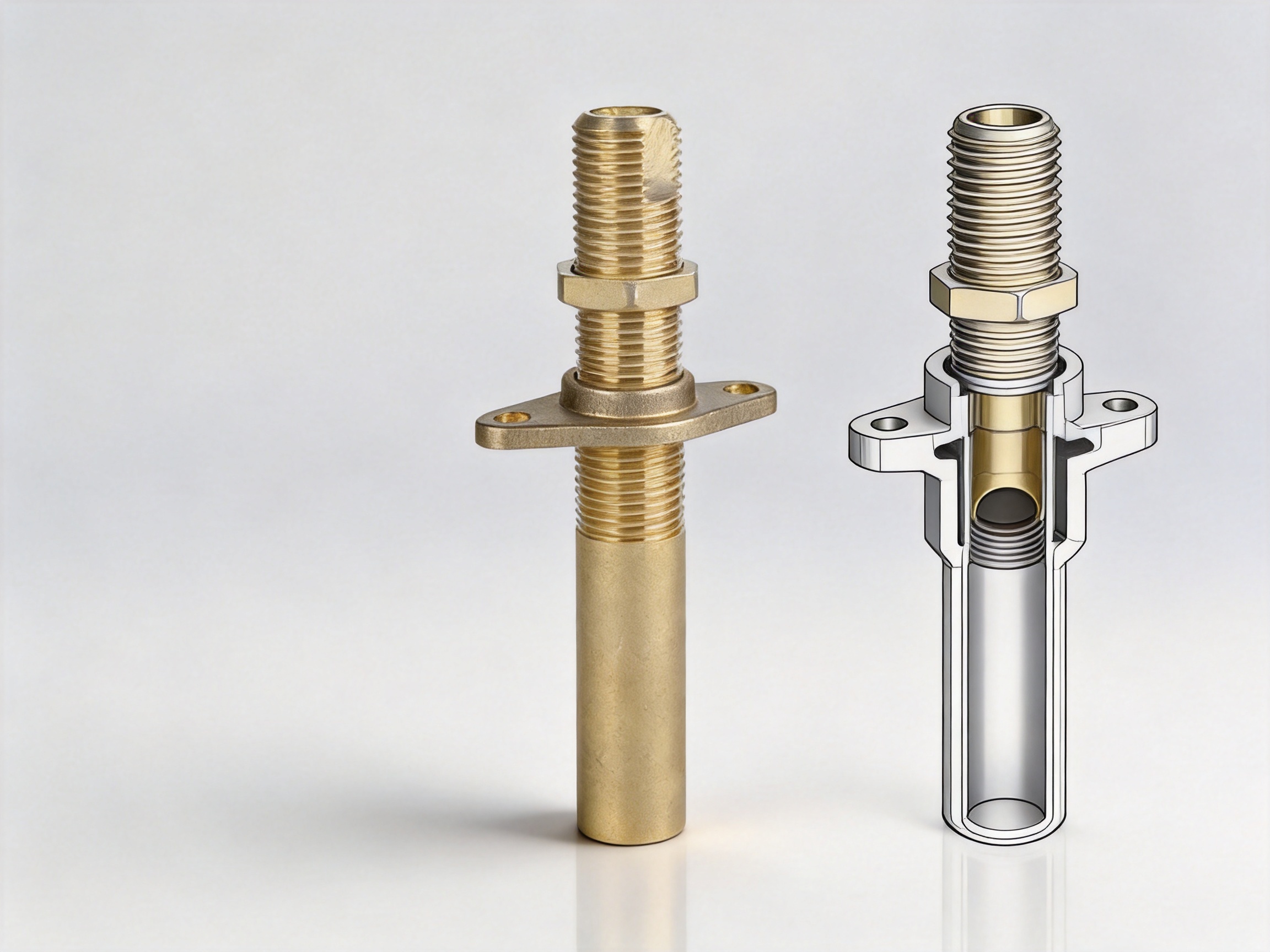
Application Areas
Water Supply and Plumbing
In water supply systems, hose connectors are used to join flexible hoses to valves, faucets, water distribution components, pumps, filters, and service equipment. Their compact design is useful where installation space is limited or where a flexible section is required to absorb movement and simplify maintenance.
A dependable connector helps reduce the risk of leakage at transitions between rigid and flexible piping. It can also make replacement easier because a hose or connected component may be removed without disassembling a larger section of the system.
Irrigation and Agricultural Equipment
Irrigation systems often contain numerous hose connections distributed across outdoor areas, greenhouse installations, gardens, and agricultural equipment. These connections may be exposed to moisture, sunlight, soil, vibration, and seasonal temperature changes. A connector with suitable corrosion resistance and mechanical retention can support reliable water distribution.
For irrigation applications, buyers should pay attention to hose diameter, operating pressure, water quality, and the frequency of reconnection. Components used outdoors should be selected for the actual environmental exposure rather than based solely on appearance or purchase price.
Industrial Equipment
Industrial machines may use hoses for cooling water, lubrication, compressed air, cleaning, or auxiliary fluid delivery. Hose connectors provide convenient interfaces between machine components and service lines. Their small size makes them suitable for compact assemblies, while their threaded ends allow connection to valves, blocks, and other industrial hardware.
Industrial users should verify the fluid compatibility, temperature range, pressure conditions, vibration level, and required inspection standards. In a machine exposed to continuous movement, the connector must be installed so that the hose is not bent sharply or subjected to constant side loading at the fitting.
Hardware Accessory Assemblies
Hose connectors are often incorporated into broader hardware accessory product lines. They may be sold individually, in maintenance kits, or as part of a valve and hose assembly. Their compatibility with other fittings can help distributors offer complete connection solutions rather than isolated components.
A manufacturer that produces both fluid valves and hardware accessories can apply related knowledge across product categories. Experience with valves, threads, sealing surfaces, and testing procedures supports more consistent development of complementary connectors and fittings.
Gas and Specialized Fluid Systems
Some connector designs may be considered for gas or specialized fluid applications, but suitability must be confirmed carefully. Gas systems generally require specific materials, sealing methods, pressure ratings, testing procedures, and regulatory approvals. A general-purpose hose connector should not be used for gas service simply because its dimensions appear compatible.
For gas-related applications, purchasers should request the appropriate technical documentation and confirm that the complete assembly satisfies local standards. The connector, hose, seal, clamp, valve, and installation procedure must all be compatible with the intended medium.
Advanced Manufacturing Process
Product Engineering and Specification Review
A reliable connector begins with a clear product specification. Engineers review the intended application, nominal dimensions, connection type, material requirements, sealing structure, production volume, and inspection criteria. This stage helps ensure that the product is designed for practical use rather than only for visual appeal.
For custom orders, technical discussions may include thread standards, hose outside diameter, working temperature, pressure conditions, surface treatment, packaging, marking, and required documentation. Early clarification reduces the possibility of dimensional mismatch or unsuitable material selection during later production.
Material Preparation
Material quality affects machinability, strength, corrosion resistance, and surface appearance. Suitable raw material is selected according to the connector design and application requirements. Incoming material may be checked for size, composition, surface condition, and conformity with purchasing specifications.
Controlled material preparation helps prevent variation during machining. It also supports stable tool performance and predictable finished dimensions. For high-volume production, consistent raw material is especially important because even small differences can affect machining behavior across many components.
CNC Precision Machining
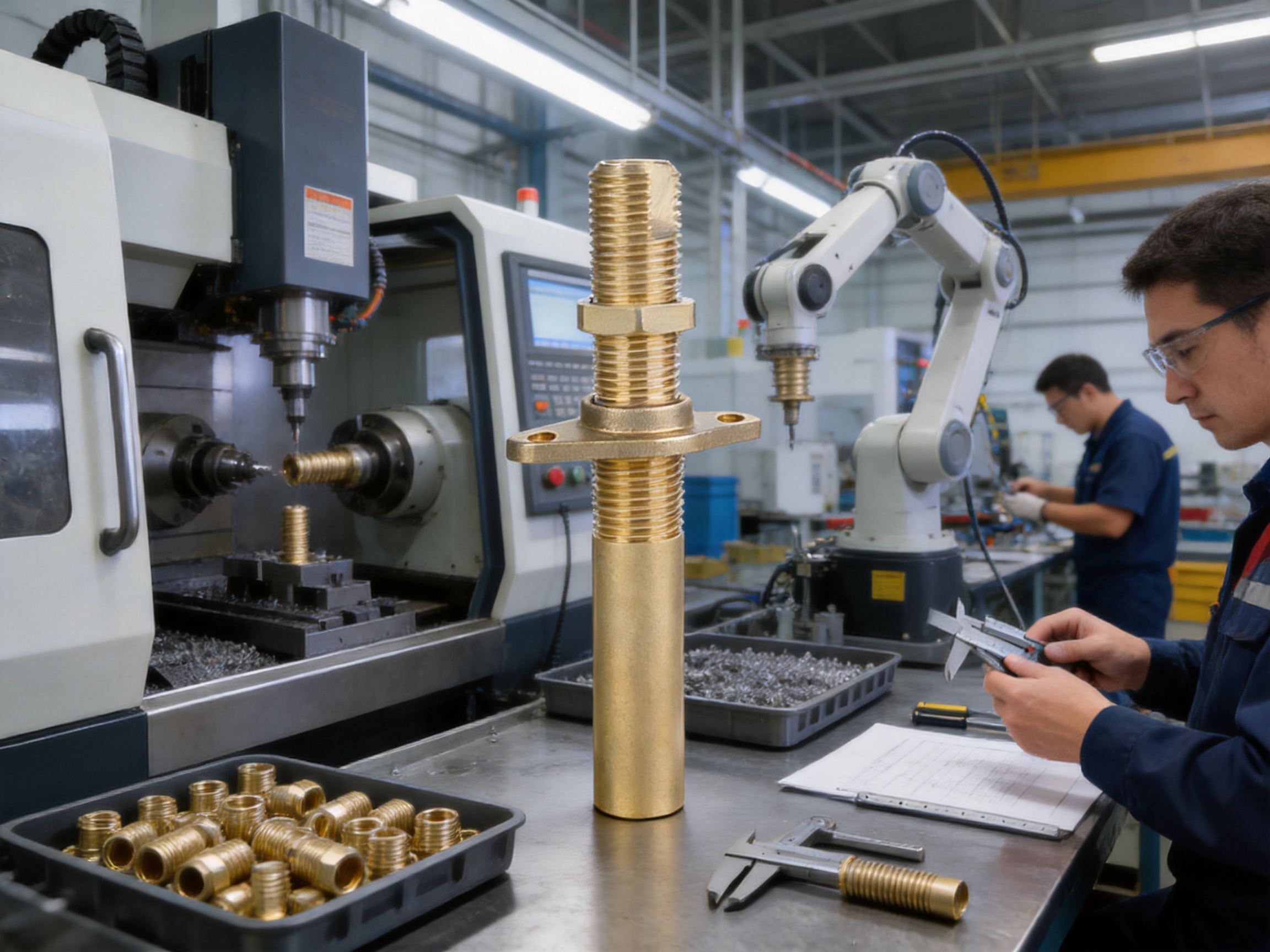
The company has established a professional, fully automated precision machining workshop equipped with advanced domestic and international CNC machine tools. CNC machining allows complex or fine features to be produced with repeatable control. Threaded sections, internal passages, external profiles, shoulders, and sealing surfaces can be manufactured according to programmed dimensions.
Automated machining reduces dependence on manual adjustment and helps maintain consistency between production batches. It also supports efficient output when a large number of identical components are required. Tool management, process parameters, fixture stability, and regular dimensional checks all contribute to the final result.
For hose connectors, machining accuracy is important in several areas. The thread must engage correctly with the mating component. The hose retention profile must be uniform. The internal passage must remain sufficiently open. The end faces and sealing surfaces must be properly formed. CNC production provides a controlled method for coordinating these features.
Deburring and Surface Treatment
After machining, components may contain small burrs or sharp edges. Deburring removes unwanted material and improves handling safety, assembly quality, and fluid-path cleanliness. Special attention is required around the hose entry and internal passage because rough edges can damage flexible tubing or disturb fluid flow.
Depending on the material and customer requirement, additional surface treatment may be used to improve appearance, corrosion resistance, or identification. The treatment must be compatible with the intended application and should not interfere with threads, sealing surfaces, or dimensional tolerances.
Automated Assembly
The company operates professional automated assembly lines for its valve and hardware accessory production. Automated assembly can improve positioning accuracy and reduce variation in repetitive operations. Where the hose connector is supplied with sealing elements or related components, controlled assembly helps ensure that the parts are fitted correctly.
Automation is not simply a matter of speed. It also supports process repeatability. When assembly parameters, work sequences, and inspection points are clearly defined, production personnel can identify deviations earlier and maintain more consistent output.
Testing and Inspection
The company has a dedicated testing workshop designed to support product quality verification. Inspection may include visual checks, dimensional measurement, thread inspection, surface evaluation, sealing verification, and functional testing, depending on the product specification.
For connectors used in fluid systems, leakage prevention is a primary consideration. Testing procedures can help identify defects such as incomplete machining, damaged sealing surfaces, blocked passages, or dimensional variation. Consistent inspection reduces the risk that nonconforming products will reach customers.
Quality control is most effective when it is applied throughout the production process rather than only at the final stage. Incoming material checks, process monitoring, first-piece inspection, in-process measurement, final inspection, and packaging verification create multiple opportunities to prevent errors.
Manufacturing Strengths and Production Capacity
Ningbo Yunhua Valve Co., Ltd. covers an area of approximately 20,000 square meters and has developed an integrated manufacturing environment for fluid-control products and hardware accessories. The combination of machining, assembly, and testing facilities allows production activities to be coordinated within one professional system.
The company has an annual production capacity of approximately 2 million sets of valves and 10 million sets of hardware accessories. This capacity is valuable for wholesalers, distributors, project suppliers, and equipment manufacturers that require stable supply over extended periods. Production scale can also support more efficient planning for repeat orders and larger procurement programs.
Capacity alone does not guarantee product quality. The strength of an established manufacturer comes from the relationship between capacity, equipment, process control, workforce experience, and management systems. A large production system must be organized carefully to prevent variation, maintain delivery schedules, and respond to customer requirements.
Over more than ten years of development, the company has improved its management system and built a professional management team. This experience supports a structured approach to product development, manufacturing, sales, and service. It also provides a foundation for continuous improvement as customers request new specifications or application-specific solutions.
The company’s product scope includes gas and fluid valves, water supply valves, and hardware accessories. This broad product knowledge allows it to understand how a hose connector functions within a larger system. Instead of viewing the connector as an isolated part, engineers and buyers can evaluate its relationship with valves, hoses, pipes, sealing elements, and installation conditions.
Advantages Compared with Low-Consistency Alternatives
More Predictable Fit
Low-cost connectors made with inconsistent tooling or insufficient inspection may show variation in thread quality, hose retention diameter, or overall length. Such differences can create difficulty during installation and may force users to sort components manually. Precision manufacturing provides a more predictable fit and supports smoother assembly.
Better Process Traceability
Professional manufacturers generally operate with defined production procedures, equipment controls, and inspection points. This makes it easier to investigate a quality issue, review production information, and implement corrective action when necessary. Buyers benefit from a more organized response to technical questions or repeat-order requirements.
Reduced Total Cost of Ownership
The purchase price of a connector is only one part of its total cost. Installation labor, leakage-related damage, replacement frequency, production interruption, inventory sorting, and warranty handling can all affect the final cost. A consistently manufactured product may offer better value even when its initial price is not the lowest available.
Stronger Supply Support
Customers often need more than a single shipment. They may require repeat orders, private labeling, customized packaging, related valves, or technical assistance. A manufacturer with established production facilities and broad product experience can provide a more stable long-term supply relationship than an unstructured trading source.
More Suitable for Customization
Different markets may use different thread standards, hose sizes, materials, finishes, package quantities, and labeling requirements. A company with CNC equipment and organized engineering resources can generally respond more effectively to these variations. Customization should be evaluated according to order quantity, technical feasibility, and required validation.
How to Select the Correct Hose Connector
Confirm Hose Dimensions
Begin by identifying the hose’s inner diameter, outer diameter, wall thickness, and construction. A connector intended for a specific hose size should not be selected based only on approximate visual similarity. The hose must fit securely over the retention section without excessive stretching or looseness.
Check the Connection Standard
Confirm whether the threaded end is compatible with the receiving component. Thread standards can differ in nominal size, pitch, angle, and profile. A connector that appears close in size may still be unsuitable if the thread standard does not match.
Identify the Operating Medium
Water, air, fuel, gas, oil, cleaning solutions, and chemical fluids can interact differently with connector materials and seals. The connector should be selected according to chemical compatibility and the requirements of the complete system. If the application involves hazardous or specialized media, technical confirmation is essential.
Evaluate Pressure and Temperature
Operating pressure and temperature influence material strength, hose expansion, sealing performance, and service life. The connector should be suitable for normal operating conditions as well as expected pressure fluctuations and temperature changes. Safety margins should be considered for systems that experience surges or frequent cycling.
Consider Movement and Vibration
Hoses connected to pumps, engines, mobile equipment, or vibrating machinery may transmit mechanical loads to the fitting. Installation should allow the hose to move naturally without placing continuous bending or side force on the connector. In demanding applications, a swivel or flexible transition design may be more suitable than a fixed connection.
Review Installation and Maintenance Requirements
Buyers should determine whether the connector will be installed once or repeatedly removed. Reusable maintenance connections may require a design that supports convenient disassembly, while permanent assemblies may prioritize maximum retention and compactness. The recommended clamp, seal, thread sealant, and tightening method should be identified in advance.
Installation Recommendations
Before installation, inspect the connector, hose, mating thread, sealing elements, and clamp. Remove dirt, metal chips, oil residue, and other contamination that could affect the seal. Do not use a component with visibly damaged threads, cracks, serious burrs, or deformation.
Cut the hose squarely when a new hose end is being prepared. An angled cut may reduce the contact area and make it difficult to position the hose evenly on the connector. If the hose is stiff, warming it within the limits recommended for that hose material may make installation easier, but excessive heat should be avoided.
Push the hose fully onto the retention section. The hose should cover the intended engagement area without being forced beyond its designed position. Install the clamp in the appropriate location and tighten it evenly. Excessive tightening may damage the hose, deform the connector, or create an unreliable seal.
When connecting the threaded end, align the parts carefully and begin tightening by hand. This helps prevent cross-threading. Use an appropriate tool only after the thread has engaged correctly. Tighten sufficiently to achieve the intended seal, but avoid unnecessary force that could distort the fitting or damage the mating component.
After installation, conduct a controlled inspection for leakage. If the system operates under pressure, increase pressure gradually while observing the connection. A leak should be corrected by checking alignment, hose seating, clamp position, thread compatibility, and sealing method. Do not attempt to solve every leak by applying more tightening force.
Maintenance and Service Life
Regular inspection can extend the service life of a hose connector and the connected hose. Check for leakage, corrosion, discoloration, cracking, hose hardening, clamp movement, thread damage, and signs of vibration. The inspection interval should reflect the operating environment and the consequences of failure.
Outdoor connectors may require more frequent inspection because of moisture, ultraviolet exposure, temperature variation, and dirt. Industrial connectors should be reviewed during scheduled equipment maintenance. If the connected hose has become brittle, swollen, or damaged, replacing only the connector may not restore system reliability.
When a connector is removed, inspect the threaded receiving part and sealing elements before reassembly. A washer, O-ring, or thread sealant may need replacement. Reusing damaged sealing components can create leakage even when the connector itself remains in good condition.
Correct storage is also important. Connectors should be kept clean and dry, protected from impact, and separated from aggressive chemicals. Threaded ends should be protected from damage during transportation and warehouse handling. Proper packaging helps preserve the dimensional and surface quality achieved during machining.
Quality, Safety, and Compliance Considerations
Product selection should be based on the complete application rather than on a general statement that a connector is suitable for all purposes. Users should review the technical specification, material information, dimensional drawings, pressure and temperature limits, and any required certifications before placing an order.
For ordinary water or general hardware applications, the selection process may be relatively straightforward. For potable water, gas, fuel, chemical, medical, or high-pressure service, additional requirements may apply. Local regulations, industry standards, installation codes, and customer-specific approvals should be confirmed before use.
Safety depends on the complete connection assembly. Even a precisely manufactured connector cannot compensate for an unsuitable hose, incorrect clamp, incompatible seal, damaged thread, or poor installation. System designers and installers should consider the weakest component, pressure surges, environmental exposure, and the consequences of leakage.
A responsible manufacturer supports this process by maintaining controlled production procedures, carrying out appropriate testing, and communicating product limitations clearly. Buyers should request technical information whenever the application falls outside ordinary water or general-purpose hardware service.
Ordering and Customization Support
When requesting a quotation for hose connectors, customers should provide as much technical information as possible. Useful details include the hose size, connection type, thread standard, material preference, intended medium, working pressure, operating temperature, surface treatment, order quantity, packaging requirements, and destination market.
Drawings, samples, photographs, or application descriptions can help engineers confirm the required configuration. If the connector will be installed with a particular valve or assembly, providing information about the mating component can reduce the risk of incompatibility.
Ningbo Yunhua Valve Co., Ltd. can support customers seeking valves and hardware accessories from an integrated manufacturing source. Its experience in precision machining, automated assembly, and testing provides a foundation for standard supply as well as selected custom requirements. Custom projects should be reviewed individually to confirm feasibility, tooling needs, sample approval, production schedule, and quality documentation.
For international buyers, communication about packaging, labeling, cartons, palletization, inspection records, and shipping arrangements is also important. Clear requirements at the quotation stage help create a more efficient order process and reduce avoidable delays.
Why Manufacturing Experience Matters
The performance of a compact fitting is closely connected to the manufacturing environment in which it is produced. A connector may look simple, but its quality depends on coordinated control of material, machining, finishing, assembly, inspection, and packaging. Manufacturers with experience in fluid-control products understand that a small dimensional error can affect an entire installation.
Knowledge gained from producing valves can be especially useful for hose connector development. Valves and connectors share important technical considerations, including thread accuracy, sealing behavior, fluid passage, pressure conditions, corrosion resistance, and production inspection. This related experience supports a more complete understanding of connection reliability.
The company’s vision is to become a leading participant in the global fluid-control industry, while its mission is to build a safe fluid ecosystem through high-quality valves. These objectives are relevant to hardware accessories as well. A safe fluid ecosystem depends not only on major valves and equipment but also on the small fittings that connect them together.
Q&A
What is the main purpose of a hose connector?
A hose connector joins a flexible hose to another hose, pipe, valve, equipment port, or fitting. It creates a secure flow path and helps prevent leakage or hose separation when the correct size, material, sealing method, and installation procedure are used.
What materials are commonly used for hose connectors?
Common materials include brass, stainless steel, carbon steel, engineering plastics, and specialized alloys. Brass is widely used for general fluid and water-related applications because it offers good machinability, practical strength, and useful corrosion resistance. The best material depends on the medium, pressure, temperature, and environment.
How do I know whether a connector fits my hose?
Check the hose inner diameter, outer diameter, wall thickness, and construction. Compare these dimensions with the connector specification. The hose should fit securely over the retention section and should not be excessively loose or forced beyond its intended engagement area.
Can one hose connector be used for water and gas?
Not automatically. Water and gas applications may require different materials, sealing systems, pressure ratings, testing procedures, and regulatory approvals. Always confirm the manufacturer’s technical information and applicable local requirements before using a connector in a gas system.
Why is thread accuracy important?
Accurate threads allow smooth engagement, proper contact, and reliable sealing with the mating component. Poorly formed or incompatible threads can cause cross-threading, leakage, installation difficulty, or damage to the valve or pipe receiving the connector.
Does a hose connector always need a clamp?
A clamp is often recommended when a hose is installed over a barb or similar retention profile, particularly when the system experiences pressure, movement, or vibration. The need for a clamp depends on the connector design, hose type, operating conditions, and applicable installation requirements.
What makes CNC machining useful for this product?
CNC machining provides repeatable control over threads, hose retention profiles, internal passages, sealing surfaces, and external dimensions. It can reduce variation between parts and support efficient production of large quantities with consistent specifications.
What should I do if the connection leaks after installation?
Stop or isolate the system when necessary, then check thread compatibility, alignment, hose seating, clamp position, sealing elements, and component condition. Do not rely on excessive tightening as the only solution. Replace damaged parts and use the correct sealing method for the connection design.
Can hose connectors be customized?
Depending on the design and order quantity, customization may be possible for dimensions, thread standards, materials, surface treatment, packaging, labeling, and related requirements. Customers should provide technical drawings or detailed specifications for an engineering and production review.
Why purchase from a manufacturer with valve experience?
A manufacturer experienced in valves understands fluid passages, pressure conditions, sealing surfaces, thread standards, machining accuracy, and product testing. This related knowledge can support more reliable connector development and provide access to complementary valves and hardware accessories from one production source.
How should connectors be stored?
Store them in a clean, dry area protected from impact, excessive humidity, and aggressive chemicals. Protect threaded ends from damage and keep sealing elements away from heat, ultraviolet exposure, and contamination. Proper packaging and storage help preserve product quality before installation.
Conclusion
A hose connector is a small component with a significant role in fluid-control reliability. Its performance depends on precise dimensions, suitable materials, secure hose retention, correct threads, effective sealing, and appropriate installation. When these factors are controlled, the connector can provide a practical and durable interface for water supply, irrigation, industrial equipment, plumbing, hardware assemblies, and other general fluid applications.
The Hose Connector produced by Ningbo Yunhua Valve Co., Ltd. benefits from an integrated manufacturing environment that includes precision CNC machining, automated assembly, professional testing facilities, and an established management system. The company’s production capacity, experience in valves and hardware accessories, and focus on quality provide a strong foundation for standard orders and selected customized requirements.
For buyers, the best purchasing decision is based on application compatibility, dimensional consistency, material suitability, total ownership cost, and supply reliability. By working with an experienced manufacturer and providing complete technical information, customers can obtain hose connectors that support efficient installation, dependable operation, and a safer fluid-control system.
References
1. International Organization for Standardization. General principles for industrial fluid systems, fittings, and threaded connections.
2. American Society of Mechanical Engineers. Engineering guidance for pressure-containing components and piping connections.
3. American Society for Testing and Materials. Standard practices for metallic materials, corrosion evaluation, dimensional inspection, and mechanical testing.
4. International Association of Plumbing and Mechanical Officials. Plumbing connection, installation, and safety guidance.
5. Fluid Sealing Association. Technical principles for sealing systems, gaskets, O-rings, and threaded connections.
6. Engineering manuals on CNC machining, cutting-tool control, deburring, surface finishing, and dimensional quality management.
Product: Hose Connector

Related Products
-
 View More
-
 View More
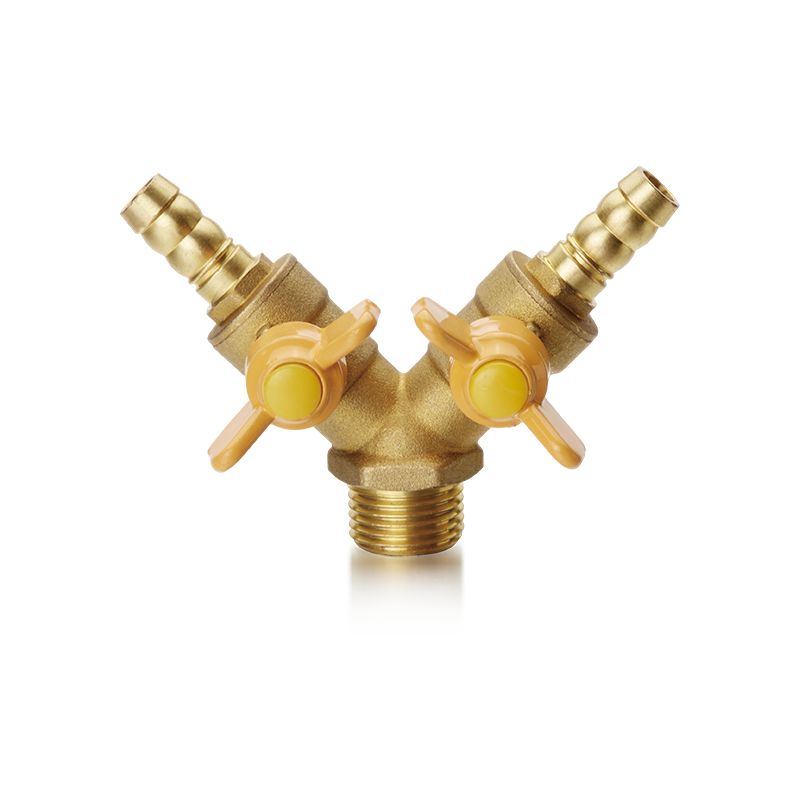
YH-208 Brass Ball Valve(M/Double Hose Connector)
-
 View More
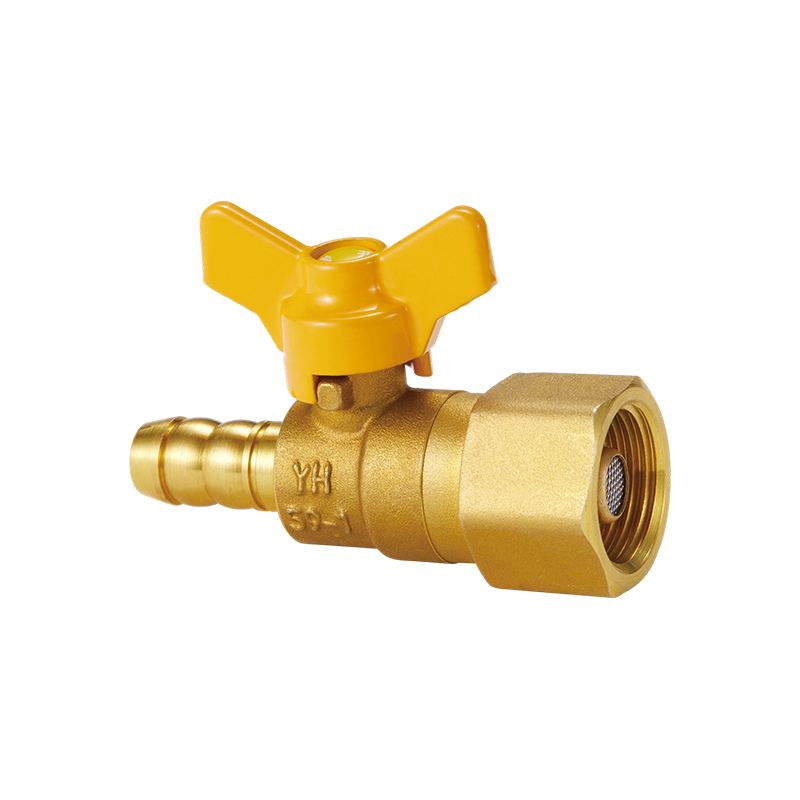
YH-216A Brass Excess Flow Shut-Off Valve(F/Hose Connector)
-
 View More
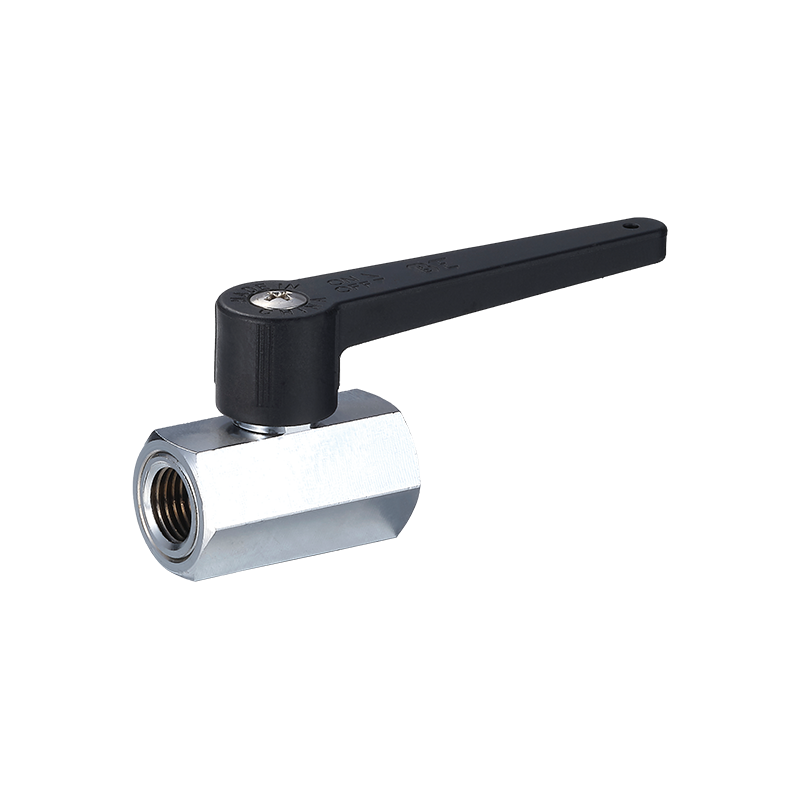
MINI-1 Mini Long Handle Ball Valve(F/F)
-
 View More
MINI-2 Mini Short-Handle Ball Valve(M/M)
-
 View More
YH-2210 Forged Steel Ball Valve with Long Handle (F/F)
Related News
Contact Us
-

-
 +86-0574-63742169
 -
 No.104-128, Cizhang East Road, Zhangqi Town, Cixi City, Ningbo, Zhejiang Province, China


Message Us Now !
