


 English
  русский
  عربى
عربى  Español
Hose Connector: Reliable Fluid Connection Solutions for Industrial and Household Applications
Content
- 1 Understanding the Function of a Hose Connector
- 2 Common Applications of Hose Connectors
- 3 Key Design Features of a High-Quality Hose Connector
- 4 Advantages Compared with Inferior or Inconsistent Alternatives
- 5 Manufacturing Strengths Supporting Product Quality
- 6 Material and Application Considerations
- 7 Quality Control from Raw Material to Finished Product
- 8 Benefits for Distributors and Equipment Manufacturers
- 9 Installation Recommendations
- 10 How to Select the Right Product Supplier
- 11 Why Precision Manufacturing Matters in Small Hardware Components
- 12 Role of Research and Development
- 13 Environmental and Operational Value
- 14 Comparison Table for Hose Connector Selection
- 15 Frequently Asked Questions
- 15.1 What is a hose connector used for?
- 15.2 Can one hose connector be used for every application?
- 15.3 How do I confirm connector compatibility?
- 15.4 Why is precision machining important for a hose connector?
- 15.5 What materials are commonly used for hose connectors?
- 15.6 Is a hose connector the same as a valve?
- 15.7 Can hose connectors be customized?
- 15.8 How can leakage be reduced during installation?
- 15.9 What should I do if the hose connector is difficult to assemble?
- 15.10 How often should a hose connector be inspected?
- 15.11 What manufacturing capabilities support this hose connector product?
- 15.12 Can the supplier provide other fluid-control products?
- 16 Conclusion
- 17 References
- 18 Product: Hose Connector
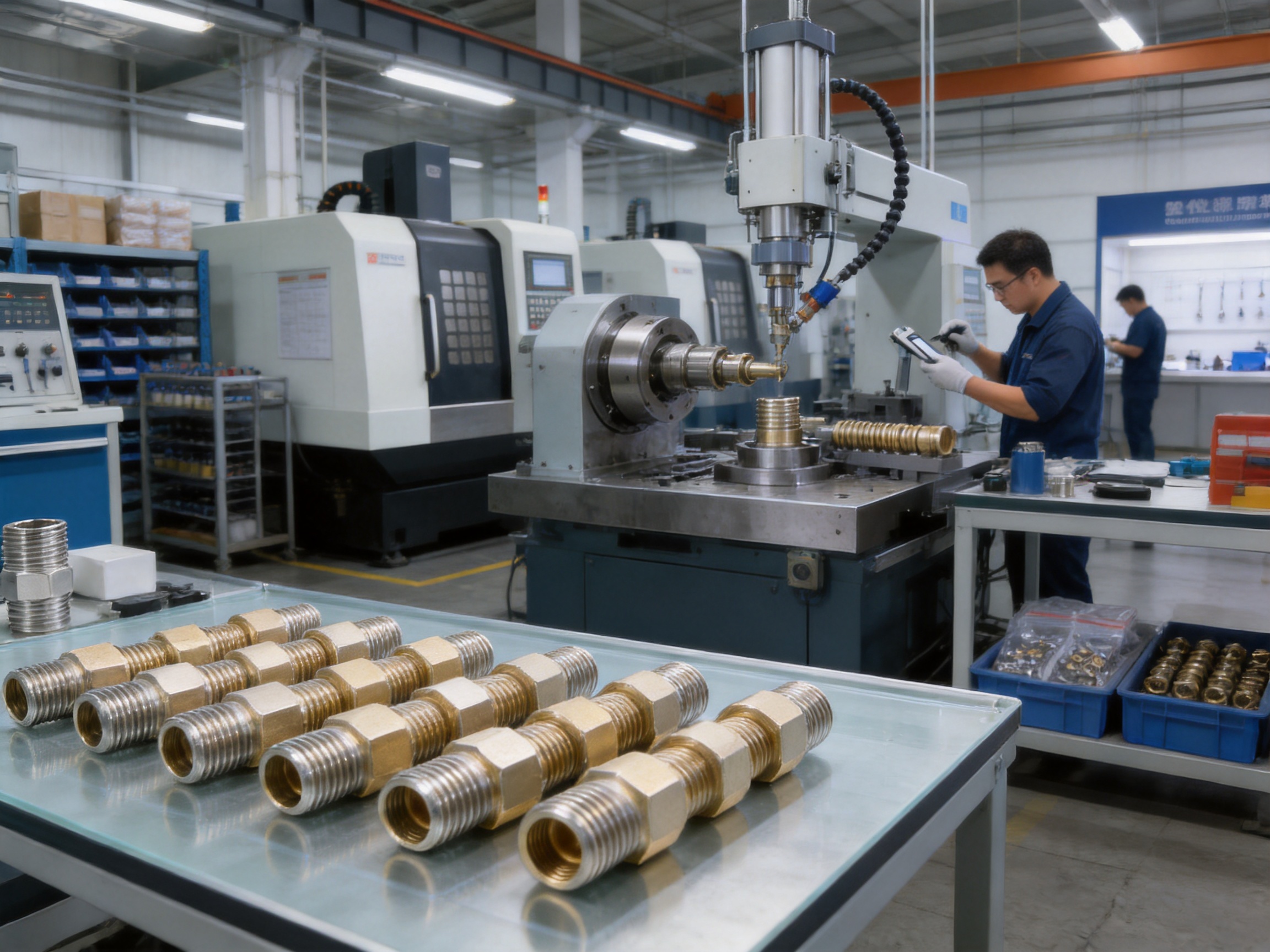
A hose connector is a small but essential component in fluid handling systems. It joins a flexible hose to another hose, a valve, a pipe, a faucet, equipment inlet, or an outlet connection. Although its size is usually modest, its performance has a direct influence on the safety, efficiency, and service life of the entire system. A poorly selected connector may cause leakage, pressure loss, difficult maintenance, or premature hose damage. A well-designed hose connector creates a secure transition between components and helps the complete fluid system operate consistently.
Modern hose connectors are used in water supply systems, gas-related equipment, irrigation installations, pneumatic tools, industrial machinery, agricultural equipment, construction facilities, and general hardware applications. They may be produced in different shapes and connection configurations to meet varied installation requirements. Depending on the application, a connector may be selected for its thread compatibility, material strength, corrosion resistance, sealing performance, ease of installation, or suitability for repeated maintenance.
Ningbo Yunhua Valve Co., Ltd. develops and manufactures valves and hardware accessories for gas, water, and other fluid-control applications. Its hose connector product category supports the practical connection needs of distributors, equipment manufacturers, installers, and end users. Supported by precision machining, automated assembly, professional testing, and an established production management system, the company is positioned to provide dependable hardware components for different fluid-handling environments.
Understanding the Function of a Hose Connector
The basic function of a hose connector is to create a controlled and stable connection between a hose and another component. The connector must accommodate the physical structure of the hose while also providing a reliable sealing interface. In many systems, the hose is flexible and capable of absorbing movement or vibration, while the connected valve or pipe is rigid. The hose connector serves as the transition point between these different components.
A connector may be installed at the end of a hose, between two hoses, or between a hose and a threaded component. It can help simplify installation by allowing the hose to connect to a standardized outlet. It can also make maintenance easier because the hose can be disconnected without replacing a larger section of piping or equipment.
The performance of a hose connector depends on the cooperation of several design elements. These include the body geometry, connection dimensions, thread quality, sealing method, hose retention structure, material, surface finish, and manufacturing accuracy. If any of these elements is poorly controlled, the connection may become unreliable even when the hose and valve themselves are of good quality.
For this reason, a hose connector should not be regarded as an insignificant accessory. It is a functional part of the fluid system and should be selected according to pressure, temperature, medium, installation environment, hose size, connection standard, and expected service conditions.
Common Applications of Hose Connectors
Hose connectors are used in a wide variety of applications because flexible hoses provide practical advantages during installation and operation. They can accommodate movement, reduce assembly complexity, and allow equipment to be positioned more conveniently. A connector makes it possible to integrate flexible hose sections into systems that otherwise use rigid valves and pipes.
Water Supply and Plumbing
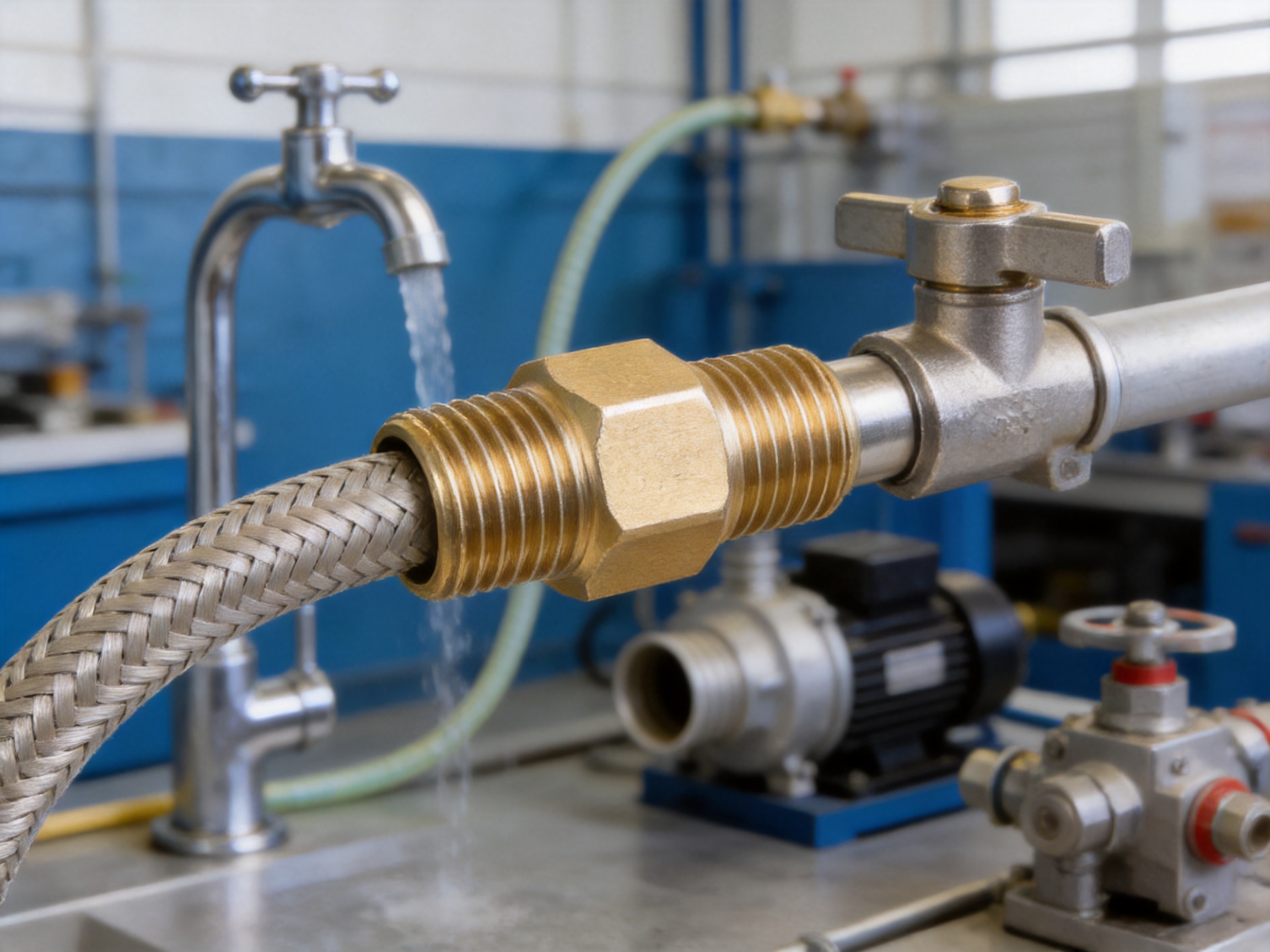
In water supply applications, hose connectors may be used with faucets, flexible water lines, valves, pumps, filters, and water distribution equipment. A suitable connector provides a secure transition and helps reduce the risk of leakage at the connection point. It may also simplify replacement of a hose or service component during routine maintenance.
For domestic plumbing, installation convenience is often as important as basic connection strength. Installers prefer components that align easily, provide a clear sealing surface, and do not require unnecessary tools or complicated procedures. In commercial and light industrial plumbing, long-term durability and compatibility with the water medium become increasingly important.
Irrigation and Agricultural Equipment
Irrigation systems frequently use hoses because they must cover changing distances and follow different layouts. Hose connectors help link hoses to taps, valves, distribution manifolds, pumps, and irrigation accessories. They must tolerate outdoor exposure, handling, vibration, and repeated connection or disconnection.
A connector for irrigation should be selected with attention to local water quality, operating pressure, ultraviolet exposure, and seasonal temperature changes. In agricultural environments, soil, dust, fertilizer residues, and mechanical impact may affect the service life of hardware accessories. Appropriate material selection and sound manufacturing quality can help maintain dependable operation.
Industrial Fluid Systems
Industrial equipment often contains multiple fluid circuits. These may include cooling water, cleaning solutions, compressed air, process fluids, or other compatible media. Hose connectors are used to connect flexible lines to valves, machinery, tanks, pumps, and control assemblies.
Industrial applications usually place greater demands on connection consistency. A connector may be installed in an environment with vibration, temperature variation, frequent cleaning, or continuous operation. The component must therefore be manufactured with stable dimensions and a finish suitable for the intended sealing method.
Gas-Related Equipment
Gas systems require careful attention to material compatibility, sealing performance, connection standards, and installation procedures. A hose connector used in a gas-related application must be selected specifically for the gas medium and operating conditions. It should not be used outside its approved purpose simply because its dimensions appear to match another connector.
Hardware accessories supplied for gas and fluid applications should be supported by clear technical information, appropriate testing, and responsible application guidance. When used together with products such as a brass gas ball valve, the connector must provide a compatible and secure interface. Professional installation and leak testing are essential for gas-related systems.
Equipment Maintenance and Replacement
Hose connectors are also valuable in repair and maintenance work. When a hose becomes worn, a connector can allow the damaged section to be replaced without rebuilding the complete line. This reduces downtime and may lower the total cost of ownership.
For maintenance teams, practical benefits include easy identification, repeatable installation, availability in standard sizes, and reliable compatibility with existing equipment. A manufacturer that offers consistent production and organized product categories can help distributors and service providers maintain appropriate replacement inventories.
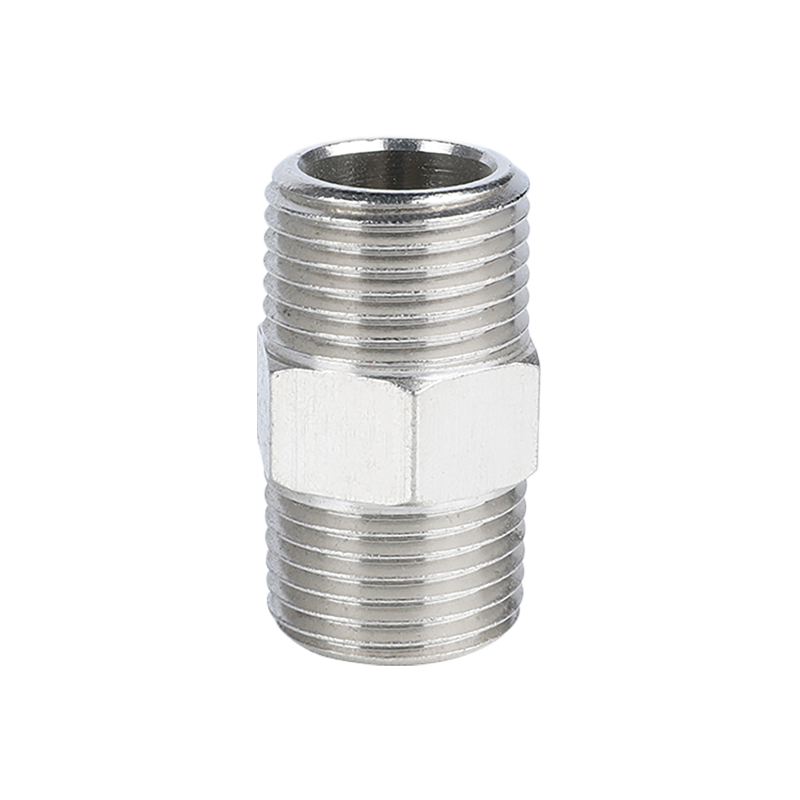
Hose Connector
Key Design Features of a High-Quality Hose Connector
Not all hose connectors provide the same level of performance. A high-quality product combines suitable geometry, accurate dimensions, appropriate material, and dependable inspection. The following characteristics are particularly important when comparing products from different suppliers.
Accurate Connection Dimensions
Connection dimensions must remain within controlled tolerances so that the connector can be assembled correctly with the hose, valve, or pipe. Dimensional variation may lead to loose fitting, excessive assembly force, damaged threads, or an imperfect sealing interface.
Precision machining is especially important for threaded sections and sealing surfaces. Threads should be formed cleanly, with consistent pitch and adequate engagement. The sealing face should be smooth and uniform enough to support the selected gasket, washer, sealant, or compression method.
Secure Hose Retention
The connector must hold the hose securely during normal operation. Depending on the design, retention may be provided by a barb, compression structure, clamp interface, threaded sleeve, or another mechanical arrangement. The selected method should correspond to the hose material, hose wall thickness, pressure, and application environment.
A connection that is easy to assemble but does not retain the hose reliably is unsuitable for demanding use. Conversely, a connection that requires excessive force may damage the hose during installation. Good design balances secure retention with practical assembly.
Reliable Sealing
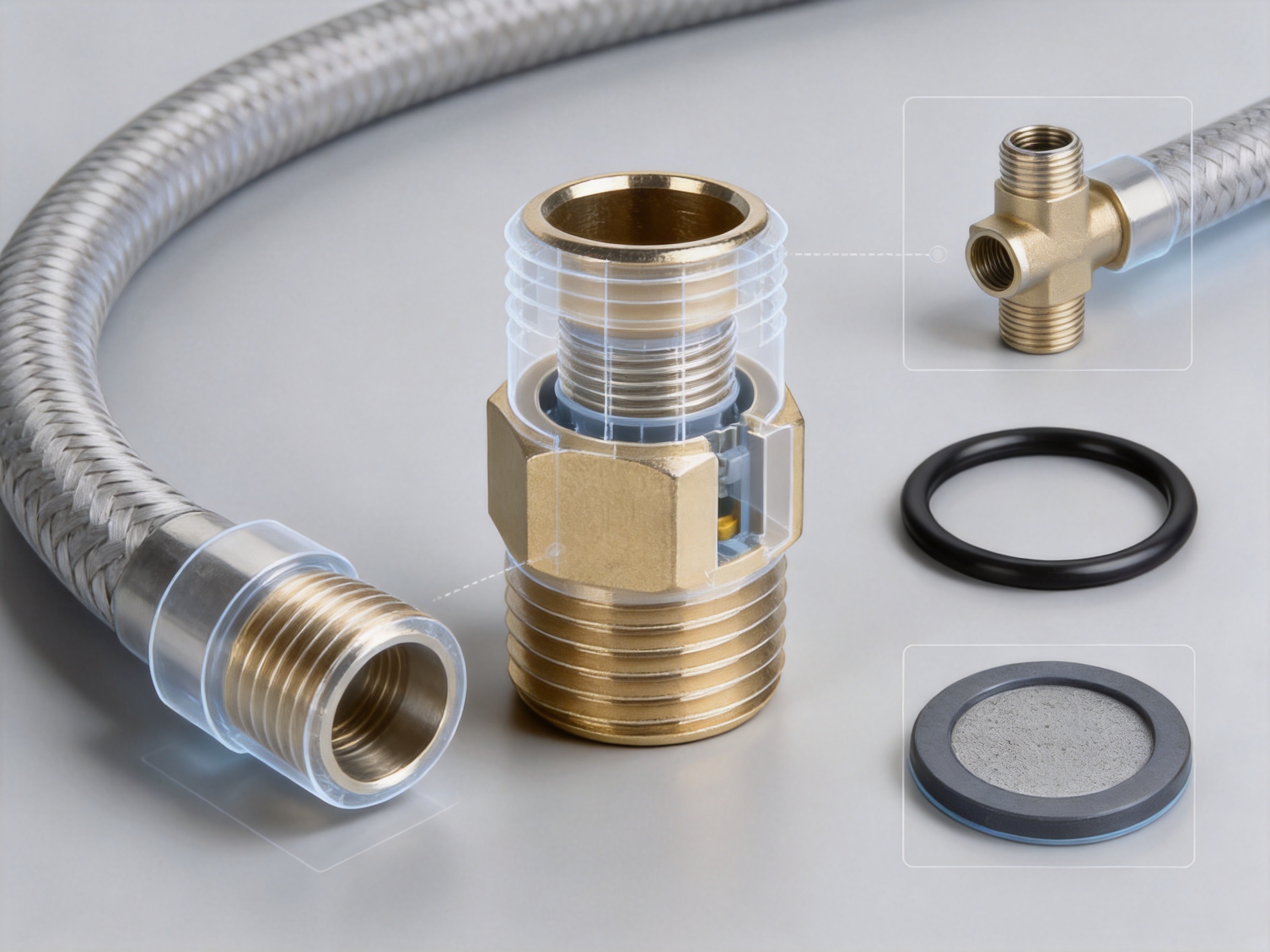
Leak prevention is one of the most important functions of a hose connector. The sealing method may involve a gasket, an O-ring, a tapered thread, a flat sealing surface, or a compression element. The correct method depends on the connector design and the system requirements.
Sealing performance is affected by surface quality, dimensional accuracy, assembly torque, alignment, temperature, pressure, and medium compatibility. A connector should therefore be evaluated as part of the complete assembly rather than as an isolated metal or plastic component.
Suitable Material Selection
The material of a hose connector influences strength, corrosion resistance, weight, machinability, and compatibility with the conveyed medium. Metal connectors are commonly selected where mechanical strength and durability are priorities. Brass is widely used in various valve and hardware applications because it offers useful machinability and corrosion resistance for many water and general service environments.
Material selection should always be based on the specific application. Water quality, gas type, chemical exposure, temperature, pressure, and local regulations may affect the suitability of a particular material. Professional technical review is recommended when a connector is used in a critical or specialized system.
Clean and Consistent Surface Finish
A consistent surface finish supports both appearance and function. It can help prevent contamination, improve the engagement of sealing components, and make inspection easier. Clean machining also reduces the possibility of burrs or sharp edges that may damage a hose or interfere with assembly.
Surface treatment may be applied where required by the application. The treatment should be compatible with the base material and should not interfere with the connection or sealing area. Manufacturing controls are needed to ensure that finishing remains uniform from batch to batch.
Advantages Compared with Inferior or Inconsistent Alternatives
When buyers compare hose connectors, the lowest purchase price does not always represent the lowest overall cost. Inconsistent products may create hidden expenses through leakage, rework, installation delays, customer complaints, and premature replacement. A connector produced under a controlled manufacturing system can offer advantages that become evident throughout the product life cycle.
More Consistent Assembly
Consistent dimensions allow installers to repeat the same assembly method across multiple units. This is valuable for distributors, equipment manufacturers, and large installation projects. When every connector has similar thread engagement and sealing behavior, workers spend less time adjusting individual parts.
Consistent assembly also helps reduce dependence on trial and error. The installer can follow a documented procedure rather than compensating for unpredictable variations between products.
Lower Risk of Leakage
A connector with accurate sealing geometry and controlled machining is less likely to create leakage caused by poor fit. This does not eliminate the need for correct installation, but it provides a stronger foundation for reliable operation.
Leakage can lead to water damage, corrosion, pressure loss, contamination, or safety risks depending on the medium. In commercial and industrial systems, even a small leak may increase maintenance requirements and reduce operational efficiency.
Improved Durability
Durability is influenced by material quality, wall thickness, connection geometry, and manufacturing control. A well-produced connector is better able to withstand normal assembly forces, operating pressure, vibration, and environmental exposure within its designed application range.
Durable hardware can reduce the frequency of replacement and help customers maintain more stable equipment performance. It may also reduce waste by extending the useful life of the overall installation.
Better Compatibility with Valve Systems
Hose connectors are often installed alongside valves, including globe valves, ball valves, water supply valves, and other fluid-control components. Accurate interfaces make it easier to create complete assemblies that function correctly together.
For example, a threaded globe valve is generally selected for controlled flow regulation, while a ball valve is often selected for quick shutoff. A hose connector must match the relevant connection format and service conditions so that the valve assembly remains mechanically secure and easy to operate.
More Efficient Maintenance
When connector dimensions and product quality are consistent, replacement work becomes more predictable. Maintenance personnel can identify the required component more easily and complete repairs with less adjustment. This is particularly useful for facilities that manage many similar machines or fluid circuits.
Reliable replacement components also support preventive maintenance programs. Instead of waiting for a connection to fail, operators can inspect hoses and connectors during scheduled service and replace worn parts in a controlled manner.
More Professional Product Support
A manufacturer with experience in valves and hardware accessories can evaluate hose connectors within the context of a complete fluid system. This broader understanding is useful when customers require help with product categories, connection compatibility, application conditions, or custom requirements.
Product support is especially valuable for overseas distributors and original equipment manufacturers. Clear communication about dimensions, materials, packaging, inspection, and application limitations helps reduce misunderstandings during purchasing and production planning.
Manufacturing Strengths Supporting Product Quality
The quality of a hose connector is strongly influenced by the manufacturing system behind it. Ningbo Yunhua Valve Co., Ltd. has developed production capabilities covering research and development, precision machining, assembly, testing, sales, and service. This integrated approach supports better control over the product process, from initial design through finished-component inspection.
Professional Precision Machining Workshop
The company has established a precision machining workshop equipped with domestic and international CNC machine tools. CNC machining supports repeatable production of connector bodies, threaded sections, sealing surfaces, and other detailed geometries.
Compared with uncontrolled manual processing, CNC equipment can improve repeatability and help maintain consistent dimensions across production batches. It also supports efficient processing of different product designs and sizes. Where a hose connector requires accurate interfaces, stable machining is a fundamental part of dependable performance.
Precision machining can additionally reduce burrs, improve surface consistency, and support clean assembly. These details matter because even small irregularities may affect hose insertion, thread engagement, or sealing performance.
Automated Assembly Lines
Assembly quality is as important as machining quality. The company operates automated assembly equipment and assembly lines designed to improve production efficiency and consistency. Automation can help standardize repeated procedures, reduce avoidable handling variation, and support higher-volume production.
For hardware accessories, assembly may involve positioning sealing elements, combining multiple parts, checking fit, or preparing products for final inspection. A controlled assembly process helps ensure that the completed product matches the intended design.
Automation does not replace engineering judgment or quality management. Instead, it provides a stable production foundation that can be supported by process documentation, equipment maintenance, operator supervision, and inspection procedures.
Professional Testing Workshop
A dedicated testing workshop enables finished products and assemblies to be evaluated before shipment. Testing may be organized according to product design, customer requirements, relevant standards, and intended application. Typical quality-control objectives include checking dimensional conformity, assembly integrity, sealing performance, and general appearance.
Testing is particularly important for components used in gas and fluid systems because defects may not always be visible during a simple visual inspection. A structured test process provides additional confidence that the connector is suitable for its specified use.
Manufacturers and distributors should confirm the specific inspection and certification requirements applicable to their market. Product documentation and testing arrangements can be discussed during the quotation and technical review stage.
Large and Coordinated Production Capacity
The company has an annual production capacity of approximately 2 million sets of valves and 10 million sets of hardware accessories. This capacity provides a foundation for serving both regular orders and larger purchasing programs.
Capacity alone does not define quality, but sufficient production resources can improve delivery planning, raw-material organization, equipment utilization, and batch management. For customers who require long-term supply, the ability to coordinate machining, assembly, testing, and shipment is a meaningful advantage.
Integrated Management and Product Development
The company has spent more than ten years developing its corporate culture, management system, and professional team. This experience supports a more organized approach to product development and production control.
Integrated management is useful when a product requires adjustment for a particular customer or application. Changes may involve dimensions, connection arrangements, packaging, labeling, production quantities, or inspection requirements. A coordinated organization can review these needs more efficiently than a supplier focused only on basic trading or isolated processing.
Material and Application Considerations
Choosing a hose connector requires more than selecting a nominal size. The connector must be compatible with the hose, the mating component, the fluid, and the environment. Buyers should consider the following factors before confirming an order.
Fluid or Gas Medium
The conveyed medium is one of the first considerations. Water, air, fuel gas, oils, cleaning solutions, and industrial fluids may have different compatibility requirements. A material or sealing element that performs well with water may not be suitable for another medium.
Customers should provide the manufacturer with accurate information about the medium, concentration, temperature range, and operating conditions. For gas applications, the specific gas type and applicable safety requirements should be clearly identified.
Operating Pressure
The connector must be suitable for the system's working pressure and any expected pressure fluctuations. Pressure capability depends on the connector material, wall design, connection type, hose properties, and assembly method.
Users should not assume that a connector is suitable for high pressure merely because it is made from metal. The complete assembly must be evaluated, including the hose, clamp or retention method, valve, pipe, and sealing components.
Temperature Range
Temperature can affect both the connector and the hose. Heat may change the strength or flexibility of certain materials, while low temperatures may make some hoses less flexible. Thermal expansion and contraction can also influence sealing performance.
The correct connector should be selected for the actual minimum and maximum operating temperatures, not only the average temperature. Occasional temperature peaks during cleaning, sterilization, or process changes should also be considered.
Connection Standard and Size
Thread type, nominal size, insertion depth, outside diameter, and sealing method must be verified before ordering. Similar-looking threads may not be interchangeable. A mismatch can damage the connection or create a leak even when the parts appear to fit initially.
Customers should provide drawings, samples, dimensional schedules, or complete technical descriptions when a nonstandard connector is required. This allows the manufacturer to confirm feasibility and avoid assumptions.
Installation Environment
Indoor and outdoor installations may require different levels of corrosion resistance and environmental protection. Outdoor systems may experience rain, sunlight, frost, dust, soil contact, and mechanical impact. Industrial facilities may expose connectors to oils, chemicals, vibration, or frequent cleaning.
The connector should be chosen with the full environment in mind. Appropriate installation, protective measures, and regular inspection remain important even when the product has been manufactured to a high standard.
Maintenance Requirements
If a hose is expected to be replaced frequently, the connector should support practical disassembly and reassembly. If the connection will remain undisturbed for a long period, long-term sealing stability and environmental resistance may be more important.
Maintenance teams should also consider whether replacement parts will be readily available. A standardized and clearly identified product can simplify stock management and reduce service delays.
Quality Control from Raw Material to Finished Product
Reliable connector production begins before machining. Raw materials should be sourced according to defined requirements and managed carefully throughout the production process. Material identification, storage conditions, and batch records help support traceability and consistent manufacturing.
During machining, process parameters should be managed to maintain the required geometry. CNC equipment can provide repeatable results, but it must be correctly programmed, maintained, and inspected. Tool wear should be monitored because worn tools may affect thread quality, surface finish, or dimensional accuracy.
After machining, parts may undergo cleaning, deburring, surface treatment, assembly, and inspection. Each stage should have clear acceptance criteria. A clean and properly deburred component is easier to assemble and less likely to damage the hose or sealing element.
During assembly, workers or automated equipment should use an established process. Components should be positioned correctly, and any sealing elements should be checked for damage, contamination, or incorrect placement. The finished assembly should then be inspected or tested according to its product requirements.
Quality control should also extend to packaging. Hose connectors can be affected by impact, moisture, contamination, and mixing of different sizes during transportation. Proper packaging, labeling, and batch organization help ensure that the customer receives products in usable condition.
This full-process approach is more reliable than inspecting only a small number of finished pieces after uncontrolled production. Prevention, process control, and final verification work together to improve product consistency.
Benefits for Distributors and Equipment Manufacturers
Distributors need products that are easy to explain, stock, identify, and supply to different customers. A hose connector with clear application categories and stable dimensions is easier to include in a professional hardware or valve product range.
Equipment manufacturers require repeatable components because their own products depend on predictable assembly. A connector that varies significantly from batch to batch may create production interruptions or require additional incoming inspection. Stable manufacturing helps support smoother integration into equipment and packaged systems.
For original equipment manufacturers, customization may be important. Requirements can include a particular connection configuration, product marking, packaging format, material preference, or inspection plan. Early technical communication allows the manufacturer to determine whether the request can be supported and whether design adjustments are necessary.
Long-term cooperation also benefits from coordinated production planning. When the supplier understands expected annual demand, delivery schedules, and product variants, it can organize materials and capacity more efficiently. This is especially valuable for customers purchasing both hose connectors and related valve products.
A supplier with experience in threaded globe valves, forged steel valves, brass gas ball valves, water supply valves, and hardware accessories can provide a broader product perspective. This does not mean every connector is suitable for every valve. Instead, it means the supplier is familiar with the connection and control requirements that commonly occur in fluid systems.
Installation Recommendations
Correct installation is essential to achieving the expected performance of a hose connector. Before assembly, confirm that the connector, hose, valve, and other mating components have matching dimensions and connection types.
Inspect the connector for visible damage, burrs, contamination, or deformation. Check the hose end for cuts, cracks, flattening, or excessive hardness. A damaged hose may prevent a reliable connection even when the connector is in good condition.
Insert or attach the hose according to the connector design. Do not force the hose in a way that may cut or weaken its wall. If a clamp or other retention component is required, position it correctly and tighten it according to the appropriate procedure.
For threaded connections, align the threads carefully before applying force. Cross-threading can damage both parts and create an unreliable connection. Use the recommended sealing method and avoid excessive tightening, which may deform the connector or damage the sealing surface.
After assembly, perform an appropriate inspection or leak test before placing the system into normal service. Gas-related systems require especially careful leak testing and should be installed and checked by qualified personnel in accordance with applicable regulations.
During operation, inspect connectors periodically for corrosion, movement, hose damage, leakage, or signs of stress. Replace components when their condition no longer supports safe and reliable service.
How to Select the Right Product Supplier
A dependable supplier should be evaluated not only by product price but also by manufacturing capability, technical communication, quality management, capacity, delivery performance, and after-sales support.
Manufacturing Capability
Ask whether the supplier has its own machining, assembly, and testing resources. In-house or closely managed manufacturing can improve process coordination and provide better visibility into product quality.
Technical Communication
The supplier should be able to discuss connection dimensions, material choices, sealing methods, application conditions, and customization requirements. Clear communication before production reduces the risk of ordering an unsuitable component.
Quality Documentation
Depending on the market and application, buyers may require inspection reports, material information, dimensional records, batch identification, or other documentation. Requirements should be agreed upon before production and shipment.
Production Capacity
Capacity matters when customers need stable supply or plan to expand sales. A supplier with organized machining and assembly resources may be better prepared to manage recurring orders and multiple product variants.
Product Range
A broad product range can simplify sourcing. Customers may benefit from working with a supplier that offers hose connectors alongside valves and other hardware accessories. Consolidated sourcing can reduce communication complexity and support more consistent product planning.
Customization Support
Custom products require engineering review, sample confirmation, process planning, and quality verification. Buyers should choose a supplier that is willing to clarify drawings, samples, specifications, and production expectations before accepting a custom order.
Why Precision Manufacturing Matters in Small Hardware Components
Small components often require more manufacturing discipline than their size suggests. A variation of a fraction of a millimeter may change thread engagement, hose retention, or sealing behavior. Because connectors are installed at system interfaces, their dimensions affect the compatibility of several other parts.
Precision machining helps transform design requirements into repeatable physical products. CNC machine tools can produce complex or detailed geometries with controlled positioning and repeatable movement. When supported by inspection and process management, this capability helps reduce variation and improve production stability.
Precision also supports efficient production. Once a design has been verified and the process has been established, the same product can be manufactured in larger quantities with consistent results. This is important for both standard products and customized components.
However, precision machining is only one part of quality. Correct material, suitable tooling, proper cleaning, controlled assembly, testing, packaging, and technical support are also necessary. A strong manufacturer manages these activities as a connected system rather than treating machining as an isolated operation.
Role of Research and Development
Research and development helps manufacturers improve products in response to changing market needs and application requirements. For hose connectors, development work may focus on improved sealing, easier assembly, better hose retention, more efficient machining, corrosion resistance, or compatibility with different systems.
R and D can also support the development of new connection formats and customer-specific designs. By reviewing the application before production, engineers can identify potential problems such as inadequate insertion depth, difficult tool access, excessive stress concentration, or unsuitable material selection.
Product development should be connected to actual manufacturing capability. A design that cannot be produced consistently is not a practical commercial solution. The combination of engineering review, CNC machining, automated assembly, and testing allows new designs to be assessed more realistically.
Environmental and Operational Value
A durable hose connector may contribute to more efficient use of materials and maintenance resources. When a connection remains secure and the hose can be replaced independently, the service life of other system components may be extended. Reduced leakage also helps conserve water or other fluids and can prevent damage to surrounding equipment.
Manufacturing efficiency can provide additional operational benefits. Automated assembly and organized production processes may reduce unnecessary handling and improve resource utilization. Proper quality control reduces the number of defective parts that require rework or disposal.
Environmental performance depends on the complete product life cycle, including material sourcing, machining, packaging, transportation, installation, use, maintenance, and end-of-life treatment. Customers should select products according to actual application needs and avoid using components outside their intended conditions.
Comparison Table for Hose Connector Selection
| Selection Factor | Why It Matters | Information to Confirm |
|---|---|---|
| Connection type | Determines whether the connector can attach correctly to the hose, valve, or pipe. | Thread form, connection style, nominal size, and sealing method. |
| Material | Affects strength, corrosion resistance, weight, and medium compatibility. | Base material, surface treatment, and application limitations. |
| Operating pressure | Influences the safety and durability of the complete assembly. | Normal pressure, peak pressure, and pressure fluctuation. |
| Temperature | Can affect connector strength, hose flexibility, and seal performance. | Minimum, maximum, and occasional process temperatures. |
| Hose dimensions | Controls insertion, retention, and sealing at the hose interface. | Inside diameter, outside diameter, wall thickness, and hose material. |
| Fluid or gas medium | Determines compatibility requirements for the connector and seals. | Medium type, concentration, cleanliness, and chemical properties. |
| Installation environment | May expose the connector to weather, dust, vibration, chemicals, or impact. | Indoor or outdoor use, humidity, corrosion exposure, and mechanical stress. |
| Maintenance frequency | Influences the preferred connection and replacement approach. | Expected disassembly frequency and availability of replacement parts. |
| Inspection requirements | Provides evidence that the product meets customer and market expectations. | Dimensional checks, leakage tests, material records, and batch control. |
Frequently Asked Questions
What is a hose connector used for?
A hose connector joins a flexible hose to another hose, valve, pipe, faucet, pump, machine, or other fluid-handling component. It creates a mechanical connection and, when correctly installed, supports a reliable seal.
Can one hose connector be used for every application?
No. Connector selection depends on hose dimensions, connection type, operating pressure, temperature, fluid or gas medium, material compatibility, and installation environment. A connector suitable for household water may not be suitable for gas or industrial chemicals.
How do I confirm connector compatibility?
Confirm the connection standard, nominal size, thread type, hose inside and outside diameters, sealing method, material, and operating conditions. Drawings, samples, and complete application details can help a manufacturer verify compatibility.
Why is precision machining important for a hose connector?
Precision machining helps control threads, sealing surfaces, body dimensions, and hose-retention features. Better dimensional consistency supports easier assembly, improved compatibility, and more predictable sealing performance.
What materials are commonly used for hose connectors?
Materials vary according to the application. Metal options such as brass may be used for many water, gas-related, and general hardware applications, while other metals or engineered materials may be selected for specialized environments. The correct material depends on the medium, pressure, temperature, and applicable standards.
Is a hose connector the same as a valve?
No. A hose connector joins components, while a valve controls, regulates, or stops fluid flow. They may be used together in the same system. For example, a hose connector can connect a flexible hose to a ball valve or another type of fluid-control valve.
Can hose connectors be customized?
Depending on the manufacturer and production capability, customization may be possible for dimensions, connection arrangements, materials, markings, packaging, or inspection requirements. Customers should provide technical drawings, samples, or detailed specifications for review before production.
How can leakage be reduced during installation?
Use compatible components, inspect the hose and connector, align threads correctly, apply the appropriate sealing method, avoid over-tightening, and conduct a suitable leak test after assembly. Gas systems should be installed and tested by qualified personnel.
What should I do if the hose connector is difficult to assemble?
Stop the installation and check for mismatched dimensions, damaged threads, burrs, contamination, hose deformation, or incorrect assembly direction. Do not use excessive force. If the problem remains, provide the supplier with photographs, measurements, and application details.
How often should a hose connector be inspected?
Inspection frequency depends on the application. Systems exposed to vibration, outdoor weather, chemicals, high pressure, or frequent movement generally require more frequent inspection. Check for leakage, corrosion, hose damage, loosening, and visible deformation.
What manufacturing capabilities support this hose connector product?
The manufacturer operates a precision machining workshop with CNC machine tools, automated assembly lines, automated assembly and testing equipment, and a professional testing workshop. These resources support repeatable production and quality control for valves and hardware accessories.
Can the supplier provide other fluid-control products?
The company specializes in gas and fluid valves, water supply valves, and hardware accessories. Its broader product scope includes valve categories such as threaded globe valves, forged steel valves, and brass gas ball valves, subject to specific product availability and technical requirements.
Conclusion
A hose connector is a practical component that plays a central role in creating safe, efficient, and maintainable fluid connections. Its performance depends on more than basic shape or nominal size. Accurate machining, appropriate material, secure hose retention, reliable sealing, controlled assembly, and suitable testing all contribute to the final result.
Compared with low-quality or inconsistent alternatives, a professionally manufactured hose connector can offer more predictable assembly, lower leakage risk, improved durability, easier maintenance, and better compatibility with valves and other system components. These benefits are especially valuable for distributors, equipment manufacturers, installers, and industrial users who require stable product performance over repeated projects.
Ningbo Yunhua Valve Co., Ltd. combines product development, precision CNC machining, automated assembly, professional testing, and organized production management to support its valve and hardware accessory business. With an annual capacity of approximately 2 million sets of valves and 10 million sets of hardware accessories, the company has the production foundation to serve both standard and customized purchasing requirements.
Before selecting a hose connector, customers should review the medium, pressure, temperature, hose dimensions, connection standard, environment, and maintenance expectations. By matching the connector to the actual application and working with a capable manufacturer, users can build fluid systems that are more secure, efficient, and dependable.
References
1. General principles of fluid-control component selection and system compatibility.
2. Industrial guidance on threaded connections, sealing methods, and hose assembly practices.
3. General engineering practices for CNC precision machining and dimensional quality control.
4. Manufacturing quality-management principles for valves, fittings, and hardware accessories.
5. General safety practices for water, gas, and industrial fluid installations.
6. Product and manufacturing information supplied for hose connectors, valves, and hardware accessories.
Product: Hose Connector

Related Products
-
 View More
-
 View More
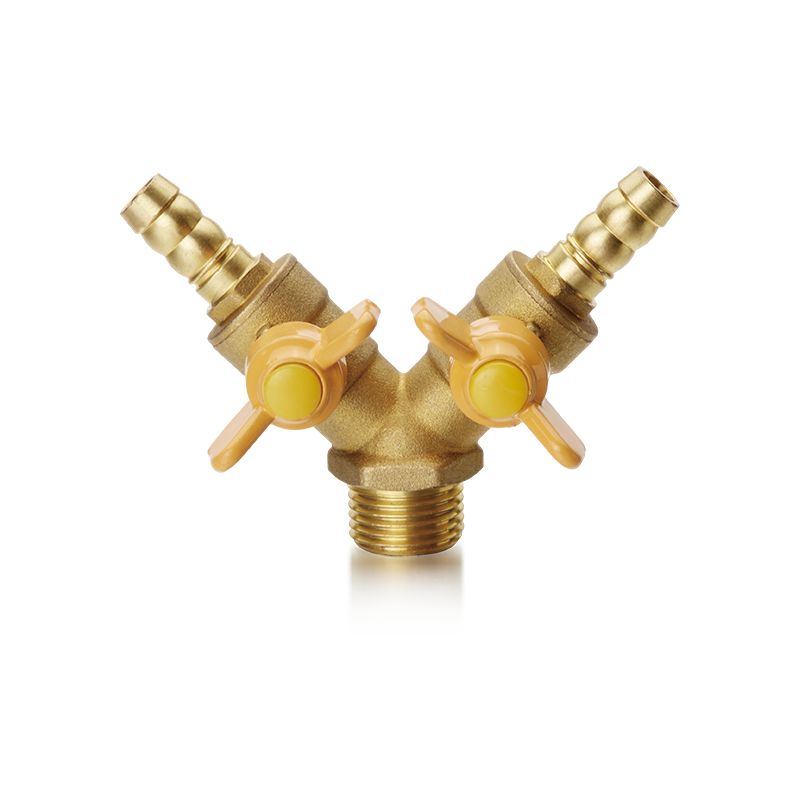
YH-208 Brass Ball Valve(M/Double Hose Connector)
-
 View More
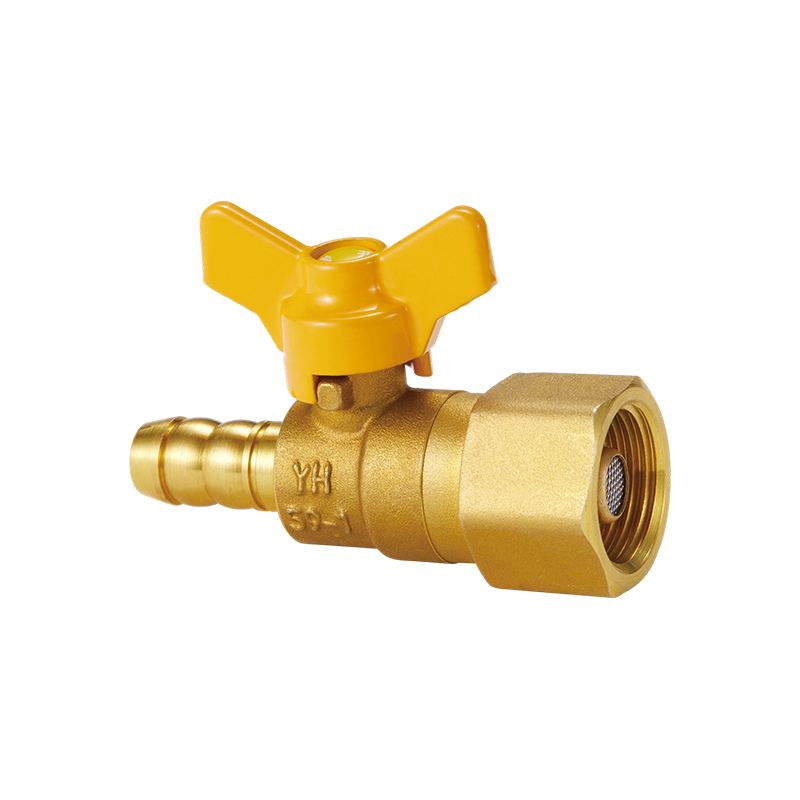
YH-216A Brass Excess Flow Shut-Off Valve(F/Hose Connector)
-
 View More
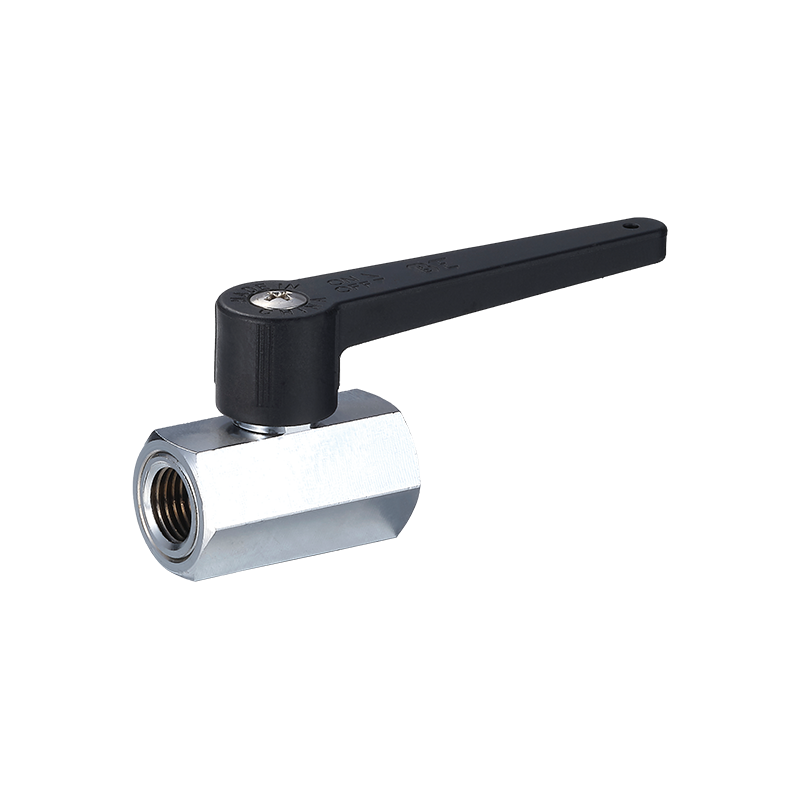
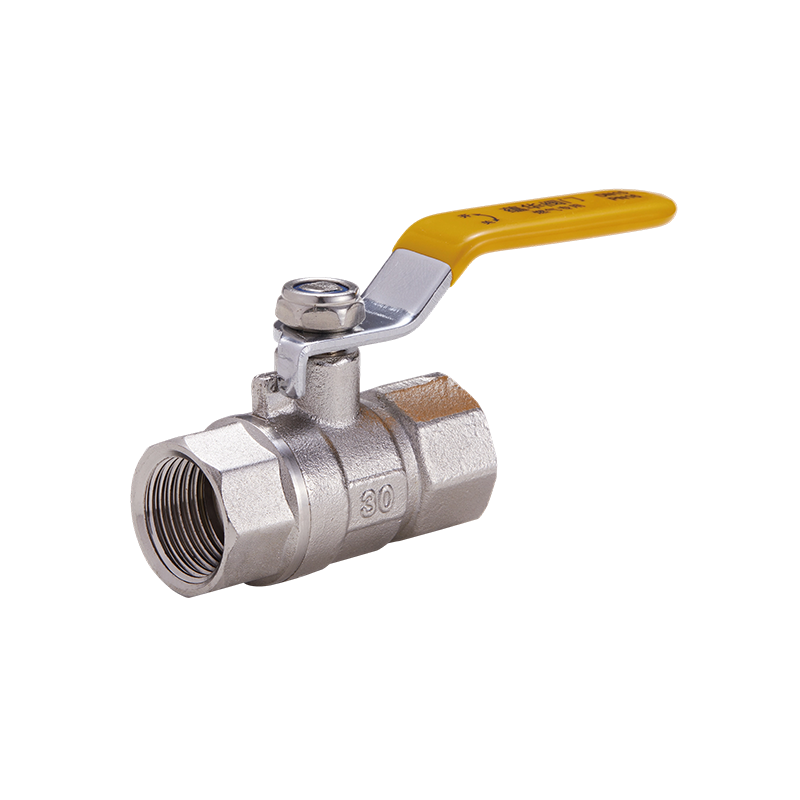
MINI-1 Mini Long Handle Ball Valve(F/F)
-
 View More
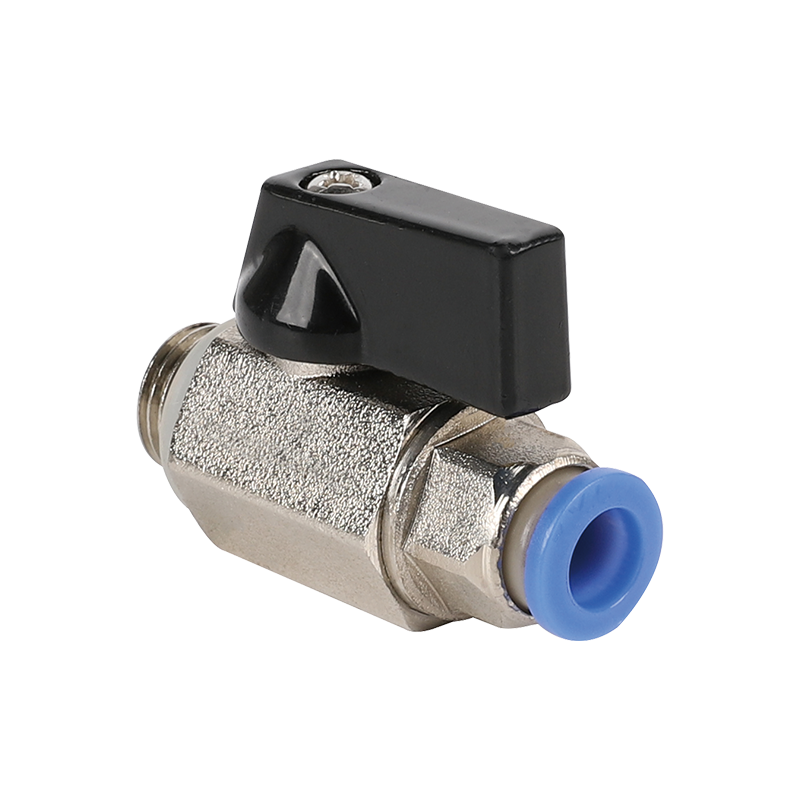
MINI-2 Mini Short-Handle Ball Valve(M/M)
-
 View More
YH-2210 Forged Steel Ball Valve with Long Handle (F/F)
Related News
Contact Us
-

-
 +86-0574-63742169
 -
 No.104-128, Cizhang East Road, Zhangqi Town, Cixi City, Ningbo, Zhejiang Province, China


Message Us Now !
