


 English
  русский
  عربى
عربى  Español
Pipe Fittings for Reliable Fluid and Gas Systems
Content
- 1 Understanding the Role of Pipe Fittings
- 2 Product Positioning and Application Value
- 3 Advantages Over Common Competitor Products
- 4 Material Considerations for Reliable Pipe Fittings
- 5 Advanced Manufacturing Processes
- 6 Quality Control and Testing Discipline
- 7 How Pipe Fittings Support Safe Gas Systems
- 8 Pipe Fittings in Water Supply and Fluid Control
- 9 Comparison of Key Product Factors
- 10 Design Details That Improve Performance
- 11 Manufacturing Strengths of Ningbo Yunhua Valve Co., Ltd.
- 12 Why Integrated Valve and Fitting Expertise Matters
- 13 Customization and OEM Possibilities
- 14 Installation Benefits for Contractors and End Users
- 15 Long-Term Durability and Maintenance Reduction
- 16 Supply Reliability for Global Buyers
- 17 Pipe Fittings and the Safe Fluid Ecosystem
- 18 Frequently Asked Questions
- 18.1 What are pipe fittings used for?
- 18.2 Why is thread accuracy important for pipe fittings?
- 18.3 What advantages do these pipe fittings offer compared with ordinary low-cost fittings?
- 18.4 Can pipe fittings be used with valves such as Threaded Globe Valve, Forged Steel Valve, and Brass Gas Ball Valve products?
- 18.5 What materials are commonly used for pipe fittings?
- 18.6 How does automated manufacturing improve pipe fitting quality?
- 18.7 Are custom pipe fittings available?
- 18.8 Why choose a manufacturer with both valve and fitting experience?
- 19 Conclusion
- 20 References
- 21 Product: Pipe Fittings
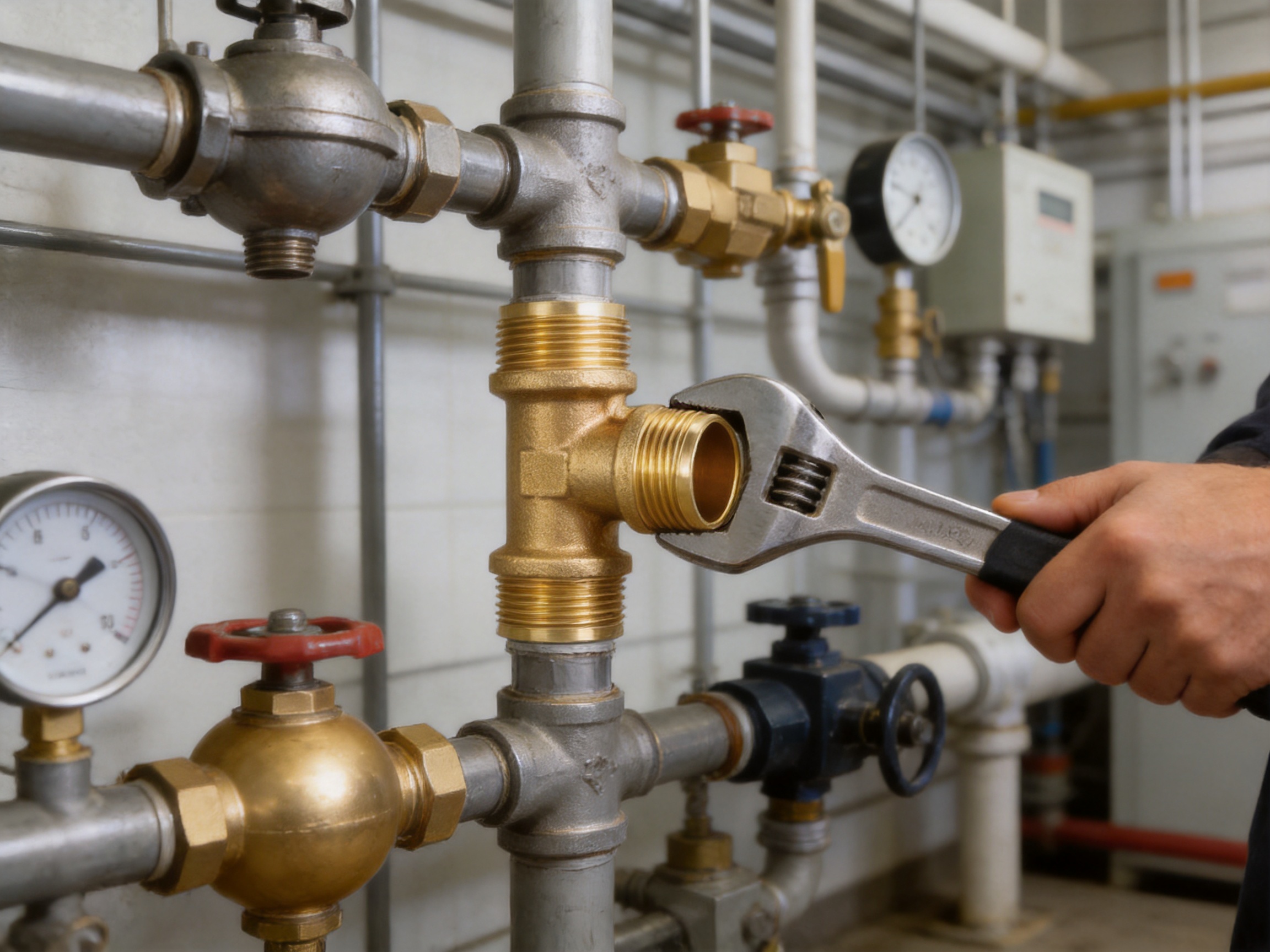
Pipe fittings are essential components in modern fluid control, gas transmission, water supply, heating, industrial equipment, and hardware accessory systems. Although they may appear simple from the outside, their performance directly affects sealing reliability, installation efficiency, service life, safety, maintenance cost, and the overall stability of a pipeline network. For distributors, engineering contractors, equipment manufacturers, and system integrators, selecting the right pipe fittings is not only a purchasing decision but also a long-term quality decision.
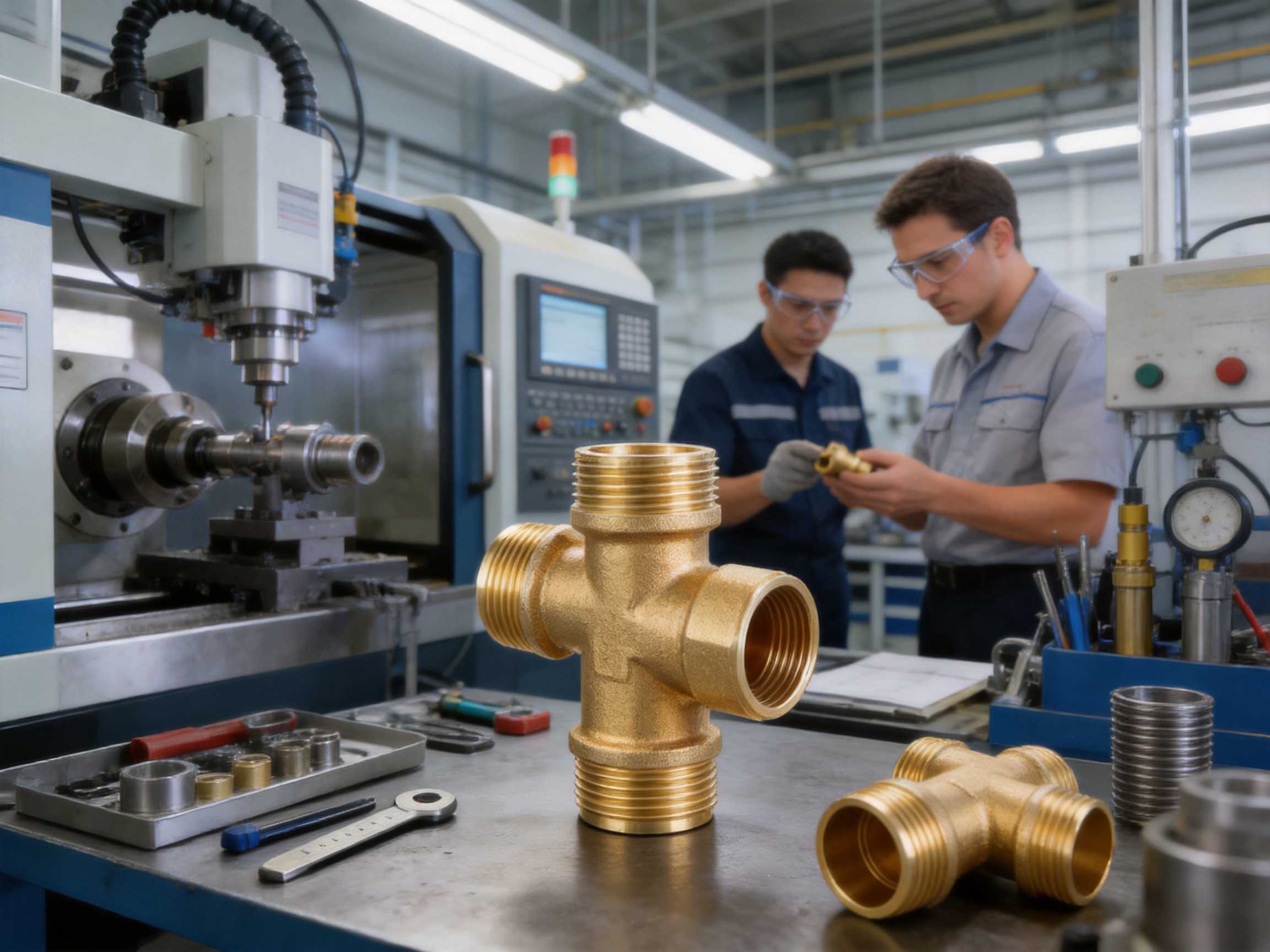
As a professional manufacturer in the valve and hardware accessory field, Ningbo Yunhua Valve Co., Ltd. provides pipe fittings supported by mature production capacity, precision machining, automated assembly, strict testing, and extensive experience in gas and fluid valve applications. The company is located in Cixi City, Ningbo, Zhejiang Province, China, and has developed into an innovative enterprise integrating research, development, production, sales, and service. Its product experience covers gas and fluid valves, water supply valves, hardware accessories, Threaded Globe Valve products, Forged Steel Valve solutions, Brass Gas Ball Valve products, and related pipe connection components.
In many applications, pipe fittings are responsible for connecting, redirecting, adapting, sealing, extending, and supporting pipeline systems. A high-quality fitting must match the material, pressure, medium, thread standard, installation space, and expected working environment. Poor-quality fittings can lead to leakage, thread damage, corrosion, pressure loss, downtime, and safety risks. By contrast, well-engineered pipe fittings can help create a safe, compact, easy-to-maintain, and cost-effective fluid ecosystem.
Understanding the Role of Pipe Fittings
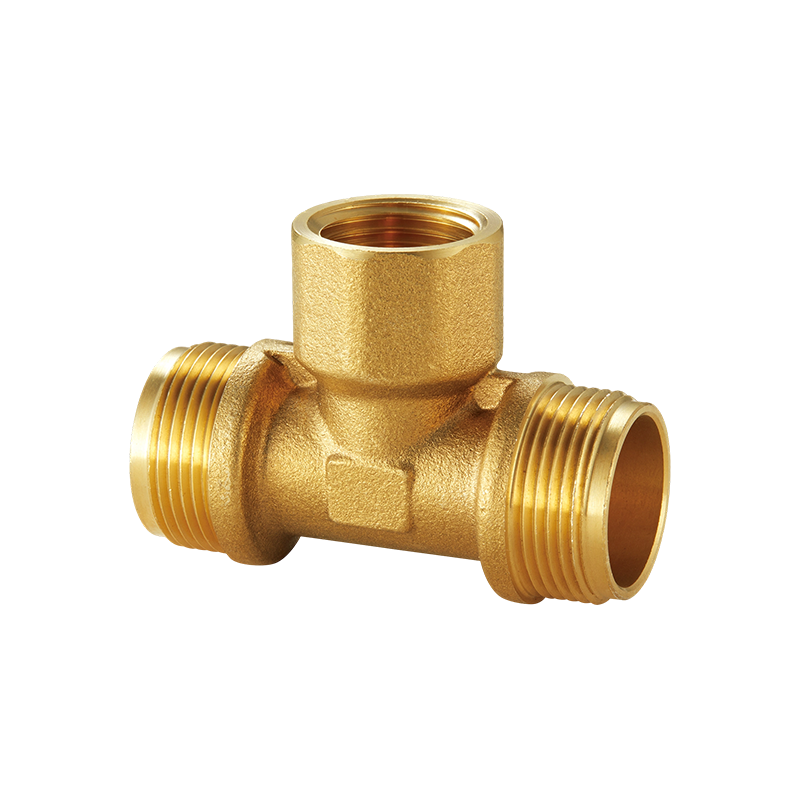
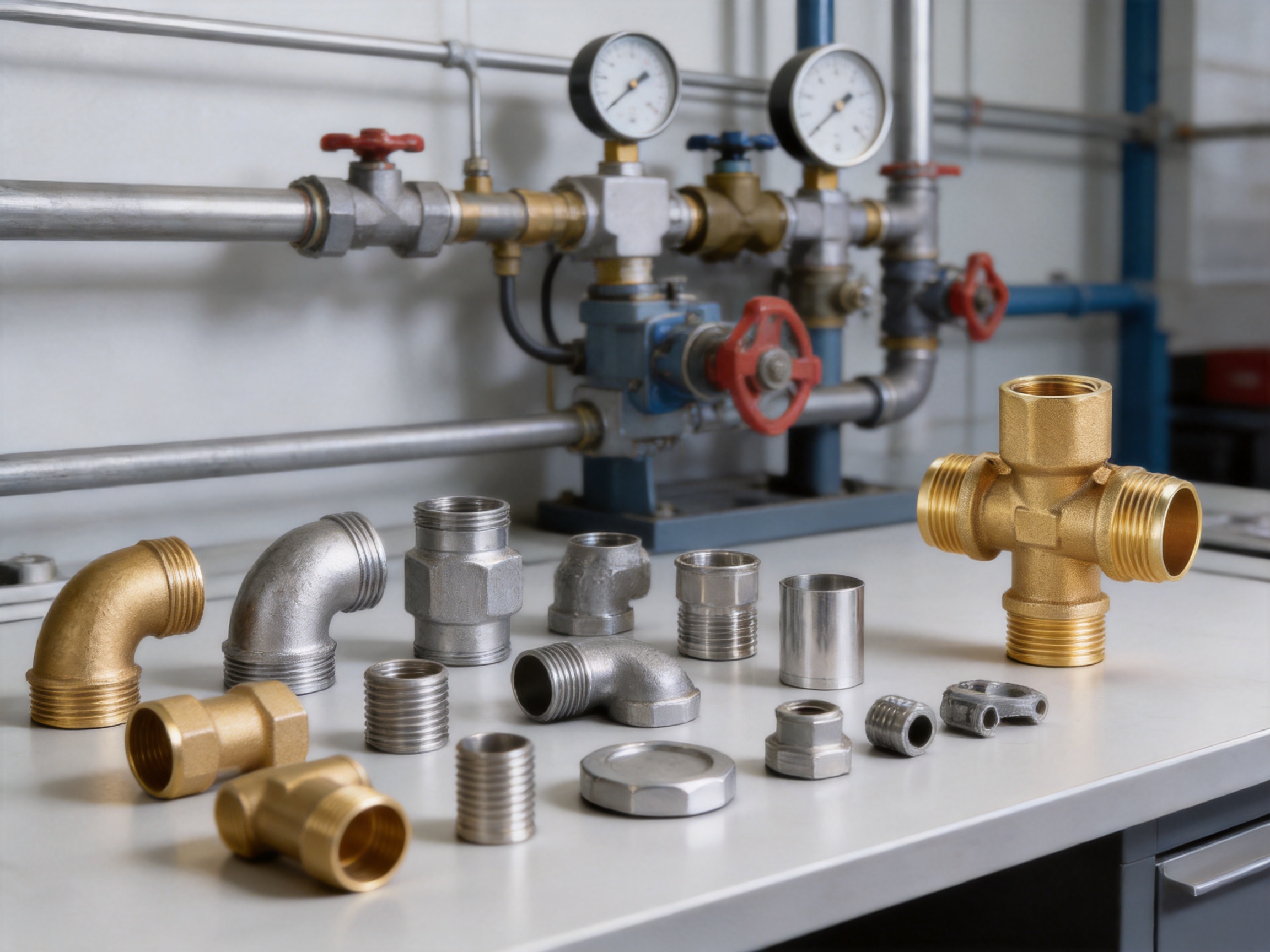
Pipe fittings are used to connect pipe sections or to connect pipes with valves, meters, pumps, regulators, hoses, and terminal equipment. They may be designed as elbows, tees, couplings, reducers, nipples, plugs, caps, unions, adapters, bushings, or special custom components. In residential systems, they are often used in water supply, gas supply, heating, and sanitary installations. In industrial systems, they support compressed air, fuel gas, steam, oil, cooling water, process water, and other controlled media.
The importance of pipe fittings becomes clear when evaluating pipeline performance as a complete system. Even if pipes and valves are high quality, a weak fitting can become the failure point. A connection may leak because of poor thread accuracy, insufficient wall thickness, rough sealing surfaces, material defects, or unstable dimensional control. For this reason, professional pipe fitting manufacturing requires more than basic metal processing. It requires a systematic combination of material selection, forming technology, CNC machining, surface treatment, automated inspection, pressure testing, and process traceability.
Pipe fittings also influence installation speed. Contractors prefer fittings with accurate threads, clean surfaces, consistent dimensions, and stable packaging because these features reduce installation errors and rework. For wholesale buyers and equipment manufacturers, consistent batches are especially important. A fitting that performs well in one shipment but varies in the next can create assembly interruptions and customer complaints. Ningbo Yunhua Valve Co., Ltd. emphasizes stable production control to help customers obtain repeatable quality across large-volume orders.
Product Positioning and Application Value
The Pipe Fittings product category is positioned for customers who require dependable connection components for valve systems, fluid pipelines, gas pipelines, and hardware accessory assemblies. These fittings can be applied in both standard installations and customized system designs. They are especially valuable when paired with valves such as Threaded Globe Valve products, Forged Steel Valve products, and Brass Gas Ball Valve products, because the connection quality between the fitting and the valve affects the sealing performance of the entire system.
In gas applications, pipe fittings must help maintain stable sealing under practical operating conditions. In water supply systems, they must resist leakage, corrosion, and mechanical stress during long-term use. In hardware accessories, they may need to support compact structures, precise assembly, and aesthetic consistency. In fluid control systems, they must assist in accurate routing, reduce unnecessary pressure loss, and withstand repeated installation or maintenance operations.
The value of a pipe fitting is not limited to its unit price. A low-cost fitting may appear attractive at the purchasing stage, but if it causes leakage, installation delay, or premature replacement, the total cost becomes much higher. High-quality fittings reduce hidden costs by improving system reliability, lowering maintenance frequency, and supporting safe operation. This is one of the key advantages of choosing pipe fittings from an experienced valve and hardware accessory manufacturer with integrated production and testing capability.
Advantages Over Common Competitor Products
Pipe fittings in the market vary widely in material quality, dimensional consistency, thread precision, sealing reliability, and appearance. Some competitors focus mainly on low-cost production, which can result in inconsistent machining, burrs, inaccurate thread engagement, weak wall thickness control, or insufficient pressure testing. These problems may not always be visible before installation, but they can create serious issues during operation.
One advantage of Ningbo Yunhua Valve Co., Ltd. is its integrated understanding of both valves and fittings. Since the company specializes in gas and fluid valves, water supply valves, and hardware accessories, it understands how fittings interact with sealing surfaces, valve bodies, threaded connections, and flow paths. This practical knowledge helps improve fitting design and production standards. A pipe fitting is not treated as an isolated component but as part of a complete fluid control solution.
Another advantage is production scale and consistency. The company covers an area of 20,000 square meters and has established professional automated precision machining, assembly, and testing workshops. With an annual production capacity of 2 million sets of valves and 10 million sets of hardware accessories, it has the operational foundation to support stable supply for distributors, project buyers, and OEM customers. Strong capacity helps reduce delivery uncertainty and supports long-term cooperation.
Precision machining is also a competitive strength. Advanced CNC machine tools and professional automated equipment help ensure accurate dimensions and repeatable thread quality. Thread accuracy is particularly important for fittings because the sealing and mechanical engagement depend heavily on thread geometry. If the thread is too loose, leakage risk increases. If it is too tight or poorly cut, installation becomes difficult and the mating part may be damaged. Precision manufacturing helps achieve a better balance between easy assembly and reliable sealing.
Testing capability further differentiates high-quality pipe fittings from ordinary products. A professional testing workshop allows the manufacturer to verify critical performance indicators before delivery. Pressure resistance, sealing reliability, appearance, dimensional accuracy, and assembly compatibility can be checked according to product requirements. This process reduces the probability of defective parts reaching customers and strengthens confidence in batch quality.
Material Considerations for Reliable Pipe Fittings
Material selection is one of the foundations of pipe fitting performance. Depending on the application, pipe fittings may be made from brass, forged steel, stainless steel, carbon steel, or other suitable metals. Each material has its own advantages. Brass is widely used in gas, water, and hardware applications because it offers good machinability, corrosion resistance, sealing behavior, and durability. Forged steel is preferred in demanding applications where high strength and pressure resistance are required. Stainless steel offers excellent corrosion resistance in more aggressive environments.
For many gas and water supply systems, brass fittings are valued for their stable performance and practical cost-effectiveness. Brass can be precisely machined to produce clean threads and smooth sealing surfaces. It also offers good resistance to corrosion in many common service conditions. In combination with Brass Gas Ball Valve products, brass fittings can create a compatible connection system for gas control and distribution.
Forged steel fittings may be selected for industrial systems requiring higher mechanical strength. The forging process can improve structural integrity by reducing internal defects and enhancing grain flow. When used with Forged Steel Valve products, properly manufactured forged fittings can contribute to a strong and reliable pipeline connection. Customers who operate in more demanding pressure or temperature conditions often consider forged components for their strength and stability.
The key point is that material choice must match the medium, pressure, temperature, installation environment, and regulatory requirements. A professional manufacturer can help customers select suitable materials and structures rather than simply offering a generic fitting. This application-oriented approach is important for reducing risk and improving service life.
Advanced Manufacturing Processes
The manufacturing of reliable pipe fittings begins with controlled raw material selection. Incoming materials should meet chemical composition and mechanical property requirements. Visual inspection, size verification, and supplier management all contribute to the stability of the production process. If raw material quality is unstable, even advanced machining cannot fully compensate for defects. Therefore, professional manufacturers place strong emphasis on material control at the beginning of production.
After material preparation, forming and machining processes are selected according to product type. For brass fittings, hot forging, casting, extrusion, or bar machining may be used depending on the design. For steel fittings, forging and precision machining may be applied to obtain strength and accurate geometry. Each process must control temperature, deformation, cooling, and dimensional allowance to ensure the final product meets performance requirements.
CNC machining is a critical step for pipe fittings. Threads, sealing faces, internal flow passages, hexagonal wrench surfaces, shoulders, grooves, and end dimensions require precision. Automated CNC equipment improves repeatability and reduces human error. Compared with traditional manual machining, CNC machining provides more stable dimensional control, better surface consistency, and improved production efficiency. This is especially important for large-volume orders where every fitting must remain consistent.
Deburring and surface finishing are also important. Burrs on threads or internal passages can interfere with installation, damage sealing materials, or contaminate the pipeline. A smooth internal passage can help reduce flow disturbance and minimize pressure loss. Clean external surfaces improve product appearance and customer perception. For hardware accessories, appearance consistency can be important because fittings may be visible in final assemblies.
Assembly and inspection processes complete the manufacturing cycle. Some fittings may include sealing elements, nuts, sleeves, or other accessory parts. Automated assembly equipment helps improve efficiency and consistency. Testing equipment verifies whether the product meets sealing, pressure, and dimensional requirements. By combining precision machining with automated assembly and testing, Ningbo Yunhua Valve Co., Ltd. builds a manufacturing system designed for stable and scalable quality.
Quality Control and Testing Discipline
Quality control is not a single final inspection. It is a continuous system involving raw materials, process parameters, machining accuracy, tool maintenance, operator training, inspection frequency, test records, and corrective action. For pipe fittings, quality control must focus on features that directly affect performance: thread precision, sealing surface quality, wall thickness, concentricity, material integrity, and surface cleanliness.
Thread inspection is one of the most important quality steps. Threads must match the required standards and tolerances, whether the product uses common international pipe thread forms or customized specifications. Gauges and measuring instruments are used to confirm that threads engage properly with mating components. Accurate threads reduce the risk of cross-threading, leakage, or installation damage.
Pressure and sealing tests help confirm functional reliability. Depending on the fitting type and application, products may be tested for leakage under specified pressure conditions. This is especially important in gas-related systems, where sealing reliability is directly connected to safety. Even small leaks can create serious risk, so careful testing and process control are essential.
Dimensional inspection ensures compatibility with pipes, valves, and accessories. A fitting must not only be strong and leak-free; it must also fit the customer’s assembly correctly. Incorrect length, wrong wrench size, misaligned thread, or inconsistent diameter can disrupt assembly lines. Professional dimensional control helps customers maintain production efficiency.
Appearance inspection also matters. Scratches, dents, oxidation, contamination, or surface irregularities can affect customer confidence and may indicate process problems. For consumer-facing hardware accessories, clean appearance can improve product value. For industrial parts, appearance inspection can reveal handling or manufacturing defects before shipment.
How Pipe Fittings Support Safe Gas Systems
Gas systems require special attention because leakage can create fire, explosion, or health hazards. Pipe fittings used in gas transmission and control must provide secure connection, stable sealing, and dependable mechanical strength. A fitting that loosens under vibration, temperature variation, or installation stress can compromise the entire system.
Ningbo Yunhua Valve Co., Ltd. has experience in gas and fluid valves, including Brass Gas Ball Valve products. This background supports a deeper understanding of gas sealing requirements. When pipe fittings are used with gas valves, thread quality and material compatibility are especially important. Clean threads allow proper tightening and sealing compound distribution. Stable material properties help maintain connection integrity over time.
In practical gas installations, fittings may be exposed to repeated handling, space restrictions, and different installer techniques. High-quality fittings reduce the likelihood of installation-related problems by offering consistent engagement and robust structure. Contractors benefit from fittings that tighten smoothly and provide predictable sealing behavior.
For gas equipment manufacturers, batch consistency is essential. If fittings vary from lot to lot, assembly torque, sealing performance, and production rhythm can become unstable. A manufacturer with automated machining and testing capabilities can help provide the consistency needed for gas appliance and gas control equipment production.
Pipe Fittings in Water Supply and Fluid Control
Water supply systems depend on corrosion resistance, sealing durability, and long-term mechanical stability. Pipe fittings may be installed behind walls, underground, inside equipment, or in utility rooms where maintenance access is limited. Once installed, they are expected to function reliably for years. A leak in a water system can damage property, interrupt operations, and increase maintenance costs.
Fluid control systems in industrial or commercial environments may involve additional requirements such as temperature variation, pressure cycling, flow regulation, chemical exposure, and equipment vibration. Pipe fittings must be selected and manufactured with these conditions in mind. Good surface finish, accurate internal diameter, and appropriate material selection can help maintain system efficiency.
When pipe fittings are connected to valves, pumps, filters, or instruments, dimensional compatibility becomes critical. Even minor inconsistencies can create assembly stress or misalignment. Precision-machined fittings help maintain proper alignment and reduce mechanical stress on connected components. This can extend the service life of the entire system.
The company’s mission to build a safe fluid ecosystem with high-quality valves aligns closely with the role of pipe fittings. Valves control flow, but fittings create the physical network through which flow travels. Reliable fittings support the safe and efficient operation of the entire ecosystem.
Comparison of Key Product Factors
The following table summarizes important factors buyers often evaluate when selecting pipe fittings and how a professional manufacturing approach provides advantages over ordinary market alternatives.
| Evaluation Factor | Professional Pipe Fittings | Common Low-Cost Alternatives | Customer Benefit |
|---|---|---|---|
| Thread Accuracy | Controlled by precision machining and inspection gauges | May vary due to tool wear or loose process control | Easier installation and lower leakage risk |
| Material Stability | Selected according to application requirements and checked before production | May use inconsistent or unclear material sources | Better durability and safer operation |
| Sealing Performance | Supported by accurate geometry, smooth surfaces, and testing | May rely only on visual inspection | Reduced maintenance and fewer failures |
| Batch Consistency | Improved by automated machining, assembly, and testing | Can vary between production lots | Stable supply for OEM and project use |
| Application Support | Backed by valve and fluid control experience | Often limited to basic part supply | Better product matching and system reliability |
| Production Capacity | Supported by large-scale workshops and annual accessory capacity | May face unstable delivery for large orders | Reliable procurement planning |
Design Details That Improve Performance
Good pipe fitting design depends on a balance between strength, sealing, flow efficiency, and installation convenience. Wall thickness must be sufficient to withstand pressure and tightening stress. If the wall is too thin, the fitting may deform or crack. If it is unnecessarily thick, cost and weight increase. Professional design considers both safety and practicality.
The internal flow path should be as smooth and consistent as possible. Sharp transitions, rough surfaces, or internal burrs may increase turbulence and pressure drop. In certain systems, this can reduce efficiency or create noise. Clean internal machining helps maintain stable flow and improves overall pipeline performance.
External wrench surfaces must be properly dimensioned. Installers need enough grip area to tighten the fitting without slipping or damaging the surface. Accurate hexagonal surfaces or other tightening features improve installation safety and reduce the chance of tool marks. For visible hardware assemblies, clean external geometry also improves appearance.
Thread length and engagement depth must be carefully designed. Too little engagement can weaken the connection, while excessive thread length may interfere with assembly or create unnecessary tightening resistance. A well-designed pipe fitting provides sufficient mechanical engagement and sealing surface without complicating installation.
For custom fittings, design flexibility is important. Customers may require special thread combinations, different end connections, modified lengths, specific surface treatments, or private-label packaging. A manufacturer with R&D capability and precision production equipment can respond more effectively to these needs.
Manufacturing Strengths of Ningbo Yunhua Valve Co., Ltd.
Ningbo Yunhua Valve Co., Ltd. has built its strength through more than ten years of development in the valve and hardware accessory industry. The company has cultivated a unique corporate culture, improved its management system, and established a professional management team. These organizational strengths support consistent production, responsive service, and long-term product improvement.
The company’s 20,000-square-meter facility provides space for precision machining, automated assembly, and testing operations. This integrated layout helps coordinate production flow and quality management. Instead of relying only on outsourced steps, the company can maintain stronger control over critical processes. This is valuable for customers who require stable quality and reliable delivery.
Advanced domestic and international CNC machine tools form the core of the machining capability. These machines help produce accurate threads, smooth sealing surfaces, and consistent dimensions. Automated equipment improves efficiency while reducing variation caused by manual processes. In large-volume production, this combination is essential for maintaining quality while meeting delivery schedules.
The professional automated assembly and testing equipment further strengthens production reliability. Assembly quality is important when fittings include multiple components or when products are supplied as part of a valve or accessory system. Testing equipment helps confirm that products meet relevant standards and customer requirements before shipment.
With annual production capacity reaching 2 million sets of valves and 10 million sets of hardware accessories, the company can support both standard product demand and customized cooperation. This capacity is particularly important for wholesalers, distributors, project contractors, and OEM customers who need dependable supply over time.
Why Integrated Valve and Fitting Expertise Matters
Many suppliers produce fittings without deep experience in valve engineering. However, pipe fittings often work directly with valves, and their performance affects valve installation and operation. A Threaded Globe Valve, for example, requires a secure threaded connection to achieve dependable shutoff and flow regulation in a pipeline. A Forged Steel Valve depends on strong, compatible connections in demanding industrial environments. A Brass Gas Ball Valve requires gas-tight connection quality for safe operation.
Because Ningbo Yunhua Valve Co., Ltd. develops and manufactures valves as well as hardware accessories, it can evaluate pipe fittings from the perspective of complete system performance. This integrated expertise helps optimize thread matching, sealing behavior, material compatibility, and user convenience. Customers benefit from components designed with real application conditions in mind.
Integrated expertise also supports troubleshooting and customization. If a customer experiences assembly difficulty, leakage, or compatibility concerns, a manufacturer with valve and fitting knowledge can analyze the issue more effectively. The problem may involve thread standard mismatch, torque application, sealing material, surface finish, or pressure conditions. Experienced technical support can help identify solutions faster.
For OEM customers, integrated capability simplifies supply chain management. Instead of purchasing valves from one supplier and fittings from another, customers may cooperate with a manufacturer capable of supporting related product categories. This can improve compatibility, reduce communication complexity, and support consistent quality standards across the assembly.
Customization and OEM Possibilities
Pipe fittings are often required in customized forms because pipeline systems differ by region, industry, equipment type, and installation method. Customers may need special thread standards, metric or imperial dimensions, customized material grades, different surface finishes, special packaging, or fittings designed for specific valve assemblies. Customization capability is therefore an important factor when selecting a long-term supplier.
Ningbo Yunhua Valve Co., Ltd. offers a manufacturing foundation suitable for custom cooperation. Its R&D, machining, assembly, and testing capabilities allow it to support product development from concept to production. For customers requiring custom Brass Gas Ball Valve connections, Threaded Globe Valve accessories, or Forged Steel Valve-related components, the company can apply its manufacturing experience to create practical solutions.
OEM cooperation also requires confidentiality, stable communication, and production repeatability. A professional management team and mature production system help support these needs. Customers can work with the supplier on drawings, samples, batch testing, packaging requirements, and delivery plans. Once the product is validated, automated production equipment helps maintain consistency in repeated orders.
Customization should not sacrifice safety. Any modified fitting must still meet pressure, sealing, dimensional, and material requirements. Professional testing and engineering review are necessary to ensure that custom products perform reliably. This is where an experienced valve and fluid control manufacturer provides significant value compared with a simple trading supplier.
Installation Benefits for Contractors and End Users
Contractors value pipe fittings that are easy to install and dependable after installation. Accurate threads allow smooth engagement and reduce the risk of cross-threading. Clean surfaces help sealing materials work effectively. Consistent dimensions allow predictable tightening and alignment. These advantages save time on site and reduce rework.
End users benefit from lower maintenance needs and safer operation. In residential gas or water systems, a reliable fitting can prevent leakage and protect property. In industrial systems, it can reduce downtime and support stable production. In equipment manufacturing, it can improve finished product quality and reduce warranty risk.
Packaging and handling also affect installation experience. Fittings should arrive clean, protected, and easy to identify. Proper packaging reduces damage during transportation and storage. For distributors, attractive and organized packaging can improve inventory management and customer satisfaction.
When fittings are used with valves, installation convenience becomes even more important. A valve may need to be oriented correctly for handle clearance, flow direction, or maintenance access. Fittings with accurate dimensions help installers achieve proper alignment without forcing the assembly. This reduces stress on connected components and improves long-term reliability.
Long-Term Durability and Maintenance Reduction
Durability is one of the most important advantages of high-quality pipe fittings. A durable fitting resists leakage, deformation, thread wear, corrosion, and fatigue over long service periods. It remains stable under normal pressure cycles, temperature changes, and installation stresses. Durable fittings reduce maintenance frequency and help prevent unexpected system failures.
Maintenance reduction is especially valuable in hidden installations or complex industrial systems. Replacing a failed fitting may require shutting down equipment, draining pipelines, removing insulation, or opening walls. The labor and downtime costs can far exceed the original fitting cost. Therefore, investing in quality fittings is a practical economic decision.
Durability also supports environmental responsibility. Products that last longer reduce waste and resource consumption. Fewer replacements mean fewer discarded components and less transportation impact. In this way, reliable manufacturing contributes to more sustainable infrastructure.
Professional quality control supports durability by preventing defective parts from entering service. Material checks, dimensional inspection, thread control, pressure testing, and surface inspection all contribute to long-term performance. A stable production system is essential for delivering durability at scale.
Supply Reliability for Global Buyers
Global buyers need more than product quality. They also need reliable communication, stable production scheduling, export experience, packaging control, and after-sales support. Pipe fittings are often purchased in bulk, and delivery delays can affect construction projects, manufacturing lines, and distributor inventory. A supplier with strong capacity and management systems can reduce these risks.
Ningbo Yunhua Valve Co., Ltd. has the manufacturing scale to support high-volume demand. Its annual capacity of 10 million sets of hardware accessories demonstrates the ability to serve large orders while maintaining production rhythm. For buyers planning long-term procurement, this capacity provides confidence.
Consistency is also important for global distribution. Different markets may require different thread standards, packaging languages, labeling formats, or certification-related documentation. A professional supplier can work with customers to clarify requirements before production and reduce mistakes during shipment.
For project buyers, technical communication is essential. Project specifications may define pressure ratings, materials, thread standards, or testing requirements. A manufacturer with fluid control experience can respond more effectively to these technical details. This helps buyers avoid incorrect product selection and improves project execution.
Pipe Fittings and the Safe Fluid Ecosystem
The company’s vision is to become a leading enterprise in the global fluid control industry, and its mission is to build a safe fluid ecosystem with high-quality valves. Pipe fittings are a natural part of this mission. They connect valves, pipes, and equipment into one functioning system. Without reliable fittings, even the best valves cannot deliver their full performance.
A safe fluid ecosystem requires every component to perform its role. Valves must control flow accurately. Pipes must transport media safely. Fittings must connect all elements securely. Testing and quality management must confirm that components meet requirements. Installation and maintenance must follow proper procedures. When all these elements work together, the result is a safer and more efficient system.
Ningbo Yunhua Valve Co., Ltd. contributes to this ecosystem by combining product development, precision manufacturing, automated assembly, and testing. Its experience in valves and hardware accessories gives it a broad understanding of how pipeline components perform in real environments. This comprehensive approach helps customers obtain products that are practical, reliable, and suitable for long-term use.
Frequently Asked Questions
What are pipe fittings used for?
Pipe fittings are used to connect, redirect, adapt, terminate, or extend pipeline systems. They connect pipes with valves, pumps, meters, regulators, hoses, and other equipment. Common applications include gas systems, water supply systems, heating systems, industrial fluid control, and hardware accessory assemblies.
Why is thread accuracy important for pipe fittings?
Thread accuracy affects installation, sealing, and mechanical strength. Accurate threads engage smoothly with mating components, reduce cross-threading risk, and help sealing materials work properly. Poor thread accuracy can cause leakage, difficult installation, or damage to connected valves and pipes.
What advantages do these pipe fittings offer compared with ordinary low-cost fittings?
Professional pipe fittings offer better dimensional consistency, more stable material control, improved thread quality, cleaner sealing surfaces, and stronger testing support. These advantages reduce leakage risk, improve installation efficiency, and support longer service life compared with many ordinary low-cost alternatives.
Can pipe fittings be used with valves such as Threaded Globe Valve, Forged Steel Valve, and Brass Gas Ball Valve products?
Yes. Pipe fittings are commonly used with these valve types, provided the material, thread standard, pressure requirement, and application conditions are compatible. The manufacturer’s experience in valve production helps improve connection reliability and product matching.
What materials are commonly used for pipe fittings?
Common materials include brass, forged steel, stainless steel, carbon steel, and other metals selected according to the application. Brass is widely used for gas, water, and hardware applications. Forged steel is suitable for higher-strength requirements. Stainless steel is often selected for corrosion resistance.
How does automated manufacturing improve pipe fitting quality?
Automated CNC machining improves dimensional repeatability and thread precision. Automated assembly reduces variation in multi-component products. Automated testing helps verify sealing and pressure performance. Together, these processes improve batch consistency and reduce the risk of defective products.
Are custom pipe fittings available?
Custom pipe fittings can be developed according to customer requirements such as special dimensions, thread standards, materials, surface treatments, and packaging. Customization should include technical review and testing to ensure safety and reliable performance.
Why choose a manufacturer with both valve and fitting experience?
A manufacturer with both valve and fitting experience understands how pipeline components interact. This helps improve thread matching, sealing compatibility, installation convenience, and overall system performance. It also supports more effective technical communication for OEM and project customers.
Conclusion
Pipe fittings are small components with major responsibility. They determine how securely pipes, valves, and equipment connect within gas, water, and fluid control systems. High-quality fittings improve sealing reliability, installation efficiency, safety, durability, and long-term maintenance performance. For professional buyers, selecting the right pipe fitting supplier is an important step toward building reliable pipeline systems.
Ningbo Yunhua Valve Co., Ltd. brings together advanced CNC machining, automated assembly, professional testing, large-scale production capacity, and deep experience in valves and hardware accessories. Its pipe fittings benefit from the company’s understanding of gas and fluid applications, including products such as Threaded Globe Valve, Forged Steel Valve, and Brass Gas Ball Valve solutions. With a 20,000-square-meter facility, annual production capacity of 2 million sets of valves and 10 million sets of hardware accessories, and a mission focused on safe fluid ecosystems, the company is well positioned to support customers seeking dependable pipe fitting products.
For distributors, contractors, OEM manufacturers, and engineering buyers, reliable pipe fittings can reduce hidden costs, improve project quality, and support safer system operation. By choosing products backed by precision manufacturing and disciplined quality control, customers gain more than a connector; they gain a critical component of long-term fluid system reliability.
References
Crane Co. Flow of Fluids Through Valves, Fittings, and Pipe. Technical Paper No. 410.
American Society of Mechanical Engineers. ASME B1.20.1: Pipe Threads, General Purpose.
American Society of Mechanical Engineers. ASME B16 Series Standards for Valves, Flanges, Fittings, and Gaskets.
International Organization for Standardization. ISO 7-1: Pipe Threads Where Pressure-Tight Joints Are Made on the Threads.
International Organization for Standardization. ISO 9001: Quality Management Systems Requirements.
Manufacturing Engineering Handbook. Sections on CNC machining, metal forming, inspection, and process control.
Product: Pipe Fittings

Related Products
-
 View More
-
 View More
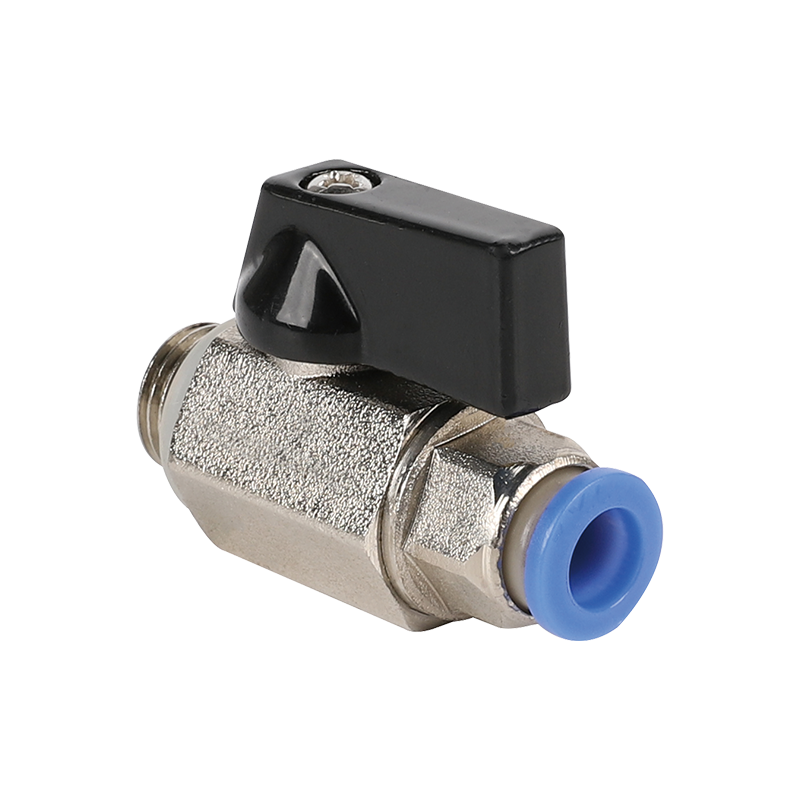
MINI-2 Mini Short-Handle Ball Valve(M/M)
-
 View More
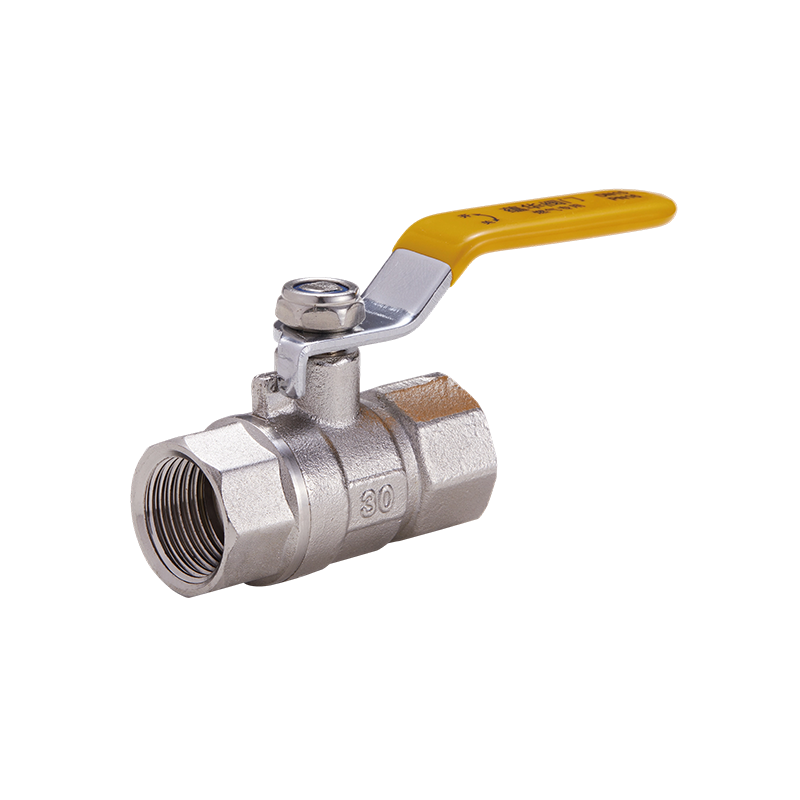
YH-2210 Forged Steel Ball Valve with Long Handle (F/F)
-
 View More
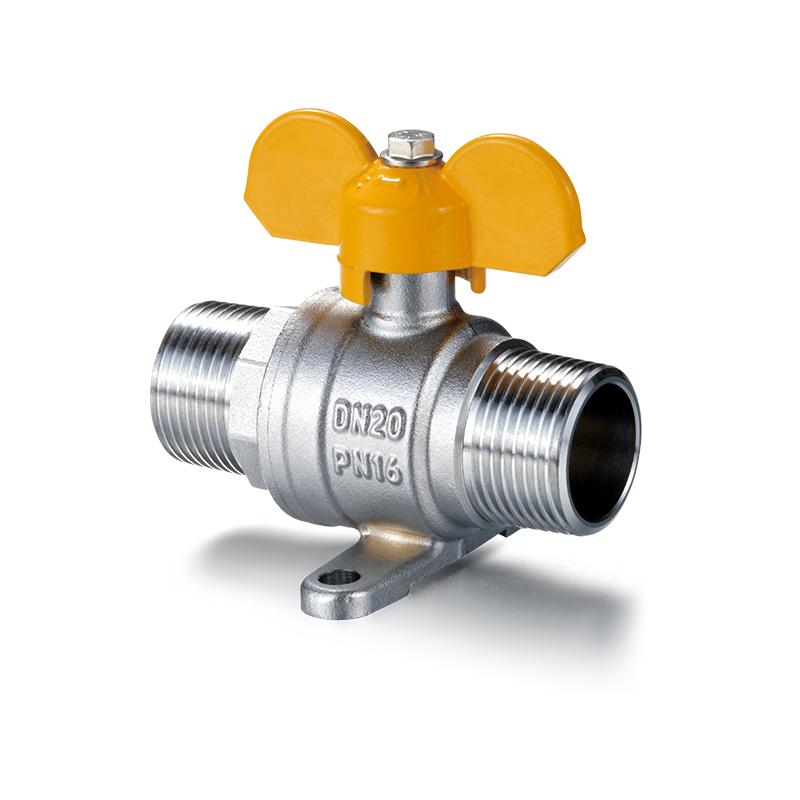
YH-214 Brass Ball Valve with Base& Butterfly Handle(M/M)
-
 View More
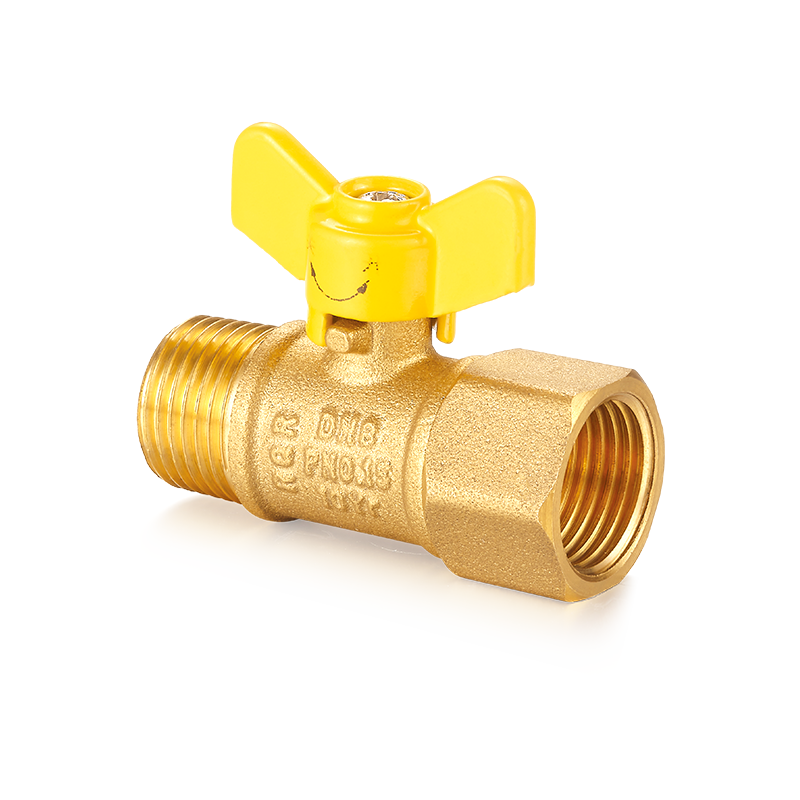
YH-205 Brass Ball Valve with Butterfly Handle(F/M)
-
 View More
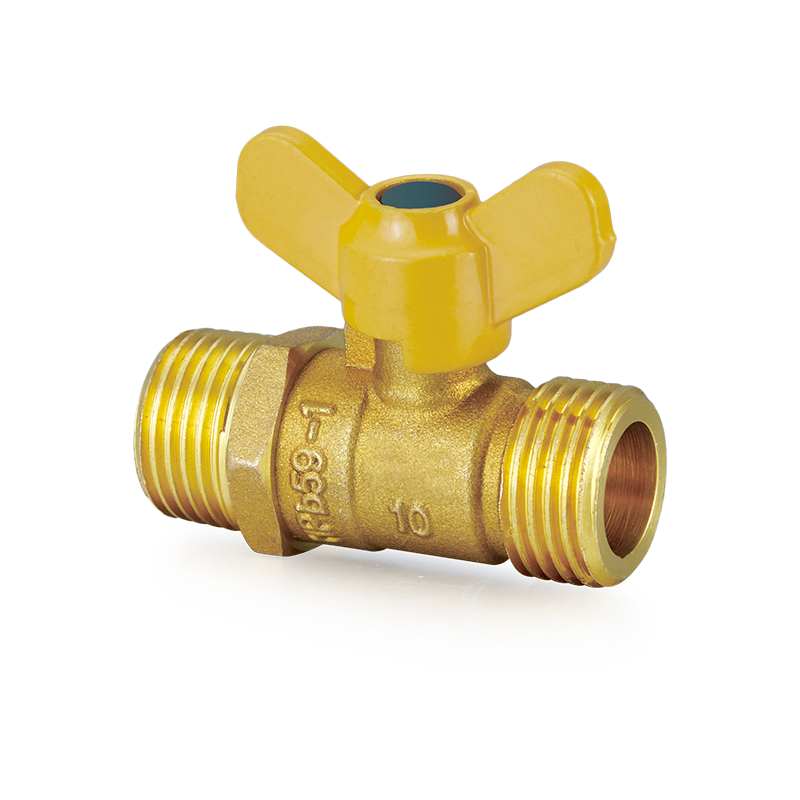
YH-206 Brass Ball Valve with Butterfly Handle(M/M)
Related News
Contact Us
-

-
 +86-0574-63742169
 -
 No.104-128, Cizhang East Road, Zhangqi Town, Cixi City, Ningbo, Zhejiang Province, China


Message Us Now !
