


 English
  русский
  عربى
عربى  Español
Precision Pipe Fittings for Reliable Fluid and Gas Control
Content
- 1 The Strategic Role of Pipe Fittings in Fluid Systems
- 2 Core Product Advantages of Precision Pipe Fittings
- 3 Manufacturing Strength Behind Reliable Fittings
- 4 How Advanced CNC Machining Improves Pipe Fitting Performance
- 5 Material Selection and Application Suitability
- 6 Comparison With Ordinary Market Alternatives
- 7 Integration With Valves and Fluid Control Products
- 8 Quality Control From Raw Material to Finished Product
- 9 Customization and Engineering Support
- 10 Applications in Gas, Water, and Industrial Fluid Systems
- 11 Design Features That Improve Installation Efficiency
- 12 Sustainability Through Durability and Process Efficiency
- 13 Purchasing Considerations for Professional Buyers
- 14 Why Manufacturing Culture Matters
- 15 Q&A: Common Questions About Precision Pipe Fittings
- 15.1 What makes a pipe fitting high quality?
- 15.2 Why is CNC machining important for pipe fittings?
- 15.3 How do pipe fittings affect gas system safety?
- 15.4 Are brass fittings suitable for all applications?
- 15.5 What advantages does a valve manufacturer bring to pipe fitting production?
- 15.6 How can buyers reduce the risk of purchasing poor fittings?
- 15.7 Can pipe fittings be customized?
- 15.8 Why is testing necessary if the fitting looks correct?
- 16 Conclusion
- 17 References
Pipe fittings are small components with a large responsibility. They connect, redirect, extend, terminate, adapt, and secure piping systems that carry water, gas, air, oil, steam, and other fluids in residential, commercial, and industrial environments. When a fitting performs well, a system operates safely and efficiently. When a fitting fails, the consequences may include leakage, pressure loss, corrosion damage, equipment downtime, energy waste, and safety hazards. For this reason, high-quality pipe fittings are not simply accessories; they are essential elements in dependable fluid control systems.
As a manufacturer specializing in gas and fluid valves, water supply valves, and hardware accessories, Ningbo Yunhua Valve Co., Ltd. brings a manufacturing mindset that is especially relevant to pipe fittings. The company has developed around the principles of precision machining, automated assembly, reliable testing, consistent quality management, and scalable production. These strengths directly support the performance requirements of pipe fittings, especially where accurate threads, stable sealing surfaces, smooth internal passages, and durable materials are required.
Pipe fittings are often evaluated by price, size, and basic material. However, professional buyers, engineering contractors, distributors, and system integrators know that the true value of a fitting is determined by much more. A competitive pipe fitting must combine dimensional accuracy, pressure reliability, corrosion resistance, ease of installation, repeatable quality, and compatibility with valves, pipes, and system accessories. It must also come from a manufacturer capable of maintaining stable production standards across large batches while also responding to customized requirements.
This article introduces pipe fittings from a practical manufacturing and application perspective. It explains what makes precision pipe fittings valuable, how advanced manufacturing processes improve performance, why automated machining and testing matter, and how a strong production system can give buyers measurable advantages over ordinary suppliers. It also discusses the relationship between pipe fittings and related fluid control products such as threaded globe valves, forged steel valves, and brass gas ball valves, because high-quality piping systems depend on the interaction of all these components.
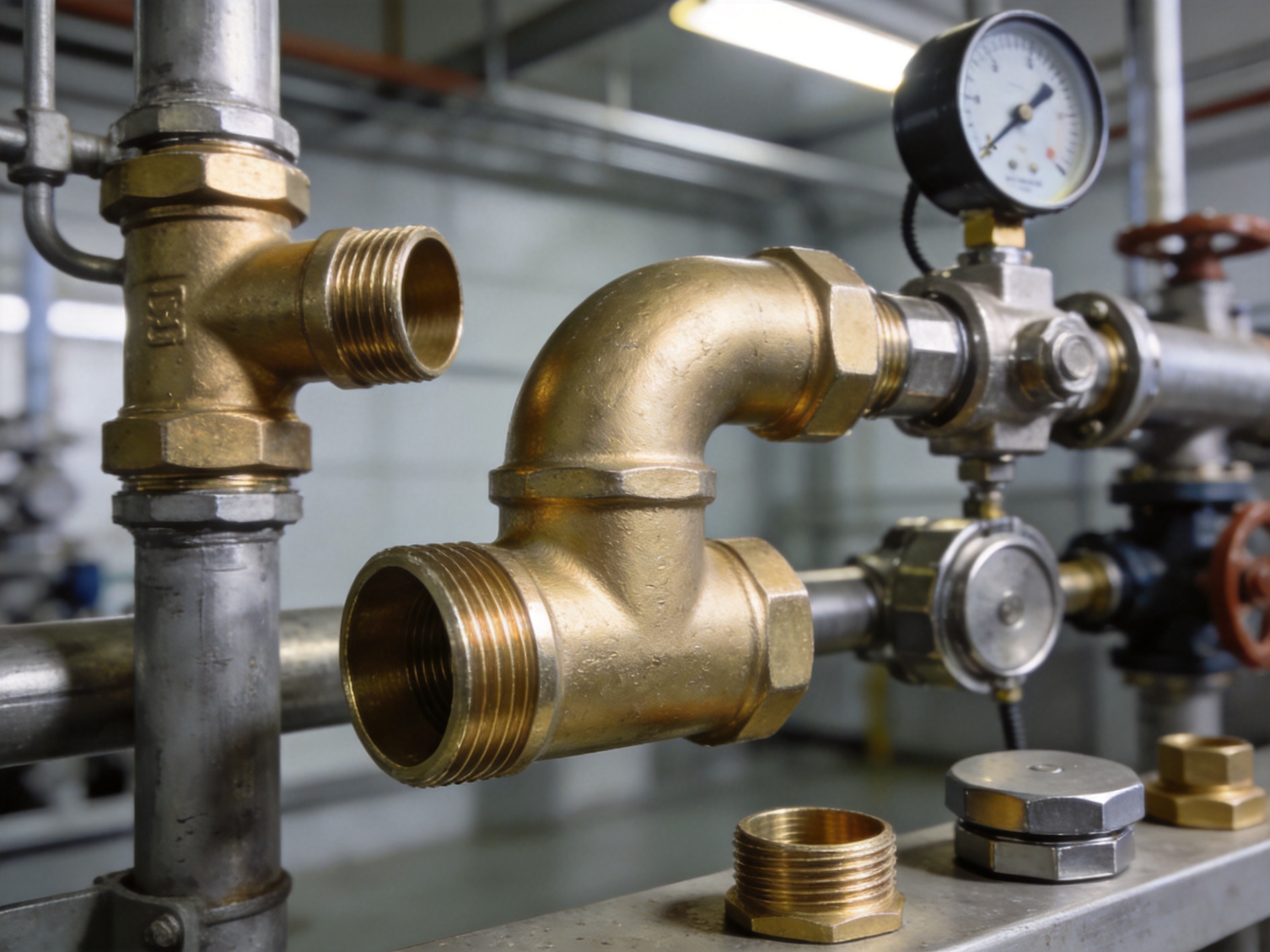
The Strategic Role of Pipe Fittings in Fluid Systems
Pipe fittings serve as the connection architecture of a piping network. They allow a system designer or installer to change direction with elbows, join pipe sections with couplings, divide flow with tees, adapt different thread types or sizes with reducers and adapters, seal system ends with plugs or caps, and support maintenance through union-type connections. Although each fitting may look simple, every connection point is a potential performance checkpoint. The fitting must preserve system pressure, prevent leakage, resist vibration, and maintain flow efficiency.
In gas applications, pipe fittings must support safe containment. Even a small leakage path can create serious risks, particularly in enclosed environments. In water supply systems, fittings must resist long-term corrosion, pressure fluctuation, and installation stress. In fluid control systems, fittings are often used together with valves, meters, regulators, pumps, and equipment interfaces. The fitting must therefore be dimensionally reliable so that the entire assembly can be installed without rework, excessive sealant, or thread damage.
The importance of pipe fittings is also linked to system lifecycle cost. A low-cost fitting that requires additional installation time, fails pressure testing, or causes future leakage can become far more expensive than a precisely manufactured fitting. Contractors value products that thread smoothly, seal predictably, and reduce installation uncertainty. Distributors value fittings that maintain consistent quality across repeat orders. Equipment manufacturers value fittings that integrate cleanly into assembled products and help reduce warranty risk.
For these reasons, the best pipe fittings are designed and manufactured with the same seriousness given to valves and pressure-bearing components. They must be produced under controlled processes, inspected against defined specifications, and packaged to preserve threads and surfaces before installation. A fitting is a compact product, but its quality is the result of material selection, tool control, machining accuracy, surface treatment, cleaning, assembly compatibility, and final inspection.
Core Product Advantages of Precision Pipe Fittings
High-quality pipe fittings deliver advantages that are visible during installation and measurable during service. The first advantage is dimensional consistency. Threads, inner diameters, sealing faces, hex flats, wall thicknesses, and shoulder positions must remain within controlled tolerances. If a fitting is inconsistent, installers may experience loose engagement, excessive tightening force, misalignment, or thread galling. Precision manufacturing helps reduce these issues and supports a more efficient installation process.
The second advantage is sealing reliability. Pipe fittings are frequently used in threaded systems where the thread geometry, material hardness, surface finish, and installation method all affect sealing performance. A well-machined threaded fitting provides stable engagement, sufficient contact area, and predictable torque behavior. This is especially important in gas and fluid systems where pressure testing is required after installation. Better thread accuracy can reduce the need for corrective work and improve first-pass test success.
The third advantage is material durability. Depending on the application, fittings may be produced from brass, forged steel, carbon steel, stainless steel, or other engineered materials. Brass fittings are widely valued for corrosion resistance, machinability, and suitability in many water and gas applications. Forged steel fittings provide strength and toughness for demanding service conditions. The right manufacturer understands not only the material name but also the relationship between material structure, machining behavior, pressure rating, and long-term service performance.
The fourth advantage is system compatibility. Pipe fittings must connect with pipes, hoses, valves, regulators, and accessories using industry-recognized thread standards and dimensional practices. A manufacturer with experience in valves and hardware accessories can better understand how fittings interact with surrounding components. This is important because many connection problems occur not because one part is completely defective, but because tolerance accumulation across multiple parts creates assembly difficulty. Precision fittings reduce that risk.
The fifth advantage is appearance and surface quality. Although performance comes first, surface finish matters in many visible installations and in professional supply markets. Clean machining, consistent plating or finishing, burr-free edges, and protected thread surfaces show manufacturing discipline. They also reduce the risk of contamination, cuts, handling damage, and installation defects. For distributors and wholesalers, a consistent appearance also improves customer confidence.
Manufacturing Strength Behind Reliable Fittings
Ningbo Yunhua Valve Co., Ltd. has built its manufacturing strength on a foundation of research, development, production, sales, and service in gas and fluid valves, water supply valves, and hardware accessories. This broad technical background is valuable for pipe fittings because fittings must often meet the same practical expectations as valve components: pressure retention, dimensional accuracy, sealing reliability, and dependable batch consistency.
The company operates on a site covering about 20,000 square meters and has established a professional, fully automated precision machining workshop, assembly line, and testing workshop. These capabilities are important because pipe fittings require stable process control across large production quantities. Manual skill remains useful, but modern manufacturing depends on repeatable machining, automatic feeding, accurate tooling, controlled inspection, and organized workflow. A fully developed production environment helps reduce variation and supports stable delivery schedules.
Advanced domestic and international CNC machine tools are central to modern fitting manufacturing. CNC machining enables accurate turning, drilling, boring, threading, chamfering, and profiling. Compared with low-precision or outdated equipment, CNC systems can maintain tighter tolerances, produce smoother surfaces, and support efficient batch production. They also make it easier to create customized fittings because programs can be adjusted for different dimensions, shapes, and thread forms while maintaining process discipline.
Professional automated assembly and testing equipment further strengthens product reliability. Even when a fitting itself is a one-piece component, many related product lines involve assembled structures, seals, inserts, or connection accessories. Automated assembly improves consistency by reducing human variation. Automated testing helps confirm that products meet relevant standards and customer expectations. In a fluid control industry where leakage can cause serious consequences, systematic testing is a competitive advantage rather than a final formality.
The company’s annual production capacity, including 2 million sets of valves and 10 million sets of hardware accessories, demonstrates production scalability. For buyers, this matters because a supplier must not only produce a good sample but also maintain quality across repeat orders and large-volume projects. Production capacity also supports supply continuity, which is important for distributors, construction projects, original equipment manufacturers, and maintenance networks that need stable availability.
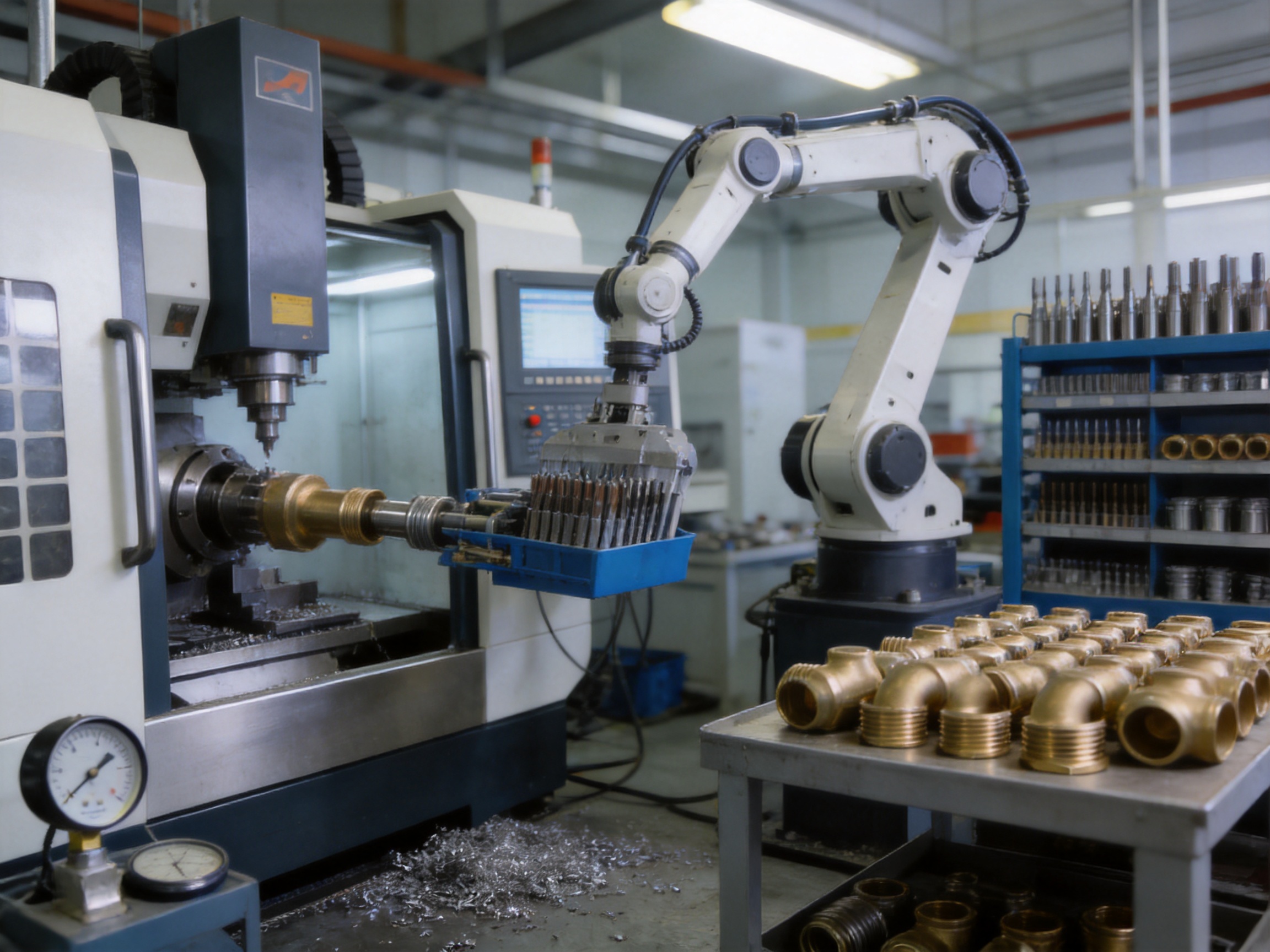
How Advanced CNC Machining Improves Pipe Fitting Performance
CNC machining directly affects the most important performance features of pipe fittings. One key area is thread accuracy. Threaded fittings must follow defined pitch, angle, depth, and taper requirements. If threads are too shallow, too deep, rough, eccentric, or inconsistent, sealing and assembly can be compromised. CNC thread cutting or thread forming under controlled conditions supports repeatable geometry and improves compatibility with standard mating parts.
Another important area is concentricity. A pipe fitting should maintain alignment between connection ends and internal passages. Poor concentricity can increase flow resistance, create uneven stress during tightening, or cause visible misalignment in assembled piping. CNC machines can control the relationship between internal and external features more accurately than many manual methods, especially when combined with proper fixtures and tool monitoring.
Surface finish is also critical. Internal roughness can influence flow behavior, contamination retention, and corrosion initiation. External roughness can affect appearance, handling, plating adhesion, and thread performance. Precision machining helps create smooth surfaces and controlled edges. Burr removal is particularly important because burrs can damage seals, interfere with thread engagement, or detach into a fluid system. A disciplined machining process includes deburring and inspection as part of the quality plan.
Wall thickness control is another advantage. Fittings must be strong enough to withstand pressure and installation torque, but material should also be efficiently used. Excessive variation in wall thickness can create weak points or unnecessary cost. CNC machining, combined with appropriate forging, casting, extrusion, or bar-stock preparation, helps maintain uniformity. This is especially relevant for fittings used with valves in pressure-bearing service.
Repeatability is perhaps the most important benefit of CNC manufacturing. A single fitting can be measured and approved, but industrial buyers need confidence that every fitting in the batch follows the same standard. CNC equipment, controlled tooling, inspection procedures, and production documentation make repeatability possible. This is a major advantage over competitors that rely heavily on inconsistent manual processing or loosely controlled outsourcing.
Material Selection and Application Suitability
Material selection determines how a pipe fitting behaves under pressure, temperature, chemical exposure, installation stress, and long-term environmental conditions. Brass is widely used for gas ball valves, water fittings, and general hardware accessories because it offers good machinability, corrosion resistance, and dependable sealing characteristics. Brass fittings are often preferred in residential and commercial installations where clean machining, compact size, and corrosion resistance are important.
Forged steel is suitable for applications requiring higher strength and mechanical resistance. Forging improves the material structure by shaping metal under pressure, often resulting in better grain flow and toughness compared with some casting methods. Forged steel fittings and valves are commonly associated with demanding industrial service where pressure, temperature, and mechanical loads may be higher. When a company is familiar with forged steel valves, it brings useful knowledge to the production and evaluation of strong pipe connection components.
Stainless steel may be selected where corrosion resistance, hygiene, or chemical compatibility is especially important. Carbon steel may be suitable for general industrial piping, depending on coating and service conditions. Copper alloys, zinc alloys, and other materials may be used in selected accessory applications. The best material is always application-specific, and responsible manufacturing includes understanding the intended medium, pressure, temperature, installation environment, and applicable standards.
Beyond material category, material quality control is essential. Incoming raw materials should be checked for composition, mechanical properties, and surface condition where appropriate. Traceability supports accountability. If raw material quality varies, machining behavior and final performance may vary as well. A manufacturer with mature management systems is better positioned to maintain raw material control and ensure that finished fittings remain consistent.
Material and design must also work together. For example, a brass threaded fitting may need sufficient hex strength to withstand wrench torque, while a steel fitting may require controlled chamfers to avoid stress concentration. Internal bore design should support flow while maintaining pressure-bearing wall thickness. Thread length should be sufficient for engagement without creating unnecessary installation difficulty. These decisions require both engineering experience and manufacturing capability.
Comparison With Ordinary Market Alternatives
The pipe fitting market includes many low-cost products, but not all fittings provide equal value. Ordinary market alternatives may appear similar at first glance, especially when viewed in catalogs or bulk packaging. However, differences become clear during installation, testing, and long-term use. Precision fittings produced under controlled manufacturing conditions offer advantages that can reduce total cost and improve system reliability.
One common issue with lower-grade fittings is inconsistent threading. Installers may find that some pieces tighten too quickly while others require excessive force. This inconsistency can lead to overuse of sealing tape, thread damage, cracked components, or unreliable sealing. Precision-machined fittings provide a more predictable installation experience and reduce the chance of failure during pressure testing.
Another issue is poor surface finishing. Burrs, sharp edges, uneven plating, and rough machining marks can create practical problems. Burrs may detach into the system, sharp edges may damage sealing materials, and poor plating may reduce corrosion resistance. A manufacturer with automated machining and testing workshops is better able to establish finishing standards and inspect products before shipment.
Dimensional instability is also a concern. In low-control production environments, fittings from different batches may vary in size or shape. This creates problems for distributors and equipment manufacturers that need repeatability. A professional production system with CNC equipment and quality management helps maintain batch-to-batch consistency, enabling buyers to standardize their assembly and procurement processes.
Supply reliability is another competitive difference. A supplier may provide acceptable samples but fail to deliver large orders consistently or on time. Production scale matters. With an annual capacity reaching millions of valve sets and hardware accessories, Ningbo Yunhua Valve Co., Ltd. demonstrates the manufacturing infrastructure needed for continuous supply. This is valuable for customers managing projects, inventory programs, private-label distribution, or original equipment assembly.
| Evaluation Area | Precision Pipe Fittings | Ordinary Low-Control Alternatives | Buyer Benefit |
|---|---|---|---|
| Thread Accuracy | Controlled machining supports stable engagement and sealing. | Threads may vary in depth, angle, pitch, or finish. | Faster installation and fewer leakage issues. |
| Dimensional Consistency | CNC processes help maintain repeatable size and alignment. | Batch variation may cause assembly problems. | Better compatibility with pipes, valves, and accessories. |
| Surface Quality | Burr control and clean finishing improve safety and performance. | Rough edges and uneven surfaces may remain. | Reduced risk of contamination, damage, and rework. |
| Testing Discipline | Professional testing supports reliable quality verification. | Inspection may be limited or inconsistent. | Higher confidence in pressure and leakage performance. |
| Supply Capacity | Large-scale production supports repeat orders and project demand. | Capacity may be unstable or dependent on subcontracting. | Improved procurement planning and delivery reliability. |
Integration With Valves and Fluid Control Products
Pipe fittings do not work alone. They are commonly installed with valves, meters, pumps, regulators, hoses, and equipment interfaces. This is why a manufacturer with valve production expertise has an advantage when producing fittings. Valve manufacturing requires precise sealing, pressure control, material understanding, and rigorous testing. These same principles apply to fittings, especially in gas and fluid systems.
Threaded globe valves, for example, require reliable threaded ends for installation into piping systems. If the connected pipe fitting has poor thread geometry, the valve connection may leak or experience installation stress. Forged steel valves are often used in demanding environments where strong fittings are required to maintain system integrity. Brass gas ball valves require dependable mating fittings because gas service demands safe sealing and long-term stability.
When fittings and valves are manufactured with compatible quality principles, the entire system benefits. Threads match more reliably, sealing surfaces are better controlled, and installation torque becomes more predictable. This reduces the burden on installers and helps improve the quality of the final piping assembly. Buyers who source related products from a technically capable manufacturer can also improve supply chain efficiency.
In fluid control applications, compatibility is not only mechanical. It also includes pressure class, temperature range, medium compatibility, and applicable standards. A fitting used near a valve must be suitable for the same system conditions. If a high-quality valve is paired with a weak fitting, the system is only as reliable as the weakest connection. Therefore, professional component selection requires evaluating the entire connection chain.
Ningbo Yunhua Valve Co., Ltd. has positioned its mission around building a safe fluid ecosystem with high-quality valves. Pipe fittings naturally support this mission because safe fluid systems depend on secure and precise connections. By applying valve-level manufacturing discipline to hardware accessories and pipe fitting production, the company can offer products that contribute to system-level reliability rather than only component-level supply.
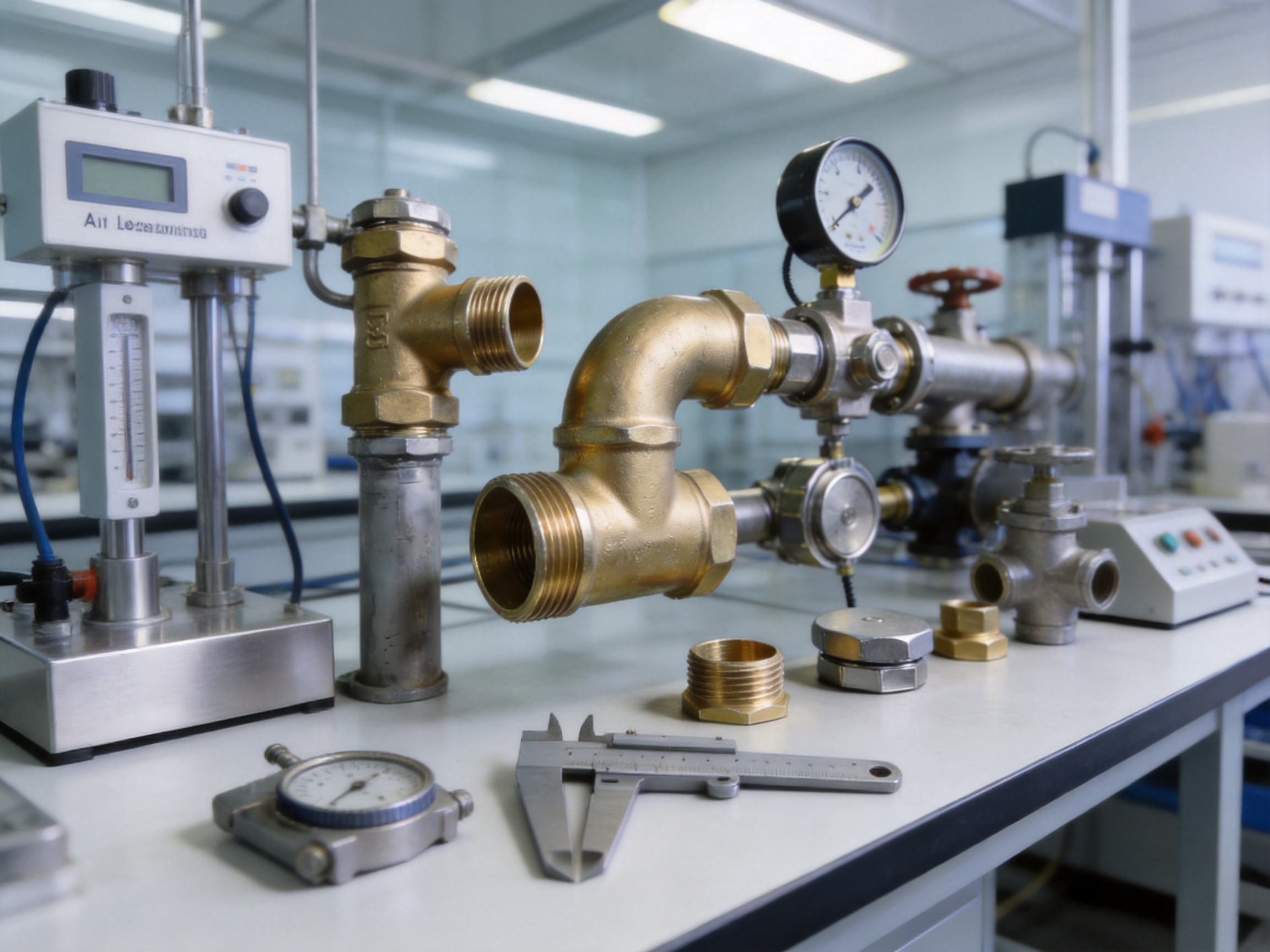
Quality Control From Raw Material to Finished Product
Quality control begins before machining. Raw material selection and incoming inspection help ensure that the metal used for fittings can meet required mechanical and corrosion-resistance expectations. Material certificates, composition checks, hardness testing, and visual inspection may be used depending on product requirements. Stable raw material quality supports stable machining and predictable finished performance.
During machining, process control is essential. Tool wear can gradually change dimensions and surface finish. Fixture misalignment can affect concentricity. Cutting parameters can influence thread quality and burr formation. A well-managed workshop monitors these factors through operator checks, in-process inspection, tool maintenance, and production records. Advanced CNC equipment provides a strong foundation, but disciplined management converts equipment capability into reliable product quality.
After machining, fittings may undergo cleaning, deburring, surface treatment, marking, and inspection. Cleaning removes machining oils, chips, and residues. Deburring improves safety and prevents loose particles from entering systems. Surface treatment may improve corrosion resistance or appearance. Marking can help identify size, material, or specification. Each step contributes to final product value.
Testing is particularly important for components used in gas and fluid systems. Depending on the product type, testing may include dimensional inspection, thread gauges, pressure testing, air leakage testing, torque testing, surface finish evaluation, or visual inspection. Automated testing equipment improves consistency and reduces the risk of subjective judgment. A professional testing workshop also supports documentation and continuous improvement.
Final packaging is part of quality protection. Threads and surfaces can be damaged during storage or transportation if packaging is inadequate. Professional packaging separates products appropriately, reduces collision damage, protects finishes, and supports clear identification. For distributors and importers, packaging quality also influences warehouse efficiency and customer satisfaction.
Customization and Engineering Support
Many buyers require pipe fittings that go beyond standard catalog dimensions. Customization may involve special thread types, non-standard lengths, specific hex sizes, unique material choices, surface finishes, private labeling, packaging formats, or integration with valve assemblies. A manufacturer with strong research, development, and production capabilities can support these requirements more effectively than a supplier focused only on commodity trading.
Custom pipe fittings require careful communication. The buyer should define the medium, working pressure, temperature, pipe standard, thread standard, installation environment, regulatory requirements, and expected order volume. The manufacturer should review feasibility, material suitability, machining method, tolerance requirements, testing approach, and production schedule. This engineering dialogue helps avoid misunderstanding and ensures that the final product performs as intended.
CNC machining is particularly valuable for customization because it allows controlled changes in dimensions and geometry. Once a design is validated, CNC programs and fixtures can be used to reproduce the fitting consistently. For high-volume custom projects, automated processes can improve cost efficiency while maintaining quality. For smaller batches, flexible machining capability can support prototyping and sampling.
Customization also includes packaging and supply chain support. Distributors may need fittings packed in branded boxes, bulk cartons, or project-specific kits. Original equipment manufacturers may need fittings supplied according to assembly line schedules. Construction suppliers may need mixed sizes delivered in coordinated batches. A manufacturer with large production capacity and organized management can support these different requirements more reliably.
Engineering support is a competitive advantage because pipe fitting selection affects installation and system performance. A supplier that understands valves, gas connections, water supply systems, and hardware accessories can help buyers choose suitable products instead of simply offering the lowest-cost option. This reduces the risk of mismatch and improves long-term customer satisfaction.
Applications in Gas, Water, and Industrial Fluid Systems
Pipe fittings are widely used in gas systems where secure connections are essential. Brass gas ball valves, regulators, meters, and piping connections all depend on accurate threads and proper sealing. Fittings in gas applications must be manufactured carefully because leakage is unacceptable. Smooth thread engagement, stable material quality, and appropriate testing contribute to safer installations.
Water supply systems also rely heavily on pipe fittings. Residential plumbing, commercial buildings, irrigation networks, water treatment equipment, and pump systems all require fittings that can withstand pressure, corrosion, and repeated thermal or mechanical stress. Brass and stainless materials are commonly selected for corrosion resistance, while other materials may be chosen based on cost and system requirements. Reliable fittings help prevent water damage and maintenance issues.
Industrial fluid systems may involve compressed air, cooling water, process fluids, lubricants, steam-related connections, or chemical media. These applications often require careful material selection and pressure consideration. Forged steel valves and strong fittings may be used in higher-demand systems. Precision-machined fittings support equipment reliability by reducing leakage and maintaining stable flow paths.
Heating, ventilation, and mechanical systems also use fittings extensively. Boilers, radiators, heat exchangers, chillers, pumps, and control valves require secure pipe connections. In these systems, vibration and temperature cycling can challenge fitting reliability. Durable materials, accurate threads, and appropriate installation practices help maintain long-term performance.
Hardware accessories and equipment manufacturing represent another important application field. Many products require compact fittings for gas, water, or fluid connections. Original equipment manufacturers need fittings that are consistent, easy to assemble, and compatible with automated or semi-automated production lines. A fitting that saves seconds during assembly can create significant efficiency gains across large production volumes.
Design Features That Improve Installation Efficiency
Installation efficiency is a major factor in product value. A fitting that installs smoothly saves labor time and reduces frustration. One important design feature is a clean thread start. If the first thread is damaged, rough, or poorly formed, installers may cross-thread the fitting or spend additional time aligning it. Precision machining and thread protection help preserve thread quality until installation.
Another useful feature is a well-shaped hex or wrench surface. Installers need secure tool engagement to tighten fittings without slipping or damaging the surface. Proper hex dimensions and clean edges improve torque transfer. At the same time, edges should not be dangerously sharp. A well-made fitting balances tool grip, appearance, and handling safety.
Chamfers and lead-in angles also improve installation. A properly designed chamfer guides mating parts, reduces thread starting difficulty, and removes sharp corners. Internal chamfers can improve flow transition and reduce burr risk. These small details show the difference between a product designed for real installation and one produced only to meet basic appearance requirements.
Consistent sealing surfaces are essential where fittings use gaskets, O-rings, metal-to-metal shoulders, or flat faces. Surface scratches, uneven machining, or dimensional variation can compromise sealing. Precision equipment and inspection procedures help maintain sealing integrity. For threaded fittings, thread form and surface finish are the primary sealing-related features.
Product identification can also improve installation efficiency. Clear size marking, material marking, or packaging labels reduce the chance of using the wrong fitting. In warehouses and job sites, easy identification saves time and prevents errors. Professional manufacturers consider not only how a fitting is made but also how it is selected, stored, handled, and installed.
Sustainability Through Durability and Process Efficiency
Sustainability in pipe fittings begins with durability. A fitting that lasts longer reduces replacement frequency, maintenance travel, waste generation, and system downtime. High-quality materials, accurate machining, and reliable testing all contribute to longer service life. While the fitting itself may be small, the environmental and economic benefits of reliability are significant when multiplied across large piping systems.
Manufacturing efficiency also supports sustainability. CNC machining, automated assembly, and controlled production processes can reduce scrap, rework, and energy waste when properly managed. Accurate machining reduces defective parts. Process stability reduces material loss. Automated testing helps identify issues early, preventing defective products from entering the supply chain and causing larger downstream costs.
Material utilization is another factor. Good design provides sufficient strength without unnecessary overuse of metal. Efficient machining plans can reduce cutting waste. Recycling of metal chips and responsible workshop management can further improve resource efficiency. A modern production facility is better positioned to implement these practices than a fragmented or low-control manufacturing environment.
Safe fluid systems also contribute to sustainability. Gas leakage wastes energy and can create safety risks. Water leakage wastes resources and may damage buildings. Fluid leakage in industrial systems can contaminate work areas and require cleanup. Reliable fittings help prevent these losses. Therefore, quality is not only a commercial advantage but also part of responsible infrastructure development.
Ningbo Yunhua Valve Co., Ltd. has expressed a vision of becoming a leading company in the global fluid control industry. Sustainable growth in this industry depends on products that combine safety, durability, and manufacturing efficiency. Pipe fittings support that direction by strengthening the connection points that make fluid systems dependable.
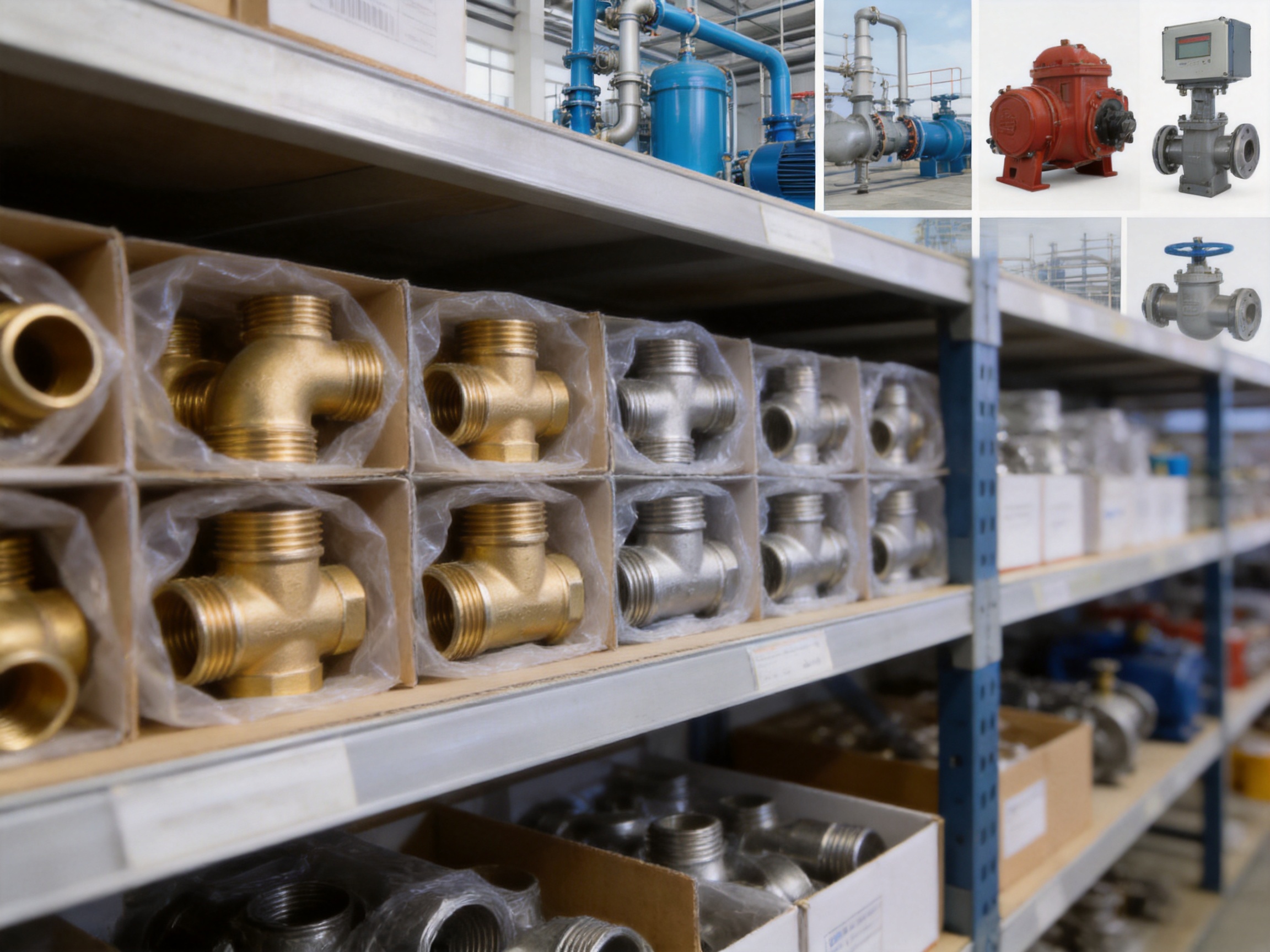
Purchasing Considerations for Professional Buyers
Professional buyers should evaluate pipe fittings based on more than unit price. The first consideration is application suitability. The buyer should confirm the medium, pressure, temperature, pipe size, thread type, installation environment, and applicable standards. A fitting that is excellent for one application may be unsuitable for another. Clear technical communication prevents costly mistakes.
The second consideration is manufacturing capability. Buyers should ask whether the supplier has precision machining equipment, testing facilities, quality management procedures, and stable production capacity. A supplier with a professional automated workshop and CNC equipment is more likely to maintain consistency across large batches. Factory capability is especially important for long-term purchasing programs.
The third consideration is inspection and testing. Thread gauges, dimensional checks, leakage tests, pressure tests, and visual inspections provide evidence of quality control. Buyers should understand what tests are performed and how results are recorded. For critical applications, additional testing or documentation may be required.
The fourth consideration is customization support. If the buyer needs special dimensions, materials, finishes, or packaging, the supplier should be able to review drawings, provide samples, and confirm production feasibility. Strong engineering support can reduce development time and improve final product performance.
The fifth consideration is delivery reliability. Large projects and distribution programs depend on predictable supply. Production capacity, inventory planning, packaging capability, and export experience all influence delivery performance. A supplier with large-scale annual output and organized management can provide greater confidence for repeat purchasing.
Why Manufacturing Culture Matters
Manufacturing culture is the invisible system behind visible product quality. Equipment alone does not guarantee excellence. A company must also cultivate management discipline, employee training, process standards, quality awareness, and continuous improvement. Ningbo Yunhua Valve Co., Ltd. has developed its corporate culture and management system over more than ten years, creating a professional management team to support its production and service goals.
This matters because pipe fittings require attention to detail. A slight burr, a minor thread deviation, an unchecked tool, or a careless packaging step can affect performance. A culture of quality encourages workers and managers to treat every step as important. It also supports problem-solving when defects occur. Instead of simply sorting bad parts, a mature manufacturer investigates causes and improves processes.
Professional management also improves communication with customers. Buyers need clear answers about specifications, lead times, customization options, testing methods, and quality concerns. A company with organized sales, production, and service teams can respond more effectively. This is especially important in international trade, where technical details and delivery schedules must be coordinated across distance and time zones.
A strong manufacturing culture also supports innovation. Pipe fittings may appear traditional, but customer requirements continue to evolve. Markets demand better installation efficiency, improved safety, stronger corrosion resistance, more attractive finishes, and optimized packaging. A manufacturer committed to research and development can improve existing products and create new solutions for changing applications.
Ultimately, manufacturing culture determines whether quality is occasional or repeatable. A supplier can produce a good sample through extra attention, but only a disciplined culture can produce reliable fittings continuously. For buyers, this repeatability is one of the most important advantages when selecting a long-term partner.
Q&A: Common Questions About Precision Pipe Fittings
What makes a pipe fitting high quality?
A high-quality pipe fitting combines accurate dimensions, reliable thread geometry, suitable material, clean surface finishing, adequate strength, and verified performance. It should install smoothly, seal predictably, resist service conditions, and remain consistent across production batches.
Why is CNC machining important for pipe fittings?
CNC machining improves thread accuracy, concentricity, surface finish, and repeatability. These factors directly affect sealing, installation efficiency, flow performance, and compatibility with valves and pipes. CNC processes also support customization and stable high-volume production.
How do pipe fittings affect gas system safety?
Gas systems depend on leak-free connections. Poorly machined threads, weak materials, or inconsistent dimensions can create leakage risk. Precision fittings help maintain secure connections and improve the likelihood of passing pressure or leakage tests after installation.
Are brass fittings suitable for all applications?
Brass fittings are suitable for many water, gas, and general fluid applications, but not all. Application suitability depends on the medium, pressure, temperature, corrosion environment, and regulatory requirements. For higher-strength or special chemical applications, forged steel, stainless steel, or other materials may be more appropriate.
What advantages does a valve manufacturer bring to pipe fitting production?
A valve manufacturer understands pressure retention, sealing, thread performance, material behavior, and testing requirements. This experience helps improve pipe fitting design and production because fittings must often connect directly with valves and perform within the same fluid control system.
How can buyers reduce the risk of purchasing poor fittings?
Buyers should review supplier manufacturing capability, request technical specifications, confirm material and thread standards, evaluate samples, ask about testing procedures, and consider batch consistency rather than only price. Long-term supply reliability should also be considered.
Can pipe fittings be customized?
Yes. Customization may include special sizes, thread standards, materials, surface finishes, markings, packaging, or integration with valve assemblies. A manufacturer with CNC machining, engineering support, and organized production management can provide stronger customization capability.
Why is testing necessary if the fitting looks correct?
Visual appearance does not always reveal thread errors, dimensional deviations, material issues, or leakage risks. Testing and inspection provide objective confirmation that the fitting meets functional requirements. This is particularly important for gas and pressure-bearing fluid systems.
Conclusion
Pipe fittings are essential components in safe and efficient fluid control systems. Their role may seem simple, but their performance depends on a complex combination of material quality, machining precision, thread accuracy, surface finish, testing discipline, and manufacturing consistency. In gas, water, and industrial fluid applications, reliable fittings help prevent leakage, reduce installation time, improve system compatibility, and lower lifecycle cost.
Ningbo Yunhua Valve Co., Ltd. brings important strengths to pipe fitting production through its experience in valves, water supply products, and hardware accessories. Its 20,000-square-meter manufacturing base, fully automated precision machining workshop, assembly line, testing workshop, advanced CNC machine tools, and automated testing equipment support stable quality and large-scale production. With annual capacity reaching millions of valve sets and hardware accessories, the company is positioned to serve professional buyers who require both product reliability and supply continuity.
Compared with ordinary low-control alternatives, precision pipe fittings offer measurable advantages in thread consistency, sealing reliability, installation efficiency, surface quality, customization potential, and long-term system performance. For buyers, these advantages translate into fewer installation problems, better pressure test results, reduced maintenance risk, and stronger customer confidence.
As fluid systems become more demanding and safety expectations continue to rise, the importance of well-manufactured pipe fittings will only increase. Choosing a capable manufacturer is therefore not only a purchasing decision but also a system reliability decision. Precision pipe fittings, produced with advanced manufacturing processes and supported by professional quality management, provide a dependable foundation for safer and more efficient gas, water, and fluid control networks.
References
American Society of Mechanical Engineers. ASME B1.20.1: Pipe Threads, General Purpose.
American Society of Mechanical Engineers. ASME B16 Series Standards for Valves, Flanges, Fittings, and Gaskets.
International Organization for Standardization. ISO 7-1: Pipe Threads Where Pressure-Tight Joints Are Made on the Threads.
International Organization for Standardization. ISO 9001: Quality Management Systems Requirements.
Crane Co. Flow of Fluids Through Valves, Fittings, and Pipe.
Smith, Peter. The Fundamentals of Piping Design. Gulf Professional Publishing.
American Water Works Association. Standards and Manuals Related to Waterworks Materials and Piping Components.

Related Products
-
 View More
-
 View More
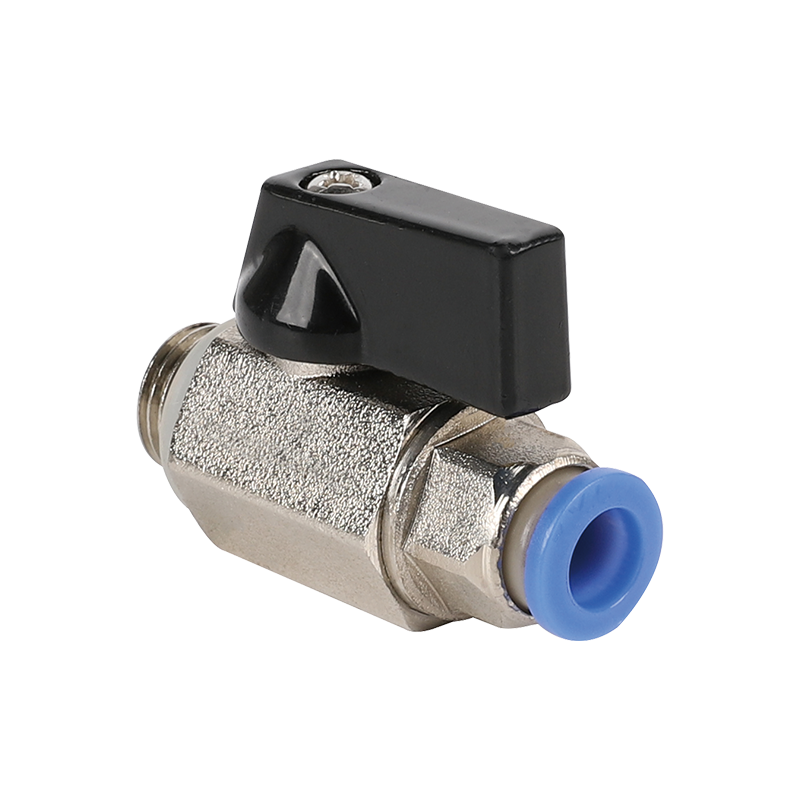
MINI-2 Mini Short-Handle Ball Valve(M/M)
-
 View More
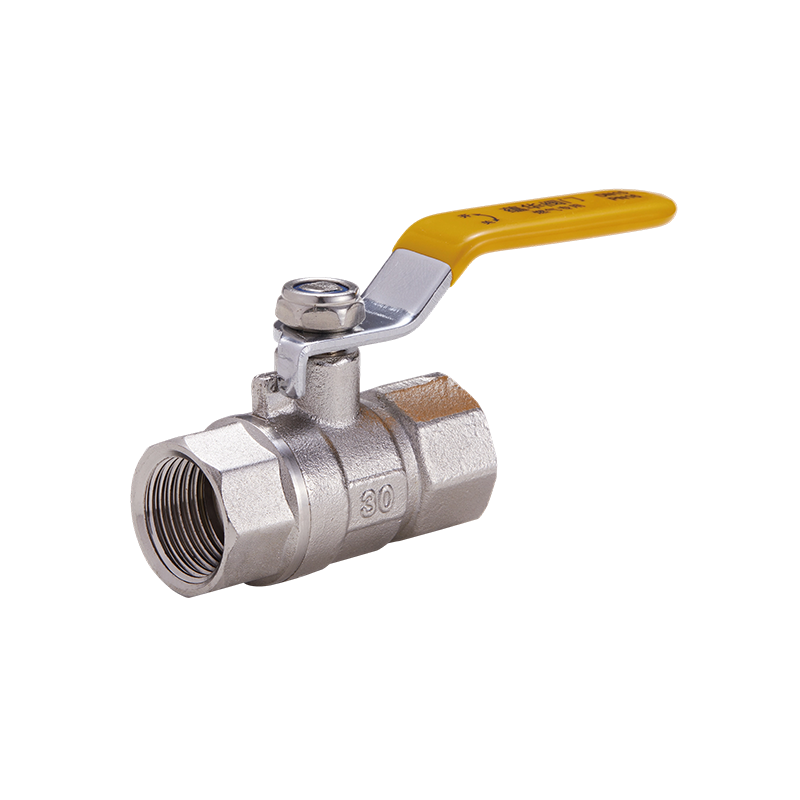
YH-2210 Forged Steel Ball Valve with Long Handle (F/F)
-
 View More
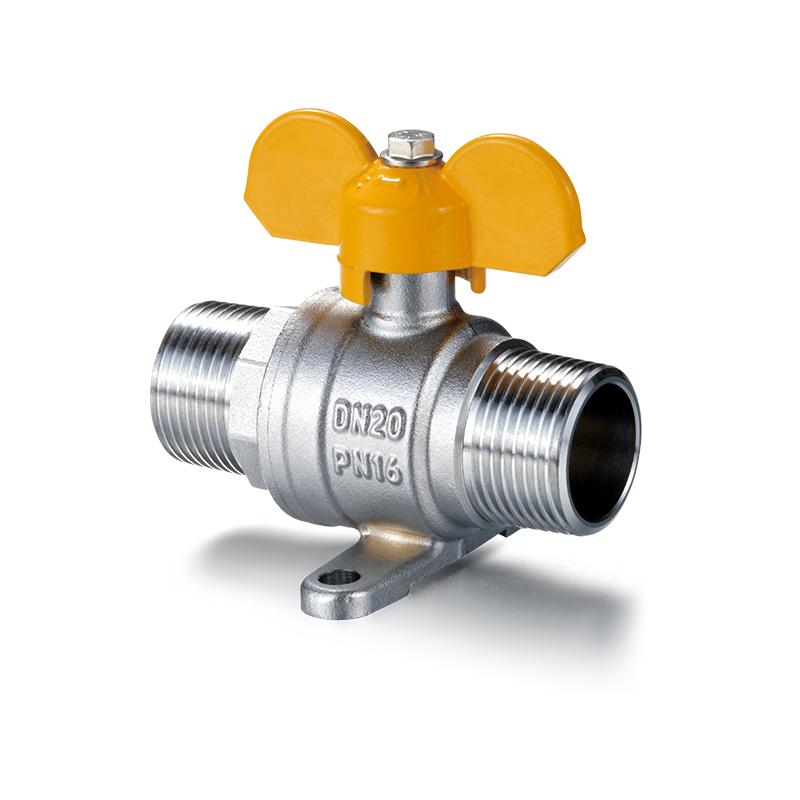
YH-214 Brass Ball Valve with Base& Butterfly Handle(M/M)
-
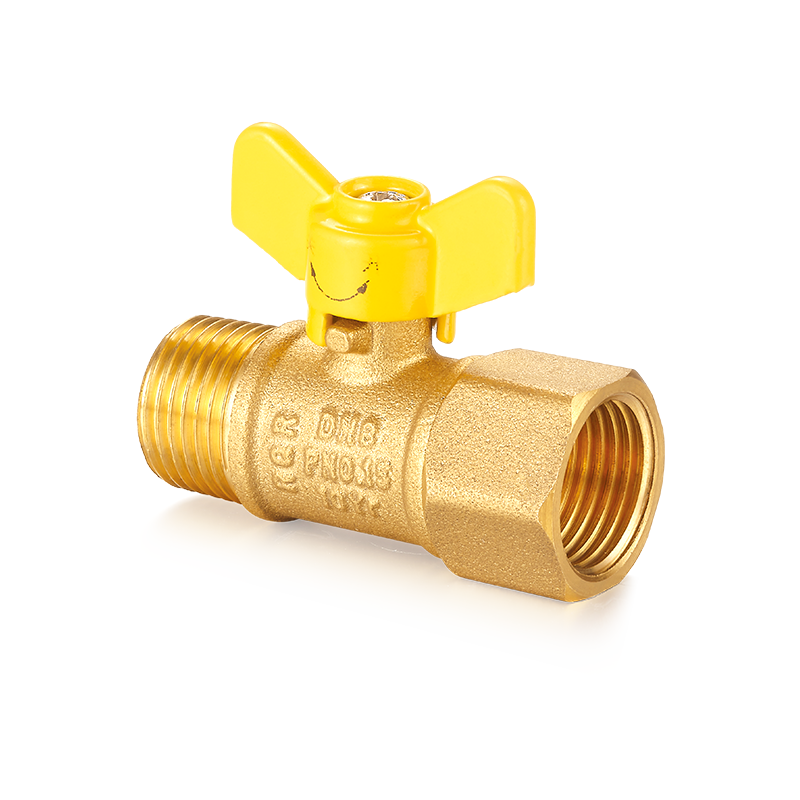 View More
YH-205 Brass Ball Valve with Butterfly Handle(F/M)
-
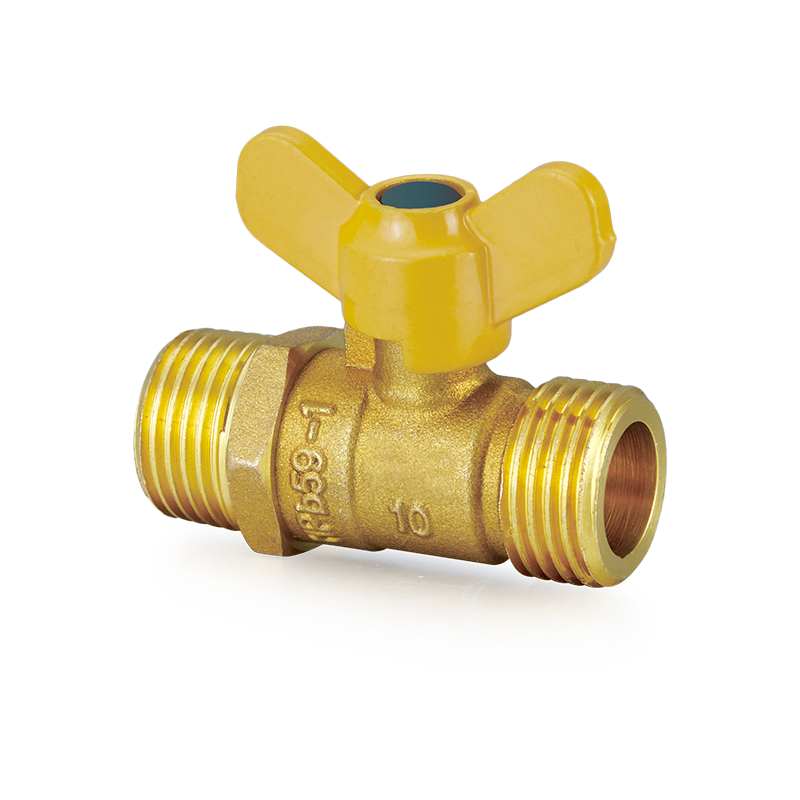 View More
YH-206 Brass Ball Valve with Butterfly Handle(M/M)
Related News
Contact Us
-

-
 +86-0574-63742169
 -
 No.104-128, Cizhang East Road, Zhangqi Town, Cixi City, Ningbo, Zhejiang Province, China


Message Us Now !
