


 English
  русский
  عربى
عربى  Español
Precision Hose Connector for Reliable Fluid and Gas Handling
Content
- 1 Understanding the Role of a Hose Connector
- 2 Product Design Priorities
- 3 Advantages Over Ordinary Connectors
- 4 Manufacturing Strength Behind the Product
- 5 Precision Machining and Dimensional Control
- 6 Surface Quality and Handling Safety
- 7 Sealing Performance and Leakage Prevention
- 8 Compatibility With Valve and Hardware Systems
- 9 Key Product Benefits
- 10 Applications in Water Supply Systems
- 11 Applications in Gas and Fluid Control
- 12 Applications in Equipment Assembly
- 13 Why Manufacturing Process Matters
- 14 Quality Management and Inspection Philosophy
- 15 Production Capacity and Supply Stability
- 16 Customization and Market Adaptability
- 17 Comparison With Competitor Products
- 18 Installation Considerations
- 19 Maintenance and Service Life
- 20 Packaging, Logistics, and Customer Experience
- 21 Contribution to Safe Fluid Ecosystems
- 22 Company Strength and Industry Vision
- 23 Purchasing Guidance for Distributors and Project Buyers
- 24 Environmental and Efficiency Considerations
- 25 Frequently Asked Questions
- 25.1 What is the main purpose of the Hose Connector?
- 25.2 Why is precision machining important for a hose connector?
- 25.3 How does this product differ from ordinary low-cost connectors?
- 25.4 Can the Hose Connector be used with valve systems?
- 25.5 What industries may use this connector?
- 25.6 Does the manufacturer have strong production capacity?
- 25.7 What should be checked before installation?
- 25.8 How can service life be extended?
- 26 Conclusion
- 27 References
- 28 Product: Hose Connector
In modern fluid transfer systems, a hose connector may appear to be a small component, yet it often determines whether the entire line performs safely, efficiently, and consistently. A dependable hose connector joins hoses, pipes, valves, and equipment while maintaining flow integrity under pressure, vibration, temperature variation, and repeated handling. For applications in hardware accessories, valve systems, water supply equipment, gas-related installations, and general industrial maintenance, connector quality directly affects leakage prevention, installation speed, service life, and operating safety.
The Hose Connector introduced here is designed for users who require a practical, durable, and accurately manufactured connection component. It supports the needs of distributors, project contractors, equipment assemblers, maintenance teams, and procurement specialists seeking stable supply and repeatable quality. Backed by Ningbo Yunhua Valve Co., Ltd., a manufacturer specializing in gas and fluid valves, water supply valves, and hardware accessories, this product reflects a production philosophy centered on precision machining, automated assembly, strict testing, and long-term reliability.
Unlike ordinary low-cost connectors that may vary in thread accuracy, surface finish, sealing stability, and material consistency, this Hose Connector is built with attention to dimensional control and functional performance. It is suitable for integration into fluid control systems where compatibility with valves and accessories is essential. The product benefits from the company’s manufacturing foundation, including a professional precision machining workshop, assembly line, testing workshop, advanced CNC machine tools, and automated equipment. These capabilities help ensure consistent product quality, stable batch production, and reliable delivery for customers around the world.
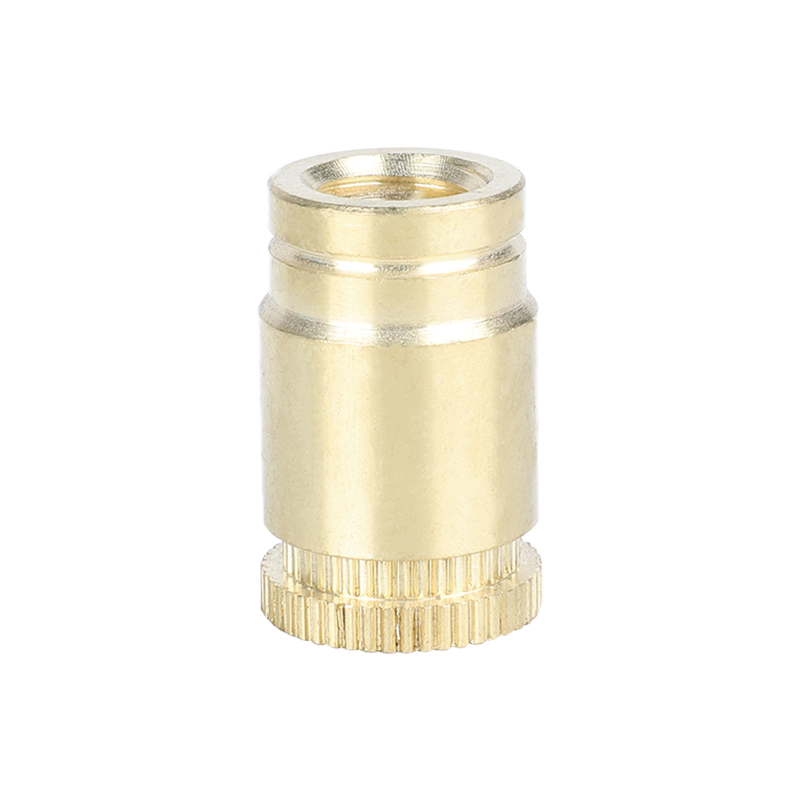
Understanding the Role of a Hose Connector
A hose connector is a mechanical interface that links a flexible hose to another hose, a valve, a pipe fitting, a faucet, a manifold, or a piece of equipment. Its purpose is to create a secure passage for water, air, gas, or other compatible fluids while preventing unwanted leakage. Depending on the application, a connector may need to withstand pressure, resist corrosion, tolerate frequent connection and disconnection, and maintain sealing performance during long-term use.
In valve-related systems, the connector is not an isolated accessory. It works together with ball valves, globe valves, gas valves, threaded components, and hardware fittings. If the connector is poorly made, even a high-quality valve may fail to perform as intended because leakage, loose connection, or thread damage can occur at the joint. Therefore, choosing the right hose connector is a decision that affects system safety, user convenience, and total maintenance cost.
The Hose Connector is positioned as a reliable hardware accessory for customers who require clean machining, stable structure, and dependable assembly. It can be used in systems where the connection between flexible and fixed components must remain tight and manageable. It is especially valuable for businesses that need repeatable quality across large batches, because uniform connector dimensions reduce installation problems and improve assembly efficiency.
Product Design Priorities
The performance of a hose connector depends on several design priorities: connection security, sealing reliability, dimensional precision, material suitability, ease of installation, and durability. The Hose Connector is developed with these priorities in mind.
Connection security means the connector should remain firmly attached during use. Threaded structures, barb profiles, or other connection forms must be accurately produced to reduce looseness and accidental separation. Sealing reliability means the contact surfaces and structural geometry should support tight engagement and minimize leakage paths. Dimensional precision ensures that the connector fits compatible hoses, valves, and fittings without excessive force or looseness.
Material suitability is also important. A connector used in water supply or gas-related environments should be manufactured from materials appropriate for its working conditions. The product must resist deformation, wear, and environmental influence within its intended application range. Ease of installation helps contractors and assembly workers complete work efficiently. Durability reduces replacement frequency and supports lower lifecycle cost.
The Hose Connector combines these design ideas into a practical product. It is made not merely to connect components, but to support stable fluid movement and safe system operation.
Advantages Over Ordinary Connectors
Many low-grade connectors in the market are produced mainly for low upfront cost. Such products may look acceptable at first glance, but their weaknesses often appear during installation or after a period of service. Common problems include inconsistent threads, rough edges, thin walls, weak sealing surfaces, poor surface treatment, unstable material quality, and inadequate inspection. These issues can cause leaks, assembly delays, customer complaints, and early replacement.
The Hose Connector offers advantages by emphasizing manufacturing consistency. Precision machining helps maintain thread accuracy and connection geometry. Controlled assembly and inspection reduce the possibility of defective parts entering the market. A stable production system helps keep quality consistent from one order to the next, which is important for wholesalers, OEM customers, and engineering users.
Another advantage is integration with broader valve manufacturing expertise. Because Ningbo Yunhua Valve Co., Ltd. specializes in gas and fluid valves, water supply valves, and hardware accessories, the company understands how connectors interact with valve bodies, threaded globe valves, forged steel valves, brass gas ball valves, and other fluid control components. This knowledge helps the connector design align with real system requirements rather than being treated as a generic accessory.
Customers also benefit from the company’s production capacity. With an annual production capacity of 2 million sets of valves and 10 million sets of hardware accessories, the manufacturer can support stable supply for both small and large orders. This capacity is particularly valuable for customers who need long-term cooperation rather than one-time purchasing.
Manufacturing Strength Behind the Product
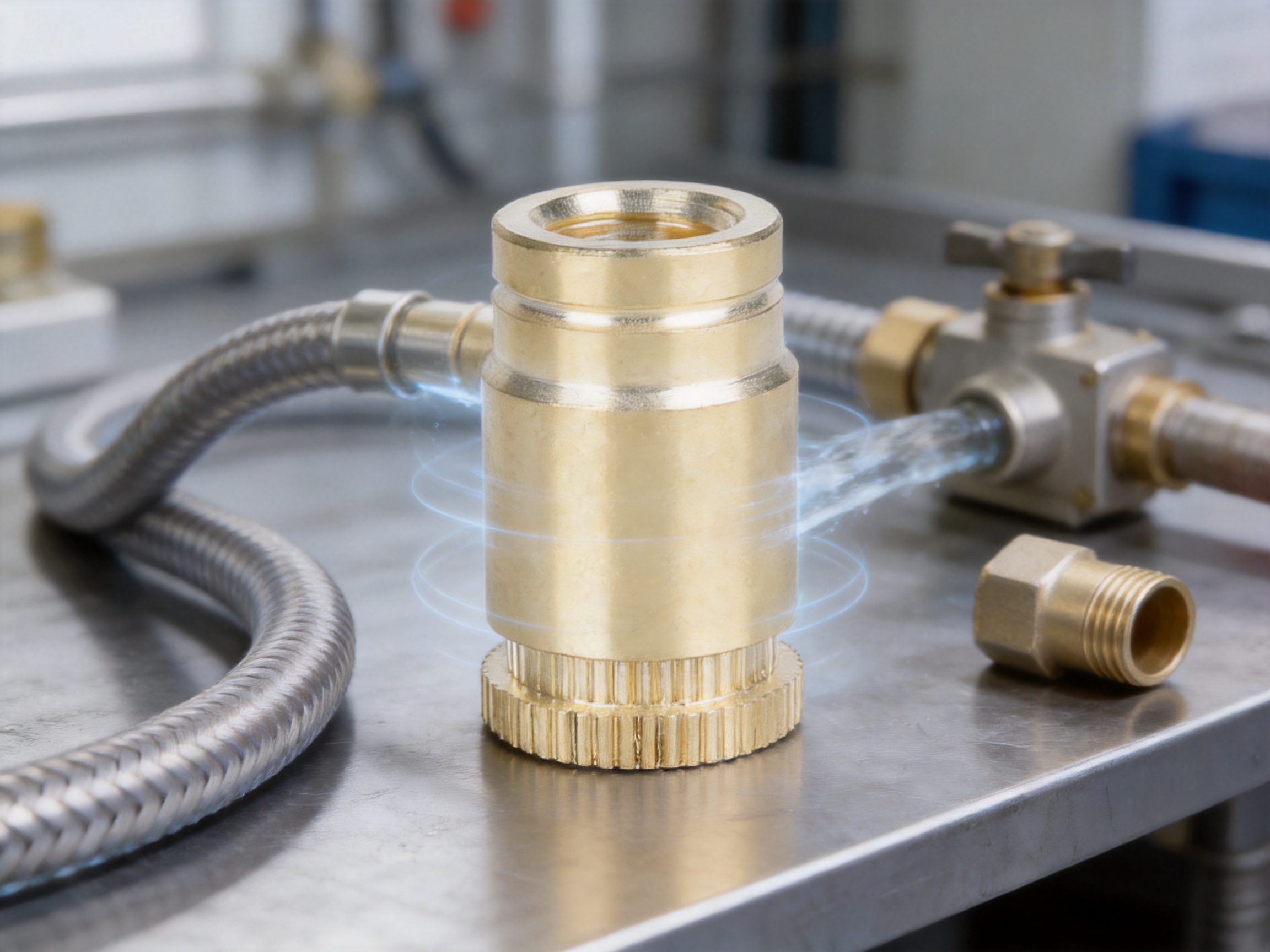
The Hose Connector is supported by a manufacturing system built over years of specialization in fluid control products. Ningbo Yunhua Valve Co., Ltd. has developed a production base covering 20,000 square meters. Within this facility, the company has established a fully automated precision machining workshop, assembly line, and testing workshop. This integrated structure allows the company to manage quality from raw material processing to finished product inspection.
Advanced CNC machine tools are essential for producing connectors with stable dimensions. CNC machining allows repeated production of complex shapes with high accuracy, reducing variation between batches. For connectors that rely on accurate threads, smooth surfaces, and controlled tolerances, CNC machining is far more reliable than rough manual processing. Consistent machining improves fit, reduces leakage risk, and helps installers complete work faster.
Automated assembly equipment further supports consistency. While manual assembly can be effective in some contexts, automated or semi-automated systems reduce human variation and improve production efficiency. For hardware accessories produced in large quantities, this means better repeatability and more stable delivery schedules.
Testing equipment is equally important. A connector must not simply look correct; it must perform correctly. Professional testing helps identify issues such as leakage, dimensional deviation, surface defects, and structural weakness. By combining machining, assembly, and testing within the same manufacturing environment, the company can maintain better control over the final product.
Precision Machining and Dimensional Control
Precision machining is one of the most important factors that separates a reliable hose connector from a low-grade substitute. A connector’s performance depends on small details: the angle and depth of threads, the smoothness of sealing surfaces, the symmetry of the body, the consistency of wall thickness, and the accuracy of hose engagement features. Even a minor dimensional error can lead to leakage or installation difficulty.
In the production of the Hose Connector, CNC equipment helps control these details. CNC machining follows programmed operations, allowing consistent cutting, drilling, threading, and shaping. This supports uniformity across large production batches. When customers receive connectors from different shipments, they can expect similar installation behavior and performance.
Dimensional control also reduces downstream cost. If connectors are inconsistent, assembly workers may need extra time to check, adjust, replace, or rework components. In large-scale assembly operations, even a small delay per unit can create substantial labor cost. Reliable dimensions help improve production line efficiency for customers who use connectors as part of larger products.
For distributors and wholesalers, dimensional consistency reduces after-sales problems. Products that fit properly are less likely to be returned or complained about. This supports better customer satisfaction and strengthens market reputation.
Surface Quality and Handling Safety
Surface quality affects both appearance and function. A connector with rough surfaces may damage hoses, injure installers, or fail to seal properly. Burrs around threads or edges can interfere with assembly and create leakage channels. Uneven surface treatment can reduce corrosion resistance and shorten service life.
The Hose Connector is produced with attention to clean finishing and practical handling. Smooth surfaces support easier installation and reduce the risk of damaging mating components. Clear thread profiles allow more predictable engagement with compatible parts. A well-finished connector also gives end users confidence because visible quality often reflects manufacturing discipline.
In many hardware accessory markets, buyers compare products visually before purchase. A connector that appears solid, clean, and accurately manufactured has an advantage over rough alternatives. However, surface quality is not merely cosmetic. It is part of product reliability, because the joint area must remain stable during operation.
Sealing Performance and Leakage Prevention
Leakage prevention is the core function of any connector used in fluid systems. A connector must guide the fluid through the intended path without allowing escape at the joint. Leakage can waste water, reduce system pressure, create safety risks, damage equipment, and increase maintenance cost. In gas-related systems, leakage prevention is even more critical because safety requirements are higher.
The Hose Connector supports sealing performance through accurate machining and controlled structure. Proper thread formation helps create tight engagement. Smooth sealing surfaces improve contact with gaskets, hoses, or mating components where applicable. Consistent dimensions help prevent over-tightening or under-tightening, both of which can lead to failure.
Compared with poorly manufactured connectors, a precision-made connector reduces uncertainty during installation. Installers can tighten the component with greater confidence because the fit is predictable. This improves work efficiency and reduces the risk of hidden defects.
For customers in plumbing, hardware distribution, equipment assembly, and maintenance supply, leakage prevention is one of the most persuasive reasons to select a higher-quality connector. The cost difference between a reliable connector and a poor connector is often small compared with the cost of repair, downtime, or safety incidents caused by leakage.
Compatibility With Valve and Hardware Systems
The Hose Connector belongs to the broader category of hardware accessories and valve-related components. It can support systems that include valves, pipe fittings, hoses, and other fluid control parts. Because the manufacturer also produces and understands products such as threaded globe valves, forged steel valves, and brass gas ball valves, the connector benefits from a comprehensive view of fluid system requirements.
Compatibility is important in real applications. A connector must not only fit a hose; it must also work with valves, pipes, equipment ports, and installation practices. Thread compatibility, body size, tightening access, and sealing method all affect usability. A connector that is technically strong but difficult to install may still create problems for users.
The Hose Connector is designed as a practical component that can be integrated into everyday fluid control environments. Its value lies in reliability, ease of use, and consistent supply. Whether used as part of a water supply assembly, a gas-related connection system, or a general hardware accessory package, it supports stable connection performance.
Key Product Benefits
| Benefit | Practical Meaning | Customer Value |
|---|---|---|
| Precision machining | Accurate threads, controlled dimensions, and stable geometry | Easier installation and reduced leakage risk |
| Consistent batch quality | Repeatable production supported by CNC and automated equipment | Reliable sourcing for distributors and OEM users |
| Strong manufacturing base | Professional machining, assembly, and testing workshops | Stable supply and controlled production quality |
| Valve system expertise | Knowledge of gas and fluid valve applications | Better compatibility with fluid control systems |
| Durable structure | Designed for dependable connection under normal service conditions | Longer service life and lower replacement frequency |
| Quality inspection | Testing processes help identify defects before shipment | Reduced after-sales problems and improved confidence |
Applications in Water Supply Systems
Water supply systems depend on secure joints. A connector may be used in household water lines, garden equipment, plumbing accessories, pump connections, filtration systems, and maintenance assemblies. In these environments, leakage can waste water, damage surrounding structures, and reduce system efficiency.
The Hose Connector can support water-related applications where a reliable connection is needed between flexible hose and other components. Its precision and surface quality help installers achieve stable assembly. For distributors, offering a connector with dependable performance can strengthen customer trust in plumbing and water supply product lines.
Water systems often experience pressure fluctuation, temperature variation, and frequent use. A weak connector may loosen, crack, or leak over time. By selecting a connector produced under controlled manufacturing conditions, users can reduce the likelihood of premature failure.
Applications in Gas and Fluid Control
Gas and fluid control systems require special attention to safety. While connector selection must always match the specific medium, pressure, regulations, and installation method, the general requirement remains the same: the joint must be secure and leak-resistant. A connector used near gas valves or fluid valves must be manufactured with care because failure can have serious consequences.
Ningbo Yunhua Valve Co., Ltd. has experience in gas and fluid valves, including brass gas ball valve products and other valve categories. This background supports a deeper understanding of safety-focused manufacturing. The Hose Connector benefits from this environment because it is produced by a company familiar with the importance of sealing, pressure control, and stable operation.
In gas-related installations, users should always follow applicable standards and professional installation procedures. A connector should be selected according to its rated application and used only with compatible systems. When properly selected and installed, a high-quality connector contributes to safer and more reliable system operation.
Applications in Equipment Assembly
Equipment manufacturers often need connectors for machines, pumps, cleaning devices, control panels, utility systems, and fluid handling modules. In these applications, connector quality affects not only end-user performance but also the efficiency of the manufacturer’s assembly line.
If connectors vary in size or thread quality, assembly workers may experience delays. Components may require force, additional sealing material, or replacement. Such problems increase labor cost and reduce production efficiency. The Hose Connector addresses these concerns through dimensional consistency and reliable manufacturing.
For OEM customers, the ability to obtain stable batches is especially important. A product design may be approved based on specific connector dimensions and performance. If future batches differ, the equipment design may face unexpected problems. A manufacturer with strong process control helps reduce this risk.
Why Manufacturing Process Matters
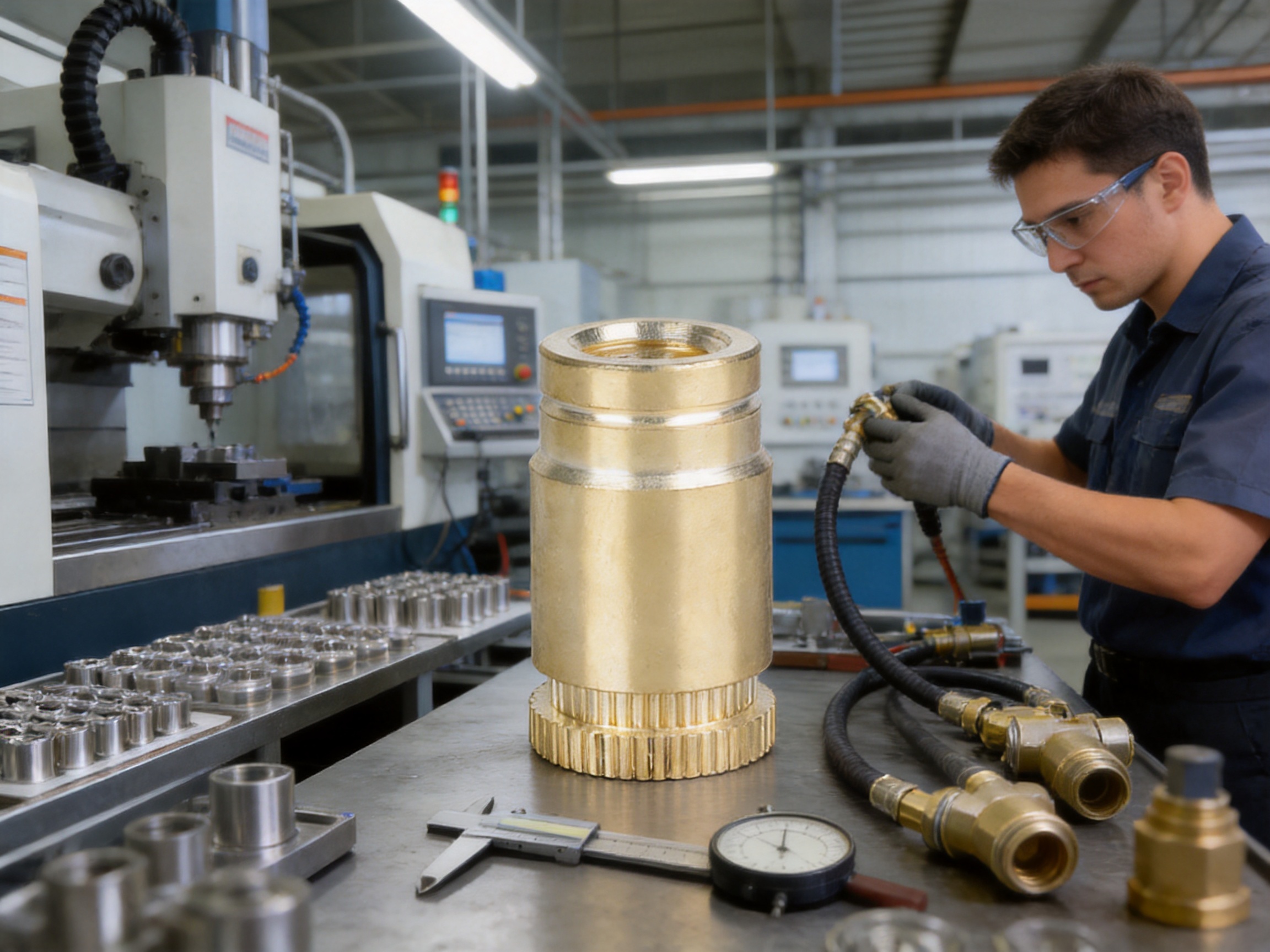
Some buyers focus only on product shape and price, but the manufacturing process is often the true source of product value. Two connectors may look similar in photographs, yet differ significantly in material control, machining precision, thread accuracy, surface quality, and testing standards. These hidden differences become visible during installation and service.
A manufacturer with advanced CNC machine tools can hold tighter tolerances than a workshop relying mainly on outdated equipment. A factory with automated assembly and testing can produce more consistent batches than a facility with limited inspection. A company with professional management and established production systems can respond more effectively to quality requirements and delivery schedules.
The Hose Connector is supported by a production system that includes precision machining, assembly, and testing. This reduces dependence on chance and improves product reliability. For customers, this means the connector is not just a commodity item; it is a controlled industrial component produced by a company with established fluid control expertise.
Quality Management and Inspection Philosophy
Quality management begins before the finished product is inspected. It includes raw material selection, process planning, machine setup, tool maintenance, operator training, in-process inspection, final testing, packaging control, and continuous improvement. A defect found at the final stage is already costly; the best approach is to prevent defects throughout the process.
Ningbo Yunhua Valve Co., Ltd. has developed its management system over more than ten years of growth. The company has formed a professional management team and cultivated a corporate culture that supports innovation, quality, and service. These organizational strengths are important because product quality depends not only on machines but also on people and systems.
For the Hose Connector, inspection may include checks related to appearance, dimensions, thread quality, surface finish, and functional performance depending on product specifications. Proper testing helps ensure that connectors shipped to customers meet relevant expectations. This is especially important when serving international markets where buyers expect stable quality documentation and repeatable product performance.
Production Capacity and Supply Stability
Supply stability is a major purchasing concern. A connector may be excellent, but if supply is irregular, customers may face project delays or inventory problems. For distributors, inconsistent supply can weaken market competitiveness. For equipment manufacturers, missing connectors can stop production lines.
The company’s annual production capacity of 2 million sets of valves and 10 million sets of hardware accessories demonstrates its ability to support large-scale production. This capacity allows the Hose Connector to be supplied with greater reliability. Customers can plan orders, manage inventory, and develop long-term cooperation with confidence.
Large production capacity also supports cost efficiency. When manufacturing processes are well organized, higher output can reduce waste and improve productivity. Customers benefit from a balance of quality and competitive value.
Customization and Market Adaptability
Different markets may require different connector specifications, packaging methods, thread standards, surface finishes, or application features. A capable manufacturer must understand these differences and respond effectively. The company’s experience in valves and hardware accessories supports market adaptability because it already serves diverse fluid control needs.
Custom requirements may involve dimensional adjustments, material choices, surface treatment preferences, or packaging for distribution channels. While every customization must be evaluated according to feasibility and technical requirements, a strong manufacturing base makes flexible production more achievable.
For customers developing their own product lines, the Hose Connector can be positioned as part of a broader accessory program. With suitable communication, the manufacturer can support consistent supply and product improvement based on market feedback.
Comparison With Competitor Products
Competitor hose connectors vary widely. Some are produced by trading companies with limited control over manufacturing. Others come from factories with low-cost equipment and minimal testing. While these products may compete on price, they can create hidden costs through leakage, inconsistent fit, short service life, and after-sales complaints.
The Hose Connector stands out because it is backed by a specialized manufacturer with advanced equipment and a clear focus on fluid control products. The company’s knowledge is not limited to one accessory; it covers gas valves, fluid valves, water supply valves, and hardware accessories. This broader experience helps create products that meet practical system needs.
Compared with competitors that rely on unstable subcontracting, a manufacturer with its own machining, assembly, and testing workshops can better control quality and delivery. Compared with suppliers that provide only generic connectors, a valve-focused producer can better understand sealing and compatibility requirements. Compared with low-cost products that may sacrifice precision, this Hose Connector emphasizes long-term reliability and user confidence.
Installation Considerations
Correct installation is essential for any connector. Even a well-made product can fail if installed incorrectly, used beyond its intended conditions, or paired with incompatible components. Users should confirm that the connector size, thread type, material, pressure suitability, and medium compatibility match the application.
Before installation, the connector should be inspected for visible damage, contamination, or thread defects. Mating components should also be checked. Threads should be aligned correctly to avoid cross-threading. If sealing tape, gasket, or sealant is required for the specific installation, it should be applied according to professional practice and relevant standards. Excessive tightening should be avoided because it can damage threads or sealing surfaces.
After installation, the system should be tested under appropriate conditions to verify leak-free operation. Regular inspection is recommended in systems exposed to vibration, pressure changes, or frequent handling. These practices help maximize the service life of the connector.
Maintenance and Service Life
A hose connector is often expected to operate quietly for long periods. However, periodic inspection helps ensure continued reliability. Users should check for signs of leakage, corrosion, loosening, deformation, or wear. In systems where hoses are moved frequently, the connector should be examined more often because mechanical stress can affect the joint.
Cleaning may be necessary in environments where dirt, sediment, or chemical residue accumulates. The connector should be cleaned with methods compatible with its material and application. Harsh cleaning agents should not be used unless confirmed suitable.
Replacement should be considered if the connector shows damage or if sealing performance becomes unreliable. The cost of replacing a connector is generally much lower than the cost of repairing damage caused by leakage. Selecting a high-quality connector from the beginning reduces maintenance frequency and supports safer operation.
Packaging, Logistics, and Customer Experience
For hardware accessories, packaging is more than presentation. Good packaging protects products during transportation, keeps batches organized, and supports efficient distribution. Connectors can be damaged if they are poorly packed, especially when threads or sealing surfaces are exposed to impact.
A professional manufacturer understands that customer experience includes more than product performance. Timely delivery, clear communication, suitable packaging, and stable quality all contribute to customer satisfaction. The company’s production scale and management system support efficient order handling.
For importers and distributors, reliable packaging helps reduce losses and simplifies warehouse management. For OEM users, consistent packaging and labeling support production planning and inventory control. These practical details make the Hose Connector easier to purchase and use in commercial environments.
Contribution to Safe Fluid Ecosystems
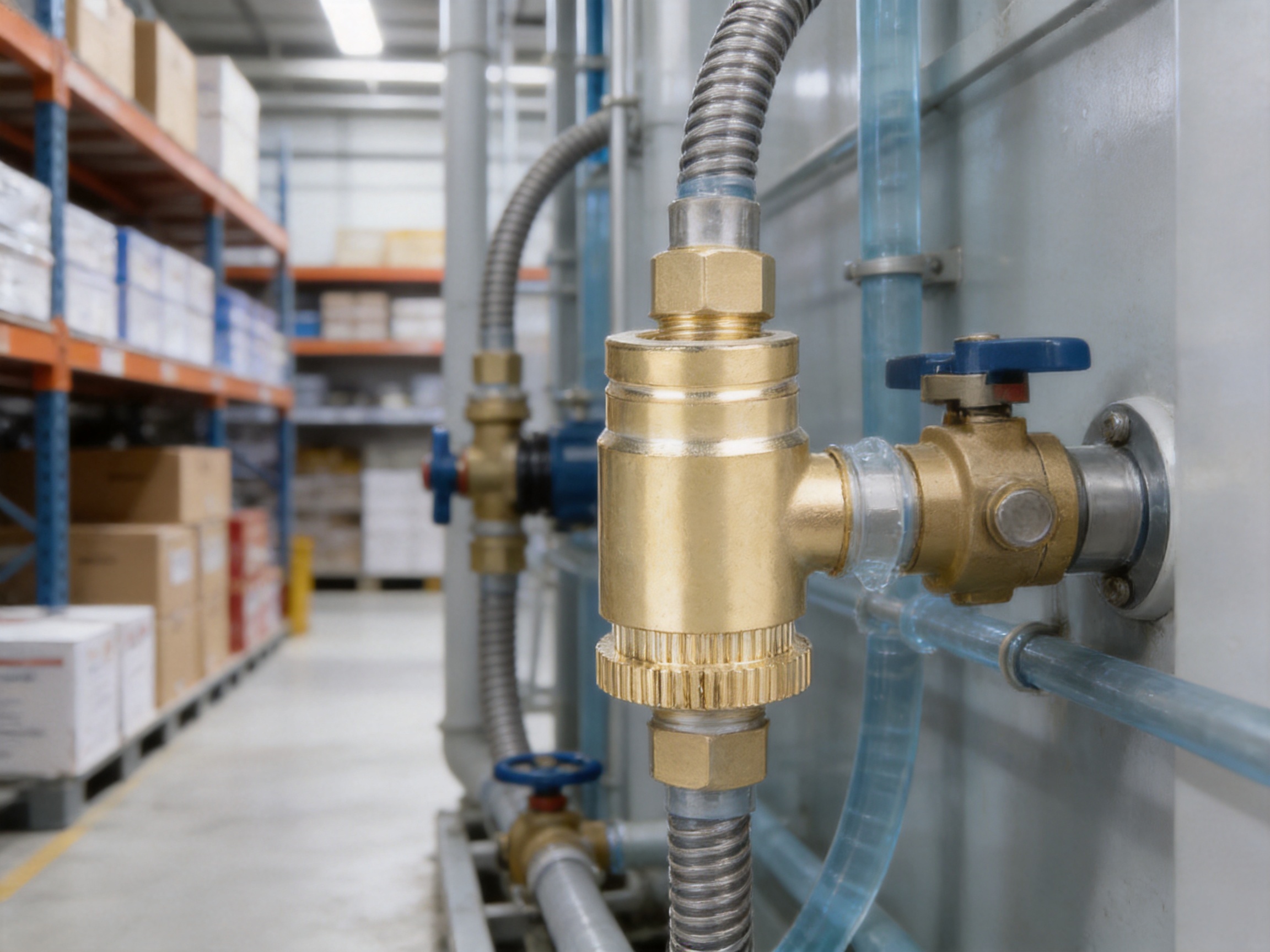
The company’s mission is to build a safe fluid ecosystem with high-quality valves. Although a hose connector is smaller than a valve, it contributes directly to that mission. Fluid systems are only as safe as their weakest connection. Every fitting, valve, hose, and connector must work together to prevent leakage and maintain control.
By producing hardware accessories with precision and care, the manufacturer supports safer water supply, gas handling, and fluid control applications. The Hose Connector is part of this broader commitment. It helps create reliable joints, supports efficient installation, and reduces the risk of failure caused by poor-quality accessories.
In a global market where customers increasingly value safety, compliance, and durability, dependable connectors play an important role. They help contractors complete projects with confidence, help distributors build strong reputations, and help end users enjoy safer operation.
Company Strength and Industry Vision
Ningbo Yunhua Valve Co., Ltd. is an innovative enterprise specializing in research, development, production, sales, and service of gas and fluid valves, water supply valves, and hardware accessories. Over the past ten years, the company has improved its management system and built a professional team. Its 20,000-square-meter facility includes automated precision machining, assembly, and testing capabilities.
The company’s vision is to become a leading enterprise in the global fluid control industry. This vision requires more than producing individual products; it requires continuous improvement, customer-focused service, reliable quality, and manufacturing modernization. The Hose Connector reflects this direction by combining practical design with process-based quality control.
For customers seeking suppliers of threaded globe valves, forged steel valves, brass gas ball valves, and related hardware accessories, the company offers a manufacturing background that supports broad procurement needs. Working with one capable supplier can simplify sourcing, improve compatibility between product categories, and support long-term cooperation.
Purchasing Guidance for Distributors and Project Buyers
When purchasing hose connectors, buyers should evaluate more than price. Important factors include manufacturing capability, product consistency, material suitability, thread accuracy, surface finish, testing process, packaging, delivery capacity, and supplier communication. A low initial price may not represent true value if the product causes leakage, returns, or installation delays.
Distributors should consider how the connector will perform in the hands of installers and end users. A reliable connector can reduce complaints and improve repeat purchases. Project buyers should consider the cost of failure, especially in systems where leakage can cause downtime or safety concerns. OEM buyers should prioritize dimensional consistency and long-term supply stability.
The Hose Connector is suitable for customers who want a balance of dependable quality, professional manufacturing support, and scalable supply. It is not positioned as a disposable low-end fitting, but as a practical component manufactured within a serious fluid control production environment.
Environmental and Efficiency Considerations
Reliable connectors can indirectly support environmental responsibility by reducing leakage and waste. Water leakage wastes resources, and gas leakage may create safety and environmental concerns. A durable connector also reduces the frequency of replacement, lowering material consumption over time.
Manufacturing efficiency also matters. Automated machining and organized production can reduce process waste, improve consistency, and support better resource use. While every manufacturing process consumes materials and energy, precision production helps ensure that resources are converted into usable products rather than defective waste.
For customers building more responsible supply chains, choosing durable and accurately manufactured components is a practical step. A high-quality connector contributes to system efficiency and reduces avoidable maintenance.
Frequently Asked Questions
What is the main purpose of the Hose Connector?
The main purpose is to create a secure connection between a hose and another component, such as a valve, pipe fitting, faucet, manifold, or equipment port. It supports stable fluid transfer and helps prevent leakage when properly selected and installed.
Why is precision machining important for a hose connector?
Precision machining controls thread accuracy, sealing surfaces, body dimensions, and overall geometry. These details affect how easily the connector installs, how well it seals, and how reliably it performs over time.
How does this product differ from ordinary low-cost connectors?
It is backed by a manufacturer with advanced CNC machining, automated assembly, professional testing, and extensive experience in valves and hardware accessories. This supports better consistency, improved fit, and reduced leakage risk compared with poorly controlled low-cost products.
Can the Hose Connector be used with valve systems?
Yes, it is designed as a hardware accessory suitable for fluid control environments and can be integrated with compatible valve and fitting systems. Users should always confirm size, thread, material, medium, and pressure suitability before installation.
What industries may use this connector?
Potential users include plumbing suppliers, hardware distributors, water supply system installers, equipment manufacturers, maintenance teams, and businesses involved in gas and fluid control accessories.
Does the manufacturer have strong production capacity?
Yes. The company has an annual production capacity of 2 million sets of valves and 10 million sets of hardware accessories, supported by a 20,000-square-meter production base with machining, assembly, and testing workshops.
What should be checked before installation?
Users should check connector size, thread type, material compatibility, visible damage, cleanliness, and compatibility with the hose and mating component. Proper sealing methods should be used according to the application.
How can service life be extended?
Service life can be extended through correct installation, avoiding over-tightening, using the connector within its intended conditions, regular inspection, and replacing damaged hoses or mating parts that may stress the connector.
Conclusion
The Hose Connector is a small but essential component in fluid and gas handling systems. Its value lies in secure connection, leakage prevention, ease of installation, and long-term reliability. For customers in hardware accessories, valve systems, water supply, equipment assembly, and maintenance markets, choosing a precision-made connector can reduce hidden costs and improve system performance.
Supported by Ningbo Yunhua Valve Co., Ltd., the product benefits from advanced manufacturing processes, including CNC precision machining, automated assembly, professional testing, and large-scale production capacity. The company’s expertise in gas and fluid valves, water supply valves, and hardware accessories strengthens the connector’s practical value. Its commitment to quality, innovation, and safe fluid ecosystems makes it a dependable partner for customers seeking stable supply and consistent performance.
In competitive markets, ordinary connectors may compete only on price, but reliable connectors compete on total value. The Hose Connector offers that value through precision, durability, manufacturing discipline, and supplier strength. It is a practical choice for buyers who understand that safe and efficient fluid control begins with every connection.
References
Crane Co. Flow of Fluids Through Valves, Fittings, and Pipe. Technical Paper No. 410.
American Society of Mechanical Engineers. ASME B1.20.1: Pipe Threads, General Purpose.
International Organization for Standardization. ISO 7-1: Pipe Threads Where Pressure-Tight Joints Are Made on the Threads.
International Organization for Standardization. ISO 9001: Quality Management Systems Requirements.
Idelchik, I. E. Handbook of Hydraulic Resistance. Begell House.
Smith, Peter. The Fundamentals of Piping Design. Gulf Publishing Company.
Product: Hose Connector

Related Products
-
 View More
-
 View More
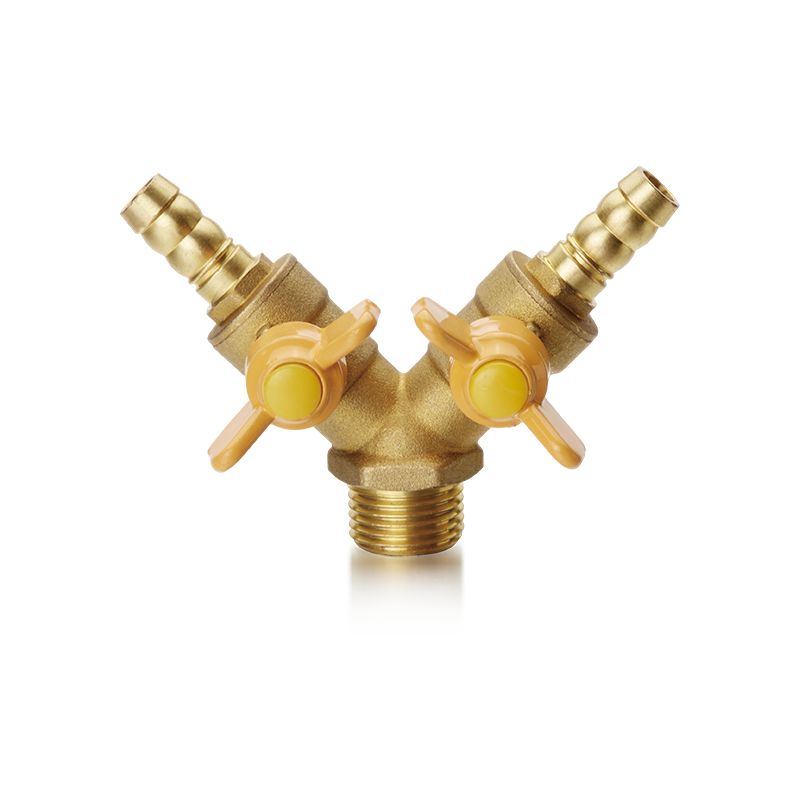
YH-208 Brass Ball Valve(M/Double Hose Connector)
-
 View More
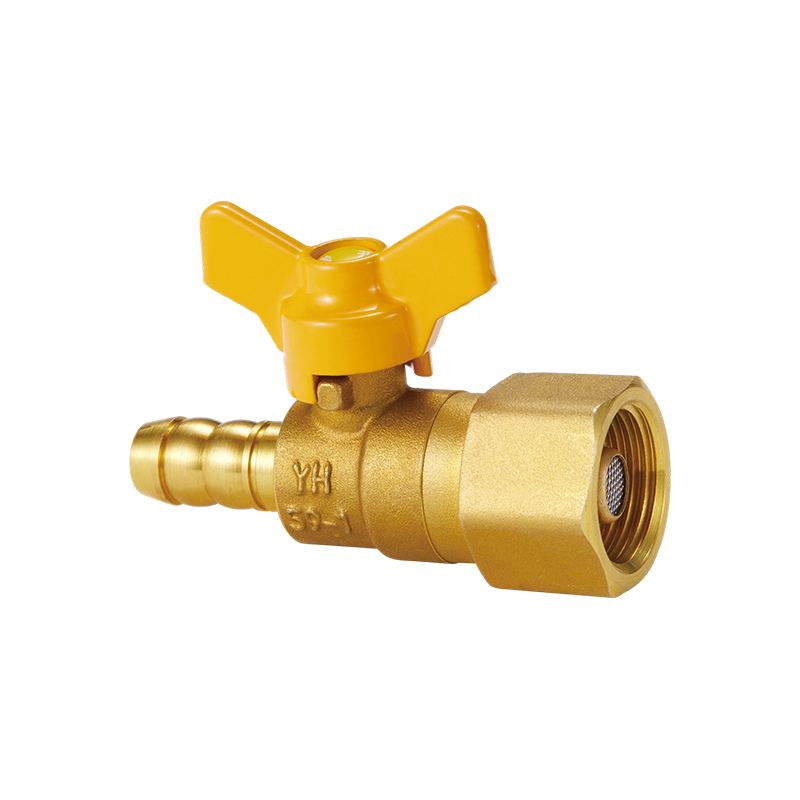
YH-216A Brass Excess Flow Shut-Off Valve(F/Hose Connector)
-
 View More
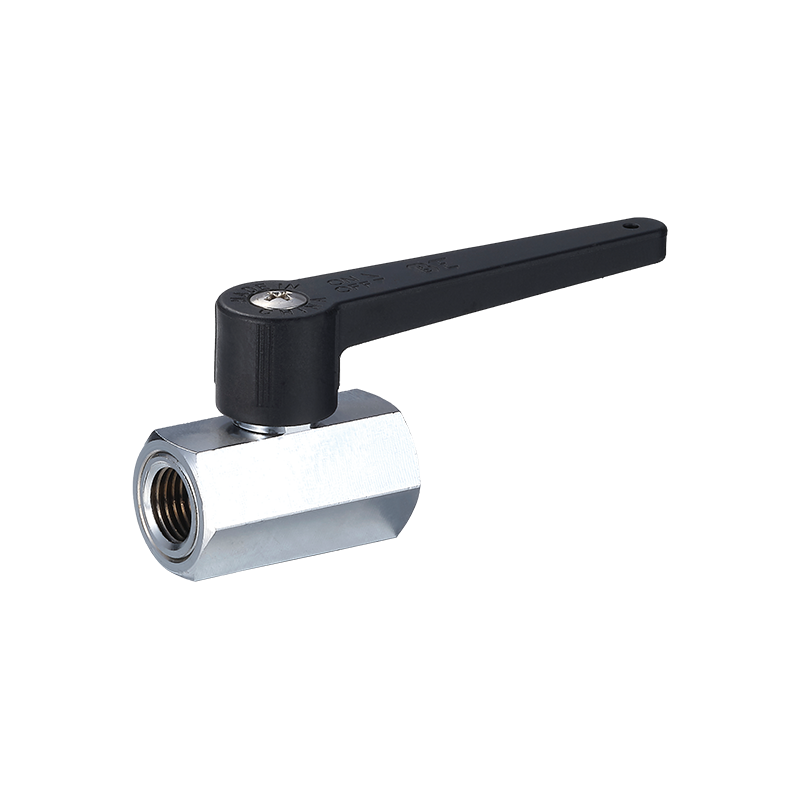
MINI-1 Mini Long Handle Ball Valve(F/F)
-
 View More
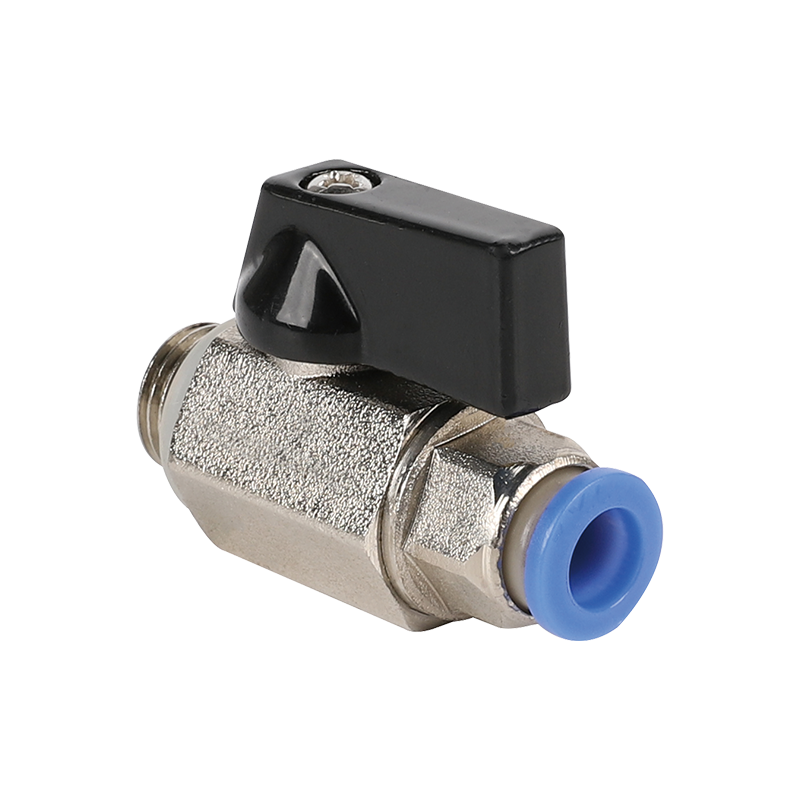
MINI-2 Mini Short-Handle Ball Valve(M/M)
-
 View More
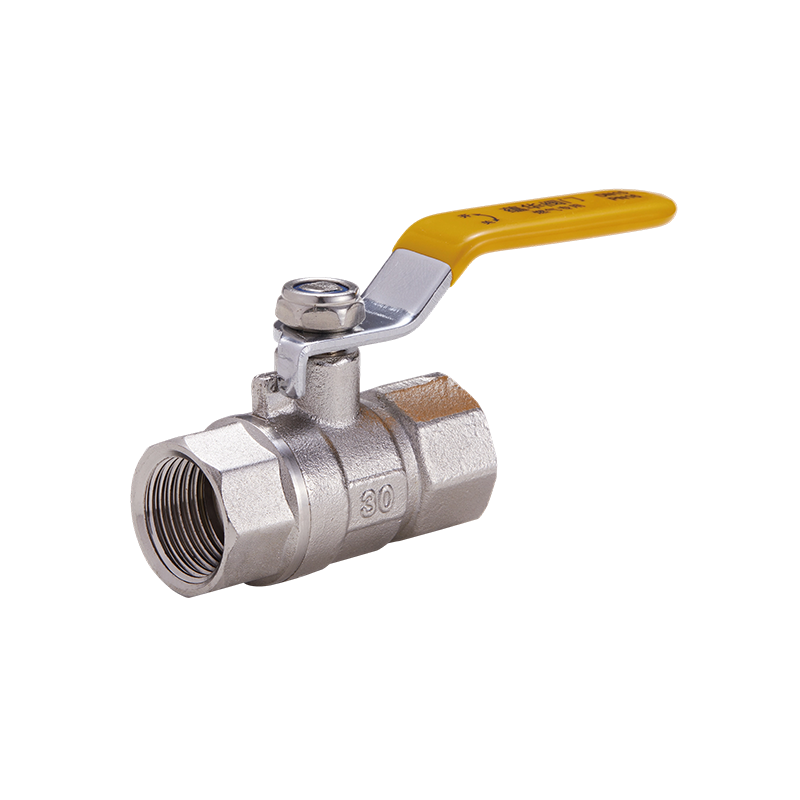
YH-2210 Forged Steel Ball Valve with Long Handle (F/F)
Related News
Contact Us
-

-
 +86-0574-63742169
 -
 No.104-128, Cizhang East Road, Zhangqi Town, Cixi City, Ningbo, Zhejiang Province, China


Message Us Now !
