


 English
  русский
  عربى
عربى  Español
Precision Pipe Fittings for Safer Fluid and Gas Control Systems
Content
- 1 The Role of Pipe Fittings in Modern Fluid Control
- 2 Product Overview: Pipe Fittings for Hardware Accessories and Valve Systems
- 3 Competitive Advantages of Precision Pipe Fittings
- 4 Advanced Manufacturing Strengths Behind the Product
- 5 How Precision Machining Improves Fitting Performance
- 6 Material Considerations for Durable Pipe Fittings
- 7 Application Areas and System Compatibility
- 8 Comparison of High-Quality Pipe Fittings and Ordinary Alternatives
- 9 Quality Control Throughout Production
- 10 Integration with Valve Manufacturing Expertise
- 11 Customization and Customer-Oriented Service
- 12 Safety Benefits in Gas and Fluid Systems
- 13 Efficiency Benefits for Installers, Distributors, and OEMs
- 14 Sustainability Through Durability and Process Control
- 15 Why Choose This Manufacturer for Pipe Fittings
- 16 Purchasing Considerations for Pipe Fittings
- 17 Frequently Asked Questions
- 17.1 What are pipe fittings used for?
- 17.2 Why is thread precision important in pipe fittings?
- 17.3 Can these pipe fittings be used with valves?
- 17.4 What makes these fittings different from ordinary low-cost fittings?
- 17.5 Does the manufacturer support custom pipe fittings?
- 17.6 How does automated manufacturing improve product quality?
- 17.7 Why is testing necessary for pipe fittings?
- 17.8 How should buyers choose the right pipe fitting?
- 18 Conclusion
- 19 References
- 20 Product: Pipe Fittings
Pipe fittings are small components with a large responsibility. In gas lines, water supply systems, heating equipment, industrial fluid networks, and hardware assemblies, a fitting is often the point where pressure, sealing performance, installation convenience, and long-term safety meet. A reliable pipe fitting does more than connect two sections of pipe. It helps maintain flow stability, prevents leakage, supports system layout flexibility, and reduces maintenance cost over the full service life of the installation.
In the hardware accessories and valve industry, the demand for high-quality pipe fittings continues to grow because modern projects require compact structures, consistent dimensions, corrosion resistance, and dependable sealing under variable operating conditions. Whether used with valves, manifolds, gas control devices, water distribution equipment, or mechanical assemblies, pipe fittings must be manufactured with precision and tested with discipline. A fitting that appears simple from the outside may require accurate machining, controlled material selection, surface treatment, thread inspection, pressure testing, and packaging protection before it can be trusted in real applications.
Ningbo Yunhua Valve Co., Ltd. manufactures pipe fittings as part of a broader product system that includes gas and fluid valves, water supply valves, and hardware accessories. The company’s production capability, automated machining workshops, assembly lines, testing workshops, and professional management team allow it to provide fittings that meet the needs of customers seeking both standard products and custom solutions. With an annual capacity of 2 million sets of valves and 10 million sets of hardware accessories, the company is positioned to serve distributors, engineering buyers, equipment manufacturers, and project contractors who require stable supply and dependable product quality.
This article focuses on the product value of pipe fittings, their technical advantages, their relationship with valves such as Threaded Globe Valve products, Forged Steel Valve assemblies, and Brass Gas Ball Valve systems, and the manufacturing strengths that support reliable performance. It also explains how advanced processes, quality control, and customer-oriented customization help these fittings stand apart in a competitive market.
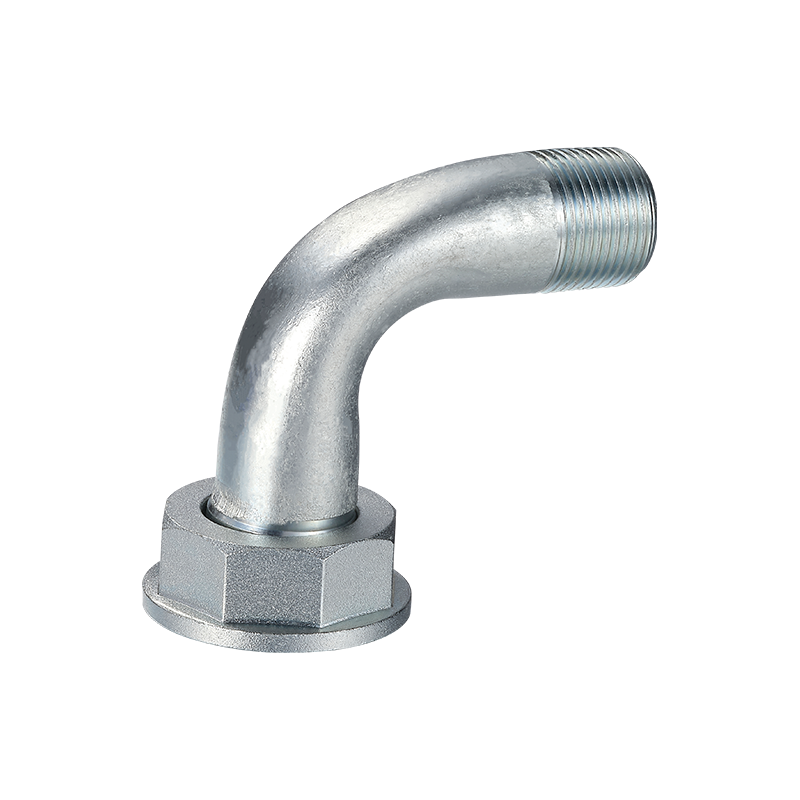
The Role of Pipe Fittings in Modern Fluid Control
Pipe fittings are essential connection elements used to join, redirect, branch, terminate, reduce, or adapt piping systems. They are found in residential plumbing, gas distribution, commercial buildings, industrial plants, agricultural systems, heating networks, water treatment equipment, and many types of machinery. Common fitting functions include elbow connection, tee branching, coupling, union connection, bushing reduction, nipple extension, cap sealing, plug termination, and adapter transition between different thread standards or pipe sizes.
Although fittings are frequently considered accessories, their importance is equal to that of larger visible components. A well-designed valve cannot perform correctly if the surrounding fittings fail to seal. A gas ball valve cannot provide safety if the fitting interface is poorly machined. A water supply system may lose efficiency if fittings create unnecessary turbulence or pressure drop. In pressurized systems, the smallest leakage point can lead to wasted resources, safety risks, contamination, and equipment downtime.
Reliable pipe fittings contribute to three major performance targets: structural connection, sealing integrity, and flow continuity. Structural connection means the fitting must withstand tightening torque, vibration, pressure cycles, and environmental stress. Sealing integrity means the mating surface or thread must create a leak-resistant interface when assembled with proper sealing materials. Flow continuity means the internal passage must support smooth movement of gas or liquid without excessive restriction, sharp burrs, or unstable internal geometry.
For users, the quality of pipe fittings affects installation speed and maintenance frequency. If threads are inaccurate, installers may need extra time to adjust connections or replace components. If dimensional tolerance is inconsistent, fittings may not match valves or pipelines from different batches. If the material is weak, cracking or deformation may occur during tightening. If surface finish is poor, corrosion resistance and sealing performance may decline. Therefore, professional production is not optional; it is the foundation of dependable field performance.
Product Overview: Pipe Fittings for Hardware Accessories and Valve Systems
The pipe fittings supplied by Ningbo Yunhua Valve Co., Ltd. are designed for use in hardware accessory systems and valve-related applications. They can support the connection needs of gas and fluid valves, water supply valves, Brass Gas Ball Valve assemblies, threaded valve installations, and general piping arrangements. The product category reflects a practical market requirement: customers need fittings that integrate smoothly with valve bodies, threaded components, hoses, pipelines, equipment ports, and distribution systems.
A typical high-quality pipe fitting must balance compact design and mechanical strength. In many installations, available space is limited, especially inside cabinets, wall-mounted equipment, gas appliances, water meters, heating devices, and industrial control panels. A fitting must be easy to install in tight conditions while still providing enough wall thickness and thread engagement to support pressure and mechanical loads. This is why dimensional accuracy is one of the most important product characteristics.
Pipe fittings are also expected to work with different media. Gas systems require excellent sealing and stable thread form because gas leakage is a critical safety issue. Water supply systems require corrosion resistance, hygienic surface quality, and resistance to pressure fluctuation. Industrial fluid systems may involve temperature variation, flow impact, and chemical exposure, depending on application. Hardware accessories may require good appearance, consistent external surfaces, and compatibility with assembly lines.
The company’s experience in valve and hardware accessory manufacturing gives its pipe fittings a practical advantage. Because fittings often work together with valves, a manufacturer that understands valve performance can design and produce fittings with better awareness of sealing positions, thread standards, assembly torque, and pressure control. This integrated knowledge helps reduce compatibility problems that may occur when fittings and valves are sourced from unrelated suppliers with different quality levels.
Competitive Advantages of Precision Pipe Fittings
In a competitive marketplace, pipe fittings may appear similar at first glance. However, the real differences become visible during installation, pressure testing, long-term service, and maintenance. A premium fitting provides value through consistent machining, material reliability, smooth assembly, and predictable sealing. These advantages reduce the total cost of ownership even if the initial purchase decision focuses on unit price.
One major advantage is thread precision. Threaded fittings are widely used because they are convenient, removable, and suitable for many gas and water applications. However, thread defects are among the most common causes of installation difficulty and leakage. Inaccurate pitch, uneven depth, rough crests, damaged starts, or eccentric thread cutting can lead to cross-threading, insufficient sealing contact, or excessive use of sealing tape. Precision machining helps ensure that threads engage smoothly and maintain reliable contact across the designed thread length.
Another advantage is dimensional consistency. Customers who purchase fittings in large quantities expect each component to behave the same way. If one batch installs smoothly and another requires extra effort, production efficiency suffers. Automated precision machining improves repeatability from part to part. This is especially valuable for original equipment manufacturers and assembly plants that use fittings in high-volume production. Stable dimensions help reduce assembly line interruptions and lower rejection rates.
Material selection is also a critical differentiator. Fittings may be produced from brass, steel, stainless steel, forged steel, or other materials depending on application. Brass fittings are valued for corrosion resistance, machinability, and suitability for many water and gas uses. Forged steel fittings are chosen when higher strength and pressure resistance are required. The company’s experience with Forged Steel Valve products and Brass Gas Ball Valve products supports a strong understanding of how different materials behave during machining, sealing, and long-term operation.
Surface quality gives another competitive edge. A fitting with clean surfaces, controlled edges, and proper finishing is easier to handle, safer to install, and more resistant to environmental damage. Burrs, sharp edges, and uneven surfaces can damage sealing materials or create particle contamination in fluid systems. Professional finishing and inspection reduce these risks and improve product appearance.
Finally, reliable testing separates serious manufacturers from low-cost suppliers. A fitting may look acceptable but still contain hidden problems such as microcracks, thread damage, porosity, or dimensional deviation. Testing and inspection verify that the product meets required standards before shipment. When customers choose pipe fittings from a manufacturer with automated machining and testing workshops, they gain confidence that performance is supported by process control rather than appearance alone.
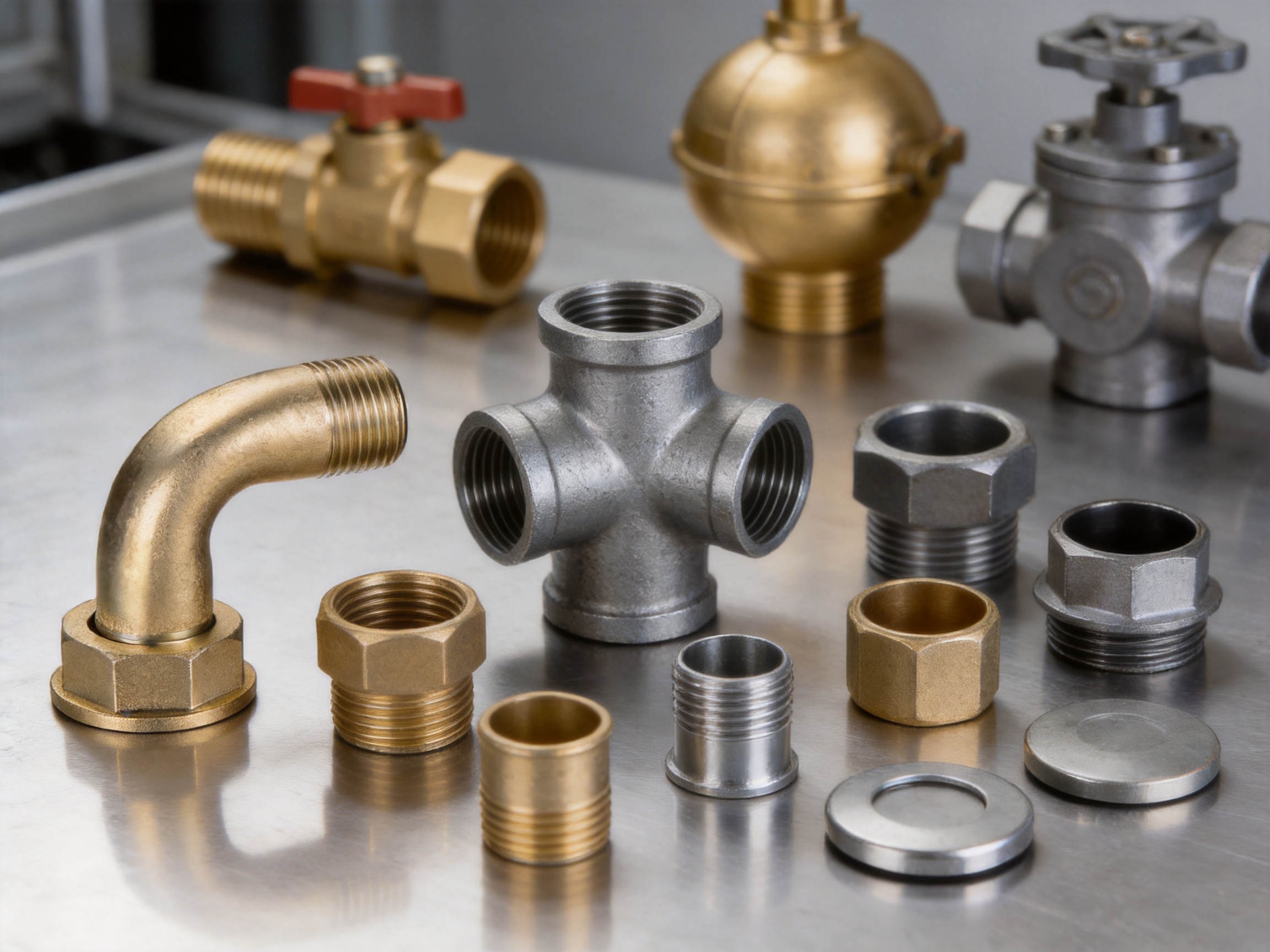
Advanced Manufacturing Strengths Behind the Product
Ningbo Yunhua Valve Co., Ltd. has developed manufacturing capabilities that support high-quality pipe fittings and related valve products. The company covers an area of 20,000 square meters and has established a professional, fully automated precision machining workshop, an assembly line, and a testing workshop. These facilities provide the foundation for stable production, accurate processing, and reliable quality control.
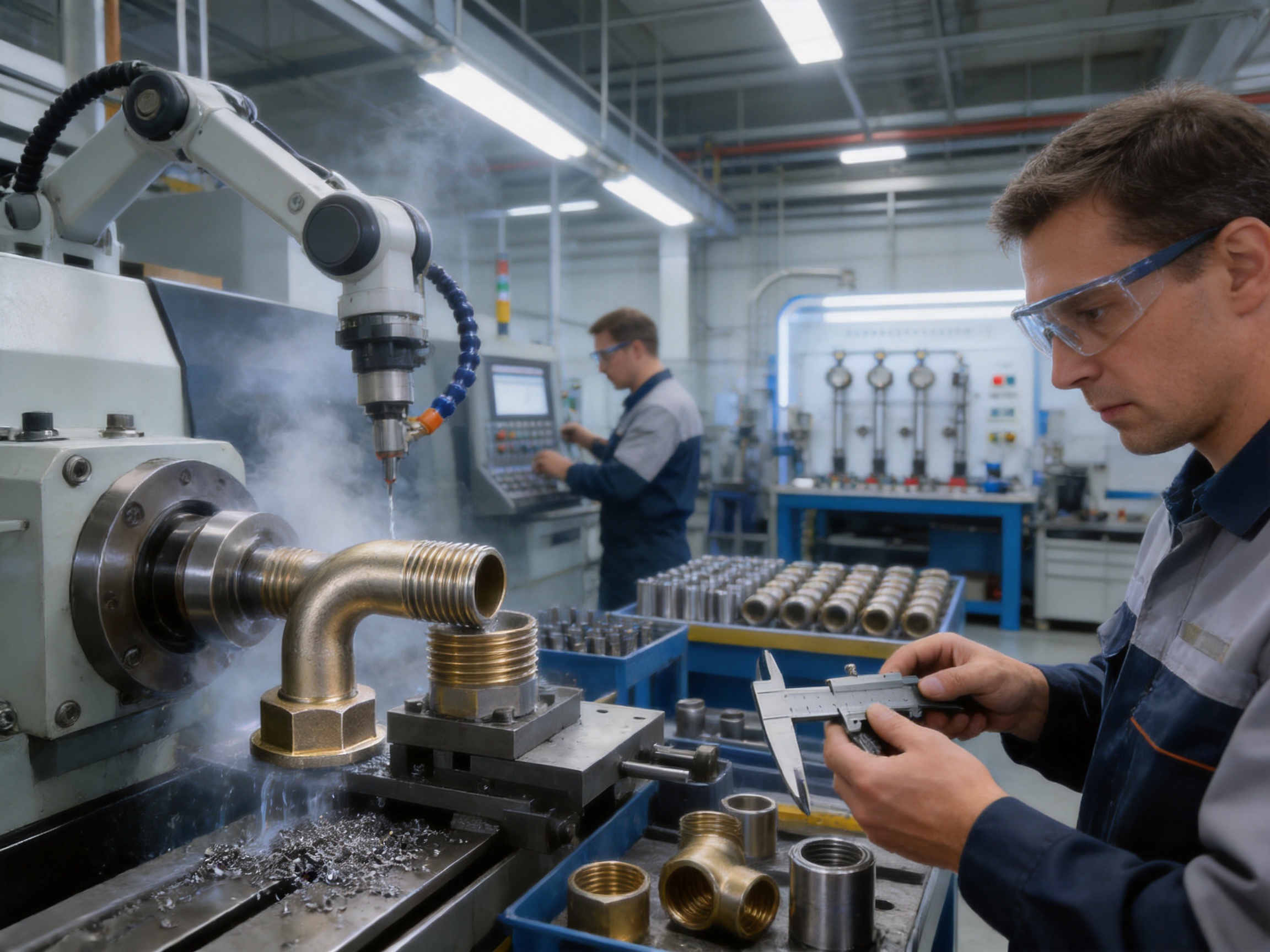
Automated precision machining is especially important for pipe fittings because the product requires repeatable accuracy on small but functionally critical features. Threaded sections, sealing faces, internal diameters, external hex profiles, shoulder dimensions, and transition radii must be controlled within appropriate tolerances. Advanced CNC machine tools help achieve this level of consistency. Compared with manual or less automated production, CNC processing reduces human variability, improves machining repeatability, and allows more stable control over cutting speed, feed rate, tool path, and surface finish.
The company uses advanced domestic and international CNC machine tools as well as professional automated assembly and testing equipment. This combination supports a production model in which machining, assembly, and verification are coordinated. For valve-related fittings, such coordination is valuable because components must align with the requirements of valves, sealing accessories, and customer-specific assemblies. The result is a production environment capable of supporting both volume manufacturing and custom product development.
Automation also improves efficiency. With an annual production capacity of 10 million sets of hardware accessories, the company must maintain high throughput while protecting quality. Automated equipment helps reduce cycle time and supports consistent production output. More importantly, automation allows quality requirements to be embedded into the process. When fixtures, tools, gauges, and testing devices are standardized, each part is processed and checked according to a controlled method rather than individual operator habits.
The company’s production strengths are reinforced by a professional management team and a continuously improved management system. Manufacturing quality does not depend only on machines; it also depends on planning, training, documentation, maintenance, inspection records, supplier control, and continuous improvement. Over more than ten years of development, the company has cultivated a unique corporate culture and built the organizational discipline needed for reliable industrial production.
How Precision Machining Improves Fitting Performance
Precision machining directly affects the performance of pipe fittings in several ways. The first is thread engagement. A well-machined thread allows smooth assembly and distributes stress more evenly. When a fitting is tightened into a valve body or pipe connection, the thread must carry mechanical load while also helping form a sealed interface. If machining is poor, stress may concentrate at certain points, increasing the risk of deformation, cracking, or leakage.
The second is sealing surface integrity. Many fittings rely on flat surfaces, tapered threads, compression zones, or gasket contact areas. These surfaces must be smooth enough to prevent leakage but shaped correctly enough to maintain compression. CNC machining can produce consistent sealing surfaces that match design requirements. This helps installers achieve reliable sealing without excessive tightening, which can damage components.
The third is internal flow quality. The inside of a pipe fitting should be free from large burrs, abrupt restrictions, or irregular transitions. Poor internal finish can disturb flow, trap debris, or cause pressure drop. In gas systems, internal obstructions can affect flow stability. In water systems, rough or contaminated surfaces may contribute to noise, turbulence, or reduced service life. Precision machining and proper deburring help maintain a cleaner internal passage.
The fourth is compatibility. Fittings often connect with valves, pipes, meters, hoses, regulators, and equipment produced by different manufacturers. Dimensional standards make this possible, but standards must be executed accurately. A fitting manufactured with controlled tolerances is more likely to fit correctly with standard mating components. This is an important advantage for distributors and project buyers who need products that can be used across many job sites.
The fifth is appearance and customer confidence. While appearance alone does not guarantee performance, a clean and well-finished fitting reflects process discipline. Customers, installers, and inspectors often judge the professionalism of a product by its surface finish, edge quality, marking consistency, and packaging. A precise appearance supports trust and reduces concerns during receiving inspection.
Material Considerations for Durable Pipe Fittings
Material selection determines the strength, corrosion resistance, machinability, and application range of pipe fittings. Different systems require different material properties. Brass is widely used in fittings for water and gas because it offers good corrosion resistance, easy machining, and dependable sealing characteristics. Brass also has a long history in plumbing and gas control applications, making it familiar to installers and distributors.
Steel and forged steel are selected for applications that require higher mechanical strength or pressure resistance. In systems associated with Forged Steel Valve products, fittings may need to withstand tougher conditions than ordinary household plumbing. Forged materials can provide improved grain structure and strength compared with some cast alternatives, making them suitable for demanding industrial uses when properly processed.
Material consistency is as important as material type. A fitting’s performance depends on the chemical composition and mechanical properties of the raw material. Variations in material quality can lead to machining instability, cracking, poor surface finish, or reduced corrosion resistance. A professional manufacturer manages supplier selection and incoming material inspection to reduce these risks.
For gas applications, compatibility with sealing methods and installation conditions is critical. Brass Gas Ball Valve systems, for example, often depend on reliable threaded connections and clean sealing surfaces. The fittings connected to these valves must support safety by maintaining tight joints under pressure and temperature changes. The material must resist deformation during tightening while allowing proper thread contact.
For water supply applications, corrosion resistance and internal cleanliness are important. Fittings may be exposed to dissolved minerals, pressure changes, and long operating periods. A high-quality fitting reduces the risk of premature failure and helps maintain water distribution reliability. Where local regulations or customer specifications require certain materials or surface conditions, custom production and verification become important parts of the purchasing process.
Application Areas and System Compatibility
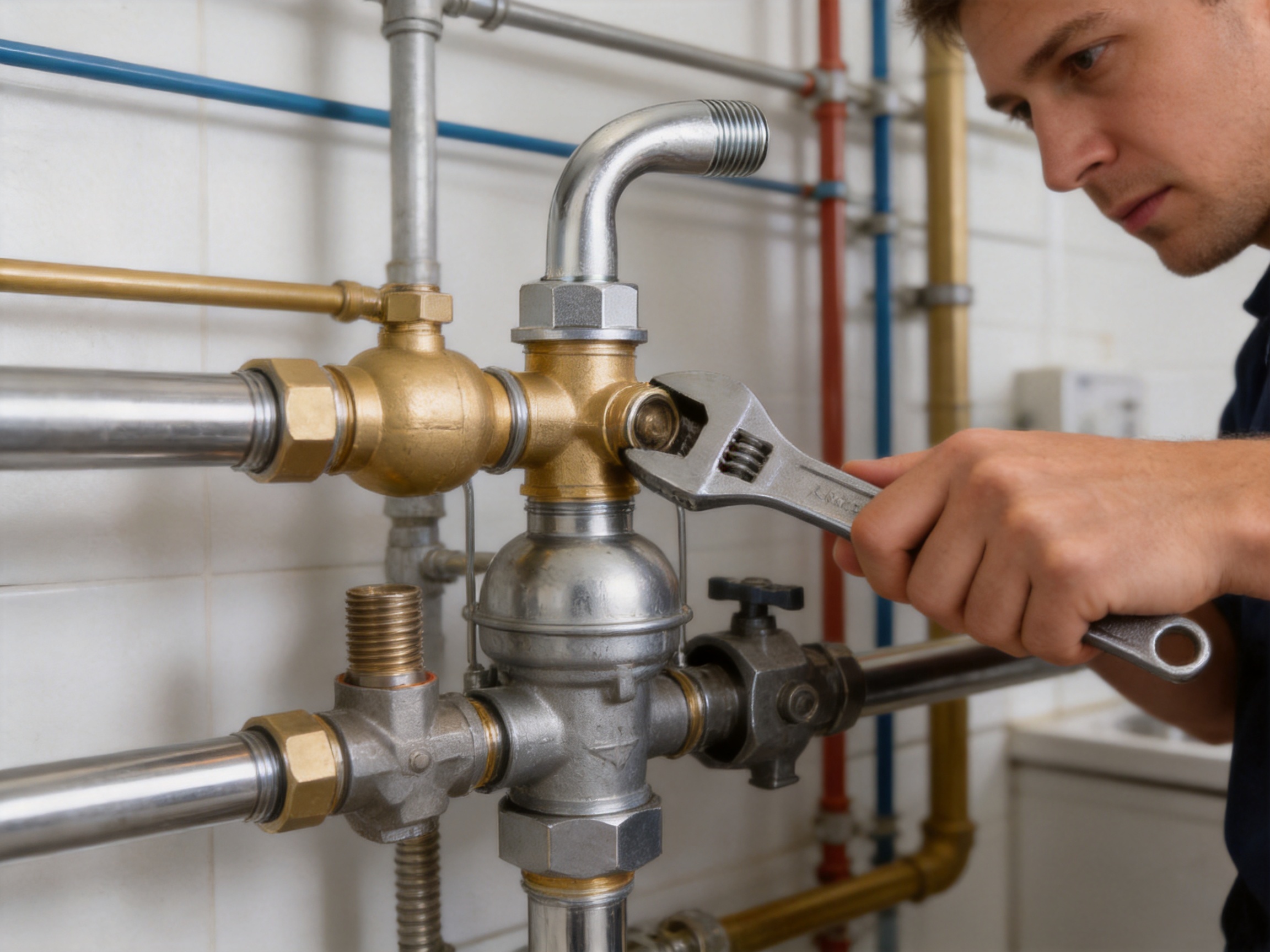
Pipe fittings are used across a wide range of industries. In residential and commercial plumbing, they connect pipes, valves, meters, filters, heaters, and fixtures. In gas systems, they connect regulators, Brass Gas Ball Valve units, appliances, hoses, manifolds, and distribution lines. In industrial settings, fittings support process piping, compressed air systems, machinery lubrication lines, cooling circuits, and equipment maintenance points.
The fittings are also important in valve assemblies. A Threaded Globe Valve may require compatible fittings for inlet and outlet connections, pressure testing, bypass lines, or maintenance access. A Forged Steel Valve may be installed in a pipeline using fittings that match pressure and material requirements. A Brass Gas Ball Valve may depend on fittings for safe transition between the valve and pipe network. In each case, fitting quality influences the reliability of the full system.
Hardware accessory applications can include brackets, connectors, adapters, mechanical assemblies, and custom equipment. The company’s annual capacity for hardware accessories indicates that it can support customers who need high-volume components beyond standard valve assemblies. This is important for manufacturers that require stable supply for production lines and consistent products for global distribution.
Custom applications are increasingly common. Customers may need special thread types, unique lengths, alternative wrench flats, different surface treatments, special packaging, or fittings adapted to regional standards. Because Ningbo Yunhua Valve Co., Ltd. combines research, development, production, sales, and service, it can support product adaptation rather than only offering basic catalog items. This flexibility is a key advantage when customers need fittings that match specific equipment designs or market requirements.
Comparison of High-Quality Pipe Fittings and Ordinary Alternatives
The value of quality becomes clearer when comparing precision pipe fittings with ordinary low-cost alternatives. The following table summarizes common differences that affect purchasing decisions, installation efficiency, and long-term system performance.
| Evaluation Item | Precision Pipe Fittings | Ordinary Low-Cost Alternatives | Customer Benefit |
|---|---|---|---|
| Thread Accuracy | Machined with controlled pitch, depth, and surface finish | May have rough starts, inconsistent depth, or poor engagement | Faster installation and lower leakage risk |
| Dimensional Consistency | Stable dimensions across production batches | Greater variation between parts and batches | Better compatibility with valves and pipelines |
| Material Reliability | Selected and controlled according to application requirements | May use inconsistent or lower-grade material | Longer service life and improved safety |
| Surface Quality | Clean finish, reduced burrs, and controlled sealing areas | Rough surfaces may damage seals or affect appearance | Improved sealing, handling, and customer confidence |
| Testing and Inspection | Supported by professional testing workshop and process control | Inspection may be limited or inconsistent | Reduced risk of field failure |
| Supply Capacity | Suitable for large-volume orders and repeated purchasing | Capacity may be unstable | Reliable project and inventory planning |
This comparison shows why the lowest initial price is not always the best purchasing choice. A fitting that saves a small amount during procurement may create greater cost later through leakage, rework, delay, warranty claims, or customer complaints. Precision fittings provide value by reducing uncertainty and supporting system reliability.
Quality Control Throughout Production
Quality control for pipe fittings begins before machining and continues until shipment. The process starts with material verification. Raw materials must be checked for specification compliance, appearance, and suitability for machining. If material quality is unstable, even advanced machining cannot fully guarantee final product performance. Therefore, supplier control and incoming inspection are essential.
During machining, process parameters must be monitored to ensure stable dimensions and surface quality. Cutting tools wear over time, and worn tools can produce rough threads, poor surface finish, or dimensional drift. A disciplined manufacturer maintains tooling schedules, machine calibration, fixture checks, and in-process inspection. Operators and quality personnel verify critical features such as thread accuracy, length, diameter, sealing face condition, and overall appearance.
After machining, deburring and cleaning are important. Burrs can interfere with sealing, damage mating components, or contaminate fluid systems. Cleaning removes chips, cutting oil, and particles that could affect installation or operation. For products used in gas and water applications, cleanliness is part of functional quality, not only appearance.
Testing may include dimensional inspection, thread gauge inspection, pressure or leakage testing where applicable, torque-related checks, visual inspection, and packaging inspection. The company’s professional testing workshop helps ensure that products meet relevant standards and customer expectations. Because fittings often support safety-related systems, testing is a critical step before delivery.
Final packaging protects the fittings during storage and transportation. Even a well-manufactured fitting can be damaged if threads are exposed to impact or contamination. Good packaging helps maintain product condition until installation. For distributors and OEM customers, packaging can also be customized to support inventory control, branding requirements, and efficient handling.
Integration with Valve Manufacturing Expertise
A key strength of Ningbo Yunhua Valve Co., Ltd. is that pipe fittings are produced within a company that also specializes in gas and fluid valves, water supply valves, and related hardware accessories. This creates a knowledge advantage. Valve manufacturing requires understanding of sealing, pressure, flow, torque, material compatibility, machining accuracy, and testing. These same technical principles are directly relevant to pipe fittings.
For example, a Threaded Globe Valve depends on precise threaded connections for installation and maintenance. The valve’s flow control performance can be undermined if fittings create leakage or mechanical stress. A manufacturer that produces both valves and fittings can better understand how the connected system behaves in actual use. This can lead to improved fitting design, better thread compatibility, and more practical quality standards.
Forged Steel Valve production requires attention to strength, pressure resistance, machining of tough materials, and inspection discipline. These capabilities can influence the production of fittings for industrial applications. The ability to work with higher-strength materials and demanding tolerances helps customers who require fittings for more robust systems.
Brass Gas Ball Valve production requires close attention to gas safety, sealing reliability, and smooth operation. Fittings used with brass gas valves must support leak prevention and installation convenience. The company’s knowledge of gas valve assemblies helps it produce fittings that match the needs of gas distribution and appliance connection systems.
This integrated capability reduces supplier complexity for customers. Instead of purchasing valves from one supplier and fittings from another with uncertain compatibility, customers can work with a manufacturer that understands the full connection environment. This supports more efficient procurement, easier technical communication, and better product coordination.
Customization and Customer-Oriented Service
Modern customers often need more than standard parts. Different markets use different thread standards, pressure ratings, surface requirements, packaging formats, and installation preferences. Equipment manufacturers may need fittings designed for specific assemblies. Distributors may need product ranges suitable for local market demand. Engineering projects may require documentation, sample confirmation, or special testing.
Ningbo Yunhua Valve Co., Ltd. is an innovative enterprise specializing in research, development, production, sales, and service. This structure allows the company to support customization from concept to delivery. Customers can communicate requirements related to dimensions, material, thread type, connection method, surface treatment, inspection criteria, and order volume. The company can then evaluate manufacturability and provide solutions based on its machining and testing capabilities.
Customization is valuable because the ideal fitting is not always the most complex one; it is the one that fits the application correctly. A slight change in length, hex size, thread specification, or sealing surface may make installation easier and reduce assembly cost. A custom fitting can also help an OEM improve product appearance or simplify the number of components in an assembly.
Service also includes consistent communication and after-sales support. When customers purchase technical components, they need confidence that questions will be answered and issues will be handled responsibly. A professional sales and service team can help customers select suitable fittings, coordinate samples, confirm specifications, plan production schedules, and arrange shipment.
Safety Benefits in Gas and Fluid Systems
Safety is one of the strongest reasons to choose high-quality pipe fittings. In gas systems, leakage can create severe hazards. Even a small leak at a threaded connection can lead to dangerous accumulation if the environment is poorly ventilated. Precision threads, suitable materials, clean sealing surfaces, and proper testing all contribute to safer gas installations.
In water systems, safety includes preventing leakage that can damage buildings, equipment, and electrical systems. It also includes maintaining pressure stability and avoiding contamination. A poor-quality fitting may corrode, crack, or loosen over time, resulting in unexpected failure. Reliable fittings reduce these risks and protect both users and property.
In industrial fluid systems, safety includes preventing spills, equipment downtime, and worker exposure to media. Depending on the fluid, leakage may be merely inconvenient or highly dangerous. Components must be matched to pressure, temperature, and chemical conditions. Professional manufacturing and clear specification communication help ensure that the selected fitting is suitable for the intended environment.
Safety also depends on installation. Even the best fitting must be installed correctly with suitable sealing materials and proper torque. However, high-quality fittings make correct installation easier. Smooth thread starts reduce cross-threading. Accurate dimensions support proper tool engagement. Clean surfaces reduce sealing defects. Consistency helps installers build confidence and work efficiently.
Efficiency Benefits for Installers, Distributors, and OEMs
Pipe fittings affect efficiency at several levels. For installers, a fitting that connects smoothly saves time on each joint. In large projects, small time savings become significant. Reduced rework also improves project schedules and customer satisfaction. When fittings are consistent, installers do not need to sort parts or compensate for defects during assembly.
For distributors, quality fittings reduce customer complaints and returns. Distributors depend on reputation. If customers experience leakage or installation problems, they may blame the distributor even when the issue originates from manufacturing. Stocking reliable fittings protects the distributor’s market position and supports repeat sales.
For OEMs, fitting consistency supports assembly line productivity. Automated or semi-automated assembly processes require components with predictable dimensions. If fittings vary, machines may jam, operators may need manual adjustment, and finished products may fail inspection. Stable supply from a manufacturer with large production capacity helps OEMs plan production and manage inventory.
For project buyers, reliable fittings reduce hidden costs. Project delays, emergency replacement, labor rework, and warranty responsibility can be far more expensive than the fittings themselves. Choosing a manufacturer with advanced production and testing capabilities is a strategic decision that protects project outcomes.
Sustainability Through Durability and Process Control
Sustainability in industrial components is not only about material recycling. It is also about durability, efficient manufacturing, reduced waste, and longer service life. A pipe fitting that lasts longer reduces replacement frequency and lowers material consumption over time. A fitting that installs correctly the first time reduces scrap, labor waste, and transportation associated with returns.
Automated precision machining contributes to sustainability by improving material utilization and reducing defective production. Process control helps avoid repeated trial-and-error manufacturing. Stable tooling, accurate fixtures, and professional inspection reduce the number of parts that must be scrapped or reworked.
Quality packaging also supports sustainability when designed responsibly. Packaging must protect the product but should avoid unnecessary waste. For bulk customers, packaging can be optimized to reduce handling time and storage volume while maintaining thread protection and cleanliness.
The company’s mission to build a safe fluid ecosystem with high-quality valves aligns with the broader goal of responsible manufacturing. Safe, durable, and efficient fluid control products reduce leakage, conserve resources, and support reliable infrastructure.
Why Choose This Manufacturer for Pipe Fittings
Ningbo Yunhua Valve Co., Ltd. offers several strengths that make it a strong choice for pipe fittings and related valve accessories. First, the company has deep industry focus. It specializes in gas and fluid valves, water supply valves, and hardware accessories, which means its products are built around real fluid control requirements rather than generic metal processing alone.
Second, the company has advanced manufacturing infrastructure. A 20,000-square-meter facility, automated precision machining workshop, assembly line, and testing workshop provide a strong production foundation. Advanced CNC machine tools and automated testing equipment support both quality and capacity.
Third, the company offers significant production scale. With annual capacity of 2 million sets of valves and 10 million sets of hardware accessories, it can support stable supply for customers with ongoing demand. This matters for distributors, wholesalers, OEMs, and project buyers who need reliable delivery.
Fourth, the company has management maturity. Over the past ten years, it has developed a professional management team, improved its management system, and built a corporate culture focused on continuous improvement. Manufacturing quality depends on this combination of equipment, people, and process discipline.
Fifth, the company supports custom solutions. Customers looking for Threaded Globe Valve Manufacturers, Forged Steel Valve Suppliers, or custom Brass Gas Ball Valve products often also need matching pipe fittings. The ability to coordinate these related products helps customers simplify sourcing and improve system compatibility.
Purchasing Considerations for Pipe Fittings
When selecting pipe fittings, buyers should evaluate more than size and price. The first consideration is application environment. Is the fitting used for gas, water, air, oil, or another medium? What is the operating pressure? What is the temperature range? Is the environment corrosive? Will the fitting be installed indoors, outdoors, or inside equipment?
The second consideration is connection standard. Thread type, thread direction, pipe size, sealing method, and mating component material must be confirmed. Mismatched threads can cause leakage or damage. Buyers should provide drawings, samples, or detailed specifications when possible.
The third consideration is material. Brass, steel, and forged steel each have different strengths. Brass may be ideal for many gas and water applications, while forged steel may be preferred for demanding industrial conditions. Material selection should match safety requirements and local regulations.
The fourth consideration is inspection and certification needs. Some customers require specific testing, documentation, or batch traceability. These requirements should be discussed early so the manufacturer can plan production and quality control accordingly.
The fifth consideration is long-term supply. If a fitting will be used in a product line or recurring project, stable production capacity and consistent quality are essential. Working with a manufacturer that has large-scale production and professional management reduces supply risk.
Frequently Asked Questions
What are pipe fittings used for?
Pipe fittings are used to connect, redirect, branch, adapt, or seal piping systems. They are essential in gas lines, water supply networks, industrial fluid systems, valve assemblies, equipment connections, and hardware accessories. Their main functions are to maintain structural connection, sealing integrity, and flow continuity.
Why is thread precision important in pipe fittings?
Thread precision affects installation speed, sealing performance, and mechanical strength. Accurate threads engage smoothly with mating components and reduce the risk of cross-threading, leakage, and excessive tightening. Precision machining helps ensure stable thread quality across production batches.
Can these pipe fittings be used with valves?
Yes. Pipe fittings are commonly used with valves such as Threaded Globe Valve products, Forged Steel Valve assemblies, Brass Gas Ball Valve systems, water supply valves, gas valves, and other fluid control components. Proper fitting selection improves compatibility and sealing reliability.
What makes these fittings different from ordinary low-cost fittings?
High-quality fittings are produced with better material control, more accurate machining, smoother surfaces, consistent dimensions, and professional inspection. Ordinary low-cost fittings may appear similar but can create installation problems, leakage risk, and higher long-term maintenance cost.
Does the manufacturer support custom pipe fittings?
Yes. Ningbo Yunhua Valve Co., Ltd. integrates research, development, production, sales, and service, allowing it to support custom requirements such as special dimensions, thread types, materials, surface treatments, packaging, and application-specific designs.
How does automated manufacturing improve product quality?
Automated manufacturing improves repeatability and reduces variation caused by manual processing. CNC machine tools can control cutting paths, thread geometry, dimensions, and surface finish more accurately. Automated testing and standardized inspection further improve product reliability.
Why is testing necessary for pipe fittings?
Testing verifies that fittings meet dimensional, thread, appearance, pressure, and sealing requirements. It helps detect defects before shipment and reduces the risk of field failure. For gas and water systems, testing is an important part of safety assurance.
How should buyers choose the right pipe fitting?
Buyers should confirm the medium, pressure, temperature, material, thread standard, sealing method, installation environment, and required documentation. For custom or high-volume orders, drawings or samples can help ensure accurate production.
Conclusion
Pipe fittings are vital components in safe and efficient fluid and gas control systems. Their quality affects sealing, installation, pressure stability, maintenance cost, and overall system reliability. While they may seem simple, high-performance fittings require careful material selection, precision machining, controlled surface finishing, professional inspection, and consistent production management.
Ningbo Yunhua Valve Co., Ltd. provides pipe fittings supported by advanced CNC machining, automated assembly and testing equipment, a 20,000-square-meter production facility, and strong experience in valve and hardware accessory manufacturing. The company’s annual production capacity of 2 million sets of valves and 10 million sets of hardware accessories demonstrates its ability to support large-scale and long-term customer demand.
For customers seeking reliable products related to Threaded Globe Valve systems, Forged Steel Valve applications, Brass Gas Ball Valve assemblies, gas and fluid valves, water supply valves, and hardware accessories, precision pipe fittings offer practical advantages over ordinary alternatives. They install more smoothly, seal more reliably, support safer operation, and reduce hidden costs throughout the product life cycle.
Choosing the right pipe fitting is ultimately a decision about safety, efficiency, and trust. A fitting made with disciplined manufacturing and tested quality helps create a stronger fluid control system from the inside out.
References
Crane Co. Flow of Fluids Through Valves, Fittings, and Pipe. Technical Paper No. 410.
American Society of Mechanical Engineers. ASME B1.20.1, Pipe Threads, General Purpose.
American Society of Mechanical Engineers. ASME B16 Series Standards for Valves, Flanges, Fittings, and Gaskets.
International Organization for Standardization. ISO 7-1, Pipe Threads Where Pressure-Tight Joints Are Made on the Threads.
International Organization for Standardization. ISO 9001, Quality Management Systems Requirements.
Fluid Controls Institute. Handbook of Valve and Fitting Application Principles.
Product: Pipe Fittings

Related Products
-
 View More
-
 View More
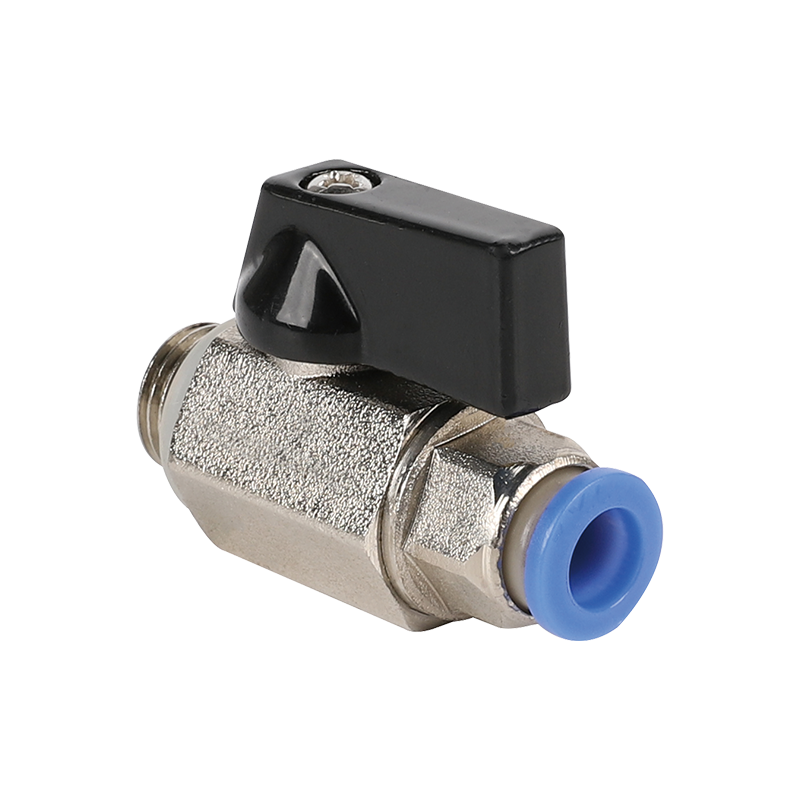
MINI-2 Mini Short-Handle Ball Valve(M/M)
-
 View More
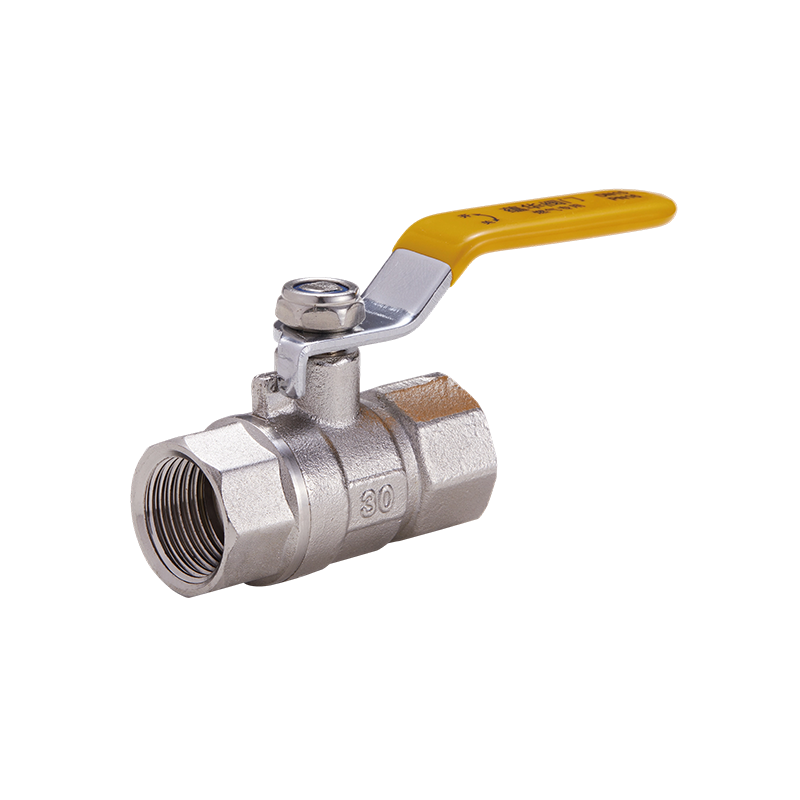
YH-2210 Forged Steel Ball Valve with Long Handle (F/F)
-
 View More
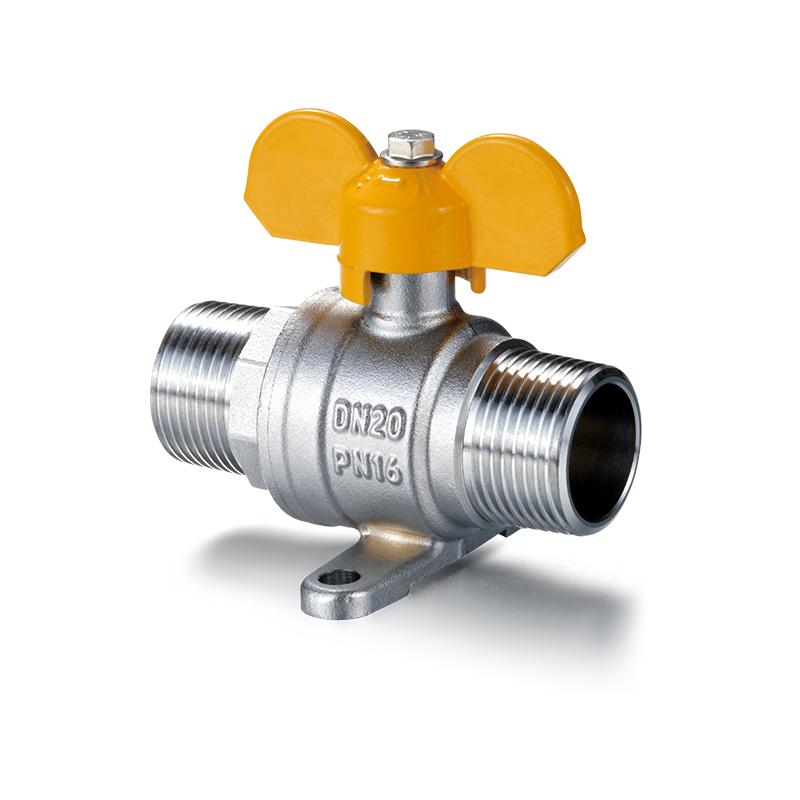
YH-214 Brass Ball Valve with Base& Butterfly Handle(M/M)
-
 View More
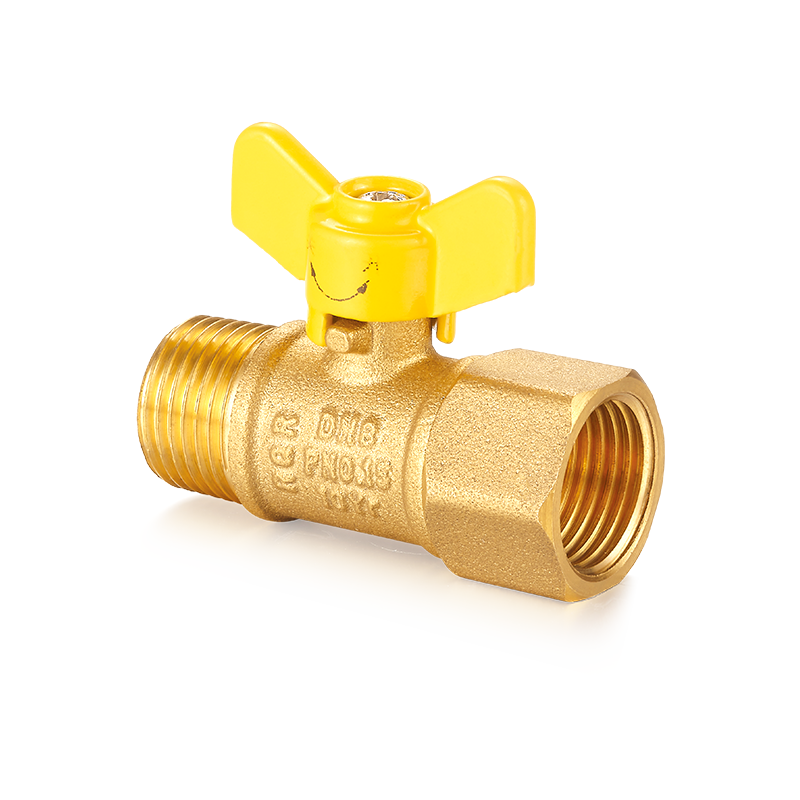
YH-205 Brass Ball Valve with Butterfly Handle(F/M)
-
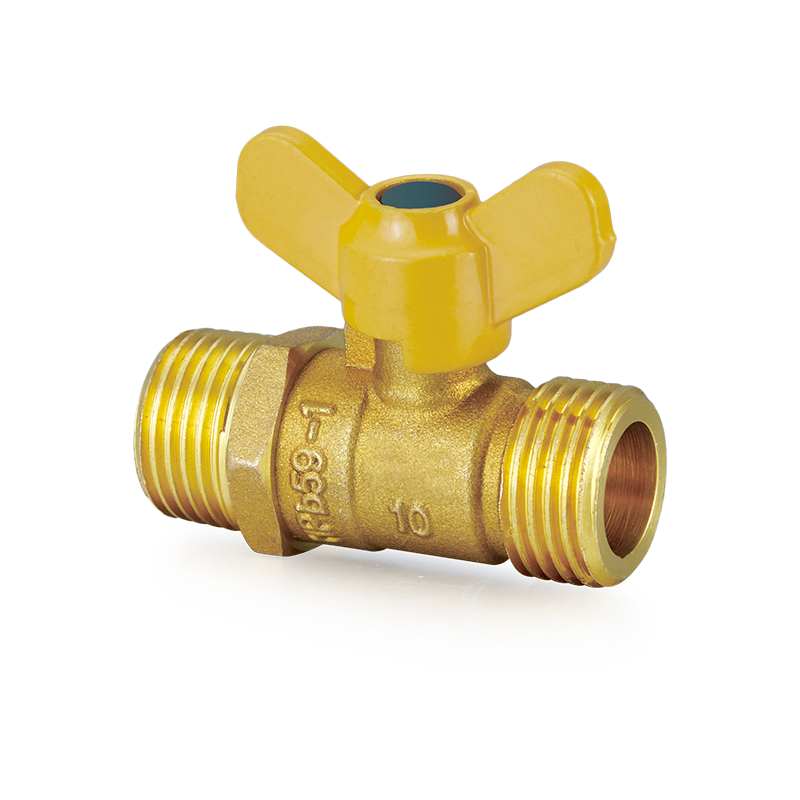 View More
YH-206 Brass Ball Valve with Butterfly Handle(M/M)
Related News
Contact Us
-

-
 +86-0574-63742169
 -
 No.104-128, Cizhang East Road, Zhangqi Town, Cixi City, Ningbo, Zhejiang Province, China


Message Us Now !
