

 English
 русский
 عربى
 Español

Hose Connectors for Reliable Fluid Transfer and Efficient Industrial Assembly
Content
- 1 Understanding the Role of a Hose Connector
- 2 Product Overview
- 3 Key Advantages of the Hose Connector
- 4 Advantages Compared with Less Controlled Alternatives
- 5 Materials, Compatibility, and Selection Considerations
- 6 Precision Manufacturing Capabilities
- 7 Automated Assembly and Testing
- 8 Production Scale and Supply Capability
- 9 Quality Management in Hose Connector Production
- 10 Applications of Hose Connectors
- 11 Installation Recommendations
- 12 How to Select the Correct Product
- 13 Customization and OEM Supply
- 14 Packaging, Storage, and Handling
- 15 Why Manufacturing Experience Matters
- 16 Recommended Customer Communication
- 17 Q&A: Common Questions About Hose Connectors
- 17.1 What is the primary purpose of a hose connector?
- 17.2 Can one hose connector be used for every fluid application?
- 17.3 How do I know which size of hose connector to choose?
- 17.4 Can the Hose Connector be used with valves?
- 17.5 Is the product suitable for gas applications?
- 17.6 What manufacturing capabilities support this product?
- 17.7 What makes a professionally manufactured connector better than a low-cost alternative?
- 17.8 Can customized hose connectors be produced?
- 17.9 How should a connector be installed?
- 17.10 What information should be included in a quotation request?
- 17.11 Can the connector be supplied together with valves and other accessories?
- 17.12 Why is testing important for a hose connector?
- 18 Conclusion
- 19 References
- 20 Product: Hose Connector
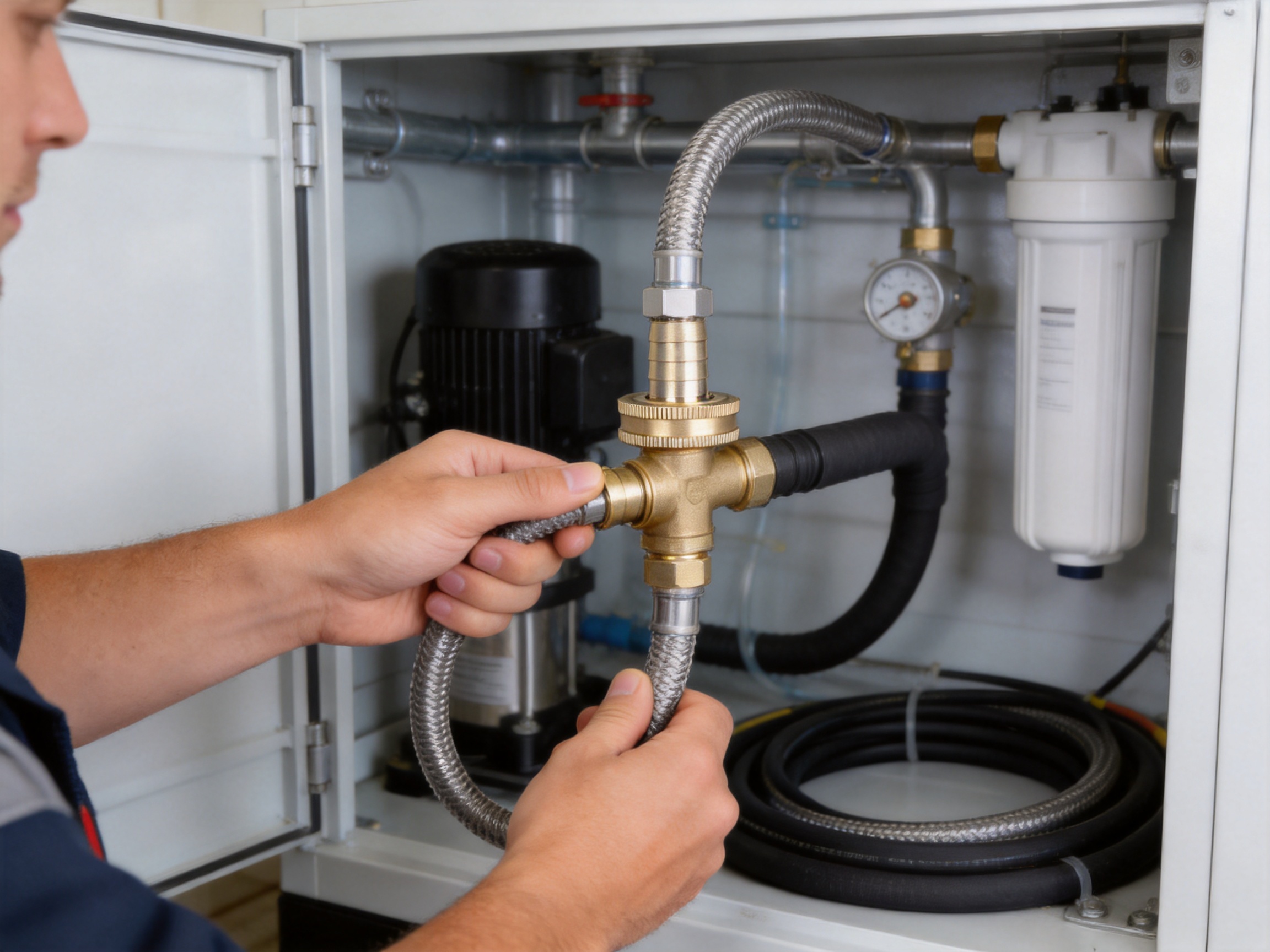
A hose connector is a compact but essential component in many fluid-handling systems. It joins a flexible hose to another hose, a valve, a pipe, a fitting, or a piece of equipment, creating a continuous passage for water, gas, air, oil, or other compatible media. Although a connector may appear simple, its design has a direct influence on system safety, flow performance, service life, and maintenance efficiency.
The Hose Connector supplied by Ningbo Yunhua Valve Co., Ltd. is designed for practical installation in hardware accessory, valve, water supply, gas, and general fluid-control applications. It is intended to provide a dependable connection point while supporting convenient assembly and system integration. Its value is not limited to the connector itself. The product benefits from the manufacturer’s experience in valve production, precision machining, automated assembly, quality testing, and large-scale hardware accessory manufacturing.
In modern fluid systems, users increasingly require components that are consistent, easy to install, adaptable to different layouts, and capable of maintaining reliable performance over time. A hose connector must therefore combine suitable geometry, accurate dimensions, appropriate material selection, and stable manufacturing quality. These factors help reduce leakage risks, simplify installation, and make the connector suitable for both original equipment production and replacement applications.
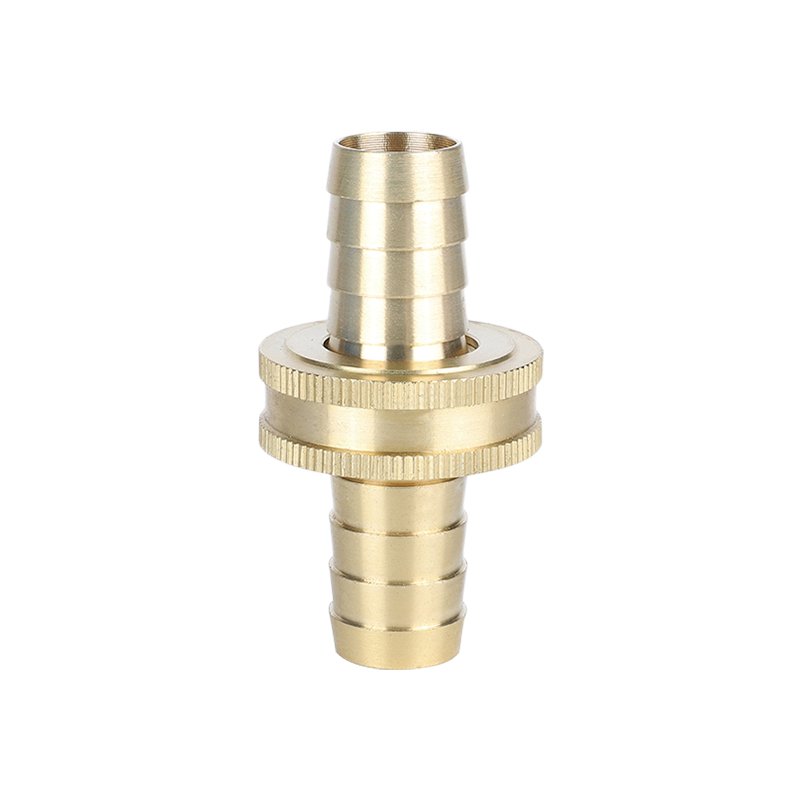
Hose Connector
Understanding the Role of a Hose Connector
A hose connector creates a mechanical and fluid-tight transition between two connected components. Depending on the system, it may connect a flexible hose to a threaded valve port, a water supply fitting, a rigid pipe, a nozzle, or another hose. It may also function as an adapter between different connection styles or as an extension that allows a hose to reach a more convenient position.
Flexible hoses are useful because they can absorb movement, compensate for small alignment differences, and simplify routing around equipment. However, a hose cannot normally connect directly to every component in a fluid system. The connector provides the interface required to join the hose securely and position it correctly. It also helps transfer mechanical forces away from the hose wall and toward the more durable connection body.
In a well-designed system, the connector should perform several functions at the same time. It should provide an uninterrupted internal passage, hold the hose firmly, resist loosening during operation, and support sealing elements where necessary. It should also tolerate the temperature, pressure, vibration, and chemical conditions associated with the intended application.
For installers, the most important characteristics are often dimensional compatibility and ease of assembly. For equipment manufacturers, repeatability and supply stability are equally important. For maintenance teams, a connector that can be identified, installed, and replaced efficiently can reduce equipment downtime. These different requirements make manufacturing discipline just as important as the basic design.
Product Overview
The Hose Connector is categorized as a hardware accessory and is suitable for integration into valve and fluid-control systems. Its compact form allows it to be used where space is limited, while its connection function helps create a practical transition between hoses and other system components.
The connector can be considered for applications involving water supply equipment, general fluid distribution, gas-related hardware where the selected configuration is approved for that service, and industrial or commercial assemblies. The exact suitability of any connector depends on its material, connection dimensions, sealing method, operating pressure, temperature range, and the medium being conveyed.
Because hose connectors are often installed in systems containing multiple components, compatibility must be evaluated as a complete assembly rather than by looking at one part in isolation. The connector, hose, clamp or fastening method, valve, seal, and adjoining pipe must work together. Ningbo Yunhua Valve Co., Ltd. can support customers requiring product selection and customized supply for different hardware accessory and valve applications.
The product is especially appropriate for users who need a practical and repeatable connection solution rather than a complicated special-purpose assembly. Its value lies in combining functional design with controlled production, allowing the connector to be incorporated into larger systems with fewer installation uncertainties.
Key Advantages of the Hose Connector
Reliable Connection Performance
A hose connector must hold the hose in its intended position and maintain a stable fluid path. An accurately produced connector reduces the possibility of poor mating, uneven sealing, or unnecessary movement at the connection point. When the connected parts are properly matched, the assembly can operate more consistently under normal service conditions.
Reliable performance also depends on the condition of the hose and the selected installation method. The connector provides the foundation for the connection, but correct insertion depth, suitable fastening, and proper inspection remain essential. A well-manufactured connector makes these installation steps more predictable by maintaining consistent dimensions from one production batch to another.
Efficient Installation
Many fluid systems are assembled in confined spaces or during time-sensitive maintenance work. A connector that is straightforward to position and secure can shorten installation time. This is particularly valuable for equipment manufacturers assembling repeated units, as even a small reduction in assembly time can produce meaningful efficiency gains across a production line.
The Hose Connector is intended to support practical installation without imposing unnecessary complexity on the system. Its use can help installers route hoses more effectively and connect flexible tubing to valves or other hardware accessories in a controlled manner.
Adaptability in Fluid Systems
Hose connectors are used across a broad range of equipment because flexible hose layouts are common in water, gas, and general fluid applications. A connector can help accommodate different equipment arrangements, small positional differences, and maintenance requirements. It may also allow a hose to be replaced without modifying the entire system.
This adaptability makes the product useful for original equipment manufacturers, system integrators, wholesalers, distributors, and repair contractors. When multiple size, thread, material, or sealing configurations are needed, customers can discuss the intended use with the manufacturer before placing an order.
Compact Hardware Design
Fluid-control assemblies frequently contain valves, meters, filters, regulators, pumps, and other components installed close together. A bulky connection can make routing difficult and may increase the amount of space required for an equipment enclosure. A compact hose connector helps preserve layout flexibility and can contribute to a cleaner installation.
Compact design should not be confused with reduced performance. The connector must still provide sufficient mechanical strength, an appropriate internal passage, and a stable interface with adjoining components. Precision machining and careful inspection are important in achieving this balance.
Support for Maintenance and Replacement
Connections are often exposed to handling during service, particularly when hoses are removed for cleaning, inspection, or replacement. A practical connector can make the maintenance process more organized and reduce the need to replace unrelated system components.
Standardized production also supports replacement management. When product dimensions and quality remain consistent, distributors and maintenance departments can manage stock more efficiently. This helps reduce delays caused by uncertain fit or inconsistent replacement parts.
Advantages Compared with Less Controlled Alternatives
Not all hose connectors provide the same level of value. Low-cost alternatives may be produced with limited dimensional control, inconsistent surface quality, or inadequate inspection. These weaknesses can create problems during installation even when the connector appears acceptable at first glance.
A poorly controlled connector may have an undersized or oversized connection area, rough internal surfaces, misaligned features, damaged threads, or inconsistent sealing surfaces. Such defects can increase assembly effort and create leakage risks. In some cases, installers compensate by applying excessive force, using unsuitable sealants, or adding temporary modifications. These practices may conceal the original problem rather than solve it.
The principal advantage of a professionally manufactured hose connector is consistency. Consistent dimensions allow the connector to work more predictably with compatible hoses and fittings. Consistent machining reduces the chance of burrs or irregularities that could damage seals. Consistent inspection provides greater confidence that products supplied at different times will perform in the same general manner.
Another advantage is production support. A manufacturer with experience in valves and hardware accessories can understand how connectors function within complete fluid systems. This broader knowledge can be useful when customers require customized dimensions, coordinated accessories, or advice on integrating a connector with other valve products.
Price remains an important purchasing factor, but the lowest initial price does not always represent the lowest total cost. Leakage, rework, premature replacement, equipment downtime, and customer complaints may cost more than the original component. A connector produced with stable processes can help reduce these hidden expenses.
| Evaluation Area | Controlled Hose Connector | Less Controlled Alternative | Practical Customer Benefit |
|---|---|---|---|
| Dimensional consistency | Produced through defined machining and inspection processes | May vary between batches or suppliers | More predictable assembly and replacement |
| Connection quality | Designed for stable engagement with compatible components | May require excessive adjustment or force | Reduced installation difficulty |
| Surface condition | Checked to support proper sealing and handling | May contain burrs, rough areas, or damage | Lower risk of seal damage and assembly defects |
| Production capacity | Supported by automated workshops and established manufacturing resources | May depend on irregular small-batch production | Better suitability for repeat orders |
| Application support | Backed by experience in valves and hardware accessories | May offer limited technical coordination | Easier product integration and sourcing |
| Quality assurance | Can be evaluated through machining, assembly, and testing procedures | Inspection standards may be unclear | Improved purchasing confidence |
Materials, Compatibility, and Selection Considerations
Material selection is one of the most important factors when choosing a hose connector. The material must be compatible with the conveyed medium, the surrounding environment, and the mechanical loads placed on the connection. Common considerations include resistance to corrosion, temperature stability, pressure capability, surface durability, and compatibility with seals.
Water applications may expose connectors to humidity, dissolved minerals, cleaning agents, or outdoor conditions. Gas applications can involve strict requirements related to sealing, material compatibility, and regulatory approval. Industrial fluids may contain oils, solvents, chemicals, or particles that affect certain materials. The correct selection should therefore be based on actual service conditions rather than appearance or general assumptions.
Customers should identify the fluid or gas, operating pressure, operating temperature, hose material, connection dimensions, installation environment, and expected service frequency. They should also consider whether the connector will be exposed to vibration, sunlight, freezing conditions, corrosive atmospheres, or repeated disassembly.
The connection method is equally important. Depending on the product configuration, a hose connector may be used with a threaded port, a clamp, a compression arrangement, or another mechanical fastening method. Thread type, thread size, insertion depth, outside diameter, and sealing method must be matched carefully. A connector should never be selected solely because it appears to fit visually.
Where a connector is intended for gas service, users must confirm that the specific product configuration is suitable for the gas application and complies with the relevant local requirements. A general hardware accessory should not automatically be treated as a certified gas component. Proper documentation and application confirmation are essential.
Precision Manufacturing Capabilities
Ningbo Yunhua Valve Co., Ltd. operates as an enterprise specializing in the research, development, production, sales, and service of gas and fluid valves, water supply valves, and hardware accessories. This product focus provides a manufacturing foundation relevant to hose connector production, since connectors and valves must often work together in the same fluid-control assemblies.
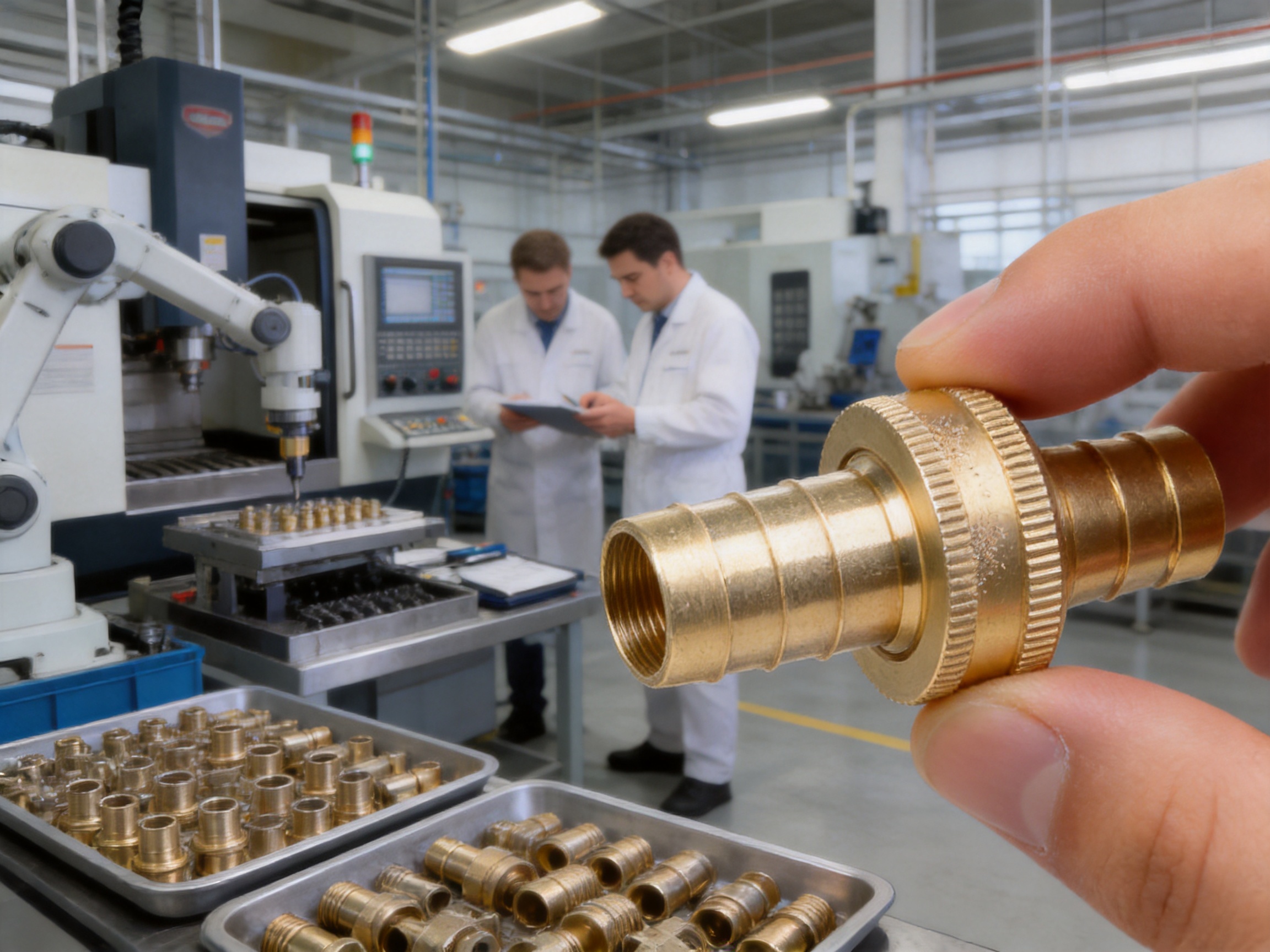
The company has established a professional, fully automated precision machining workshop. Precision machining is important because connection components depend on accurate dimensions and stable geometry. CNC machine tools can support repeatable production of external profiles, internal passages, threaded areas, shoulders, grooves, and other functional features.
Automation can also improve process stability by reducing unnecessary variation between operators and production cycles. When equipment is correctly programmed, maintained, and monitored, the same manufacturing instructions can be applied across substantial quantities. This is particularly useful for customers requiring repeat orders or consistent components for multiple equipment models.
The company is equipped with advanced domestic and international CNC machine tools, as well as professional automated assembly and testing equipment. This combination allows production to extend beyond basic machining. Components can be processed, assembled, inspected, and evaluated within an organized manufacturing system.
A connector’s performance depends on more than its outer appearance. Internal passages, contact surfaces, sealing areas, and connection features must be produced with appropriate control. Modern machining equipment helps the manufacturer manage these details while supporting efficient production capacity.
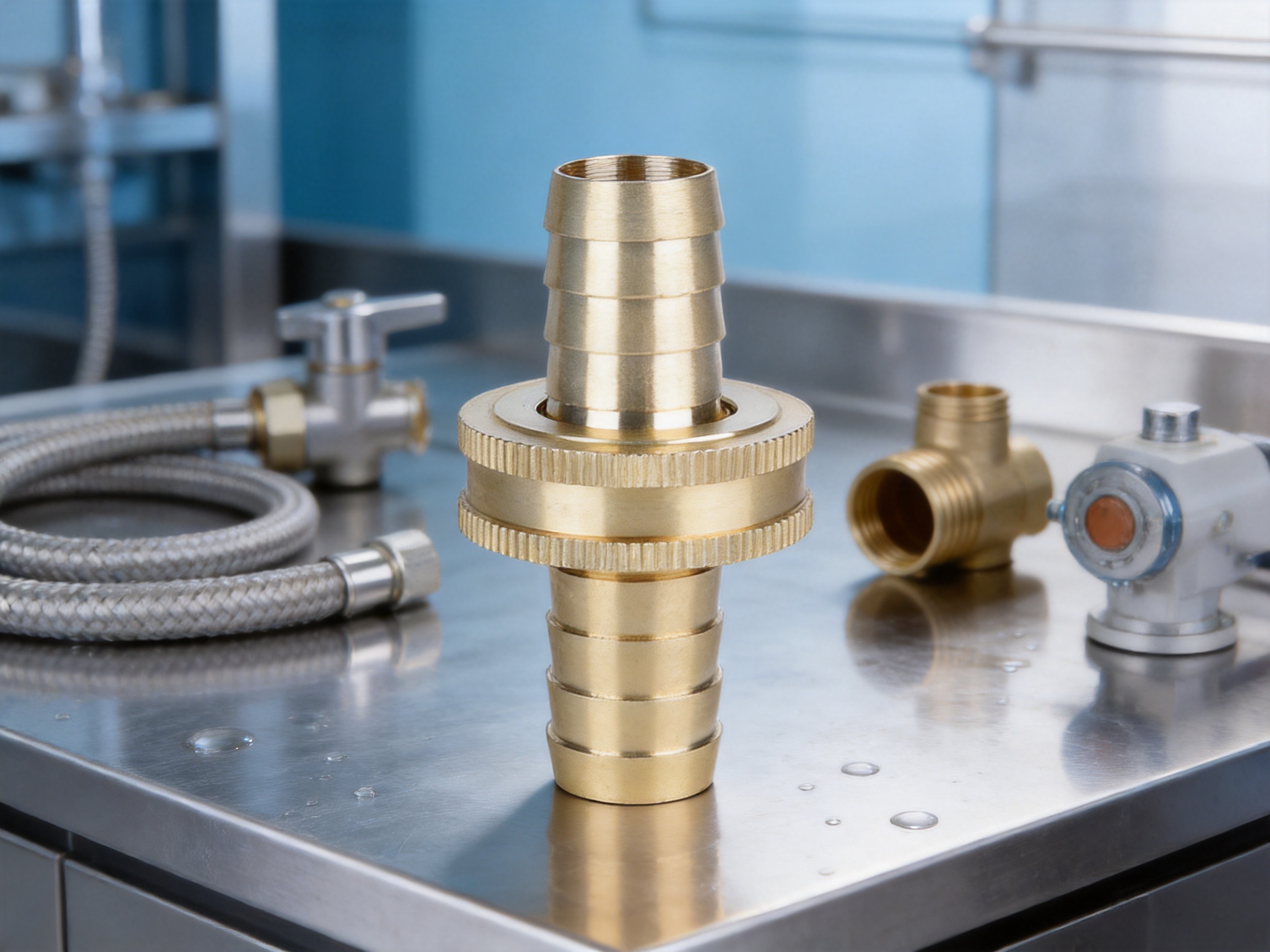
Automated Assembly and Testing
Assembly is a critical stage in the production of fluid-control hardware. Even when individual parts are accurately machined, an incorrect assembly sequence, damaged seal, misaligned component, or improper fastening condition can affect final performance. Automated or professionally organized assembly helps reduce these risks.
Automated assembly equipment can support repeatable handling and positioning of components. It may also help maintain consistent work sequences, reduce manual errors, and improve production efficiency. The exact assembly process depends on the connector design and whether the product is supplied as an individual fitting or as part of a larger hardware assembly.
Testing provides another layer of quality control. A testing workshop gives the manufacturer a dedicated environment for evaluating product performance and identifying potential defects before shipment. Testing requirements may include dimensional checks, visual inspection, connection verification, pressure-related evaluation, sealing assessment, or other procedures appropriate to the product.
The specific testing method should correspond to the product configuration and intended application. A connector used in a low-pressure water system may require different evaluation criteria from a connector integrated into a gas valve assembly. Clear communication between the customer and manufacturer helps ensure that the product is tested and documented according to the actual need.
Inspection should be viewed as part of the manufacturing process rather than as an afterthought. It helps identify process variation, supports corrective action, and provides information for improving future production. This approach is especially valuable for hardware accessories supplied in large quantities, where a small defect rate can affect many finished assemblies.
Production Scale and Supply Capability
The company covers an area of approximately 20,000 square meters and has an annual production capacity of about 2 million sets of valves and 10 million sets of hardware accessories. This capacity indicates that the organization is structured to support both valve production and high-volume accessory supply.
For customers purchasing hose connectors, production scale can provide several practical advantages. It can support recurring orders, larger project requirements, distributor inventory programs, and coordinated purchasing of connectors with related valve products. It may also make it easier to plan supply schedules when demand changes over time.
Large-scale production does not eliminate the need for quality control. Instead, it increases the importance of process management. High output must be supported by standardized work instructions, equipment maintenance, inspection procedures, material control, and traceable production management. The company’s investment in professional workshops and automated equipment is intended to support this type of organized manufacturing.
Supply capability is also connected to customization. Customers may require a particular size, thread standard, material, surface treatment, packaging method, or private-label arrangement. Not every request will be suitable for every production line, but a manufacturer with machining, assembly, and testing resources is generally better positioned to assess and manage product variations than a trading company with no direct production control.
Quality Management in Hose Connector Production
Quality management begins with clear product requirements. Before production, the manufacturer and customer should confirm drawings, dimensions, materials, connection standards, tolerances, inspection requirements, packaging, and intended service conditions. A clear specification reduces the chance of misunderstanding and makes final inspection more meaningful.
Incoming materials should be controlled to ensure that the selected metal, polymer, seal, or other component corresponds to the agreed product requirements. Material quality can influence strength, corrosion resistance, machinability, and long-term performance. Appropriate storage is also important because moisture, contamination, or improper handling can affect components before machining or assembly.
During machining, process controls help maintain feature accuracy. Operators and quality personnel may inspect dimensions at defined stages rather than waiting until the entire order is complete. Early detection of variation can reduce material waste and prevent a large quantity of nonconforming parts from moving to assembly.
After machining, components should be checked for burrs, cracks, deformation, tool marks, contamination, and other conditions that could affect assembly or service. Threads and sealing surfaces deserve particular attention because damage in these areas may not be obvious after installation but can affect connection performance.
Final inspection should confirm that the finished product corresponds to the customer’s order. Depending on the product, this may include quantity verification, dimensional sampling, visual inspection, assembly checks, packaging inspection, and functional or pressure-related testing. Maintaining records of these activities helps support consistent supply and customer communication.
Quality is therefore not represented by one inspection step alone. It is the result of coordinated material control, machining, assembly, testing, packaging, and service. This complete approach gives the hose connector a stronger foundation for use in professional fluid systems.
Applications of Hose Connectors
Water Supply Systems
Hose connectors are commonly used in water supply assemblies, including equipment connections, distribution systems, utility installations, and maintenance applications. They can connect flexible water hoses to valves, pipes, filters, pumps, tanks, and other components.
Water systems may be installed indoors or outdoors, and the connection may be exposed to humidity, temperature changes, vibration, or occasional impact. The selected connector must therefore match the water quality, pressure range, environmental conditions, and hose specification.
Valve Assemblies
Valves often require an interface between their ports and flexible tubing or hose. A hose connector can help integrate shut-off valves, control valves, water supply valves, and other fluid-control products into a complete assembly.
Because Ningbo Yunhua Valve Co., Ltd. also specializes in valve production, its hose connector products can be evaluated within the context of broader valve and hardware accessory applications. This can simplify sourcing for customers who prefer to coordinate related components through one experienced manufacturer.
Gas-Related Hardware
Hose connectors may be used in gas-related systems when the specific design, material, sealing method, and approvals are appropriate for the service. Gas systems require particular attention to leakage prevention, connection security, installation procedure, and regulatory compliance.
Customers should clearly identify the gas type and operating conditions before selecting a connector. They should also confirm whether the product has the required certification or approval for the intended market. A connector should be installed only by qualified personnel when the application involves regulated gas service.
Industrial Equipment
Industrial equipment often contains multiple fluid circuits, flexible connections, and components that require periodic maintenance. Hose connectors can be used in cooling, cleaning, lubrication, water treatment, pneumatic, and general fluid-handling equipment when the product is compatible with the application.
Industrial users may place greater emphasis on repeatability, material traceability, packaging, and delivery coordination. A manufacturer with automated machining, assembly, and testing resources can be a valuable long-term supplier for these requirements.
Hardware Accessory Assemblies
Hose connectors can also be incorporated into hardware accessory kits, equipment modules, and preassembled service units. In these applications, the connector must fit the surrounding components and support efficient final assembly.
When used in a packaged assembly, the connector’s external dimensions, orientation, surface condition, and packaging protection may be as important as its basic connection function. Product drawings and samples can help confirm suitability before mass production.
Installation Recommendations
Before installation, inspect the connector, hose, sealing components, and adjoining fittings. Confirm that the product is free from visible damage, contamination, burrs, and deformation. Check that the connector dimensions and connection type match the system design.
Cut the hose cleanly when a hose end must be prepared. An uneven or damaged hose end may prevent proper engagement and can place uneven stress on the connection. The hose should be inserted to the required depth, and any clamp or fastening device should be positioned according to the installation instructions.
Avoid twisting the hose during installation. Twisting can create stored mechanical stress and may cause the hose to rotate or loosen during operation. The hose should also be routed with an appropriate bend radius. Excessive bending close to the connector can place additional load on the connection and reduce service life.
Do not use excessive force when tightening threaded components. Over-tightening may damage threads, distort sealing surfaces, or create stress in adjacent parts. If a sealing compound or tape is permitted, it should be compatible with the fluid and applied in a manner that does not obstruct the internal passage.
After installation, inspect the complete connection. Where appropriate, conduct a controlled leakage or pressure test before placing the system into normal operation. During initial operation, check for movement, vibration, seepage, unusual noise, or other signs of improper assembly.
Installation requirements may vary according to connector design and application. The manufacturer’s technical information and the applicable system standards should always take priority over general recommendations.
How to Select the Correct Product
Start by identifying the connection points. Determine whether the connector will join a hose to a valve, pipe, appliance, pump, regulator, or another hose. Record the connection type on each side, including thread dimensions, hose inside diameter, hose outside diameter, insertion requirements, and fastening method.
Next, identify the operating medium. Water, air, natural gas, liquefied petroleum gas, oil, chemicals, and other fluids may require different material and sealing solutions. The chemical composition of the medium should be considered, especially where additives, solvents, or cleaning agents are present.
Operating pressure and temperature must also be confirmed. Pressure can fluctuate during start-up, shut-off, pump operation, or abnormal conditions. Temperature may change with the environment or with the process fluid. The connector and hose must be evaluated together for the expected operating range.
Consider the physical environment. Outdoor applications may require resistance to moisture, ultraviolet exposure, freezing, and temperature cycling. Industrial locations may involve dust, vibration, oil mist, chemicals, or frequent handling. Compact installations may require a specific orientation or bend clearance.
Finally, consider supply requirements. For one-time maintenance, a standard product may be sufficient. For equipment production, customers may need drawings, samples, stable batch quality, customized packaging, scheduled deliveries, or coordinated valve and accessory sourcing.
| Selection Factor | Questions to Confirm |
|---|---|
| Connection dimensions | What are the hose dimensions, port size, thread type, and connection standard? |
| Fluid or gas | What medium will pass through the connector, and is the material compatible with it? |
| Pressure | What are the normal, peak, and possible surge pressures? |
| Temperature | What are the minimum, normal, and maximum operating temperatures? |
| Environment | Will the connector face moisture, chemicals, vibration, sunlight, dust, or freezing? |
| Installation method | Will the connector use threads, a clamp, compression, or another fastening system? |
| Maintenance frequency | Will the hose be removed regularly, or is the connection intended to remain permanent? |
| Supply volume | Is the requirement a replacement quantity, recurring inventory, or high-volume production order? |
| Compliance | Are local certifications, approvals, or material declarations required? |
Customization and OEM Supply
Different equipment manufacturers may need different connector dimensions even when the basic function is similar. Customization may involve connection sizes, thread standards, body geometry, material options, surface treatment, sealing components, packaging, or assembly configuration.
Customization should begin with technical information. A drawing, sample, three-dimensional model, or detailed dimensional list can help the manufacturer evaluate feasibility. The customer should also provide operating conditions and expected annual demand so that the proposed design can be assessed realistically.
For OEM projects, repeatability is essential. The approved sample should represent the production version, and any changes to material, machining process, sealing component, or assembly method should be communicated and evaluated. This helps protect the performance of the equipment in which the connector is installed.
Ningbo Yunhua Valve Co., Ltd. combines product development, precision machining, automated assembly, testing, and sales service. These capabilities can support customers seeking more than a standard catalog item. The manufacturer can discuss the requirements for a particular fluid-control assembly and determine whether an existing product or customized design is more appropriate.
OEM customers may also benefit from coordinated sourcing. When hose connectors, valves, and other hardware accessories are purchased from a supplier familiar with the complete system, dimensional coordination and communication can become more efficient. This does not replace independent product verification, but it can simplify project management.
Packaging, Storage, and Handling
Proper packaging helps protect hose connectors from scratches, contamination, moisture, and impact during transportation. Small components should be packed in a way that prevents excessive movement and mixing, particularly when several similar sizes are shipped together.
Packaging labels should identify the product model, quantity, batch information where applicable, and other details required by the customer. Clear identification reduces the risk of selecting the wrong connector during warehouse handling or final assembly.
Connectors should be stored in a clean and dry environment. They should be protected from corrosive substances, excessive humidity, direct sunlight, and unnecessary mechanical loads. Sealing components should be stored according to their material requirements and should not be exposed to conditions that may cause premature aging.
During handling, avoid dropping components or striking connection surfaces. Damage to threads, sealing areas, or insertion sections may not be immediately visible but can affect installation. Components should be inspected again if packaging has been damaged during transportation.
Why Manufacturing Experience Matters
A hose connector is a relatively small product, but its performance depends on many manufacturing details. A company that produces valves and fluid-control components understands the importance of flow paths, sealing, mechanical connection, pressure management, and system compatibility.
Ningbo Yunhua Valve Co., Ltd. has spent more than ten years developing its corporate culture, management system, and professional management team. This organizational experience supports the consistency required for industrial component production. The company’s stated vision is to become a leading enterprise in the global fluid-control industry, while its mission is to build a safe fluid ecosystem through high-quality valves.
The company’s production facilities, CNC equipment, automated assembly resources, testing workshop, and annual capacity provide a foundation for serving both standard and project-based requirements. Its focus on research, development, production, sales, and service allows customers to communicate with a supplier that understands the product lifecycle from design to application.
For buyers, this can reduce sourcing complexity. Instead of evaluating a connector only by price or appearance, customers can consider the manufacturer’s equipment, processes, product range, quality approach, capacity, and service capability. These factors often have a greater influence on long-term value than the purchase price of an individual fitting.
Recommended Customer Communication
When requesting a quotation, customers should provide the product name, required quantity, connection dimensions, material preference, application medium, pressure, temperature, drawings or photographs, packaging requirements, and destination market. If the connector will be used with a valve, providing the valve model or port details can help improve compatibility assessment.
Customers should also indicate whether the requirement is for a standard product, a replacement part, an OEM project, or a new development. The expected order frequency and target delivery schedule are useful because they help the manufacturer evaluate production planning and tooling requirements.
For regulated applications, customers should identify the required standards and certifications at the beginning of the discussion. Certification needs can affect material selection, testing, documentation, labeling, and production procedures.
Clear technical communication benefits both sides. It helps the manufacturer offer an appropriate product and helps the customer avoid ordering a connector that fits physically but does not meet the complete operating requirements.
Q&A: Common Questions About Hose Connectors
What is the primary purpose of a hose connector?
The primary purpose is to connect a flexible hose to another hose, valve, pipe, fitting, or equipment port. It creates a mechanically secure transition and provides a continuous passage for the intended fluid or gas.
Can one hose connector be used for every fluid application?
No. The connector must be compatible with the medium, pressure, temperature, hose, seals, and installation environment. A connector suitable for general water service may not be suitable for gas, oil, chemicals, or high-temperature applications.
How do I know which size of hose connector to choose?
Confirm the hose inside diameter, outside diameter, connection port dimensions, thread type, and required fastening method. Dimensional information should be taken from technical drawings or measured carefully. Visual comparison alone is not sufficient.
Can the Hose Connector be used with valves?
Yes, hose connectors are commonly used to connect hoses to valves and other fluid-control components. The connector must match the valve port and be suitable for the valve’s operating medium, pressure, temperature, and installation environment.
Is the product suitable for gas applications?
Suitability depends on the exact product configuration, material, sealing method, operating conditions, and required approvals. Customers must confirm the gas type and applicable local requirements before using a connector in a gas system.
What manufacturing capabilities support this product?
The manufacturer operates a precision machining workshop equipped with domestic and international CNC machine tools, along with automated assembly and testing equipment. These resources support dimensional consistency, efficient production, assembly control, and product evaluation.
What makes a professionally manufactured connector better than a low-cost alternative?
A professionally manufactured connector is more likely to provide consistent dimensions, controlled surface quality, reliable assembly characteristics, and documented inspection. These advantages can reduce installation problems, leakage risks, rework, and replacement costs.
Can customized hose connectors be produced?
Customization may be possible depending on the required dimensions, material, design, order quantity, and application. Customers should provide drawings, samples, or detailed technical requirements for feasibility evaluation.
How should a connector be installed?
Inspect the connector and hose, confirm compatibility, prepare the hose correctly, avoid twisting or excessive bending, use the correct fastening method, and do not over-tighten threaded parts. After installation, conduct an appropriate inspection or leakage test before operation.
What information should be included in a quotation request?
Include the product name, quantity, size, connection type, material, fluid or gas, pressure, temperature, application environment, drawings or samples, packaging requirements, certification needs, and delivery destination.
Can the connector be supplied together with valves and other accessories?
The company specializes in valves, water supply products, gas and fluid-control components, and hardware accessories. Customers can discuss coordinated sourcing requirements to determine which related products can be supplied within the same project.
Why is testing important for a hose connector?
Testing helps identify dimensional, assembly, sealing, or functional problems before products reach the customer. The appropriate test method depends on the connector design and intended application, so requirements should be agreed during the technical review.
Conclusion
The Hose Connector is a small but important component for building reliable fluid-transfer systems. Its performance depends on accurate dimensions, suitable materials, secure installation, proper sealing, and compatibility with the surrounding assembly. When these factors are controlled, the connector can support efficient installation, dependable operation, easier maintenance, and more flexible equipment design.
Ningbo Yunhua Valve Co., Ltd. offers the product within a broader manufacturing system focused on gas and fluid valves, water supply valves, and hardware accessories. Its precision machining workshop, CNC equipment, automated assembly resources, testing workshop, professional management structure, and substantial production capacity provide strong support for standard orders, recurring supply, and selected customization projects.
Compared with less controlled alternatives, a professionally produced hose connector can provide greater dimensional consistency, more predictable installation, improved supply stability, and better integration with valves and other fluid-control components. Customers can obtain the best results by defining the application clearly and confirming all technical requirements before ordering.
For distributors, equipment manufacturers, maintenance contractors, and system integrators, the product offers a practical connection solution supported by an experienced valve and hardware accessory manufacturer. The correct product selection, installation, and inspection procedures will help ensure that the connector contributes to a safer and more efficient fluid ecosystem.
References
International Organization for Standardization. Quality Management Principles and General Quality Management System Guidance.
International Organization for Standardization. Quality Management Systems: Requirements.
American Society of Mechanical Engineers. General Guidance on Pressure Equipment and Piping Safety.
American Society for Testing and Materials. Standard Practices for Visual Inspection, Dimensional Verification, and Material Evaluation of Industrial Components.
International Organization for Standardization. Guidance on Technical Product Documentation and Engineering Drawings.
International Organization for Standardization. General Principles for the Selection and Use of Metallic Materials in Fluid-Handling Applications.
Manufacturer-provided company information concerning valve production, hardware accessory manufacturing, machining facilities, automated assembly, testing resources, production capacity, and corporate development.
Manufacturer-provided product information concerning the Hose Connector, including product category, product name, and intended relationship to valve and hardware accessory applications.
Product: Hose Connector

Related Products
-
 View More
-
 View More
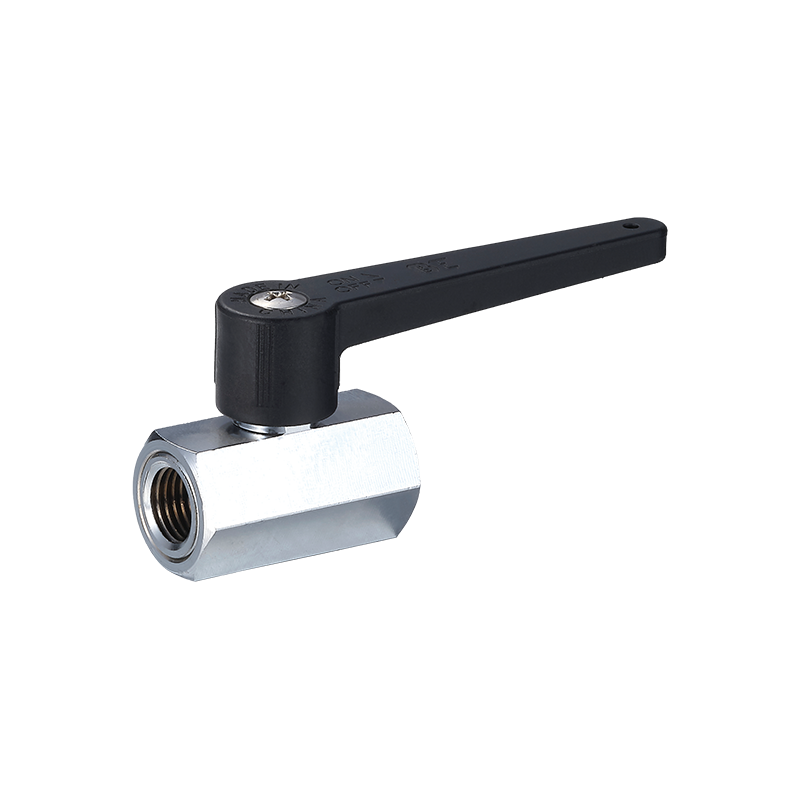
MINI-1 Mini Long Handle Ball Valve(F/F)
-
 View More
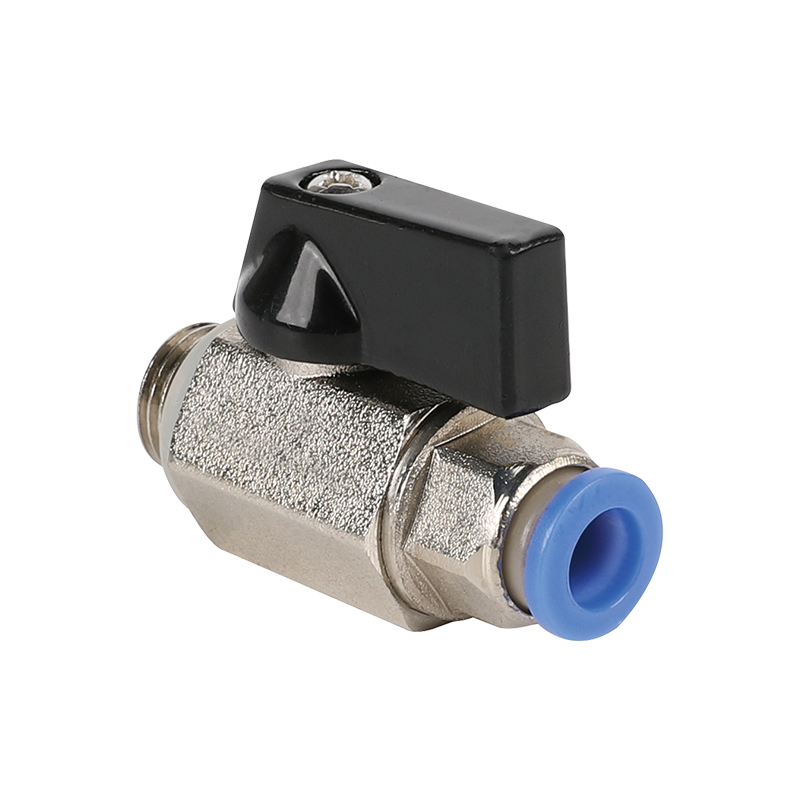
MINI-2 Mini Short-Handle Ball Valve(M/M)
-
 View More
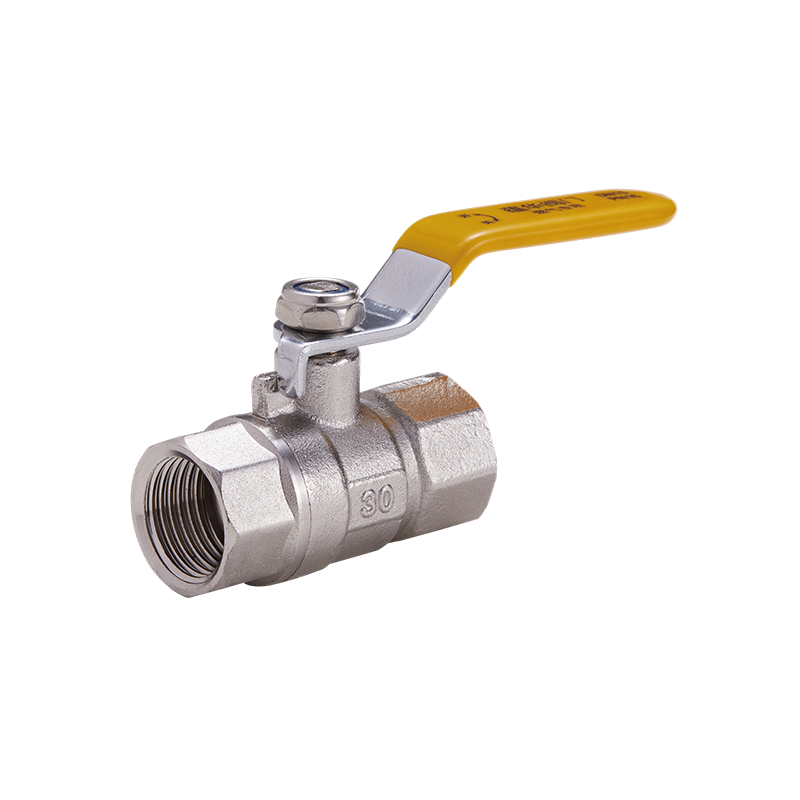
YH-2210 Forged Steel Ball Valve with Long Handle (F/F)
-
 View More
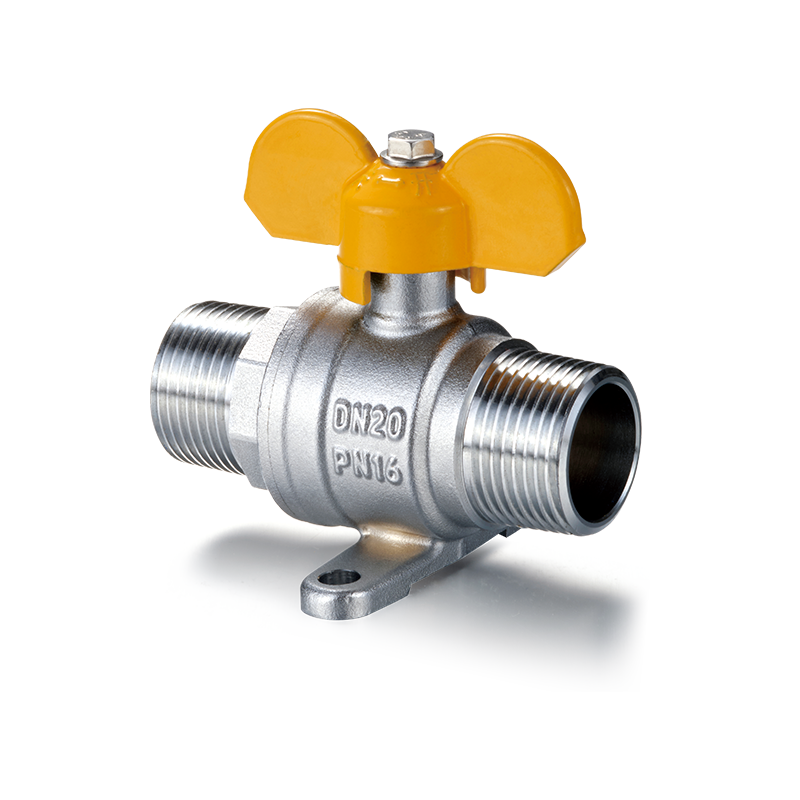
YH-214 Brass Ball Valve with Base& Butterfly Handle(M/M)
-
 View More
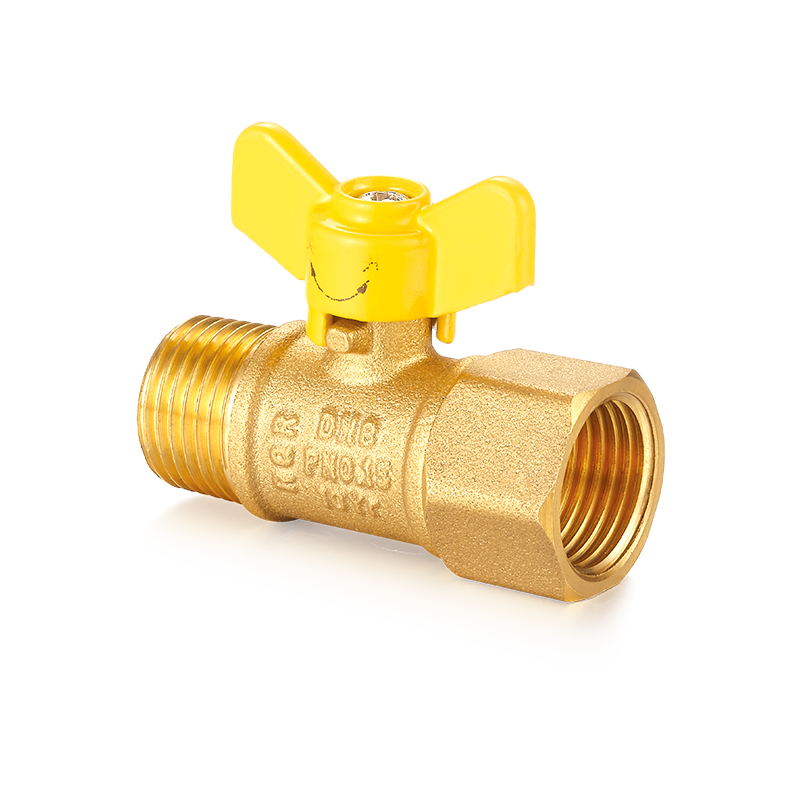
YH-205 Brass Ball Valve with Butterfly Handle(F/M)
Related News
Contact Us
-

-
 +86-0574-63742169
-
 No.104-128, Cizhang East Road, Zhangqi Town, Cixi City, Ningbo, Zhejiang Province, China


Message Us Now !
