

 English
 русский
 عربى
 Español

Precision Pipe Fittings for Reliable Fluid Control and Industrial Connections
Content
- 1 Understanding the Function of Pipe Fittings
- 2 Product Characteristics of Precision Pipe Fittings
- 3 Applications Across Fluid and Hardware Systems
- 4 Manufacturing Strengths and Production Capabilities
- 5 Advantages Compared with Inconsistent or Low-Control Alternatives
- 6 Material and Surface Considerations
- 7 How to Select the Correct Pipe Fitting
- 8 Quality Control from Raw Material to Finished Product
- 9 Comparison of Common Pipe Fitting Considerations
- 10 Installation Guidance for Threaded Pipe Fittings
- 11 Maintenance and Service Recommendations
- 12 Support for OEM, Wholesale, and Project Orders
- 13 Why Manufacturing Experience Matters
- 14 Frequently Asked Questions
- 14.1 What are pipe fittings used for?
- 14.2 What materials are commonly used for pipe fittings?
- 14.3 Are brass pipe fittings suitable for gas applications?
- 14.4 How can I verify that two threaded fittings are compatible?
- 14.5 What is the difference between a coupling and an adapter?
- 14.6 Why are CNC machines useful for producing pipe fittings?
- 14.7 How are pipe fittings tested?
- 14.8 Can pipe fittings be customized?
- 14.9 What information should be included in an inquiry?
- 14.10 How should threaded fittings be stored?
- 14.11 What makes one pipe fitting supplier more reliable than another?
- 14.12 Can pipe fittings be used with valves from another manufacturer?
- 15 Conclusion
- 16 References
- 17 Product: Pipe Fittings
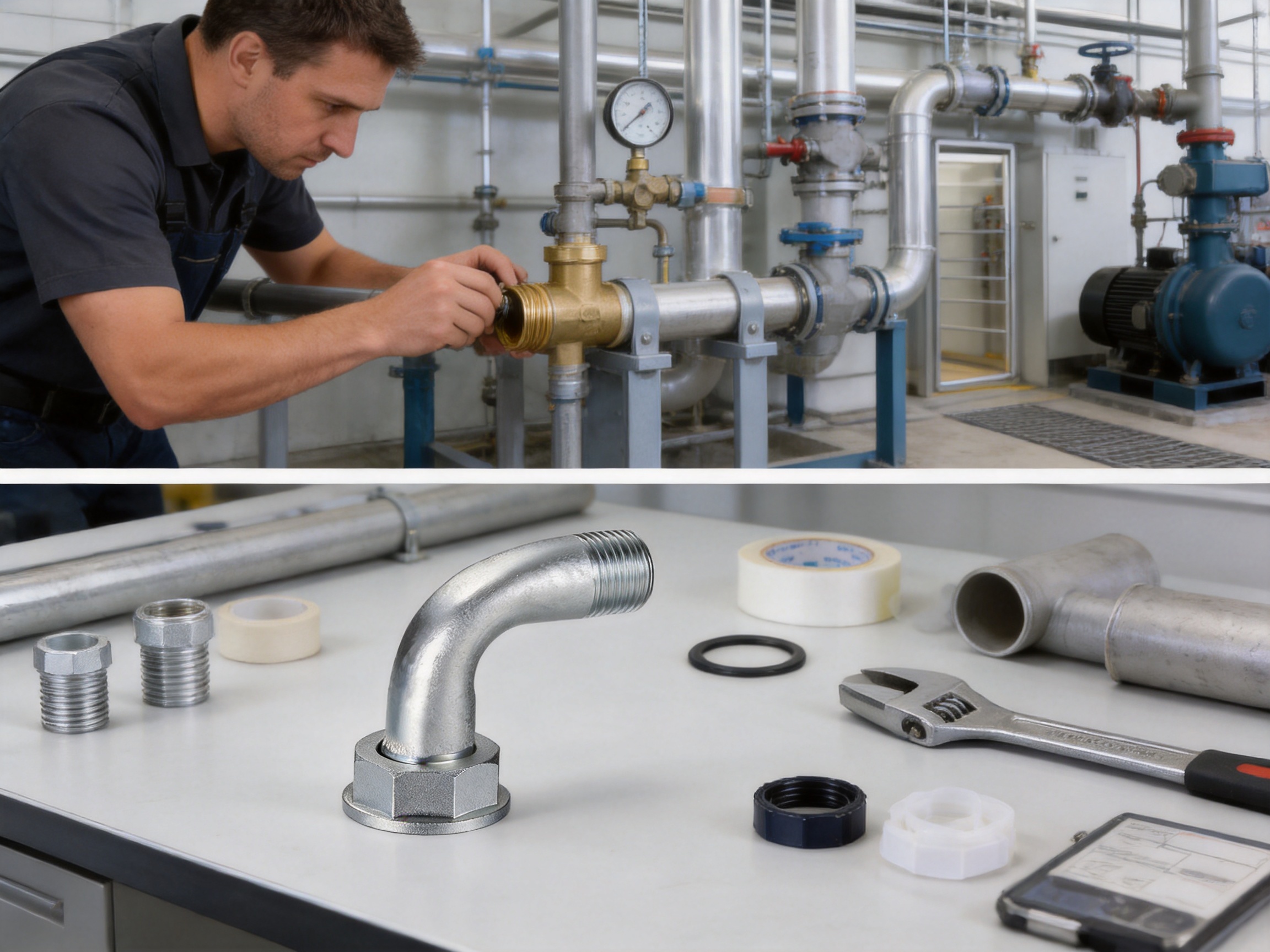
Pipe fittings are essential components in almost every fluid-handling system. They connect pipes, change flow direction, adapt different connection sizes, create branch lines, close unused outlets, and support the safe distribution of gas, water, air, oil, and other compatible media. Although a fitting may appear small compared with a complete pipeline, its dimensional accuracy, material quality, thread integrity, and resistance to pressure directly influence the reliability of the entire installation.
Ningbo Yunhua Valve Co., Ltd. manufactures pipe fittings as part of its broader portfolio of gas and fluid valves, water supply valves, and hardware accessories. With experience in precision machining, automated assembly, and product testing, the company supplies fittings designed for practical installation, stable service, and consistent performance. Its production capabilities support both standard product supply and customized requirements for distributors, engineering contractors, equipment manufacturers, and professional installers.
This article explains the structure, applications, manufacturing advantages, quality considerations, and selection principles of modern pipe fittings. It also examines how advanced production systems can help a pipe fitting supplier deliver more dependable products than manufacturers that rely on inconsistent manual processing or weak quality control.
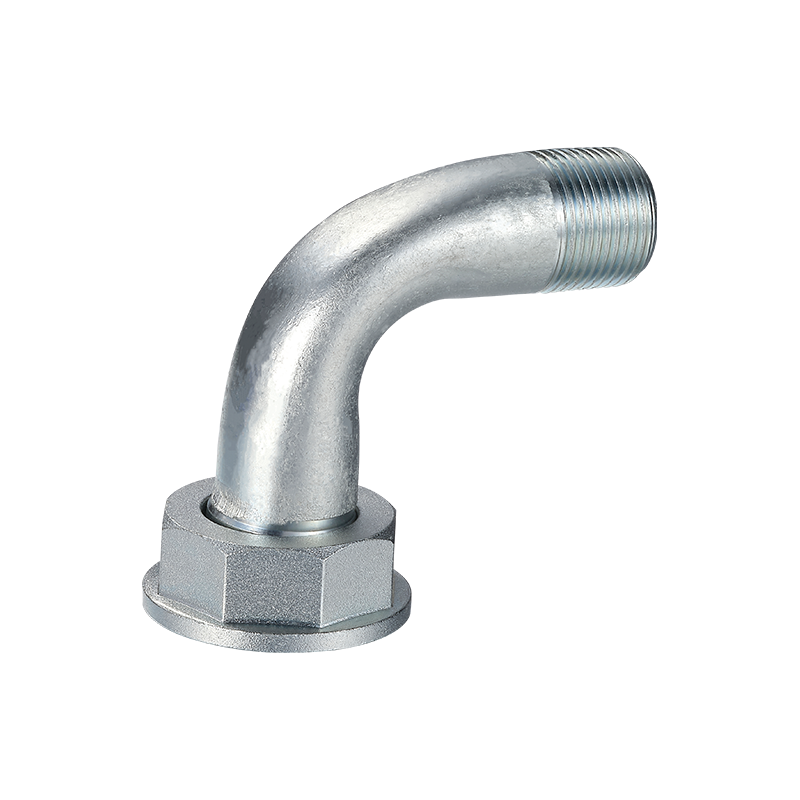
Pipe Fittings
Understanding the Function of Pipe Fittings
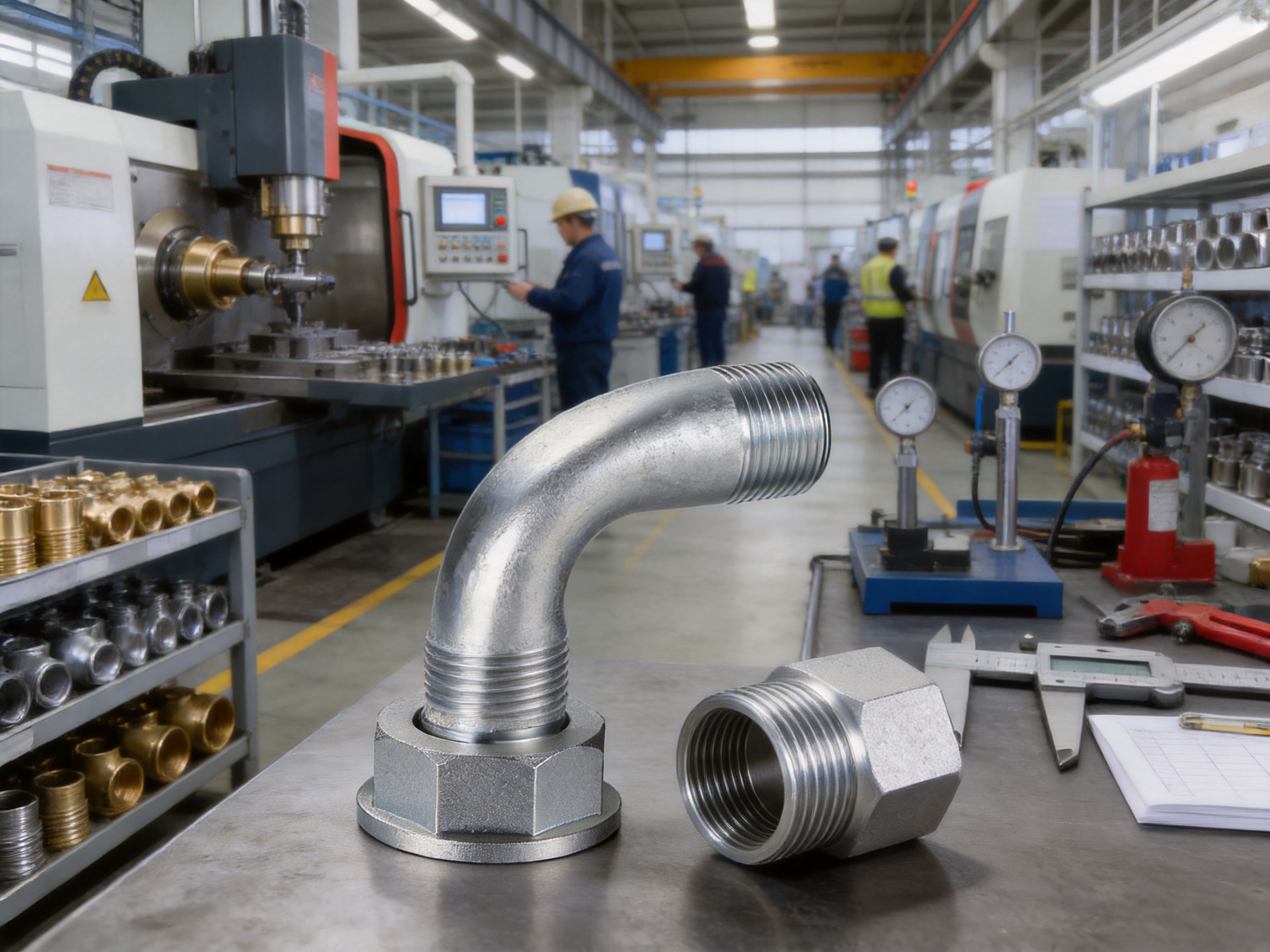
Pipe fittings are mechanical components used to join sections of pipe or connect pipes with valves, meters, pumps, tanks, appliances, and other equipment. They are available in many forms, including elbows, tees, couplings, reducers, adapters, unions, caps, plugs, and threaded connectors. Each design serves a specific purpose within a fluid system.
A straight coupling joins two pipes with the same nominal diameter. An elbow changes the direction of flow, commonly by 45 or 90 degrees. A tee creates a branch connection, while a reducer connects pipes with different diameters. An adapter allows a transition between connection types, such as threaded and compression connections. A union makes it easier to disconnect a section of pipe for inspection or maintenance. Caps and plugs close pipe ends or unused ports.
Although the external shape of a fitting is important, internal geometry is equally significant. Poorly formed internal passages can create turbulence, pressure loss, and unwanted areas where sediment accumulates. Accurate internal dimensions help maintain smooth flow and reduce stress on connected components.
The connection method is another important feature. Pipe fittings may use male threads, female threads, tapered threads, parallel threads, compression connections, soldering, brazing, press-fit methods, or other joining systems. Threaded pipe fittings are particularly useful where installation must be fast, equipment may need to be removed, or hot work is undesirable.
For gas and water applications, the fitting must also form a dependable seal. This depends on the combination of thread accuracy, surface finish, sealing material, installation torque, and compatibility with the working medium. A fitting that appears visually acceptable may still leak if its thread profile is incomplete, its sealing surface is damaged, or its dimensions are outside the required tolerance.
Product Characteristics of Precision Pipe Fittings
The pipe fittings supplied by Ningbo Yunhua Valve Co., Ltd. are developed for use in hardware accessory systems and fluid control installations. Their production approach emphasizes practical design, repeatable machining, controlled assembly, and inspection before shipment.
Accurate Thread Formation
Thread quality is one of the most important performance factors in a threaded fitting. A properly formed thread should have a consistent profile, sufficient engagement length, clean crests and roots, and a surface condition that supports reliable sealing. CNC machining and controlled tooling help produce threads with improved consistency from one production batch to another.
Accurate threading reduces the risk of cross-threading during installation. It also supports more uniform tightening and helps installers achieve a stable connection without excessive force. When thread dimensions are inconsistent, installers may overtighten the fitting, damage the connected component, or create a joint that leaks under pressure.
Stable Dimensional Control
Pipe fittings must match the pipes, valves, and accessories with which they are used. The outside dimensions, internal bore, wall thickness, thread dimensions, connection length, and angular position all influence installation quality. Stable dimensional control is especially important for automated assembly, repeated field installations, and projects where components are sourced from multiple production batches.
Computer-controlled machining equipment helps reduce variation in critical dimensions. In addition, inspection procedures can verify whether fittings meet the applicable drawings, specifications, and customer requirements before they are released for packaging.
Suitable Material Selection
Material selection should reflect the pressure, temperature, medium, installation environment, and expected service life of the application. Copper alloys, brass, stainless steel, carbon steel, and other engineering materials may be used for different types of pipe fittings. Brass is widely selected for water, air, and certain gas applications because it offers a useful balance of machinability, corrosion resistance, strength, and service practicality.
Forged steel and other steel fittings may be preferred for higher-pressure or more demanding environments. The correct material is not determined by appearance alone. It should be selected according to the applicable technical requirements, fluid compatibility, operating conditions, and local installation regulations.
Reliable Sealing Performance
A pipe fitting is only useful when it maintains a secure connection during operation. Reliable sealing depends on multiple factors, including material quality, thread accuracy, surface finish, gasket or seal selection, and correct installation. Pipe fittings can be designed to work with thread sealant, sealing tape, gaskets, O-rings, or other sealing methods as appropriate.
Manufacturing consistency supports sealing performance because it helps ensure that mating surfaces and threads behave predictably. A fitting with burrs, dents, incomplete threads, or uneven sealing surfaces may require excessive installation effort and still produce an unreliable joint.
Practical Installation Design
Good pipe fittings should be easy to identify, handle, install, and maintain. Clear connection geometry allows installers to use standard tools and follow familiar procedures. Appropriate external flats or wrenching surfaces can help prevent damage during installation, while a clean internal passage supports better flow characteristics.
For equipment manufacturers and distributors, a practical design also simplifies inventory management. Standardized fitting types, consistent packaging, and stable dimensions make it easier to organize products and reduce the risk of selecting incompatible components.
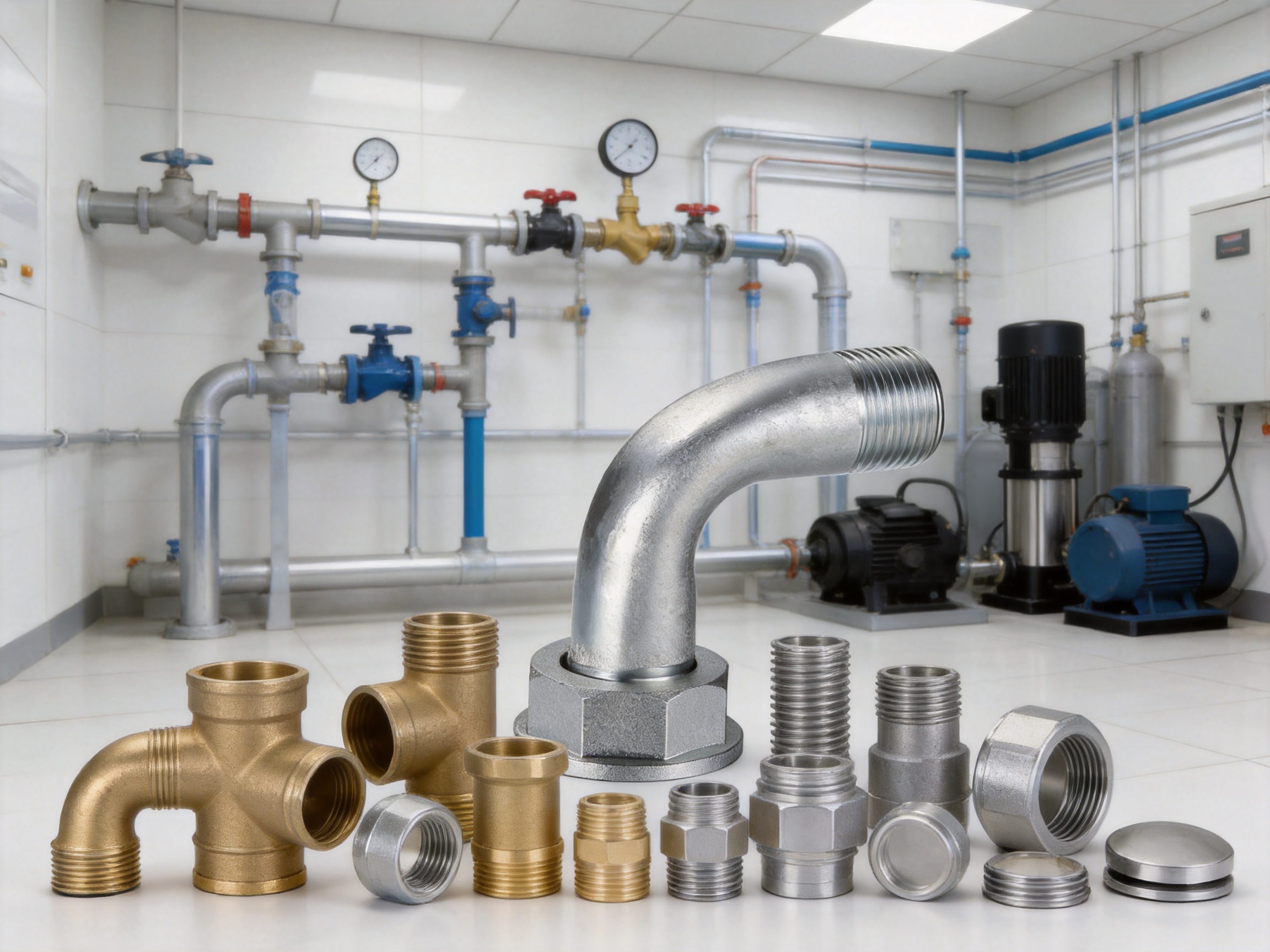
Applications Across Fluid and Hardware Systems
Pipe fittings are used in residential, commercial, industrial, agricultural, and utility systems. Their application range is broad because the basic need to connect and control piping exists in nearly every fluid installation.
Water Supply Systems
Water supply installations use fittings to connect main lines, branch pipes, faucets, meters, pumps, storage tanks, and filtration equipment. Brass and corrosion-resistant fittings are frequently selected for potable and general water applications when they meet the required material and regulatory specifications.
Fittings used in water systems must tolerate the expected working pressure and should be compatible with the pipe material. The installer should also consider water chemistry, temperature, galvanic corrosion risks, and the possibility of scaling or sediment accumulation.
Gas Distribution and Appliance Connections
Gas systems require particularly careful attention to material compatibility, leak prevention, and installation regulations. Threaded fittings can be used in gas piping, appliance connections, and distribution assemblies when the product design and local codes permit their use.
Brass gas ball valve assemblies and related hardware accessories are often selected for compact gas control systems. However, every component in a gas installation must be approved and installed for the specific gas type, pressure range, and application. Pipe fittings used in these systems should not be substituted casually with products intended only for water or air.
Heating and Cooling Equipment
Heating, ventilation, and air-conditioning systems use fittings to connect circulation lines, heat exchangers, pumps, expansion equipment, and control devices. The fitting must withstand the operating temperature and any additives present in the circulating fluid.
Where thermal expansion causes movement, the design should include suitable supports, flexible connectors, expansion provisions, and maintenance access. A well-made fitting contributes to system stability, but it cannot compensate for incorrect pipe support or poor overall system design.
Industrial Fluid Equipment
Industrial machinery often requires compact pipe connections around pumps, compressors, filters, cylinders, tanks, and process equipment. Fittings make it possible to create serviceable layouts in restricted spaces and to connect components with different port sizes or thread types.
In industrial applications, selection may involve additional factors such as vibration, chemical exposure, pressure cycling, high temperature, cleaning procedures, and frequent disassembly. These conditions make manufacturing consistency and traceability more important than low initial purchase price alone.
Water Treatment and Irrigation
Water treatment systems use pipe fittings around dosing equipment, filter housings, pumps, control valves, and storage units. Irrigation networks use them to connect distribution lines, branch circuits, sprinklers, pressure regulators, and end closures.
In outdoor installations, fittings may be exposed to moisture, soil, sunlight, fertilizer, and temperature changes. Appropriate material and surface protection should therefore be selected according to the environment. Threaded connections should be protected against contamination during assembly, and exposed fittings should be inspected periodically.
Hardware and Equipment Assembly
Original equipment manufacturers use fittings as subcomponents in packaged systems. A manufacturer may integrate pipe fittings with valves, gauges, hoses, filters, manifolds, or control panels. In this setting, consistent external dimensions are especially valuable because the fitting must fit within a defined assembly space and align with other components.
Suppliers capable of providing both pipe fittings and valves can simplify procurement. A coordinated product range may reduce the number of vendors, improve compatibility, and support more efficient assembly planning.
Manufacturing Strengths and Production Capabilities
The quality of a pipe fitting is strongly influenced by the manufacturing system behind it. Ningbo Yunhua Valve Co., Ltd. operates a production base covering approximately 20,000 square meters and has developed dedicated areas for precision machining, assembly, and testing. This factory organization supports a structured production flow from material preparation to final inspection.
Precision CNC Machining
CNC machine tools are used to produce repeatable shapes and dimensions according to programmed instructions. For pipe fittings, CNC machining can be applied to external profiles, internal bores, thread areas, sealing surfaces, wrenching flats, and other critical features.
The principal advantage of CNC processing is repeatability. Once the program, tooling, and process parameters have been verified, production can continue with reduced dependence on individual operator technique. This helps lower dimensional variation and supports more consistent fitting between the product and its mating components.
CNC machining also supports flexible production. Different fitting sizes, thread configurations, and external shapes can be produced by changing controlled programs and tooling arrangements. This is useful for a manufacturer that serves distributors and customers with varied product requirements.
Automated Assembly Lines
Assembly quality affects the final performance of products that include multiple components. Automated or semi-automated assembly equipment can control operations such as component positioning, tightening, insertion, and inspection. Automation helps establish a repeatable sequence and reduces the risk of missed steps.
For fittings supplied as part of valve or hardware assemblies, controlled assembly can improve alignment and reduce damage to threads or sealing elements. It can also increase production efficiency, helping the manufacturer maintain a stable supply for regular orders and larger projects.
Dedicated Testing Workshop
A professional testing workshop provides a controlled location for checking product performance. Depending on the fitting type and customer specification, inspection may include visual examination, dimensional measurement, thread gauging, pressure testing, leakage testing, material verification, and functional checks on assembled products.
Testing is most effective when it is integrated into the production process rather than treated as a final formality. Early inspection can identify process deviations before a large batch is completed. Final inspection then provides an additional barrier against nonconforming products reaching customers.
Integrated Production Management
An integrated manufacturing system coordinates purchasing, production planning, machining, assembly, testing, packaging, and shipment. This coordination is important for pipe fittings because a small dimensional change or material substitution can affect compatibility with other products.
Professional management also supports communication between technical, production, and sales teams. When a customer requests a customized fitting, the requirements must be translated accurately into drawings, material specifications, inspection criteria, and packaging instructions. A clear internal process reduces misunderstandings and helps the supplier provide a more dependable result.
Large Production Capacity
The company reports an annual production capacity of approximately 2 million sets of valves and 10 million sets of hardware accessories. This scale indicates the ability to support both regular distribution programs and larger commercial requirements, subject to product type, scheduling, and material availability.
Capacity alone does not guarantee quality. Its value is realized when production volume is supported by stable processes, suitable equipment, trained personnel, inspection systems, and effective supply-chain management. A balanced combination of capacity and control allows customers to plan purchases with greater confidence.
Advantages Compared with Inconsistent or Low-Control Alternatives
Customers comparing pipe fitting suppliers often focus on unit price, but the total cost of ownership includes installation time, leakage risk, replacement frequency, inventory complexity, and project delay. A fitting produced under controlled conditions can offer advantages that are not immediately visible in a product catalogue.
More Consistent Interchangeability
When fittings are manufactured with stable dimensions, products from different production batches are more likely to remain interchangeable. This benefits distributors that hold inventory over an extended period and installers who need to combine fittings with valves or pipes purchased at different times.
Inconsistent low-control production may result in variations in thread engagement, connection length, or external dimensions. These variations can force installers to sort products manually or adapt the installation, increasing labor costs and uncertainty.
Lower Installation Risk
Clean threads and accurate mating surfaces make installation more predictable. Installers can tighten the fitting using normal procedures rather than applying excessive force to compensate for dimensional problems. This reduces the chance of damaged threads, cracked components, and poorly sealed joints.
Reduced installation risk is especially valuable in confined spaces, high-volume construction, and maintenance work where access is limited and rework is expensive.
Improved Batch Reliability
A professional manufacturer can establish process parameters and inspection procedures that apply across a production batch. The result is a more uniform product population, rather than a mixture of acceptable and marginal pieces.
Batch reliability helps distributors reduce customer complaints and helps equipment manufacturers maintain consistent assembly performance. It also supports more efficient quality audits because records and inspection criteria can be organized around defined processes.
Broader Product Coordination
A supplier that manufactures pipe fittings alongside valves and hardware accessories may understand the relationship between connecting components more completely. This can help customers source matching parts for water supply, gas control, fluid handling, and equipment assembly projects.
Coordinated supply is not a replacement for technical verification, but it can simplify communication. Customers may discuss connection dimensions, pressure requirements, sealing methods, and application conditions with one supplier rather than managing separate technical conversations for every component.
More Responsive Customization
Customization may involve thread type, connection size, material, surface finish, logo marking, packaging, or special geometry. CNC machining and flexible production planning can support custom requirements more effectively than highly rigid production systems.
Customized products should be confirmed through drawings or technical documentation. Important information includes nominal size, thread standard, thread gender, overall length, bore diameter, material grade, pressure requirement, operating temperature, sealing method, inspection standard, and packaging instructions.
Material and Surface Considerations
Material selection is a technical decision that should be based on the entire operating environment. The same fitting design may be suitable for one application but inappropriate for another if the pressure, temperature, fluid chemistry, or regulatory requirements differ.
Brass Pipe Fittings
Brass is widely used for pipe fittings because it can be machined efficiently and offers useful resistance to corrosion in many water, air, and general service applications. It also provides a practical balance of strength and cost for a broad range of hardware accessories.
Different brass compositions have different properties. Customers should confirm the applicable material specification, especially when fittings are intended for drinking water, gas, elevated temperature, or special environmental conditions. The required composition may be determined by national regulations, project specifications, or customer standards.
Forged Steel Fittings
Forged steel fittings are manufactured from steel shaped under controlled force. Forging can provide a dense and robust component suitable for demanding mechanical and pressure conditions when the design, material grade, heat treatment, machining, and testing are correctly controlled.
Forged steel valve components and fittings may be selected for industrial applications requiring strength and durability. However, the product must be evaluated as a complete system. Pressure rating, temperature rating, corrosion protection, connection type, and welding or installation procedures all influence suitability.
Stainless Steel Options
Stainless steel may be selected where corrosion resistance, cleanliness, or elevated-temperature performance is important. It is often used in food processing, chemical handling, water treatment, and outdoor applications, subject to compatibility with the specific environment.
Stainless steel does not eliminate all corrosion risk. Chlorides, stagnant conditions, crevices, contamination from other metals, and unsuitable cleaning chemicals may still create problems. Appropriate grade selection and installation practice remain essential.
Surface Treatment
Surface treatment can improve appearance, corrosion resistance, identification, or compatibility with a particular installation environment. Options may include polishing, plating, coating, passivation, or other treatments depending on the base material and intended use.
Surface treatment should not conceal poor machining or dimensional defects. The underlying fitting must first meet the required geometry and quality criteria. Coatings should also be checked for adhesion, uniformity, and compatibility with handling and service conditions.
How to Select the Correct Pipe Fitting
Correct selection begins with a complete understanding of the application. The following factors should be reviewed before an order is placed or a product is installed.
Identify the Fluid or Gas
Determine whether the fitting will carry potable water, non-potable water, natural gas, liquefied petroleum gas, compressed air, hydraulic oil, refrigerant, chemicals, or another medium. Material and sealing compatibility vary between applications.
Confirm Pressure and Temperature
Identify the normal operating pressure, maximum pressure, pressure fluctuations, and operating temperature. Safety margins and applicable codes should be considered rather than selecting a product based only on average conditions.
Verify Connection Standards
Threaded connections must be matched by size, thread form, pitch, taper, and gender. A fitting with the correct nominal size may still be incompatible if the thread standard differs. Customers should provide the required standard or a technical drawing when ordering.
Check Pipe Material and Size
The fitting should match the pipe material and nominal dimension. Transitions between copper, steel, plastic, multilayer, and other pipe materials may require specific adapters or joining methods. The installer should consider galvanic corrosion where dissimilar metals are connected.
Consider Installation Space
Compact spaces may require short-pattern fittings, elbows, unions, or specialized adapters. The design should allow enough room for tools, tightening, inspection, and future maintenance. A fitting that technically connects two pipes may still be unsuitable if it cannot be installed safely.
Review Regulatory Requirements
Gas, potable water, fire protection, pressure equipment, and industrial installations may be subject to mandatory regulations. Product approvals, material restrictions, testing requirements, and installation practices should be verified before selection.
Define Packaging and Identification Needs
For wholesale and project supply, packaging can be as important as the product itself. Customers may need individual bags, bulk cartons, barcode labels, batch identification, protective caps, or customized markings. Clear packaging reduces warehouse errors and protects threads during transportation.
Quality Control from Raw Material to Finished Product
Effective quality control begins before machining. Incoming materials should be checked against purchasing documents and technical requirements. Identification, dimensions, surface condition, and, where necessary, material composition should be verified.
During machining, operators and quality personnel can monitor critical dimensions, tool condition, thread formation, burr removal, and surface finish. Process checks help identify drift before it affects a large quantity of products.
After machining, fittings should be cleaned and inspected. Foreign particles, chips, burrs, and residues can interfere with sealing or contaminate connected equipment. Appropriate cleaning and protection also help preserve the appearance and function of the product during storage.
Final inspection may include dimensional measurement, thread gauges, visual checks, pressure tests, leak tests, and packaging verification. The exact inspection plan should reflect the product design and customer requirements.
Documentation improves traceability. Production records, inspection results, material information, and shipment details can help the manufacturer and customer investigate questions efficiently. Traceability is particularly valuable for industrial projects, repeat orders, and applications with strict quality procedures.
Comparison of Common Pipe Fitting Considerations
| Consideration | Why It Matters | Recommended Customer Action |
|---|---|---|
| Material | Determines strength, corrosion resistance, compatibility, and service life. | Specify the required material grade and application medium. |
| Thread type | Controls compatibility, sealing behavior, and installation method. | Confirm thread standard, size, pitch, taper, and gender. |
| Pressure rating | Defines whether the fitting can safely handle system pressure. | Provide normal, maximum, and fluctuating pressure conditions. |
| Temperature range | Affects material strength, seals, expansion, and long-term reliability. | State minimum, normal, and maximum operating temperatures. |
| Surface finish | Influences appearance, corrosion resistance, and sealing surfaces. | Specify plating, coating, polishing, or other treatment if required. |
| Dimensional tolerance | Determines interchangeability and ease of assembly. | Use drawings or defined tolerance requirements for critical parts. |
| Inspection method | Confirms that products meet technical and performance expectations. | Agree on dimensional, pressure, leakage, and visual inspection criteria. |
| Packaging | Protects threads and supports warehouse identification. | Define labeling, carton quantity, protective caps, and marking needs. |
Installation Guidance for Threaded Pipe Fittings
Before installation, inspect the fitting and pipe for damage, dirt, chips, oil, or foreign material. Check that the threads are compatible and that the fitting has not been deformed during transportation. Do not force a fitting onto a mismatched or damaged thread.
Cut pipe ends squarely where applicable and remove burrs from the inside and outside. A clean pipe end helps prevent debris from entering the system and supports better engagement. The fitting should begin threading smoothly by hand before a wrench is used.
Use a sealing method appropriate for the connection and fluid. Thread sealant, tape, gaskets, and O-rings are not interchangeable in every application. For gas service, use only sealing products approved for the specific gas and operating conditions.
Tighten the fitting according to the applicable installation practice. Excessive force can crack the fitting, distort the pipe, damage threads, or create stress in the system. Insufficient tightening may result in leakage or loosening during vibration and thermal cycling.
After installation, inspect the joint and perform the required pressure or leakage test. Gas systems should be tested using procedures required by local regulations and qualified personnel. Never use an open flame to check for a gas leak.
Pipe supports should be installed so that the fitting is not used to carry excessive pipe weight. Pumps, valves, and heavy equipment should be supported independently where necessary. Proper support reduces vibration, bending, and stress on the connection.
Maintenance and Service Recommendations
Even high-quality pipe fittings require a properly designed and maintained system. Periodic inspection can identify corrosion, leakage, vibration, coating damage, mechanical impact, or changes in operating conditions.
Accessible fittings should be checked during routine maintenance. Look for moisture, staining, deposits, damaged threads, unusual movement, or signs of seal failure. A small leak should be investigated promptly because it may indicate incorrect installation, excessive pressure, vibration, or material incompatibility.
Do not repeatedly tighten a leaking joint without identifying the cause. Repeated tightening may damage the fitting or connected pipe. In many cases, the connection should be depressurized, disassembled, cleaned, inspected, and resealed using the correct procedure.
Fittings exposed to corrosive atmospheres should be protected and monitored more frequently. Outdoor systems may require additional attention after severe weather, freezing conditions, flooding, or construction activity near the pipeline.
When replacing a fitting, use a product with compatible dimensions, material, pressure capability, and connection standard. Substituting a visually similar fitting with a different technical rating can create a serious safety risk.
Support for OEM, Wholesale, and Project Orders
Different customers require different forms of supply support. Distributors usually need stable product availability, consistent packaging, clear product identification, and repeatable quality. Equipment manufacturers may require drawings, samples, special dimensions, customized markings, and coordinated delivery schedules. Engineering contractors may need technical submittals, inspection documents, project packaging, and a broad range of sizes.
Ningbo Yunhua Valve Co., Ltd. combines valve production with hardware accessory manufacturing, allowing it to serve customers seeking related products from one source. Its reported production capacity and automated facilities provide a foundation for supporting regular orders and larger programs.
For a successful customized project, customers should provide complete technical information at the quotation stage. This includes product drawings, materials, connection standards, required certifications, test procedures, acceptable tolerances, annual demand, order quantity, packaging, labeling, and delivery expectations.
Samples and first-article approvals can be used to confirm dimensions and appearance before mass production. Once the sample is approved, changes should be controlled through formal technical communication. This protects both the customer and manufacturer from confusion during repeat orders.
Effective communication is particularly important when a fitting is designed for use with a specific valve, appliance, manifold, or pipe assembly. The supplier should understand the complete connection environment rather than producing a component based on nominal size alone.
Why Manufacturing Experience Matters
A pipe fitting manufacturer should offer more than a catalogue of shapes. It should understand machining, materials, connection standards, assembly requirements, inspection, packaging, and the practical conditions of field installation.
Ningbo Yunhua Valve Co., Ltd. has developed its business around gas and fluid valves, water supply valves, and hardware accessories. This product focus provides relevant experience in fluid connection and control applications. Its professional management team, precision machining workshop, assembly line, and testing workshop support a production system designed for repeatability and product reliability.
The company’s long-term development has also included the improvement of internal management and manufacturing organization. These capabilities are important when customers require stable repeat orders, coordinated components, or customized products rather than one-time purchases.
Its stated vision is to become a leading company in the global fluid control industry, while its mission emphasizes the development of a safe fluid ecosystem through high-quality valves. Pipe fittings support that mission because reliable connections are a fundamental part of any safe fluid system.
Frequently Asked Questions
What are pipe fittings used for?
Pipe fittings connect pipes and equipment, change flow direction, create branches, reduce or increase connection size, close outlets, or provide removable connections for maintenance. They are used in water, gas, air, heating, cooling, industrial, irrigation, and hardware systems.
What materials are commonly used for pipe fittings?
Common materials include brass, stainless steel, carbon steel, forged steel, copper alloys, and engineering plastics. The correct material depends on the fluid, pressure, temperature, corrosion environment, regulatory requirements, and connection method.
Are brass pipe fittings suitable for gas applications?
Brass may be suitable for certain gas applications when the fitting is specifically designed, approved, and rated for the gas type and operating conditions. A water-only fitting should not automatically be used for gas service. Local regulations and manufacturer specifications must always be followed.
How can I verify that two threaded fittings are compatible?
Confirm the nominal size, thread standard, pitch, taper, gender, and sealing method. Two fittings can have similar nominal dimensions but incompatible thread forms. When there is uncertainty, provide technical drawings or consult the supplier before installation.
What is the difference between a coupling and an adapter?
A coupling generally joins two pipes or components with matching connection types and sizes. An adapter is used to transition between different connection types, sizes, materials, or thread genders. Product terminology can vary, so the technical drawing should be used as the final reference.
Why are CNC machines useful for producing pipe fittings?
CNC machines follow programmed movements and cutting parameters, which helps produce repeatable dimensions and thread profiles. They also support flexible production of different fitting sizes and designs while reducing dependence on manual machining variations.
How are pipe fittings tested?
Testing may include visual inspection, dimensional measurement, thread gauging, material checks, pressure testing, leakage testing, and functional inspection of assembled products. The exact method depends on the fitting design, application, customer specification, and applicable standard.
Can pipe fittings be customized?
Many fittings can be customized in material, size, thread type, length, surface treatment, marking, packaging, or geometry. Customization should be confirmed through a technical drawing and a written specification before production begins.
What information should be included in an inquiry?
An inquiry should state the product type, size, material, connection standard, pressure, temperature, fluid or gas, quantity, surface finish, packaging, marking, inspection requirements, and delivery schedule. Drawings, photos, or samples can further reduce the possibility of misunderstanding.
How should threaded fittings be stored?
Store fittings in a clean, dry environment away from corrosive chemicals, impact, excessive humidity, and contamination. Use protective packaging or caps for threads, and keep products identified by size, material, and batch where traceability is important.
What makes one pipe fitting supplier more reliable than another?
Important factors include material control, machining capability, dimensional consistency, thread quality, inspection procedures, testing resources, production capacity, technical communication, packaging, and after-sales support. A low unit price should be evaluated together with installation risk and long-term service cost.
Can pipe fittings be used with valves from another manufacturer?
They can be used together when the connection dimensions, thread standard, material, pressure rating, temperature range, and sealing method are compatible. Compatibility should be confirmed before installation, especially in gas, high-pressure, and regulated systems.
Conclusion
Pipe fittings are fundamental to the safety, efficiency, and serviceability of fluid systems. Their performance depends on far more than external appearance. Accurate threads, suitable materials, controlled dimensions, reliable sealing surfaces, proper testing, and correct installation all contribute to a dependable connection.
Ningbo Yunhua Valve Co., Ltd. supports pipe fitting production through precision machining, automated assembly, dedicated testing resources, and an established manufacturing base. Its experience in valves, water supply products, gas and fluid control, and hardware accessories allows it to address the practical needs of distributors, equipment manufacturers, contractors, and professional installers.
Compared with inconsistent products made without strong process control, precision-manufactured pipe fittings can provide better interchangeability, easier installation, improved batch reliability, and lower risk of leakage or rework. When supported by accurate technical communication and suitable quality inspection, they become an efficient foundation for water, gas, industrial, and equipment connection systems.
Customers selecting pipe fittings should evaluate the complete application, including medium, pressure, temperature, connection standard, material, installation environment, regulatory requirements, and maintenance needs. A well-matched fitting from a capable supplier can help create a safer and more durable fluid control system.
References
1. General principles of industrial piping design, pipe connection selection, and fluid system maintenance.
2. Engineering guidance on threaded joints, sealing practices, pressure testing, and leakage prevention.
3. Technical literature concerning brass, stainless steel, forged steel, and other materials used in fluid control components.
4. Manufacturing references on CNC machining, automated assembly, dimensional inspection, and production process control.
5. Professional guidance on gas piping safety, water supply installation, and component compatibility.
6. Quality management principles for batch traceability, incoming material inspection, in-process control, and final product verification.
Product: Pipe Fittings

Related Products
-
 View More
-
 View More
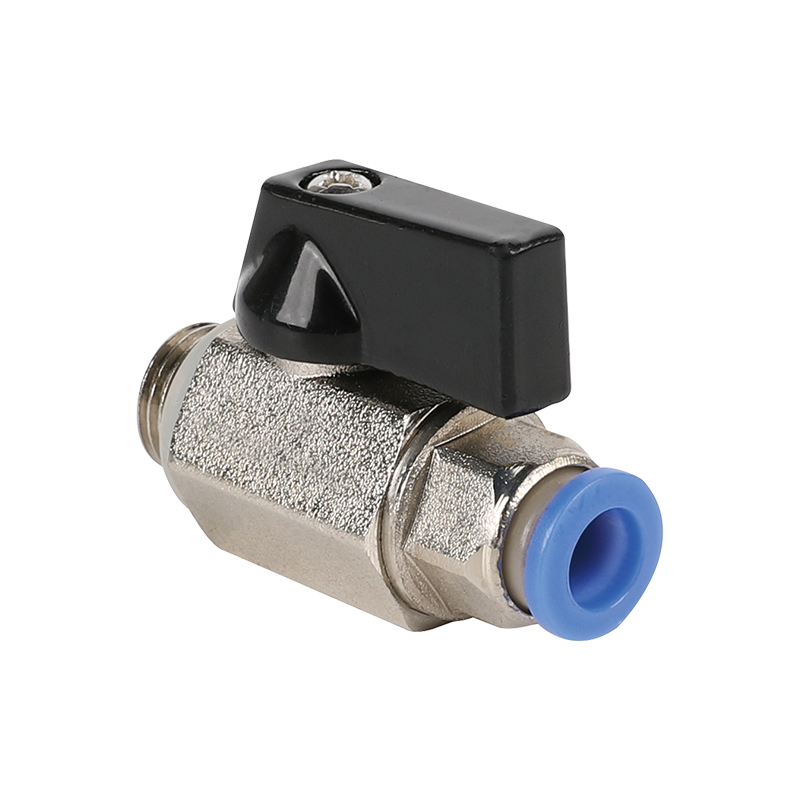
MINI-2 Mini Short-Handle Ball Valve(M/M)
-
 View More
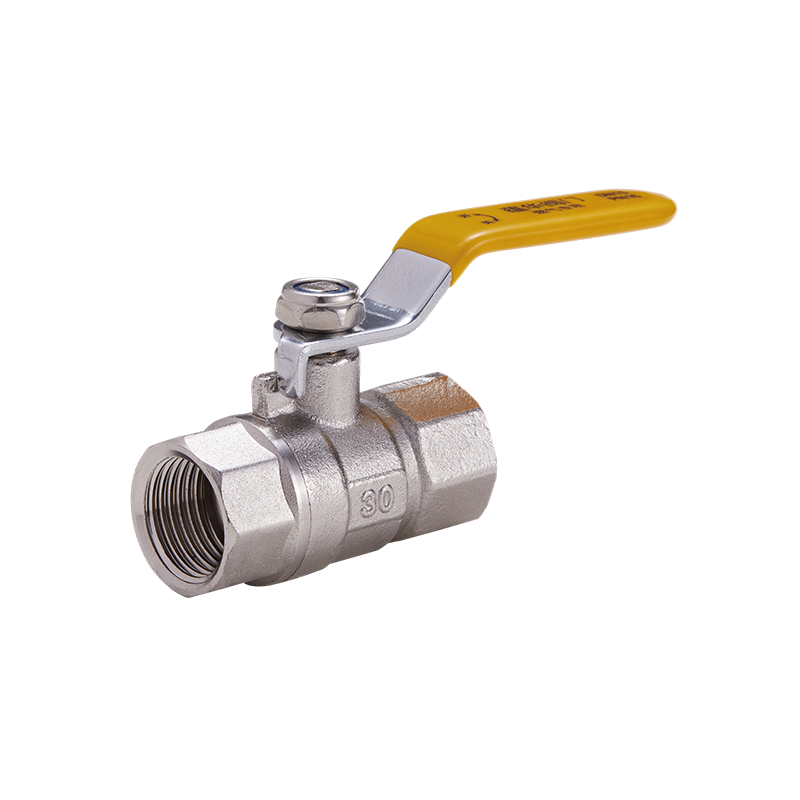
YH-2210 Forged Steel Ball Valve with Long Handle (F/F)
-
 View More
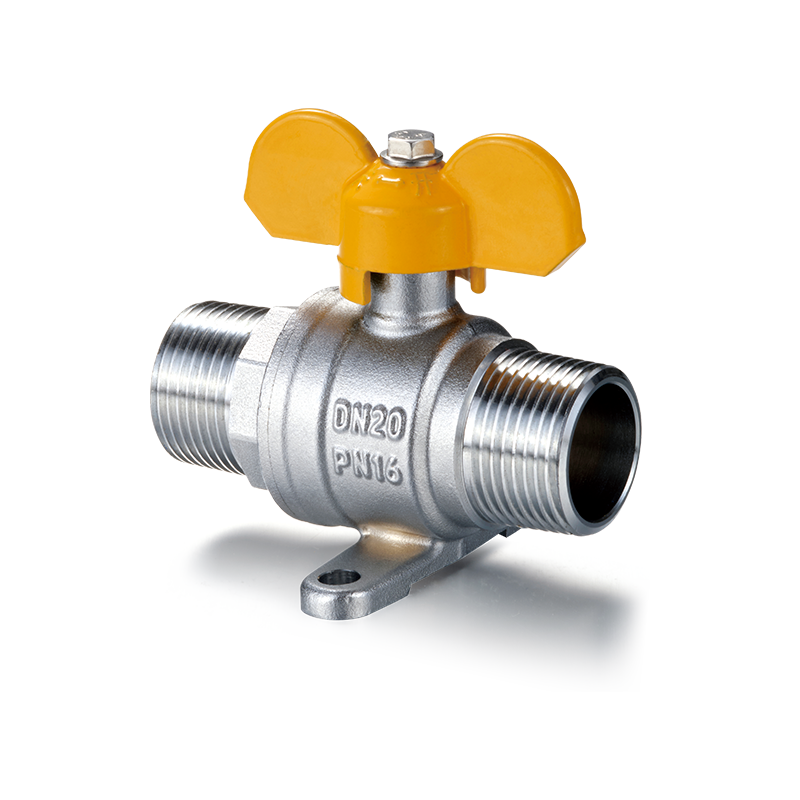
YH-214 Brass Ball Valve with Base& Butterfly Handle(M/M)
-
 View More
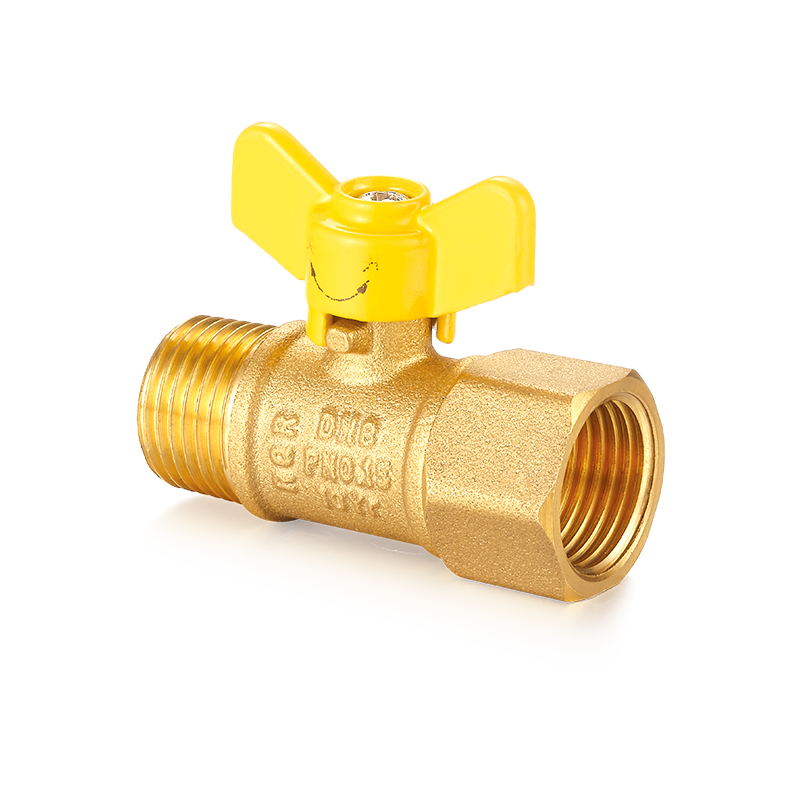
YH-205 Brass Ball Valve with Butterfly Handle(F/M)
-
 View More
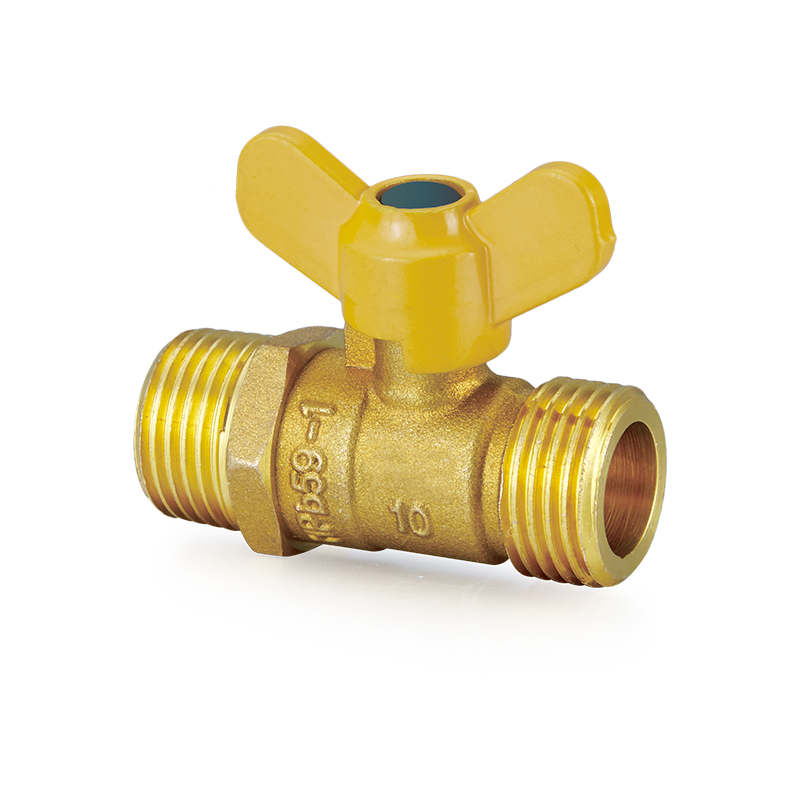
YH-206 Brass Ball Valve with Butterfly Handle(M/M)
Related News
Contact Us
-

-
 +86-0574-63742169
-
 No.104-128, Cizhang East Road, Zhangqi Town, Cixi City, Ningbo, Zhejiang Province, China


Message Us Now !
