

 English
 русский
 عربى
 Español

Hose Connector: Reliable Fluid Connection Solutions for Modern Valve Systems
Content
- 1 Understanding the Role of a Hose Connector
- 2 Product Overview
- 3 Key Advantages of a Professionally Manufactured Hose Connector
- 4 Design Considerations for Hose Connectors
- 5 Material and Surface Quality
- 6 Advanced Manufacturing Capabilities
- 7 Production Quality and Consistency
- 8 Advantages Compared with Low-Quality Alternatives
- 9 Applications in Fluid Control Systems
- 10 Installation Guidance
- 11 Selection Checklist for Buyers
- 12 Manufacturing Scale and Supply Capability
- 13 Research, Development, and Customer Service
- 14 Why Choose a Specialized Valve and Hardware Manufacturer?
- 15 Packaging, Storage, and Handling
- 16 Maintenance and Service Life
- 17 Frequently Asked Questions
- 17.1 What is a hose connector used for?
- 17.2 Can one hose connector be used for every application?
- 17.3 Why is dimensional accuracy important?
- 17.4 What materials can be used for hose connectors?
- 17.5 How does CNC machining benefit hose connector production?
- 17.6 Does a high-quality connector prevent all leakage?
- 17.7 Can hose connectors be customized?
- 17.8 What should be checked before ordering?
- 17.9 Why purchase from a valve manufacturer?
- 17.10 How should hose connectors be stored?
- 18 Conclusion
- 19 References
- 20 Product: Hose Connector
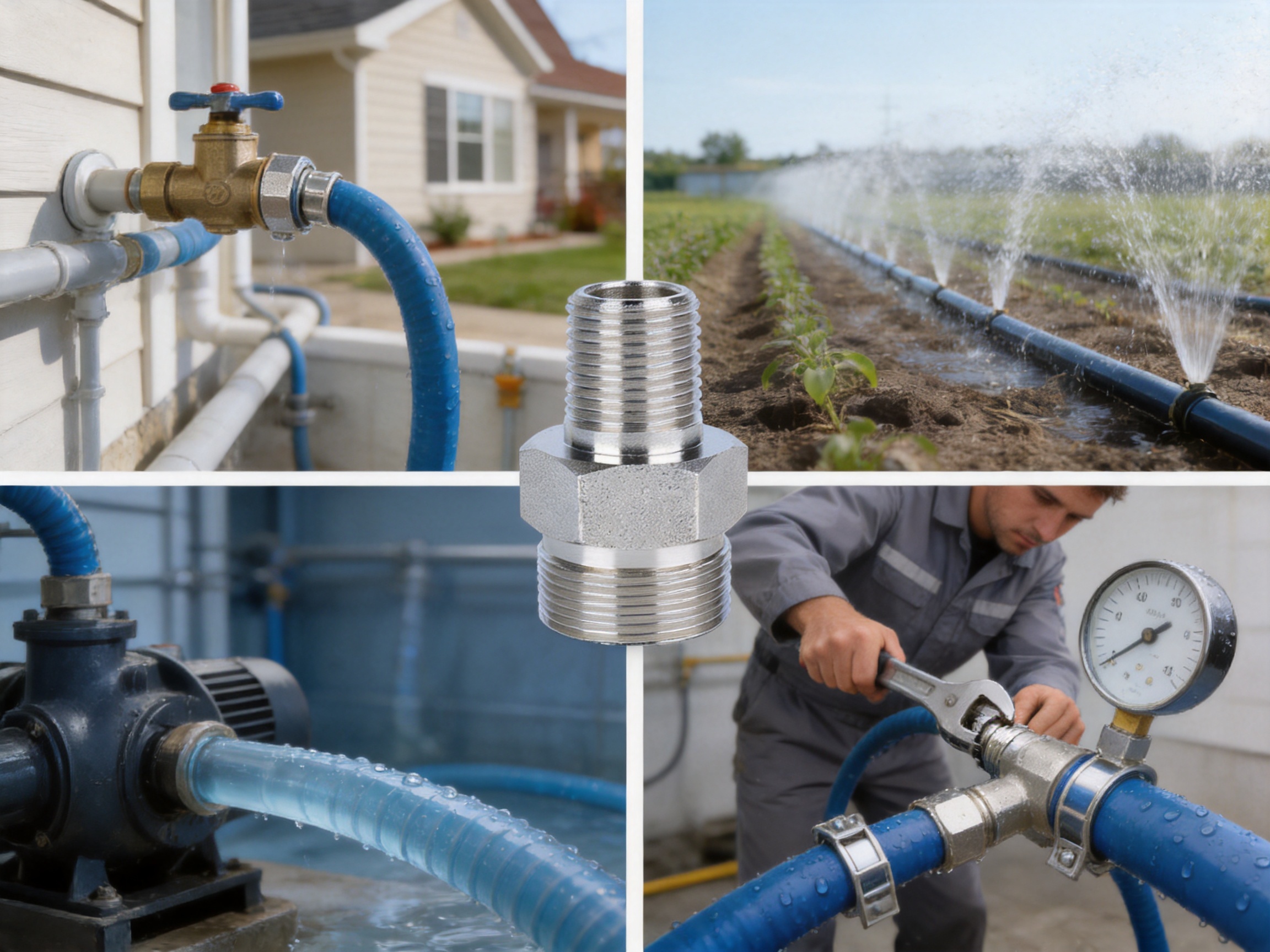
Hose connectors are small but essential components in fluid handling systems. They create a practical connection between hoses, pipes, valves, fittings, and equipment while supporting the safe movement of water, gas, air, and other compatible fluids. Although a hose connector may appear simple, its design, material quality, dimensional accuracy, sealing performance, and production consistency all influence the reliability of the complete system.
The Hose Connector supplied by Ningbo Yunhua Valve Co., Ltd. is developed as a dependable hardware accessory for applications that require secure and convenient hose connections. Supported by professional valve manufacturing experience, automated machining, assembly capabilities, and dedicated testing facilities, the product is positioned for customers seeking stable quality, efficient installation, and dependable service across a variety of fluid control applications.
This article explains the role of hose connectors, their main advantages, important selection considerations, manufacturing processes, quality control practices, and the reasons a professionally produced connector can offer greater value than low-cost alternatives. It also examines how a hose connector works with valves and other hardware accessories to create a safer and more efficient fluid ecosystem.
Understanding the Role of a Hose Connector
A hose connector is a fitting designed to join a flexible hose with another component. Depending on the configuration, it may connect a hose to a valve, pipe, threaded port, appliance, pump, water outlet, or another hose. Its purpose is not merely to provide a physical attachment. It must also help maintain a stable flow path, prevent leakage, withstand operating pressure, and permit installation or removal when maintenance is required.
Flexible hoses are useful because they can absorb movement, simplify routing, and connect equipment located at different positions. However, a hose cannot usually connect directly to every valve or pipe system. The connector provides the transition between flexible and rigid components. It may include a hose tail, threaded section, sealing surface, clamping area, or other structural feature that allows the connection to remain secure during use.
In practical applications, the connector often operates under changing conditions. Fluid pressure can rise and fall, temperatures may vary, equipment may vibrate, and the hose may be moved or bent repeatedly. A connector that is poorly designed or manufactured with inconsistent dimensions can loosen, distort, or leak. A well-made connector is engineered to support the complete service environment rather than functioning only under ideal installation conditions.
Hose connectors are commonly used in residential plumbing, irrigation, agricultural equipment, industrial machinery, gas-related hardware, water supply systems, workshops, and general maintenance applications. The correct product depends on the fluid, pressure, temperature, hose material, connection type, installation method, and applicable standards.
Product Overview
The Hose Connector is part of the hardware accessories and valve product range. It is intended to support efficient hose connection in fluid handling systems where reliable joining and practical installation are required. The product can be incorporated into systems that use valves and other fittings, helping users create a complete connection between the fluid source and the end-use equipment.
The connector’s value is based on several fundamental performance objectives:
• Secure attachment between the hose and connected equipment.
• Stable sealing performance when correctly installed.
• Suitable dimensional consistency for efficient assembly.
• Resistance to normal mechanical stress during service.
• Compatibility with appropriate hose, valve, and pipe configurations.
• Convenient installation and maintenance.
• Consistent production quality from batch to batch.
Because hose connectors are often installed in systems that contain valves, their performance contributes directly to the overall dependability of the fluid control assembly. A high-quality valve cannot deliver its intended value if the adjacent connection leaks or becomes unstable. For this reason, the connector should be evaluated as an important functional part of the system rather than as an inexpensive accessory.
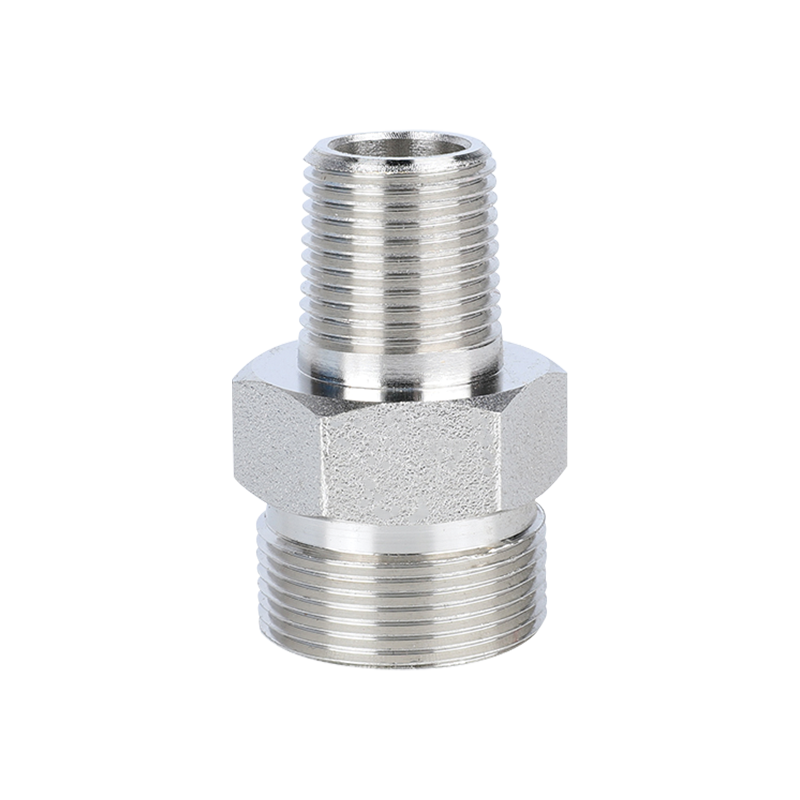
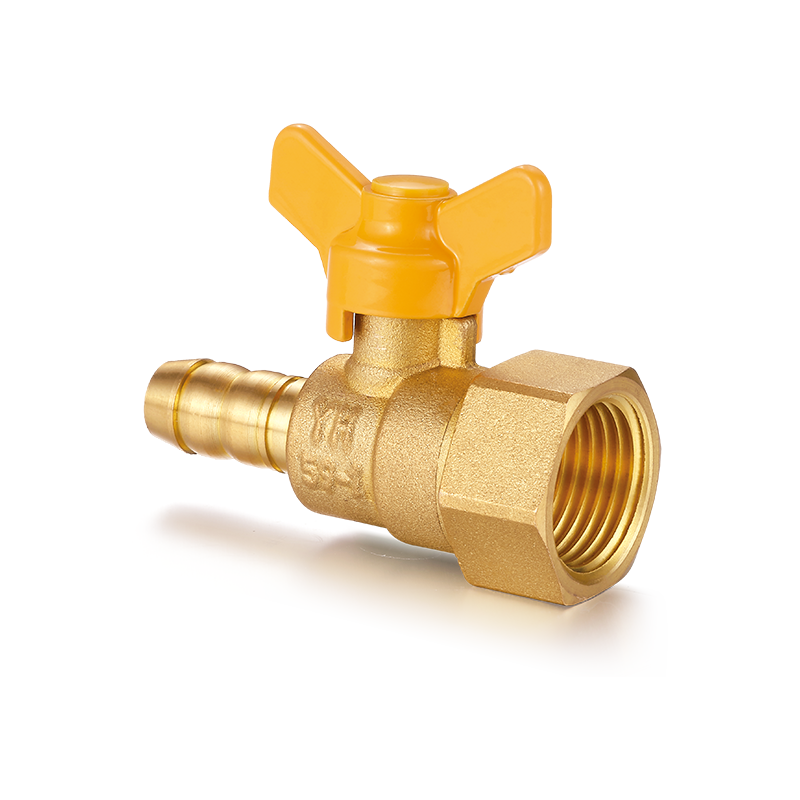
Hose Connector
Key Advantages of a Professionally Manufactured Hose Connector
Reliable Connection Performance
The most important advantage of a hose connector is its ability to maintain a reliable connection during operation. A connector must hold the hose in place while preserving a continuous flow path. The connection should remain stable when exposed to ordinary pressure fluctuations, equipment movement, vibration, and handling.
Professional manufacturing improves this reliability by controlling the dimensions and geometry of the connector. When the hose engagement area, threaded section, sealing face, or other connection features are produced consistently, installers can achieve a more predictable fit. This reduces the risk of loose assemblies, uneven tightening, and installation-related leakage.
Improved Sealing Capability
Leak prevention is a central requirement in water, gas, and fluid systems. Leakage can result in wasted resources, reduced system pressure, corrosion, equipment damage, contamination, and safety concerns. A properly produced connector supports sealing by providing accurate contact surfaces and consistent connection dimensions.
Sealing performance also depends on correct installation and the use of compatible sealing materials. A connector should not be judged in isolation from the hose, valve, gasket, sealant, or clamp used with it. Nevertheless, accurate manufacturing gives the installer a stronger foundation for achieving a stable seal. Poorly formed surfaces, inconsistent threads, burrs, or dimensional variation can make even careful installation difficult.
Efficient Installation
Hose connectors are often selected because they make system assembly faster and more convenient. A practical connector can reduce installation time by simplifying the transition between hose and valve or pipe. It may also make equipment replacement and routine maintenance easier, especially when the connection must be disconnected periodically.
Consistent dimensions are particularly valuable for professional installers and distributors. When products from different production batches have the same expected fit, users can work more efficiently and reduce the need for repeated adjustment. This supports lower labor costs and fewer installation delays.
Suitable for Diverse Applications
A hose connector can serve a broad range of applications when it is selected according to the required fluid, pressure, temperature, connection size, and material compatibility. In water supply systems, it can support connections between valves and flexible tubing. In irrigation systems, it can help route water to different areas. In workshops and industrial equipment, it may connect hoses used for air, water, or other approved media.
The same basic product category can also support hardware assemblies involving valves, regulators, pumps, and equipment outlets. This versatility makes hose connectors useful for original equipment manufacturers, maintenance companies, plumbing distributors, valve wholesalers, and project contractors.
Balanced Cost and Service Life
The lowest purchase price does not always represent the lowest total cost. An inexpensive connector that leaks, requires repeated replacement, or causes installation problems can create greater expenses over its service life. A professionally manufactured product can offer better value by reducing rework, minimizing premature failure, and supporting more predictable maintenance.
Stable manufacturing also helps buyers control inventory. When product quality and dimensions remain consistent, distributors can reduce the risk of customer complaints and replacement claims. Original equipment manufacturers can integrate the connector more confidently into their assemblies, while contractors can complete projects with fewer unexpected fitting problems.
Design Considerations for Hose Connectors
Connection Geometry
The geometry of a hose connector determines how the hose and connected component interact. The hose-side section must provide sufficient engagement without damaging the hose. The equipment-side section must match the corresponding valve, pipe, or fitting. Depending on the application, the design may include a threaded connection, a barb, a compression feature, a smooth insertion section, or a combination of these elements.
Connection geometry should be evaluated together with the hose’s inner diameter, outer diameter, wall thickness, flexibility, and reinforcement. A connector that is too large may overstretch the hose, while one that is too small may fail to create adequate retention. The appropriate connection should hold the hose securely without producing excessive stress concentrations.
Sealing Structure
Different applications use different sealing methods. Some connections rely on a gasket or sealing washer. Others use thread sealant, an O-ring, a compression seal, or direct contact between carefully machined surfaces. The appropriate solution depends on the connector design and the service conditions.
A good connector design makes the sealing method clear and practical. It should provide enough contact area and alignment to support installation. Sealing surfaces should be free from harmful burrs, deep scratches, and serious deformation. When a threaded connection is used, the thread profile must support proper engagement and tightening without unnecessary binding.
Mechanical Strength
Hose connectors can experience several types of mechanical stress. The hose may pull on the fitting, bend near the connection, or transmit vibration from connected equipment. Installers may also apply torque during assembly. A suitable connector must be strong enough for the intended application and should be installed in a way that prevents unnecessary side loading.
Material selection, wall thickness, structural geometry, and machining quality all contribute to strength. The connector should be matched to the working pressure and temperature of the system. Users should also consider whether the hose is supported independently or whether the connector is expected to carry the weight of a long hose or connected device.
Fluid Compatibility
Not every connector is suitable for every fluid. Water, air, fuel gas, oils, chemicals, and other media can have different compatibility requirements. The connector material, seal material, hose material, and any surface treatment must be evaluated as a complete combination.
For water supply applications, resistance to corrosion and long-term contact with water may be important. For gas-related applications, sealing performance and the suitability of all materials are especially important. For industrial fluids, chemical resistance and temperature behavior may determine whether a particular configuration is appropriate. Buyers should confirm technical suitability before using a hose connector in a critical or regulated application.
Material and Surface Quality
Material quality has a direct effect on service performance. Depending on the product design and application, hose connectors may be manufactured from metal alloys or engineered materials. Metal connectors are often selected when strength, dimensional stability, and resistance to mechanical stress are important. Brass and other suitable alloys may be used in fluid and valve hardware because they can offer a useful combination of machinability, strength, and corrosion resistance.
The final material choice should be determined by the intended service environment. It should account for fluid compatibility, operating temperature, pressure, exposure to moisture, installation torque, and expected service life. A responsible manufacturer evaluates these factors when developing and producing the product.
Surface quality is also significant. A smooth and properly finished surface can support cleaner assembly, reduce the risk of damage to seals, and improve the appearance of the finished fitting. Threads should be formed or machined accurately, with clean crests and roots. Edges should be controlled so that they do not create unnecessary cutting or abrasion risks for the hose or sealing elements.
Surface treatment, when used, should be uniform and appropriate for the base material. Uneven treatment, peeling, contamination, or poor adhesion can reduce product appearance and may affect corrosion resistance. Consistent processing is therefore an important part of professional connector manufacturing.
Advanced Manufacturing Capabilities
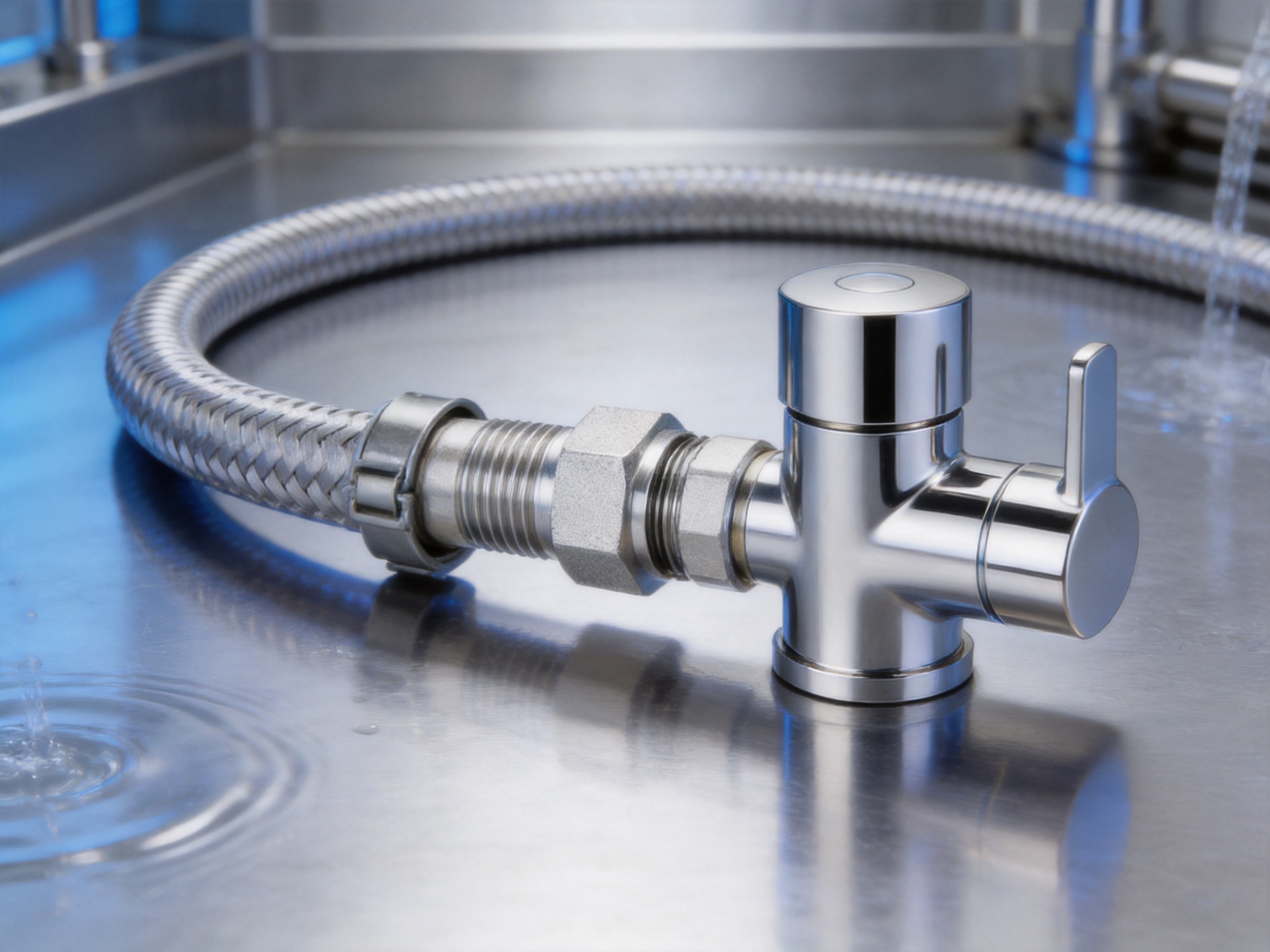
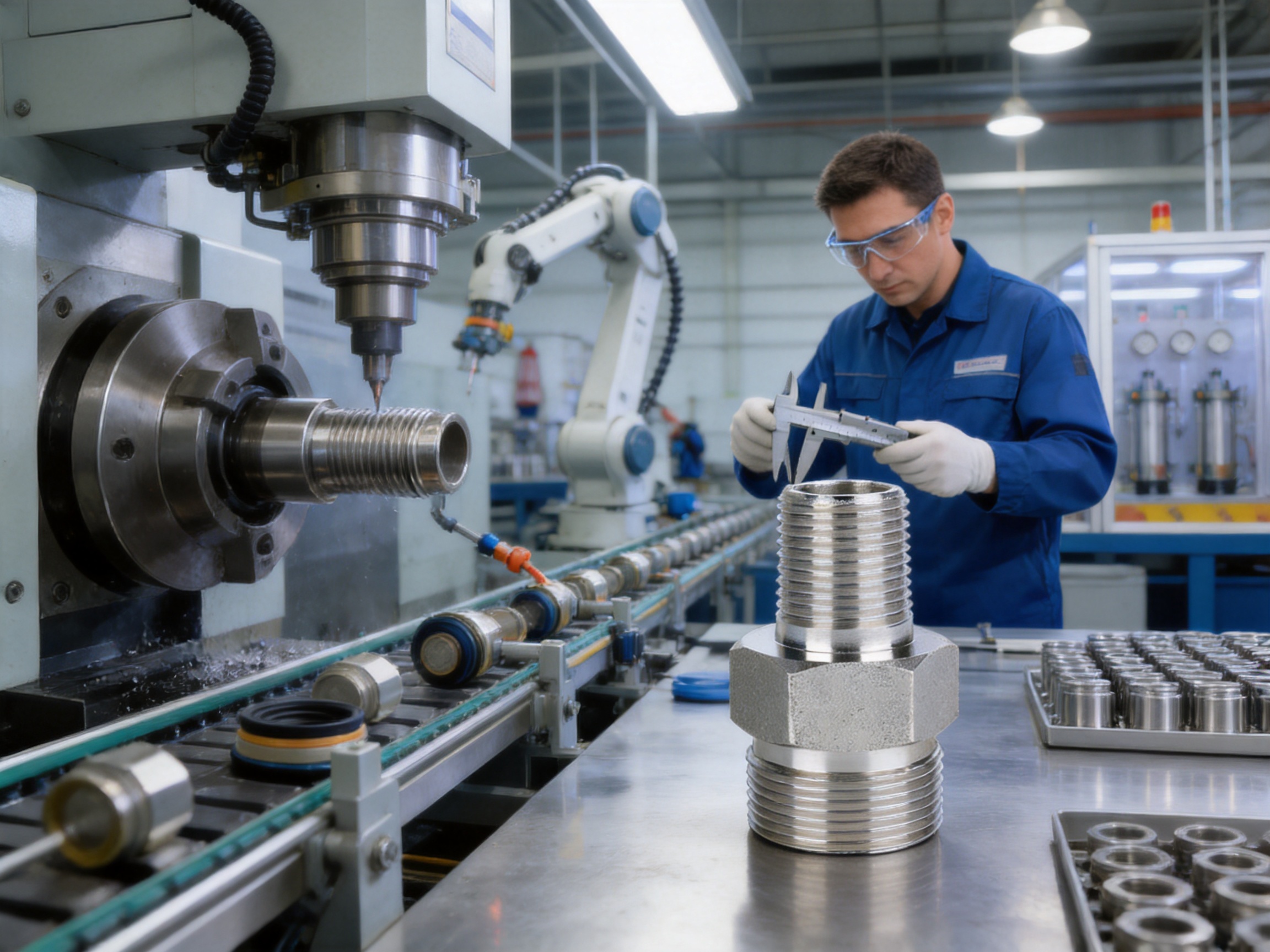
Ningbo Yunhua Valve Co., Ltd. has developed manufacturing capabilities covering research and development, production, sales, and service for gas and fluid valves, water supply valves, and hardware accessories. Its production system includes a precision machining workshop, assembly line, and testing workshop. The company has also invested in domestic and international CNC machine tools and professional automated assembly and testing equipment.
These facilities provide a strong foundation for producing hose connectors with controlled dimensions and repeatable quality. Precision machining is especially important for fittings because small dimensional variations can influence thread engagement, sealing contact, hose retention, and compatibility with related parts.
Precision CNC Machining
CNC machining allows production parameters to be controlled through programmed processes. When properly managed, it can produce repeated parts with stable geometry and consistent critical dimensions. For hose connectors, machining may control the outer profile, internal passage, threaded area, hose engagement section, sealing surfaces, and other features.
The advantages of CNC machining include repeatability, efficient production of complex profiles, reduced variation between operators, and the ability to maintain defined tolerances. It also supports flexible production when different sizes or configurations are required. A professional machining process can help manufacturers serve both standard product demand and customized customer requirements.
Machining quality depends on more than the machine itself. Tool selection, cutting conditions, fixture stability, material preparation, inspection methods, and operator supervision all affect the result. A controlled manufacturing environment combines these factors to produce parts that are accurate and consistent.
Automated Assembly
Automated assembly equipment can improve production efficiency and reduce variation in repetitive operations. It may support the controlled installation of seals, components, or subassemblies. Automation also helps establish a repeatable sequence, which can reduce the risk of missed steps and inconsistent manual handling.
For a hose connector supplied as part of a valve or hardware assembly, automated processes can help ensure that components are correctly positioned and properly secured. The exact assembly method depends on the product structure, but the objective remains the same: create a reliable finished product while maintaining stable output capacity.
Testing Workshop
A dedicated testing workshop provides an important quality assurance advantage. Testing allows the manufacturer to evaluate whether products meet defined requirements before shipment. Depending on the design and intended application, testing may include dimensional inspection, appearance checks, connection verification, pressure testing, sealing checks, and functional testing of related valve assemblies.
Testing is valuable because manufacturing quality cannot be judged solely by appearance. A connector may look acceptable while containing a dimensional problem that affects installation or sealing. A structured test process helps identify such issues and supports continuous improvement in production.
Integrated Production Management
The company’s experience in valve and hardware accessory manufacturing enables it to manage multiple stages of the product lifecycle. Research and development can identify product requirements. Machining can create accurate components. Assembly can prepare finished products. Testing can verify performance. Sales and service teams can then support customers with product information and application communication.
This integrated structure is beneficial for buyers who require more than a simple transaction. It can support communication about product dimensions, packaging, quality expectations, production schedules, and potential customization. It also creates a clearer feedback path when market needs or application conditions change.
Production Quality and Consistency
Quality consistency is one of the main differences between a professional manufacturer and an uncontrolled low-cost supplier. A reliable product must perform not only in one sample but across repeated production batches. Customers need confidence that future shipments will maintain the same basic dimensions, appearance, connection behavior, and functional performance.
Consistency begins with incoming material control. The manufacturer should use materials that meet defined requirements and should manage material identification throughout production. This helps reduce the risk of unintended material substitution or variation that could affect strength and corrosion behavior.
Process control is equally important. Machining parameters, tool conditions, equipment settings, and inspection procedures should be managed to keep critical characteristics within acceptable limits. If a process begins to drift, timely correction can prevent a large number of nonconforming products.
Final inspection provides another layer of protection. Inspectors may check dimensions, threads, surface condition, cleanliness, packaging, and other requirements. Products intended for connection with valves or other fittings should be reviewed for compatibility with the corresponding components.
Quality management should also include corrective action. When a problem is identified, the manufacturer should investigate its cause rather than simply removing the affected pieces. Corrective action can involve equipment adjustment, tool replacement, process revision, worker training, or improved inspection. This approach supports long-term reliability and reduces repeated defects.
Advantages Compared with Low-Quality Alternatives
More Predictable Fit
Low-quality connectors may have inconsistent dimensions, uneven threads, or poorly controlled hose engagement areas. These problems can make installation difficult and may require excessive force or additional sealing material. A precision-produced connector provides a more predictable fit, helping installers complete work efficiently.
Lower Leakage Risk
Inadequate surface finish and dimensional variation can increase the risk of leaks. Professional manufacturing improves the likelihood that the connector will work correctly with compatible seals and mating components. While installation remains important, a well-produced part reduces one of the major sources of connection failure.
Better Batch-to-Batch Stability
Distributors and equipment manufacturers need stable products. If one shipment fits correctly while another requires modification, inventory management becomes difficult and customer confidence declines. Controlled machining, assembly, and inspection help maintain product stability across orders.
Greater Support for Custom Requirements
Some customers require specific sizes, connection forms, packaging arrangements, markings, or assembly configurations. A manufacturer with engineering and production capabilities is better positioned to evaluate such requests. Customization should be based on a clear understanding of the application, available materials, production feasibility, and quality requirements.
Improved Long-Term Value
A connector that lasts longer and performs more consistently can reduce replacement frequency and service interruptions. It can also lower the indirect costs associated with leakage, reinstallation, emergency maintenance, and customer returns. For many buyers, this total-value perspective is more meaningful than comparing purchase prices alone.
Applications in Fluid Control Systems
Water Supply
Hose connectors are widely used in water supply equipment and plumbing assemblies. They can connect flexible hoses to valves, outlets, tanks, pumps, and other water-handling components. In these systems, resistance to moisture, stable sealing, and convenient maintenance are often important requirements.
Whether used in residential, commercial, or industrial settings, the connector should match the water pressure and temperature conditions. The hose and sealing elements should also be selected for water service. Correct sizing is essential to avoid flow restriction or poor retention.
Irrigation and Agricultural Equipment
Irrigation systems frequently use flexible hoses because they must cover changing distances and working areas. Hose connectors allow hoses to be connected to valves, branch lines, sprinklers, pumps, and other equipment. A dependable connector can help reduce water loss and simplify seasonal installation or maintenance.
Agricultural environments may expose fittings to outdoor moisture, dust, fertilizers, temperature changes, and mechanical handling. Product selection should therefore consider environmental exposure and the need for regular cleaning or replacement.
Gas-Related Hardware
Gas systems require particularly careful product selection and installation. A connector used in a gas-related application must be approved or suitable for the intended gas, pressure, temperature, and regulatory environment. Seals, hoses, valves, and connectors must be compatible as a complete system.
The existence of a connector designed for general fluid use does not automatically make it suitable for gas service. Buyers should confirm the product’s intended application and follow all relevant installation requirements. Professional manufacturing is valuable in this area because dimensional accuracy, sealing performance, and material control are essential.
Industrial Equipment
Industrial machines often use hoses for water circulation, compressed air, cleaning, cooling, lubrication, or other approved media. A hose connector can simplify the interface between the machine and the flexible line. It may also support easier equipment servicing by allowing the hose to be removed without dismantling a larger section of the system.
Industrial users should evaluate pressure, temperature, vibration, chemical compatibility, and expected cycle frequency. Where equipment moves repeatedly, hose routing and strain relief are as important as connector quality. The connector should not be used as a substitute for proper hose support.
Maintenance and Replacement Work
Hose connectors are useful in repair and maintenance because they can restore a damaged connection or adapt an existing hose to a replacement valve or component. A readily available, dimensionally consistent connector can help maintenance teams reduce downtime and standardize repair procedures.
For maintenance inventories, buyers often value products that are clearly identified, consistently packaged, and available in repeatable specifications. Manufacturers with stable production capacity can support these requirements more effectively.
Installation Guidance
Correct installation is essential for obtaining the best performance from any hose connector. Before assembly, users should confirm that the connector, hose, valve, seal, and other components are compatible. The connection size should be checked carefully, and the hose should be inspected for cuts, cracks, hardening, deformation, or other damage.
The hose should be cut cleanly when cutting is necessary. A crooked or rough cut can prevent full engagement and may create an uneven sealing condition. The connector and hose should be clean before assembly. Dirt, metal particles, and other contaminants can damage sealing surfaces or prevent proper seating.
The hose should be pushed or secured onto the connector according to the connector design. If a clamp is required, it should be positioned correctly and tightened evenly. Excessive tightening can damage the hose or distort the connection. Insufficient tightening can allow the hose to move or leak.
Threaded connections should be aligned carefully before tightening. Cross-threading can damage both the connector and the mating part. Thread sealant should be used only when appropriate for the thread design and service medium. If a gasket or O-ring is specified, it should be clean, undamaged, and correctly positioned.
After installation, the system should be inspected gradually. Where practical, pressure should be introduced in a controlled manner. The connection should be checked for leakage, movement, unusual deformation, or other signs of improper assembly. Connections used in gas or high-risk applications require especially careful testing according to applicable procedures.
The hose should be routed so that it is not sharply bent at the connector. Excessive bending can place side loads on the fitting and shorten hose life. Long or heavy hoses may require independent support. The connector should be used to create the connection, not to carry loads for which it was not designed.
Selection Checklist for Buyers
Before purchasing a hose connector, buyers should define the complete application. The following questions can help identify the correct product:
• What fluid will pass through the connection?
• What are the normal and maximum working pressures?
• What temperatures will the connector experience?
• What are the hose inner and outer dimensions?
• What type of connection is required on the valve or equipment side?
• Is a threaded, clamped, compression, or other connection method needed?
• What material is appropriate for the fluid and environment?
• Is corrosion resistance important?
• Will the connection experience vibration, movement, or repeated disconnection?
• Are there industry, project, or regulatory requirements?
• Does the application require standard products or customized dimensions?
• What documentation, inspection, packaging, or labeling is required?
Providing this information to the manufacturer allows the product to be evaluated more accurately. It also reduces the possibility of selecting a connector that appears suitable but does not meet the actual operating conditions.
| Evaluation Item | Why It Matters | Recommended Buyer Action |
|---|---|---|
| Fluid type | Materials and seals must be compatible with the medium. | Identify the fluid clearly and confirm suitability before ordering. |
| Pressure | Pressure affects mechanical strength and sealing performance. | Provide normal and maximum operating pressure data. |
| Temperature | Heat or cold can affect materials, seals, and hose flexibility. | State the operating temperature range. |
| Hose dimensions | Correct sizing supports retention and flow performance. | Measure the hose accurately and confirm the required size. |
| Connection type | Different valves and devices require different interfaces. | Specify thread, barb, compression, or other connection requirements. |
| Environment | Moisture, chemicals, dust, and outdoor exposure may affect service life. | Describe the installation environment. |
| Maintenance needs | Frequently serviced systems benefit from convenient disconnection. | Choose a configuration that supports the maintenance procedure. |
| Quantity and schedule | Production planning affects delivery and inventory management. | Share estimated order volume and delivery expectations. |
Manufacturing Scale and Supply Capability
Ningbo Yunhua Valve Co., Ltd. operates on a site covering approximately 20,000 square meters. Its production system is supported by precision machining, assembly, and testing facilities. The company reports an annual production capacity of approximately 2 million valve sets and 10 million hardware accessory sets.
This production scale is relevant to hose connector buyers because supply reliability matters in both distribution and project applications. A customer may need a small initial order followed by regular replenishment, or may require larger quantities for equipment production. A manufacturer with established capacity can plan materials, allocate production resources, and support repeat orders more effectively.
Capacity alone does not guarantee quality. It must be combined with process management, equipment maintenance, inspection, and responsible production planning. The value of an established manufacturing base is that it can provide the infrastructure needed to balance volume, consistency, customization, and delivery requirements.
For distributors, a stable supply of hose connectors helps maintain product availability and reduce the risk of stockouts. For original equipment manufacturers, consistent supply supports assembly scheduling. For contractors, dependable delivery helps keep installation projects on schedule. These commercial benefits complement the product’s technical advantages.
Research, Development, and Customer Service
Product development is important because fluid systems continue to change. Customers may request improved installation convenience, different connection forms, new sizes, revised packaging, or compatibility with specific equipment. A manufacturer involved in research and development can study these requirements and determine whether a new design or production adjustment is practical.
Development work should consider more than appearance. It should examine flow path, wall thickness, sealing structure, machining feasibility, material compatibility, assembly sequence, inspection requirements, and expected service conditions. This engineering approach helps transform customer requirements into products that can be manufactured consistently.
Customer service is also part of product value. Buyers may need assistance with dimensions, application conditions, packaging, order quantities, or customized requirements. Clear communication before production can prevent misunderstandings and reduce the likelihood of unsuitable orders.
After delivery, technical communication remains useful. Feedback from distributors, installers, and end users can reveal opportunities to improve product design, instructions, packaging, or inspection. A manufacturer that treats service as a continuous process can build stronger long-term cooperation with customers.
Why Choose a Specialized Valve and Hardware Manufacturer?
A specialized valve and hardware manufacturer understands how connectors function within complete fluid control systems. This knowledge is valuable because the connector may need to work alongside ball valves, globe valves, water supply valves, gas-related valves, pipes, hoses, and other accessories.
When the same manufacturer has experience across these product categories, it may be easier to coordinate dimensions, materials, connection standards, and application requirements. Customers can also communicate with a supplier that understands the relationship between individual fittings and the larger system.
Ningbo Yunhua Valve Co., Ltd. focuses on gas and fluid valves, water supply valves, and hardware accessories. Its product background includes the research, development, production, sales, and service of components used in fluid control. This specialization supports a practical understanding of the performance expectations placed on hose connectors.
The company’s stated vision is to become a leading enterprise in the global fluid control industry, while its mission is to help build a safe fluid ecosystem through high-quality valves. These objectives reflect the importance of safety, consistency, and system-level performance. A hose connector is a small component, but it contributes to that broader objective by helping fluid systems remain properly connected and controlled.
Packaging, Storage, and Handling
Even a high-quality connector can be damaged by poor handling. Products should be packaged in a way that protects threads, sealing surfaces, and finished areas from impact, contamination, and moisture. Packaging should also support accurate product identification so that different sizes or configurations are not mixed.
During storage, connectors should be kept in a clean and dry environment. Products should be protected from unnecessary chemical exposure, excessive humidity, and mechanical impact. If seals or other sensitive components are included, storage conditions should be appropriate for those materials.
Handling should avoid dropping fittings onto hard surfaces. Threads and sealing faces can be damaged even when the damage is not immediately visible. Before installation, products should be inspected for deformation, contamination, corrosion, or other signs of improper storage or transportation.
Good packaging and handling practices help preserve the product’s condition from the factory to the installation site. They also support distributors by reducing sorting difficulties, returns, and customer complaints.
Maintenance and Service Life
The service life of a hose connector depends on material, application, installation, pressure, temperature, environmental exposure, hose movement, and maintenance. Regular inspection can help identify problems before they become serious. Users should look for leakage, corrosion, cracking, deformation, loosening, damaged threads, and signs of hose deterioration near the connection.
If a hose is repeatedly moved, the area around the connector should receive particular attention. Repeated bending and vibration can gradually weaken the hose or connection. Independent hose support, correct routing, and suitable strain relief can help reduce these stresses.
Connectors should be replaced when they show damage or when the connected hose and sealing elements are no longer reliable. Reusing a damaged seal or forcing a distorted connector back into service can increase the likelihood of leakage. Maintenance teams should follow the equipment manufacturer’s procedures and use compatible replacement components.
For critical applications, maintenance schedules should be based on actual operating conditions rather than on appearance alone. A connector may require more frequent inspection in outdoor, chemical, high-vibration, or high-temperature environments.
Frequently Asked Questions
What is a hose connector used for?
A hose connector joins a flexible hose to a valve, pipe, equipment outlet, pump, or another hose. It creates a practical transition between components and helps maintain a stable flow path when correctly selected and installed.
Can one hose connector be used for every application?
No. The connector must match the hose size, connection type, fluid, pressure, temperature, material requirements, and installation conditions. A connector suitable for water may not automatically be suitable for gas, chemicals, or high-temperature service.
Why is dimensional accuracy important?
Dimensional accuracy affects fit, thread engagement, sealing contact, hose retention, and compatibility with mating components. Consistent dimensions make installation more predictable and reduce the risk of leaks or rework.
What materials can be used for hose connectors?
Material selection depends on the intended application. Metal alloys and engineered materials may be used, but the correct choice must consider fluid compatibility, pressure, temperature, corrosion exposure, mechanical loads, and applicable requirements.
How does CNC machining benefit hose connector production?
CNC machining supports repeatable production of connection features, threads, sealing surfaces, and internal passages. It can improve dimensional consistency and help manufacturers maintain stable quality across larger production quantities.
Does a high-quality connector prevent all leakage?
No connector can compensate for an incompatible hose, damaged seal, incorrect size, cross-threading, poor tightening, contamination, or improper installation. A high-quality connector reduces product-related risks, but the complete assembly must still be selected and installed correctly.
Can hose connectors be customized?
Customization may be possible depending on the requested size, material, connection form, production quantity, tooling requirements, and technical feasibility. Buyers should provide detailed application information so the manufacturer can evaluate the request accurately.
What should be checked before ordering?
Buyers should confirm fluid type, pressure, temperature, hose dimensions, connection type, material requirements, environmental conditions, order quantity, packaging needs, and any relevant standards or project specifications.
Why purchase from a valve manufacturer?
A valve manufacturer understands how hose connectors interact with valves and other fluid control components. This product knowledge can support better compatibility, clearer technical communication, and more complete solutions for fluid system projects.
How should hose connectors be stored?
They should be kept clean, dry, and protected from impact, contamination, excessive humidity, and damaging chemicals. Threads and sealing surfaces should be protected during storage and inspected before installation.
Conclusion
The Hose Connector is an important hardware accessory for creating dependable connections between flexible hoses and fluid control equipment. Its performance depends on accurate dimensions, suitable materials, effective sealing features, mechanical strength, and correct installation. When produced with professional machining, assembly, and testing processes, the connector can provide greater consistency and long-term value than uncontrolled alternatives.
Ningbo Yunhua Valve Co., Ltd. combines valve and hardware accessory expertise with a precision machining workshop, automated assembly capabilities, testing facilities, and substantial production capacity. These strengths support the manufacture of hose connectors for water supply, fluid control, irrigation, industrial equipment, maintenance, and other compatible applications.
For buyers, the best selection process begins with the application. Fluid, pressure, temperature, hose size, connection type, environment, and maintenance requirements should all be considered. When these factors are communicated clearly, a professional manufacturer can provide a more suitable and reliable solution.
As a connection component, the hose connector may be compact, but its contribution to system safety and efficiency is significant. A well-designed and carefully manufactured product helps reduce leakage risk, simplify installation, support stable operation, and create a stronger foundation for modern fluid control systems.
References
1. General principles of fluid power and piping component selection.
2. Industrial guidance on threaded fittings, hose connections, and sealing practices.
3. Quality management principles for precision machining and assembly production.
4. General engineering practices for valve, pipe, hose, and hardware accessory compatibility.
5. Manufacturer-provided information concerning valve production, hardware accessories, machining facilities, assembly operations, testing capabilities, and production capacity.
Product: Hose Connector

Related Products
Related News
Contact Us
-

-
 +86-0574-63742169
-
 No.104-128, Cizhang East Road, Zhangqi Town, Cixi City, Ningbo, Zhejiang Province, China


Message Us Now !
