


 English
  русский
  عربى
عربى  Español
Irregular-Shaped Pipe Fittings: Precision Manufacturing, Reliable Flow Control, and Custom Connection Solutions
Content
- 1 Understanding Irregular-Shaped Pipe Fittings
- 2 Why Non-Standard Fittings Are Important
- 3 Core Product Advantages
- 4 Engineering Considerations Before Production
- 5 Precision Manufacturing Process
- 6 Manufacturing Strengths Supporting Product Quality
- 7 Comparison with Conventional Multi-Fitting Assemblies
- 8 Applications Across Fluid and Hardware Systems
- 9 Customization and Product Development
- 10 Quality Control from Raw Material to Finished Product
- 11 Advantages over Low-Controlled Alternatives
- 12 Installation and Maintenance Recommendations
- 13 How to Select the Right Supplier
- 14 Why Choose Ningbo Yunhua Valve Co., Ltd. for Custom Fittings
- 15 Frequently Asked Questions
- 15.1 What are irregular-shaped pipe fittings used for?
- 15.2 Can an irregular-shaped fitting replace several standard fittings?
- 15.3 Which materials are available?
- 15.4 Are brass fittings suitable for gas applications?
- 15.5 What information is needed for a custom quotation?
- 15.6 How does CNC machining benefit irregular fittings?
- 15.7 Why are fewer joints beneficial?
- 15.8 How are irregular-shaped fittings tested?
- 15.9 Can the fittings be produced for repeat orders?
- 15.10 What makes a professional fitting manufacturer different?
- 16 Conclusion
- 17 References
- 18 Product: Irregular-Shaped Pipe Fittings
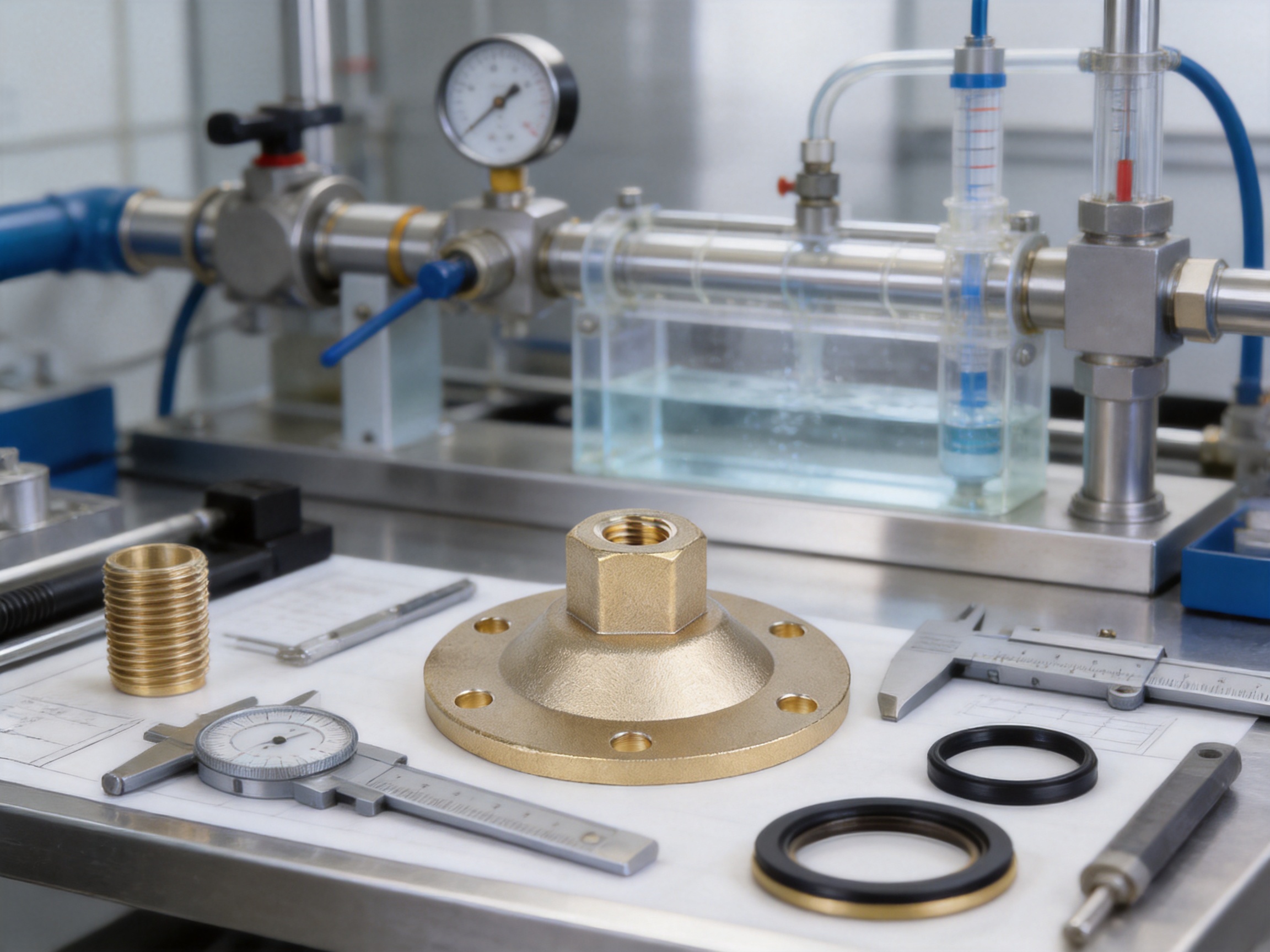
Irregular-shaped pipe fittings are essential components in piping systems where standard elbows, tees, reducers, and couplings cannot satisfy the requirements of the installation. Unlike conventional fittings with predictable geometric profiles, irregular-shaped fittings are designed for unusual connection angles, offset pipe routes, compact equipment layouts, restricted installation spaces, special flow directions, or transitions between components with different dimensions and functions. Their value is not simply based on appearance. A properly engineered irregular-shaped pipe fitting can improve installation efficiency, reduce the need for multiple adapters, minimize leakage points, and create a more reliable fluid pathway.
These fittings are widely used in water supply systems, gas distribution, industrial fluid handling, agricultural irrigation, heating systems, equipment connections, plumbing assemblies, and hardware applications. They may be manufactured from brass, forged steel, stainless steel, ductile materials, or other alloys selected according to pressure, temperature, corrosion, and media requirements. Because the geometry is often application-specific, quality depends heavily on engineering accuracy, material control, machining capability, inspection procedures, and the manufacturer’s ability to provide consistent production.
Ningbo Yunhua Valve Co., Ltd. is an experienced manufacturer of gas and fluid valves, water supply valves, and hardware accessories. Its product capabilities include irregular-shaped pipe fittings and related connection components, supported by precision machining, automated assembly, and professional testing. With an established production system and a focus on dependable fluid control, the company provides practical solutions for customers requiring reliable fittings in non-standard configurations.
Understanding Irregular-Shaped Pipe Fittings
An irregular-shaped pipe fitting is a connection component whose external or internal geometry differs from the standard shape of common piping accessories. The fitting may include a combination of angles, steps, offsets, branches, ports, threaded sections, or specially positioned openings. In many cases, the fitting is created to solve a specific installation problem rather than to serve as a universal component.
For example, a conventional elbow changes the direction of a pipe through a familiar angle, while an irregular fitting may combine a directional change with a size reduction, a threaded outlet, and an offset centerline. A standard tee may provide one branch at a right angle, whereas a customized fitting may position the branch at an unusual angle to match a valve body, pump, meter, appliance, or existing pipeline. This integrated approach can replace several standard components and simplify the overall assembly.
Irregular-shaped fittings can be manufactured as one-piece components or as specially machined assemblies. The design may include male threads, female threads, compression surfaces, soldering areas, flanged ends, grooved ends, barbed connections, or smooth insertion sections. The appropriate structure depends on the application, the connected pipes, the required sealing method, and the expected operating conditions.
Although these products may be visually complex, their purpose is straightforward: to connect, redirect, divide, adapt, or terminate a fluid pathway in a manner that is safe, compact, and durable. A successful fitting must provide dimensional compatibility, adequate mechanical strength, stable sealing performance, and an internal passage that supports efficient flow.
Why Non-Standard Fittings Are Important
Modern fluid systems are frequently installed in spaces that were not designed around a simple grid. Buildings contain columns, walls, beams, equipment foundations, cable trays, ventilation ducts, and other services. Industrial machinery may have connection ports positioned at different levels or directions. Water and gas systems may need to pass around structural obstacles while maintaining access for inspection and maintenance.
Using only standard fittings in these situations can lead to long and complicated assemblies. Each additional elbow, nipple, adapter, or coupling introduces another connection point. More connections generally mean more opportunities for installation errors, seal deterioration, misalignment, vibration, or leakage. An irregular-shaped fitting can consolidate several functions into one component and create a cleaner, more stable installation.
Special fittings are also useful when a system must transition between different pipe sizes, materials, or connection standards. A single fitting may incorporate different end configurations or a carefully designed internal transition. This can reduce the number of adapters required and help preserve a more consistent flow path.
In equipment manufacturing, irregular fittings are often used to connect valves, regulators, filters, meters, pumps, cylinders, burners, and other components. Equipment designers may require ports to be arranged in a particular orientation so that the final product remains compact and easy to operate. A fitting designed for the equipment can support the intended layout without forcing the manufacturer to redesign the entire system.
Core Product Advantages
Application-Specific Geometry
The primary advantage of an irregular-shaped pipe fitting is its ability to respond to a real installation requirement. Instead of asking the piping system to adapt to a standard shape, the fitting is designed to match the system. This approach is especially valuable when space is limited, connection points are offset, or multiple functions must be combined.
Application-specific geometry can improve the alignment between connected components. Better alignment reduces stress on pipes, valves, and equipment. It can also make assembly easier because installers do not need to force components into position or rely on excessive sealant to compensate for dimensional differences.
Reduced Number of Joints
A custom irregular fitting may replace several standard parts. For example, a specially designed offset adapter can eliminate the need for multiple elbows and short pipe sections. Fewer joints mean fewer sealing surfaces and fewer points that require inspection. This can improve reliability and reduce maintenance requirements over the service life of the system.
Reducing the number of components may also shorten installation time. Instead of planning the orientation of several separate fittings, the installer can position one integrated component. The result is a more compact assembly with fewer opportunities for incorrect orientation or incomplete tightening.
Improved Space Utilization
Compact design is increasingly important in residential, commercial, and industrial systems. Equipment rooms are often crowded, and service access must be preserved around valves and control devices. Irregular-shaped fittings can route pipes through available spaces while maintaining clearance for handles, tools, inspection instruments, and replacement parts.
For manufacturers of packaged equipment, a compact fitting can help reduce the overall size of the product. Smaller assemblies may lower packaging, transportation, and storage costs. They may also provide a cleaner appearance and make the equipment easier to install in confined locations.
Reliable Sealing Performance
Sealing reliability depends on more than the type of seal or thread. It also depends on dimensional accuracy, surface finish, concentricity, thread quality, and the stability of the fitting under pressure and temperature changes. A precision-manufactured irregular fitting can provide consistent contact between the fitting and the connected component.
When sealing areas are correctly machined, the installer can achieve proper engagement without excessive force. Accurate threads help reduce cross-threading and improve repeatability during assembly. Where an O-ring, gasket, compression ring, or other sealing element is used, a controlled groove or contact surface supports more consistent sealing behavior.
Efficient Internal Flow
The external shape of a fitting may be unusual, but the internal passage should be carefully engineered. Sudden restrictions, sharp internal steps, and poorly aligned openings can increase turbulence and pressure loss. A well-designed fitting maintains an appropriate flow area and uses transitions that support the requirements of the fluid system.
For water, air, gas, oil, and other fluids, flow behavior depends on pipe diameter, velocity, pressure, viscosity, temperature, and the geometry of the passage. While every application requires its own engineering evaluation, precision machining allows the manufacturer to produce internal features more consistently than uncontrolled or poorly finished processes.
Material Versatility
Different applications require different material characteristics. Brass is commonly selected for water, gas, plumbing, and general hardware applications because it offers good machinability, corrosion resistance, and a practical balance between strength and cost. Forged steel is suitable for applications requiring higher mechanical strength and resistance to demanding pressure conditions. Stainless steel may be selected for aggressive environments or applications where additional corrosion resistance is needed.
Material selection should consider the conveyed medium, working pressure, temperature range, installation environment, joining method, and applicable regulations. A professional supplier can help customers identify a suitable material and manufacturing route rather than treating every fitting as interchangeable.
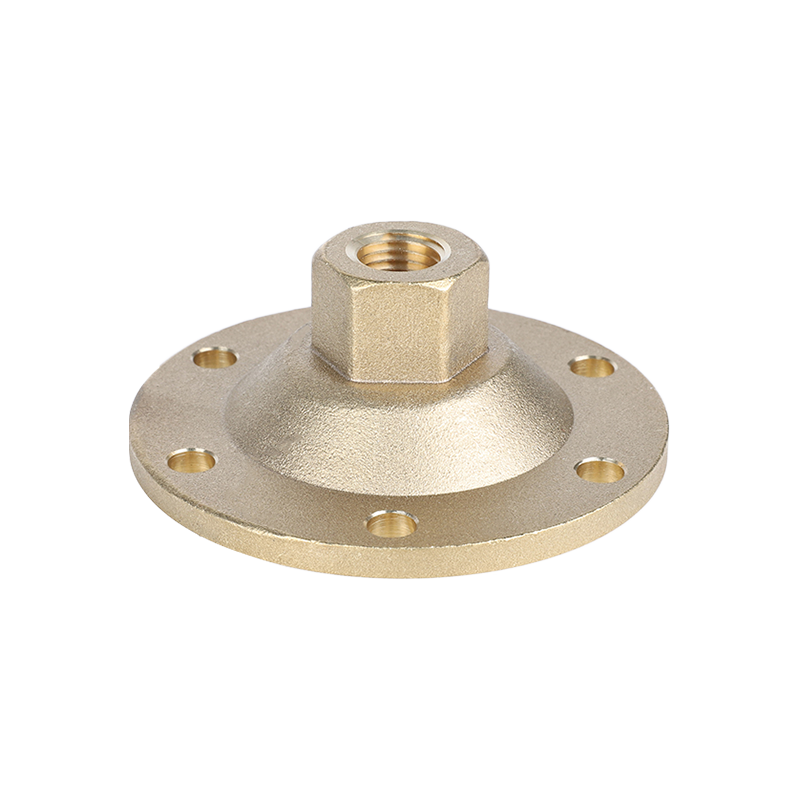
Irregular-Shaped Pipe Fittings
Engineering Considerations Before Production
Dimensional Definition
Irregular-shaped fittings require clear dimensional information. Important details may include overall length, port-to-port dimensions, centerline offsets, connection angles, wall thickness, thread specifications, sealing surface dimensions, and allowable tolerances. Even a small dimensional error can affect alignment when the fitting is connected to rigid equipment or a preassembled pipe network.
Drawings, three-dimensional models, samples, or detailed technical descriptions may be used to define the product. The more complete the design information, the easier it is to confirm feasibility and establish a repeatable production process. When the customer does not have a finished drawing, an experienced manufacturer can help transform the application requirement into a practical component design.
Connection Standards
Connection compatibility is a critical part of fitting design. Threads may be specified according to different national or international standards, and thread forms that appear similar may not be interchangeable. The fitting may also need to connect with a compression tube, a flange, a hose, a welded pipe, or a special equipment port.
Before production, the manufacturer should confirm the thread type, nominal size, pitch, direction, sealing method, and dimensional standard. For gas and fluid applications, the correct relationship between the thread and the sealing surface is particularly important. Clear documentation helps prevent incorrect installation and reduces the risk of ordering components that cannot be assembled.
Pressure and Temperature
The intended working pressure and temperature determine many aspects of design. Wall thickness, material grade, connection structure, sealing method, and machining tolerances may all be affected. A fitting used for low-pressure water service may have different requirements from one used in a high-pressure industrial fluid system.
Customers should provide the normal operating pressure, maximum pressure, working temperature, possible pressure fluctuations, and any special conditions such as thermal cycling or vibration. The fitting should be evaluated according to the complete system rather than considered as an isolated component.
Fluid Compatibility
The conveyed medium may be clean water, treated water, natural gas, air, oil, chemicals, refrigerant, or another fluid. Material compatibility should be reviewed carefully. Factors such as corrosion, dezincification, swelling of seals, contamination risk, and chemical reaction may affect service life.
For gas-related systems, attention should also be given to sealing integrity, ignition safety, applicable regulations, and installation procedures. For drinking-water systems, the material and surface condition may need to meet relevant requirements for contact with potable water. A fitting intended for one medium should not automatically be transferred to another without technical evaluation.
Precision Manufacturing Process
The performance of an irregular-shaped pipe fitting begins with a controlled manufacturing process. Because the geometry may include multiple surfaces and connection features, the manufacturing sequence must be planned carefully. The objective is to convert raw material into a dimensionally accurate, clean, strong, and traceable product.
Material Preparation and Verification
Production starts with the selection and preparation of suitable raw material. Depending on the product, this may include brass bars, forged blanks, steel components, stainless-steel stock, or other approved materials. Material verification helps confirm that the input corresponds to the specified grade and production requirement.
Correct material preparation supports stable machining and consistent mechanical performance. It can also reduce variation between production batches. A professional manufacturing system records key material information so that production personnel can maintain better control over the process.
Forging or Forming
For selected products, forging or forming creates a strong near-net shape before precision machining. Forging can distribute the material structure more effectively than simply removing a large amount of material from a solid block. It may be especially beneficial for fittings that require strength, compact geometry, or resistance to mechanical loading.
Forming must be controlled to avoid defects such as cracks, incomplete filling, excessive deformation, or inconsistent dimensions. The formed blank is then inspected and prepared for subsequent machining. The correct balance between forming and machining can improve productivity while preserving the required dimensional accuracy.
CNC Precision Machining
Computer numerical control machining is central to the production of complex fittings. CNC equipment can produce external profiles, internal passages, threaded sections, grooves, shoulders, and connection faces with repeatable accuracy. A programmed process also allows important dimensions to be reproduced across multiple production batches.
Modern CNC machining helps control the relationship between different features. For an irregular fitting, the angle of one port may need to correspond precisely with the position of another port. The machine setup, fixture, tool selection, cutting parameters, and inspection points must be coordinated to maintain this relationship.
Precision machining also improves surface quality. Smooth and accurately formed sealing areas help support reliable connections. Controlled internal passages can reduce unnecessary flow resistance and make the fitting more suitable for demanding fluid applications.
Thread Processing
Threads are among the most important features of many pipe fittings. Thread processing may include turning, tapping, threading, or other specialized operations. The process must maintain the specified profile, pitch, depth, and orientation.
Thread inspection helps identify problems such as damaged crests, incomplete thread depth, burrs, excessive looseness, or tight engagement. Correct thread geometry supports effective assembly and helps protect the sealing system from damage. For products that use thread sealants or sealing tape, consistent thread quality is particularly important.
Deburring and Surface Treatment
After machining, sharp edges and burrs must be removed. Deburring improves handling safety, protects seals, and helps prevent loose particles from entering the fluid system. Internal cleaning is also important, especially when the fitting is used for gas, water, or precision equipment.
Depending on the material and application, the fitting may receive polishing, cleaning, plating, passivation, protective coating, or another surface treatment. Surface treatment can improve appearance, corrosion resistance, or compatibility with the installation environment. The chosen process should not compromise thread dimensions or sealing surfaces.
Assembly and Testing
Some irregular-shaped fittings are supplied as individual machined parts, while others are assembled with inserts, seals, nuts, valves, or other hardware. Assembly procedures should control component orientation, tightening force, and seal placement. Automated or semi-automated assembly can improve consistency in higher-volume production.
Testing may include dimensional inspection, pressure testing, leakage testing, thread gauging, visual inspection, and functional testing. The exact program depends on the product structure and application. Testing provides evidence that the fitting can perform according to the agreed requirements before shipment.
Manufacturing Strengths Supporting Product Quality
Ningbo Yunhua Valve Co., Ltd. has developed a production system covering research and development, manufacturing, sales, and service. The company operates a facility of approximately 20,000 square meters, including a precision machining workshop, assembly line, and testing workshop. This integrated arrangement allows product development and production activities to be coordinated within one manufacturing organization.
The company is equipped with domestic and international CNC machine tools, automated assembly equipment, and professional testing equipment. These resources are valuable for irregular-shaped fittings because non-standard components require more than basic forming capability. They require accurate machining, stable fixtures, repeatable process control, and reliable inspection.
Its production experience includes gas and fluid valves, water supply valves, and hardware accessories. This product background gives the company a practical understanding of connection systems. Irregular fittings are often installed together with valves and other control components, so familiarity with the complete fluid pathway helps support better product coordination.
The company reports an annual production capacity of approximately 2 million valve sets and 10 million hardware accessory sets. This capacity indicates that the organization is structured to support both regular production and the needs of customers requiring repeat orders. For buyers, production capacity can be important when a fitting is incorporated into a larger equipment program or distribution plan.
Capacity alone does not guarantee quality, but a well-organized facility can provide the equipment, personnel, process planning, and inspection resources needed for dependable manufacturing. When combined with product development and technical service, these strengths help reduce the risks associated with specialized fittings.
Comparison with Conventional Multi-Fitting Assemblies
| Evaluation Factor | Irregular-Shaped Pipe Fitting | Multiple Standard Fittings |
|---|---|---|
| Installation layout | Designed for a specific route or equipment connection | Requires several parts to achieve the required route |
| Number of joints | Can combine several functions into one component | Usually includes more threaded or sealed joints |
| Space requirement | Often more compact and easier to position | May require additional clearance for elbows and adapters |
| Alignment | Produced with defined port relationships and offsets | Depends heavily on field assembly and adjustment |
| Leakage exposure | Fewer connection points may reduce potential leakage locations | More joints create more areas requiring sealing and inspection |
| Engineering effort | Requires design confirmation before production | Can be assembled from catalog components |
| Best application | Special layouts, equipment connections, and repeated custom systems | Simple routes with common dimensions and readily available space |
Standard fittings remain useful for many ordinary piping installations. They are widely available and convenient when the layout is simple. However, they may become inefficient when the installation has unusual geometry. An irregular fitting is most advantageous when the benefits of integration, alignment, compactness, and reduced joint count outweigh the additional design work.
For repeated applications, the economic value of a custom fitting can be even greater. Once the design has been approved, the fitting can be produced consistently for future assemblies. The customer may reduce installation labor, simplify inventory, and improve the uniformity of finished equipment.
Applications Across Fluid and Hardware Systems
Water Supply and Plumbing
Water supply systems often contain limited installation spaces and multiple transitions between pipes, valves, meters, filters, and fixtures. Irregular-shaped fittings can provide compact connections around walls, cabinets, pumps, and other obstacles. Brass fittings are frequently used where corrosion resistance, machinability, and dependable sealing are required.
In plumbing assemblies, consistent dimensions are important because installers often work with rigid pipes and fixed connection points. A fitting that accurately matches the required offset can reduce stress and simplify final alignment.
Gas Distribution and Gas Appliances
Gas systems require careful attention to material suitability, sealing, pressure, and installation procedures. Irregular fittings may be used to connect gas valves, regulators, burners, meters, and appliances where the available space or port orientation is unusual.
Products used in gas applications must be selected and tested according to the applicable technical requirements. The fitting must be compatible with the gas medium and installed by qualified personnel. When properly engineered, an integrated fitting can help create a neat connection with fewer joints and a lower risk of assembly error.
Industrial Equipment
Industrial machines frequently use custom ports and compact manifolds. Pumps, compressors, heat exchangers, filters, control panels, and dosing equipment may all require specialized connection components. An irregular-shaped fitting can serve as a transition between the machine and the site piping system.
Industrial users may also need repeatability. If the same fitting is used in hundreds or thousands of machines, small dimensional variations can create significant assembly problems. CNC manufacturing and controlled inspection help support consistent production for equipment programs.
Agricultural Irrigation
Irrigation systems may include pumps, filters, pressure regulators, valves, hoses, and distribution lines arranged in outdoor environments. Space, terrain, and equipment positions can vary, creating demand for fittings with unusual offsets or connection combinations. Durable materials and reliable sealing are important because irrigation components may be exposed to moisture, soil, temperature changes, and fertilizers.
Heating and Fluid Circulation
Heating systems often require compact connections near boilers, circulation pumps, radiators, manifolds, and control valves. The fitting must accommodate temperature changes while maintaining dimensional stability and seal performance. The appropriate material and seal should be selected according to the operating medium and temperature range.
Hardware and General Mechanical Assemblies
Hardware manufacturers may use irregular fittings as structural or functional connection parts within specialized products. These components may not carry fluid at high pressure, but they still require consistent dimensions, good appearance, clean finishing, and dependable mechanical engagement. A manufacturer capable of producing valves and hardware accessories can support these varied requirements with suitable machining and finishing processes.
Customization and Product Development
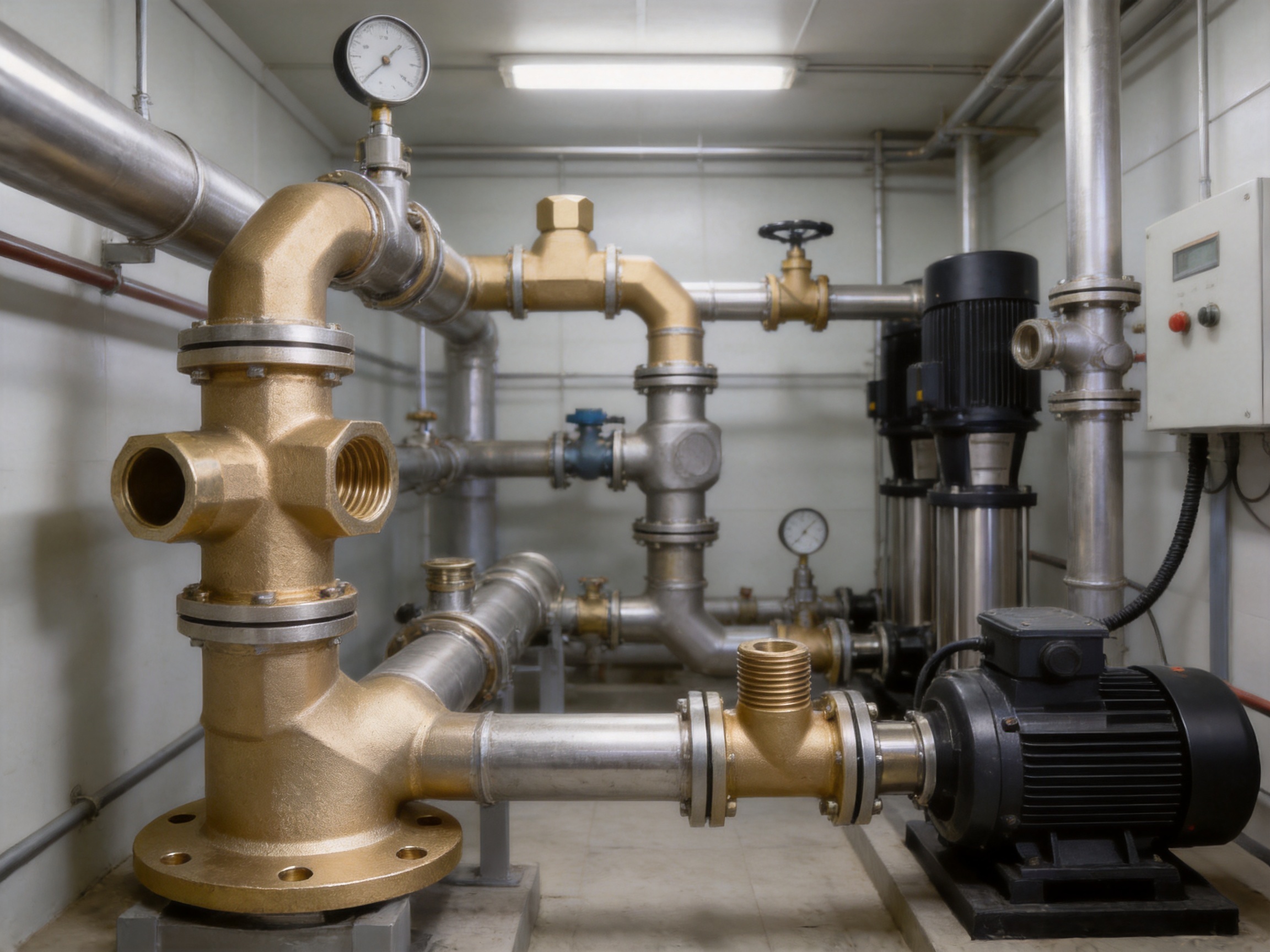
Customization is one of the main reasons customers choose irregular-shaped pipe fittings. A custom product may be based on a drawing, an existing sample, a three-dimensional model, or a written application requirement. The supplier and customer should confirm the function of each port, the intended orientation, the required materials, and the installation method before formal production begins.
A professional development process normally includes design review, feasibility analysis, prototype production, sample inspection, approval, process planning, and batch manufacturing. This sequence helps identify potential problems before a large order is released. It is particularly useful when the fitting includes several intersecting passages or complex sealing surfaces.
Prototype evaluation should consider both the individual component and the final assembly. A fitting may meet its drawing dimensions but still create difficulties if the connected pipe, valve, or equipment port has limited access. Trial assembly can reveal issues related to tool clearance, orientation, seal compression, interference, and maintenance access.
Customization does not necessarily mean producing a completely unique part for every order. In many cases, a manufacturer can create a family of related fittings using a common platform. Port sizes, angles, lengths, or thread types may be adjusted while the basic manufacturing methods remain similar. This can provide a balance between application flexibility and production efficiency.
Quality Control from Raw Material to Finished Product
Quality control should be integrated into the entire production process rather than limited to final inspection. Material verification, process monitoring, first-piece approval, in-process measurement, and final testing all contribute to product consistency.
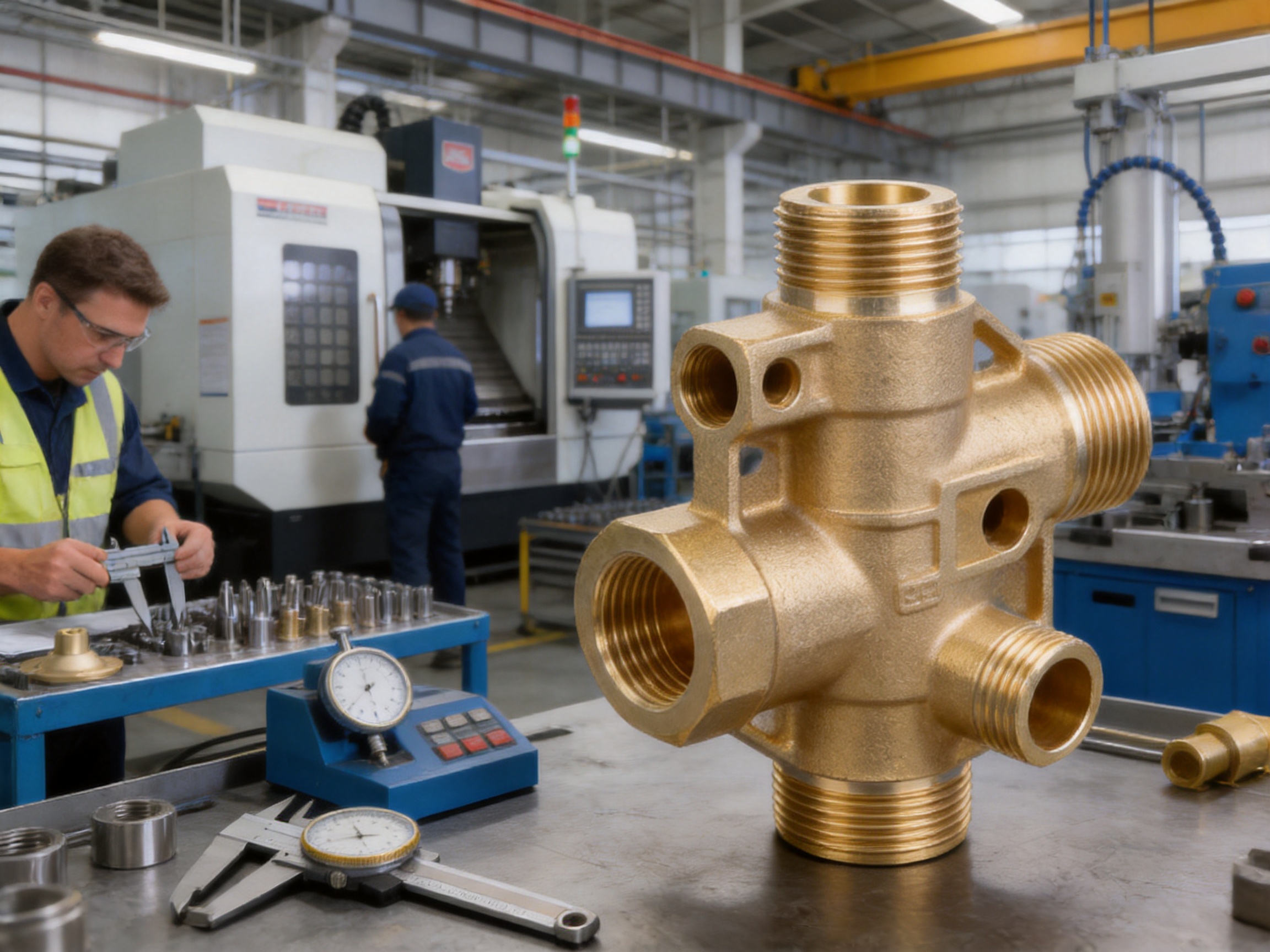
Dimensional inspection is especially important for irregular fittings. Critical dimensions may include the distance between ports, angular relationships, thread gauges, internal diameter, sealing groove dimensions, and overall length. Inspection tools may include calipers, micrometers, thread gauges, coordinate measuring equipment, optical devices, and application-specific fixtures.
Visual inspection helps identify surface defects, cracks, dents, incomplete machining, tool marks, contamination, or improper finishing. Although visual inspection cannot replace dimensional and pressure testing, it is an essential step for identifying obvious product problems before packaging.
Pressure and leakage tests help verify the integrity of the fluid pathway. The test medium, pressure level, holding time, and acceptance criteria should be defined according to the product and application. When a fitting is supplied as part of a valve or assembled accessory, testing may cover the complete assembly rather than only the individual fitting.
Traceability improves the manufacturer’s ability to investigate and correct problems. Production records may include material information, machine settings, inspection data, batch identification, and packaging details. A traceable process supports more effective communication between the supplier and the customer if a technical question arises.
Advantages over Low-Controlled Alternatives
Not all custom fittings provide the same level of value. Products made without clear drawings, controlled machining, or reliable inspection may have inconsistent dimensions and uncertain performance. A low purchase price can become expensive if the fitting causes installation delays, leakage, rework, or equipment damage.
Advanced manufacturing provides several advantages over uncontrolled alternatives. CNC machining improves repeatability. Automated assembly helps stabilize installation of seals and related parts. Dedicated testing equipment provides more objective verification. A professional workshop also makes it easier to organize production for both prototype and volume requirements.
Another advantage is communication. A supplier with experience in fluid valves and hardware accessories is more likely to understand the practical relationship between a fitting and the connected system. This can help customers avoid design conflicts, choose appropriate materials, and determine realistic inspection requirements.
The best supplier is not necessarily the one offering the most complex shape. It is the one that can produce the required shape accurately, repeatedly, and economically while providing appropriate technical support. Manufacturing capability must be matched with application knowledge and disciplined quality management.
Installation and Maintenance Recommendations
Before installation, customers should inspect the fitting for visible damage, contamination, incorrect dimensions, or thread defects. Connection surfaces should be clean and free from chips, dust, oil, and foreign particles that could affect sealing. The fitting should be compared with the approved drawing or purchase specification.
Installers should use the correct tools and avoid applying force to unsuitable surfaces. Excessive tightening may damage threads, deform sealing components, or place unnecessary stress on connected equipment. Insufficient tightening may result in leakage or loosening during operation. The recommended sealing material should be used according to the connection design and fluid application.
Irregular fittings should not be forced into alignment by bending rigid pipes or applying excessive side loads. If the component does not fit naturally, the installation should be stopped and the cause investigated. Misalignment may indicate an incorrect part, an assembly error, or a problem with the surrounding pipework.
After installation, the system should be tested under controlled conditions. Leakage, pressure stability, unusual vibration, and abnormal noise should be checked before full operation. Periodic maintenance should include visual inspection of accessible joints and confirmation that the fitting has not been exposed to unexpected corrosion, impact, overheating, or mechanical loading.
Where fittings are installed in gas or high-pressure systems, inspection and maintenance should be performed by qualified professionals following applicable safety procedures. The fitting should be replaced if it shows cracking, severe corrosion, thread damage, permanent deformation, or repeated leakage.
How to Select the Right Supplier
Buyers should evaluate more than the appearance and price of an irregular-shaped pipe fitting. Important supplier qualifications include experience with the required material, machining capability, engineering support, inspection resources, production capacity, and communication quality.
The supplier should be able to review technical drawings and identify unclear or conflicting dimensions. It should also be capable of confirming whether the proposed geometry can be machined, formed, cleaned, assembled, and tested efficiently. A supplier that asks detailed questions during the quotation stage is often better prepared to deliver a reliable product.
Customers should request information about available materials, connection standards, surface treatments, pressure testing, sampling procedures, packaging, and quality documentation. If the fitting is part of a regulated gas, water, or industrial system, the buyer should confirm which certifications or test reports are required.
Production capacity is important for repeat orders. A supplier may produce an excellent sample but struggle to maintain consistency at larger volumes if its equipment and process controls are limited. An established facility with automated equipment, precision machining, assembly, and testing is better positioned to support long-term supply.
Service after delivery is also relevant. A capable supplier should be prepared to discuss installation feedback, dimensional adjustments, replacement requirements, and future design improvements. This is especially valuable for custom products that evolve as the customer gains experience in the field.
Why Choose Ningbo Yunhua Valve Co., Ltd. for Custom Fittings
Ningbo Yunhua Valve Co., Ltd. combines product development, manufacturing, sales, and service in the gas and fluid control field. Its product range includes valves for gas and fluid applications, water supply valves, and hardware accessories such as irregular-shaped pipe fittings.
The company’s approximately 20,000-square-meter facility includes a precision machining workshop, assembly line, and testing workshop. This structure supports coordinated production from component processing through final inspection. Customers seeking custom fittings can benefit from a manufacturing environment designed for both technical products and higher-volume production.
Advanced CNC machine tools support accurate processing of complex external and internal features. Automated assembly and testing equipment help improve consistency and production efficiency. These capabilities are particularly relevant when a fitting must be reproduced across multiple batches or integrated with related valve products.
The company’s stated annual capacity of 2 million valve sets and 10 million hardware accessory sets provides a foundation for stable supply. Its experience in fluid control also supports practical understanding of pressure pathways, sealing, connection design, and the relationship between fittings and valves.
For customers looking for threaded globe valve products, forged steel valve components, brass gas ball valve assemblies, or custom hardware accessories, the same manufacturing strengths can support different product requirements. Each product still requires application-specific evaluation, but the company’s integrated capabilities provide a useful basis for dependable cooperation.
Frequently Asked Questions
What are irregular-shaped pipe fittings used for?
They are used to connect, redirect, divide, reduce, or adapt pipes and equipment when standard fittings cannot provide the required geometry. Typical applications include water supply, gas systems, industrial equipment, irrigation, heating, plumbing, and specialized hardware assemblies.
Can an irregular-shaped fitting replace several standard fittings?
In many applications, yes. A custom fitting may combine an offset, angle change, size transition, and connection type in one component. Whether it can replace several standard parts depends on pressure, temperature, material, connection standards, and the detailed design of the system.
Which materials are available?
Common choices include brass, forged steel, stainless steel, and other alloys suitable for the operating conditions. The correct choice depends on the fluid, pressure, temperature, corrosion environment, mechanical loads, and applicable regulations.
Are brass fittings suitable for gas applications?
Brass can be suitable for certain gas applications when the material, design, sealing system, and manufacturing quality meet the relevant technical requirements. The fitting must be selected for the specific gas, pressure, temperature, and regulatory environment, and installation should be performed by qualified personnel.
What information is needed for a custom quotation?
Useful information includes a technical drawing or sample, port sizes, thread standards, overall dimensions, angles, offsets, material, surface treatment, working pressure, temperature, fluid medium, required quantity, testing expectations, and packaging requirements.
How does CNC machining benefit irregular fittings?
CNC machining provides repeatable control over complex profiles, internal passages, threads, grooves, and port relationships. It helps maintain dimensional consistency between batches and supports the production of custom shapes that would be difficult to make accurately through uncontrolled manual processes.
Why are fewer joints beneficial?
Fewer joints can reduce the number of sealing points, simplify installation, decrease the risk of incorrect assembly, and make the system easier to inspect. A custom fitting may also produce a more compact and orderly layout.
How are irregular-shaped fittings tested?
Testing may include dimensional inspection, thread gauging, visual inspection, pressure testing, leakage testing, surface checks, and functional testing when the fitting is supplied as part of an assembly. The exact test program should reflect the product design and intended application.
Can the fittings be produced for repeat orders?
Yes. Once the design, material, process, and inspection requirements are approved, the fitting can be manufactured as a repeat product. Stable equipment, documented procedures, and production records help maintain consistency across future orders.
What makes a professional fitting manufacturer different?
A professional manufacturer combines engineering support, suitable raw materials, precision equipment, controlled machining, reliable assembly, inspection, testing, production capacity, and responsive service. These capabilities reduce the risks associated with custom geometry and help customers receive a product that performs consistently in the intended system.
Conclusion
Irregular-shaped pipe fittings provide an effective solution for fluid and hardware systems that cannot be served efficiently by standard components. Their application-specific geometry can improve alignment, reduce the number of joints, save installation space, simplify assembly, and support reliable flow control. When manufactured with accurate machining, appropriate materials, controlled sealing surfaces, and thorough inspection, these fittings can offer meaningful advantages over complicated multi-component assemblies.
The quality of a custom fitting depends on the complete manufacturing process. Material preparation, forming, CNC machining, thread processing, deburring, surface treatment, assembly, and testing must work together. Engineering communication is equally important because the fitting must match the pipe, valve, equipment, fluid, pressure, temperature, and installation environment.
Ningbo Yunhua Valve Co., Ltd. supports these requirements through an integrated manufacturing operation focused on gas and fluid valves, water supply valves, and hardware accessories. Its precision machining workshop, automated assembly and testing resources, experienced production team, and substantial annual capacity provide a strong foundation for custom and repeat fitting orders.
For buyers evaluating irregular-shaped pipe fittings, the most important question is not whether the component has an unusual appearance. The important question is whether the fitting is accurately designed, correctly manufactured, properly tested, and suitable for the complete application. With the right technical information and a qualified manufacturing partner, an irregular fitting can become a reliable, efficient, and long-lasting part of a modern fluid control system.
References
1. ASME B16.11, Forged Fittings, Socket-Welding and Threaded.
2. ASME B1.20.1, Pipe Threads, General Purpose.
3. ISO 9001, Quality Management Systems—Requirements.
4. ISO 7-1, Pipe Threads Where Pressure-Tight Joints Are Made on the Threads.
5. ASTM B16, Standard Specification for Free-Cutting Brass Rod, Bar and Shapes for Use in Screw Machines.
6. ASTM A105, Standard Specification for Carbon Steel Forgings for Piping Applications.
7. EN 12516, Industrial Valves—Shell Design Strength.
8. General principles of fluid mechanics, pressure loss, pipe connection design, and industrial component inspection.
Product: Irregular-Shaped Pipe Fittings

Related Products
-
 View More
-
 View More
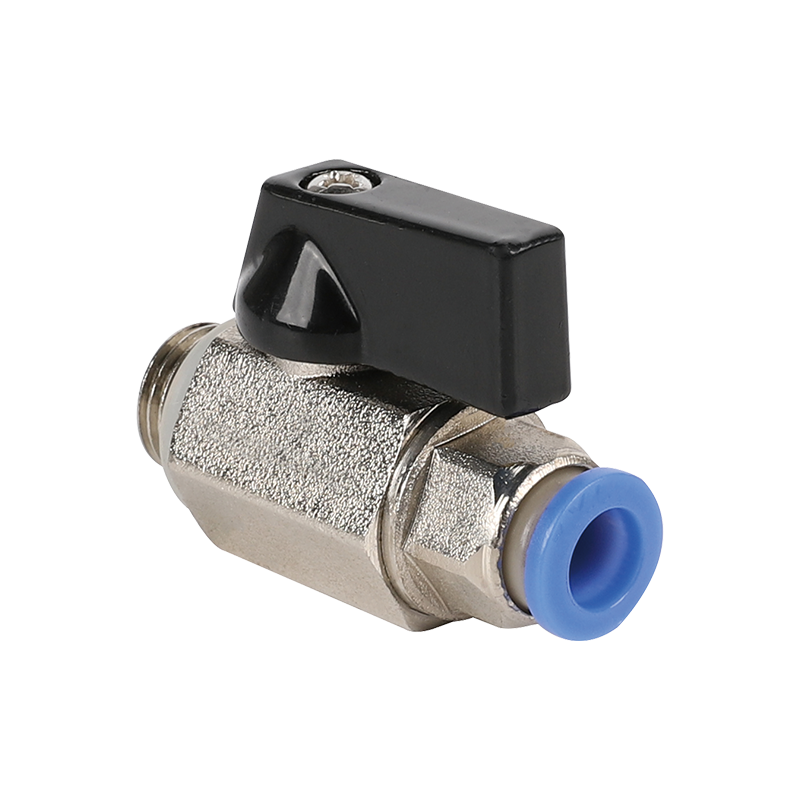
MINI-2 Mini Short-Handle Ball Valve(M/M)
-
 View More
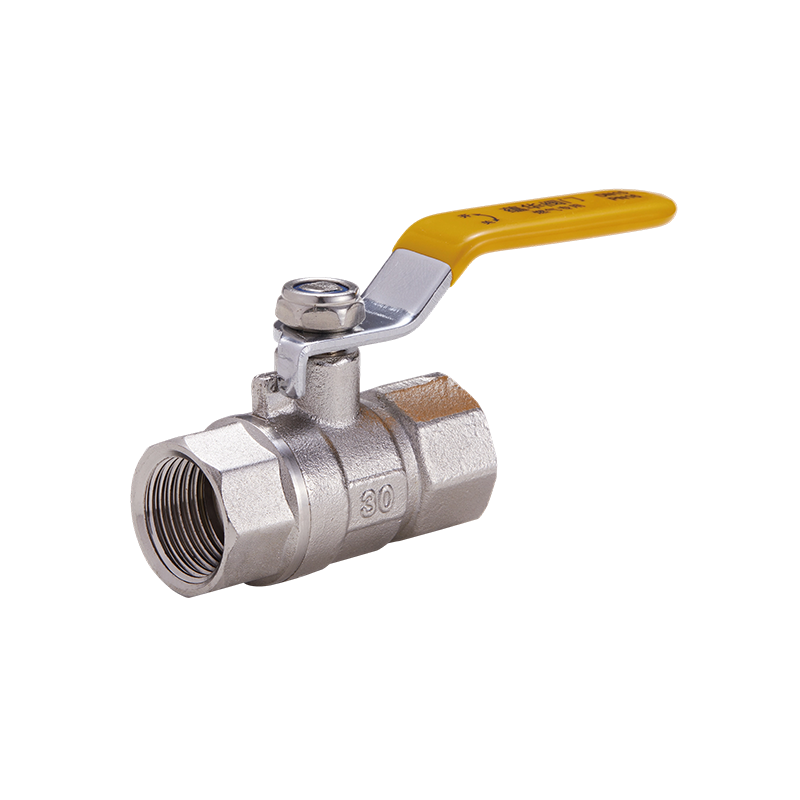
YH-2210 Forged Steel Ball Valve with Long Handle (F/F)
-
 View More
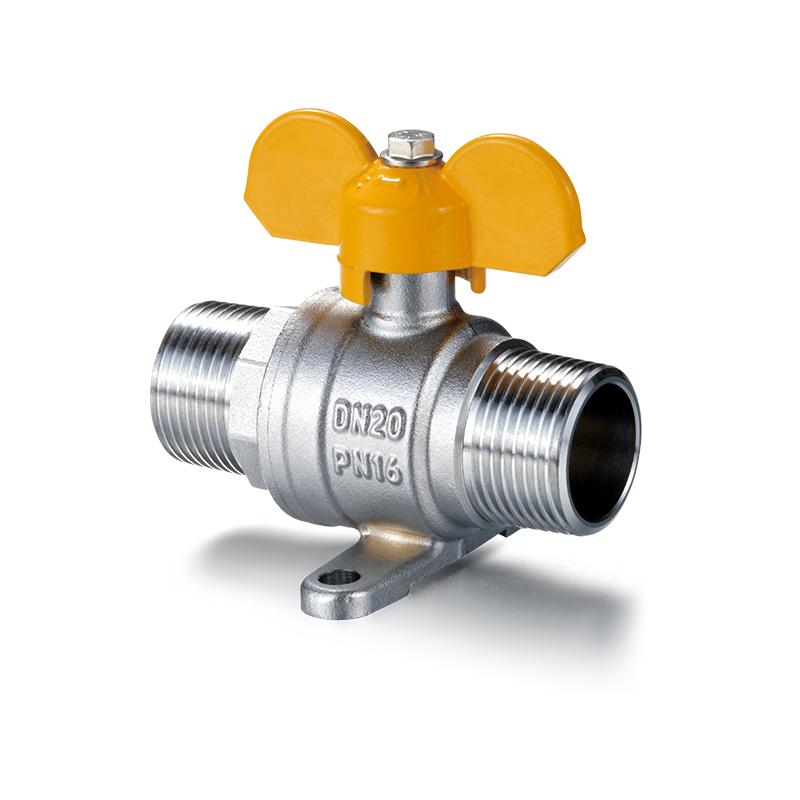
YH-214 Brass Ball Valve with Base& Butterfly Handle(M/M)
-
 View More
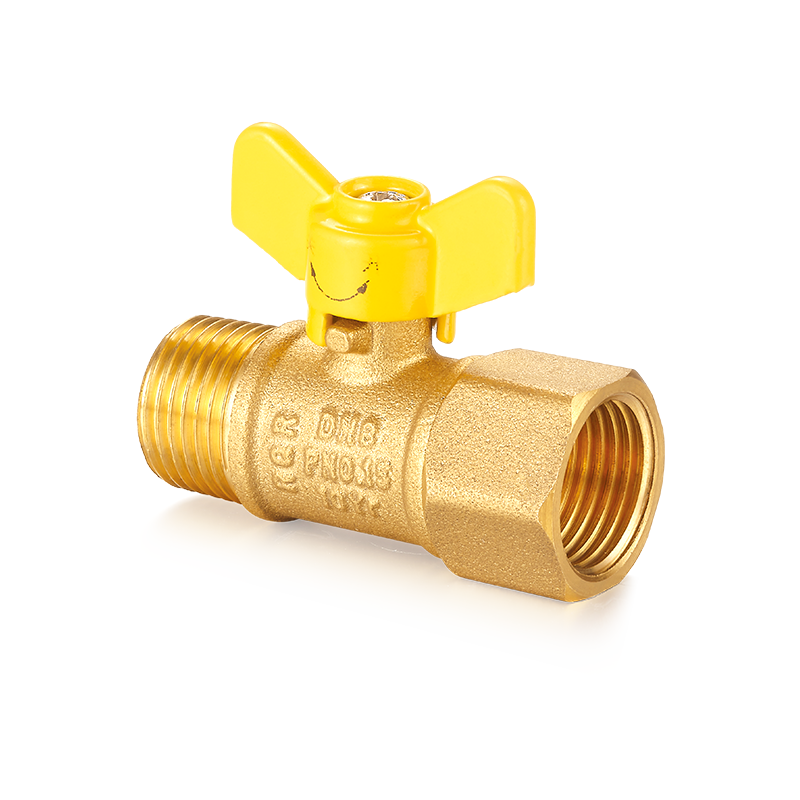
YH-205 Brass Ball Valve with Butterfly Handle(F/M)
-
 View More
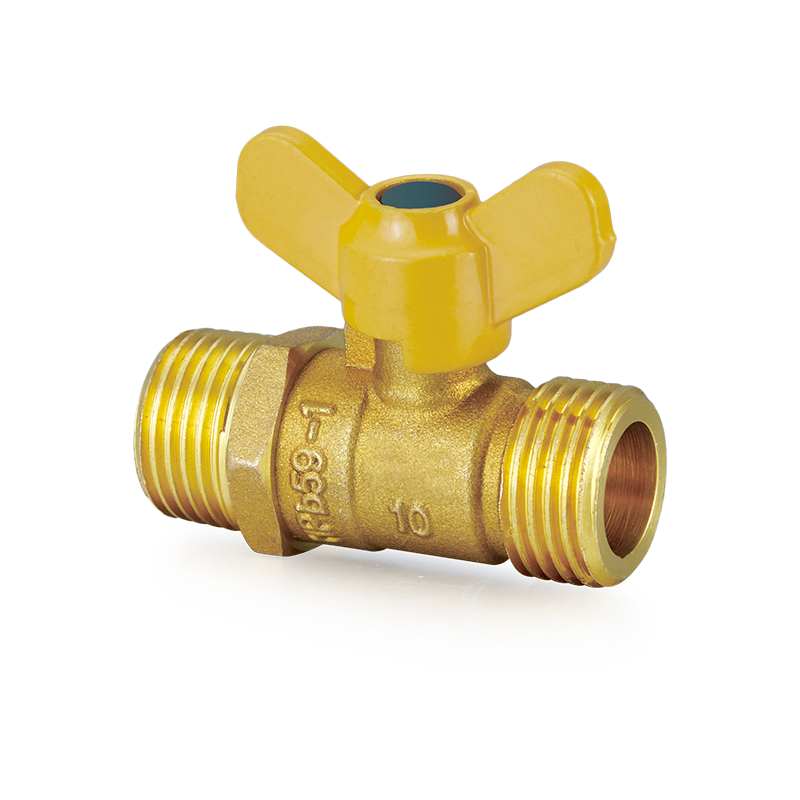
YH-206 Brass Ball Valve with Butterfly Handle(M/M)
Related News
Contact Us
-

-
 +86-0574-63742169
 -
 No.104-128, Cizhang East Road, Zhangqi Town, Cixi City, Ningbo, Zhejiang Province, China


Message Us Now !
