

 English
 русский
 عربى
 Español

Compact Brass Ball Valve for Space-Saving Gas, Water, and Oil Piping Systems
Content
- 1 Product Overview
- 2 Key Technical Specifications
- 3 Dimensions and Available Sizes
- 4 Base-Free Construction for Difficult Installation Locations
- 5 Butterfly Handle Benefits
- 6 Anti-Ejection Stem Design and Operational Safety
- 7 Multi-Media Compatibility
- 8 Advantages Over Conventional Competitor Designs
- 9 Applications in Gas Meter and Appliance Systems
- 10 Applications in Water Supply and Drainage Renovation
- 11 Use in Equipment Valve Banks
- 12 Manufacturing Strengths
- 13 Production Capacity and Supply Reliability
- 14 Installation Considerations
- 15 Maintenance and Service Recommendations
- 16 How to Select the Correct Model
- 17 Why the Product Fits High-Volume Civil Projects
- 18 Quality, Engineering, and Customer Support
- 19 Frequently Asked Questions
- 19.1 What type of valve is the YH-203?
- 19.2 What sizes are available?
- 19.3 What is the pressure rating?
- 19.4 What temperature range can the valve handle?
- 19.5 Can the valve be used for gas?
- 19.6 Can it be used for water?
- 19.7 Why is the butterfly handle useful?
- 19.8 What does the base-free design mean?
- 19.9 What is the purpose of the anti-ejection stem?
- 19.10 Is this valve suitable for oil?
- 19.11 Is the valve suitable for chemical fluids?
- 19.12 Does the valve require electrical power?
- 19.13 Where is the valve commonly installed?
- 19.14 How should buyers order the correct version?
- 19.15 What manufacturing capabilities support this product?
- 20 Conclusion
- 21 References
- 22 Product: YH-203 Brass Ball Valve(F/M)
Modern piping systems increasingly require valves that combine dependable shutoff performance with compact dimensions, simple installation, broad media compatibility, and controlled purchasing costs. These requirements are especially important in residential gas installations, water heater connections, appliance supply lines, equipment valve banks, and large-scale renovation projects where available space is limited and thousands of valves may be required. The YH-203 Brass Ball Valve (F/M) is designed to address these practical challenges through a compact base-free body, butterfly handle, anti-ejection stem, and versatile threaded connections.
As a brass ball valve in the butterfly-handle category, the YH-203 provides a straightforward on-off function for water, non-corrosive fluids, and gas. Its design is focused on efficient installation and daily operation rather than unnecessary complexity. The result is a universal valve suitable for both civil piping and equipment applications, including locations where a conventional long-handle valve would be difficult to operate or would consume too much clearance.
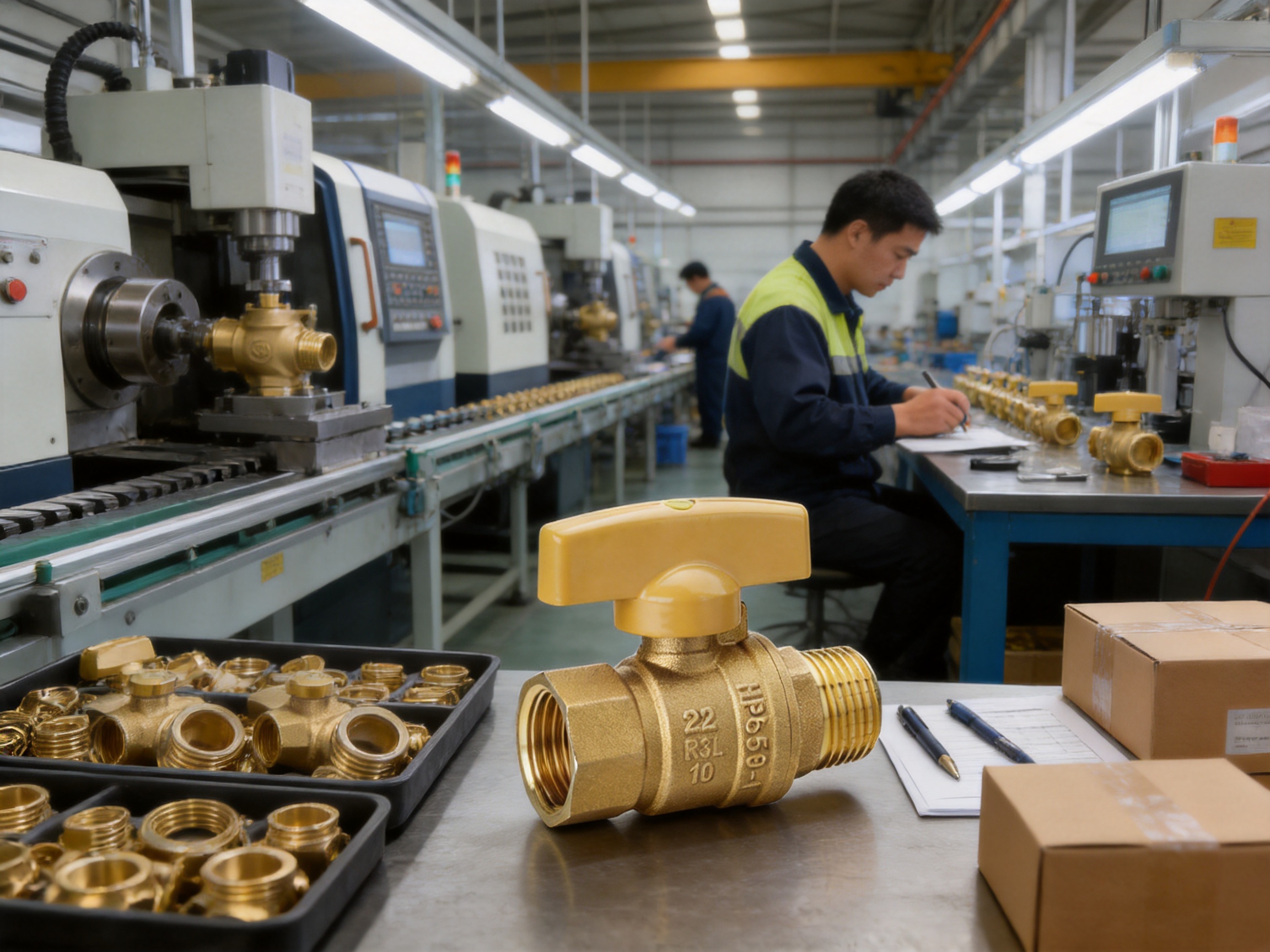
The valve is manufactured by Ningbo Yunhua Valve Co., Ltd., an experienced producer of gas and fluid valves, water supply valves, and hardware accessories. The company combines product development, precision machining, automated assembly, and testing to support consistent production at scale. With an annual production capacity of approximately two million valve sets and ten million hardware accessory sets, the manufacturer is equipped to serve distributors, contractors, original equipment manufacturers, and large renovation projects.
Product Overview
The YH-203 is a threaded brass ball valve with female and male connection configurations identified as F/M. It is available in DN15, DN20, and DN25 sizes, corresponding broadly to 1/2-inch, 3/4-inch, and 1-inch nominal pipe connections. The valve uses parallel pipe threads manufactured according to ISO 228 requirements, making it suitable for compatible threaded piping systems.
The operating principle is simple. A quarter-turn of the butterfly handle rotates the internal ball between the open and closed positions. When the bore of the ball aligns with the pipeline, fluid can pass through the valve. When the ball turns perpendicular to the pipeline, the passage is blocked. This direct operating method makes the valve easy to understand, quick to use, and suitable for routine isolation duties.
Unlike extended-handle valves that require additional side clearance, the YH-203 uses a butterfly-style operating handle. The handle is integrated with a compact valve structure and does not rely on a large external base. This allows the valve to fit into narrow spaces behind meters, near water heaters and cooking appliances, and inside equipment valve banks where adjacent components may restrict access.
The product is specified for a nominal pressure of 1.6 MPa. Its working temperature range is -20°C to 80°C, and its listed working media include water, non-corrosive fluids, and gas. These specifications position the YH-203 as a practical general-purpose isolation valve for residential, commercial, and light equipment piping, subject to correct system design and local installation requirements.
Key Technical Specifications
| Item | Specification |
|---|---|
| Product model | YH-203 |
| Product type | Brass ball valve with butterfly handle |
| Connection configuration | Female/male threaded connection |
| Nominal pressure | 1.6 MPa |
| Working media | Water, non-corrosive fluids, and gas |
| Working temperature | -20°C to 80°C |
| Thread standard | Parallel pipe thread to ISO 228 |
| Available nominal sizes | DN15, DN20, and DN25 |
| Typical connection sizes | 1/2 inch, 3/4 inch, and 1 inch |
| Primary function | Manual on-off isolation |
| Handle style | Butterfly handle |
The specifications demonstrate the valve’s focus on common building and equipment applications. The available sizes cover several frequently used branch-line dimensions, while the threaded configuration simplifies replacement and installation in systems that already use threaded fittings. The compact dimensions also support installation in locations where valve selection is governed by available clearance rather than by flow capacity alone.
Dimensions and Available Sizes
| Nominal Size | L | D | A | B | G | R |
|---|---|---|---|---|---|---|
| DN15 | 61.5 mm | 12 mm | 55 mm | 38 mm | 1/2 | 1/2 |
| DN20 | 74 mm | 18 mm | 69 mm | 40 mm | 3/4 | 3/4 |
| DN25 | 85.5 mm | 22 mm | 80 mm | 42 mm | 1 | 1 |
Dimension L represents the principal end-to-end length, while the other dimensional values provide reference points for installation planning and handle clearance. Contractors should always compare the valve dimensions with the actual pipe layout, fittings, insulation, enclosure, and service access available at the installation site.
The DN15 version is suitable for compact branch lines and appliance connections where the smaller 1/2-inch size is standard. The DN20 version serves many common residential water and gas piping arrangements, while the DN25 model provides a larger passage for suitable 1-inch lines. This size range enables distributors to maintain a focused inventory covering widely used applications without introducing unnecessary product variation.
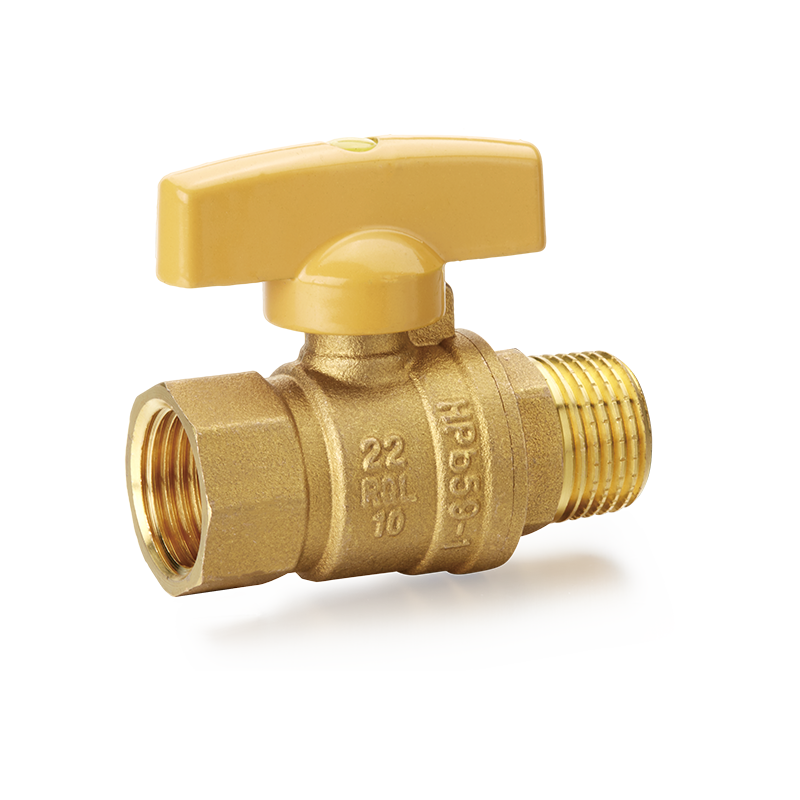
YH-203 Brass Ball Valve(F/M)
Base-Free Construction for Difficult Installation Locations
One of the most important features of the YH-203 is its base-free structure. A valve base or extended mounting structure can increase the external envelope of a product and create interference with nearby pipes, wall surfaces, meter housings, appliance panels, and other valves. In contrast, the base-free construction reduces external bulk and helps installers use the available space more efficiently.
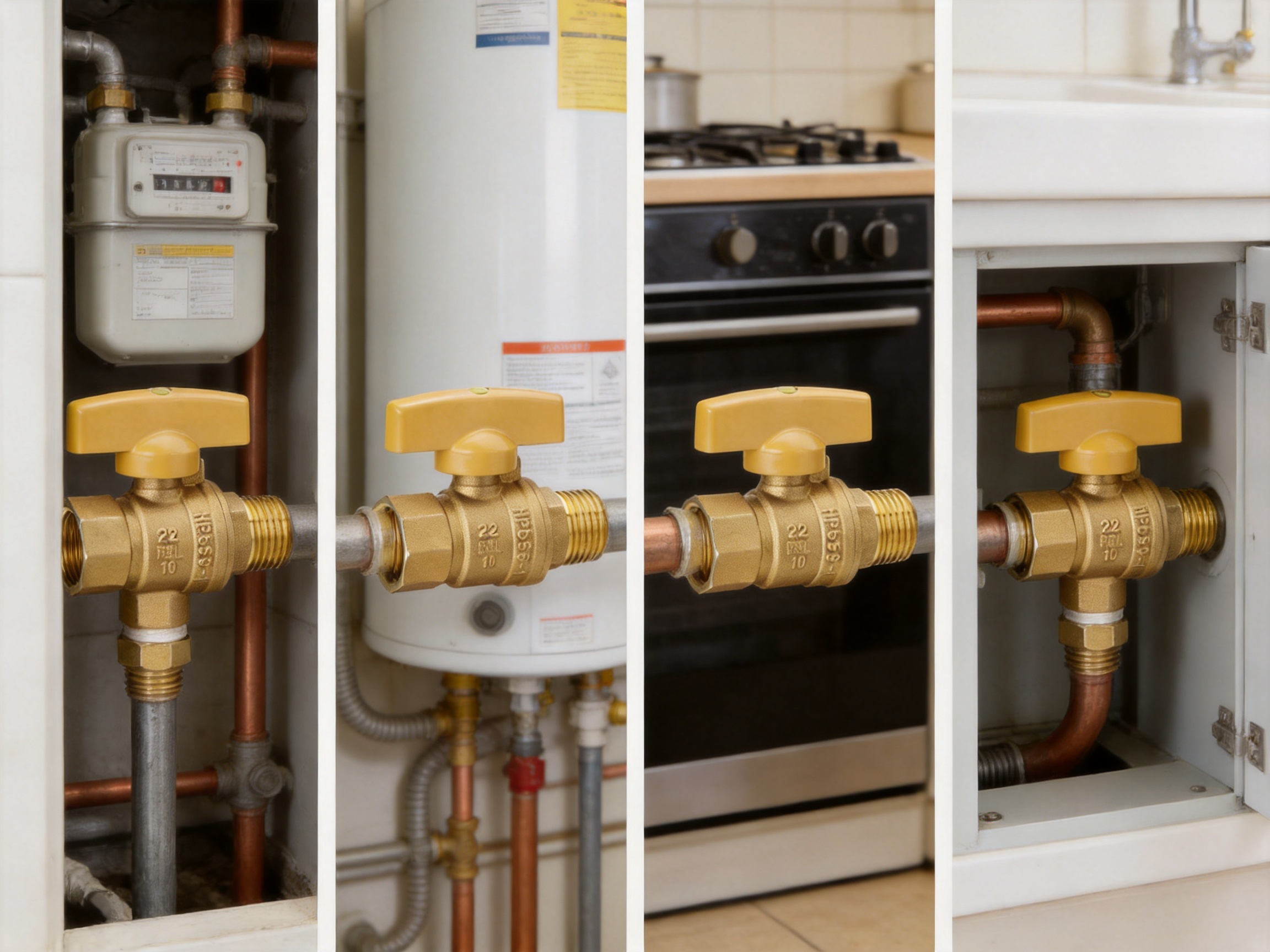
This advantage is especially valuable behind gas meters. Meter installations often place the valve close to a wall or inside a confined cabinet. The piping may also include elbows, regulators, unions, and other safety components. A compact valve can reduce the risk of handle contact with adjacent parts and can make it easier to maintain a clean, organized installation.
The same benefit applies to valve banks inside equipment. Heating equipment, water treatment assemblies, gas appliances, and packaged mechanical systems may group several shutoff points together in a limited enclosure. When every component occupies less space, designers gain more flexibility in arranging the system. The YH-203 can therefore be considered not only a replacement valve but also a space-management solution for compact piping architecture.
Compared with a conventional long-handle ball valve, the butterfly-handle version can provide more clearance in the direction perpendicular to the valve body. This does not eliminate the need for an appropriate operating radius, but it can reduce interference in narrow gaps. The handle remains easy to identify and turn while occupying less space than a full-length lever.
Butterfly Handle Benefits
The butterfly handle is designed for quick manual operation. A quarter-turn movement provides a clear transition between open and closed positions, allowing users to isolate a line without repeated rotations. This is useful in household systems, where valves may need to be operated during appliance maintenance, plumbing repairs, leakage checks, or emergency shutoff procedures.
The shape of the handle provides an intuitive grip while maintaining a compact profile. Its two-sided form can be operated from different approach angles, which is helpful when the valve is installed close to a wall or another component. Installers can also visually identify the handle position more easily than with some concealed or multi-turn mechanisms.
For high-volume projects, a simple handle design can also support faster installation and easier user instruction. Contractors do not need to explain a complicated operating sequence. Building occupants and maintenance personnel can quickly understand that the quarter-turn position controls the valve’s open or closed state.
It is important to distinguish a compact handle from a reduced level of function. The YH-203 remains a manual ball valve intended for reliable isolation. The butterfly handle changes the operating geometry and external dimensions; it does not change the basic principle of positive quarter-turn shutoff.
Anti-Ejection Stem Design and Operational Safety
The YH-203 incorporates an anti-ejection stem design. The stem is the component that transfers handle movement to the internal ball. In a properly engineered valve, the stem must remain securely retained during operation and must resist unintended movement under normal service conditions. The anti-ejection structure helps prevent accidental stem pullout or ejection during use.
This feature is particularly relevant in household and building applications. Residential valves may be operated by homeowners, maintenance workers, or service technicians with different levels of technical experience. A retained stem structure provides an additional safeguard against a potentially hazardous component release and contributes to greater confidence during manual operation.
The anti-ejection design also supports product durability by maintaining the correct relationship between the handle, stem, seals, and ball. When these components remain properly positioned, the operating action is more predictable and the valve can continue to perform its intended isolation function.
Safety performance always depends on the complete installation, including correct thread engagement, suitable sealing materials, appropriate pressure selection, and compliance with applicable gas or plumbing regulations. The anti-ejection stem is an important product-level feature, but it should be used as part of a broader system safety approach rather than as a substitute for proper engineering or inspection.
Multi-Media Compatibility
The YH-203 is specified for water, non-corrosive fluids, and gas. This broad compatibility allows the same basic valve platform to serve several piping categories. Distributors can simplify product selection, while contractors can use a familiar compact valve design across different project types.
For water systems, the valve can be used as a branch-line shutoff, appliance isolation valve, or service valve where the pressure, temperature, and material compatibility requirements are satisfied. Common examples include water heater connections, domestic water supply branches, and selected equipment piping arrangements.
For gas applications, the valve is suitable for specified gas service when installed according to the applicable local standards and project requirements. Typical locations include valves behind gas meters, appliance supply lines, and gas equipment valve banks. Gas installations require particular attention to approved components, thread sealing methods, leak testing, ventilation, and qualified workmanship.
For non-corrosive fluids and oil-related applications, the user must verify that the fluid composition, temperature, pressure, seals, and applicable regulations are compatible with the valve. The phrase “multi-media compatibility” does not mean that every chemical or oil product is suitable. Aggressive chemicals, contaminated fluids, high-temperature media, and unusual process liquids require a separate material compatibility review.
Advantages Over Conventional Competitor Designs
More Efficient Use of Installation Space
Many competing general-purpose valves use a longer lever handle or a more prominent mounting base. Such designs can be effective in open pipe runs, but they may be inconvenient in restricted spaces. The YH-203 addresses this limitation through its base-free structure and butterfly handle. The compact external profile can make it easier to position the valve behind meters, next to appliances, or within a grouped equipment assembly.
Better Suitability for Retrofit Work
Retrofit projects frequently involve existing pipework that cannot be moved easily. Walls, cabinets, meters, appliances, and other services may already determine the available installation space. A compact threaded valve can offer a practical replacement option without extensive rerouting. This is a significant advantage in residential renovation, rental housing maintenance, and community infrastructure upgrades.
Strong Value for Large-Scale Procurement
The YH-203 uses a streamlined construction that is well suited to standardized production. Fewer unnecessary external components can help control material usage, assembly complexity, and procurement cost. This cost efficiency is particularly important in projects involving many apartments, residential buildings, rental properties, or community piping systems.
A lower purchase cost should not be evaluated in isolation. Buyers should consider the total installed cost, including labor, fittings, handling, replacement frequency, and service access. A valve that is easier to install in a confined location may reduce labor difficulty and avoid additional modification work. The combination of compact design and universal application can therefore improve value beyond the initial unit price.
Simple Product Selection
With three common nominal sizes and a clear on-off function, the YH-203 is straightforward to specify. It does not require users to select among numerous specialized mechanisms for ordinary isolation duties. This can reduce inventory complexity for wholesalers and make product training easier for installers.
Practical Safety-Oriented Design
The anti-ejection stem provides a safety-focused distinction from basic low-cost valves that may not emphasize stem retention. Along with the direct quarter-turn operating method, it supports predictable operation in residential and equipment applications. Buyers seeking an economical valve do not necessarily have to choose between cost control and practical safety features.
Applications in Gas Meter and Appliance Systems
Gas meter installations require valves that are accessible, compact, and suitable for the service conditions. The YH-203 can be used in appropriate meter-related positions, including rear or front valve arrangements, when the selected size and approval requirements match the project. Its compact body can help reduce obstruction in the narrow area surrounding a meter assembly.
Water heaters and cooking appliances also commonly require local isolation valves. A local valve allows technicians or occupants to shut off the supply before servicing or replacing the appliance. The butterfly handle can be useful where a large lever would collide with an appliance panel, cabinet wall, or neighboring pipe.
Gas appliance applications must always follow local gas codes and the requirements of the utility, authority having jurisdiction, and appliance manufacturer. The valve should not be installed merely because its dimensions appear suitable. The installer must confirm that the product is approved for the intended gas service and that all connection, sealing, leak-testing, and accessibility requirements are satisfied.
Applications in Water Supply and Drainage Renovation
Large-scale water supply renovation projects often require many valves with consistent dimensions and operating methods. Residential buildings, rental housing, and community facilities may contain hundreds of branch lines, appliance connections, and maintenance points. A standardized compact valve can simplify planning and reduce the variety of spare parts required after completion.
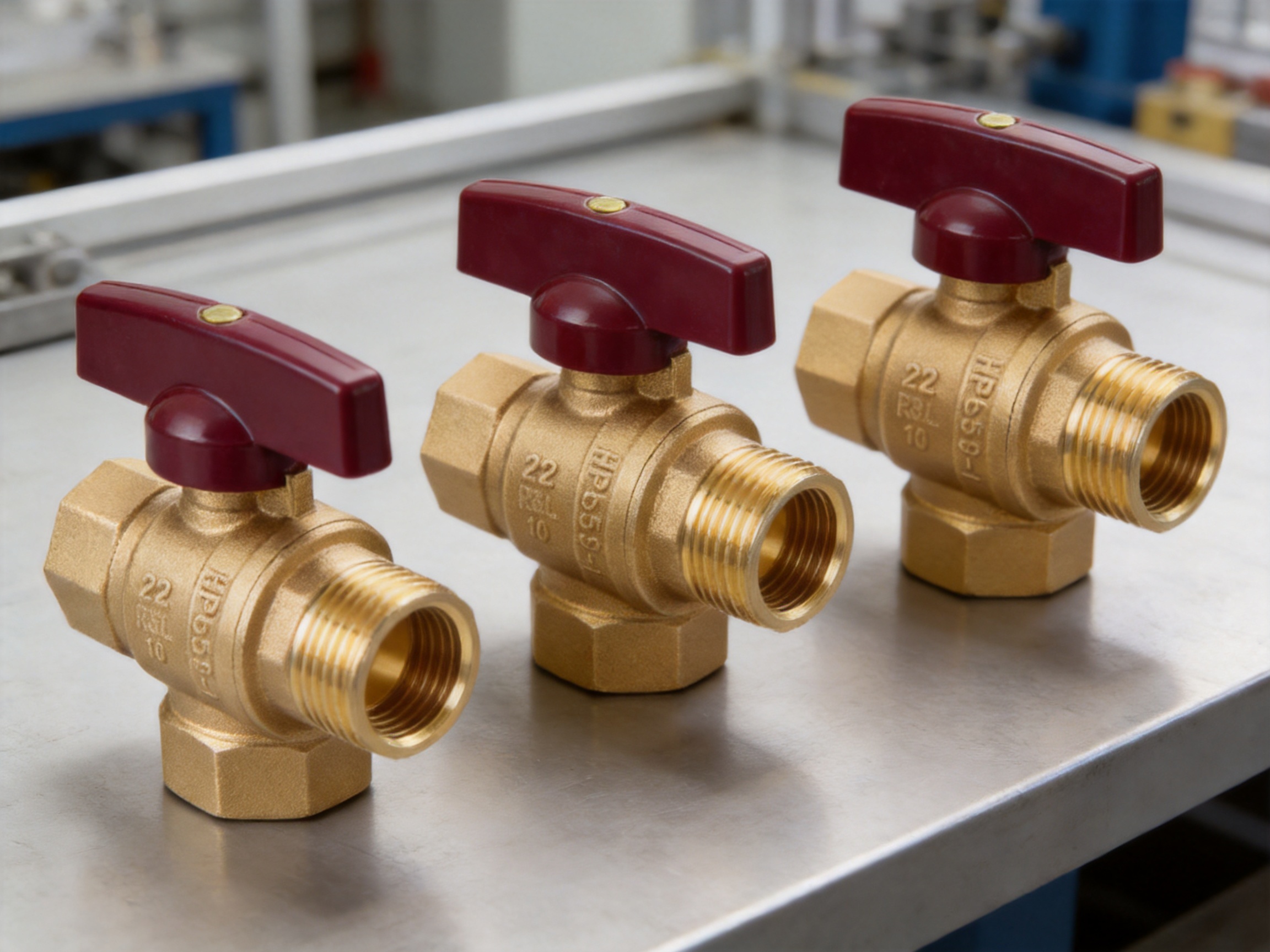
The YH-203 can be considered for domestic water branches, water heater lines, equipment isolation points, and general non-corrosive fluid piping within its pressure and temperature limits. Its threaded connections are convenient for systems constructed with compatible threaded fittings, especially where the project involves replacement rather than a completely new welded or soldered pipeline.
Drainage-related use should be determined by the actual configuration and fluid conditions. A ball valve is primarily an isolation device, not a substitute for a drain fitting, check valve, pressure-reducing valve, or flow-control valve. In a renovation design, the YH-203 should be selected for the specific role it is intended to perform and combined with other necessary components.
For property managers, compact valves can also improve maintenance access. When service personnel can reach and operate the valve without dismantling cabinets or moving nearby equipment, routine maintenance can become faster and less disruptive to residents.
Use in Equipment Valve Banks
Equipment valve banks group several valves and fittings in one area to control different media, branches, or operating sections. Examples include packaged heating equipment, water treatment systems, gas control assemblies, and specialized machinery. In these applications, the external envelope of every component affects the total size of the assembly.
The YH-203’s compact body and butterfly handle help designers use available space efficiently. Multiple valves can be arranged with reduced interference, provided that sufficient clearance remains for operation, inspection, and maintenance. The valve’s available DN15, DN20, and DN25 sizes cover several common equipment branch dimensions.
For original equipment manufacturers, a compact standardized valve can support repeatable assembly procedures. Workers can install the same product family in multiple equipment models, while engineering teams can maintain consistent layout drawings and spare-part lists. This may contribute to improved production efficiency and simpler after-sales service.
Equipment designers should still assess vibration, thermal expansion, support requirements, access direction, and the compatibility of the valve with the specific process medium. A compact component must never be installed in a way that places excessive mechanical load on its threaded connections or prevents safe operation.
Manufacturing Strengths
The manufacturer behind the YH-203 has developed capabilities across research and development, production, sales, and service. This integrated structure enables the company to connect product design with manufacturing feedback and customer requirements. For a valve buyer, this can be valuable because performance depends not only on the product concept but also on the consistency of machining, assembly, inspection, and packaging.
The company operates a production site covering approximately 20,000 square meters. Its facilities include a precision machining workshop, assembly lines, and a testing workshop. The use of dedicated areas for these processes helps organize production flow and supports separation between machining, assembly, and final verification activities.
Advanced domestic and international CNC machine tools are used for precision machining. CNC equipment can provide repeatable dimensional control for brass valve bodies, threaded ends, stem interfaces, and other machined features. Consistency in these areas is important because thread accuracy, sealing surfaces, and component alignment directly affect installation quality and operating performance.
Automated assembly and testing equipment further supports production stability. Automation can reduce variation in repetitive operations, improve throughput, and help establish consistent process parameters. It also allows the manufacturer to plan production for high-volume orders without relying exclusively on manual labor for every assembly stage.
Precision Machining
Precision machining is central to the manufacture of a threaded brass ball valve. The valve body must provide accurate connection geometry, reliable internal alignment, and suitable surfaces for seals and moving components. CNC machining allows production teams to control these features more consistently than less structured manual methods.
For threaded products, dimensional accuracy is especially important. Threads that are too tight may be difficult to install and may create excessive stress. Threads that are too loose may make sealing difficult or create an insecure connection. Controlled machining and inspection help maintain the intended relationship between the valve and compatible pipe fittings.
Assembly Line Production
After machining, valve components must be assembled in the correct sequence. The ball, stem, seals, handle, and other parts must be positioned accurately so that the valve opens and closes smoothly while maintaining its isolation function. An organized assembly line helps define each operation and makes it easier to monitor production consistency.
The YH-203’s streamlined construction is also advantageous from a manufacturing perspective. A practical number of components can simplify assembly, reduce opportunities for incorrect installation, and support efficient high-volume output. These benefits can be passed to customers through better delivery capability and competitive pricing.
Testing and Quality Control
A dedicated testing workshop allows finished valves to be evaluated before shipment. Testing should verify relevant aspects such as pressure resistance, leakage performance, operating action, thread condition, and general appearance. The exact inspection program depends on the product requirements, applicable standards, and customer specifications.
Quality control is especially important for valves used in gas and domestic water systems. A valve may be small, but its failure can cause leakage, service interruption, property damage, or safety risks. Consistent testing helps identify products that do not meet the required performance level before they enter the distribution chain.
The manufacturer states that its products are made to meet relevant standards. Buyers with project-specific certification, testing, or documentation requirements should communicate those requirements before ordering so that the appropriate technical and quality documents can be confirmed.
Production Capacity and Supply Reliability
The reported annual capacity of approximately two million valve sets and ten million hardware accessory sets indicates that the manufacturer is structured for both regular distribution and larger project orders. Capacity alone does not guarantee delivery performance, but it provides an important foundation for supporting bulk procurement.
Large renovation projects often need scheduled deliveries rather than a single shipment. A manufacturer with established machining, assembly, and testing resources can be better positioned to coordinate production batches, maintain product consistency, and respond to repeat orders. This is useful for contractors working through multiple buildings or for distributors replenishing a standardized product line.
Supply reliability also depends on raw material planning, production scheduling, packaging, logistics, and communication. Buyers should confirm lead times, minimum order quantities, packaging requirements, inspection arrangements, and shipping terms during the purchasing process. The YH-203’s standardized size range can nevertheless make forecasting and inventory planning easier.
Installation Considerations
Before installation, confirm the nominal size, thread type, flow direction if relevant to the system arrangement, pressure rating, temperature range, and media compatibility. Check the valve and pipe threads for damage, contamination, or deformation. The pipe should be properly supported so that the valve does not carry unnecessary bending or torsional loads.
Use a sealing method appropriate for the service and the applicable standards. For gas service, only approved thread sealants and installation methods should be used. Excessive sealant should be avoided because loose material can enter the pipeline or interfere with the valve’s internal components.
Install the valve using suitable tools on the designated connection areas. Do not apply force to the butterfly handle, stem, or other operating parts while tightening threaded connections. Excessive torque can damage threads, distort components, or place stress on the valve body.
After installation, operate the handle carefully to verify smooth quarter-turn movement. The valve should be checked for leakage under the appropriate test conditions. Gas systems require formal leak testing and inspection according to local regulations, and any suspected leak must be addressed immediately by qualified personnel.
Ensure that the final installation leaves enough space for operation and maintenance. The compact design is intended to improve space efficiency, but it should not be used as a reason to conceal the valve permanently or place it behind an inaccessible obstruction.
Maintenance and Service Recommendations
Ball valves used for isolation generally require limited routine maintenance, but periodic inspection remains beneficial. Maintenance personnel should check for external leakage, corrosion, damaged threads, handle damage, and abnormal operating resistance. Valves in gas service should receive inspection at intervals determined by the system owner, local regulations, and service conditions.
The valve should be operated periodically where permitted by the system design. Gentle operation can help confirm that the mechanism remains functional and that the valve has not seized due to contamination, corrosion, or prolonged inactivity. The handle should never be forced if unusual resistance is encountered; the cause should be investigated by qualified personnel.
If a valve shows leakage through the body, stem area, or threaded connection, it should be isolated and assessed. Tightening a connection without understanding the source of the leakage may not solve the problem and could create additional damage. Replacement is often preferable when a valve’s pressure boundary or internal sealing components have been compromised.
When replacing a valve, select a product with matching size, thread, pressure, temperature, and media requirements. The compact dimensions of the YH-203 can simplify replacement in restricted areas, but installers should still verify that the replacement does not alter the system’s compliance or operating characteristics.
How to Select the Correct Model
Confirm the Nominal Size
Select DN15, DN20, or DN25 according to the connected pipe and required flow passage. The nominal size should match the piping design rather than being selected solely by the outside diameter of a visible fitting. When replacing an existing valve, compare the thread dimensions and connection arrangement before ordering.
Confirm the Thread Configuration
The YH-203 is described as an F/M threaded ball valve and uses parallel pipe thread to ISO 228. The purchaser should verify the precise connection arrangement required at the installation site. Thread standards that appear similar may not be interchangeable, and forced assembly can damage both the valve and the pipe fitting.
Confirm the Service Medium
Use the valve for water, non-corrosive fluids, and gas within the stated conditions. If the application involves oil, chemical additives, contaminated water, high-purity fluid, or another specialized medium, obtain a compatibility assessment before installation. Seal material and local approval requirements may influence the final selection.
Confirm Pressure and Temperature
The stated nominal pressure is 1.6 MPa, and the working temperature range is -20°C to 80°C. System pressure, pressure surges, ambient conditions, and fluid temperature should all be considered. The valve should not be used outside its specified limits without written technical confirmation from the manufacturer and appropriate engineering review.
Why the Product Fits High-Volume Civil Projects
High-volume civil projects prioritize repeatability, cost control, installation speed, and serviceability. The YH-203 addresses these priorities through a compact standardized structure, three common sizes, simple manual operation, and compatibility with several ordinary piping media.
In rental housing and residential renovation, the valve can be used across many similar apartments or building sections. A consistent product reduces training requirements and makes spare-parts management simpler. Maintenance personnel can recognize the product and operate it using the same basic procedure at multiple locations.
The product is also suited to projects where space is restricted by existing construction. A base-free body and butterfly handle may reduce the need to modify cabinets, relocate nearby piping, or create larger access openings. Every project is different, but compact valve geometry can provide a practical advantage during field installation.
Cost efficiency is another key consideration. The streamlined universal design is intended to offer good value for bulk procurement without adding specialized mechanisms that are unnecessary for ordinary on-off service. Contractors can therefore balance performance and budget when planning large quantities of branch-line valves.
Quality, Engineering, and Customer Support
A valve supplier’s value extends beyond the physical product. Engineering support, documentation, order communication, quality coordination, and after-sales service all influence project outcomes. An experienced manufacturer can help customers clarify specifications, select appropriate sizes, discuss customization, and coordinate production requirements.
Ningbo Yunhua Valve Co., Ltd. focuses on gas and fluid valves, water supply valves, and hardware accessories. This product specialization allows the company to build knowledge around common valve materials, machining requirements, assembly methods, and application environments. The company’s stated vision is to become a leading participant in the global fluid control industry, supported by a mission centered on safe fluid systems and high-quality valves.
For international buyers, early technical communication is recommended. Buyers should provide drawings or connection details when necessary and identify any required inspection reports, packaging instructions, labeling requirements, certification documents, or special production controls. Clear specifications help prevent misunderstandings and improve the efficiency of mass production.
Frequently Asked Questions
What type of valve is the YH-203?
The YH-203 is a brass ball valve with a butterfly handle and F/M threaded connection configuration. It is designed primarily for manual on-off isolation in suitable water, gas, and non-corrosive fluid piping systems.
What sizes are available?
The listed sizes are DN15, DN20, and DN25. Their corresponding nominal thread sizes are 1/2 inch, 3/4 inch, and 1 inch.
What is the pressure rating?
The nominal pressure is 1.6 MPa. The actual application must also consider pressure fluctuations, installation conditions, local requirements, and the complete piping system design.
What temperature range can the valve handle?
The stated working temperature range is -20°C to 80°C. The valve should not be used outside this range without technical confirmation and a suitable engineering assessment.
Can the valve be used for gas?
The product information lists gas as one of the compatible working media. Gas installation must comply with local regulations, utility requirements, approval conditions, sealing procedures, and leak-testing requirements. Only qualified personnel should install or service gas piping.
Can it be used for water?
Yes. The valve is specified for water and can be considered for suitable domestic water, appliance, equipment, and branch-line isolation duties within its pressure and temperature limits.
Why is the butterfly handle useful?
The butterfly handle provides quarter-turn operation while occupying less external space than many long lever handles. This makes it useful in narrow areas behind meters, near appliances, and inside equipment valve banks.
What does the base-free design mean?
The base-free design refers to the compact external structure without a large additional mounting base. It helps reduce the valve’s space requirement and can simplify installation in restricted locations.
What is the purpose of the anti-ejection stem?
The anti-ejection stem structure helps retain the stem during operation and reduces the risk of accidental stem pullout or ejection. It is a safety-oriented feature that supports more dependable manual operation.
Is this valve suitable for oil?
The product category information identifies compatibility with oil, while the technical description specifies water, non-corrosive fluids, and gas. For any oil application, the buyer should confirm the exact oil type, temperature, pressure, seal compatibility, and regulatory requirements before use.
Is the valve suitable for chemical fluids?
It should not be assumed to be suitable for aggressive chemicals. The listed service is water, non-corrosive fluids, and gas. Chemical applications require a specific compatibility review of the brass body, ball, stem, seals, and thread-sealing materials.
Does the valve require electrical power?
No. The YH-203 is a manually operated valve with a butterfly handle. It does not require electrical, pneumatic, or hydraulic actuation for normal operation.
Where is the valve commonly installed?
Typical applications include gas meter rear or front valve positions, water heater and stove supply lines, equipment valve banks, domestic water branches, and general piping renovation projects in rental housing, residential buildings, and communities.
How should buyers order the correct version?
Buyers should confirm the nominal size, F/M connection arrangement, ISO 228 parallel thread requirement, service medium, pressure, temperature, quantity, packaging, and any certification or inspection requirements. Drawings or samples can be provided when the installation is unusual.
What manufacturing capabilities support this product?
The manufacturer operates precision machining, assembly, and testing facilities and uses CNC machine tools and automated assembly and testing equipment. These resources support dimensional consistency, repeatable production, and high-volume supply.
Conclusion
The YH-203 Brass Ball Valve (F/M) is a compact and economical solution for manual isolation in suitable gas, water, oil-related, and non-corrosive fluid applications. Its strongest differentiators are the base-free structure, butterfly handle, anti-ejection stem, common threaded sizes, and broad practical application range.
Compared with conventional long-handle or more bulky valve designs, the YH-203 is particularly well suited to narrow installation locations. It can help contractors work more efficiently behind gas meters, near household appliances, and within equipment valve banks. Its streamlined construction also supports cost-effective procurement for large residential, rental housing, community, and retrofit projects.
The product is supported by a manufacturer with dedicated machining, assembly, and testing facilities, CNC production resources, automated equipment, and substantial annual capacity. These capabilities provide a foundation for consistent quality and reliable supply, while the company’s specialization in fluid-control products supports practical technical knowledge.
For the best results, users should select the correct size and thread configuration, verify pressure and temperature limits, confirm media compatibility, and follow all applicable installation and safety requirements. When these conditions are properly addressed, the YH-203 offers a balanced combination of compactness, value, operational simplicity, and manufacturing reliability for modern piping systems.
References
ISO 228, Pipe Threads Where Pressure-Tight Joints Are Not Made on the Threads.
General principles of manually operated quarter-turn ball valve design and installation.
Manufacturer-provided technical data for the YH-203 Brass Ball Valve (F/M), including dimensions, pressure, temperature, media, and thread specifications.
Manufacturer-provided corporate information concerning precision machining, automated assembly, testing facilities, production capacity, and fluid-control product development.
Common engineering practices for residential gas, domestic water, appliance, and equipment isolation valve installation.
Product: YH-203 Brass Ball Valve(F/M)

Related Products
-
 View More
-
 View More
YH-220 Full Port Brass Ball Valve with Long Handle(F/F)
-
 View More
YH-202 Brass Ball Valve with Long Handle(F/M)
-
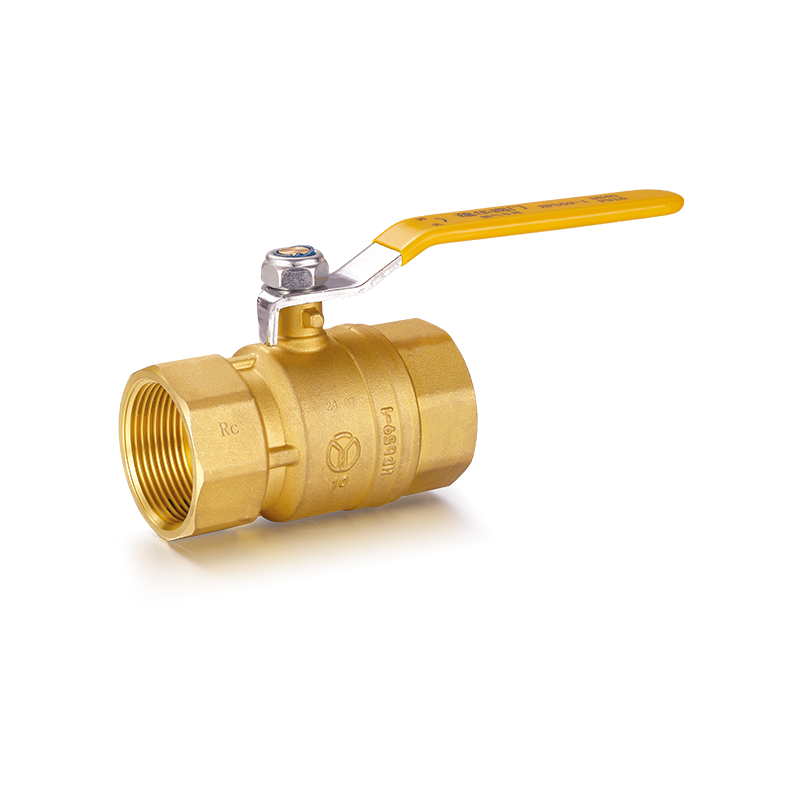 View More
YH-201 Brass Ball Valve with Long Handle(F/F)
-
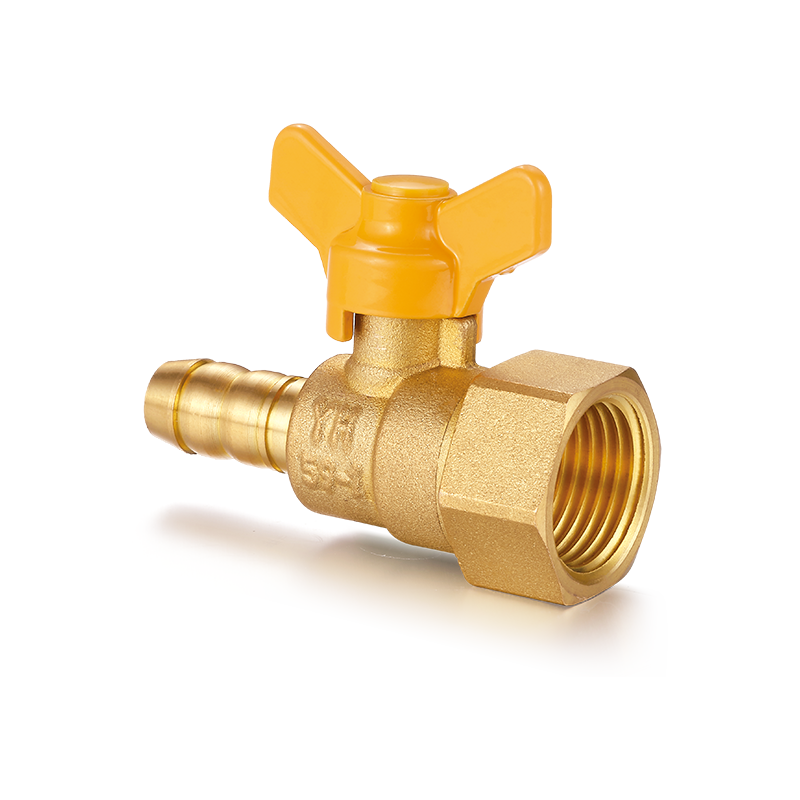 View More
YH-216 Brass Ball Valve with Butterfly Handle(F/Hose Connector)
-
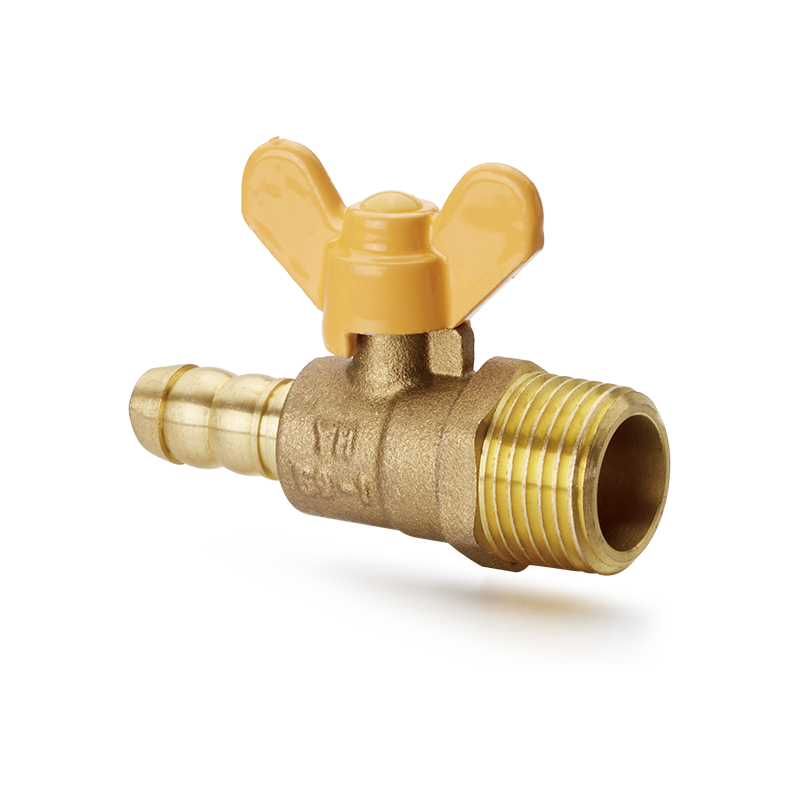 View More
YH-207 Brass Ball Valve with Butterfly Handle(M/hose connector)
Related News
Contact Us
-

-
 +86-0574-63742169
-
 No.104-128, Cizhang East Road, Zhangqi Town, Cixi City, Ningbo, Zhejiang Province, China


Message Us Now !
