

 English
 русский
 عربى
 Español

Hose Connector: Precision, Reliability, and Efficient Fluid Connection for Modern Valve Systems
Content
- 1 Understanding the Function of a Hose Connector
- 2 Product Positioning and Typical Applications
- 3 Key Advantages of a Precision-Made Hose Connector
- 4 Material and Design Considerations
- 5 Advanced Manufacturing Capabilities
- 6 How the Product Compares with Lower-Quality Alternatives
- 7 Manufacturing Quality and Process Control
- 8 Customization and Project Support
- 9 Installation Recommendations
- 10 Maintenance and Service Life
- 11 Why a Valve Manufacturer Is a Suitable Hardware Accessory Partner
- 12 Purchasing Guide for Distributors and Equipment Manufacturers
- 13 Technical Evaluation Checklist
- 14 Applications with Water Supply Components
- 15 Applications with Gas and Fluid Valve Assemblies
- 16 Environmental and Operational Considerations
- 17 Benefits for Different Customer Groups
- 18 Quality-Focused Production as a Competitive Advantage
- 19 Frequently Asked Questions
- 19.1 What is the primary purpose of a hose connector?
- 19.2 Can the connector be used for every type of fluid?
- 19.3 How should I select the correct connector size?
- 19.4 What makes a precision-machined connector better than a low-cost alternative?
- 19.5 Does the company support customized hose connectors?
- 19.6 Why is testing important for a hose connector?
- 19.7 Can a hose connector be used with a valve assembly?
- 19.8 How can leakage be prevented during installation?
- 19.9 What manufacturing facilities support this product?
- 19.10 What should be included in a request for quotation?
- 20 Conclusion
- 21 References
- 22 Product: Hose Connector
A hose connector is a small but essential component in many fluid control, water supply, gas distribution, and hardware systems. It provides a secure transition between a hose and another component, such as a valve, pipe, fitting, nozzle, or equipment inlet. Although its physical size is often modest, its performance can directly affect system safety, installation efficiency, service life, and resistance to leakage. A properly designed hose connector must therefore combine dimensional accuracy, suitable material performance, dependable sealing, and consistent manufacturing quality.
The Hose Connector supplied by Ningbo Yunhua Valve Co., Ltd. is developed within a broader product portfolio covering gas and fluid valves, water supply valves, and hardware accessories. This manufacturing background is important because a connector is rarely used as an isolated product. It normally operates as part of a complete fluid control assembly. Compatibility with valves, hose systems, threaded components, and other fittings is therefore a central consideration in product design and quality control.
For distributors, equipment manufacturers, installers, and professional users, the value of a hose connector extends beyond its purchase price. A reliable connector can reduce installation time, minimize adjustment work, support stable system operation, and help lower the cost of maintenance over the working life of an application. The product is particularly suitable for projects that require practical connection performance, repeatable dimensions, and a stable supply from an experienced valve and hardware accessory manufacturer.
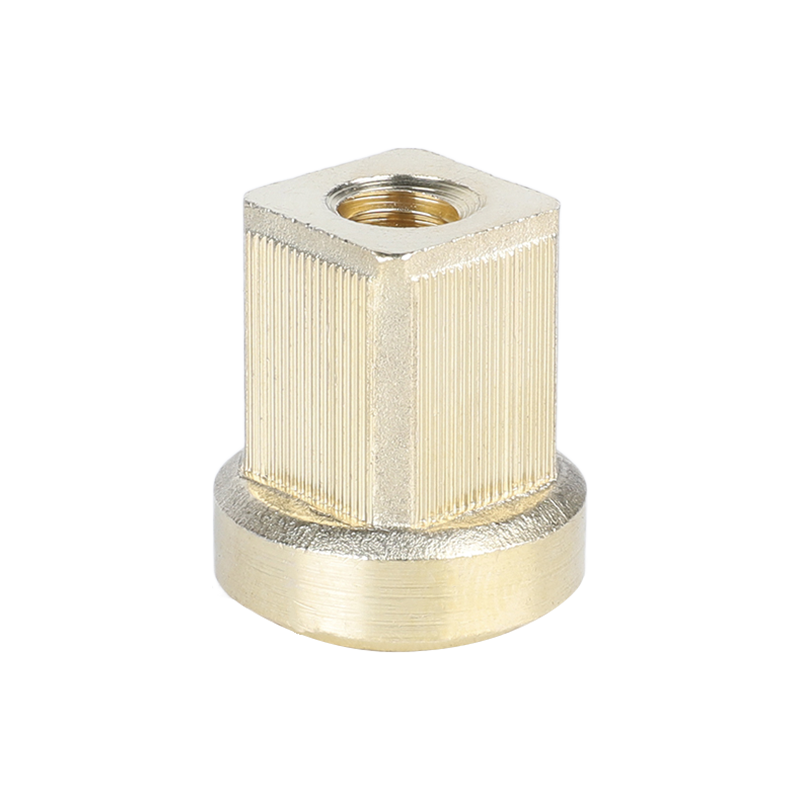
Hose Connector
Understanding the Function of a Hose Connector
A hose connector is designed to join a flexible hose with a compatible connection point. Depending on the application, the connection point may use an internal thread, external thread, socket, compression interface, barb, or another mechanical design. The connector creates a controlled transition between components that may have different shapes, materials, or connection methods.
Flexible hoses are widely used because they simplify installation and accommodate movement, vibration, and changes in equipment position. However, a hose cannot always be connected directly to a valve or rigid pipe. The connection must be properly supported and sealed. This is where a hose connector provides practical value. It offers a defined interface, helps distribute mechanical forces, and provides a suitable surface for the sealing method selected by the installer.
In fluid systems, connection quality is influenced by several factors. Thread accuracy affects engagement and alignment. Surface condition influences sealing performance. Dimensional consistency determines whether the connector fits correctly with mating parts. Material selection affects resistance to pressure, temperature, corrosion, and environmental exposure. Manufacturing control must address all of these factors rather than focusing on only one feature.
A good hose connector should also support efficient installation. The user should be able to identify the connection ends, position the component correctly, and tighten it using standard tools and accepted installation practices. Unnecessarily complicated designs may increase labor costs and create more opportunities for assembly errors. A practical connector design balances secure performance with straightforward handling.
Product Positioning and Typical Applications
The Hose Connector belongs to the hardware accessories category and is also relevant to valve-related product systems. Its purpose is to support the connection of hoses with fluid control or supply components. The exact configuration can be selected according to the intended hose size, mating thread, media, operating environment, and installation method.
Potential applications include water supply installations, general fluid transfer equipment, plumbing assemblies, irrigation arrangements, equipment connection points, gas-related hardware systems where the complete assembly is appropriately specified, and industrial or commercial maintenance projects. Before use in any particular service, the connector should be matched with the pressure, temperature, medium, hose material, and applicable technical requirements of the system.
The product can be valuable in both original equipment manufacturing and replacement markets. Equipment manufacturers may integrate connectors into packaged systems, valve assemblies, or machinery modules. Distributors may stock them as standard hardware accessories for contractors and maintenance teams. Professional installers may use them when adapting a flexible hose to a threaded valve, pipe fitting, or other fixed connection point.
Because hose systems vary considerably, product selection should begin with the connection requirements rather than appearance alone. Important details include the hose internal or external diameter, the thread type and size, the direction of connection, the required sealing arrangement, and the operating conditions. A technically appropriate connector can help prevent forced assembly, misalignment, and premature leakage.
Key Advantages of a Precision-Made Hose Connector
Reliable Connection Geometry
Connection geometry is one of the most important characteristics of a hose connector. Threads, shoulders, sealing surfaces, and hose insertion areas must be manufactured within appropriate dimensional tolerances. If these areas are inconsistent, the product may be difficult to assemble or may require excessive tightening to achieve a seal.
A precision-made connector supports smoother engagement with mating components. Correct geometry helps the installer maintain alignment and reduces the likelihood of cross-threading. It also allows the sealing element or sealing surface to work as intended. In comparison with low-quality products that may have uneven threads, rough edges, or inconsistent dimensions, a carefully manufactured connector can provide a more predictable installation experience.
Improved Sealing Performance
Leakage is one of the primary concerns in any hose connection. A connector must provide a stable interface between the hose assembly and the connected valve, pipe, or equipment. Proper surface finish, accurate dimensions, and a compatible sealing method all contribute to improved sealing performance.
The connector itself does not replace the need for correct installation. The selected sealing material, tightening torque, hose condition, and mating component must all be appropriate. Nevertheless, a well-manufactured product gives the installer a dependable foundation. Consistency from one connector to another is particularly important for large projects, where hundreds or thousands of units may be assembled.
Practical Installation
Hardware accessories should make installation easier rather than more complicated. A hose connector with clearly defined interfaces can save time during assembly and maintenance. It can also help reduce the need for special adaptation parts. When the connector is compatible with existing hoses and valve components, installers can complete work with familiar tools and established procedures.
Efficient installation has commercial value. Shorter installation time can reduce labor expenditure, accelerate equipment commissioning, and limit operational interruptions. For distributors and contractors, a product that is easy to understand and apply can also reduce customer support requirements.
Adaptability Within Fluid Systems
Hose connectors are often used in systems containing a mixture of flexible and rigid components. A hose may need to be routed around equipment, absorb movement, or connect components that are not perfectly aligned. The connector provides a stable interface between these different system elements.
When used with suitable valves and fittings, the connector can support a modular installation approach. Components can be assembled, inspected, replaced, or reconfigured without redesigning the complete system. This adaptability is useful in water supply projects, service equipment, fluid handling systems, and maintenance applications.
Consistent Product Availability
For commercial users, availability is an important advantage. A technically suitable product is less useful if it cannot be supplied consistently or if dimensions change between production batches. A manufacturer with dedicated machining, assembly, and testing capabilities is better positioned to support repeat orders and stable product specifications.
Ningbo Yunhua Valve Co., Ltd. has an annual production capacity of up to 2 million sets of valves and 10 million sets of hardware accessories. This capacity supports the company’s ability to serve regular orders, project requirements, and distributor demand. Production scale does not replace quality control, but it can provide valuable supply stability when supported by organized manufacturing processes.
Material and Design Considerations
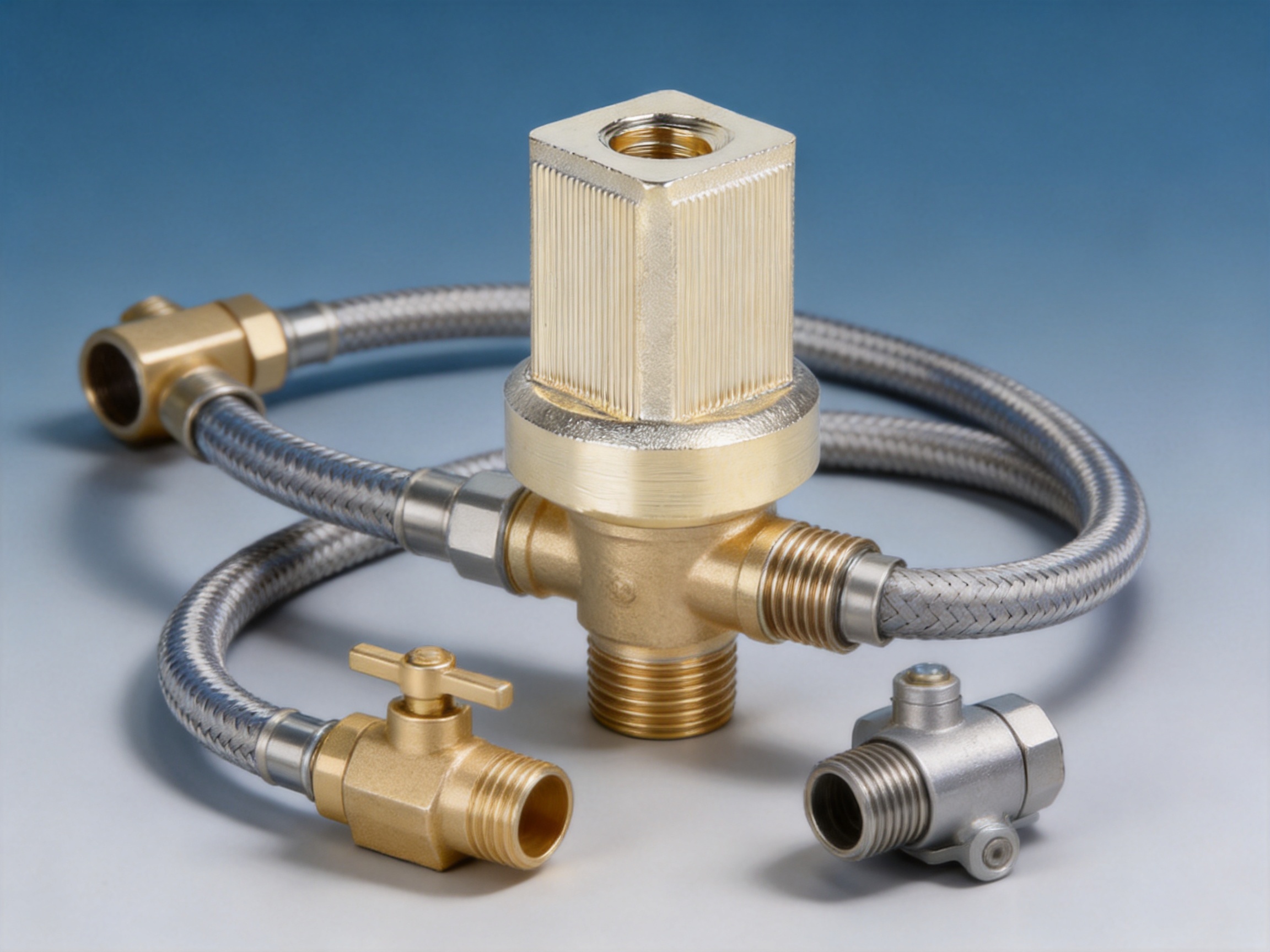
Material selection should be based on the service conditions of the connector. Water, gas, air, chemicals, oils, and other media can impose different requirements. Environmental exposure may also include humidity, temperature changes, outdoor installation, mechanical vibration, or contact with dissimilar materials.
The connector should be selected with attention to corrosion resistance, mechanical strength, dimensional stability, and compatibility with the hose and mating components. In valve and hardware applications, metallic materials are frequently chosen because they offer a combination of strength, durability, and resistance to installation forces. The final material specification should always be confirmed according to the product configuration and intended application.
Surface condition is another important factor. A clean and suitably finished connection area supports better assembly and reduces the risk of damage to sealing elements. Burrs, sharp edges, or irregular machining marks can interfere with installation and may damage a hose or gasket. Precision machining and proper finishing procedures help control these risks.
Thread design also requires careful attention. The thread must match the mating component in type, size, direction, and intended sealing method. A connector should never be forced into a mismatched thread. Using an incorrect thread may cause damage, unreliable sealing, or failure during service. For professional purchasing, thread information should be confirmed before an order is placed.
Advanced Manufacturing Capabilities
Precision Machining Workshop
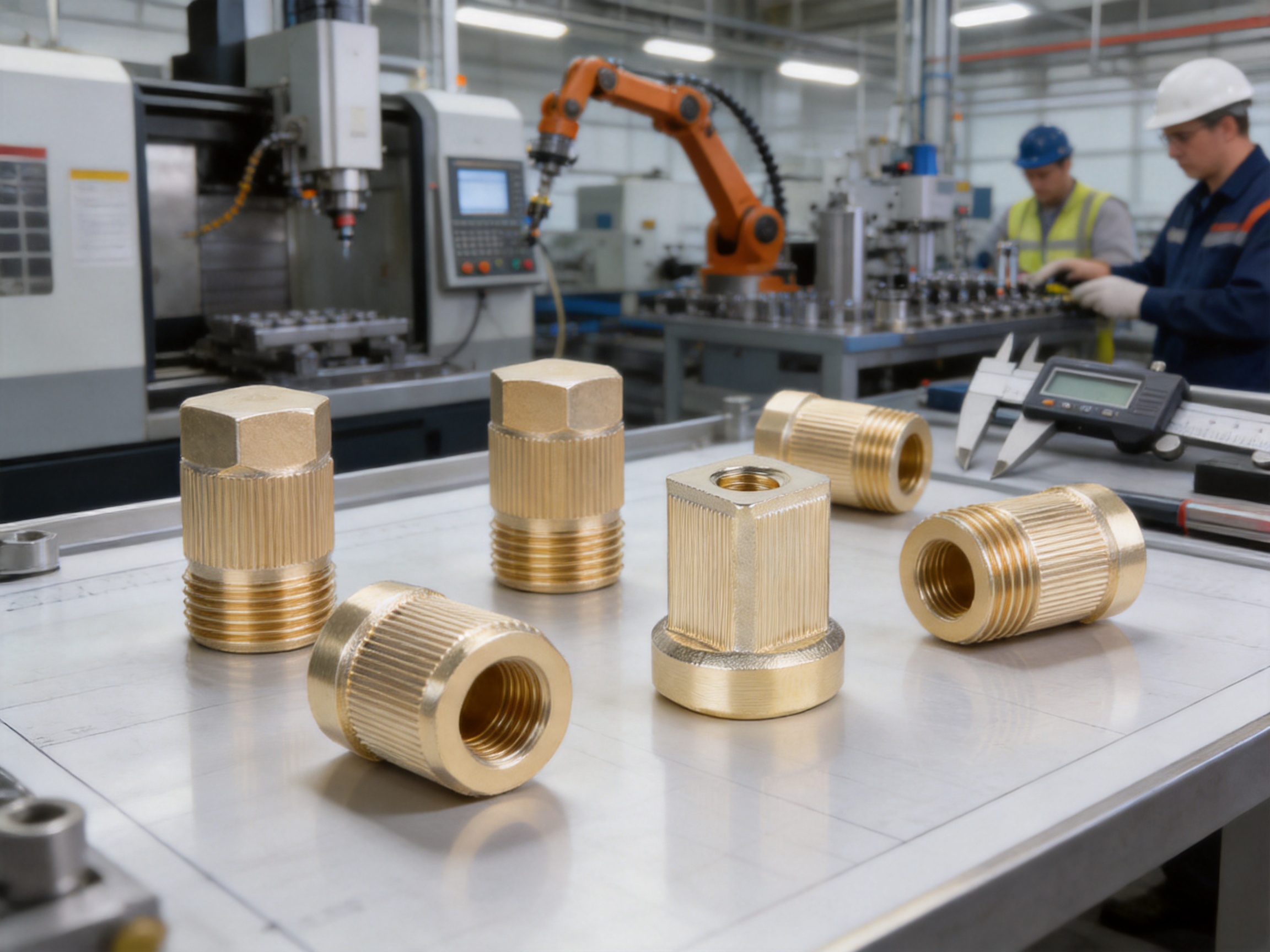
Ningbo Yunhua Valve Co., Ltd. has established a professional, fully automated precision machining workshop. This manufacturing environment is designed to support accurate production of valve components and hardware accessories. Precision machining is especially valuable for hose connectors because many of their performance characteristics depend on dimensional control.
Computer numerical control equipment can produce repeated component geometries with a high level of consistency. Automated machining helps control the location and size of threads, bores, shoulders, and external profiles. It also supports efficient production when a customer requires repeat orders or a large quantity of parts with the same specification.
A dedicated machining workshop provides additional advantages over fragmented or loosely controlled production. Processes can be organized around defined work instructions, inspection points, tooling arrangements, and production schedules. This structure supports better traceability and makes it easier to identify process deviations before they affect a large batch.
Modern CNC Equipment
The company is equipped with advanced domestic and international CNC machine tools. CNC equipment allows production teams to use programmed machining cycles for repeatable component manufacturing. For a hose connector, this can contribute to stable thread profiles, consistent outer dimensions, controlled bore sizes, and accurate transitions between machined surfaces.
Modern CNC machines can also improve production flexibility. Different connector configurations can be produced by changing approved programs, tooling, and inspection settings. This is useful for customers who require variations in size, thread, connection format, or application-specific design. Proper program management and process verification remain essential to ensure that every configuration is manufactured correctly.
Compared with manual or poorly standardized machining, CNC production can reduce variation caused by operator technique. Skilled personnel are still required to prepare equipment, monitor tooling, inspect components, and respond to process conditions. The benefit comes from combining advanced equipment with trained people and controlled procedures.
Automated Assembly Line
The company has also established an automated assembly line. Assembly quality is important because a connector may be supplied as a standalone component or as part of a larger valve and hardware accessory system. Consistent assembly helps ensure that components are positioned correctly and that production results are repeatable.
Automation can improve productivity and reduce unnecessary handling. It can also help standardize the sequence in which components are assembled. When supported by appropriate inspections, this reduces the possibility of missing parts, incorrect orientation, or inconsistent assembly pressure.
For customers, an organized assembly process can translate into more dependable incoming products. Products that are ready for straightforward installation can reduce the need for additional adjustment or rework at the customer’s facility. This is particularly beneficial for original equipment manufacturers that integrate large numbers of connectors or related valve components into their own products.
Testing Workshop
Quality cannot be determined by machining appearance alone. A connector must be evaluated according to the characteristics relevant to its intended use. Ningbo Yunhua Valve Co., Ltd. has a professional testing workshop and automated testing equipment to support product verification.
Testing activities may be organized around dimensional checks, visual inspection, connection integrity, assembly condition, and other requirements applicable to the product. The exact test program should correspond to the final product specification and the customer’s technical expectations. A structured testing environment helps ensure that quality evaluation is not treated as an informal or occasional activity.
Testing is particularly important in fluid control products because small dimensional deviations can affect sealing and compatibility. By introducing inspection and testing into the manufacturing workflow, the company can identify potential issues earlier and support more consistent quality between production batches.
How the Product Compares with Lower-Quality Alternatives
Customers evaluating hose connectors often compare products primarily by unit price. Price is relevant, but it does not represent the full cost of ownership. A lower-priced connector may become more expensive if it causes installation delays, leakage, replacement work, equipment downtime, or customer complaints.
A precision-manufactured connector offers advantages in areas that may not be visible in a product photograph. These include thread consistency, controlled dimensions, better surface condition, reliable batch repeatability, and support from an organized manufacturing system. Such characteristics can reduce hidden costs throughout the purchasing and installation process.
One difference between a professionally manufactured product and a low-quality alternative is dimensional consistency. If every piece in a batch has slightly different thread engagement or hose insertion dimensions, installers may need to sort parts or adjust their methods. Consistency allows them to follow a standard procedure and achieve more predictable results.
Another difference is production support. An established manufacturer with machining, assembly, and testing capabilities can communicate more effectively about product specifications, production schedules, quality requirements, and possible customization. This is valuable for distributors and equipment manufacturers that need stable cooperation rather than a one-time transaction.
Supply capacity is also an important competitive factor. With production capacity reaching millions of valve and hardware accessory sets annually, the company is positioned to support both standard demand and larger purchasing programs. Customers should still confirm actual lead times, specifications, packaging, and order quantities for each project, but manufacturing scale provides a strong foundation for commercial cooperation.
Manufacturing Quality and Process Control
Quality is created through a sequence of controlled activities rather than through final inspection alone. For a hose connector, the process may begin with material and component preparation, continue through machining and finishing, proceed to assembly if required, and conclude with inspection, testing, packaging, and shipment.
Each stage has a specific role. Material control helps establish the foundation for mechanical and environmental performance. Machining control ensures that the connector’s critical dimensions are within the required range. Finishing control helps protect surfaces and improve assembly. Assembly control ensures that any additional components are correctly positioned. Testing confirms that the finished product meets defined requirements.
A professional manufacturing system also benefits from process documentation. Standardized work instructions help operators follow the correct sequence. Inspection criteria provide a common basis for acceptance decisions. Production records can support traceability and continuous improvement. These systems are particularly important when supplying international customers with consistent expectations over multiple orders.
The company’s experience in valve production contributes to its understanding of fluid system requirements. Valves and connectors must often work together, and the performance of one component can influence the performance of the complete assembly. Experience with gas and fluid valves, water supply valves, and hardware accessories provides a useful foundation for designing and manufacturing connection components.
Customization and Project Support
Not every customer requires exactly the same hose connector. Differences may include thread standards, dimensions, connection formats, material requirements, surface treatment, packaging, labeling, and application conditions. A manufacturer with in-house machining and organized production resources can be better prepared to evaluate these requirements.
Customization should begin with a clear technical description. Customers should provide hose dimensions, mating connection information, pressure and temperature conditions, fluid type, installation environment, expected quantity, and any applicable standards. Drawings, samples, or photographs may also help clarify the required configuration.
After technical information is reviewed, the manufacturer can determine whether the request can be addressed through an existing model, a modified design, or a new product arrangement. It is important to verify prototypes or samples before committing to large-scale production. This reduces the risk of misunderstanding and helps confirm that the connector fits the intended hose and equipment.
Customization is not limited to physical dimensions. Packaging and identification may also be adapted for distributor and project needs. Clear labeling can help users distinguish between thread sizes or application categories. Appropriate packaging can protect machined surfaces and reduce damage during transportation and storage.
Installation Recommendations
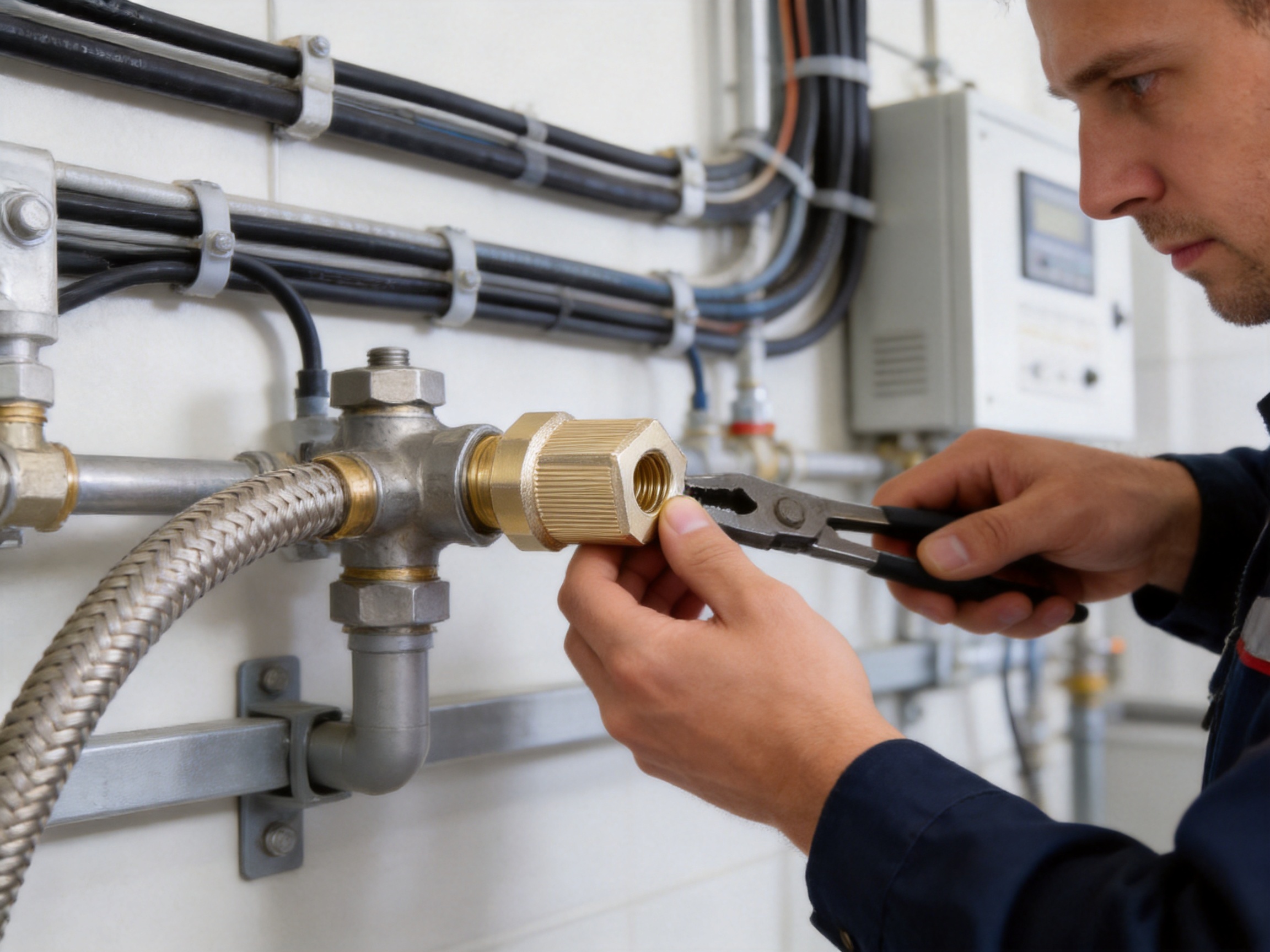
Before installation, inspect the hose connector and all mating parts. Confirm that the connector is free from visible damage, contamination, burrs, or deformation. Check the thread type and size, and make sure that the hose is compatible with the selected connector.
The hose should be cut cleanly when the design requires hose insertion. An uneven or damaged hose end may prevent proper seating. If a clamp, ferrule, gasket, or sealing ring is required, it should be correctly positioned and suitable for the operating medium.
During threaded assembly, start the connection by hand whenever possible. This helps prevent cross-threading and allows the installer to confirm that the threads are correctly matched. If unusual resistance is felt at the beginning of engagement, stop and inspect the components rather than applying additional force.
Use an appropriate tool on the designated tightening area. Avoid gripping delicate surfaces, hose sections, or finished areas that may be damaged. Over-tightening can distort threads, damage seals, or place unnecessary stress on the connector and mating component. The correct tightening method depends on the connection design and sealing arrangement.
After installation, inspect the assembly and perform the appropriate leak or pressure check before placing the system into normal service. The test procedure should match the application and applicable safety requirements. If leakage is observed, depressurize the system before attempting adjustment or replacement.
Maintenance and Service Life
The service life of a hose connector depends on the complete operating environment. Pressure cycles, temperature changes, vibration, chemical exposure, ultraviolet exposure, mechanical loading, and installation quality can all influence performance. Even a well-made connector should be used within its specified conditions.
Regular inspection can help identify early signs of wear. Users should look for leakage, corrosion, damaged threads, deformation, hose movement, cracking, or deterioration of sealing materials. Connections exposed to vibration or repeated movement may require more frequent inspection than static installations.
When a hose is replaced, the connector should also be checked. Reusing a component may be acceptable if it remains in suitable condition and the application permits reuse, but damaged or deformed parts should not be returned to service. Sealing elements may need replacement even when the connector body appears acceptable.
Good maintenance records can improve system management. Recording installation dates, inspection results, replacement activity, and operating conditions helps maintenance teams identify recurring issues. If a connector repeatedly fails in the same location, the underlying cause may involve vibration, misalignment, incorrect hose routing, excessive pressure, or an unsuitable material combination.
Why a Valve Manufacturer Is a Suitable Hardware Accessory Partner
A hose connector used in a fluid system benefits from being developed by a manufacturer that understands the behavior of valves, fittings, and connection interfaces. Ningbo Yunhua Valve Co., Ltd. specializes in gas and fluid valves, water supply valves, and hardware accessories. This product knowledge allows the company to view the connector as part of a complete fluid control ecosystem.
The company has spent more than ten years developing its corporate culture, management system, and professional management team. Long-term organizational development is valuable in manufacturing because customer service, production planning, technical communication, and quality management must work together.
The company operates on an area of approximately 20,000 square meters. Its facilities include a precision machining workshop, assembly line, and testing workshop. This integrated arrangement supports coordination between production stages and provides a stronger basis for managing product consistency.
The company’s stated vision is to become a leading enterprise in the global fluid control industry, while its mission is to build a safe fluid ecosystem with high-quality valves. These objectives are consistent with the requirements of hose connector production. A safe fluid system depends not only on major valves but also on the smaller connection components that keep the system sealed and mechanically stable.
For international customers, cooperation with an organized manufacturer can simplify sourcing. A supplier that produces valves and hardware accessories may help customers coordinate related products, reduce the number of separate vendors, and develop compatible component combinations. This can be especially useful for wholesalers, project contractors, and equipment manufacturers.
Purchasing Guide for Distributors and Equipment Manufacturers
When purchasing hose connectors in commercial quantities, buyers should create a clear product specification. The specification should identify the hose size, connection type, thread standard, material, surface finish, operating medium, working pressure, temperature range, packaging requirements, and expected order volume.
Buyers should also clarify whether the product is intended for water, air, gas, general fluid transfer, or another medium. A connector suitable for one service may not be suitable for another. Application approval, regulatory requirements, and installation standards may vary by market and industry.
It is useful to request technical drawings or samples before confirming a large order. A drawing can clarify critical dimensions, while a sample can confirm practical compatibility with the hose and mating parts. If the product will be integrated into an assembly, testing the complete assembly is preferable to evaluating the connector in isolation.
Packaging should be discussed when connectors are shipped over long distances or stored for extended periods. Protective packaging can help prevent surface damage, contamination, and mixing of different specifications. Labels should provide enough information for warehouse staff and installers to identify the product accurately.
For repeat orders, buyers should define the expected requirements for consistency. If dimensions, material, finish, or packaging must remain unchanged, these requirements should be included in the technical and commercial documentation. Clear communication helps both parties maintain stable product expectations.
Technical Evaluation Checklist
| Evaluation Item | Why It Matters | Recommended Verification |
|---|---|---|
| Hose compatibility | Ensures the hose can be securely attached without excessive force or deformation. | Confirm hose size, material, insertion depth, and retention method. |
| Thread specification | Prevents cross-threading, poor engagement, and leakage at the mating connection. | Verify thread type, size, direction, and sealing arrangement. |
| Material suitability | Supports resistance to the working medium and environmental conditions. | Review the material specification against pressure, temperature, and corrosion conditions. |
| Dimensional accuracy | Allows repeatable assembly and compatibility with related components. | Check drawings, samples, inspection records, or agreed tolerances. |
| Surface condition | Helps protect seals and supports smooth installation. | Inspect for burrs, scratches, contamination, and machining irregularities. |
| Testing capability | Provides evidence that product requirements are being verified. | Confirm applicable inspection and testing procedures with the manufacturer. |
| Production capacity | Supports stable delivery for recurring or large-volume requirements. | Discuss annual capacity, order quantity, lead time, and production scheduling. |
| Customization support | Helps address special dimensions, packaging, or application requirements. | Provide drawings, samples, technical data, and expected quantities. |
Applications with Water Supply Components
Water supply systems often include a combination of rigid pipes, flexible hoses, valves, pumps, filters, tanks, and equipment inlets. A hose connector can provide a practical transition between these elements. It may be used where a flexible connection is preferred for convenience, vibration absorption, equipment servicing, or installation flexibility.
In these systems, attention should be paid to pressure conditions and the quality of the hose connection. The connector must be paired with a hose and sealing method that are suitable for the water service. Installation should prevent sharp bending, twisting, and side loading at the connection point.
For maintenance teams, a standardized hose connector can simplify replacement work. If the connector dimensions and thread specifications are consistent across equipment, technicians can use established procedures and reduce the need for improvised adapters. This helps improve repair efficiency and supports better inventory management.
Applications with Gas and Fluid Valve Assemblies
Gas and fluid systems require careful product selection and installation. A connector used in such an assembly must be appropriate for the specific medium, pressure, temperature, and regulatory environment. The presence of a connector in a gas-related system does not automatically make it suitable for every gas application. Technical approval and application compatibility must be confirmed before use.
Within a properly specified valve assembly, the hose connector can support the connection between flexible lines and control components. Its performance contributes to the overall integrity of the installation. Correct thread matching, suitable sealing, controlled tightening, and post-installation testing are particularly important.
The experience of a valve manufacturer can be helpful in these applications because the connector is considered together with the valve interface and the complete fluid path. This integrated perspective can support more practical product selection and reduce incompatibility between individual components.
Environmental and Operational Considerations
Hose connectors may be installed indoors, outdoors, in equipment cabinets, in utility spaces, or in industrial environments. Conditions such as moisture, dust, temperature variation, vibration, and chemical exposure should be considered before selecting the product.
Outdoor applications may require attention to surface protection and exposure to weather. Installations near chemicals may require a material and finish that resist the specific substances present. Areas with mechanical vibration may require hose routing and support that prevent repeated stress at the connector.
Operating pressure should not be considered separately from temperature. In some materials and system designs, allowable pressure changes as temperature increases. The complete assembly, including the hose, connector, valve, and sealing elements, should be evaluated according to the most demanding condition expected during service.
Proper routing is also important. The hose should not be used to support the weight of heavy equipment or impose a continuous bending load on the connector. Adequate support and a suitable bend radius can help protect the connection and extend service life.
Benefits for Different Customer Groups
For Distributors
Distributors need products that are easy to specify, stock, and supply to different customers. A hose connector supported by stable manufacturing and multiple hardware accessory capabilities can be a useful addition to a product portfolio. Consistent dimensions and packaging help simplify warehouse management and order fulfillment.
For Contractors and Installers
Contractors benefit from components that are practical to install and compatible with commonly used valve and hose systems. Accurate threads, clean machining, and clear product identification can reduce installation delays. Reliable supply also helps contractors complete projects according to schedule.
For Equipment Manufacturers
Equipment manufacturers often require repeatable components that can be integrated into a production line. The combination of CNC machining, automated assembly, and testing can support consistent supply for original equipment applications. Customization may also help manufacturers adapt the connector to a specific equipment layout.
For Maintenance Departments
Maintenance departments value interchangeability, availability, and predictable replacement procedures. A stable hose connector specification can reduce the number of different parts kept in inventory. It can also help technicians complete repairs with less downtime.
Quality-Focused Production as a Competitive Advantage
The most important competitive advantage of a hose connector is dependable performance in the field. This performance is supported by the entire production system: equipment, personnel, process control, inspection, testing, and customer communication.
Ningbo Yunhua Valve Co., Ltd. combines experience in fluid control products with dedicated manufacturing facilities. Its precision machining workshop supports accurate component production. Its automated assembly line supports repeatable assembly. Its testing workshop and automated testing equipment support verification. Its production capacity supports commercial supply. Together, these capabilities provide a stronger value proposition than a product evaluated only by appearance or initial price.
The company’s manufacturing scale also supports product development. When a supplier has experience producing millions of valves and hardware accessories, it can draw on established knowledge of machining, assembly, testing, and customer requirements. This experience can help improve the practicality of new or customized hose connector designs.
For customers seeking a long-term supply partner, these strengths can reduce sourcing risk. A supplier with a clear manufacturing structure is better positioned to respond to technical questions, production requirements, repeat orders, and quality discussions. This is particularly important when hose connectors are used in assemblies where failure may affect a larger piece of equipment.
Frequently Asked Questions
What is the primary purpose of a hose connector?
A hose connector joins a flexible hose to a valve, pipe, fitting, nozzle, or equipment inlet. It provides a defined mechanical and sealing interface between the hose and the connected component.
Can the connector be used for every type of fluid?
No. Suitability depends on the connector material, sealing method, pressure, temperature, hose construction, and the characteristics of the fluid. The application should be reviewed before use, especially for gas, chemical, or high-pressure service.
How should I select the correct connector size?
Confirm the hose dimensions and the mating connection dimensions. The thread type, thread size, connection format, hose diameter, and sealing arrangement must all match. A drawing or sample comparison is recommended for commercial purchasing.
What makes a precision-machined connector better than a low-cost alternative?
Precision machining can provide more consistent threads, dimensions, surface condition, and batch repeatability. These characteristics may reduce installation difficulty, leakage risk, rework, and replacement costs.
Does the company support customized hose connectors?
The company has precision machining and organized production capabilities that can support discussions about customized dimensions, connection formats, packaging, and other requirements. Customers should provide technical drawings, samples, application information, and expected quantities for evaluation.
Why is testing important for a hose connector?
Testing helps verify that the finished product meets defined dimensional, assembly, and performance requirements. Because small deviations can affect thread engagement and sealing, structured inspection is important for consistent product quality.
Can a hose connector be used with a valve assembly?
Yes, a hose connector may be used with a valve assembly when the connector, valve, hose, seals, and operating conditions are compatible. Thread standards, pressure ratings, media suitability, and installation procedures must be confirmed.
How can leakage be prevented during installation?
Use matching threads, inspect all components, keep sealing surfaces clean, select a suitable sealing method, start threaded connections by hand, and apply appropriate tightening. The completed assembly should be checked according to the relevant leak-testing procedure.
What manufacturing facilities support this product?
The product is supported by a professional precision machining workshop, an automated assembly line, a testing workshop, advanced CNC machine tools, and automated assembly and testing equipment.
What should be included in a request for quotation?
A request should include the product name, quantity, hose size, thread specification, material requirements, application medium, pressure and temperature conditions, drawings or samples if available, packaging needs, delivery location, and target delivery schedule.
Conclusion
A hose connector is a fundamental hardware accessory that supports the safe and efficient connection of flexible hoses with valves, pipes, and equipment. Its performance depends on precise dimensions, appropriate materials, effective sealing, correct installation, and compatibility with the complete fluid system.
The Hose Connector manufactured by Ningbo Yunhua Valve Co., Ltd. benefits from the company’s experience in gas and fluid valves, water supply valves, and hardware accessories. The company’s precision machining workshop, advanced CNC equipment, automated assembly line, testing workshop, and substantial production capacity provide a solid manufacturing foundation.
For distributors, contractors, equipment manufacturers, and maintenance departments, the product offers practical value through connection reliability, installation efficiency, repeatable production, and potential customization support. When selected according to the application and installed correctly, it can contribute to a more stable and maintainable fluid control system.
Customers evaluating this product should confirm the required dimensions, thread standards, materials, sealing method, operating conditions, and applicable technical requirements. With those details clearly defined, the hose connector can become an effective part of a complete valve and fluid management solution.
References
1. General principles of threaded pipe and hose connection design.
2. Standard practices for fluid system installation, sealing, and leak testing.
3. Industrial guidance on CNC machining, dimensional control, and component repeatability.
4. General engineering principles for valve, fitting, hose, and hardware accessory compatibility.
5. Manufacturer information concerning precision machining, automated assembly, testing facilities, product capacity, and fluid control applications.
Product: Hose Connector

Related Products
-
 View More
-
 View More
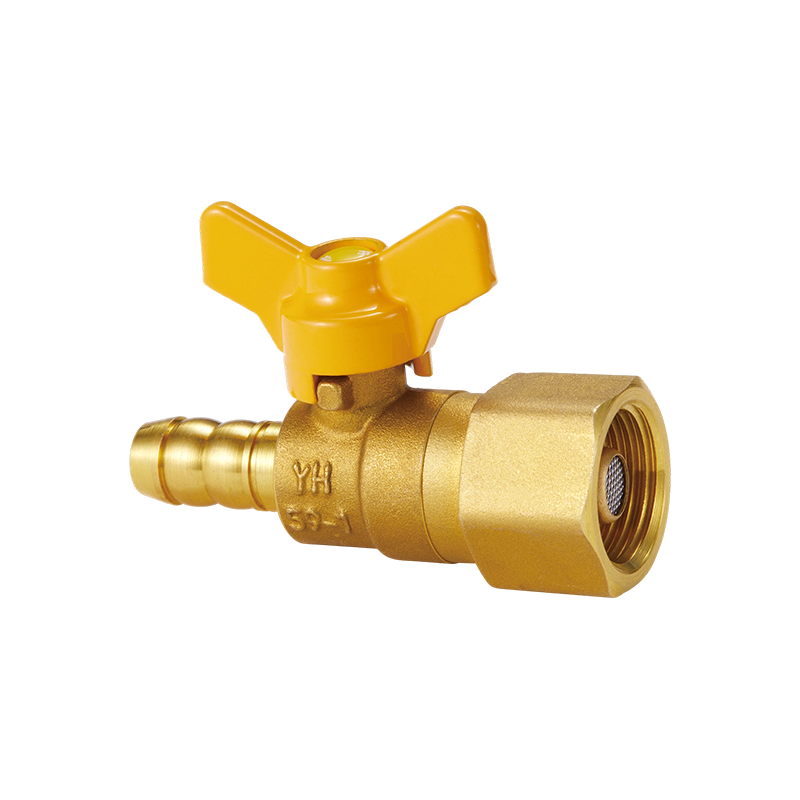
YH-216A Brass Excess Flow Shut-Off Valve(F/Hose Connector)
-
 View More
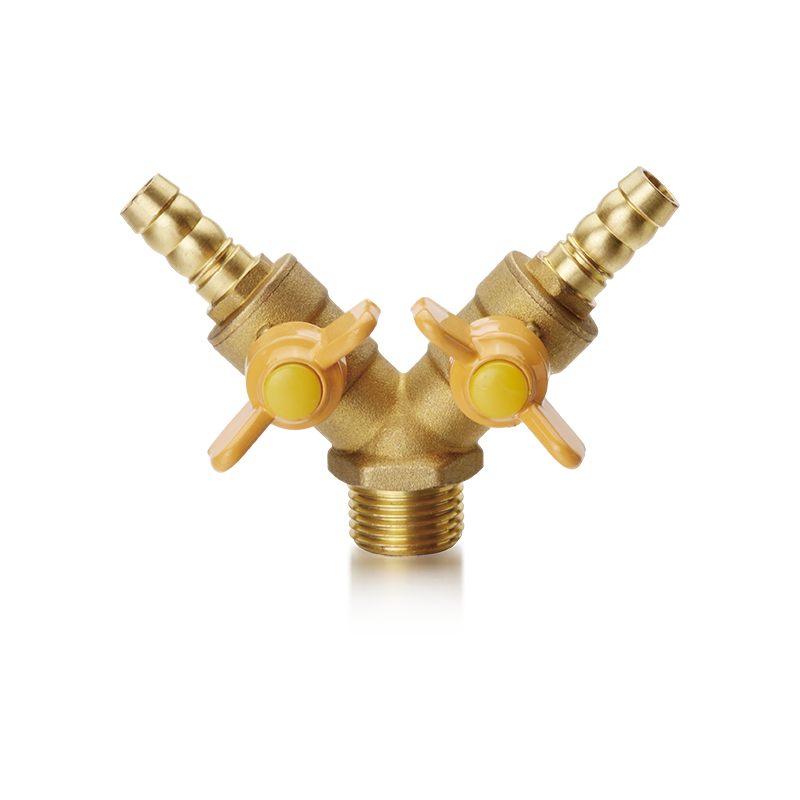
YH-208 Brass Ball Valve(M/Double Hose Connector)
-
 View More
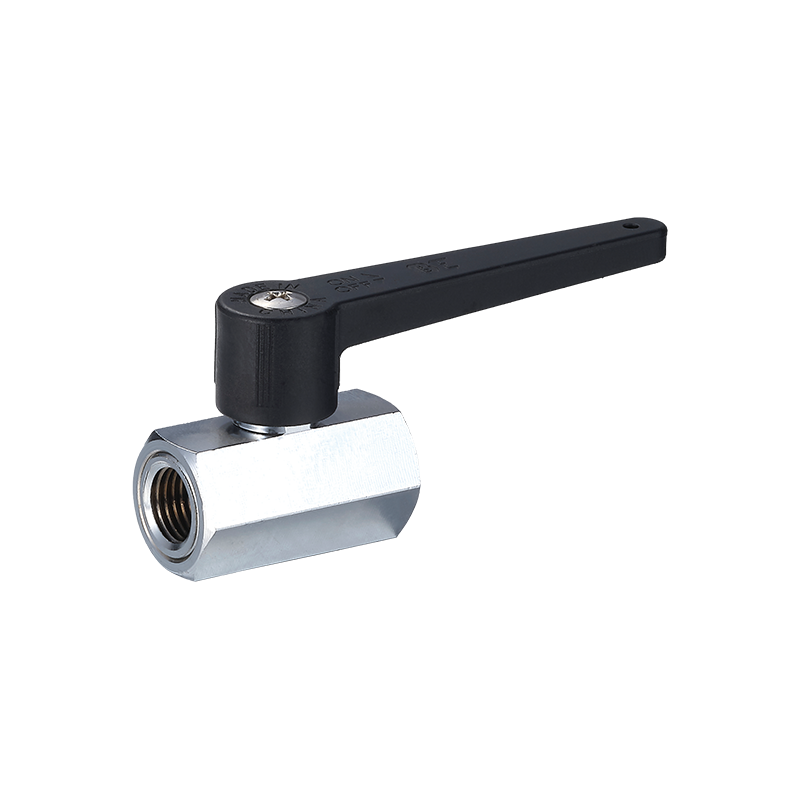
MINI-1 Mini Long Handle Ball Valve(F/F)
-
 View More
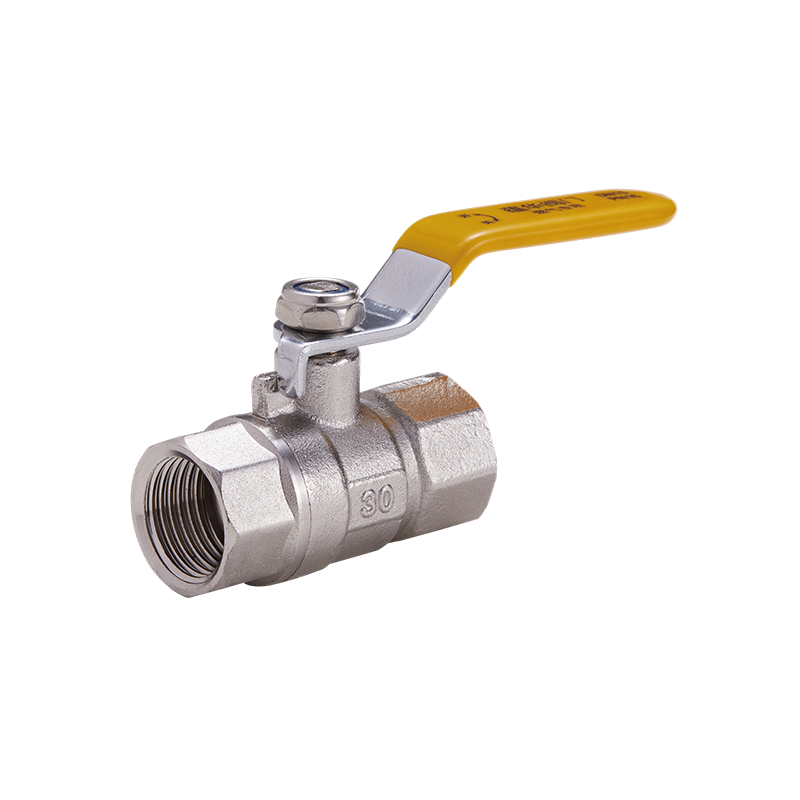
YH-2210 Forged Steel Ball Valve with Long Handle (F/F)
-
 View More
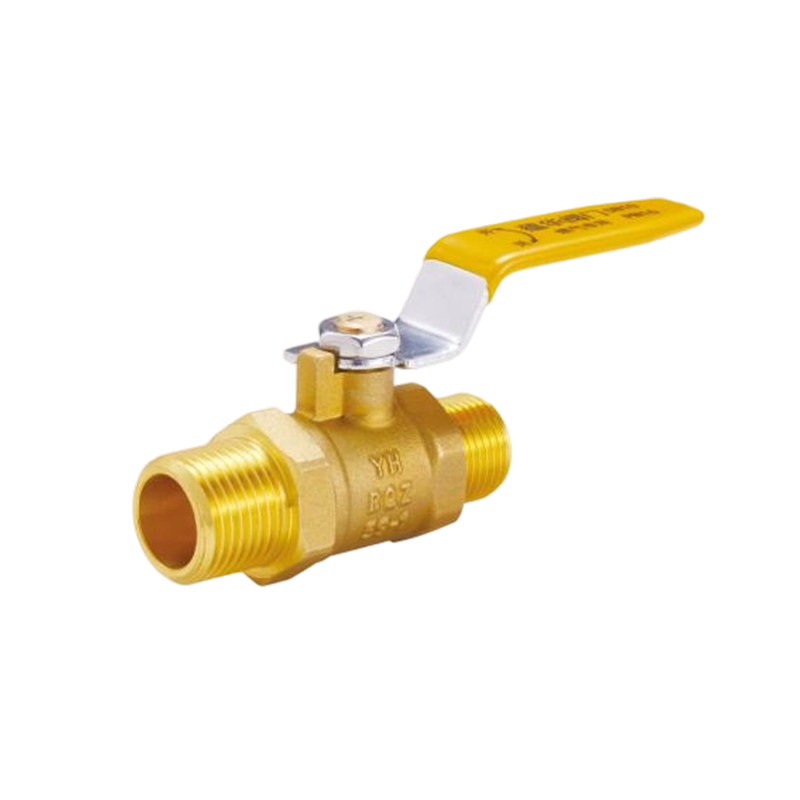
YH-221 Brass Ball Valve with Long Handle(M/M)
Related News
Contact Us
-

-
 +86-0574-63742169
-
 No.104-128, Cizhang East Road, Zhangqi Town, Cixi City, Ningbo, Zhejiang Province, China


Message Us Now !
