


 English
  русский
  عربى
عربى  Español
Pipe Fittings for Reliable Fluid Control and Durable Piping Systems
Content
- 1 Understanding the Role of Pipe Fittings
- 2 Product Characteristics of High-Quality Pipe Fittings
- 3 Advantages Over Ordinary or Inconsistent Alternatives
- 4 Advanced Manufacturing Process
- 5 Applications of Pipe Fittings
- 6 Selection Guide for Buyers and Engineers
- 7 Quality Management and Manufacturing Strengths
- 8 Pipe Fittings and Related Valve Products
- 9 Installation Recommendations
- 10 Maintenance and Service Life
- 11 Comparison of Common Fitting Considerations
- 12 Why Choose a Specialized Manufacturer
- 13 Purchasing for OEM, Wholesale, and Project Applications
- 14 Frequently Asked Questions
- 14.1 What are pipe fittings used for?
- 14.2 What is the difference between a pipe fitting and a valve?
- 14.3 Are brass pipe fittings suitable for gas applications?
- 14.4 When should forged steel fittings be considered?
- 14.5 Why are CNC machines important in fitting production?
- 14.6 How can I reduce leakage from threaded fittings?
- 14.7 What information should I provide when requesting pipe fittings?
- 14.8 Can pipe fittings be supplied for customized applications?
- 14.9 Why should fittings and valves be sourced from a coordinated supplier?
- 14.10 What quality checks are important for pipe fittings?
- 15 Conclusion
- 16 References
- 17 Product: Pipe Fittings
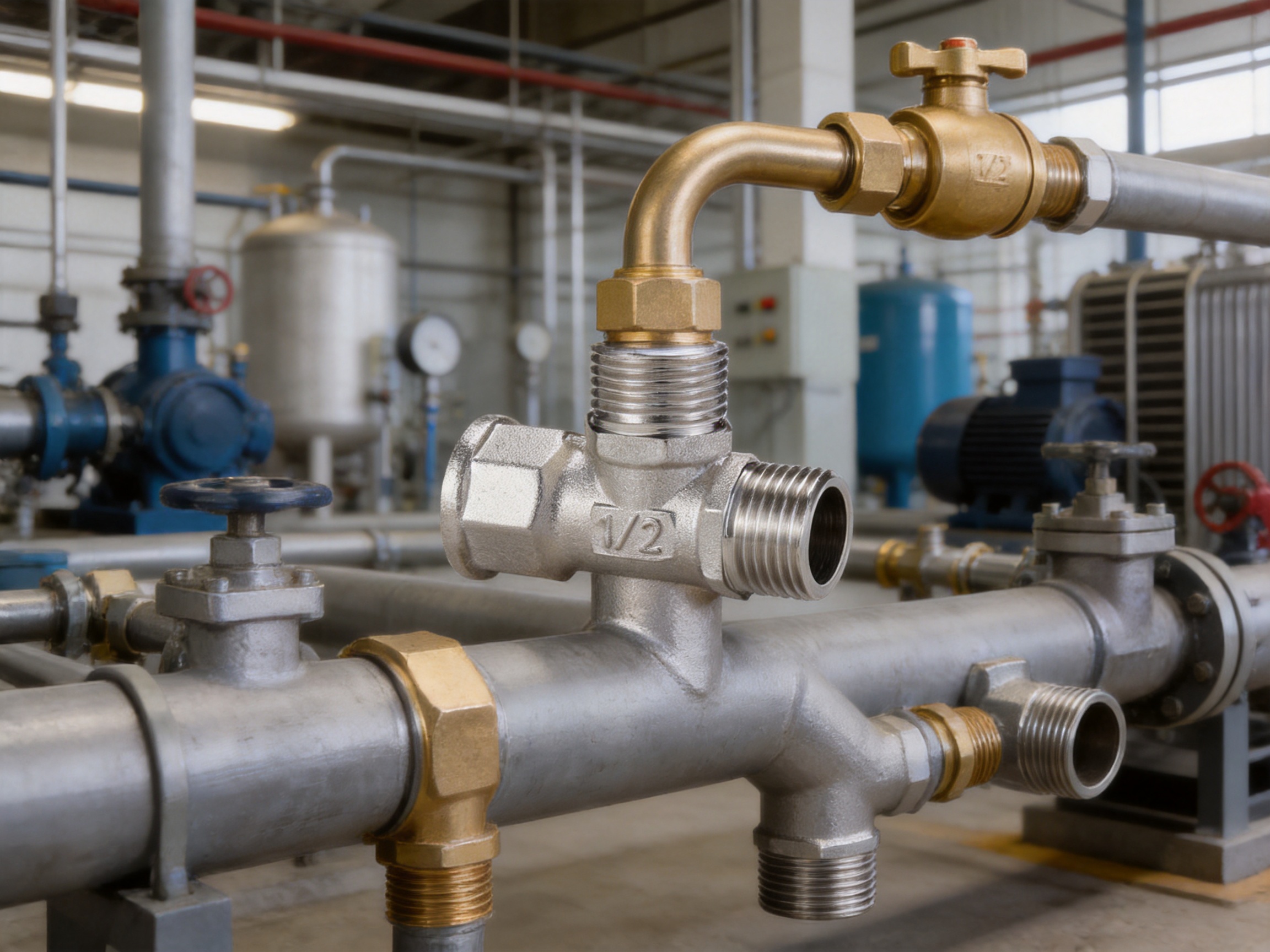
Pipe fittings are essential components in almost every fluid transportation system. They connect pipes, change flow direction, control line geometry, reduce or increase pipe size, and create dependable transition points between valves, equipment, and distribution networks. Although fittings are often smaller and less complex than the valves installed around them, their quality has a direct influence on the safety, efficiency, service life, and maintainability of the complete piping system.
Ningbo Yunhua Valve Co., Ltd. manufactures pipe fittings as part of its broader portfolio of gas and fluid valves, water supply valves, and hardware accessories. With experience in precision machining, automated assembly, and product testing, the company approaches fittings as engineered components rather than simple connection parts. This approach helps customers obtain consistent dimensions, reliable connections, stable performance, and compatibility with a wide range of industrial and commercial piping applications.
Modern piping systems increasingly require components that can withstand pressure fluctuations, vibration, temperature changes, installation stress, corrosion risks, and frequent maintenance. A fitting that appears acceptable during installation may still create leakage, alignment, or flow problems if its threads, sealing surfaces, material quality, or dimensions are inconsistent. For this reason, professional manufacturing and systematic inspection are important advantages when selecting a pipe fittings supplier.
This article examines the role of pipe fittings, the characteristics that distinguish dependable products from ordinary alternatives, and the manufacturing strengths that support consistent quality. It also explains how pipe fittings work with threaded globe valves, forged steel valves, brass gas ball valves, and other fluid control products in complete piping solutions.
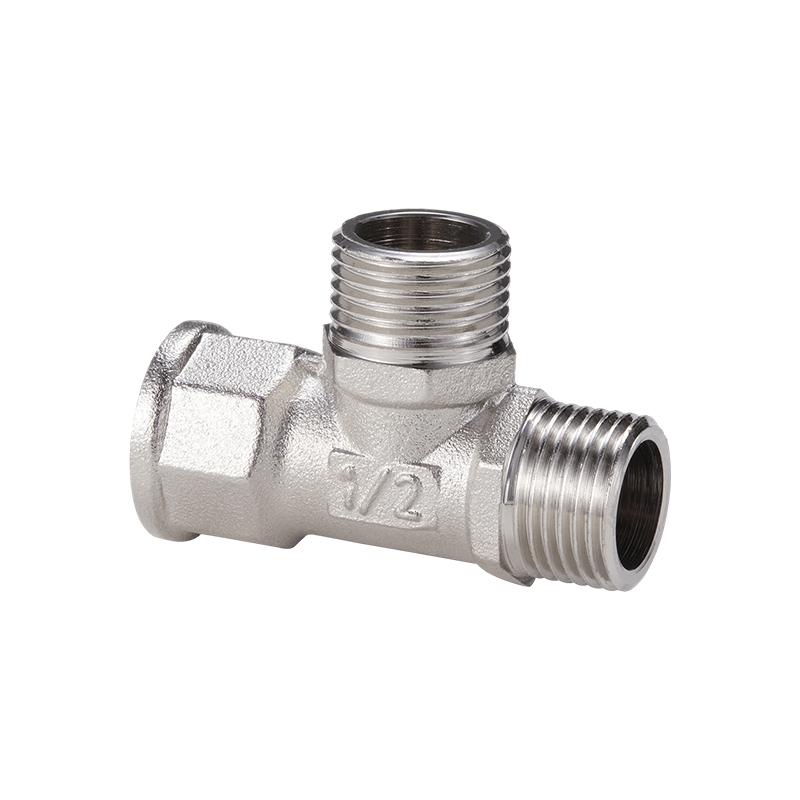
Pipe Fittings
Understanding the Role of Pipe Fittings
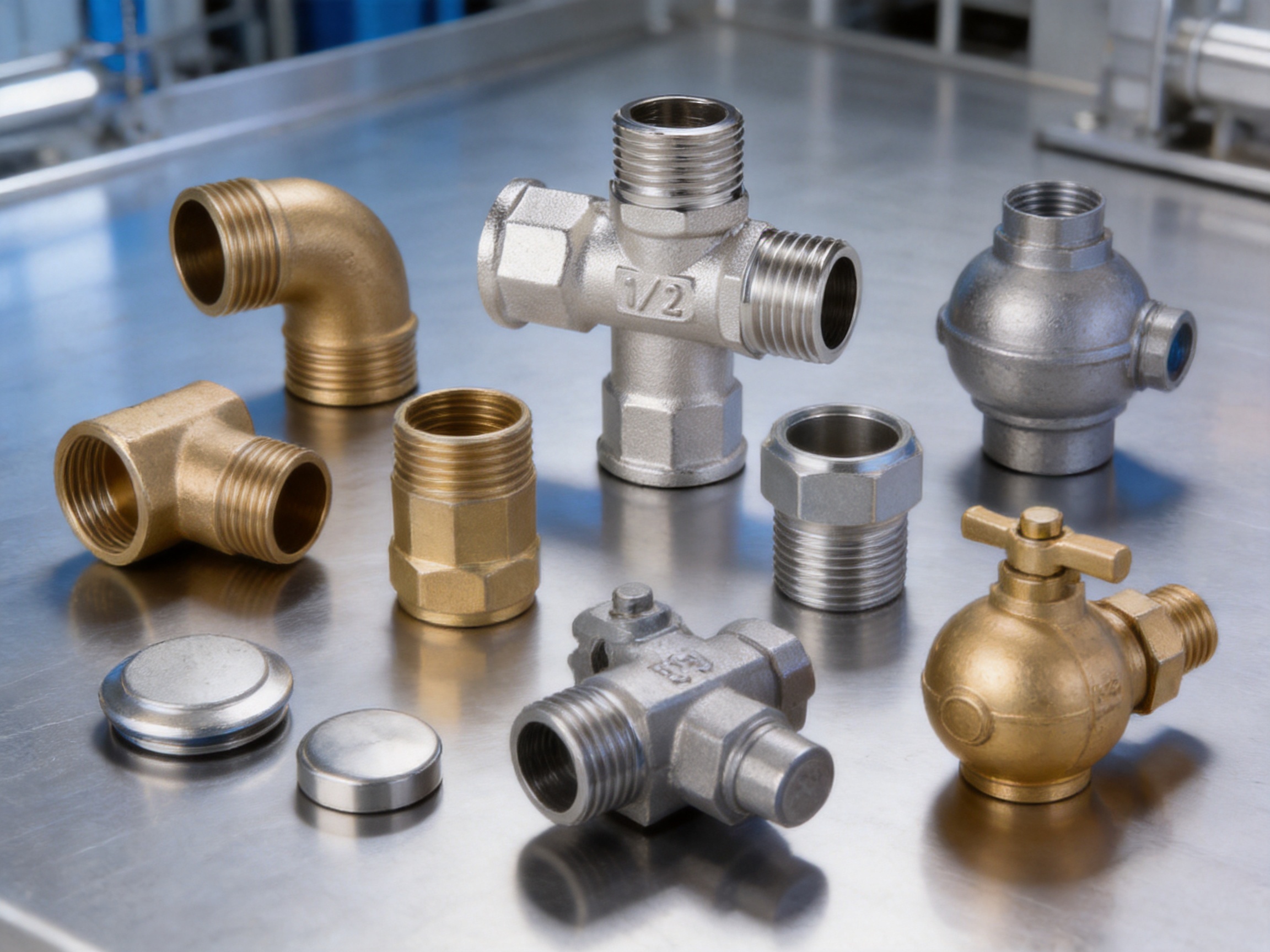
Pipe fittings are mechanical components used to join sections of pipe or connect piping to valves, meters, pumps, tanks, filters, heaters, and other equipment. Their configurations vary according to the intended function. Common examples include elbows, tees, crosses, reducers, couplings, unions, adapters, caps, plugs, and threaded connection pieces.
An elbow changes the direction of a pipeline, commonly by 45 or 90 degrees. A tee creates a branch connection, while a cross provides two branch paths from a central body. A reducer joins pipes with different nominal diameters, allowing a system to transition between larger and smaller lines. A coupling connects two pipes of the same size, and a union provides a detachable connection that can simplify maintenance.
Adapters are used when connection standards, thread types, or component materials differ. Caps close the end of a pipe, while plugs seal unused ports or service openings. Each fitting has a specific purpose, and the selection must consider pressure rating, temperature range, fluid type, pipe material, connection method, and installation environment.
In gas systems, a fitting must support secure sealing and resistance to leakage. In water supply systems, it must maintain reliable performance under changing pressure and protect against corrosion. In industrial fluid systems, it may need to tolerate chemicals, elevated temperatures, pulsating flow, or mechanical vibration. A fitting supplier with knowledge of valves and fluid control equipment is therefore well positioned to understand the practical requirements of complete piping networks.
Connection Methods
Pipe fittings are manufactured with several connection methods. Threaded fittings are widely used in small and medium-diameter systems because they are convenient to install and do not require welding equipment. They can be used with compatible male or female threaded pipe ends, valves, and accessories. Proper thread accuracy and sealing preparation are essential for a secure joint.
Compression fittings use a mechanical compression ring or ferrule to create a seal around the pipe. They are useful where welding is not desirable or where the system requires relatively quick installation. Press-fit fittings use specialized tools to create a permanent mechanical connection, while socket-weld and butt-weld fittings are selected for systems where a welded joint is preferred.
Flanged fittings are commonly used on larger pipelines or equipment connections that may require regular disassembly. Grooved fittings are used in certain commercial and industrial piping systems where fast installation and controlled flexibility are important. The correct connection method depends on the application, available tools, maintenance expectations, and applicable standards.
Why Dimensional Accuracy Matters
Dimensional accuracy affects the ease of installation and the integrity of the completed piping system. If a fitting is out of tolerance, the installer may need to apply excessive force, use additional sealant, or compensate with misalignment. These practices can increase stress on adjacent valves and pipes.
Accurate thread profiles help ensure that mating parts engage correctly and maintain sufficient contact. Consistent wall thickness improves pressure resistance and reduces weak points. Correct port dimensions help maintain predictable flow and minimize unnecessary turbulence. Precise end-to-end dimensions also make it easier to calculate pipe runs and position valves or equipment during system design.
Professional CNC machining and controlled inspection are valuable because they reduce dimensional variation between production batches. This is particularly important for wholesalers, distributors, contractors, and equipment manufacturers who need interchangeable components and repeatable installation results.
Product Characteristics of High-Quality Pipe Fittings
High-quality pipe fittings combine suitable material selection, accurate machining, secure sealing surfaces, robust construction, and dependable inspection. No single feature is sufficient on its own. A fitting may be made from a strong material but still perform poorly if its threads are damaged or its dimensions are inconsistent. Likewise, an accurately machined fitting may not be appropriate if its material is incompatible with the service fluid.
Material Suitability
The material used for a fitting must match the pressure, temperature, fluid, and environmental conditions of the application. Brass is often selected for water, gas, and general-purpose applications because it offers a useful balance of machinability, strength, corrosion resistance, and appearance. Steel and forged steel are used where higher mechanical strength and pressure resistance are required.
Material selection also affects installation. Brass fittings are generally easy to machine and connect, making them suitable for compact assemblies and maintenance-friendly systems. Forged steel fittings provide a stronger solution for demanding services, particularly where the system is exposed to pressure, impact, or thermal cycling. Other materials may be chosen according to chemical compatibility, hygienic requirements, or special environmental conditions.
A responsible manufacturer should control material sourcing and maintain traceability through the production process. Consistent raw material quality contributes to stable machining behavior, reliable mechanical properties, and predictable product performance.
Reliable Sealing
Leak prevention is one of the most important functions of a pipe fitting. Sealing may be achieved through tapered threads, parallel threads with an additional gasket, compression components, O-rings, flat gaskets, or welded joints. The sealing design must correspond to the connection type and the intended service conditions.
Threaded fittings require accurate thread geometry and clean, undamaged surfaces. A thread that is too shallow, too deep, rough, or incomplete may not form a reliable connection. Burrs and machining debris can also interfere with sealing. Careful finishing and inspection help ensure that fittings are ready for proper installation.
For gas applications, sealing reliability is especially important because even small leaks can create safety risks. Brass gas ball valves and related gas fittings are often installed in systems where connection quality, material compatibility, and correct assembly procedures must be treated as priorities. Pipe fittings used alongside these valves should provide matching connection performance and appropriate service capability.
Strength and Resistance to Mechanical Stress
Piping systems are affected by more than internal pressure. External loads may result from pipe weight, thermal expansion, vibration, accidental impact, improper support, or movement of connected equipment. A fitting forms a transition point in the system, so it must withstand the forces transferred through the connection.
Forging can improve the structural integrity of certain metal fittings by forming the material under controlled pressure. Forged components are often valued for their dense structure and resistance to mechanical stress. Forged steel valves and forged steel fittings are commonly considered for demanding services where robust construction is essential.
Machined surfaces must also be free from harmful defects. Sharp notches, deep tool marks, cracks, or incomplete machining may become stress concentration points. Controlled manufacturing and visual inspection help reduce these risks.
Flow Efficiency
Fittings influence the pressure drop and turbulence within a piping system. Poorly designed internal passages, abrupt transitions, or excessive surface irregularities can create unnecessary resistance. In systems that operate continuously, even modest pressure losses may increase pumping or compression costs.
Well-designed fittings provide smooth transitions and appropriately proportioned passages. Elbows, reducers, and tees should be selected according to the line size and flow requirements. When fittings are installed with compatible valves, the complete assembly can support more efficient fluid movement and more stable control.
Flow performance is also affected by installation orientation and internal cleanliness. A fitting that contains machining chips, scale, or foreign matter may restrict the passage or damage downstream equipment. Cleaning and inspection are therefore important parts of quality assurance.
Advantages Over Ordinary or Inconsistent Alternatives
Customers comparing pipe fittings from different suppliers should evaluate more than purchase price. Low-cost products may appear attractive initially, but inconsistent dimensions, weak materials, poor finishing, and inadequate quality control can lead to installation delays, leakage, replacement costs, and customer complaints. A professionally manufactured fitting can offer stronger value throughout the product life cycle.
Consistent Production Quality
A key advantage of an established manufacturer is the ability to produce repeatable results. Consistency is important for businesses that purchase fittings in volume or use them in assemblies. When every batch has stable dimensions and surface quality, production workers can follow standardized procedures without repeatedly adjusting tools or compensating for variations.
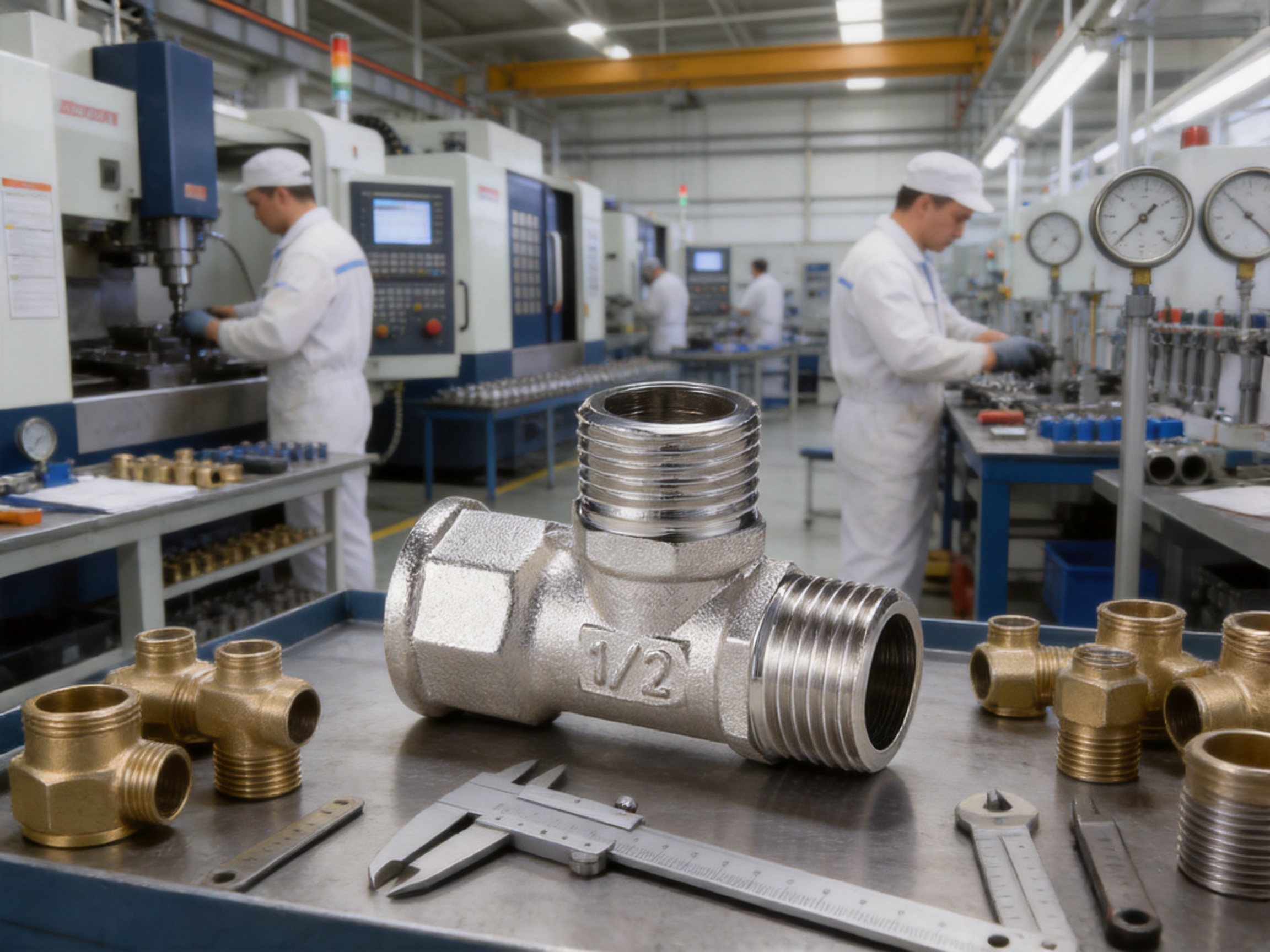
Ningbo Yunhua Valve Co., Ltd. has established a professional precision machining workshop, assembly line, and testing workshop. These facilities support a controlled transition from raw material processing to finished product inspection. The use of advanced domestic and international CNC machine tools helps improve machining repeatability and supports the production of complex or closely controlled components.
Compatibility with Fluid Control Products
Pipe fittings are rarely used alone. They are installed with valves and other control components. A supplier that manufactures both fittings and valves can better understand the need for compatible threads, port sizes, sealing methods, and installation dimensions.
For example, a threaded globe valve may be used where gradual flow regulation and shutoff are required. Its connection points must align accurately with the pipe fittings around it. A brass gas ball valve may be selected for quick quarter-turn shutoff in a gas line. The adjacent fittings must provide a secure and compatible connection suitable for the same service environment.
This product knowledge can simplify purchasing and reduce compatibility concerns. Instead of sourcing unrelated components from multiple suppliers, customers may obtain coordinated products from a manufacturer experienced in fluid control and hardware accessories.
Support for Different Application Requirements
Different markets require different fitting materials, sizes, connection configurations, and packaging methods. A professional supplier can organize production around application needs rather than offering only a limited standard range.
Pipe fittings may be used in residential water supply, commercial plumbing, irrigation, heating systems, gas distribution, equipment assembly, industrial processing, and maintenance projects. Each application has different expectations regarding pressure, temperature, corrosion, installation speed, and appearance.
The company’s experience in valves, water supply products, gas products, and hardware accessories provides a broad technical foundation for serving varied customer requirements. This is particularly useful for distributors and original equipment manufacturers that need both standard products and practical customization support.
Efficient Large-Volume Supply
Production capacity is an important consideration for customers with recurring demand. Ningbo Yunhua Valve Co., Ltd. has an annual production capacity of approximately 2 million sets of valves and 10 million sets of hardware accessories. This capacity indicates that the company is structured to support substantial orders while maintaining organized manufacturing processes.
Large-scale capacity can offer several benefits. It can improve supply continuity, support scheduled purchasing, reduce the risk of prolonged shortages, and help customers coordinate fittings with related valves or accessories. Capacity alone does not guarantee quality, but when combined with CNC machining, automated assembly, and testing procedures, it can create a strong foundation for dependable supply.
Advanced Manufacturing Process
The performance of a pipe fitting begins with the manufacturing process. Every stage, from material preparation to final packaging, can influence the finished component. A systematic process helps minimize variation and ensures that products meet the intended technical requirements.
1. Product and Application Planning
Manufacturing begins with an understanding of the fitting design and its application. Important factors include the nominal size, connection type, pressure expectations, material, body configuration, internal passage, sealing method, and surface requirements.
Design planning also considers how the fitting will be used with valves and piping. The fitting must provide sufficient access for installation tools, adequate clearance for adjacent components, and an appropriate orientation for the intended system. When the design is finalized, manufacturing instructions can be established for machining, assembly, inspection, and packaging.
2. Raw Material Preparation
Raw materials are prepared according to the approved design and material requirements. Depending on the product, the starting material may be bar stock, tube, cast material, or forged material. Material preparation includes cutting, identification, and inspection before machining.
Correct material selection is essential for product reliability. Brass fittings require suitable brass composition and physical quality, while forged steel fittings require appropriate steel grades and forging quality. The material must support the expected mechanical and environmental conditions of the finished product.
3. Precision CNC Machining
CNC machining provides controlled and repeatable processing for critical surfaces. Turning operations may create external diameters, internal bores, shoulders, and threaded sections. Drilling and boring operations form flow passages and connection ports. Milling or other operations may create flats, wrench surfaces, grooves, or special profiles.
The advantages of CNC machining include repeatable tool movement, controlled dimensions, efficient production of multiple configurations, and improved process organization. When properly programmed and maintained, CNC equipment can produce a consistent product across large production runs.
Machining parameters must be selected according to the material and geometry. Tool condition is also important. Worn tools can produce rougher surfaces, inaccurate dimensions, incomplete threads, or excessive burrs. Organized production control helps identify these issues and supports timely correction.
4. Thread Formation and Finishing
Threaded pipe fittings require special attention because the thread is both a mechanical connection and, in many designs, part of the sealing system. Threads may be formed through cutting, tapping, rolling, or other approved processes, depending on material and product design.
After thread formation, the fitting may require deburring and surface finishing. Burr removal improves assembly and reduces the risk of metal particles entering the fluid line. Thread gauges or compatible inspection tools can be used to verify the thread profile, pitch, diameter, and engagement quality.
Thread protection is also important during handling and packaging. Damaged threads can prevent proper installation even when the rest of the fitting is within specification. Protective packaging and careful storage help preserve the finished connection.
5. Automated Assembly
Some fittings are supplied as simple one-piece components, while others include seals, nuts, ferrules, rings, or other parts. Automated assembly equipment can improve consistency when products require repeated installation of components.
Automation helps control assembly position, tightening sequence, and production rhythm. It can reduce variation caused by manual handling and improve output efficiency. However, automation must be supported by correct equipment settings, regular maintenance, and process verification.
For valve-related assemblies, automated production can support the consistent installation of internal components and operating parts. The same manufacturing discipline benefits fittings that are packaged with valves or supplied as part of a complete hardware accessory set.
6. Inspection and Testing
Testing confirms whether products meet the required performance expectations. Depending on the fitting type, inspection may include dimensional checks, thread checks, visual examination, material verification, sealing inspection, pressure testing, and functional checks for assembled products.
Pressure testing is especially important for components intended for fluid or gas service. It can identify leakage through the body, connection, or sealing area. Visual inspection can identify surface defects, machining damage, contamination, and incomplete finishing.
The company’s professional testing workshop supports a structured approach to quality verification. Testing equipment should be maintained and used according to defined procedures so that results are reliable and repeatable. Inspection records can also support production traceability and customer communication.
7. Cleaning, Protection, and Packaging
After machining and testing, fittings should be cleaned to remove chips, oil, dust, and other residues. Clean internal passages are important for fluid systems because contamination can obstruct small openings, affect valves, or damage downstream equipment.
Finished fittings must be protected against impact, moisture, and thread damage during storage and transportation. Proper packaging also helps customers identify sizes, models, and quantities when products arrive at a warehouse or construction site.
Well-organized packaging is especially valuable for distributors handling many similar products. Clear labeling and stable packing can reduce picking errors and improve inventory management.
Applications of Pipe Fittings
Water Supply Systems
Pipe fittings are used throughout residential, commercial, municipal, and industrial water supply systems. They connect supply lines, create branches to fixtures, link pipes to valves, and provide transitions between different pipe sizes.
Water systems may experience pressure fluctuations, temperature changes, and long periods of continuous service. Fittings must therefore provide reliable connections and suitable corrosion resistance. Brass fittings are frequently selected for many water-related applications because they are machinable, durable, and suitable for common installation methods.
When used with water supply valves, pipe fittings help create compact and maintainable assemblies. They can also support the installation of isolation points, meters, filters, pumps, and backflow prevention equipment.
Gas Distribution
Gas systems require careful component selection and installation. Pipe fittings used in gas lines must be compatible with the gas service and the applicable pressure requirements. Connections must be assembled correctly, inspected, and tested for leakage.
Brass gas ball valves are commonly used where quick shutoff is needed. The valve may be installed at an appliance, branch line, equipment inlet, or service point. Pipe fittings surrounding the valve should have matching connection dimensions and suitable sealing performance.
In gas applications, installers should follow relevant codes, standards, and safety procedures. Components should never be selected solely on appearance or nominal size. The complete connection system, including pipe, fitting, valve, sealant, and installation method, must be evaluated together.
Heating and Cooling Systems
Heating and cooling systems use fittings to connect boilers, chillers, radiators, pumps, heat exchangers, and distribution lines. These systems may be exposed to thermal expansion, repeated cycling, and pressure changes.
Fittings must maintain their structural integrity while the system heats and cools. Proper support and alignment are also important because thermal movement can transfer stress to connection points. A well-manufactured fitting, correctly selected for the operating conditions, helps reduce the risk of premature leakage.
Industrial Fluid Equipment
Industrial machinery often requires compact and dependable piping connections. Fittings may be installed on process lines, lubrication systems, compressed air systems, cooling circuits, chemical handling equipment, and equipment skids.
The application determines the required material and connection type. Some systems need stronger forged components, while others prioritize corrosion resistance or rapid maintenance. A supplier with experience in valves and precision hardware can help customers select practical fitting configurations for equipment integration.
Irrigation and Agricultural Systems
Irrigation systems use fittings to divide water flow, connect pumps, create field branches, and change pipeline direction. Because agricultural installations may cover large areas, fittings must be easy to install and sufficiently durable for outdoor conditions.
Fittings used in irrigation may be exposed to moisture, soil, ultraviolet radiation, temperature changes, and occasional impact from equipment. Correct material selection and proper joint preparation can extend service life and reduce maintenance interruptions.
Maintenance and Replacement Projects
Replacement work often requires fittings that can adapt to existing pipe layouts. The installer may need a union, adapter, reducer, or threaded transition fitting to connect old and new components. Accurate dimensions are particularly important in these situations because the available space may be limited.
Reliable replacement fittings can help reduce downtime. When products are clearly labeled and available in standard configurations, maintenance teams can identify and install the required component more quickly.
Selection Guide for Buyers and Engineers
Selecting the correct pipe fitting requires a complete review of system conditions. The following factors should be considered before placing an order or approving a design.
Pipe Size and Connection Standard
The fitting must match the nominal pipe size and connection standard. Nominal size does not always represent the exact outside or inside diameter, so the applicable standard should be confirmed. Thread standards must also be compatible. A fitting with the wrong thread type may appear to engage but fail to seal correctly or become damaged during assembly.
Pressure and Temperature
Operating pressure and temperature determine the structural and sealing requirements of the fitting. Buyers should distinguish between normal operating conditions and possible peak or abnormal conditions. Pressure ratings may change with temperature, material, connection type, and product configuration.
Fluid Compatibility
The transported medium affects material selection. Water, natural gas, compressed air, oils, chemicals, and specialized fluids may require different materials or sealing components. The fitting must resist corrosion, swelling, embrittlement, contamination, or other forms of chemical attack.
Installation Environment
Indoor installations may have different requirements from outdoor or underground applications. Exposure to humidity, salt air, soil, vibration, chemicals, and ultraviolet radiation should be considered. The available installation space and tool access also influence the best fitting design.
Maintenance Requirements
If a system requires frequent inspection or replacement, unions, threaded connections, and accessible valve arrangements may be preferred. If the system is intended to remain permanently assembled, welded or press-fit options may be more appropriate. The fitting should support the expected maintenance strategy rather than making future service unnecessarily difficult.
Product Documentation and Supply Capability
Commercial buyers should evaluate whether the supplier can provide consistent specifications, inspection information, packaging support, and stable delivery. A supplier with established workshops, automated equipment, and significant production capacity may offer better long-term support than a source focused only on short-term price competition.
Quality Management and Manufacturing Strengths
Ningbo Yunhua Valve Co., Ltd. has developed its operations around the research, development, production, sales, and service of gas and fluid valves, water supply valves, and hardware accessories. This integrated experience supports a practical understanding of how fittings perform in real piping systems.
The company operates across approximately 20,000 square meters and has established dedicated machining, assembly, and testing facilities. Advanced CNC machine tools and automated assembly and testing equipment provide a foundation for controlled production. These resources are relevant to pipe fittings because product quality depends on both precision processing and systematic verification.
The company’s annual production capacity includes approximately 2 million sets of valves and 10 million sets of hardware accessories. This scale can support distributors, project suppliers, equipment manufacturers, and other customers that require repeat orders. A strong production base also allows the manufacturer to organize resources for multiple product categories without abandoning process control.
Over more than ten years of development, the company has cultivated a management system and professional management team. Effective management contributes to production scheduling, equipment maintenance, quality control, staff coordination, and customer service. These organizational factors may not be visible in the finished fitting, but they influence whether the supplier can deliver consistent products over time.
The company’s stated vision is to become a leading participant in the global fluid control industry, while its mission is to build a safe fluid ecosystem through high-quality valves. Pipe fittings support that mission by providing the reliable connection infrastructure required for valves and complete fluid control systems.
Pipe Fittings and Related Valve Products
Pipe fittings create the physical network through which valves control fluid movement. Understanding the relationship between these products helps customers plan complete assemblies.
Threaded Globe Valves
A threaded globe valve is typically used for shutoff and flow regulation. Its internal design allows the flow passage to be adjusted gradually, making it suitable where throttling or controlled flow is needed. Threaded pipe fittings can connect the valve to upstream and downstream piping, provided that the sizes and thread standards match.
Because a globe valve may create more flow resistance than a full-port ball valve, the surrounding piping should be designed with the application’s pressure and flow requirements in mind. Correct fitting selection helps avoid unnecessary restrictions and supports proper valve positioning.
Forged Steel Valves
Forged steel valves are selected for applications that demand strength and robust construction. They may be used in industrial systems, high-pressure services, equipment assemblies, and other demanding environments. Forged steel pipe fittings can provide a compatible connection solution where the piping system requires comparable mechanical performance.
The advantage of a coordinated valve and fitting selection is that the connection components are evaluated as part of the same pressure boundary. Material, size, pressure class, and connection method should all be compatible.
Brass Gas Ball Valves
A brass gas ball valve uses a quarter-turn operating mechanism for fast opening and closing. Brass provides useful machinability and corrosion resistance for many gas-related applications, subject to the applicable service requirements and standards.
Pipe fittings installed with a brass gas ball valve should provide secure connections and appropriate gas compatibility. Installers should use approved sealing methods and conduct the required leak tests after assembly.
Installation Recommendations
Even a high-quality fitting can fail if it is installed incorrectly. Installation should be carried out by qualified personnel using procedures appropriate for the pipe material, connection type, and service medium.
Before installation, inspect the fitting and pipe ends for damage, dirt, corrosion, burrs, or deformation. Confirm the size, thread type, orientation, and material. Do not force incompatible components together.
For threaded connections, apply the correct sealant or sealing tape according to the service requirements. Sealant should be applied carefully so that excess material does not enter the pipe passage. Tighten the fitting using suitable tools and avoid applying force to delicate valve handles, stems, or other non-wrench surfaces.
Do not over-tighten threaded fittings. Excessive torque can deform threads, crack a fitting, damage a valve body, or create stress that appears later as leakage. The correct tightening method depends on the thread form, material, sealant, and manufacturer’s instructions.
Support piping independently where necessary. A valve or fitting should not be used as the sole support for a heavy pipe run. Proper supports reduce vibration and bending loads at the connections.
After installation, perform the required pressure or leak test before placing the system into service. Gas systems require particularly careful testing and ventilation procedures. Any leak discovered during testing should be corrected before operation.
Maintenance and Service Life
Routine maintenance helps preserve the performance of pipe fittings and connected valves. Inspection schedules should reflect the service conditions, operating pressure, fluid type, environmental exposure, and criticality of the system.
Visual inspections may identify corrosion, discoloration, surface cracking, impact damage, or signs of leakage. In accessible systems, connections can be checked for movement, vibration, and deterioration of sealing materials. A fitting that shows evidence of repeated leakage should be evaluated rather than repeatedly tightened without identifying the cause.
Corrosion control is important in humid, coastal, chemical, and outdoor environments. Protective coatings, appropriate material selection, drainage, and correct storage can reduce corrosion risks. Contamination should be prevented during maintenance because dirt and metal debris can affect valves and other precision components.
Replacement fittings should match the original system requirements. Substituting a fitting solely because it has the same nominal size may create problems if the material, pressure rating, thread standard, or sealing method differs. Maintaining records of installed components can make future replacement decisions more accurate.
Comparison of Common Fitting Considerations
| Consideration | Why It Matters | Recommended Evaluation |
|---|---|---|
| Material | Determines strength, corrosion resistance, machinability, and fluid compatibility. | Confirm the material grade and suitability for the operating medium. |
| Connection type | Affects installation method, sealing performance, maintenance, and equipment compatibility. | Match the fitting connection with the pipe and valve connection standard. |
| Dimensional accuracy | Influences alignment, assembly time, interchangeability, and leakage risk. | Review production controls and dimensional inspection procedures. |
| Pressure and temperature capability | Defines whether the fitting can safely operate in the system. | Compare application conditions with the approved product rating. |
| Internal passage | Affects pressure loss, turbulence, and flow efficiency. | Choose a configuration appropriate for the required flow rate. |
| Manufacturing process | Influences consistency, surface quality, strength, and repeatability. | Consider CNC machining, forging, automated assembly, and testing resources. |
| Supplier capacity | Determines the ability to support recurring or large-volume orders. | Review production scale, workshop organization, and delivery capability. |
| Inspection and testing | Helps identify defects before products reach the installation site. | Confirm that the supplier has defined inspection and testing procedures. |
Why Choose a Specialized Manufacturer
Choosing a specialized manufacturer can reduce uncertainty in both product quality and supply. A company that focuses on valves, fittings, and related hardware understands the connection between individual components and complete fluid systems.
Such a manufacturer is more likely to consider thread compatibility, installation clearances, sealing methods, pressure boundaries, and application-specific requirements during product development. This knowledge can be valuable to engineering companies and distributors that need practical technical support rather than a generic catalog item.
A specialized production facility can also improve communication. Customers may discuss fitting requirements with a supplier that understands the intended valve assembly, pipe network, or equipment application. This can reduce the risk of ordering a component that technically matches one dimension but is unsuitable for the complete system.
Another advantage is coordinated quality management. When valves and hardware accessories are manufactured within an organized production system, inspection standards, packaging practices, and batch control can be applied more consistently across product categories.
For Ningbo Yunhua Valve Co., Ltd., the combination of product specialization, precision machining, automated production, testing facilities, management experience, and substantial annual capacity provides a strong basis for serving international customers seeking dependable pipe fittings and related fluid control products.
Purchasing for OEM, Wholesale, and Project Applications
Different customer groups evaluate pipe fittings according to different priorities. Original equipment manufacturers usually require stable dimensions, repeatable quality, packaging consistency, and compatibility with their assembly procedures. Wholesalers and distributors often need a broad range of sizes, dependable replenishment, clear identification, and competitive total cost. Project contractors may prioritize delivery scheduling, installation efficiency, and compliance with project specifications.
Before placing a large order, customers should confirm product drawings, sizes, material, thread standards, surface treatment, inspection requirements, packaging, labeling, and expected quantities. A clear technical specification reduces misunderstandings and makes later quality evaluation easier.
Sample approval can be useful for customized or critical applications. Samples allow customers to verify dimensions, connection fit, finish, marking, and assembly performance before production quantities are completed. For recurring orders, agreed inspection criteria can help maintain consistency between batches.
Packaging should also be discussed in advance. Small fittings can become difficult to identify if different sizes are mixed together. Individual bags, grouped cartons, size labels, barcodes, or customer-specific markings may improve warehouse efficiency and reduce picking errors.
For international supply, customers should consider export documentation, carton strength, moisture protection, palletization, and transportation conditions. A well-organized manufacturer can help coordinate these details as part of the overall supply service.
Frequently Asked Questions
What are pipe fittings used for?
Pipe fittings connect pipes and equipment, change flow direction, create branches, reduce or increase line size, close unused openings, and provide detachable maintenance connections. They are used in water, gas, heating, cooling, industrial, agricultural, and equipment piping systems.
What is the difference between a pipe fitting and a valve?
A pipe fitting primarily connects or changes the geometry of a piping system. A valve controls, regulates, prevents, or directs fluid flow. Fittings and valves are normally used together, and their connection dimensions and service materials must be compatible.
Are brass pipe fittings suitable for gas applications?
Brass fittings may be suitable for certain gas applications when their material, design, pressure rating, connection method, and applicable approvals meet the system requirements. The fitting must be selected for the specific gas service and installed according to relevant safety procedures.
When should forged steel fittings be considered?
Forged steel fittings should be considered when the system requires high mechanical strength, robust construction, and reliable performance under demanding pressure or environmental conditions. The final selection should be based on the complete application specification.
Why are CNC machines important in fitting production?
CNC machines provide controlled and repeatable machining. They help produce consistent diameters, bores, threads, shoulders, and other critical features. This repeatability supports interchangeability, efficient assembly, and stable product quality across production batches.
How can I reduce leakage from threaded fittings?
Use compatible threads, clean and undamaged components, an approved sealant, correct alignment, and appropriate tightening torque. Avoid over-tightening and support the connected pipe so that excessive bending or vibration is not transferred to the fitting.
What information should I provide when requesting pipe fittings?
Provide the fitting type, nominal size, material, connection standard, pressure and temperature requirements, fluid medium, quantity, application, packaging needs, and any required inspection or marking specifications. Drawings or photographs may also help clarify the configuration.
Can pipe fittings be supplied for customized applications?
Customization depends on the design, material, tooling, quantity, and manufacturing requirements. A manufacturer with precision machining and established production facilities may be able to evaluate special dimensions, connection configurations, markings, or packaging arrangements.
Why should fittings and valves be sourced from a coordinated supplier?
A coordinated supplier can better understand compatibility between threads, ports, materials, sealing methods, and installation dimensions. This may simplify procurement and reduce the risk of mismatched components in a complete fluid control assembly.
What quality checks are important for pipe fittings?
Important checks may include material verification, dimensional inspection, thread gauging, visual examination, internal cleanliness, sealing inspection, pressure testing, and packaging verification. The exact checks depend on the product design and application.
Conclusion
Pipe fittings are fundamental to the safety and efficiency of fluid transportation systems. Their responsibilities extend beyond simply joining two pipes. They must maintain dimensional accuracy, support dependable sealing, withstand mechanical and environmental stress, preserve suitable flow characteristics, and remain compatible with valves and other equipment.
Manufacturing quality is therefore a decisive factor. Precision CNC machining, controlled material preparation, careful thread formation, automated assembly, professional testing, and organized packaging can provide meaningful advantages over inconsistent alternatives. These processes help reduce installation problems, leakage risks, replacement costs, and supply uncertainty.
Ningbo Yunhua Valve Co., Ltd. combines experience in gas and fluid valves, water supply valves, and hardware accessories with a 20,000-square-meter production base, precision machining workshops, automated assembly and testing equipment, and substantial annual capacity. This combination supports the production of pipe fittings and related products for diverse applications, including water supply, gas distribution, industrial equipment, heating, cooling, irrigation, and maintenance projects.
For buyers seeking dependable pipe fittings, the best choice is not determined by price alone. Material suitability, dimensional consistency, connection compatibility, testing capability, production capacity, and long-term supplier support should all be considered. When these factors are addressed together, pipe fittings can provide the secure, durable, and efficient foundation required by modern piping systems.
References
1. General principles of industrial piping design, component selection, and pressure boundary management.
2. Standard practices for metallic pipe threads, threaded joints, and mechanical sealing methods.
3. Engineering guidance for brass, carbon steel, and forged steel components used in fluid control systems.
4. Quality management principles for CNC machining, automated assembly, dimensional inspection, and pressure testing.
5. Installation and maintenance practices for water supply, gas distribution, heating, cooling, and industrial fluid piping.
6. Manufacturer-provided company information concerning production facilities, product categories, manufacturing capacity, and testing resources.
Product: Pipe Fittings

Related Products
-
 View More
-
 View More
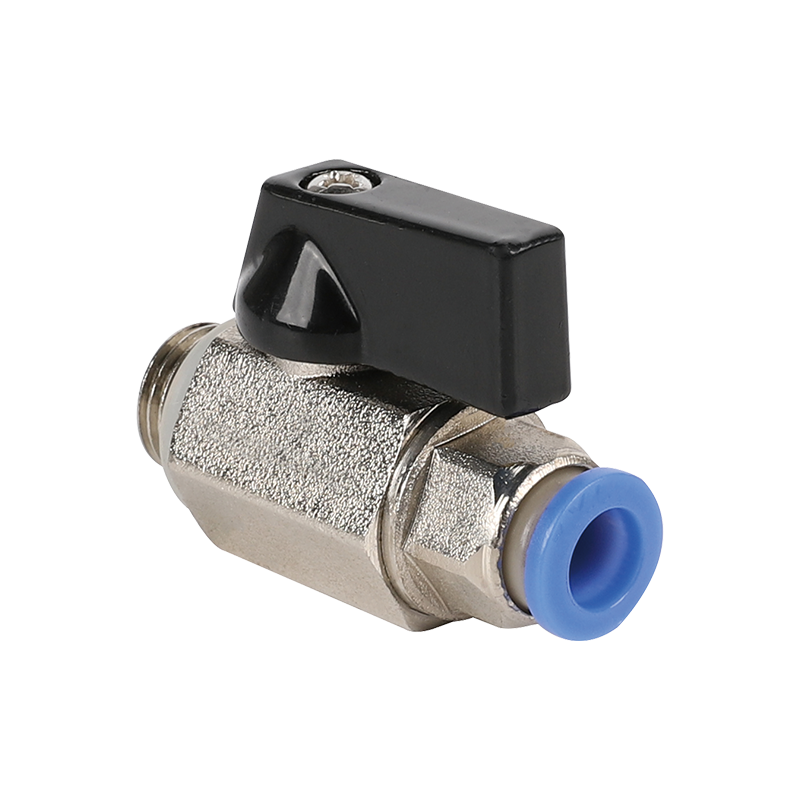
MINI-2 Mini Short-Handle Ball Valve(M/M)
-
 View More
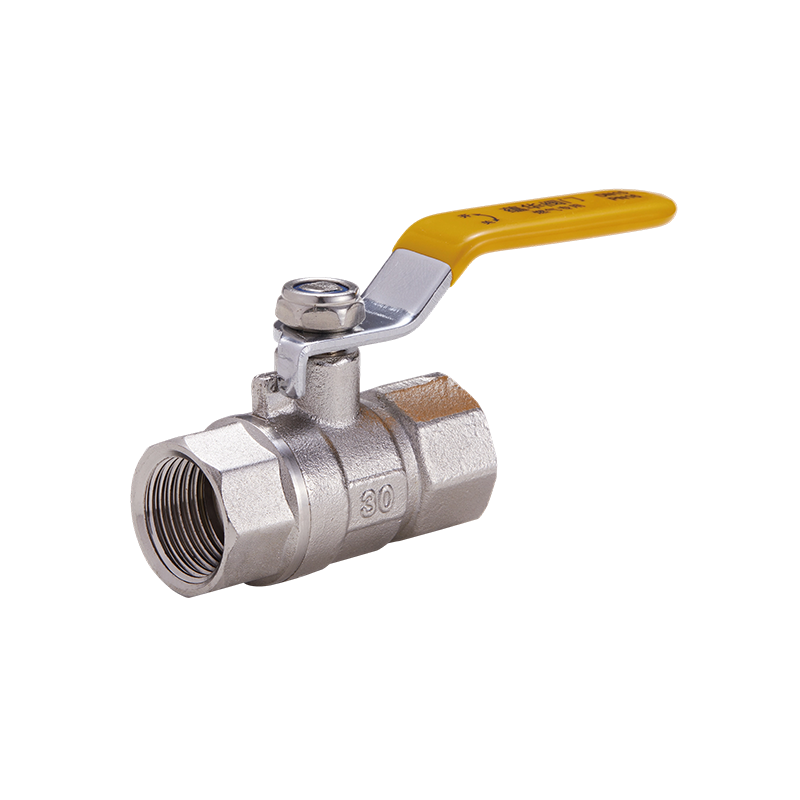
YH-2210 Forged Steel Ball Valve with Long Handle (F/F)
-
 View More
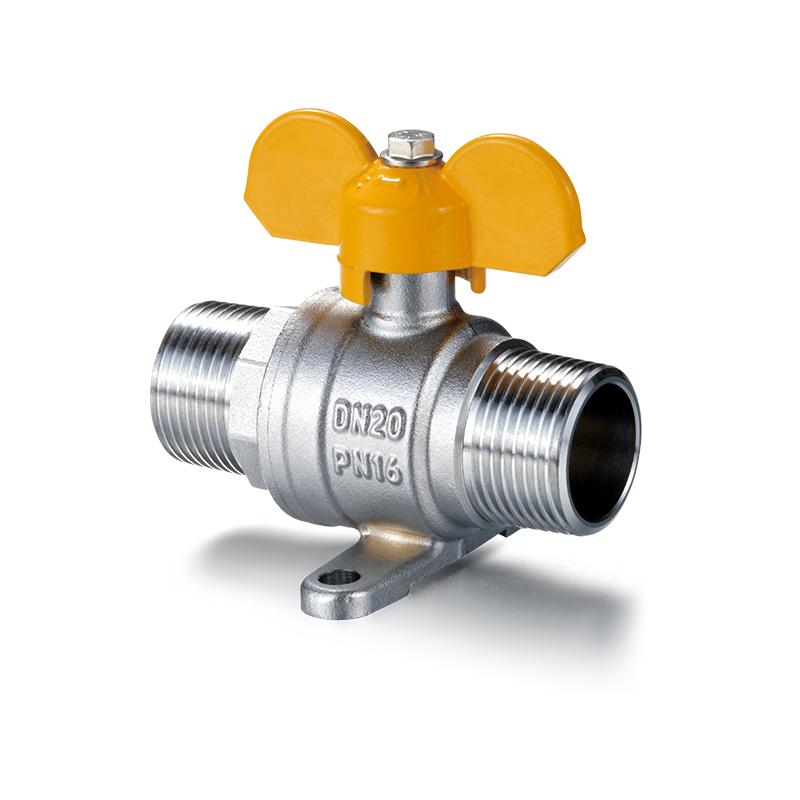
YH-214 Brass Ball Valve with Base& Butterfly Handle(M/M)
-
 View More
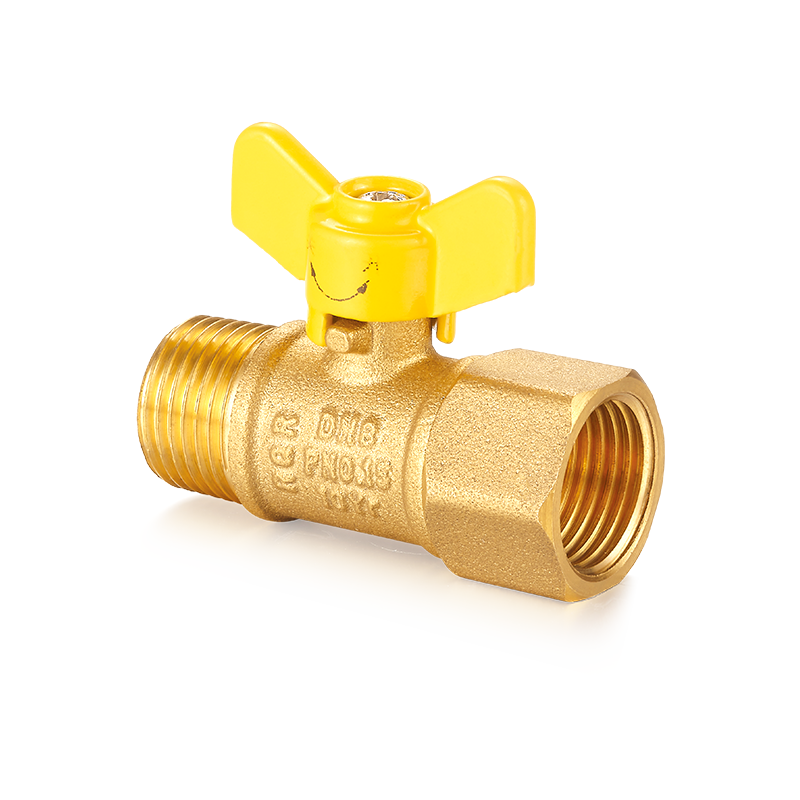
YH-205 Brass Ball Valve with Butterfly Handle(F/M)
-
 View More
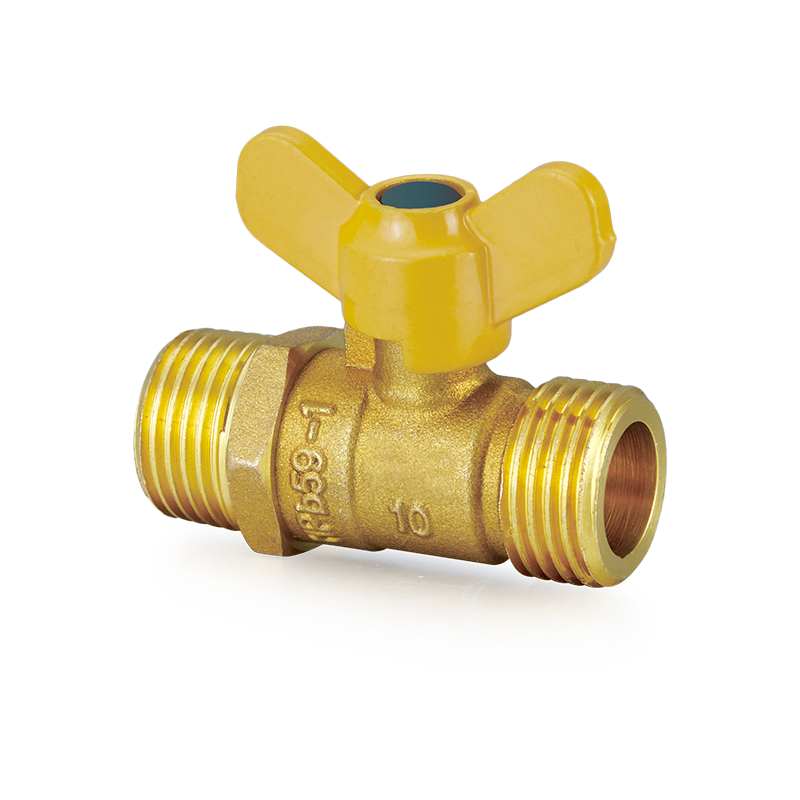
YH-206 Brass Ball Valve with Butterfly Handle(M/M)
Related News
Contact Us
-

-
 +86-0574-63742169
 -
 No.104-128, Cizhang East Road, Zhangqi Town, Cixi City, Ningbo, Zhejiang Province, China


Message Us Now !
