


 English
  русский
  عربى
عربى  Español
Pipe Fittings for Reliable Fluid Control and Efficient Industrial Installation
Content
- 1 Understanding the Role of Pipe Fittings
- 2 Product Characteristics of Modern Pipe Fittings
- 3 Advantages of Precision-Manufactured Pipe Fittings
- 4 Manufacturing Strengths and Production Infrastructure
- 5 From Raw Material to Finished Fitting
- 6 Applications in Gas, Water, and Fluid Systems
- 7 Why Manufacturer Capability Matters to Buyers
- 8 Selection Guide for Pipe Fittings
- 9 Installation Recommendations
- 10 Packaging, Storage, and Delivery Considerations
- 11 Pipe Fittings Compared with Alternative Connection Solutions
- 12 Continuous Improvement in Fitting Production
- 13 Environmental and Economic Value
- 14 Why Choose an Experienced Manufacturing Partner
- 15 Quality-Focused Purchasing Checklist
- 16 Frequently Asked Questions
- 16.1 What are pipe fittings used for?
- 16.2 Which materials are commonly used for pipe fittings?
- 16.3 Are threaded pipe fittings suitable for gas systems?
- 16.4 How do precision-machined fittings differ from ordinary low-cost fittings?
- 16.5 Can pipe fittings be customized?
- 16.6 What should be checked before installing a fitting?
- 16.7 Why is testing important for pipe fittings?
- 16.8 How should pipe fittings be stored?
- 16.9 Can fittings be used with valves from another manufacturer?
- 16.10 What makes a manufacturer suitable for large orders?
- 17 Conclusion
- 18 References
- 19 Product: Pipe Fittings
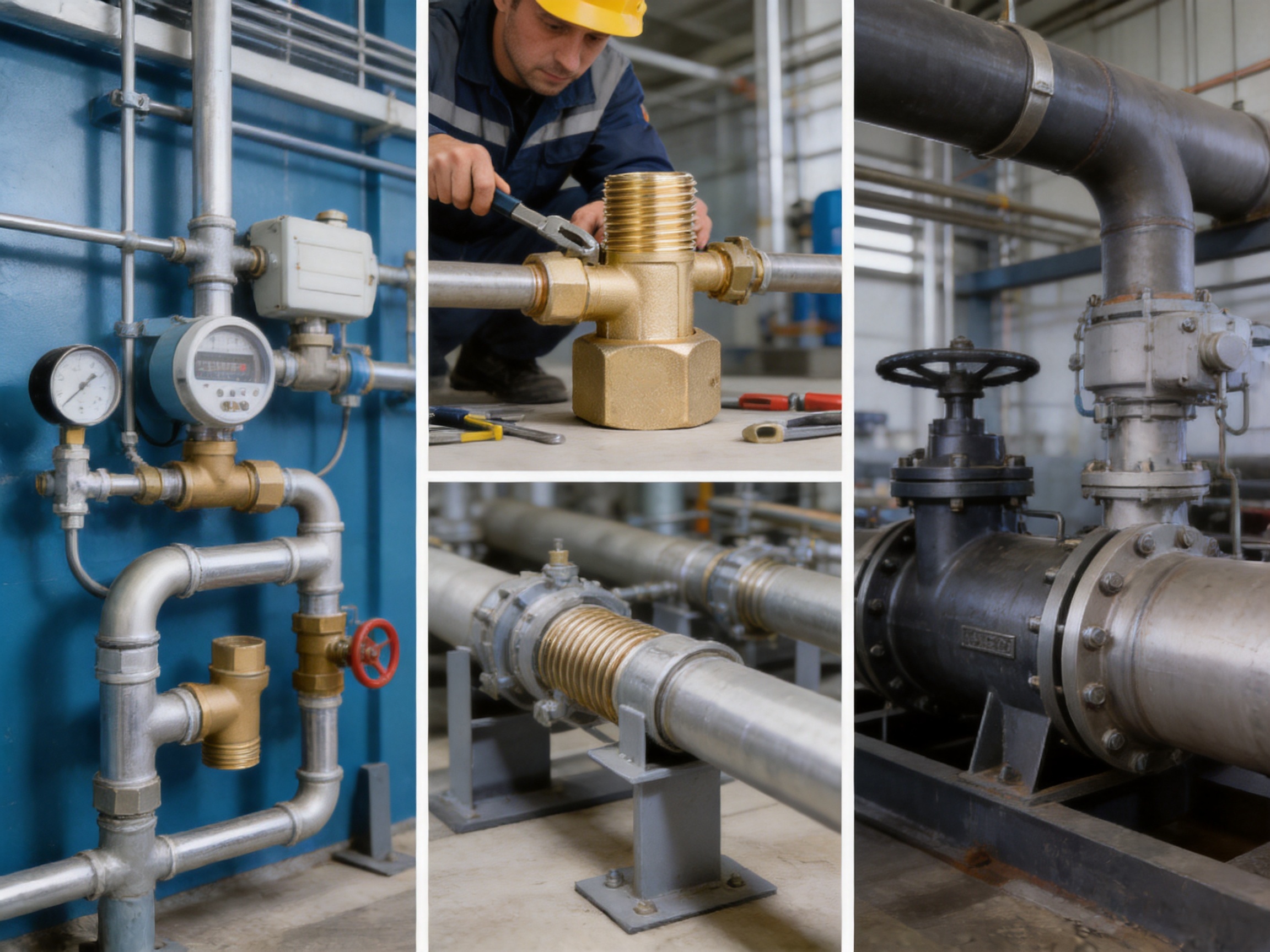
Pipe fittings are essential components in almost every fluid transportation system. They connect pipes, change flow direction, control branch lines, reduce or enlarge passage sizes, and create dependable transitions between different sections of a pipeline. Although fittings are often smaller than valves, pumps, and storage equipment, their performance has a direct influence on system safety, service life, maintenance requirements, and overall operating efficiency.
Modern pipe fittings must satisfy increasingly demanding requirements. They need to withstand pressure, temperature variation, vibration, corrosion, mechanical stress, and repeated assembly or disassembly. At the same time, they should be easy to install, dimensionally consistent, compatible with commonly used valves and pipes, and economical for large-scale projects. A well-designed fitting can reduce leakage risks, simplify maintenance, and help a complete fluid control system operate more reliably.
Ningbo Yunhua Valve Co., Ltd. develops and manufactures pipe fittings and related hardware accessories for gas, water, and fluid control applications. Supported by a precision machining workshop, automated assembly operations, and dedicated testing facilities, the company focuses on producing components that combine practical design, stable manufacturing quality, and efficient installation. Its product portfolio is supported by experience in valves, gas equipment, water supply systems, and hardware accessories, allowing the company to understand how fittings perform as part of a complete pipeline rather than as isolated components.
This article examines the structure, applications, advantages, manufacturing process, quality considerations, and selection principles of pipe fittings. It also explains how an experienced manufacturer can provide value through process control, production capacity, customization, and coordinated technical service.
Understanding the Role of Pipe Fittings
A pipeline cannot usually be built as one continuous, straight length of pipe. Real installations contain corners, changes in elevation, branches, equipment connections, maintenance points, and transitions between different pipe sizes. Pipe fittings provide the mechanical and functional solutions required to assemble these sections into a complete network.
Common fitting types include elbows, tees, crosses, couplings, unions, reducers, bushings, caps, plugs, adapters, and nipples. Some fittings are designed for permanent installation, while others allow convenient disconnection for inspection or replacement. Threaded fittings are frequently used in smaller-diameter systems because they can be assembled without welding equipment. Other designs may use compression, socket, brazed, flanged, or specialized connection methods.
In gas and water applications, the fitting must do more than simply connect two pipes. The connection must remain sealed during pressure changes and normal vibration. The internal passage should avoid unnecessary turbulence and restriction. The external shape should provide adequate access for tools during installation. The material must also be compatible with the conveyed medium and the surrounding environment.
When fittings are manufactured with poor dimensional control, even a visually acceptable component can cause installation problems. Misaligned threads, inconsistent wall thickness, rough internal surfaces, or incomplete sealing areas may increase assembly time and create future leakage risks. For this reason, precision machining, inspection, and functional testing are important parts of fitting production.
Product Characteristics of Modern Pipe Fittings
High-quality pipe fittings are generally defined by a combination of mechanical strength, sealing reliability, dimensional accuracy, corrosion resistance, and ease of use. No single characteristic is sufficient on its own. A strong fitting with poor threads can still leak, while a precisely machined fitting made from an unsuitable material may fail in service.
Accurate Connection Dimensions
Connection dimensions determine whether a fitting can be installed correctly with the intended pipe, valve, or accessory. Thread profiles, pitch, diameter, face dimensions, socket depth, and end geometry must remain within controlled tolerances. Consistent dimensions help installers achieve proper engagement and reduce the need for excessive force, reworking, or on-site adjustment.
Dimensional accuracy is especially important when fittings are used with threaded globe valves, forged steel valves, brass gas ball valves, meters, regulators, or other control equipment. A fitting that matches the expected interface allows the complete system to be assembled efficiently and reduces the possibility of damaging adjacent components.
Dependable Sealing Performance
Leak prevention is one of the primary purposes of a pipe fitting. Depending on the design, sealing may be achieved through tapered threads, parallel threads with a gasket, compression rings, O-rings, metal-to-metal contact, or other engineered interfaces. Each sealing method requires appropriate geometry and surface finish.
A reliable fitting provides a stable sealing surface and sufficient contact area. It should also maintain that seal when exposed to pressure fluctuation, temperature changes, vibration, and minor movement within the pipeline. Proper design helps prevent common installation problems such as cross-threading, incomplete tightening, uneven gasket compression, and distortion of sealing surfaces.
Suitable Material Selection
Materials for pipe fittings may include brass, stainless steel, carbon steel, forged steel, ductile iron, copper alloys, engineering plastics, or other specialized materials. The right choice depends on the working medium, pressure, temperature, installation environment, expected service life, and applicable technical requirements.
Brass is commonly selected for water, gas, and general fluid applications because it offers a practical balance of corrosion resistance, machinability, strength, and cost. Steel and forged steel are often chosen when higher mechanical strength or greater pressure capability is required. Stainless steel may be appropriate for corrosive or hygienically sensitive environments. Material selection should always be confirmed against the actual operating conditions rather than based only on appearance or purchase price.
Efficient Flow Passage
The internal passage of a fitting affects system pressure loss and flow behavior. Abrupt changes, excessive internal roughness, unnecessary restrictions, or poorly aligned passages can increase turbulence and energy consumption. A carefully manufactured fitting supports smoother flow and helps the complete system perform closer to its design capacity.
For water, gas, and other fluid networks, efficient internal geometry can be particularly valuable when many fittings are installed in series. Even small pressure losses may become significant across a long pipeline containing numerous elbows, tees, reducers, and connection points.
Practical Installation Design
Installation conditions vary widely. Some fittings are installed in open mechanical rooms, while others are placed in narrow service spaces, underground channels, equipment cabinets, or building utility areas. Practical designs provide usable wrench flats, clear connection surfaces, consistent dimensions, and appropriate weight distribution.
Easy installation can lower labor costs and reduce the likelihood of assembly errors. It also makes future inspection and maintenance more convenient. When fittings are supplied in consistent sizes and configurations, installers can plan projects more efficiently and simplify inventory management.
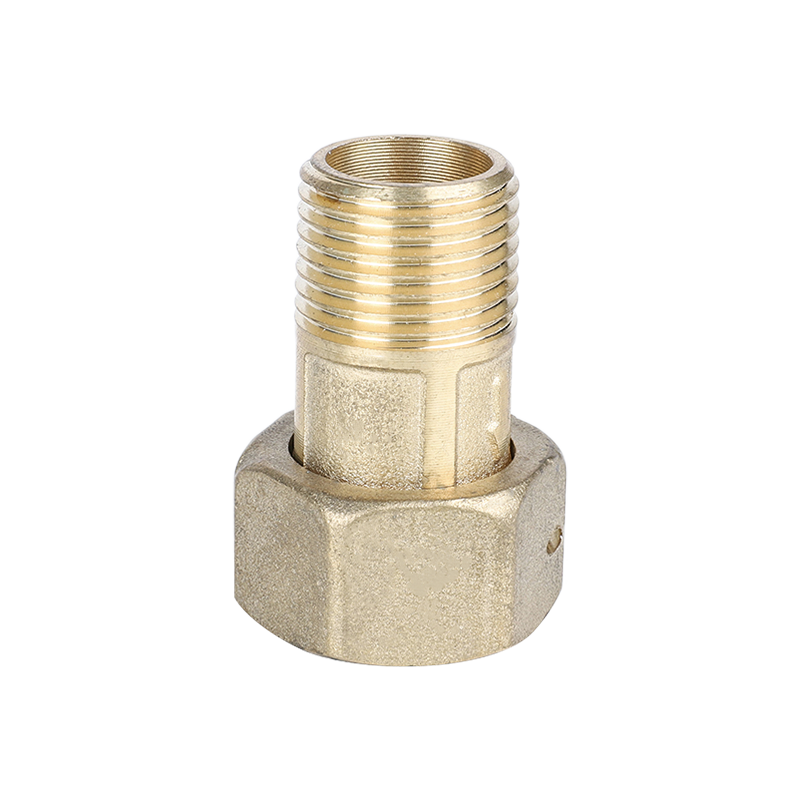
Pipe Fittings
Advantages of Precision-Manufactured Pipe Fittings
Pipe fittings from a precision-oriented manufacturer offer several advantages over low-cost components produced with limited process control. These advantages are not always visible at first glance, but they become important during installation, pressure testing, commissioning, and long-term operation.
Lower Leakage Risk
Consistent machining helps maintain accurate thread profiles, sealing faces, and connection dimensions. This improves the probability that each fitting will achieve a reliable seal when installed according to the relevant procedure. Reduced leakage risk is especially important in gas systems, where even a small leak may create safety concerns, and in water systems, where concealed leakage can damage buildings or equipment.
Lower leakage risk also reduces the need for repeated tightening, sealant replacement, emergency repair, and unplanned shutdown. In commercial and industrial projects, these avoided costs can be more significant than the initial price difference between an ordinary fitting and a better-manufactured fitting.
Better Compatibility with Valves and Accessories
A manufacturer with experience in both fittings and valves can design products with a clearer understanding of interface requirements. Pipe fittings may be used alongside shut-off valves, check valves, globe valves, ball valves, pressure regulators, meters, filters, and other accessories. Consistent connection standards and controlled dimensions support smoother integration.
This compatibility is useful in packaged equipment, gas supply assemblies, water distribution systems, fire protection arrangements, heating installations, and general fluid control projects. It also allows distributors and contractors to source related products from one experienced supplier, simplifying product selection and communication.
Stable Batch-to-Batch Quality
Large projects may require hundreds or thousands of fittings. If dimensions or surface quality vary significantly between production batches, installation teams may encounter inconsistent tightening behavior, mismatched components, and increased rejection rates. Stable manufacturing processes help ensure that products supplied at different times remain functionally consistent.
Batch stability is supported by controlled machining parameters, equipment maintenance, inspection procedures, production records, and trained operators. It is particularly valuable for wholesalers, equipment manufacturers, and contractors who need predictable product performance across repeated orders.
Improved Durability
Durability depends on material quality, wall thickness, thread integrity, surface condition, and resistance to the working environment. Precision manufacturing helps prevent defects that could become stress concentration points during service. Properly formed connection areas are less likely to deform during installation, while suitable finishing processes can improve resistance to corrosion and handling damage.
Longer service life can reduce replacement frequency and the maintenance burden placed on facility operators. It can also contribute to a lower total cost of ownership, particularly in systems where access is difficult or downtime is expensive.
More Efficient Installation
Fittings with clean threads, accurate dimensions, and consistent geometry can be installed with less adjustment. Installers can spend less time identifying mismatched parts or correcting manufacturing inconsistencies. This benefit becomes increasingly important in projects with strict schedules or high labor costs.
Efficient installation also supports safer working practices. When components fit correctly, workers are less likely to use excessive force, improvised tools, or unsuitable sealants. A predictable assembly process contributes to better system quality from the beginning.
Manufacturing Strengths and Production Infrastructure
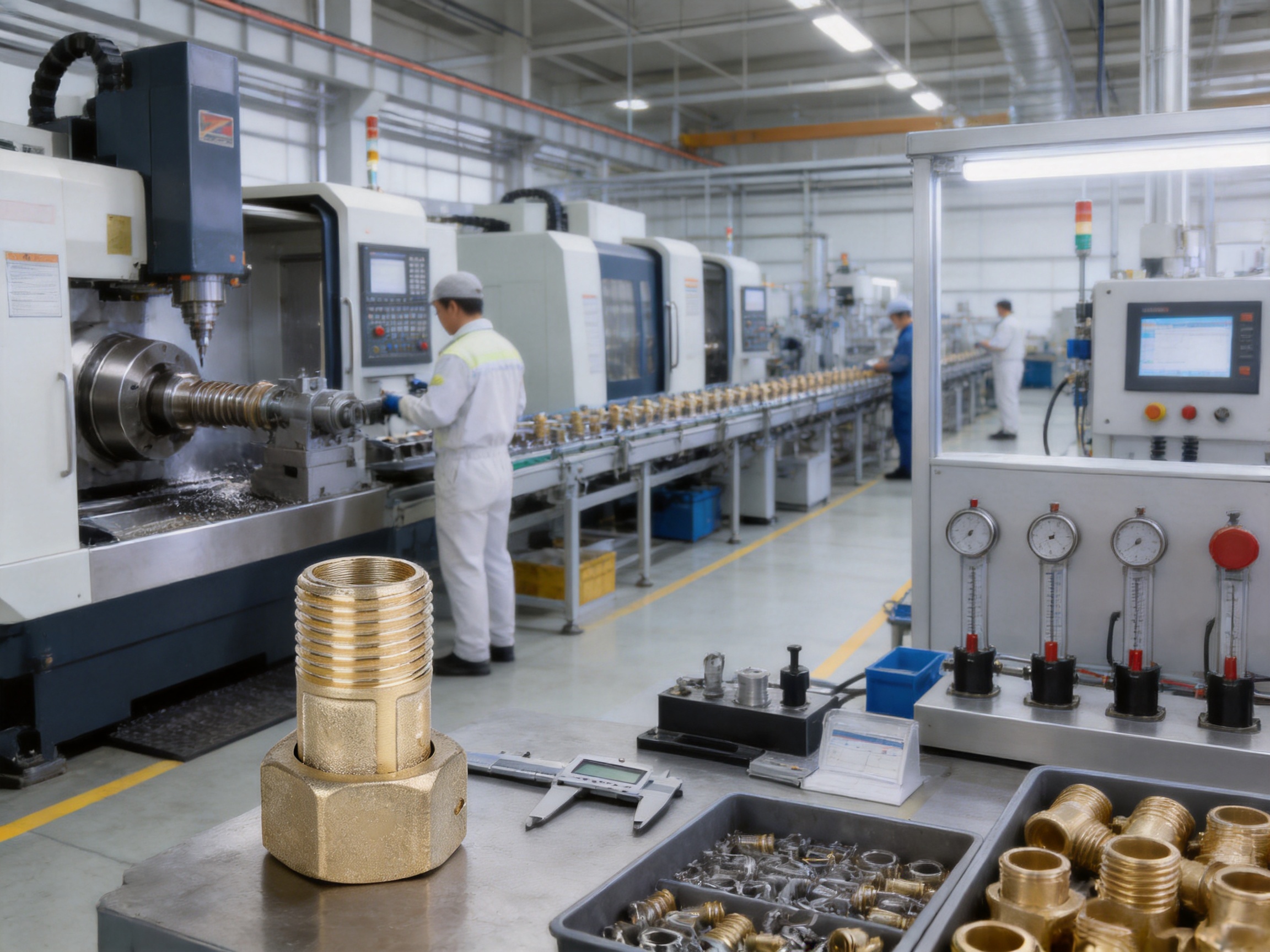
The performance of a pipe fitting begins with its design but is determined in large part by the manufacturing system behind it. Ningbo Yunhua Valve Co., Ltd. operates on an area of approximately 20,000 square meters and has established a professional precision machining workshop, assembly line, and testing workshop. This production structure supports a coordinated process from component machining to final inspection.
Precision Machining Workshop
A precision machining workshop provides the equipment and controlled environment necessary for producing accurate fitting bodies and connection surfaces. CNC machine tools can perform repeatable turning, drilling, threading, boring, milling, and other operations according to programmed parameters. Compared with less controlled manual methods, CNC machining improves repeatability and helps maintain consistent dimensions across large quantities.
Precision equipment is especially important for threaded fittings. The thread must be formed with the correct profile, depth, pitch, and alignment. The entrance of the thread should be properly prepared so that the mating pipe can engage smoothly. Internal passages and external wrenching areas must also be machined without damaging the sealing region.
Modern machining methods can reduce variation between operators and production shifts. They also allow manufacturers to maintain process records, adjust parameters systematically, and reproduce approved designs more consistently. These capabilities support both standard products and selected customized configurations.
Automated Assembly Operations
Assembly is an important stage for fittings that contain multiple components, sealing elements, inserts, or connection accessories. An organized assembly line provides a clear sequence of operations and reduces the risk of missing, reversing, or incorrectly installing parts.
Automation can improve production efficiency and repeatability. It may be used for component feeding, tightening, positioning, sealing element installation, marking, or other repetitive tasks. Automated equipment does not eliminate the need for skilled personnel; instead, it allows trained workers and engineers to focus on process supervision, quality control, equipment management, and product improvement.
For customers, a structured assembly process means greater confidence that products will arrive ready for installation and that repeated orders will follow the same configuration. It also supports higher production capacity when demand increases.
Dedicated Testing Workshop
Testing confirms whether manufactured fittings meet defined functional requirements. Depending on product construction and application, testing may include dimensional inspection, appearance inspection, thread checking, pressure testing, leakage testing, assembly verification, and examination of sealing performance.
A dedicated testing workshop helps separate verification activities from general production operations. This creates a more organized quality process and allows testing equipment to be maintained for its intended purpose. Inspection results can also provide feedback to machining and assembly departments, helping identify trends before they affect a larger batch.
Testing is not merely a final formality. It is a source of manufacturing information. If a pressure test identifies a recurring leak pattern, engineers can investigate the cause, such as an incorrect machining parameter, contamination on the sealing surface, unsuitable assembly torque, or variation in a purchased component.
Integrated Manufacturing Experience
The company’s experience in gas and fluid valves, water supply valves, and hardware accessories creates a broader technical foundation for pipe fitting production. Valves and fittings work together in real systems, so knowledge of flow control, connection interfaces, sealing behavior, and installation requirements can improve product development.
This integrated perspective also supports communication with customers. A contractor may need a fitting that connects a pipe to a specific valve. An equipment manufacturer may require a customized geometry or packaging method. A distributor may need a stable product range covering several sizes and connection types. A supplier familiar with related fluid control products can respond to these needs more effectively than a manufacturer focused on only one isolated component.
| Manufacturing Area | Primary Function | Customer Benefit |
|---|---|---|
| Precision machining | Produces accurate bodies, threads, passages, and connection surfaces | Improved compatibility, sealing, and installation consistency |
| Automated assembly | Controls the sequence and repeatability of component installation | Stable product configuration and efficient large-volume production |
| Testing workshop | Verifies dimensions, appearance, pressure resistance, and sealing performance | Lower risk of defective products reaching the job site |
| Engineering management | Coordinates design, process parameters, and product improvement | Better support for standard and customized requirements |
| Production planning | Organizes materials, machining, assembly, inspection, and delivery | More predictable lead times and batch availability |
From Raw Material to Finished Fitting
The manufacturing process for pipe fittings normally begins with product design and material planning. Engineers review the connection method, nominal size, pressure expectations, operating medium, installation environment, and customer requirements. A suitable material and production route are then selected.
Material Preparation
Raw materials may arrive as bars, tubes, forgings, cast components, or other forms depending on the product design. Material preparation may include cutting, identification, surface checking, and dimensional verification. Maintaining material traceability helps the manufacturer associate production batches with the relevant raw material information.
Material preparation also influences machining efficiency. Correctly sized blanks reduce waste and allow CNC equipment to operate within an appropriate range. Clean, stable material surfaces help prevent avoidable tool wear and improve the quality of machined areas.
Forming and Machining
Some fitting bodies are formed through forging, casting, extrusion, or other primary processes before machining. Forming can provide a strong basic shape and efficient material distribution. Machining then creates the precise external and internal features required for connection and sealing.
Typical machining operations may include facing, turning, drilling, tapping, threading, slotting, deburring, and surface finishing. The sequence is selected to protect critical surfaces and maintain alignment. Threading operations require particular attention because incorrect tool condition, speed, feed, or workpiece positioning may affect the final connection.
Internal passages should be free from excessive burrs and obstructions. Burr removal is important because loose metal fragments can enter a pipeline, interfere with valves, damage seals, or affect flow. External edges may also be treated to improve handling safety and reduce damage to packaging or adjacent components.
Cleaning and Surface Treatment
After machining, fittings may require cleaning to remove chips, cutting fluids, dust, and other contaminants. Clean surfaces support reliable sealing and help maintain a professional appearance. Depending on the material and application, surface treatment may include polishing, plating, coating, passivation, or protective oiling.
Surface treatment should be selected according to the fitting material and service environment. A finish that is suitable for a dry indoor application may not provide adequate protection in a humid, coastal, outdoor, or chemically exposed location. Customers should confirm the intended environment when requesting a specific surface treatment.
Assembly and Marking
Where a fitting includes additional components, assembly is completed under controlled procedures. Sealing elements must be positioned correctly, and threaded components should be tightened to an appropriate level. Excessive tightening may damage threads or deform seals, while insufficient tightening may compromise performance.
Product marking can support identification, inventory management, and traceability. Depending on customer requirements, markings may include size, material, connection type, batch information, or other product references. Clear marking is helpful when many similar fittings are handled at a busy job site.
Inspection and Testing
Finished fittings undergo inspection according to the product design and relevant requirements. Visual inspection can identify scratches, cracks, incomplete machining, contamination, or other visible defects. Dimensional inspection confirms that key features correspond to the approved specification.
Thread gauges and other measuring tools can be used to verify connection accuracy. Pressure and leakage tests may be carried out where required by the product application. Testing conditions should reflect the intended design requirements and be performed using properly maintained equipment.
Only after the product passes the required inspection stages should it proceed to final packaging. This controlled sequence helps prevent unverified products from entering the supply chain.
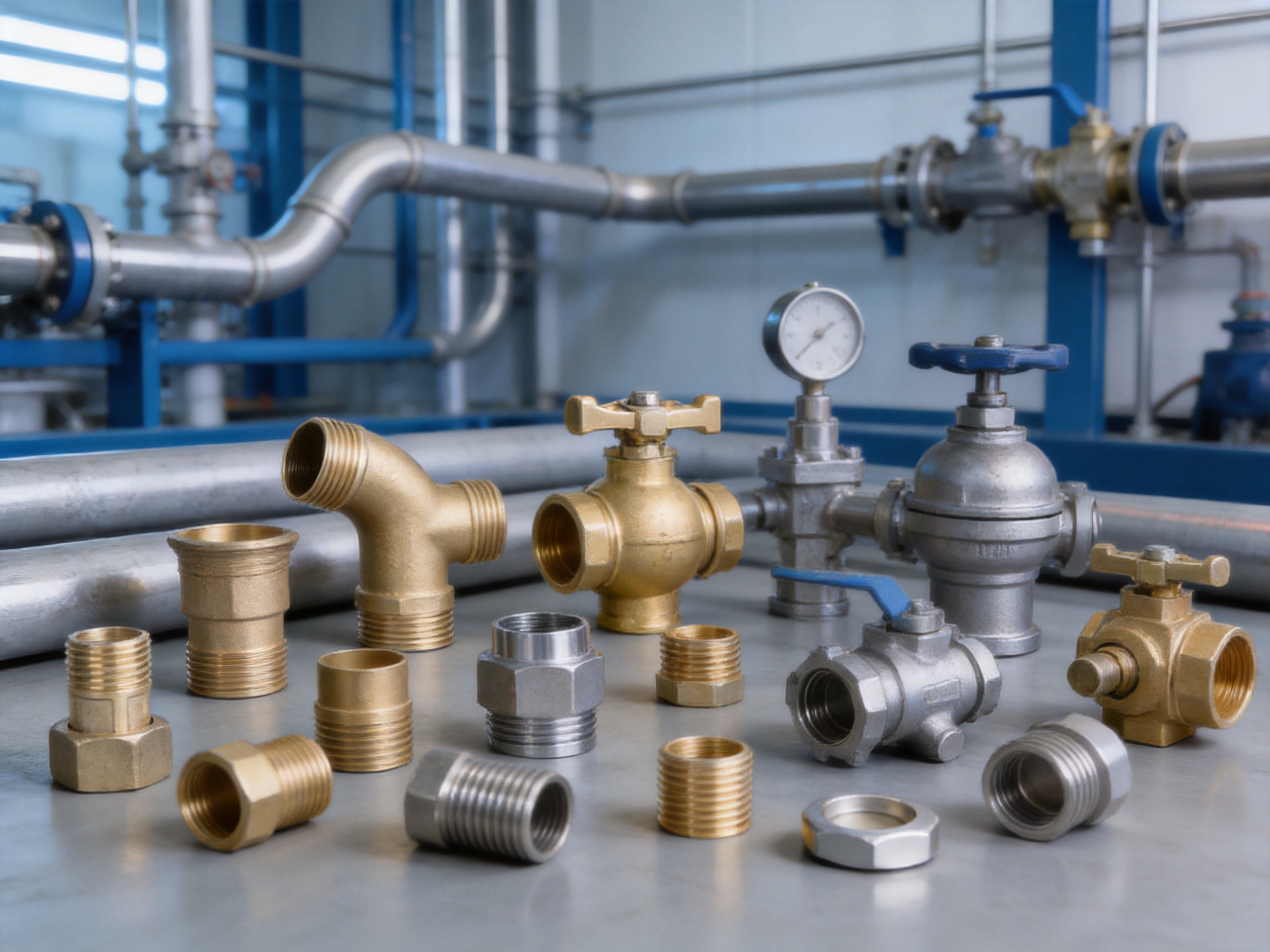
Applications in Gas, Water, and Fluid Systems
Pipe fittings are used across residential, commercial, industrial, agricultural, and infrastructure projects. Their exact design and material depend on the application, but the central requirement remains the same: create a secure and functional connection within the pipeline.
Gas Supply Systems
Gas systems require careful attention to sealing, material compatibility, pressure resistance, and installation quality. Fittings may be used to connect service lines, valves, regulators, meters, appliances, and branch pipelines. Threaded designs are common in many smaller systems because they can be installed using standard tools and established procedures.
When fittings are used near brass gas ball valves or other gas control components, the connection must be compatible with the complete assembly. Installers should verify the applicable gas type, pressure range, connection standard, sealant requirements, and local regulations before installation.
Gas applications emphasize the importance of testing and inspection. A fitting should not be judged only by its external appearance. Correct material, accurate threads, and dependable pressure performance are necessary for safe operation.
Water Supply Networks
Water supply systems use fittings to create branches, connect fixtures, join different pipe sizes, and link pipes with pumps, filters, meters, and valves. Materials must be suitable for the water quality and installation environment. In potable water applications, additional requirements may apply to material composition, cleanliness, and approved use.
Water fittings are found in residential plumbing, commercial buildings, municipal networks, irrigation systems, water treatment equipment, and industrial utility lines. A fitting with a smooth internal passage can help reduce pressure loss, while a corrosion-resistant material can extend service life in damp environments.
Industrial Fluid Control
Industrial systems may transport water, air, oil, chemicals, steam, or other process fluids. These applications can involve higher pressures, elevated temperatures, aggressive media, or severe mechanical conditions. The fitting must therefore be selected with attention to material strength, chemical resistance, temperature capability, and connection design.
Pipe fittings may be installed with forged steel valves, threaded globe valves, filters, pressure control devices, and process equipment. In these systems, accurate connection geometry and robust construction help reduce the risk of unplanned shutdowns and maintenance interruptions.
Heating and Cooling Equipment
Heating and cooling systems depend on fittings to connect heat exchangers, pumps, radiators, chillers, boilers, expansion devices, and circulation pipes. Temperature cycling can cause repeated expansion and contraction, placing stress on connection areas and sealing elements.
Fittings for these systems should be selected according to the temperature range, fluid composition, pressure, and expected cycling frequency. Proper installation and support are also important because vibration and pipe movement can transfer loads to the fitting.
Construction and Building Services
Building service contractors use pipe fittings in domestic water, fire protection, compressed air, gas distribution, drainage-related equipment, and mechanical room installations. Consistent product dimensions help speed up work on projects where many connections must be completed within a limited schedule.
Compact fitting designs can also help installers work in restricted spaces. When combined with appropriate valves and accessories, fittings support organized and serviceable utility layouts.
Why Manufacturer Capability Matters to Buyers
Buyers often compare pipe fittings by unit price, but a more complete evaluation should consider the total project cost. A low-priced component may become expensive if it causes installation delays, leakage, rework, product returns, or premature replacement. Manufacturer capability is therefore an important part of purchasing decisions.
Production Capacity
Ningbo Yunhua Valve Co., Ltd. has reported an annual production capacity of approximately 2 million sets of valves and 10 million sets of hardware accessories. This capacity indicates an ability to support both regular distribution demand and larger project orders, subject to product configuration and production scheduling.
Production capacity is valuable when customers require stable supply over time. Distributors can maintain inventory more confidently, while equipment manufacturers can coordinate fitting supply with their own assembly schedules. A manufacturer with organized production planning is better positioned to handle repeat orders without significant changes in product consistency.
Product Development Support
Different projects may require different fitting dimensions, materials, finishes, packaging methods, or connection combinations. A capable manufacturer can review drawings, samples, technical specifications, and application conditions to determine whether an existing product is appropriate or whether customization is necessary.
Customization should be managed carefully. Changes to wall thickness, thread type, material, sealing components, or pressure requirements may affect production methods and testing procedures. Engineering review helps ensure that a modified product remains suitable for its intended use.
Quality Management
A quality management system includes more than final inspection. It covers supplier selection, incoming material control, machine maintenance, process parameters, operator training, assembly procedures, testing, packaging, and customer feedback. Each stage can influence the reliability of the finished fitting.
The company’s professional management team and production organization support this type of coordinated approach. Over time, process experience allows manufacturers to identify frequent defects, improve work instructions, reduce waste, and strengthen product consistency.
Customer Service and Communication
Technical communication is essential when a fitting is used in a specialized system. Customers may need clarification regarding dimensions, connection standards, material options, pressure testing, packaging, or installation compatibility. Prompt and accurate communication helps prevent purchasing errors.
Service also includes order coordination, sample confirmation, production updates, documentation, and after-sales response. A supplier that understands the complete fluid control application can often provide more useful guidance than a supplier that treats the product as a generic metal component.
Selection Guide for Pipe Fittings
Choosing a pipe fitting should begin with a clear understanding of the operating conditions. The following factors should be reviewed before placing an order.
Working Medium
Identify whether the fitting will carry water, natural gas, air, oil, steam, chemicals, or another medium. The material and sealing method must be compatible with the fluid. Some media may attack certain metals, elastomers, coatings, or sealants.
Operating Pressure and Temperature
Confirm the normal and maximum working pressure, as well as the minimum and maximum operating temperature. Pressure surges and temperature cycling should also be considered. A fitting suitable for a low-pressure water line may not be suitable for a high-pressure industrial application.
Connection Type
Specify whether the system requires male threads, female threads, tapered threads, parallel threads, sockets, compression ends, flanges, or another connection design. The connection standard should match the mating pipe and equipment. When international projects are involved, buyers should confirm the applicable dimensional system and thread standard.
Nominal Size and Wall Dimensions
Nominal size alone may not provide enough information. The actual outside diameter, inside diameter, wall thickness, thread dimensions, and fitting length may be important for compatibility. Drawings or approved samples can help avoid confusion where different standards use similar nominal designations.
Material and Surface Finish
Select the material based on strength, corrosion resistance, temperature, medium compatibility, and budget. Surface finish should be selected according to the installation environment and appearance requirements. Outdoor, humid, coastal, and chemically exposed locations may require additional protection.
Installation and Maintenance Conditions
Consider the available space, required tools, accessibility, expected maintenance frequency, and possibility of future disassembly. A union or removable connection may be useful where equipment needs regular service. A compact elbow or adapter may be preferred where installation space is limited.
Required Documentation
Depending on the project, customers may require dimensional drawings, material information, inspection records, pressure test results, packaging details, or other documents. These requirements should be communicated before production so that the manufacturer can include them in the order process.
| Selection Factor | Questions to Confirm | Potential Consequence of Incorrect Selection |
|---|---|---|
| Fluid medium | What liquid, gas, or process medium will pass through the fitting? | Corrosion, contamination, seal deterioration, or unsafe operation |
| Pressure | What are the normal, maximum, and surge pressures? | Deformation, leakage, or mechanical failure |
| Temperature | What temperature range and cycling conditions are expected? | Material weakening, expansion stress, or seal failure |
| Connection standard | Which thread, flange, compression, or socket specification is required? | Incompatibility, cross-threading, or installation delay |
| Material | Which metal or non-metal material is appropriate for the environment? | Premature corrosion or inadequate strength |
| Space and maintenance | Will the connection need future access or disassembly? | Difficult servicing and increased labor cost |
Installation Recommendations
Even a well-manufactured fitting can perform poorly if it is installed incorrectly. Installation should be completed by qualified personnel using procedures appropriate for the system and connection type.
Before assembly, inspect the fitting and mating pipe for damage, dirt, burrs, oil, or foreign material. Confirm that the parts have matching sizes and connection standards. Do not force a fitting onto a pipe if the threads do not engage smoothly. Forced assembly can permanently damage the connection and create a hidden leakage path.
For threaded fittings, use a compatible sealing method and apply it only where appropriate. Excessive sealant can enter the pipeline and interfere with valves, meters, filters, or regulators. The fitting should be tightened using suitable tools and controlled force. Over-tightening may crack a fitting, deform a sealing surface, or damage the threads.
Pipe supports should be installed so that the fitting does not carry unsupported pipe weight. Misalignment, excessive bending, vibration, and thermal movement can place loads on the connection. In gas and industrial systems, these mechanical conditions deserve particular attention because they may develop gradually after commissioning.
After installation, the completed system should be inspected and tested according to the applicable project procedure. Leakage testing should be carried out before the system is placed into normal service. If a leak is detected, release pressure safely before attempting adjustment or disassembly.
Packaging, Storage, and Delivery Considerations
Pipe fittings can be damaged by impact, moisture, contamination, and uncontrolled handling during storage or transportation. Proper packaging helps protect threads, sealing surfaces, polished areas, and other critical features.
Small fittings should be packed in a way that prevents them from striking one another excessively. Thread protectors, separators, bags, cartons, or pallets may be used according to product size and customer requirements. Packaging should also allow clear identification of model, size, quantity, and batch information.
Storage areas should be clean and dry. Fittings should not be placed directly on wet floors or exposed to corrosive substances. Products with protective oil or coating should be stored according to the recommended conditions. Before installation, the fitting should be checked again because damage can occur after factory inspection if handling is careless.
For export and project orders, packaging must consider the transportation method, shipment duration, climate, stacking conditions, and unloading process. A well-organized manufacturer can coordinate packaging design with the product type and customer logistics requirements.
Pipe Fittings Compared with Alternative Connection Solutions
Pipe fittings are not always the only method of joining or redirecting a pipeline. Welding, brazing, compression systems, flanges, grooved couplings, and plastic fusion are also used in different applications. The most appropriate method depends on the system design, pipe material, pressure, available tools, regulations, and maintenance strategy.
Threaded fittings offer several practical advantages in suitable applications. They can often be installed without welding equipment, which is useful for repair work, building services, and smaller-diameter lines. They also allow a broad range of adapters, elbows, tees, reducers, and connections to valves or equipment.
Compared with permanent welded connections, threaded fittings may be easier to replace or modify. This can reduce the time required for maintenance or equipment changes. However, threaded connections must be selected and installed correctly, particularly in systems subject to vibration, high temperature, or severe pressure.
Compared with poorly controlled low-cost fittings, precision-manufactured products provide more predictable dimensions, cleaner connection surfaces, and better batch consistency. These characteristics can lower the hidden costs associated with rework and leakage correction.
Continuous Improvement in Fitting Production
Manufacturing improvement is an ongoing process. Customer feedback, inspection data, equipment performance, and production experience can all contribute to product development. Improvements may involve machining programs, tool selection, fixture design, assembly procedures, testing methods, packaging, or employee training.
Automation can improve repeatability, but it must be supported by correct programming and equipment maintenance. CNC machine tools require suitable cutting tools, calibration, lubrication, and preventive care. Automated assembly equipment also needs regular adjustment to maintain positioning and tightening accuracy.
Production data can help identify patterns such as recurring dimensional variation, increased tool wear, or defects concentrated in a specific operation. Engineers can then introduce corrective measures and verify whether the changes produce the intended result. This methodical approach supports long-term quality rather than relying solely on final sorting.
Product development should also consider changing market needs. Customers may request lower weight, improved corrosion resistance, new connection standards, better packaging, or more efficient installation. A manufacturer with its own engineering and production capabilities can evaluate these requirements and convert them into practical product improvements.
Environmental and Economic Value
Reliable pipe fittings can contribute to more efficient use of materials, energy, labor, and maintenance resources. Accurate machining reduces unnecessary rework and helps minimize production waste. Durable fittings require fewer replacements, reducing the consumption of raw materials and the environmental impact associated with manufacturing and transportation.
In fluid systems, a well-designed internal passage can help reduce pressure loss. Lower pressure loss may reduce the energy required by pumps or compressors, although the overall result depends on the complete system design. Preventing leaks also conserves water, gas, and other valuable media.
Economic value should therefore be assessed over the service life of the fitting. Purchase price remains relevant, but it should be considered together with installation labor, inspection, maintenance, replacement, downtime, and the consequences of leakage. A dependable fitting can provide better overall value even when its initial unit cost is not the lowest available.
Why Choose an Experienced Manufacturing Partner
An experienced pipe fitting manufacturer provides more than finished metal components. It provides process knowledge, production organization, application understanding, and the ability to maintain consistency over repeated orders.
Ningbo Yunhua Valve Co., Ltd. combines valve and hardware accessory expertise with a production base that includes precision machining, automated assembly, and testing facilities. Its reported annual capacity of 10 million sets of hardware accessories supports supply for distributors, contractors, equipment manufacturers, and project customers. The company’s broader valve manufacturing experience also helps it understand the connections between fittings and fluid control equipment.
The company’s business covers research and development, production, sales, and service for gas and fluid valves, water supply valves, and hardware accessories. This integrated scope can be useful to customers seeking coordinated sourcing for pipe fittings and related products such as threaded globe valves, forged steel valves, and brass gas ball valves.
Its long-term objective is to contribute to a safer fluid ecosystem through dependable valve and accessory products. For customers, this objective is reflected in the importance placed on quality, process control, testing, practical design, and responsive service.
Quality-Focused Purchasing Checklist
Before purchasing pipe fittings, buyers should prepare a clear technical and commercial checklist. This reduces misunderstandings and helps the manufacturer recommend the correct configuration.
First, define the required fitting type, size, connection method, material, surface finish, and quantity. Provide drawings or product references where possible. If the fitting will connect to a valve or equipment component, include the mating dimensions and connection details.
Second, provide operating conditions such as medium, pressure, temperature, flow requirements, installation location, and maintenance expectations. These details allow the supplier to evaluate whether a standard product is suitable.
Third, confirm quality and documentation expectations. These may include inspection requirements, test records, material information, marking, packaging, sampling procedures, and acceptance criteria.
Fourth, discuss samples and approval procedures for customized products. A confirmed sample can serve as a reference for mass production and reduce the risk of disagreement regarding appearance or dimensions.
Finally, evaluate delivery capability and after-sales communication. Stable supply, accurate order information, and timely response can be as important as the product itself when fittings are needed for a scheduled project.
Frequently Asked Questions
What are pipe fittings used for?
Pipe fittings are used to connect pipes, change flow direction, create branches, reduce or increase passage size, close unused outlets, and connect pipelines to valves, meters, pumps, regulators, and other equipment.
Which materials are commonly used for pipe fittings?
Common materials include brass, stainless steel, carbon steel, forged steel, ductile iron, copper alloys, and engineering plastics. The correct material depends on the conveyed medium, pressure, temperature, corrosion conditions, mechanical loads, and applicable requirements.
Are threaded pipe fittings suitable for gas systems?
Threaded fittings can be suitable for specific gas applications when their material, connection design, pressure capability, sealing method, and installation procedure meet the requirements of the system. The applicable local regulations and project specifications should always be confirmed before use.
How do precision-machined fittings differ from ordinary low-cost fittings?
Precision-machined fittings generally provide more consistent dimensions, cleaner threads, improved sealing surfaces, better batch stability, and more predictable installation. These characteristics can reduce leakage, rework, maintenance, and product rejection.
Can pipe fittings be customized?
Many fitting manufacturers can consider customization involving dimensions, materials, connection types, surface finishes, markings, packaging, or special configurations. Customization should be reviewed by engineering personnel because design changes may affect strength, sealing, machining, and testing requirements.
What should be checked before installing a fitting?
Check the fitting type, size, material, connection standard, thread condition, sealing surface, cleanliness, and compatibility with the mating pipe or equipment. Also confirm that the fitting is appropriate for the working pressure, temperature, and fluid.
Why is testing important for pipe fittings?
Testing helps identify dimensional problems, leakage, pressure weakness, surface defects, and assembly errors before products reach the customer or job site. It provides evidence that the fitting has been evaluated according to defined quality procedures.
How should pipe fittings be stored?
Store fittings in a clean, dry area away from moisture, corrosive substances, impact, and excessive dust. Protect threads and sealing surfaces during handling, and keep products identified by size, model, material, and batch where necessary.
Can fittings be used with valves from another manufacturer?
They can be used together when the connection dimensions, standards, materials, pressure ratings, temperature limits, and sealing methods are compatible. Buyers should verify mating specifications rather than relying only on nominal size.
What makes a manufacturer suitable for large orders?
Important factors include production capacity, precision equipment, stable raw material supply, automated or controlled assembly, testing capability, quality management, clear communication, reliable packaging, and the ability to maintain consistent specifications across repeated batches.
Conclusion
Pipe fittings are fundamental to the safety, efficiency, and serviceability of gas, water, and industrial fluid systems. Their value lies not only in connecting pipes but also in maintaining alignment, supporting dependable sealing, reducing pressure loss, simplifying maintenance, and integrating pipelines with valves and other equipment.
The advantages of a well-manufactured fitting include accurate dimensions, reliable connection performance, suitable material selection, efficient flow passages, practical installation features, and stable quality from batch to batch. These advantages can reduce installation labor, leakage risk, maintenance costs, and operational disruption.
Ningbo Yunhua Valve Co., Ltd. supports pipe fitting production through a 20,000-square-meter manufacturing base, precision machining capabilities, automated assembly operations, and a dedicated testing workshop. Its experience in gas and fluid valves, water supply valves, and hardware accessories provides a useful foundation for developing components that work effectively within complete fluid control systems.
For distributors, contractors, equipment manufacturers, and project purchasers, the best sourcing decision is based on total value rather than unit price alone. By considering manufacturing process, material compatibility, testing, production capacity, customization support, packaging, and after-sales communication, buyers can select pipe fittings that deliver dependable performance from installation through long-term service.
References
1. Ningbo Yunhua Valve Co., Ltd. Corporate and product information supplied for technical content development.
2. General principles of industrial piping design, connection selection, and fluid system maintenance.
3. Standard engineering practices for threaded, compression, flanged, and mechanically connected pipe systems.
4. General guidelines for metallic material selection in water, gas, and industrial fluid applications.
5. General quality control practices for CNC machining, automated assembly, dimensional inspection, and pressure testing.
Product: Pipe Fittings

Related Products
-
 View More
-
 View More
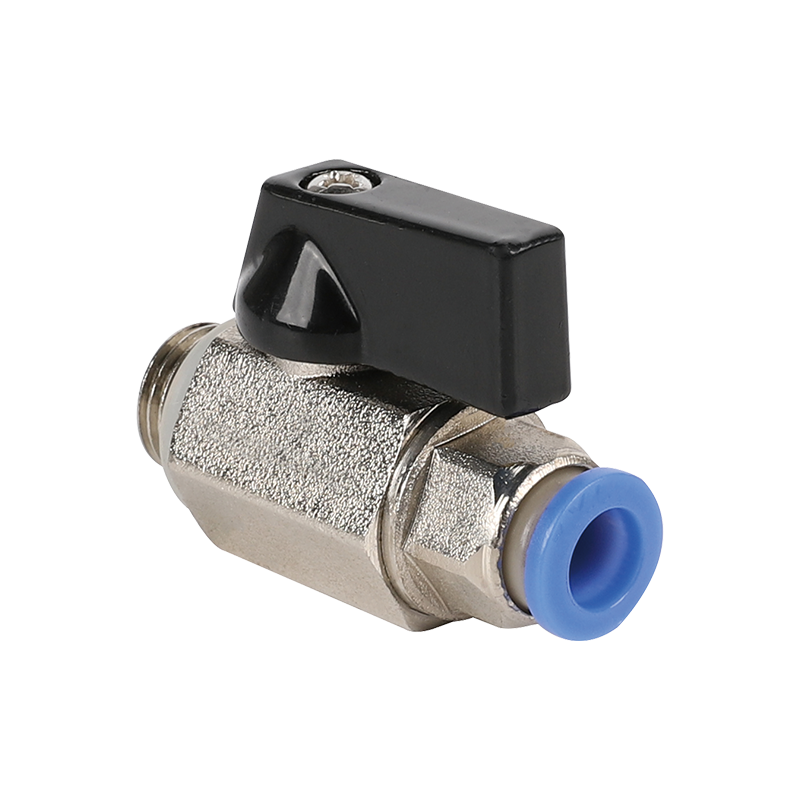
MINI-2 Mini Short-Handle Ball Valve(M/M)
-
 View More
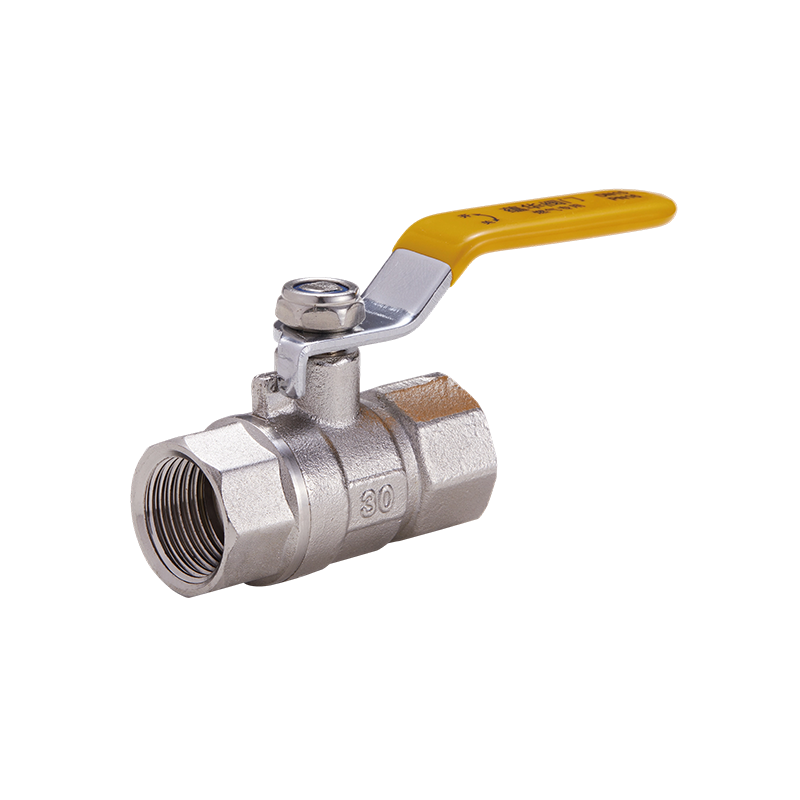
YH-2210 Forged Steel Ball Valve with Long Handle (F/F)
-
 View More
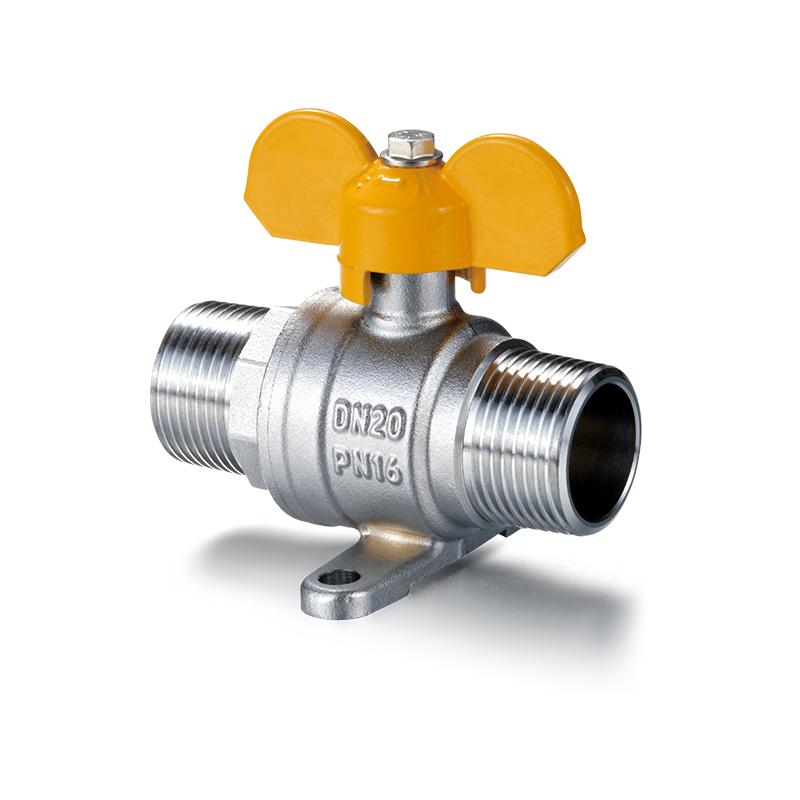
YH-214 Brass Ball Valve with Base& Butterfly Handle(M/M)
-
 View More
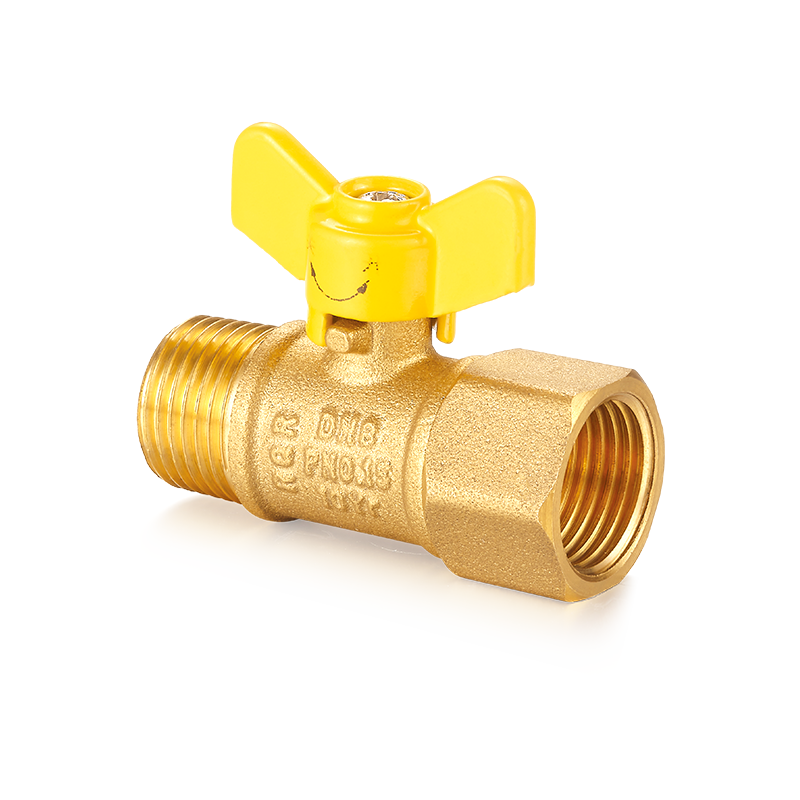
YH-205 Brass Ball Valve with Butterfly Handle(F/M)
-
 View More
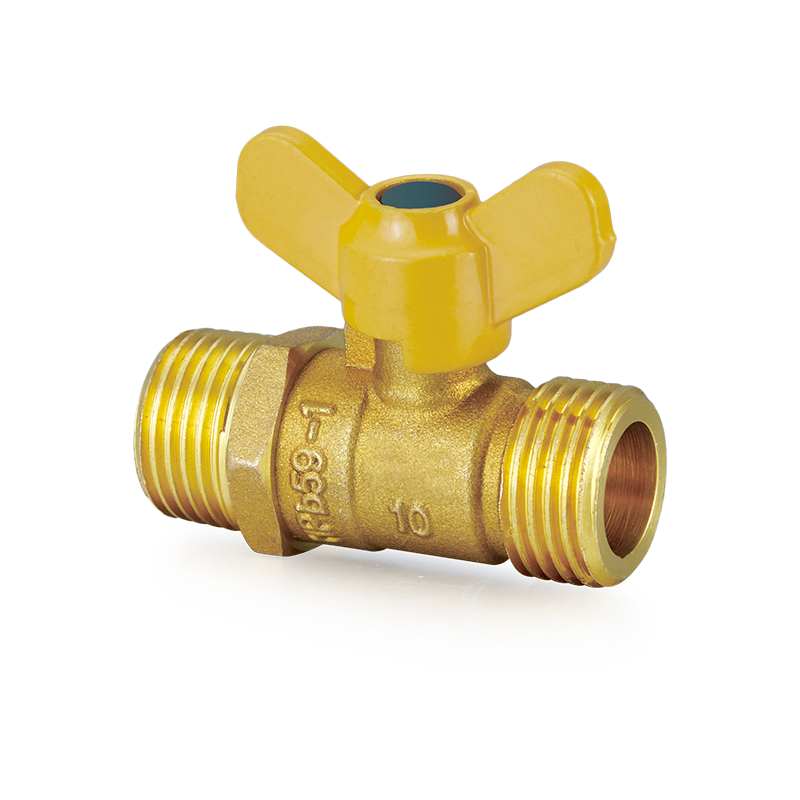
YH-206 Brass Ball Valve with Butterfly Handle(M/M)
Related News
Contact Us
-

-
 +86-0574-63742169
 -
 No.104-128, Cizhang East Road, Zhangqi Town, Cixi City, Ningbo, Zhejiang Province, China


Message Us Now !
