


 English
  русский
  عربى
عربى  Español
Precision Pipe Fittings for Safe, Efficient, and Reliable Fluid Systems
Content
- 1 Understanding the Role of Pipe Fittings
- 2 Key Product Advantages of Precision Pipe Fittings
- 3 Manufacturing Capabilities Behind Consistent Product Quality
- 4 Materials, Surface Quality, and Connection Design
- 5 Advantages over Low-Quality or Inconsistent Alternatives
- 6 Applications for Pipe Fittings
- 7 How the Manufacturing Process Supports Performance
- 8 Product Selection Guide for Buyers
- 9 Comparison of General Fitting Options
- 10 Installation and Maintenance Recommendations
- 11 Customization and Project Support
- 12 Why Manufacturer Selection Matters
- 13 Quality, Responsibility, and Long-Term Development
- 14 Frequently Asked Questions
- 14.1 What are pipe fittings used for?
- 14.2 Why is dimensional accuracy important in a pipe fitting?
- 14.3 How do I choose the correct pipe fitting material?
- 14.4 Can pipe fittings be used with valves from another manufacturer?
- 14.5 What makes CNC-machined fittings advantageous?
- 14.6 Are customized pipe fittings available?
- 14.7 How can leakage from a threaded fitting be prevented?
- 14.8 What should I check when comparing pipe fitting suppliers?
- 14.9 Why are pipe fittings important in gas systems?
- 14.10 Can one pipe fitting be used for every application?
- 15 Conclusion
- 16 References
- 17 Product: Pipe Fittings
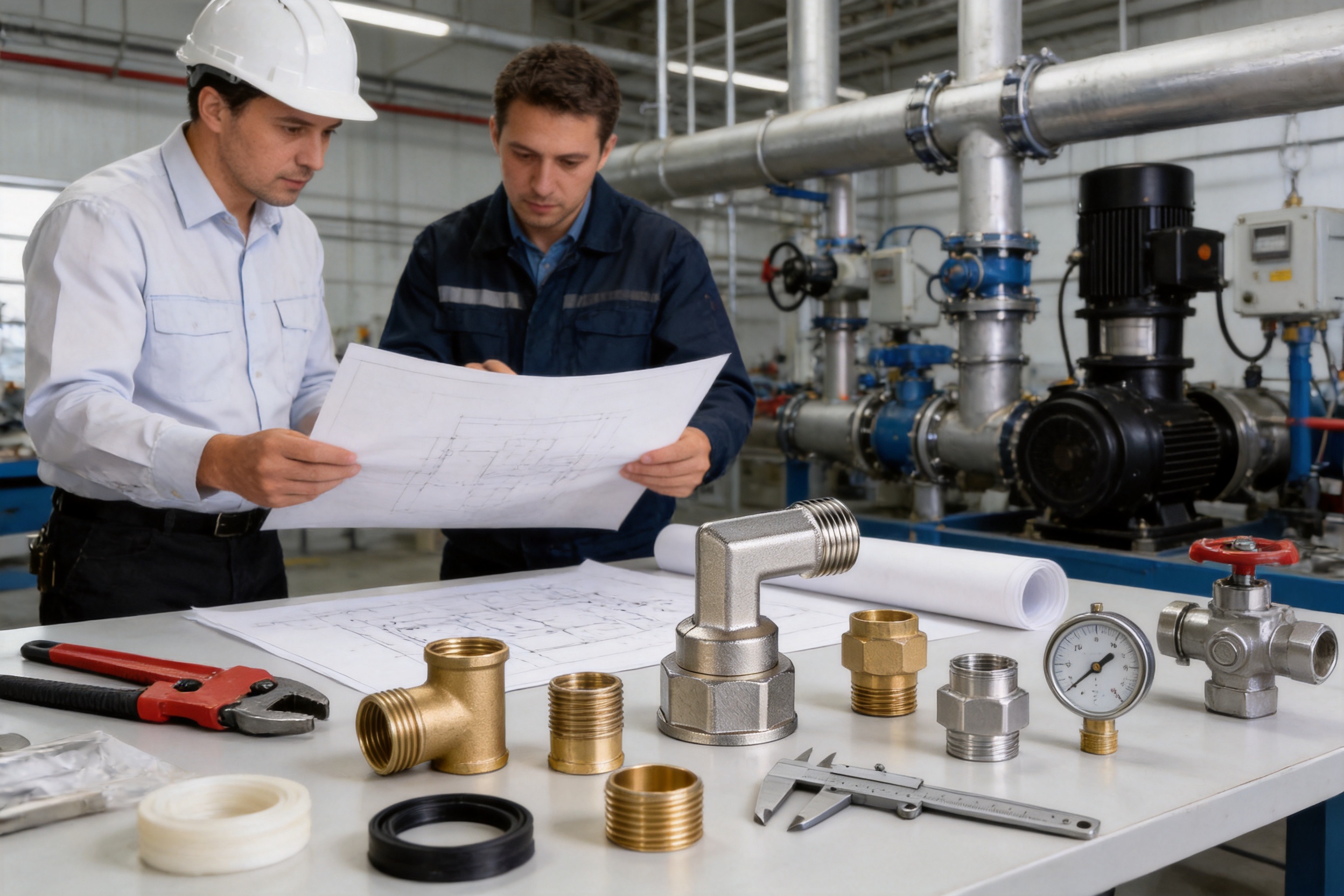
Pipe fittings are essential components in nearly every fluid-handling installation. They connect pipes, change flow direction, divide or combine pipelines, reduce or enlarge passage sizes, and provide practical solutions for equipment maintenance and system expansion. Although fittings are often smaller than valves, pumps, and tanks, their quality has a direct influence on system safety, operating efficiency, service life, and maintenance costs.
Modern industrial, commercial, agricultural, residential, and utility systems require pipe fittings that can withstand pressure, temperature variation, vibration, corrosion, installation stress, and repeated operation. A fitting must not only connect two pipes; it must maintain dimensional accuracy, provide a dependable sealing surface, and remain stable throughout the expected service life of the installation.
Ningbo Yunhua Valve Co., Ltd. develops and manufactures pipe fittings as part of its broader expertise in gas and fluid valves, water supply valves, and hardware accessories. The company combines product development, precision machining, automated assembly, inspection, and customer service to provide components for practical fluid-control applications. Its manufacturing capabilities support consistent production for domestic and international markets, while its engineering approach allows fittings to be adapted to different connection requirements and system conditions.
This article explains the function, design characteristics, manufacturing strengths, application value, and purchasing considerations associated with modern pipe fittings. It also examines why a professionally manufactured fitting can offer advantages over low-cost alternatives that may have inconsistent dimensions, poor surface quality, weak threads, or unreliable sealing performance.
Understanding the Role of Pipe Fittings
A pipeline is rarely a straight line running from one point to another. It may need to pass around equipment, connect to a branch line, transition between different pipe diameters, or terminate at a valve, gauge, pump, tank, or appliance. Pipe fittings make these arrangements possible.
Common fitting functions include changing direction, joining pipes, reducing flow size, creating branches, closing unused outlets, and connecting pipes to threaded or flanged equipment. In fluid systems, the fitting also acts as part of the pressure boundary. This means its body, connection area, threads, sealing surfaces, and material must work together to prevent leakage and withstand internal forces.
The design of a fitting depends on several factors. The intended medium may be water, air, gas, oil, steam, or another fluid. The operating pressure and temperature determine the required mechanical strength. The pipe material and connection method influence compatibility. Installation space, maintenance access, corrosion exposure, and local regulations may also affect the selection.
Pipe fittings are commonly produced in configurations such as elbows, tees, crosses, couplings, unions, reducers, adapters, caps, plugs, and threaded connectors. Each design serves a specific purpose, but all require careful control of dimensions and surface condition. Even a small error in a threaded connection or internal passage can create installation difficulty, pressure loss, or leakage.
Key Product Advantages of Precision Pipe Fittings
Accurate Dimensions and Reliable Interchangeability
One of the most important advantages of a precision-made pipe fitting is dimensional consistency. Fittings must match the pipe, valve, or equipment to which they are connected. If the outside diameter, internal passage, thread profile, shoulder position, or overall length varies from one piece to another, installation becomes slower and less predictable.
Precision machining helps ensure that fittings maintain stable dimensions across production batches. This allows installers and maintenance teams to work with greater confidence. A fitting that conforms consistently to the specified size can reduce forced alignment, excessive tightening, thread damage, and the need for on-site modification.
Interchangeability is particularly valuable for distributors and industrial users. Standardized products can be stocked for future maintenance without requiring special adaptation. When a replacement component is needed, a dependable dimensional profile helps reduce downtime and simplifies procurement.
Secure Connection and Improved Leak Resistance
A pipe fitting is only effective when it creates a secure connection. Threaded fittings depend on accurate thread geometry and suitable sealing methods. Compression-type and other mechanical connections depend on properly formed contact surfaces. In every case, the connection area must be manufactured to support a stable seal.
High-quality fittings reduce the risk of leakage by combining accurate machining with controlled finishing. Smooth, clean threads are easier to engage and less likely to cross-thread. Properly formed shoulders and sealing faces provide better contact with gaskets, sealants, or mating components. Consistent wall thickness also supports the structural integrity of the pressure boundary.
Leak prevention is important for more than fluid conservation. A leak in a water system can damage buildings and equipment. A leak in a gas system can create a serious safety hazard. Leakage in an industrial process can contaminate products, interrupt production, or expose workers to hazardous substances. Reliable fittings therefore contribute to both operational efficiency and risk management.
Strong Mechanical Performance
Pipe fittings may be exposed to internal pressure, external loads, vibration, thermal expansion, and installation forces. Their bodies and connection areas need sufficient strength for the intended service conditions. A fitting with poor material quality or uneven wall thickness may deform, crack, or fail prematurely.
Precision production supports mechanical performance by controlling the shape and thickness of the fitting. Automated and semi-automated processes can provide more uniform machining results than inconsistent manual methods. Controlled production also makes it easier to identify deviations before products are released.
For applications involving gas, pressurized water, or industrial fluids, users should always select fittings according to the applicable pressure rating, temperature range, material compatibility, and installation standard. A well-manufactured fitting offers a dependable foundation, but correct system design and proper installation remain essential.
Compatibility with Multiple Fluid Systems
Pipe fittings can be used in many different environments, but no single material or design is suitable for every fluid. Water supply systems may prioritize corrosion resistance and hygienic performance. Gas installations may require specific sealing behavior and strict attention to connection integrity. Industrial systems may involve oils, chemicals, high temperatures, or abrasive media.
Manufacturers with experience in fluid valves and hardware accessories understand that the fitting must be selected as part of a complete system. The material, connection type, internal passage, surface treatment, and sealing method should match the medium and operating conditions.
Ningbo Yunhua Valve Co., Ltd. serves customers in the wider fluid-control field, including applications related to gas and water systems. This product knowledge supports the development of fittings that can be coordinated with valves and other pipeline accessories. Users can therefore evaluate fittings not as isolated hardware, but as components within an integrated flow-control solution.
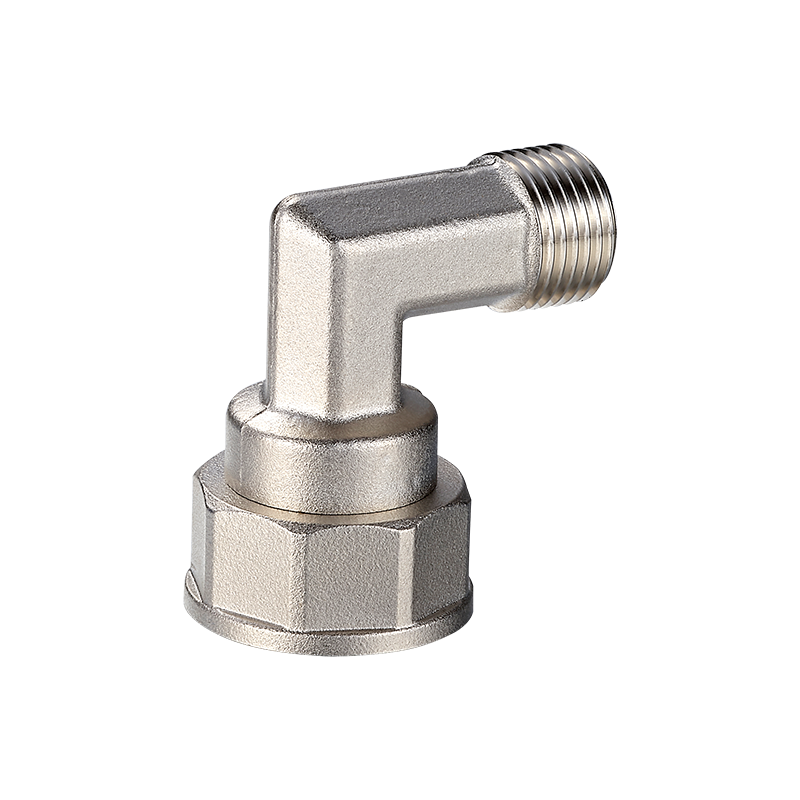
Pipe Fittings
Manufacturing Capabilities Behind Consistent Product Quality
The performance of a pipe fitting begins long before installation. It depends on design preparation, material control, machining accuracy, assembly discipline, inspection procedures, and packaging. A manufacturer that controls these stages can provide more stable products than a supplier focused only on low purchase price.
Professional Precision Machining Workshop
Ningbo Yunhua Valve Co., Ltd. has established a professional precision machining workshop equipped with advanced domestic and international CNC machine tools. CNC equipment supports repeatable machining operations and enables production teams to maintain tighter control over dimensions, threads, bores, shoulders, and other critical features.
Compared with basic manual machining, CNC production can reduce variation between individual pieces. Once a validated process is established, the same operation can be repeated with a high degree of consistency. This is especially important for pipe fittings because a small dimensional difference may affect assembly, sealing, flow passage, or compatibility with related components.
Modern machining also supports efficient production of different sizes and configurations. Tooling and process parameters can be adjusted for specific product requirements while maintaining a controlled production framework. This flexibility is useful for standard products as well as customized orders.
Automated Assembly and Testing Equipment
Assembly quality is closely related to product reliability. Even when the fitting body is machined accurately, poor handling, contamination, incorrect component placement, or inconsistent tightening can compromise performance. Automated assembly and professional testing equipment help reduce these risks.
Automation can improve process repeatability and reduce dependence on variable manual operations. It also helps production teams organize workstations, define inspection points, and improve output efficiency. For products used with valves and fluid systems, automated processes may support more consistent cleaning, assembly, pressure testing, and final verification.
Testing is not simply a final formality. It provides information about whether a product meets its intended design requirements. Depending on the product specification and applicable standard, inspection may include visual checks, dimensional measurement, thread verification, pressure testing, leakage testing, material review, and functional assessment.
Integrated Production and Inspection
A major strength of an integrated manufacturer is the ability to coordinate multiple stages within one organization. Product development, production planning, machining, assembly, testing, packaging, and customer service can communicate directly. This reduces the risk of information loss between separate suppliers and helps resolve technical questions more efficiently.
When a customer requests a special size, finish, connection, or packaging arrangement, an integrated production team can evaluate the requirement from both engineering and manufacturing perspectives. The result is more practical than simply modifying a drawing without considering tooling, inspection, or long-term production consistency.
Integrated inspection also supports traceability and continuous improvement. If a recurring dimensional or assembly issue is identified, the manufacturer can review the relevant process and make adjustments. This approach helps strengthen future production rather than treating every quality concern as an isolated event.
Large Production Capacity with Quality Control
The company covers approximately 20,000 square meters and has established machining, assembly, and testing facilities. Its reported annual capacity includes approximately 2 million sets of valves and 10 million sets of hardware accessories. This scale demonstrates the ability to support recurring orders, distributor supply programs, and projects requiring stable volume.
Capacity alone does not guarantee quality. However, when capacity is supported by professional equipment, process management, and inspection, it can provide important advantages. Large-scale production helps improve manufacturing efficiency, maintain organized workflows, and distribute development costs across a broader product range.
For customers, reliable capacity can reduce supply interruptions. Contractors and distributors can plan inventory more effectively when the manufacturer has the equipment and organizational structure needed to support repeat orders. A stable supply is particularly valuable for commonly used pipe fittings that must be available for installation, repair, and replacement.
Materials, Surface Quality, and Connection Design
Material Selection
The appropriate fitting material depends on the fluid, pressure, temperature, corrosion environment, connection method, and applicable regulations. Common material categories in the pipe fitting market include brass, stainless steel, carbon steel, ductile iron, plastic, and other engineered alloys. Each material offers a different balance of strength, corrosion resistance, weight, machinability, cost, and service compatibility.
Material selection should be made according to the complete application rather than appearance or price alone. A fitting intended for potable water may have different requirements from a fitting used in compressed air, fuel gas, heating, irrigation, or industrial process piping. Users should confirm the material specification and compatibility before installation.
When fittings are used together with valves, the connection materials should also be considered. Differences in hardness, thermal expansion, corrosion behavior, or thread form may affect the long-term performance of the assembled system. A manufacturer with valve and hardware expertise can help customers coordinate these components more effectively.
Surface Finish and Cleanliness
Surface quality affects both appearance and performance. A clean, consistent surface is easier to inspect and less likely to contain burrs, sharp edges, machining residue, or foreign material that could interfere with installation. Internal cleanliness is especially important in systems where contamination can damage downstream equipment or affect fluid quality.
Finishing requirements may include deburring, polishing, coating, plating, passivation, or other treatments, depending on the product design and material. The selected finish should be suitable for the operating environment. For example, a surface treatment intended for general indoor use may not be sufficient for an outdoor location exposed to moisture, salt, or chemicals.
Professional manufacturing helps ensure that finishing is not left entirely to individual operator judgment. Defined work instructions and inspection points support more uniform results. Customers should discuss special surface requirements in advance, especially when appearance, corrosion resistance, or cleanliness is critical.
Threaded Connection Design
Threaded pipe fittings are widely used because they are practical, compact, and comparatively easy to install. Their performance depends on the accuracy of the male and female threads, the selected thread standard, the thread length, and the sealing method.
Thread compatibility must never be assumed. Different thread standards may have similar visual characteristics but cannot necessarily be joined safely. Users should confirm nominal size, thread type, pitch, taper, gender, and applicable standard before ordering. Correct alignment during installation is also important because cross-threading can permanently damage the fitting.
Thread sealant or sealing tape should be compatible with the fluid and temperature. Excessive sealant may enter the pipeline and obstruct valves, filters, meters, or small orifices. Excessive tightening can damage threads or distort the fitting. The correct installation torque and procedure should be determined according to the fitting design and system requirements.
Advantages over Low-Quality or Inconsistent Alternatives
Price is an important purchasing factor, but the lowest initial price does not always represent the lowest total cost. Low-quality fittings may create hidden expenses through installation delays, leakage, premature replacement, product returns, or damage to connected equipment.
Lower Installation Risk
Consistent dimensions make installation more predictable. A well-machined fitting normally engages with the mating component without excessive force or repeated adjustment. This reduces the possibility of thread damage, misalignment, and improper sealing. Faster installation can also lower labor costs on large projects.
Reduced Maintenance Requirements
Fittings with sound materials and accurate connections are less likely to develop leaks or mechanical problems under normal operating conditions. Reduced leakage means fewer emergency repairs and less disruption to production or building services.
Maintenance teams also benefit from standardized products. When replacement fittings have consistent dimensions and specifications, technicians can identify and install them more efficiently. This is especially useful for facilities with many pipeline branches and multiple equipment rooms.
More Stable Supply
Manufacturers with organized workshops and substantial production capacity are better positioned to support repeated orders. Stable supply reduces the risk that a contractor will need to combine visually similar but technically different fittings from multiple sources.
Using products from a consistent manufacturing system can simplify inventory management. Distributors may be able to organize product families by size, connection, material, and application, making it easier to respond to customer requirements.
Better Technical Coordination
Pipe fittings are often ordered alongside ball valves, globe valves, gas valves, water valves, adapters, and other hardware. A supplier with experience across these categories can help identify connection issues before shipment. This may include checking nominal size, thread direction, material compatibility, packaging quantities, and intended application.
Technical coordination is particularly valuable for export orders and custom projects. Drawings, samples, specifications, and inspection requirements should be reviewed clearly before mass production begins. A manufacturer that offers product development and service support can contribute more than a trading company with limited control over production.
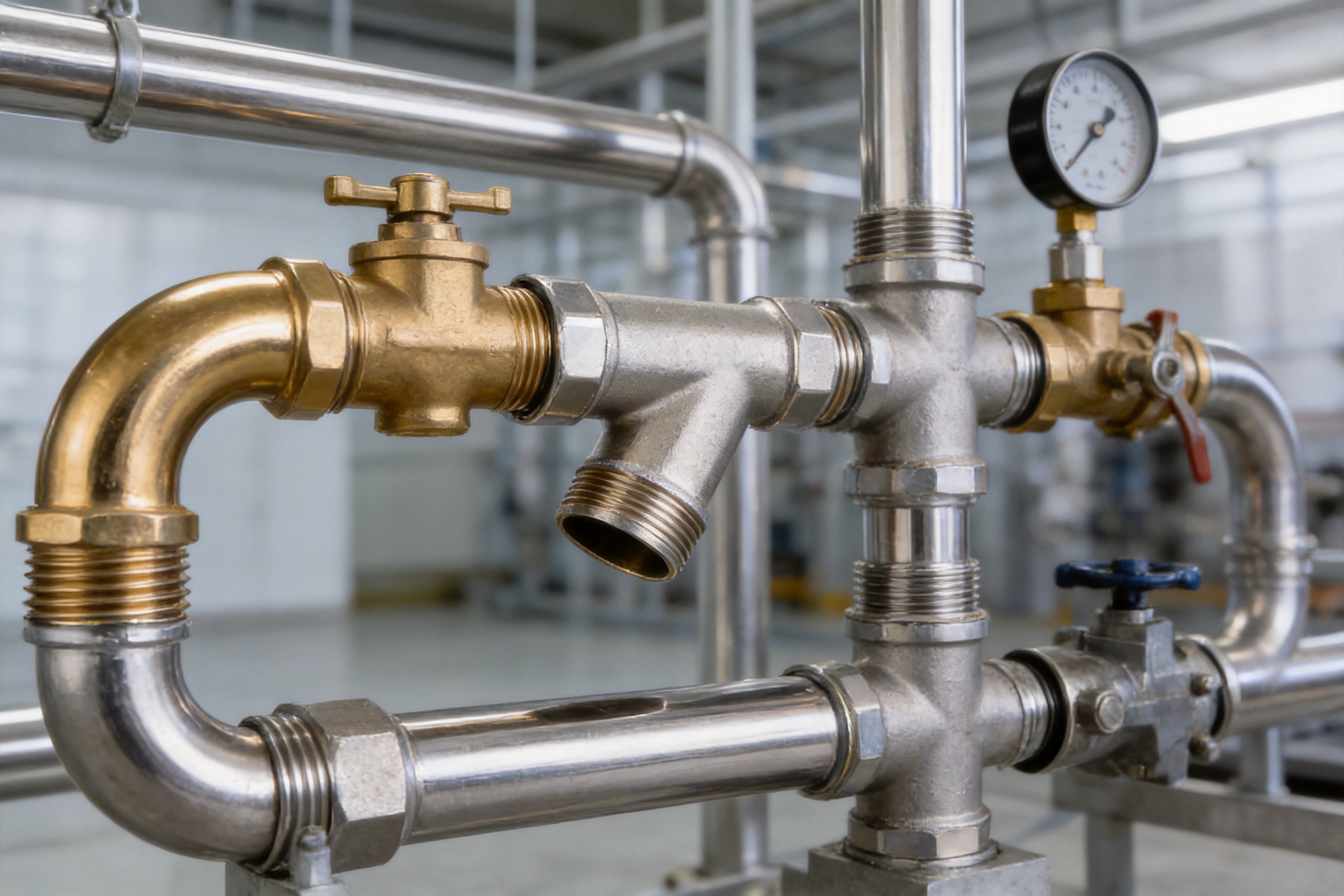
Applications for Pipe Fittings
Water Supply and Plumbing Systems
Water supply installations use fittings to connect distribution lines, branch pipes, fixtures, pumps, tanks, meters, and isolation valves. The fittings must support dependable connections while remaining suitable for contact with the intended water supply.
Residential plumbing often requires compact fittings that are easy to install in restricted spaces. Commercial buildings may require larger product quantities and consistent replacement availability. Municipal or utility-related systems may place greater emphasis on pressure performance, corrosion resistance, and compliance with project specifications.
Gas Distribution and Gas Appliance Connections
Gas systems require special attention to leakage prevention, material compatibility, connection integrity, and installation practice. Fittings used in gas applications should be selected and installed according to relevant local codes and technical requirements.
The relationship between pipe fittings and gas valves is important in these systems. A valve may control the flow, but the fittings connect the valve to the pipeline and help maintain the pressure boundary. A reliable assembly therefore requires compatible components throughout the complete connection.
Heating and Cooling Systems
Heating and cooling networks use fittings to connect radiators, boilers, chillers, heat exchangers, pumps, expansion equipment, and control valves. Temperature changes can produce thermal expansion and contraction, making accurate installation and suitable material selection important.
Fittings should be chosen for the expected temperature and pressure range. Sealing materials must also remain stable during repeated heating and cooling cycles. Proper layout can help reduce mechanical stress on threaded joints and connected equipment.
Industrial Fluid Handling
Industrial facilities use fittings in process water, compressed air, lubrication, hydraulic, chemical, and utility systems. The required product may vary significantly from one process to another. Some systems prioritize high strength, while others require corrosion resistance, low contamination, easy cleaning, or frequent disassembly.
For industrial projects, product documentation and specification review are essential. The fitting should be evaluated together with pipe material, fluid characteristics, operating pressure, temperature, vibration, and maintenance conditions.
Agricultural Irrigation
Irrigation systems rely on fittings to create branches, connect pumps, join hoses or pipes, and distribute water across fields, greenhouses, gardens, and landscaping areas. These systems may operate outdoors and may be exposed to ultraviolet radiation, soil, fertilizer, moisture, and seasonal temperature changes.
Ease of assembly and resistance to environmental exposure are important considerations. Fittings should be selected according to the irrigation medium, pressure requirements, pipe type, and expected maintenance schedule.
Construction and Building Services
Construction projects use pipe fittings in plumbing, fire protection support systems, heating, ventilation, air-conditioning utilities, compressed air, and equipment connections. Contractors often need large quantities of standardized components delivered according to project schedules.
Consistent packaging, clear identification, and reliable supply can be as important as the fitting itself. Organized manufacturers can assist with batch orders, product grouping, labeling, and other requirements that support warehouse management and field installation.
How the Manufacturing Process Supports Performance
Product Development and Requirement Review
The manufacturing process begins with understanding the product purpose. Engineers and production teams review the required dimensions, material, connection type, operating conditions, appearance, packaging, and inspection requirements. If the fitting is customized, drawings or samples may be used to confirm the design before production.
This stage helps prevent avoidable problems such as incorrect thread standards, insufficient wall thickness, unsuitable material, or incompatible dimensions. Clear communication at the beginning is especially important for export customers, because terminology and standards may differ between markets.
Material Preparation
Material preparation includes selecting the specified raw material and preparing it for machining or forming. Material quality can affect machinability, strength, corrosion behavior, and final surface finish. A controlled process should prevent the unintended mixing of different material grades.
Customers with special requirements may request material certificates, inspection reports, or other documentation. Such requirements should be agreed before production so that the relevant records can be maintained throughout the order.
CNC Machining
CNC machining is used to produce precise external and internal features. Depending on the design, operations may include turning, drilling, boring, threading, facing, grooving, and other cutting processes. The objective is to create a fitting that matches the approved drawing or product specification.
Process control is important at this stage. Cutting tools must be maintained, measurement equipment must be suitable, and operators must follow defined procedures. Periodic inspection can identify tool wear or dimensional drift before a large number of pieces are affected.
Deburring and Surface Treatment
After machining, burrs and sharp edges may need to be removed. Deburring improves handling safety, supports proper assembly, and helps prevent loose particles from entering the pipeline. Surface treatment may then be applied if required by the product design or application.
The selected surface treatment should provide the desired balance of appearance, corrosion resistance, cleanliness, and cost. Treatment quality should be checked for uniformity, adhesion, coverage, and compatibility with the specified environment.
Assembly and Inspection
If the product includes multiple parts or sealing elements, assembly should be performed according to documented procedures. Inspection may verify component presence, orientation, movement where applicable, connection quality, and overall appearance.
Although a basic pipe fitting may have a simple structure, quality checks remain important. Dimensions, threads, sealing surfaces, and internal passages should be evaluated in accordance with the product specification. Testing procedures should be appropriate to the intended use and agreed customer requirements.
Packaging and Delivery
Packaging protects fittings from impact, moisture, contamination, and mixing during transportation. Proper packaging also helps customers count, identify, store, and distribute products after receipt.
For high-volume orders, packaging may be organized by size, model, material, or project reference. Clear labels reduce warehouse errors and can simplify installation at the job site. Export shipments should also consider transportation distance, humidity, handling conditions, and customs documentation.
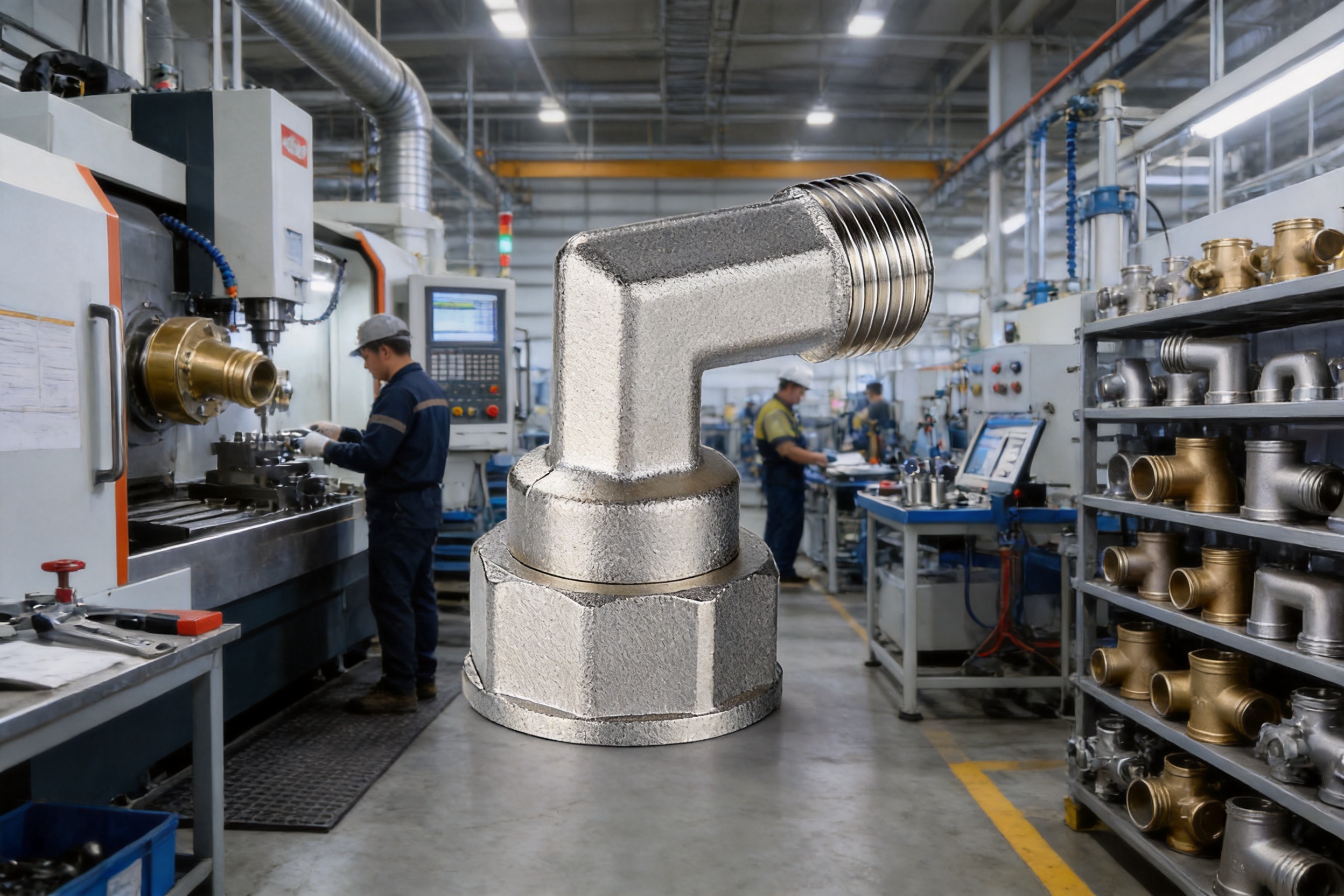
Product Selection Guide for Buyers
Confirm the Fluid and Operating Conditions
Begin by identifying the fluid that will pass through the fitting. Water, gas, air, oil, steam, and chemicals may require different materials and sealing methods. Then confirm the normal and maximum operating pressure, minimum and maximum temperature, flow conditions, and possible chemical exposure.
Consider whether the system will experience pressure surges, vibration, repeated thermal cycling, vacuum conditions, or outdoor exposure. These factors may influence the fitting design even when the nominal pipe size remains unchanged.
Check the Nominal Size and Connection Type
Nominal size is not always identical to the actual internal or external dimension. Buyers should verify the full specification rather than relying only on a general size description. Connection type, thread standard, end form, length, and direction should also be confirmed.
A detailed purchase specification can prevent confusion between similar products. It may include product name, model, nominal size, material, connection, pressure rating, surface treatment, quantity, packaging, and inspection requirements.
Evaluate the Fitting as Part of the System
A fitting should be compatible with the pipes, valves, meters, pumps, and equipment around it. Check whether the connection requires a gasket, sealing tape, liquid sealant, ferrule, clamp, or another component. Confirm that all materials can safely handle the fluid and operating conditions.
System layout also matters. Excessive bending, forced alignment, unsupported pipe weight, or pipe vibration can place stress on the fitting. Even a high-quality component may fail if the surrounding system is poorly designed or installed.
Review Quality Control and Manufacturing Experience
When comparing suppliers, buyers should look beyond catalog photographs and unit price. Useful questions include whether the manufacturer has precision machining equipment, how dimensions are inspected, whether pressure or leakage testing is available, how materials are controlled, and whether customized requirements can be supported.
Manufacturing experience in related valves and hardware accessories can be an advantage because the supplier understands connection interfaces and fluid-control applications. A company with its own workshops and testing facilities may also provide better consistency than a supplier relying entirely on unverified subcontractors.
Comparison of General Fitting Options
| Evaluation Factor | Precision-Manufactured Fitting | Low-Consistency Alternative | Customer Benefit |
|---|---|---|---|
| Dimensional accuracy | Controlled through machining and inspection | May vary between batches | Easier installation and replacement |
| Thread quality | More consistent profile and engagement | May contain roughness or dimensional errors | Improved sealing and reduced thread damage |
| Material control | Specified according to product requirements | May be unclear or inconsistent | Better application compatibility |
| Surface finish | Processed and checked according to requirements | May show burrs, uneven coating, or residue | Better appearance, handling, and durability |
| Testing capability | Supported by professional testing equipment | May rely on limited visual inspection | Greater confidence in pressure integrity |
| Production capacity | Suitable for recurring and volume orders | May be affected by unstable outsourcing | More reliable supply planning |
| Customization support | Can be reviewed through engineering and production teams | May be limited to existing stock | Better fit for special projects |
| Long-term cost | Lower risk of rework and premature replacement | Potentially higher hidden costs | Improved total cost of ownership |
Installation and Maintenance Recommendations
Correct installation is necessary to achieve the performance expected from a quality fitting. Before assembly, inspect the fitting and mating pipe for damage, contamination, burrs, or incorrect dimensions. Confirm that the connection type and thread standard are correct.
Clean the connection surfaces and remove foreign material. Apply an appropriate sealant only where required. Sealant should be compatible with the fluid and should not be applied in a way that allows excess material to enter the pipeline.
Start threaded connections by hand to ensure proper alignment. If resistance occurs immediately, stop and inspect the threads rather than forcing the connection. Use the appropriate tool on the designated wrenching surfaces. Do not use excessive force on delicate areas, valve bodies, or thin sections.
Support the pipeline independently where necessary. The fitting should not be used to carry excessive pipe weight or absorb avoidable bending stress. Allow for thermal movement and consider vibration control in systems connected to pumps, compressors, or other dynamic equipment.
After installation, inspect the system under controlled conditions. Pressure or leakage testing should follow the applicable project procedure and safety requirements. If a leak is detected, depressurize the system before attempting adjustment or repair.
Routine maintenance may include checking visible joints, monitoring pressure behavior, inspecting for corrosion, and confirming that insulation or protective coatings remain intact. In gas and hazardous-fluid systems, inspection intervals and procedures should follow applicable regulations and professional practice.
Customization and Project Support
Standard fittings are suitable for many applications, but some projects require special dimensions, connection combinations, finishes, markings, or packaging. Customization may be necessary when the available installation space is restricted, when equipment uses a nonstandard interface, or when a customer needs a private product specification.
A successful customization process begins with complete technical information. Customers should provide drawings, samples, target dimensions, material requirements, operating conditions, quantities, and any applicable standards. The manufacturer can then review whether the design is practical for machining, assembly, inspection, and repeat production.
Prototype or sample approval is useful before mass production. It allows the customer to verify fit, appearance, connection compatibility, and installation performance. Once the sample is accepted, the production process can be documented to improve consistency across future orders.
Ningbo Yunhua Valve Co., Ltd. combines product development with manufacturing, assembly, testing, sales, and service. This structure supports communication throughout the project lifecycle. Customers can discuss pipe fittings together with related valves and hardware accessories, helping create a more coordinated supply solution.
Why Manufacturer Selection Matters
The pipe fitting market includes manufacturers, distributors, and trading companies with very different levels of technical control. A manufacturer with its own precision machining and testing capabilities can generally provide more direct oversight of product quality and production schedules.
Manufacturer selection should be based on application suitability, quality consistency, production capability, communication, documentation, and after-sales support. A supplier that understands the intended use can ask more useful technical questions and identify risks earlier.
For international buyers, communication and export experience are also important. Product names may vary between markets, and connection standards may be interpreted differently. Clear technical drawings, specification sheets, samples, and inspection criteria help ensure that both parties understand the order correctly.
A long-term supplier relationship can create additional value. Repeated orders may benefit from established tooling, documented processes, stable packaging, and historical quality records. The customer can also receive faster support for product updates, replacement requirements, and new project development.
Quality, Responsibility, and Long-Term Development
Reliable pipe fittings support safer fluid systems, but responsible manufacturing also requires attention to operational efficiency and product life. A fitting that lasts longer may reduce replacement material, transportation, labor, and disposal requirements over time.
Efficient CNC machining, organized assembly lines, and automated testing can help reduce avoidable production waste. Process control also minimizes the number of products that require rework or rejection. These advantages benefit both the manufacturer and the customer.
Ningbo Yunhua Valve Co., Ltd. has developed its business around gas and fluid valves, water supply valves, and hardware accessories. Its stated vision is to become a leading company in the global fluid-control industry, while its mission emphasizes the creation of a safe fluid ecosystem through high-quality valves.
Pipe fittings support this mission by providing the connection infrastructure required for valves and fluid equipment to operate effectively. When fittings are accurately produced, correctly selected, and properly installed, they help form a safer and more dependable pipeline system.
Frequently Asked Questions
What are pipe fittings used for?
Pipe fittings are used to join pipes, change direction, create branches, reduce or enlarge pipe size, connect pipelines to equipment, and close or extend pipeline sections. They are used in water, gas, heating, industrial, agricultural, and building service systems.
Why is dimensional accuracy important in a pipe fitting?
Dimensional accuracy ensures that the fitting matches the pipe or equipment connection. It reduces installation difficulty, alignment problems, thread damage, sealing failure, and the need for field modification. Consistent dimensions also make replacement and inventory management easier.
How do I choose the correct pipe fitting material?
Choose the material according to the fluid, pressure, temperature, corrosion environment, connection requirements, and applicable regulations. Water, gas, chemicals, compressed air, and industrial fluids may require different materials. Confirm the material specification with the manufacturer before ordering.
Can pipe fittings be used with valves from another manufacturer?
They can be used together when the size, connection type, thread standard, material, pressure rating, temperature range, and sealing method are compatible. Always verify the technical specifications before assembly rather than relying only on nominal size or visual similarity.
What makes CNC-machined fittings advantageous?
CNC machining supports repeatable production of critical features such as bores, threads, shoulders, and sealing surfaces. It can reduce variation between pieces and improve interchangeability, installation efficiency, and product consistency.
Are customized pipe fittings available?
Customized fittings may be available depending on the design, material, quantity, tooling, and inspection requirements. Customers should provide drawings, samples, dimensions, connection details, operating conditions, and packaging requirements for technical review.
How can leakage from a threaded fitting be prevented?
Use a compatible thread standard, inspect and clean the threads, start the connection by hand, apply a suitable sealant correctly, and tighten according to the recommended procedure. Avoid cross-threading and excessive force. The completed system should be tested safely before service.
What should I check when comparing pipe fitting suppliers?
Review manufacturing equipment, material control, dimensional inspection, testing capability, production capacity, customization support, packaging, technical communication, and service. A supplier with integrated machining, assembly, and testing may provide better consistency and accountability.
Why are pipe fittings important in gas systems?
Pipe fittings form part of the gas pipeline connection and pressure boundary. Their dimensions, material, threads, and sealing performance influence the risk of leakage. Gas fittings must be selected and installed according to applicable local standards and safety regulations.
Can one pipe fitting be used for every application?
No. Fittings differ in material, size, connection, pressure rating, temperature range, and fluid compatibility. A fitting suitable for general water service may not be suitable for gas, chemicals, high-temperature fluids, or other demanding applications.
Conclusion
Pipe fittings are small but critical components in fluid-control systems. Their quality affects connection security, leak resistance, installation efficiency, maintenance requirements, and overall system reliability. Accurate dimensions, well-formed threads, suitable materials, clean surfaces, and dependable testing are essential characteristics of a professional product.
Ningbo Yunhua Valve Co., Ltd. supports pipe fitting production through advanced CNC machining equipment, automated assembly and testing facilities, an integrated manufacturing structure, and experience in gas valves, fluid valves, water supply valves, and hardware accessories. Its approximately 20,000-square-meter production base and substantial annual capacity provide the foundation for standard products, volume supply, and customized project support.
For buyers, the best fitting is not simply the least expensive component. It is the component that matches the application, connects correctly, performs reliably, remains available when needed, and is supported by a manufacturer capable of maintaining consistent quality. By selecting precision-manufactured pipe fittings and applying correct installation practices, contractors, distributors, and system owners can build safer, more efficient, and more durable fluid networks.
References
American Society of Mechanical Engineers. General Principles of Piping Design and Pressure Boundary Components.
International Organization for Standardization. Industrial Pipework, Threaded Connections, and Dimensional Control Principles.
International Organization for Standardization. Quality Management Systems: Requirements and Process-Based Quality Practices.
American Society for Testing and Materials. Standard Practices for Metallic Materials, Surface Preparation, and Mechanical Testing.
Manufacturers’ technical documentation for pipe fittings, fluid valves, gas valves, water supply systems, and hardware accessories.
Professional installation guidance for threaded pipeline connections, sealing methods, pressure testing, and fluid-system maintenance.
Product: Pipe Fittings

Related Products
-
 View More
-
 View More
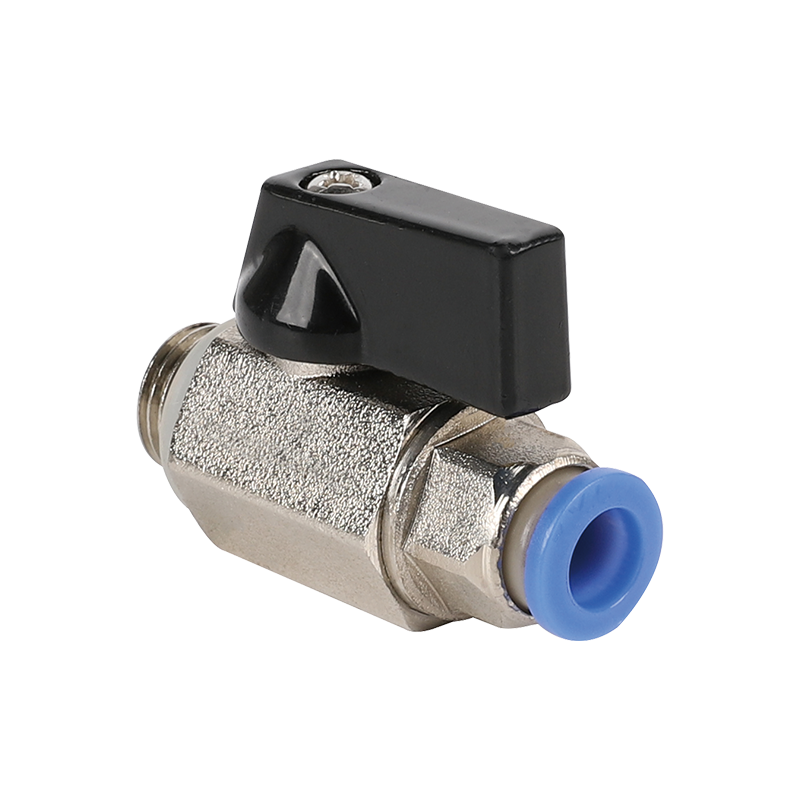
MINI-2 Mini Short-Handle Ball Valve(M/M)
-
 View More
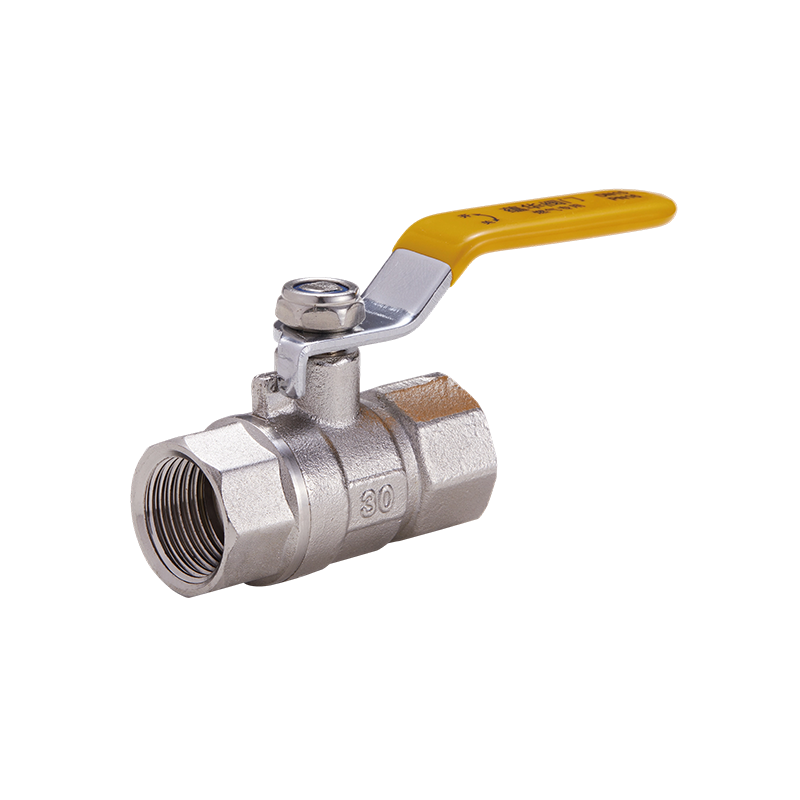
YH-2210 Forged Steel Ball Valve with Long Handle (F/F)
-
 View More
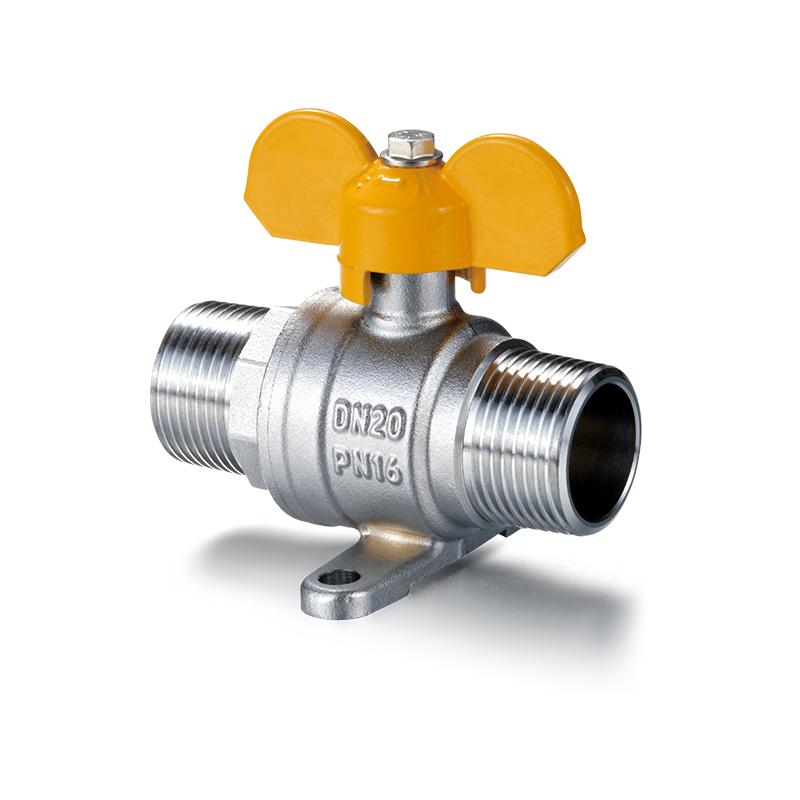
YH-214 Brass Ball Valve with Base& Butterfly Handle(M/M)
-
 View More
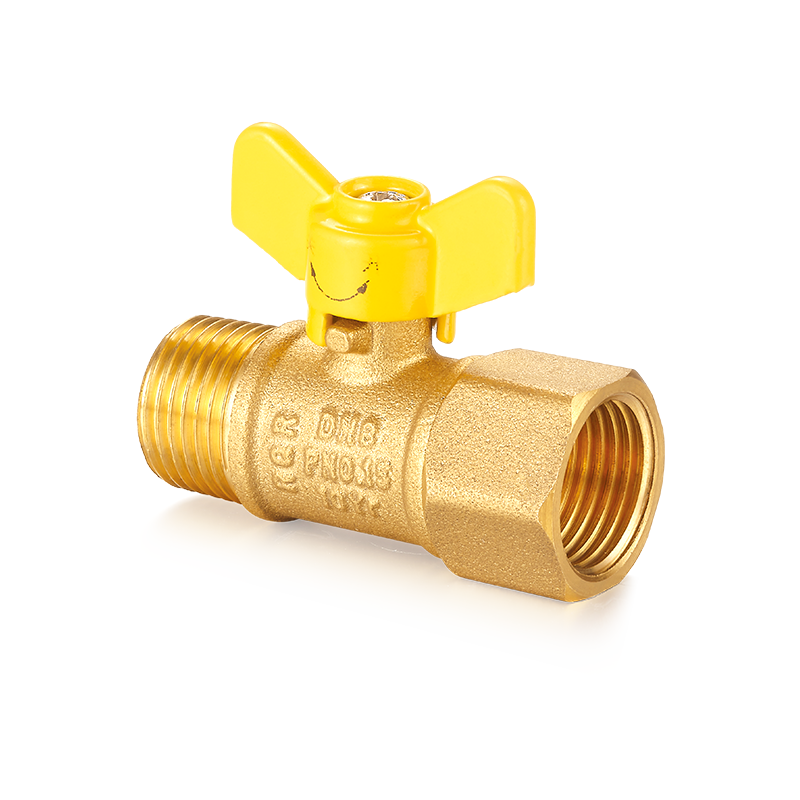
YH-205 Brass Ball Valve with Butterfly Handle(F/M)
-
 View More
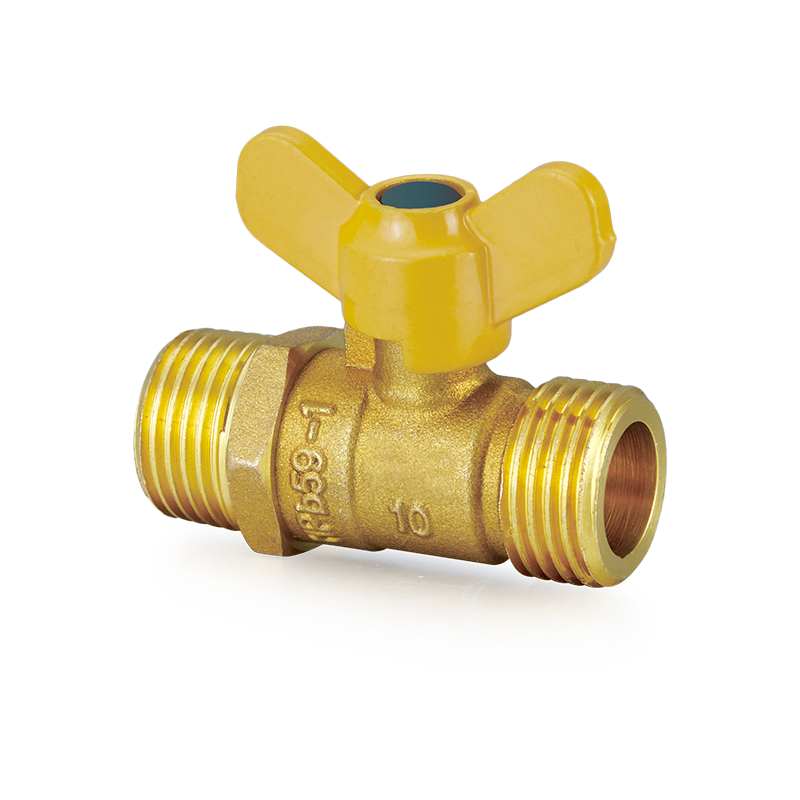
YH-206 Brass Ball Valve with Butterfly Handle(M/M)
Related News
Contact Us
-

-
 +86-0574-63742169
 -
 No.104-128, Cizhang East Road, Zhangqi Town, Cixi City, Ningbo, Zhejiang Province, China


Message Us Now !
