


 English
  русский
  عربى
عربى  Español
Brass Ball Valve with Butterfly Handle and Hose Connector for Reliable Retrofit Connections
Content
- 1 Product Overview: A Compact Valve for Threaded Pipe and Hose Applications
- 2 Key Structural Advantages
- 3 Technical Characteristics at a Glance
- 4 Why the Female Thread and Hose Connector Combination Matters
- 5 Safety and Reliability in Gas Applications
- 6 Performance in Water and Non-Corrosive Fluid Systems
- 7 Competitive Advantages over Ordinary Valves
- 8 Manufacturing Strength: Precision from Raw Material to Finished Valve
- 9 Quality Control and Process Discipline
- 10 Application Scenarios
- 11 Installation Considerations
- 12 Maintenance and Service Life Factors
- 13 Company Strengths Supporting Product Reliability
- 14 Customization and Supply Advantages
- 15 How This Valve Supports Safer Fluid Control
- 16 Purchasing Considerations for Distributors and Project Buyers
- 17 Comparison with Alternative Valve Types
- 18 Q&A Section
- 18.1 What is the main purpose of this brass ball valve?
- 18.2 Why is the integrated female thread and hose connector useful?
- 18.3 How does the butterfly handle improve usability?
- 18.4 What media can the valve be used with?
- 18.5 What is the working temperature range?
- 18.6 Why is lead-free brass important?
- 18.7 How does the hose connector prevent hose slippage?
- 18.8 Is professional installation required?
- 18.9 What makes the product competitive?
- 18.10 Why is manufacturer capability important when choosing a small valve?
- 19 Conclusion
- 20 References
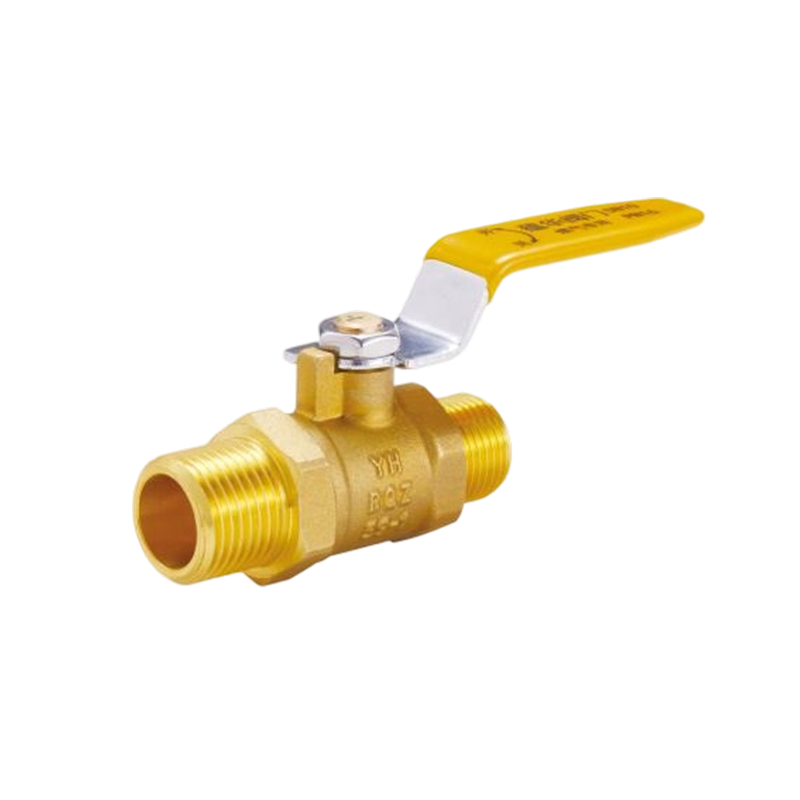
- 21 Product: YH-216 Brass Ball Valve with Butterfly Handle(F/Hose Connector)
In modern residential and light commercial fluid control systems, the simplest-looking component is often the one that determines whether a connection is convenient, secure, and safe over years of operation. A brass ball valve with a butterfly handle and an integrated female thread-to-hose connector interface is designed for precisely this purpose: to provide fast shut-off control, adaptable connection options, and dependable sealing performance in compact spaces. This type of valve is especially valuable where rigid pipework must meet flexible hose connections, such as under-cabinet gas appliance installations, water hose outlets, maintenance retrofits, and non-corrosive fluid systems.
The YH-216 Brass Ball Valve with Butterfly Handle, featuring a female thread and hose connector structure, is developed to solve a practical installation problem. Many existing pipeline systems are already equipped with male-threaded rigid pipes, while the final appliance or outlet often requires a flexible hose. A conventional valve may require additional adapters, extra sealing points, and more installation time. By integrating a female thread on one side and a hose connector on the other, this valve reduces complexity and supports a cleaner, more compact installation.
For users, installers, distributors, and project buyers, the value of this product lies not only in its basic shut-off function but also in its combination of material safety, connection stability, ergonomic operation, and manufacturing consistency. The valve body is made from lead-free brass, making it suitable for applications involving water, gas, and non-corrosive fluids when used within the specified working conditions and applicable local standards. The butterfly handle provides clear visual status indication: parallel to the flow path means open, and perpendicular to the flow path means closed. This intuitive operation helps prevent mistakes in daily use and during maintenance.
Behind the product is a manufacturing capability built around precision machining, automated assembly, and systematic testing. Ningbo Yunhua Valve Co., Ltd. specializes in gas and fluid valves, water supply valves, and hardware accessories. With a production facility covering 20,000 square meters, advanced CNC machine tools, professional automated assembly equipment, and testing workshops, the company is positioned to supply valves with consistent quality and stable performance. Its annual capacity of 2 million sets of valves and 10 million sets of hardware accessories supports both regular supply and customized project demand.
YH-216 Brass Ball Valve with Butterfly Handle(F/Hose Connector)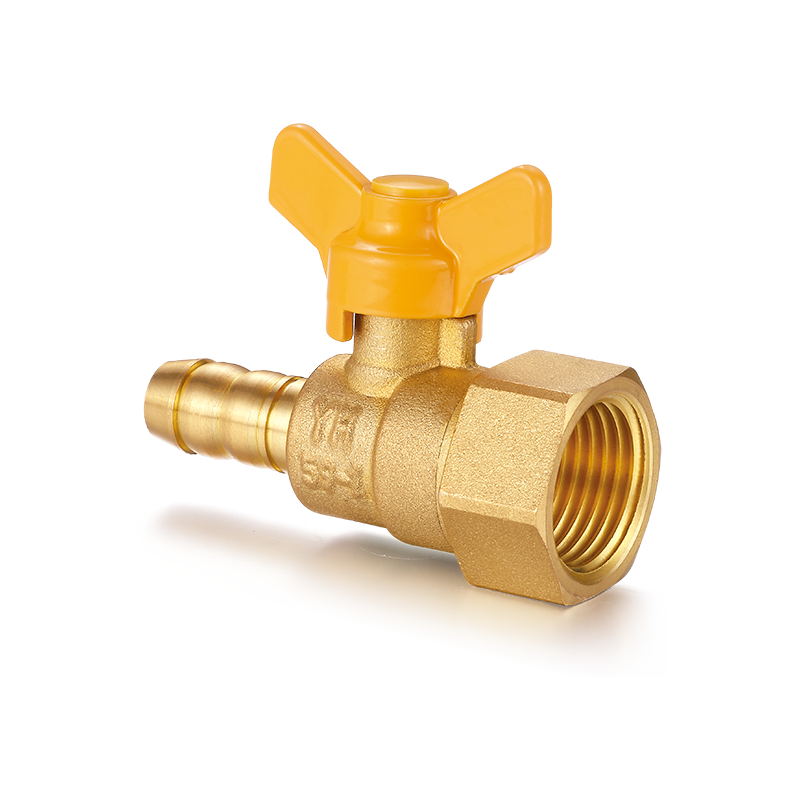
Product Overview: A Compact Valve for Threaded Pipe and Hose Applications
The YH-216 brass ball valve is a compact shut-off valve designed with a butterfly handle, a female threaded connection, and a hose connector. Its structure supports direct connection to male-threaded pipework while also allowing a flexible hose to be secured on the hose barb side. This design is particularly useful in retrofit projects, where existing pipe systems cannot always be redesigned or replaced. Instead of adding multiple fittings to bridge a pipe-to-hose transition, this valve creates an integrated solution.
At its core, the valve uses a ball mechanism. When the handle is turned, the internal ball rotates to align or block the flow passage. Ball valves are widely appreciated for quick operation, low flow resistance when open, and reliable shut-off performance when properly manufactured and installed. The butterfly handle enhances the compactness of the product, making it suitable for narrow spaces such as cabinets, utility corners, appliance connection points, and wall-mounted service areas.
The product is categorized as a brass hose ball valve, which reflects both its material and its application function. Brass is widely used in valve production because it offers good machinability, reliable mechanical strength, and compatibility with many water and gas applications. The hose connector side includes deep grooves that help retain flexible hoses when used with a proper hose clamp. This is an important safety feature, because hoses may loosen under pressure, vibration, thermal cycling, or repeated handling if the connector surface is insufficiently shaped.
The product information specifies working media including water, non-corrosive fluids, and gas, with a working temperature range of -20°C to 80°C. It also uses parallel pipe thread according to ISO 228, a widely recognized standard for pipe thread design. These details are important for engineers and purchasers because they clarify where the product can be properly selected. A valve should never be chosen only by appearance; media compatibility, temperature, thread standard, connection type, and pressure conditions must all be evaluated before use.
Key Structural Advantages
The valve’s first major advantage is its female thread and hose connector integration. In many installation environments, the piping side uses a male thread, while the outlet side requires a flexible hose. Separate adapters can increase cost, installation time, and potential leakage points. An integrated structure reduces the number of joints and simplifies assembly. This is especially valuable in residential gas pipeline retrofits and water hose connections where space is limited and reliability is essential.
The second major advantage is secure hose retention. The hose barb is designed with deep grooves, allowing a hose clamp to grip the flexible hose more effectively. In practical installations, a smooth connector surface may not provide enough resistance against pull-off forces. Deep grooves increase mechanical engagement between the hose, clamp, and connector, helping prevent accidental disconnection under pressure. For gas and water applications, this feature contributes directly to operational safety.
The third advantage is clear visual operation. The butterfly handle position immediately indicates the valve status. When the handle is parallel to the flow direction, the valve is open. When the handle is perpendicular, the valve is closed. This design reduces uncertainty for homeowners, technicians, and facility operators. It also helps during emergency shut-off situations, where fast recognition is critical.
The fourth advantage is material safety. Lead-free brass is used to support safer application in systems such as potable water and gas connections, subject to relevant regulations and system requirements. Material composition is a key factor for users who care about health, environmental compliance, and long-term durability. Compared with ordinary low-grade brass products, a lead-free brass valve reflects a higher attention to safety and regulatory alignment.
The fifth advantage is retrofit convenience. Existing pipelines often include male-threaded ends, and replacing the entire piping network is expensive and disruptive. A female thread interface allows the valve to connect directly to those existing pipe ends. The hose connector then allows easy continuation to appliances, faucets, hoses, or service points. This makes the valve suitable for repair, upgrade, replacement, and new installation tasks.
Technical Characteristics at a Glance
| Feature | Specification or Description | Practical Benefit |
|---|---|---|
| Product Type | Brass ball valve with butterfly handle and hose connector | Compact shut-off control for pipe-to-hose transitions |
| Connection Structure | Female thread plus hose connector | Direct connection to male-threaded pipe and flexible hose |
| Thread Standard | Parallel pipe thread to ISO 228 | Supports standardized installation compatibility |
| Handle Type | Butterfly handle | Space-saving operation and clear open/closed indication |
| Material | Lead-free brass | Improves safety for gas and potable water-related applications |
| Working Medium | Water, non-corrosive fluids, and gas | Suitable for common residential and utility systems |
| Working Temperature | -20°C to 80°C | Supports a broad range of indoor and protected installation environments |
| Hose Retention | Deep-grooved hose barb | Helps prevent hose slippage when properly clamped |
| Typical Applications | Gas appliance connections, potable water hose connections, retrofit pipelines | Useful for compact, safe, and convenient installations |
Why the Female Thread and Hose Connector Combination Matters
In a conventional installation, connecting a male-threaded pipe to a hose may require a valve, a threaded adapter, a hose nipple, sealing tape or sealant, and sometimes additional bushings or reducers. Each added component introduces a new interface. Every interface is a possible leak point if it is not correctly sealed or if it loosens over time. A valve that integrates the female thread and hose connector reduces the component count and improves installation efficiency.
This is especially important in retrofit projects. In an older kitchen, utility room, or service area, the installer may not have enough clearance to assemble a long chain of fittings. A compact integrated valve can reduce the installation footprint. It also reduces the visual clutter around the connection, which is beneficial for both inspection and maintenance. When components are easier to see and access, technicians can verify status, check tightness, and identify issues more quickly.
For distributors and contractors, the integrated design also simplifies inventory. Instead of stocking many separate adapters for common pipe-to-hose transitions, a ready-to-use valve can cover frequent installation needs. This does not eliminate the need for correct sizing and professional selection, but it does make standard jobs faster and more predictable.
The female thread side is particularly useful because many gas and water supply points terminate in male-threaded ends. A female-thread valve can be mounted directly onto these outlets, provided the thread standard and size are compatible. The hose connector side then forms the transition to flexible tubing. When a proper clamp is applied, the hose is mechanically secured, and the deep grooves add resistance against movement.
Compared with competitor products that require multiple accessories, the integrated valve offers a cleaner solution. Compared with low-cost hose valves with shallow barbs, it provides better hose grip. Compared with valves using unclear handle positions, the butterfly handle delivers intuitive status recognition. These advantages may seem simple, but in real field applications, simple details often determine whether a product is convenient, safe, and trusted.
Safety and Reliability in Gas Applications
Gas installations require careful component selection, correct installation, and compliance with local codes. A shut-off valve used in gas service must provide reliable sealing, clear operation, and secure connections. The YH-216 valve is designed for working media that include gas, making it suitable for residential gas pipeline retrofits and under-cabinet gas appliance connections when used within specified conditions and installed by qualified personnel.
The butterfly handle is valuable in gas applications because it supports fast shut-off. In a cabinet or behind an appliance, a large lever handle may be difficult to operate due to limited space. A butterfly handle offers a compact alternative. The clear alignment also helps users determine whether the gas supply is open or closed without disassembling or tracing the system.
The hose connector design is also important. Flexible gas hoses must be firmly attached and correctly clamped according to relevant installation practices. Deep grooves on the hose barb help improve retention. If a hose is not securely retained, pressure changes, vibration, or accidental pulling may increase the risk of disconnection. The valve’s grooved connector helps address this risk when matched with a suitable hose and clamp.
Lead-free brass provides additional confidence. Although material requirements may differ by region and application, lead-free brass is often preferred for systems where safety and compliance are priorities. It demonstrates that the product is not designed merely as a low-cost fitting, but as a component intended for responsible fluid control.
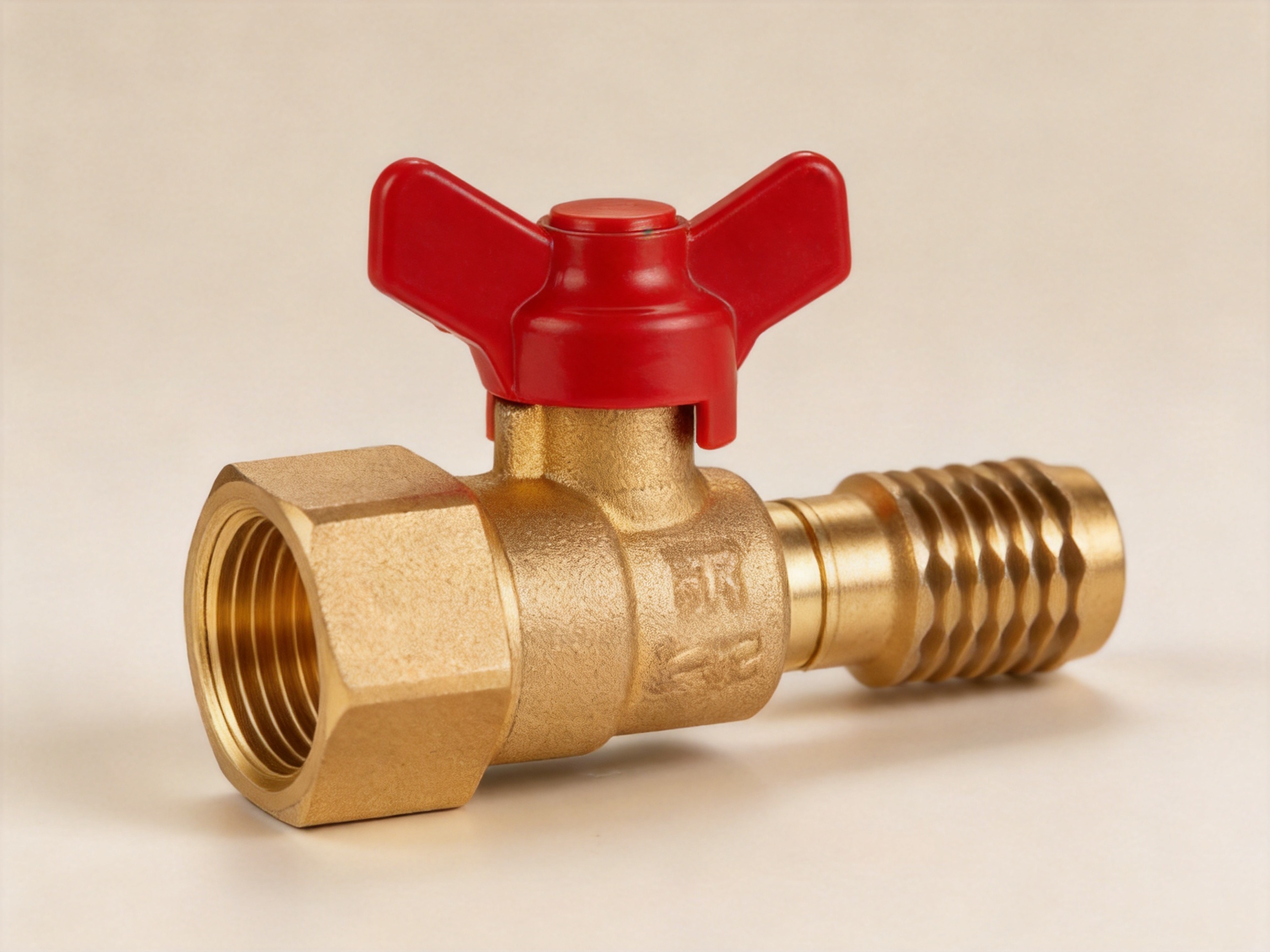
In comparison with lower-quality alternatives, precision machining and controlled assembly make a meaningful difference. A ball valve relies on accurate geometry between the body, ball, stem, and sealing seats. If machining tolerances are poor, the valve may feel loose, leak, or become difficult to operate. Automated machining and testing help ensure that each valve meets intended performance standards before shipment.
Performance in Water and Non-Corrosive Fluid Systems
Beyond gas connections, the valve is also suitable for water and non-corrosive fluids within the stated operating temperature range. In water systems, valves are often used for appliance supply lines, garden or utility hose connections, filtration units, under-sink service connections, and maintenance shut-off points. The pipe-to-hose design is useful wherever a rigid system must connect to a flexible hose.
For potable water-related applications, material selection is especially important. Lead-free brass helps meet the increasing demand for safer plumbing components. End users may not always understand the material science behind a valve, but they do care about water safety, taste, and long-term reliability. A valve made from appropriate lead-free brass can support safer system design when it complies with applicable regulations.
Water systems can expose valves to repeated operation, temperature changes, and pressure variations. A high-quality brass ball valve provides quick shut-off and a full-flow path when open. While the exact internal bore design may vary by size and specification, ball valves generally offer lower resistance than many multi-turn valve types. This can be useful for hose connections where users expect adequate flow.
The butterfly handle is also practical for water systems. Under a sink or inside a small cabinet, space is often limited. A long handle may collide with walls, pipes, or appliance bodies. The compact handle reduces interference and allows operation in tight areas. The visual indication makes it easier for homeowners or maintenance personnel to confirm the valve position before replacing hoses, servicing appliances, or leaving a system unattended.
For non-corrosive fluids, the valve can be used in suitable light-duty systems where brass compatibility is confirmed. Buyers should always verify chemical compatibility before applying any valve to industrial fluids. Brass is suitable for many common media but not for all chemicals. Correct selection protects the valve, the system, and the user.
Competitive Advantages over Ordinary Valves
The market for small brass valves is highly competitive. Many products look similar at first glance, but differences in design, material, machining, testing, and quality control become clear after installation. The YH-216 valve offers several advantages over ordinary valves that may rely on basic threading, shallow hose barbs, ambiguous handles, or inconsistent manufacturing.
First, the interface is more installation-friendly. A standard valve may provide two threaded ends, requiring an additional hose connector. Another product may provide only hose ends, requiring an adapter for pipe installation. The female thread plus hose connector structure addresses both requirements in one compact component. This reduces installation steps and helps avoid mismatched fittings.
Second, the hose retention design is safer. Some competitor hose connectors are too smooth or too shallow. A hose may appear secure during installation but loosen after repeated pressure cycles or movement. The deep-grooved hose barb is designed to hold the hose more effectively when used with a clamp. This is a practical advantage in systems where hose pull-off could cause leakage, water damage, or gas safety risks.
Third, the handle provides clearer feedback. Valves with small round knobs or poorly marked handles may confuse users. The butterfly handle shows open and closed positions by orientation. This makes operation easier for both professionals and non-professionals. Clear visual status is especially important in gas service, shared living spaces, rental properties, and maintenance environments.
Fourth, the material choice supports higher safety expectations. Lead-free brass differentiates the valve from cheaper brass fittings that may not be appropriate for water-related applications. While final compliance depends on local certification and project requirements, using lead-free brass is a strong material foundation.
Fifth, the manufacturing background improves confidence. A valve manufacturer with automated precision machining, assembly lines, testing workshops, and large-scale production capacity can deliver more consistent products than a workshop that depends heavily on manual operations without systematic quality control. Consistency matters because distributors and project buyers cannot afford frequent returns, leaks, or installation complaints.
Sixth, the product is supported by a company focused on gas and fluid control. This specialization matters. A general hardware supplier may sell valves as one of many unrelated products, while a dedicated valve manufacturer is more likely to understand sealing design, thread standards, pressure testing, material selection, and application requirements. That expertise is reflected in product details and production discipline.
Manufacturing Strength: Precision from Raw Material to Finished Valve
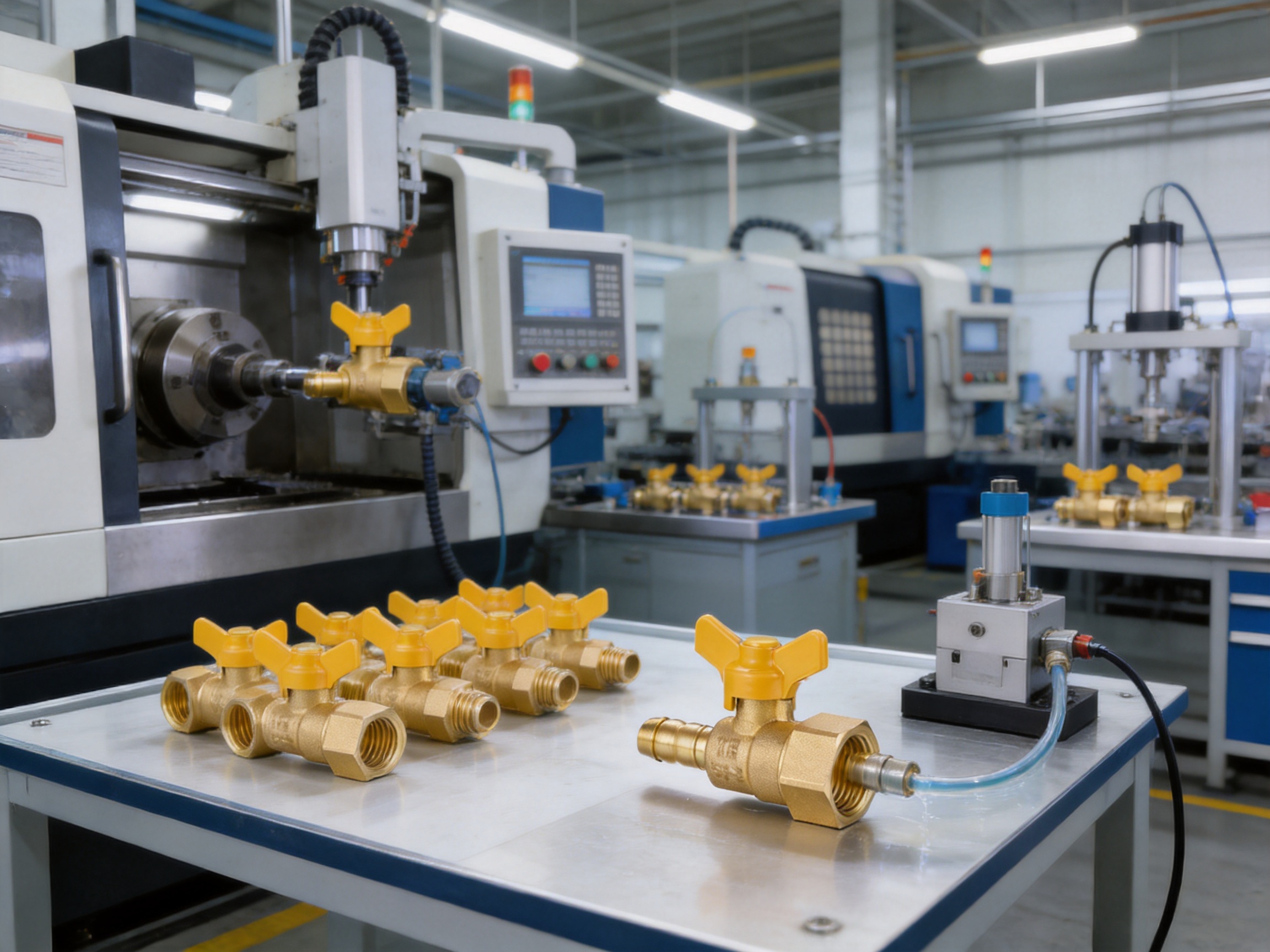
A reliable valve begins long before final assembly. It begins with material selection, design review, machining accuracy, sealing component control, assembly process, and testing. Ningbo Yunhua Valve Co., Ltd. has built its production system around the needs of gas and fluid valves, water supply valves, and hardware accessories. The company operates a 20,000-square-meter facility with dedicated workshops for precision machining, assembly, and testing.
Precision machining is central to the performance of a brass ball valve. The thread must be accurate to ensure proper connection. The internal cavity must fit the ball and seats correctly. The stem interface must allow smooth rotation without leakage. The hose barb must be formed with consistent groove depth to provide reliable hose retention. Advanced CNC machine tools help achieve these requirements with repeatable accuracy.
Automated machining also improves production stability. Manual machining may vary by operator skill, tool wear, and process discipline. CNC equipment allows parameters to be controlled and repeated. This helps maintain dimensional consistency across large production batches. For distributors and project buyers, consistency reduces installation uncertainty. Installers do not want one valve to fit perfectly and the next to have thread or sealing issues.
After machining, assembly quality becomes critical. A ball valve includes several functional components: the body, ball, seats, stem, handle, fasteners, and sealing elements. If any component is improperly installed, the valve may leak, bind, or fail prematurely. Professional automated assembly equipment helps improve assembly consistency and efficiency. It also supports higher production volume without sacrificing quality control.
Testing is the final safeguard. A valve should be tested to confirm sealing performance, operation, and overall integrity before shipment. The company’s testing workshop and professional testing equipment help ensure that products meet relevant standards and customer requirements. This matters because leakage problems are costly after installation. A small valve failure can lead to customer complaints, service calls, property damage, or safety risks.
The company’s annual production capacity of 2 million sets of valves and 10 million sets of hardware accessories demonstrates manufacturing scale. Scale is not only about quantity. It also indicates an organized supply chain, established production planning, trained personnel, equipment investment, and repeatable processes. For global buyers, this capacity supports stable delivery and long-term cooperation.
Quality Control and Process Discipline
Quality control in valve manufacturing must be systematic. It cannot rely only on final inspection. Effective quality management includes incoming material inspection, machining control, dimensional measurement, thread verification, surface inspection, assembly checks, sealing tests, and packaging review. Each step reduces the chance that a defective product reaches the customer.
For a female-threaded valve, thread accuracy is one of the most important inspection points. Parallel pipe thread to ISO 228 must be produced with correct profile and dimensional consistency. Poor threading can cause assembly difficulty, leakage, or damage to mating components. Precision machining and thread gauging help prevent these problems.
For the hose connector, groove geometry must be controlled. If the grooves are too shallow, hose retention may be weak. If they are too aggressive or uneven, they may damage the hose or create installation difficulty. A properly machined hose barb balances retention with practical assembly. This is a detail where professional manufacturing makes a real difference.
For the valve sealing system, the relationship between ball, seats, and body cavity must be controlled. If the ball surface is rough or the seats are poorly fitted, the valve may leak. If the fit is too tight, operation may be difficult. Good process control creates a smooth operating feel while maintaining shut-off reliability.
Handle assembly is also important. The butterfly handle must be securely attached and correctly aligned with the ball passage. If handle orientation does not match the internal open/closed position, the visual indication becomes unreliable. Proper assembly ensures that parallel means open and perpendicular means closed. This alignment supports safe operation and user confidence.
Packaging is another part of quality. Brass valves can be scratched, contaminated, or damaged during transport if not properly packed. Clean packaging helps protect threads, sealing surfaces, and appearance. For distributors, good packaging reduces handling problems and improves customer satisfaction.
Application Scenarios
One of the most common application scenarios is residential gas pipeline retrofit. Older gas systems may require updated appliance connections, improved shut-off access, or replacement of worn valves. The female thread allows connection to an existing male-threaded pipe, while the hose connector supports connection to a flexible gas hose where permitted by local codes. The butterfly handle allows users to shut off gas quickly when needed.
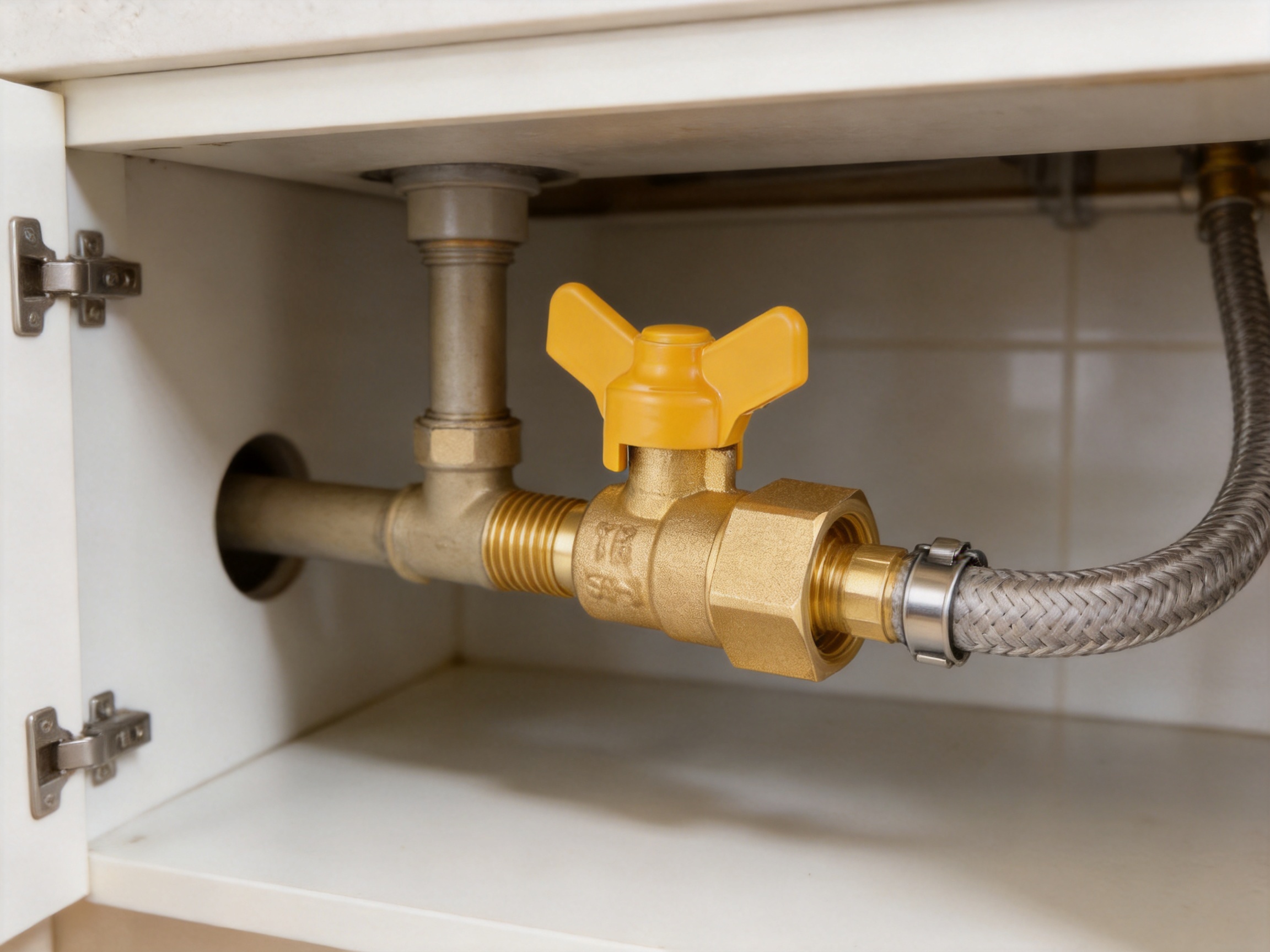
Another common scenario is under-cabinet gas appliance connection. Kitchens often have limited cabinet space, and components must fit around shelves, walls, pipes, and appliances. A compact valve with a butterfly handle is easier to install and operate in these confined spaces. The clear handle orientation helps users identify the valve status without moving surrounding items.
Potable water hose connection is another suitable use, subject to applicable standards. Under-sink water filters, auxiliary water outlets, small appliances, and service hoses may all require compact shut-off control. Lead-free brass supports safer water-related use, while the hose connector allows convenient hose attachment.
The valve can also be used in general non-corrosive fluid systems. Examples may include utility water lines, maintenance hoses, low-temperature service lines, and compatible fluid transfer points. In all cases, the installer should confirm medium compatibility, temperature range, pressure conditions, thread size, hose size, and local regulatory requirements before installation.
For maintenance professionals, the valve is useful because it can simplify replacement jobs. When an old connection includes multiple adapters, a compact integrated valve may reduce the number of replacement parts. This saves time and can improve the neatness of the installation. For property owners, fewer visible joints can also mean easier inspection and a cleaner appearance.
Installation Considerations
Correct installation is essential for safe performance. Before installation, the installer should confirm that the valve size, thread standard, hose size, working medium, pressure, and temperature conditions match the system requirements. A valve should not be forced onto an incompatible thread, because this can damage the valve or pipe and create leakage risk.
The female threaded end should be connected to a compatible male-threaded pipe. Suitable sealing methods should be used according to the thread type, local standards, and media. Because the valve uses parallel pipe thread to ISO 228, sealing may depend on the system design and sealing accessories rather than thread interference alone. Installers should follow professional practice and applicable codes.
The hose connector side should be matched with a suitable flexible hose. The hose must fit properly over the barb. A hose that is too loose may not seal or retain safely, while a hose that is too tight may be damaged during installation. After the hose is placed over the connector, an appropriate clamp should be installed and tightened correctly. The deep grooves help the clamp hold the hose in place, but the clamp remains essential for secure retention.
After installation, the system should be tested according to the application. Gas systems require careful leak testing by qualified personnel. Water systems should be pressurized and inspected for leakage. The valve should be operated from open to closed and back again to verify smooth movement and correct handle alignment. Any abnormal resistance, leakage, or looseness should be addressed before the system is placed into service.
Users should avoid applying excessive force to the butterfly handle. A ball valve is designed for quarter-turn operation. If the valve is difficult to turn, forcing the handle may damage the stem or handle. The cause should be investigated. It may be due to contamination, incorrect installation, long-term inactivity, or system pressure conditions.
The valve should be installed in an accessible location whenever possible. A shut-off valve is most valuable when it can be reached quickly. In gas and water systems, hiding the valve behind permanent structures can reduce safety and maintenance convenience. The compact butterfly handle helps with tight spaces, but access should still be considered during system design.
Maintenance and Service Life Factors
Brass ball valves generally require minimal maintenance when properly selected and installed. However, system conditions can affect service life. Clean media, compatible temperature, correct pressure, and stable installation all contribute to reliable long-term operation. Contaminants, corrosive fluids, excessive heat, and mechanical stress can reduce performance.
Periodic visual inspection is recommended. Users or maintenance personnel should check for signs of leakage, corrosion, hose aging, clamp looseness, thread movement, or handle damage. Flexible hoses should also be inspected and replaced according to their own service recommendations. A secure valve cannot compensate for a cracked or degraded hose.
Operating the valve periodically may help prevent stiffness in some systems. If a valve remains in one position for years, deposits or environmental factors may make operation less smooth. A simple open-close check during routine maintenance can confirm that the valve remains functional. This is especially useful for emergency shut-off valves.
In gas applications, any odor, suspected leakage, or abnormal condition should be handled immediately according to safety procedures and local regulations. Users should not attempt unsafe repairs. Qualified technicians should inspect and service the system. The valve’s role is important, but overall system safety depends on professional installation and maintenance.
In water applications, leakage around the hose connection may indicate an improper hose fit, loose clamp, damaged hose, or incorrect installation. Leakage around the threaded side may indicate sealing method issues or thread mismatch. Identifying the leakage point helps determine whether the valve, hose, clamp, or pipe connection requires correction.
Company Strengths Supporting Product Reliability
Ningbo Yunhua Valve Co., Ltd. is an innovative enterprise specializing in research, development, production, sales, and service of gas and fluid valves, water supply valves, and hardware accessories. This comprehensive structure allows the company to support customers from product development through production and after-sales service. For buyers, this means the valve is not an isolated commodity but part of a broader fluid control manufacturing system.
Over the past ten years, the company has developed a unique corporate culture, improved its management system, and established a professional management team. Management maturity matters in manufacturing because quality depends on repeatable systems, not only on equipment. A well-managed production environment can better control schedules, inventory, inspection, training, and continuous improvement.
The company’s 20,000-square-meter facility provides room for specialized operations. Separate precision machining, assembly, and testing workshops support organized production flow. This reduces cross-process confusion and helps maintain product cleanliness and quality. In valve manufacturing, a clean and controlled production environment can help protect sealing surfaces and reduce defects.
Advanced domestic and international CNC machine tools provide the foundation for machining accuracy. Brass valves require precise threading, smooth sealing surfaces, consistent internal dimensions, and accurate connector geometry. CNC machining supports these requirements at scale. It also enables production of different valve types and customized components according to customer needs.
Professional automated assembly and testing equipment further strengthen quality. Automation reduces variation, improves efficiency, and supports traceable process control. While skilled workers remain important, automation helps ensure that repetitive tasks are performed consistently. For high-volume orders, this consistency is essential.
The company’s annual production capacity demonstrates its ability to serve large markets. Producing 2 million sets of valves and 10 million sets of hardware accessories per year requires stable supply chains, experienced staff, process planning, quality systems, and logistics capability. Customers seeking long-term supply relationships benefit from working with a manufacturer that can support both quantity and quality.
The company’s vision is to become a leading enterprise in the global fluid control industry, and its mission is to build a safe fluid ecosystem with high-quality valves. This mission aligns with the product’s design philosophy: secure connection, safe materials, reliable shut-off, and user-friendly operation. The valve is a small component, but it contributes to a larger objective of safer fluid management.
Customization and Supply Advantages
Project buyers often require more than standard products. They may need specific thread sizes, handle colors, packaging designs, material documentation, surface treatments, or batch identification. A manufacturer with R&D, machining, assembly, and testing capability is better positioned to support these requirements. Customization can help distributors differentiate their product lines and help contractors meet project specifications.
For OEM and ODM cooperation, manufacturing depth is important. A supplier that controls machining and assembly can respond more effectively to design adjustments than a trading company that only sources finished goods. The ability to evaluate valve structure, modify tooling, adjust process parameters, and perform testing supports more reliable customization.
Supply stability is another advantage. Valves are often needed in repeated batches, especially for distributors, plumbing suppliers, appliance manufacturers, and construction projects. A supplier with large production capacity can help reduce shortages and maintain consistent product availability. Stable supply is a competitive advantage in markets where customers expect timely delivery.
Quality consistency also supports brand reputation for distributors. When a distributor sells a valve under its own product line or as part of a larger system, field failures can damage customer trust. Working with a manufacturer that emphasizes precision machining and testing reduces this risk. Reliable small valves can create long-term loyalty because installers prefer components that fit correctly and perform predictably.
How This Valve Supports Safer Fluid Control
Safe fluid control depends on three main factors: secure containment, reliable shut-off, and clear operation. The YH-216 brass ball valve supports all three. Secure containment is supported by lead-free brass material, accurate machining, proper threading, and a grooved hose connector. Reliable shut-off is supported by the ball valve mechanism and controlled assembly. Clear operation is supported by the butterfly handle orientation.
In gas systems, these factors help reduce the chance of unsafe leakage and improve emergency response. In water systems, they help reduce water damage and maintenance difficulty. In non-corrosive fluid systems, they help maintain system control and reduce downtime. While the valve is compact, its role is essential.
The design also supports safer installation by reducing unnecessary fittings. Every extra fitting requires correct sealing and tightening. By integrating connection functions, the valve reduces the number of components needed for common pipe-to-hose transitions. This can reduce human error during installation, especially in confined spaces.
The deep-grooved hose connector provides a mechanical advantage compared with smooth adapters. A secure hose connection is not only about sealing; it is also about resisting movement. When a hose is pulled, vibrated, or pressurized, it needs grip. The groove design helps create that grip when paired with a suitable clamp.
The visual handle position reduces operational mistakes. Users do not need to guess whether the valve is open or closed. This is valuable in shared households, rental properties, maintenance rooms, and emergency situations. A valve that communicates its status clearly is inherently more user-friendly and safer.
Purchasing Considerations for Distributors and Project Buyers
When purchasing brass hose ball valves, buyers should evaluate more than price. Low-cost valves may save money at the time of purchase but create higher costs through leakage, returns, installation delays, and reputation damage. A reliable valve should be judged by material, machining accuracy, sealing performance, connection design, testing, and manufacturer capability.
Material documentation is important for lead-free brass applications. Buyers should request relevant information according to their market requirements. Potable water and gas products may be subject to different regulations in different regions. A professional manufacturer can help provide product information and support compliance review.
Thread compatibility should be confirmed before ordering. The product uses parallel pipe thread to ISO 228, but size selection must match the intended system. Incorrect thread selection can lead to installation failure. Distributors should clearly communicate size, thread standard, and application limits to customers.
Hose compatibility is also essential. The outer diameter and material of the hose must match the connector and clamp. A secure system depends on the valve, hose, and clamp working together. Buyers supplying complete kits may consider pairing the valve with recommended hoses and clamps to improve installation reliability.
Packaging and labeling can support market success. Clear product information, application guidance, and size identification help reduce customer confusion. For export markets, English labeling, specification sheets, and batch information may be useful. A manufacturer with customization capability can support these needs.
Finally, buyers should consider long-term supplier reliability. A manufacturer with advanced equipment, production capacity, testing capability, and valve expertise is more likely to provide stable quality over time. This is especially important for distributors building a product line or contractors planning repeated project purchases.
Comparison with Alternative Valve Types
Some installations use globe valves, gate valves, or needle valves instead of ball valves. Each valve type has its own purpose. Globe valves can provide throttling control, gate valves are often used for full open or full closed service in certain piping systems, and needle valves are used for fine flow adjustment. However, for compact shut-off control between a pipe and a hose, a brass ball valve is often more convenient.
A ball valve provides quarter-turn operation. This is faster than multi-turn valves and easier for users who need quick shut-off. In many residential applications, the valve is not used for precise flow adjustment; it is used to open or close supply. A ball valve is well suited to that function.
Compared with a threaded globe valve, this brass hose ball valve is more compact and easier to operate quickly. Compared with a forged steel valve, it is more suitable for many residential brass-compatible water and gas connection points where heavy industrial construction is not required. Compared with a basic brass gas ball valve without a hose connector, it offers better pipe-to-hose adaptability.
This does not mean one valve type is universally superior. The best valve depends on the application. The advantage of the YH-216 design is that it targets a specific need very effectively: direct connection from a male-threaded rigid pipe to a flexible hose with quick shut-off control and clear status indication.
Q&A Section
What is the main purpose of this brass ball valve?
The main purpose is to provide reliable shut-off control while connecting a male-threaded rigid pipe to a flexible hose. Its female thread plus hose connector design makes it especially useful for retrofit installations, gas appliance connections, and water hose connections.
Why is the integrated female thread and hose connector useful?
It reduces the need for extra adapters. Fewer fittings can mean easier installation, a more compact layout, and fewer potential leakage points. This is particularly helpful in tight spaces such as under-cabinet installations.
How does the butterfly handle improve usability?
The butterfly handle is compact and provides clear visual indication. When the handle is parallel to the flow direction, the valve is open. When it is perpendicular, the valve is closed. This helps users quickly identify the valve status.
What media can the valve be used with?
The valve is designed for water, non-corrosive fluids, and gas within the specified working conditions. Users should always confirm compatibility with the system medium, temperature, pressure, and local regulations before installation.
What is the working temperature range?
The working temperature range is -20°C to 80°C. Applications outside this range should be avoided unless specifically verified by the manufacturer or a qualified engineer.
Why is lead-free brass important?
Lead-free brass supports safer use in water-related and gas-related applications where material safety is required. It also reflects higher quality expectations compared with ordinary low-grade brass materials.
How does the hose connector prevent hose slippage?
The hose barb includes deep grooves. When a suitable hose and clamp are installed correctly, these grooves help improve mechanical grip and reduce the risk of accidental disconnection under pressure or movement.
Is professional installation required?
Professional installation is strongly recommended, especially for gas systems. Correct thread sealing, hose clamping, leak testing, and code compliance are essential for safe operation.
What makes the product competitive?
Its competitive strengths include integrated pipe-to-hose connection, secure grooved hose retention, intuitive butterfly handle operation, lead-free brass construction, ISO 228 parallel threading, and production support from a specialized valve manufacturer with advanced CNC machining and testing capabilities.
Why is manufacturer capability important when choosing a small valve?
Even small valves require accurate machining, proper sealing, consistent assembly, and reliable testing. A manufacturer with advanced equipment, automated processes, and quality control can deliver more consistent products and reduce field problems.
Conclusion
The YH-216 Brass Ball Valve with Butterfly Handle and female thread-to-hose connector structure is a practical, safety-oriented solution for pipe-to-hose fluid control. Its greatest value lies in its ability to simplify installations while improving connection reliability. By combining a female threaded inlet with a grooved hose connector outlet, it eliminates the need for unnecessary adapters in many common retrofit and appliance connection scenarios.
The product’s butterfly handle makes operation intuitive, compact, and visually clear. Its lead-free brass construction supports safer use in water and gas-related systems, subject to applicable standards. Its deep-grooved hose barb improves hose retention when properly clamped, reducing the risk of accidental disconnection. Its ISO 228 parallel thread design supports standardized connection requirements.
Compared with ordinary brass valves, the product offers advantages in interface integration, hose security, usability, and manufacturing confidence. Compared with multi-fitting solutions, it reduces complexity and potential leakage points. Compared with low-grade alternatives, it benefits from better material selection and a stronger manufacturing foundation.
Ningbo Yunhua Valve Co., Ltd. supports this product with specialized expertise in gas and fluid valves, water supply valves, and hardware accessories. Its 20,000-square-meter production facility, advanced CNC machine tools, automated assembly and testing equipment, and large annual production capacity demonstrate the company’s ability to deliver consistent quality at scale. For distributors, contractors, and project buyers, this combination of product design and manufacturing strength creates a dependable option for modern fluid control needs.
In a market where many valves may appear similar, details define quality. The thread accuracy, hose groove depth, handle alignment, material safety, sealing performance, and testing discipline all influence real-world reliability. This brass ball valve is designed around those details, making it a strong choice for secure, convenient, and efficient pipe-to-hose connections.
References
International Organization for Standardization. ISO 228 Pipe Threads Where Pressure-Tight Joints Are Not Made on the Threads.
Crane Co. Flow of Fluids Through Valves, Fittings, and Pipe.
American Society of Plumbing Engineers. Plumbing Engineering Design Handbook.
Manufacturers Standardization Society. Valve Selection and Application Guidelines.
ASM International. Copper and Copper Alloys: Properties, Processing, and Applications.
International Association of Plumbing and Mechanical Officials. Plumbing Materials and Product Safety Guidance.
Product: YH-216 Brass Ball Valve with Butterfly Handle(F/Hose Connector)

Related Products
-
View More
-
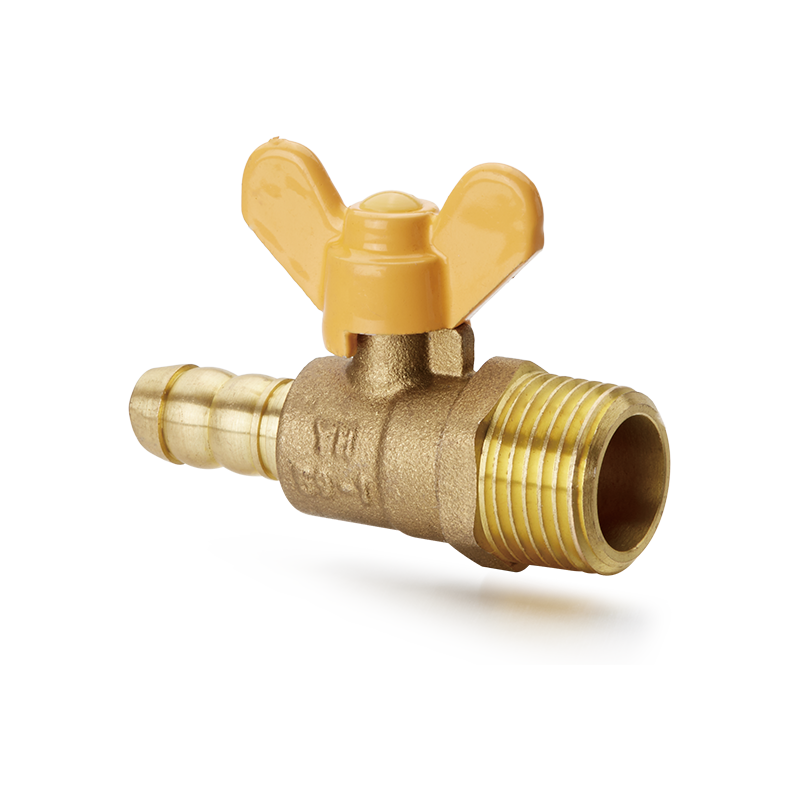 View More
YH-207 Brass Ball Valve with Butterfly Handle(M/hose connector)
-
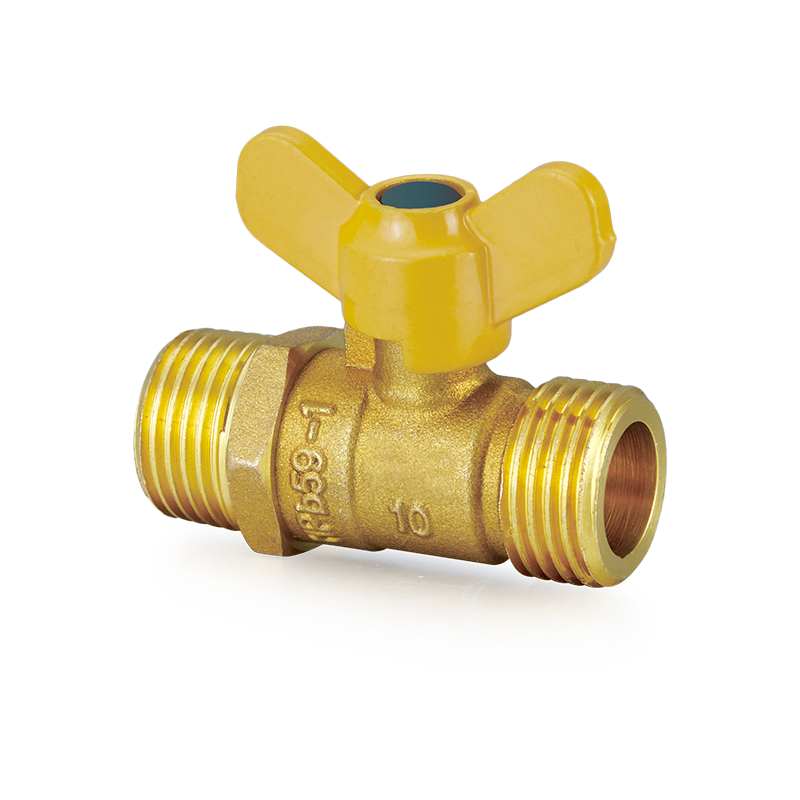 View More
YH-206 Brass Ball Valve with Butterfly Handle(M/M)
-
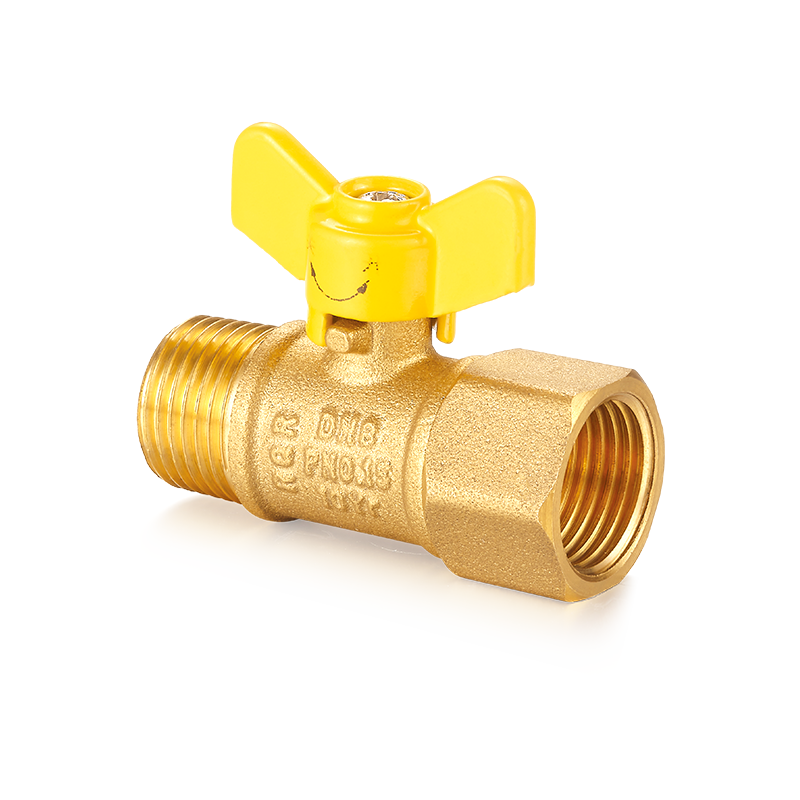 View More
YH-205 Brass Ball Valve with Butterfly Handle(F/M)
-
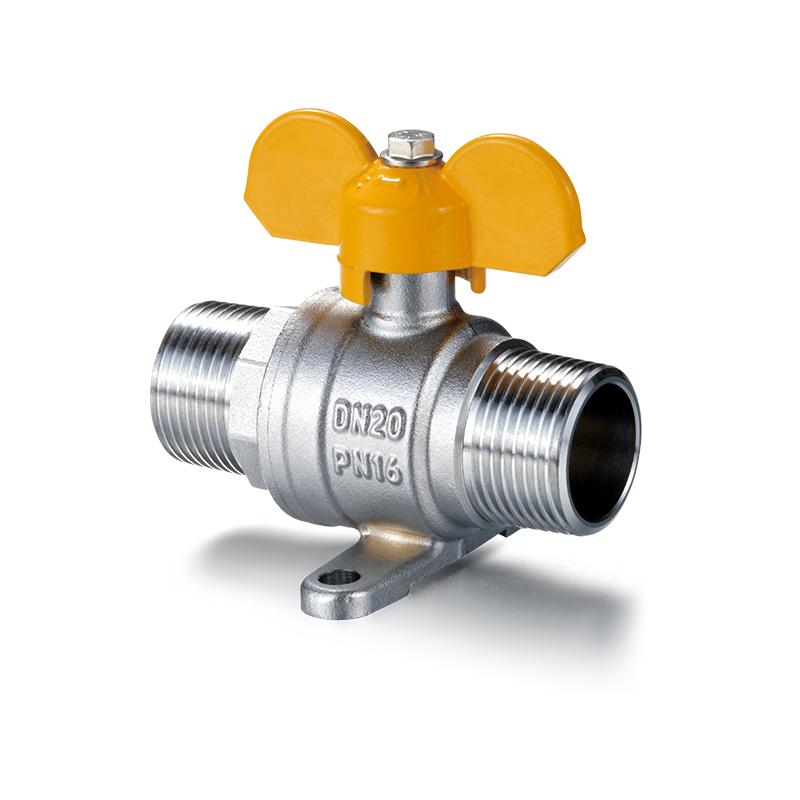 View More
YH-214 Brass Ball Valve with Base& Butterfly Handle(M/M)
-
 View More
YH-221 Brass Ball Valve with Long Handle(M/M)
Related News
Contact Us
-

-
 +86-0574-63742169
 -
 No.104-128, Cizhang East Road, Zhangqi Town, Cixi City, Ningbo, Zhejiang Province, China


Message Us Now !
