


 English
  русский
  عربى
عربى  Español
Hose Connector: Precision, Reliability, and Efficient Fluid Connection for Modern Valve Systems
Content
- 1 Understanding the Function of a Hose Connector
- 2 Key Performance Requirements
- 3 Advantages of a Precision-Manufactured Hose Connector
- 4 Manufacturing Process and Quality Control
- 5 How the Product Compares with Ordinary Alternatives
- 6 Applications Across Different Industries
- 7 Selection Guide for Buyers and Engineers
- 8 Installation and Maintenance Recommendations
- 9 Why Manufacturing Capability Matters to Global Customers
- 10 Purchasing Value and Total Cost Considerations
- 11 Frequently Asked Questions
- 11.1 What is the main purpose of a hose connector?
- 11.2 Can one hose connector be used for every fluid?
- 11.3 How does precision machining improve connector performance?
- 11.4 Why is deburring important?
- 11.5 What information should be provided for a customized hose connector?
- 11.6 Are automated assembly lines better than manual assembly?
- 11.7 How should a hose connector be checked after installation?
- 11.8 What makes a supplier suitable for long-term cooperation?
- 11.9 Can hose connectors be used with valve products?
- 11.10 What is the most common cause of connector leakage?
- 12 Conclusion
- 13 References
- 14 Product: Hose Connector
A hose connector is a small but essential component in many fluid-handling systems. It provides the transition between a hose and another hose, valve, pipe, fitting, or equipment inlet, helping create a secure and practical path for the movement of water, gas, air, and other compatible fluids. Although its structure may appear simple, the performance of a hose connector depends on careful attention to dimensions, thread accuracy, sealing reliability, material selection, machining quality, assembly control, and inspection.
In residential plumbing, irrigation, industrial equipment, agricultural systems, construction projects, utility installations, and general hardware applications, a dependable hose connector can significantly influence the stability of the entire system. A connector that is accurately manufactured and correctly installed helps reduce leakage, pressure loss, vibration, maintenance interruptions, and premature replacement. Conversely, a poorly produced connector may cause installation difficulties, seal failure, thread damage, corrosion, or unsafe operating conditions.
The Hose Connector supplied by Ningbo Yunhua Valve Co., Ltd. is developed within a broader product portfolio that includes gas and fluid valves, water supply valves, and hardware accessories. The company combines product development, precision machining, automated assembly, testing, sales, and technical service to support customers requiring consistent and reliable connection components. Its manufacturing resources include a professional precision machining workshop, automated assembly lines, and a dedicated testing workshop.
With an operating area of approximately 20,000 square meters, advanced domestic and international CNC machine tools, and automated assembly and testing equipment, the company has established a manufacturing foundation designed to support repeatable production. Its reported annual capacity reaches approximately 2 million sets of valves and 10 million sets of hardware accessories. This capacity gives customers access to a stable supply source while maintaining attention to process control and product consistency.
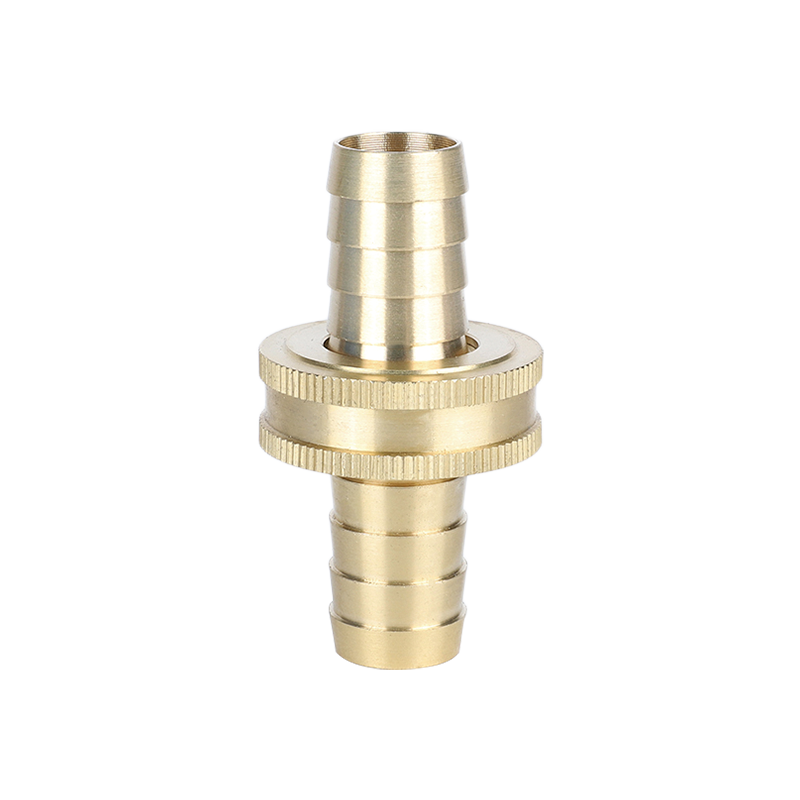
Hose Connector
Understanding the Function of a Hose Connector
A hose connector is designed to join a flexible hose to another component while maintaining a continuous fluid passage. Depending on the application, the connector may join two hoses, connect a hose to a valve, attach a hose to a rigid pipe, or provide a removable interface for equipment. It can also serve as an adapter when different connection forms must be integrated into one system.
The connector normally includes a fluid passage, an external or internal connection section, a hose-retention area, and a sealing arrangement. The exact configuration varies according to the intended application. Some designs rely on threaded connections, while others use barbed sections, compression structures, clamps, nuts, washers, or combinations of these features. The most appropriate configuration depends on the hose material, working pressure, fluid type, installation environment, and maintenance requirements.
The primary function is not merely to hold a hose in place. A high-quality connector must also support a stable seal, preserve adequate flow, resist mechanical stress, and allow practical installation. It should be manufactured with sufficient dimensional accuracy so that the hose, fitting, seal, and mating component work together as intended.
In a working system, the connector may be exposed to internal pressure, external impact, vibration, temperature changes, moisture, chemical contact, and repeated installation or removal. These conditions make production quality particularly important. Even a small dimensional deviation can influence the effectiveness of a sealing surface or prevent the connector from engaging correctly with a mating part.
Key Performance Requirements
Reliable Sealing
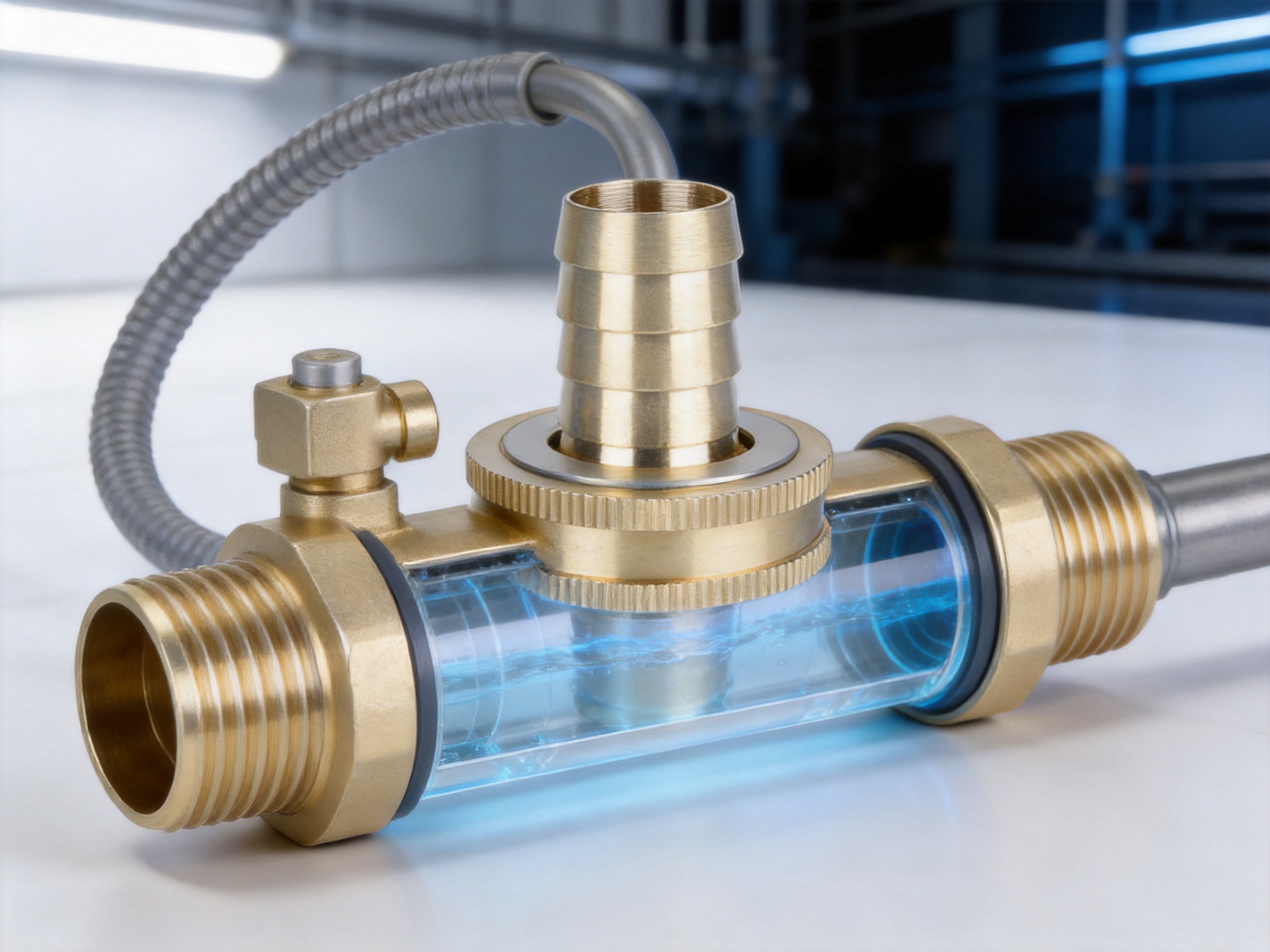
Leak prevention is one of the most important performance requirements for a hose connector. A dependable connection should keep fluid inside the intended flow path under normal operating conditions. The sealing method may involve a gasket, washer, O-ring, tapered thread, compression interface, or another engineered sealing structure.
Reliable sealing depends on more than the seal itself. The connector body must provide a suitable sealing surface, the thread or engagement area must be accurately formed, and the mating components must align correctly. Surface quality, dimensional tolerance, assembly torque, and material compatibility also influence results.
A connector manufactured through controlled machining and inspection can provide more consistent contact between the connection surfaces. This consistency helps reduce the risk of leakage caused by uneven surfaces, incomplete engagement, excessive clearance, or damaged threads.
Dimensional Accuracy
Dimensional accuracy supports both installation and long-term performance. The connection diameter, thread dimensions, insertion depth, sealing shoulder, and hose-retention profile must be produced within suitable tolerances. Accurate dimensions make it easier for installers to achieve a secure fit without excessive force or repeated adjustment.
Precision CNC machining is valuable because computer-controlled equipment can produce repeated components according to established process parameters. When supported by proper tooling, measurement, and process monitoring, CNC production helps limit variation between batches. This is particularly important for customers purchasing large quantities or integrating the connector into standardized assemblies.
Mechanical Stability
The connector must remain securely attached when the hose is pulled, moved, pressurized, or exposed to vibration. Mechanical stability is influenced by the geometry of the hose-retention area, the strength of the connector material, the quality of the mating connection, and the installation method.
A well-designed connector distributes mechanical loads more effectively than a poorly shaped fitting. Smooth transitions, suitable wall thickness, and properly formed retention features help minimize stress concentrations. This can contribute to a longer service life and reduce the likelihood of sudden disconnection.
Flow Efficiency
Internal geometry affects fluid flow. An unnecessarily restricted passage may increase pressure loss, reduce system efficiency, and create turbulence. For this reason, the internal channel should be designed to provide a practical flow path while maintaining the required wall strength and connection structure.
Precision manufacturing can help maintain consistency in the internal passage from one unit to another. This is useful in systems where multiple connectors are installed and predictable performance is important. The connector should also be selected according to hose size, system flow requirements, and pressure conditions.
Resistance to Service Conditions
Hose connectors may be installed indoors or outdoors and may be exposed to water, humidity, dust, temperature changes, cleaning agents, fertilizers, oils, gases, or other substances. Material and surface selection should therefore be based on the intended service environment.
The connector should be matched with the fluid and surrounding conditions. A material suitable for clean water may not be appropriate for every chemical medium, fuel, or gas application. Similarly, a connector used outdoors may require a higher level of environmental resistance than one installed in a protected indoor location.
Advantages of a Precision-Manufactured Hose Connector
Consistent Product Quality
One of the main advantages of a precision-manufactured hose connector is consistency. Customers often require thousands or millions of components that must fit the same valves, hoses, pipes, and equipment. Variations in dimensions or sealing surfaces can increase assembly time and create unnecessary quality problems.
A controlled manufacturing system helps ensure that each production batch follows defined procedures. Raw material preparation, machining, deburring, cleaning, inspection, assembly, and testing can be organized as connected steps rather than isolated activities. This approach helps the manufacturer identify potential problems earlier and reduce variation before products reach customers.
Efficient Installation
A connector with accurately formed threads, clean surfaces, and properly designed engagement features can be installed more efficiently. Installers can spend less time correcting misalignment, replacing damaged seals, or attempting to force incompatible components together.
Efficient installation is especially valuable in construction, maintenance, agriculture, plumbing, and equipment manufacturing, where labor costs and downtime can exceed the purchase price of the connector itself. A component that supports quick and dependable installation can contribute to lower total project costs.
Reduced Risk of Leakage
Leakage can waste fluid, damage surrounding equipment, create safety concerns, and interrupt operations. In gas-related or pressurized applications, connection reliability becomes even more important. A connector produced with controlled tolerances and inspected sealing surfaces can reduce the risk associated with poor fit or inconsistent geometry.
Correct installation remains essential. The connector must be selected for the application, used with a compatible hose and seal, and tightened according to the relevant instructions. However, a well-manufactured connector provides a stronger starting point for achieving a reliable connection than a component produced without adequate process control.
Suitable for Integration with Valve Systems
Because hose connectors are often used alongside valves, compatibility with fluid-control systems is an important benefit. A connector may be used near a shut-off valve, water supply valve, gas valve, pressure-control device, or other hardware accessory. Its purpose is to create a practical connection without compromising the operation of the larger assembly.
A manufacturer specializing in both valves and hardware accessories can better understand how connection components interact with fluid-control products. This broader product knowledge may help support more coherent product matching, dimensional coordination, and application communication.
Support for Custom Requirements
Different markets may require different connection sizes, thread standards, materials, surface treatments, hose-retention structures, packaging configurations, or labeling requirements. A manufacturing company with product development and precision machining capabilities may be better positioned to respond to these needs than a trading source offering only fixed products.
Custom development should begin with clear technical information, including drawings, samples, application conditions, connection standards, working pressure, temperature range, fluid type, and annual demand. The manufacturer can then evaluate the design, determine suitable processes, and establish inspection requirements.
Manufacturing Process and Quality Control
Engineering and Product Preparation
The manufacturing process begins with an understanding of the product application. Engineers and production personnel review the connector design, required dimensions, connection method, material expectations, and intended service conditions. This stage is important because a hose connector must balance several requirements at the same time, including strength, sealing, flow, manufacturability, and cost.
Production drawings and process documents should define critical dimensions and inspection points. These may include connection diameter, thread dimensions, hose insertion depth, sealing face geometry, internal passage size, and overall length. Clear documentation helps ensure that design expectations are transferred accurately to the workshop.
Material Preparation
Material selection is determined by the application and product specification. The material should offer suitable mechanical properties, machinability, environmental resistance, and compatibility with the intended fluid. Traceability and incoming inspection are valuable parts of material control because they help confirm that production begins with approved inputs.
Material preparation may include cutting, forming, cleaning, or other preliminary operations. Proper preparation reduces unnecessary stress on machining equipment and helps establish a stable production process.
Precision CNC Machining
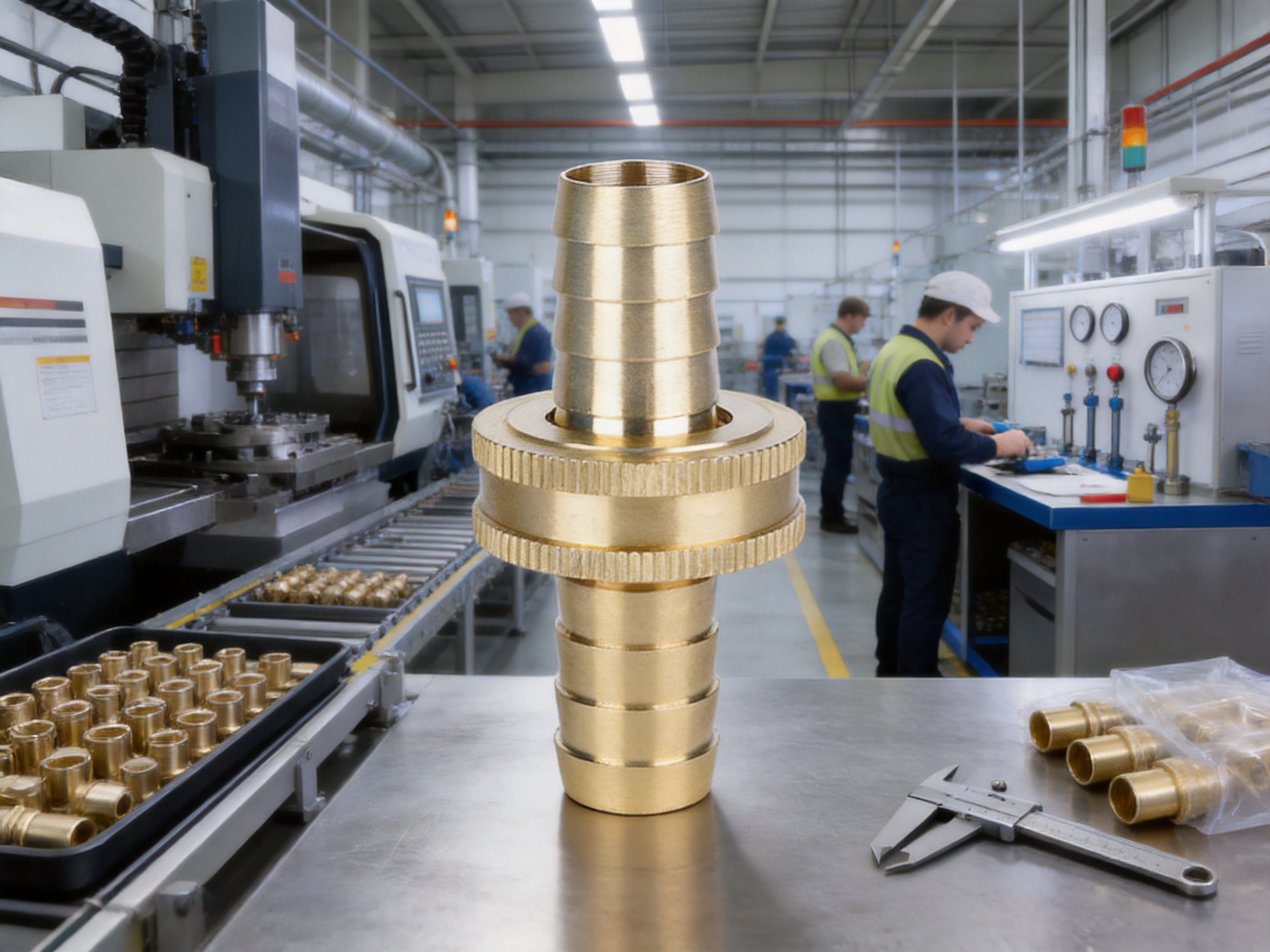
The company has established a precision machining workshop equipped with advanced domestic and international CNC machine tools. CNC machining allows the production of complex and repeated features with controlled movements and programmed parameters. For hose connectors, these features may include external profiles, internal passages, threaded sections, shoulders, grooves, and retention structures.
The advantages of CNC machining include repeatability, flexible production, efficient changeover, and the ability to maintain detailed dimensional control. Once a validated program and tooling arrangement are established, the production team can manufacture a large quantity of components with a consistent process.
Machining parameters must be managed carefully. Cutting speed, feed rate, tool condition, clamping stability, coolant use, and chip removal can all influence the final product. Tool wear must also be monitored because a worn tool may gradually affect thread quality, surface finish, or dimensional accuracy.
Deburring and Surface Preparation
Machining can leave small burrs or sharp edges, particularly around drilled passages, threaded areas, and intersecting surfaces. Deburring is therefore an important step. Properly removed burrs help protect seals, improve handling safety, support smooth assembly, and prevent loose particles from entering the fluid path.
Surface preparation may also include cleaning, polishing, or an appropriate surface treatment, depending on the product requirements. Clean surfaces help improve sealing and provide a better appearance while reducing the possibility of contamination during assembly.
Automated Assembly
The company operates an automated assembly line designed to improve production efficiency and process consistency. Automation can support the controlled installation of seals, washers, nuts, inserts, or other components. It can also reduce variation caused by manual handling and help maintain a stable production rhythm.
Automated assembly is particularly useful when the product is manufactured in high quantities. It can help standardize insertion depth, assembly orientation, tightening, and component placement. At the same time, trained personnel remain important for equipment setup, process verification, troubleshooting, and quality review.
Testing and Inspection
A dedicated testing workshop supports the evaluation of product performance. The exact tests depend on the product specification and intended application, but may include dimensional inspection, visual inspection, connection checks, sealing verification, pressure-related testing, and functional evaluation.
Testing provides more than a final pass-or-fail decision. It also creates information that can be used to monitor process stability and identify recurring issues. If inspection results show a trend toward dimensional drift or sealing inconsistency, corrective action can be taken before the problem becomes widespread.
Quality control should be applied throughout production rather than only at the end. Incoming materials, first-piece production, in-process machining, assembly, finished products, and packaging should all receive appropriate attention. This layered approach helps prevent defects from moving forward through the manufacturing system.
| Manufacturing Stage | Primary Purpose | Quality Focus |
|---|---|---|
| Design and process planning | Convert application requirements into production information | Clear drawings, critical dimensions, suitable materials, and defined inspection points |
| Material preparation | Provide approved inputs for machining | Material conformity, cleanliness, traceability, and correct dimensions |
| CNC machining | Produce the connector body and connection features | Dimensional accuracy, thread quality, internal passage, and surface condition |
| Deburring and cleaning | Prepare the component for assembly and use | Removal of sharp edges, chips, and contaminants |
| Automated assembly | Install seals and related components consistently | Correct orientation, seating, tightening, and component placement |
| Testing and inspection | Verify product conformity and performance | Visual, dimensional, sealing, functional, and application-specific checks |
| Packaging and shipment | Protect products during storage and transport | Quantity accuracy, identification, cleanliness, and physical protection |
How the Product Compares with Ordinary Alternatives
Not all hose connectors provide the same level of performance. Lower-cost alternatives may appear attractive at the purchasing stage, but their actual value can be reduced by inconsistent dimensions, poor finishing, unreliable seals, limited inspection, or unstable supply. The most meaningful comparison should consider total ownership cost rather than unit price alone.
Manufacturing Consistency Versus Uncontrolled Variation
Some basic connectors are produced with limited process documentation or inconsistent equipment control. This may result in variations in thread engagement, hose fit, wall thickness, or sealing surfaces. When products are used individually, these differences may not always be obvious. In larger installations, however, inconsistency can lead to repeated adjustment and higher rejection rates.
A manufacturer with CNC machining, automated assembly, and testing capabilities can offer a more controlled alternative. Process stability makes it easier for customers to standardize installation and manage inventory across multiple projects.
Reliable Fit Versus Difficult Assembly
Inaccurately formed connectors may require excessive force, additional sealing material, or repeated removal and reinstallation. Such practices can damage the connector or mating component. Precision production improves the probability that the connector will engage correctly and that the seal will be compressed as intended.
Good fit also reduces the risk of cross-threading. Cross-threading can permanently damage threads and may create a connection that appears tight but leaks under pressure. Correct alignment, clean threads, and accurate machining are therefore important advantages.
Professional Testing Versus Visual-Only Inspection
A visual inspection can identify obvious defects, but it cannot always confirm sealing performance or dimensional conformity. A dedicated testing workshop provides a stronger basis for evaluating the finished product. Testing methods should be selected according to the product application and customer requirements.
This distinction is important for customers supplying professional markets. Contractors, equipment manufacturers, distributors, and system integrators often need confidence that products will perform consistently after delivery. Documented inspection and testing practices can support this confidence.
Manufacturing Capacity Versus Uncertain Supply
Supply continuity is another important competitive factor. A connector may be technically suitable, but difficult to use in a long-term project if the supplier cannot maintain production capacity. The reported annual output of millions of valve sets and hardware accessories demonstrates a manufacturing base designed for substantial production demand.
Capacity alone does not guarantee quality. However, when capacity is supported by automated equipment, organized workshops, trained personnel, and testing resources, it can help customers plan procurement with greater confidence. Stable supply is particularly useful for distributors and original equipment manufacturers that require repeat orders over extended periods.
Applications Across Different Industries
Water Supply and Plumbing
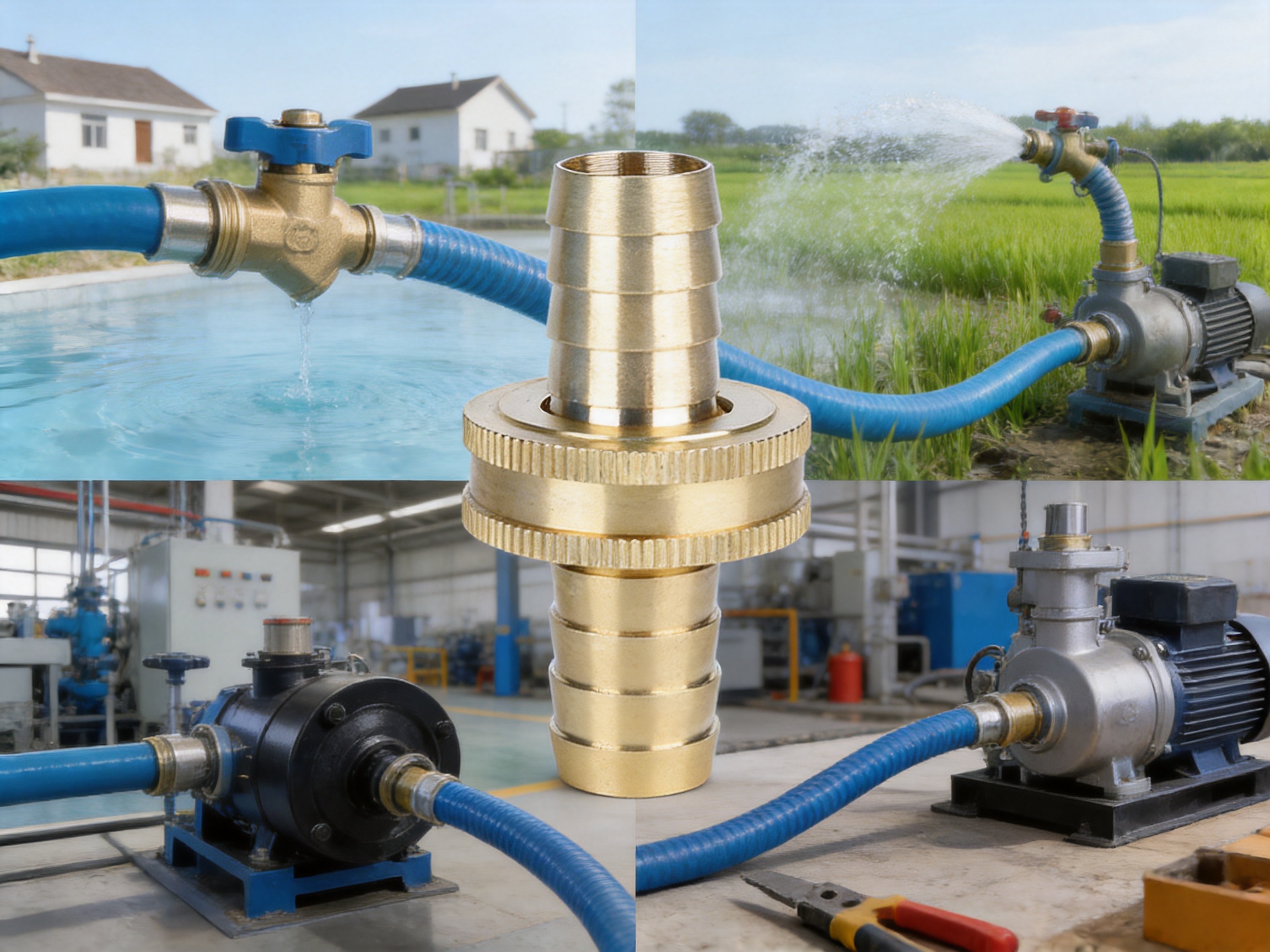
Hose connectors are widely used in water supply systems, maintenance work, garden equipment, washing equipment, utility connections, and plumbing assemblies. They allow flexible hoses to be attached to valves, pipes, taps, pumps, and other components.
In these applications, leakage prevention, ease of installation, corrosion resistance, and compatibility with the water system are key considerations. The connector should be selected according to hose size and water pressure, and the sealing method should match the connection design.
Irrigation and Agricultural Equipment
Agricultural and irrigation systems often use hoses that must be installed, moved, and reconfigured. A practical connector can simplify connections between water sources, valves, distribution lines, pumps, and irrigation equipment.
Outdoor installations may expose connectors to sunlight, moisture, soil, fertilizer, temperature variation, and mechanical impact. Appropriate material selection and installation protection can help extend service life. A secure hose-retention structure is also important when hoses are frequently moved or subjected to pulling forces.
Industrial Equipment
Industrial machinery may use hose connectors for water, air, lubricants, cooling fluids, or other compatible media. In these settings, the connector may be exposed to vibration, continuous operation, elevated pressure, or repeated maintenance.
Industrial buyers typically pay close attention to dimensional consistency, batch traceability, technical documentation, and supply reliability. A connector manufactured through a structured machining and testing process can support more predictable equipment assembly and maintenance.
Construction and Maintenance
Construction sites and maintenance teams often need connection components that can be installed efficiently in changing conditions. Hose connectors may be used with pumps, temporary water systems, cleaning equipment, drainage tools, and general-purpose fluid lines.
Because field conditions can be demanding, the connector should be handled carefully and installed with suitable tools. Threads and sealing surfaces should be kept clean, and the hose should be inserted or secured according to the design requirements.
Gas and Fluid Control Assemblies
Hardware accessories used near gas or fluid valves require careful attention to compatibility and safety. A hose connector should only be used for a gas or fluid application when its material, design, seal, pressure rating, and applicable standards are appropriate for that service.
The connection should be checked for leaks after installation using an approved procedure. Products intended for gas service should not be assumed to be suitable for every gas merely because they connect physically. Application verification remains essential.
Selection Guide for Buyers and Engineers
Confirm the Hose Size
The first step is to identify the hose inside diameter, outside diameter, or nominal size required by the connector design. A mismatch may cause an inadequate seal, excessive insertion force, hose damage, or disconnection during operation.
Customers should confirm whether the stated size refers to the hose internal diameter, external diameter, nominal pipe size, or another industry convention. Clear communication prevents avoidable ordering errors.
Identify the Connection Standard
Threaded connectors must be matched with the correct thread type, size, and gender. Thread standards can differ in profile, pitch, diameter, and sealing method. A connector that appears similar may not be compatible with the mating part.
Technical drawings, samples, thread gauges, and written specifications can help confirm compatibility. When ordering customized products, the customer should provide complete connection information rather than relying only on general product names.
Evaluate Pressure and Temperature
The working pressure and temperature range should be considered together. Pressure may change with temperature, hose material, fluid type, and operating cycles. The connector, hose, seal, clamp, and mating components should be evaluated as one system.
Customers should distinguish between normal working conditions and temporary peaks. If the system experiences pressure surges, pulsation, water hammer, or thermal cycling, these factors should be included in the product assessment.
Check Fluid Compatibility
The connector material and sealing components must be compatible with the conveyed medium. Water, air, gas, oil, chemicals, and cleaning agents can produce different effects on materials. Compatibility should be verified through technical information and, where necessary, application testing.
When the fluid is unusual or the application is critical, the manufacturer should receive detailed information before production. This allows the product configuration to be evaluated instead of relying on assumptions.
Consider the Installation Environment
Indoor, outdoor, buried, exposed, mobile, vibrating, humid, and corrosive environments create different demands. The buyer should consider whether the connector will be exposed to sunlight, salt, soil, impact, chemicals, or repeated movement.
Environmental conditions may influence material, surface treatment, seal selection, protective packaging, and inspection requirements. A connector suitable for a clean indoor installation may not be the best choice for a harsh outdoor location.
Review Quantity and Delivery Requirements
For distributors and equipment manufacturers, order quantity and delivery schedules are important. A supplier with substantial production capacity and automated equipment may be able to support recurring demand more effectively than a small workshop with limited output.
Buyers should discuss forecast demand, minimum order quantities, packaging, batch identification, delivery intervals, and quality documentation at the beginning of the cooperation. Clear planning benefits both the customer and the manufacturer.
Installation and Maintenance Recommendations
Before installation, inspect the hose connector, hose, seal, and mating component. Confirm that the parts are clean, undamaged, and suitable for the intended application. Dirt, metal chips, damaged threads, or distorted sealing elements can compromise the connection.
Align threaded components carefully before tightening. Do not force a connector into a mismatched thread. If resistance occurs immediately, remove the component and inspect the connection rather than applying excessive torque.
Use the specified sealing method. Some threaded connections seal through the thread, while others seal against a washer, gasket, or O-ring. Applying an unsuitable sealant or using too much material may interfere with assembly or contaminate the flow path.
When attaching a hose, ensure that it reaches the intended insertion depth or seating position. Use a suitable clamp or retaining method when required. The hose should not be cut unevenly, excessively stretched, sharply bent, or installed in a way that places side loads on the connector.
After installation, inspect the connection under the appropriate test conditions. Look for visible leakage, movement, hose slippage, or unusual pressure behavior. For gas and high-risk applications, use the required professional leak-testing procedure rather than relying only on visual inspection.
During maintenance, check the connector for corrosion, cracking, deformation, thread damage, seal deterioration, and signs of leakage. Replace damaged seals and connectors promptly. Reusing a component after repeated removal may not always be appropriate, particularly when the sealing surface or thread has been worn.
Correct installation and maintenance do not replace product quality, but they allow the connector to achieve its intended performance. A precision-made component should be integrated into a complete system that respects application limits and safety procedures.
Why Manufacturing Capability Matters to Global Customers
Global customers often require more than a product catalog. They need a supplier capable of understanding technical requirements, maintaining stable production, organizing quality control, and communicating clearly across the project lifecycle. Manufacturing capability is therefore a central part of supplier value.
Ningbo Yunhua Valve Co., Ltd. combines research and development, production, sales, and service within one enterprise. This integrated structure can help reduce communication gaps between product design and manufacturing. It also provides a foundation for discussing product improvements, custom requirements, packaging changes, and application feedback.
The company’s focus on gas and fluid valves, water supply valves, and hardware accessories creates experience across related product categories. A hose connector may be a standalone component, but it often operates as part of a larger fluid-control system. Knowledge of adjacent products can support better technical coordination.
The company has also developed a professional management team and improved its management system over years of operation. A structured management approach helps organize production planning, equipment use, quality responsibilities, order coordination, and customer service. These factors are important when customers need repeatable results rather than a one-time purchase.
The combination of a sizable manufacturing area, precision machining resources, automated assembly, and testing equipment supports the production of hose connectors for different market requirements. Customers can discuss standard products or explore customized solutions according to drawings, samples, and application details.
Purchasing Value and Total Cost Considerations
The purchase price of a hose connector is only one part of the total cost. Buyers should also consider installation labor, leakage risk, maintenance frequency, replacement requirements, inventory complexity, delivery reliability, and the consequences of system downtime.
A connector that costs slightly more but provides consistent fit and dependable sealing may reduce installation and maintenance expenses. In commercial or industrial systems, avoiding even a small number of connection failures can justify the initial product investment.
Stable quality also simplifies inventory management. When every batch follows the same specification, distributors and equipment manufacturers can reduce the need for separate inspection or special handling. Standardized components make it easier to train installation teams and maintain product records.
Manufacturing capacity can further influence cost. A supplier with efficient CNC machining and automated assembly may achieve better production efficiency at volume. This can support competitive pricing while preserving the process controls needed for reliable performance.
Customers should evaluate quotations based on complete technical and commercial information. Material, dimensions, connection standard, seal configuration, testing requirements, packaging, quantity, delivery schedule, and documentation should all be considered before comparing offers.
Frequently Asked Questions
What is the main purpose of a hose connector?
The main purpose of a hose connector is to create a secure connection between a flexible hose and another hose, pipe, valve, fitting, or piece of equipment. It maintains the fluid path while supporting sealing, mechanical retention, and practical installation.
Can one hose connector be used for every fluid?
No. The connector must be compatible with the fluid, pressure, temperature, hose material, and environmental conditions. A connector suitable for water may not be appropriate for gas, oil, chemicals, or other media. Application details should be confirmed before selection.
How does precision machining improve connector performance?
Precision machining helps control important features such as threads, internal passages, sealing surfaces, shoulders, and hose-retention profiles. More consistent dimensions can improve fit, installation efficiency, sealing reliability, and interchangeability between production batches.
Why is deburring important?
Deburring removes sharp edges and loose machining particles that could damage seals, injure installers, restrict the fluid passage, or interfere with assembly. It is a small but important step in preparing a connector for dependable use.
What information should be provided for a customized hose connector?
Useful information includes a drawing or sample, hose dimensions, connection type, thread standard, material preference, fluid, working pressure, temperature range, installation environment, annual quantity, packaging requirements, and applicable standards. Complete information helps the manufacturer evaluate feasibility accurately.
Are automated assembly lines better than manual assembly?
Automated assembly can improve repeatability and production efficiency, particularly for high-volume products. It helps control component placement, orientation, and assembly procedures. Manual expertise remains important for equipment setup, process monitoring, quality verification, and handling special requirements.
How should a hose connector be checked after installation?
The connection should be checked for correct alignment, complete engagement, seal position, hose retention, visible leakage, and abnormal movement. The appropriate pressure or leak test should be performed according to the application. Gas and high-risk systems require professional testing procedures.
What makes a supplier suitable for long-term cooperation?
A suitable supplier should provide stable quality, adequate production capacity, reliable delivery, clear technical communication, appropriate testing, responsive service, and the ability to support changing requirements. Manufacturing resources and experience in related valve and hardware products are also valuable.
Can hose connectors be used with valve products?
Yes, hose connectors are often used to connect hoses to valves and other fluid-control components. Compatibility must be confirmed according to connection size, thread type, fluid, pressure, temperature, sealing method, and applicable safety requirements.
What is the most common cause of connector leakage?
Leakage may result from an incompatible connection, damaged seal, cross-threading, insufficient or excessive tightening, contamination, hose damage, incorrect insertion depth, excessive side loading, or use outside the product’s intended conditions. Proper product selection and installation help reduce these risks.
Conclusion
A hose connector is a fundamental component in fluid and gas connection systems, but its importance should not be underestimated. The connector must combine accurate dimensions, effective sealing, mechanical stability, suitable flow characteristics, material compatibility, and dependable production quality.
The Hose Connector offered by Ningbo Yunhua Valve Co., Ltd. benefits from a manufacturing platform focused on valves and hardware accessories. The company’s precision machining workshop, CNC equipment, automated assembly line, testing workshop, management system, and production capacity create a strong foundation for consistent product supply.
Compared with ordinary alternatives produced without sufficient process control, a precision-manufactured connector can offer better fit, more stable sealing performance, improved assembly efficiency, and lower risk of quality variation. These advantages can contribute to lower total ownership costs for distributors, contractors, equipment manufacturers, and end users.
For the best result, customers should select the connector according to hose dimensions, connection standards, fluid compatibility, pressure, temperature, environmental conditions, and installation requirements. Custom designs can be discussed by providing complete technical information and expected order quantities.
As fluid systems become more demanding, dependable connection components will remain essential. A hose connector manufactured with precision, supported by systematic inspection, and supplied by an experienced valve and hardware producer can help build safer, more efficient, and more maintainable fluid-control systems.
References
1. General principles of mechanical fitting design, dimensional control, and threaded connection practice.
2. Industrial guidance on hose, tubing, pipe, and fluid-connection selection.
3. General quality-control methods for CNC machining, automated assembly, and finished-component inspection.
4. Technical principles of sealing design for threaded, compression, gasketed, and elastomeric connections.
5. General safety practices for water, air, gas, and pressurized fluid systems.
6. Manufacturer-provided information concerning valve production, hardware accessory manufacturing, precision machining, automated assembly, testing resources, and annual production capacity.
Product: Hose Connector

Related Products
-
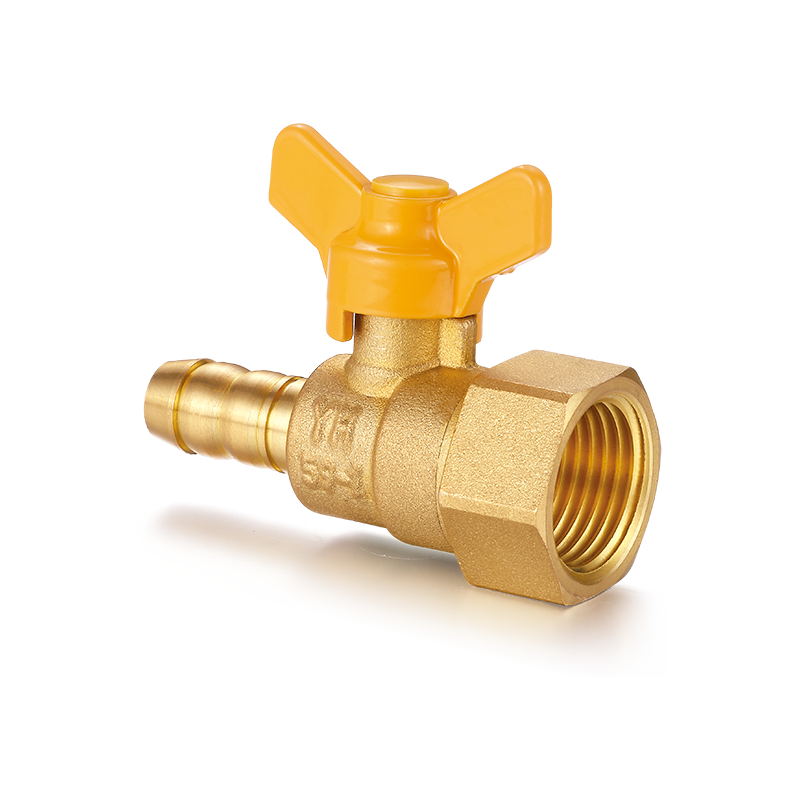 View More
-
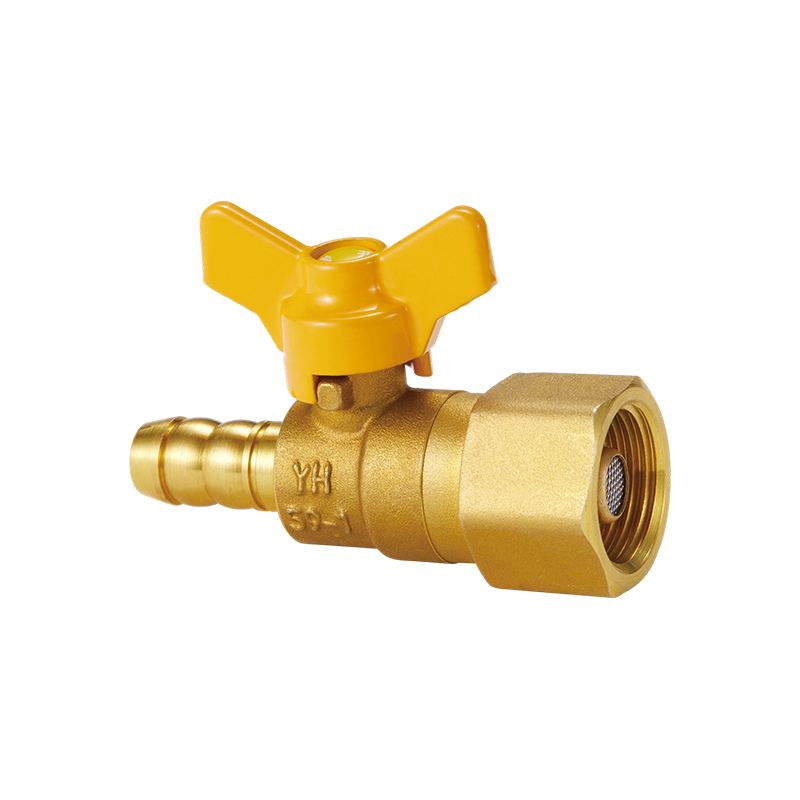 View More
YH-216A Brass Excess Flow Shut-Off Valve(F/Hose Connector)
-
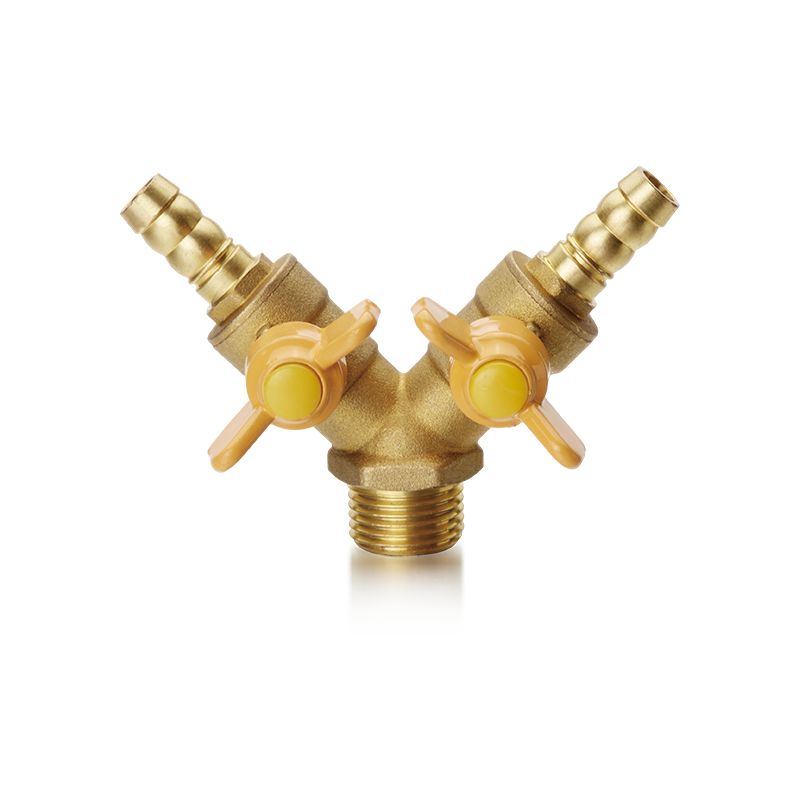 View More
YH-208 Brass Ball Valve(M/Double Hose Connector)
-
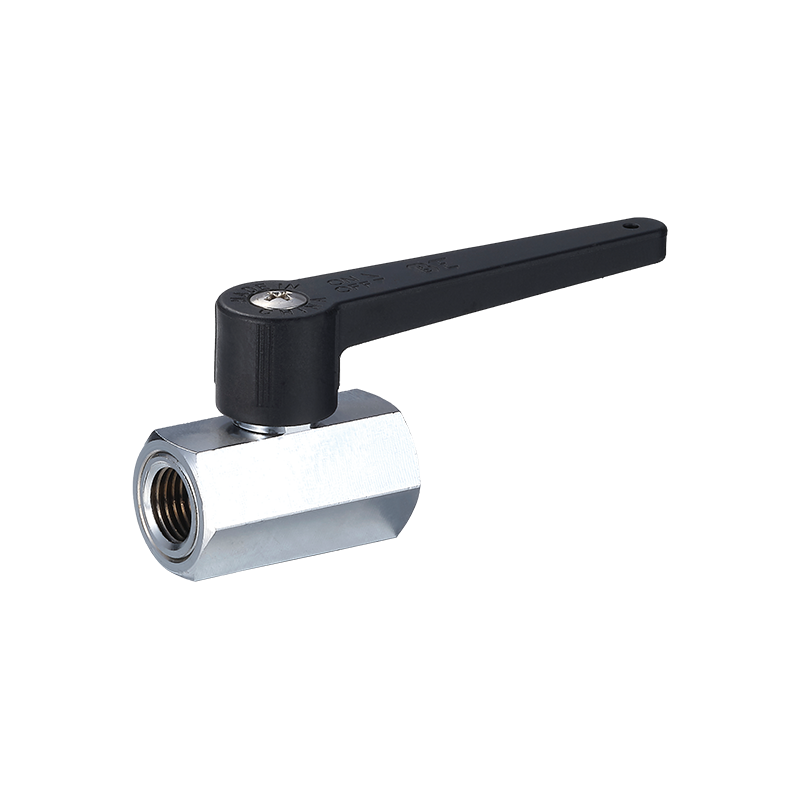 View More
MINI-1 Mini Long Handle Ball Valve(F/F)
-
 View More
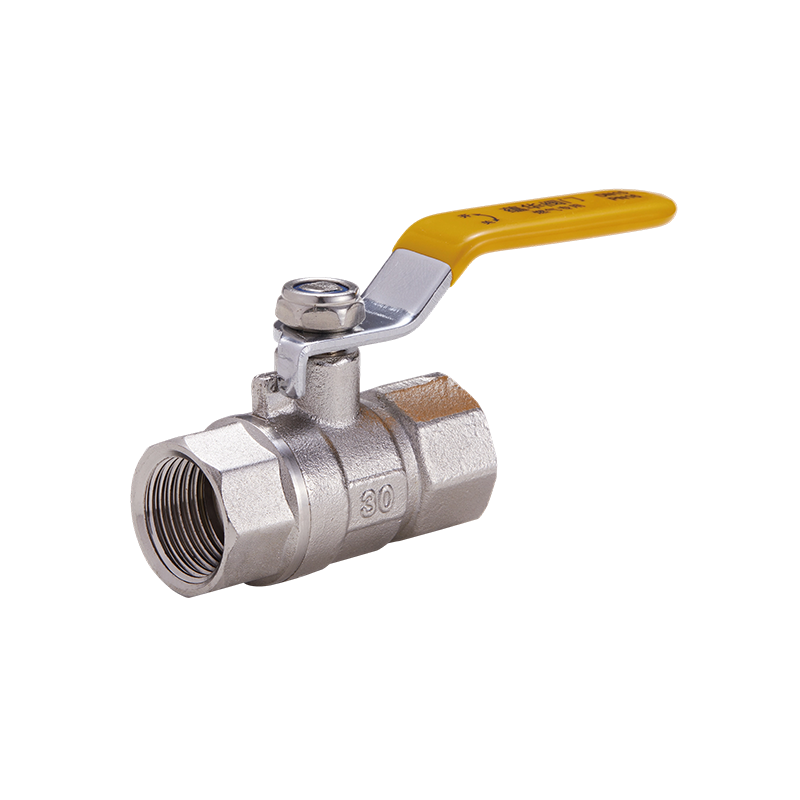
YH-2210 Forged Steel Ball Valve with Long Handle (F/F)
-
 View More
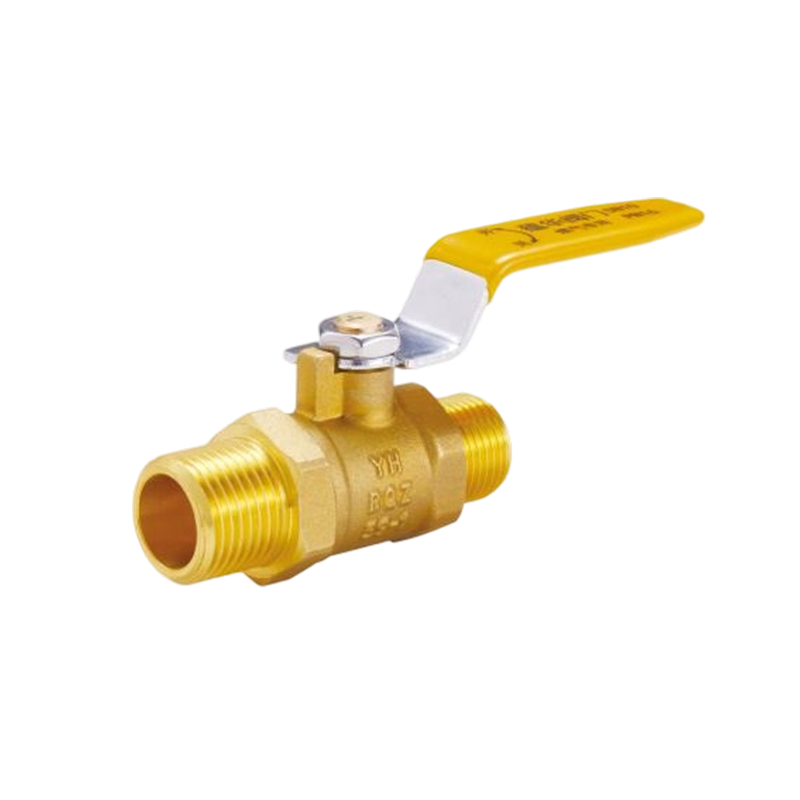
YH-221 Brass Ball Valve with Long Handle(M/M)
Related News
Contact Us
-

-
 +86-0574-63742169
 -
 No.104-128, Cizhang East Road, Zhangqi Town, Cixi City, Ningbo, Zhejiang Province, China


Message Us Now !
