


 English
  русский
  عربى
عربى  Español
Precision Pipe Fittings for Secure, Efficient, and Long-Lasting Fluid Connections
Content
- 1 Understanding the Role of Pipe Fittings in Fluid and Gas Systems
- 2 Product Overview: Pipe Fittings for Reliable Connections
- 3 Key Functional Advantages of High-Quality Pipe Fittings
- 4 Advantages Over Ordinary Competing Pipe Fittings
- 5 Manufacturing Strength Behind Reliable Pipe Fittings
- 6 Precision Machining Process
- 7 Quality Control and Testing Standards
- 8 Common Types and Applications of Pipe Fittings
- 9 Material Considerations for Pipe Fittings
- 10 Design Details That Improve Performance
- 11 Installation Best Practices
- 12 How Pipe Fittings Support Valve Performance
- 13 Supply Capability and Customer Value
- 14 Customization and Application Matching
- 15 Durability and Lifecycle Benefits
- 16 Why Manufacturing Process Matters More Than Appearance
- 17 Frequently Asked Questions
- 17.1 What are pipe fittings used for?
- 17.2 Why is thread accuracy important for pipe fittings?
- 17.3 What makes precision pipe fittings better than ordinary low-cost fittings?
- 17.4 Can pipe fittings be used with valves?
- 17.5 What should be checked before installing a pipe fitting?
- 17.6 Why is pressure or leakage testing important after installation?
- 17.7 What manufacturing capabilities support reliable pipe fitting quality?
- 17.8 Can pipe fittings be customized?
- 17.9 How do pipe fittings contribute to system safety?
- 17.10 What should buyers consider when choosing a pipe fitting supplier?
- 18 Conclusion
- 19 References
- 20 Product: Pipe Fittings
Pipe fittings are small components with a large responsibility. In every gas, water, heating, plumbing, irrigation, industrial fluid, and mechanical system, they create the connections that allow pipelines to change direction, divide flow, extend reach, adapt thread sizes, terminate lines, and integrate valves or instruments. A pipe system can only perform as reliably as its weakest connection, which is why high-quality pipe fittings are essential for safety, sealing performance, installation efficiency, and long-term operating stability.
This article focuses on precision pipe fittings designed for demanding gas and fluid control applications. It explains their functions, materials, structural advantages, competitive strengths, manufacturing process, testing procedures, installation considerations, and value in modern pipeline systems. It also introduces the production capabilities and quality-oriented manufacturing strengths of Ningbo Yunhua Valve Co., Ltd., an enterprise specializing in gas and fluid valves, water supply valves, and hardware accessories.
Although pipe fittings may look simple, their performance depends on detailed engineering. Thread accuracy, material density, dimensional stability, sealing surface finish, pressure resistance, corrosion behavior, and assembly compatibility all affect the safety and service life of the system. A well-made fitting reduces leakage risk, improves connection strength, supports easier maintenance, and helps the entire pipeline operate with lower failure rates.
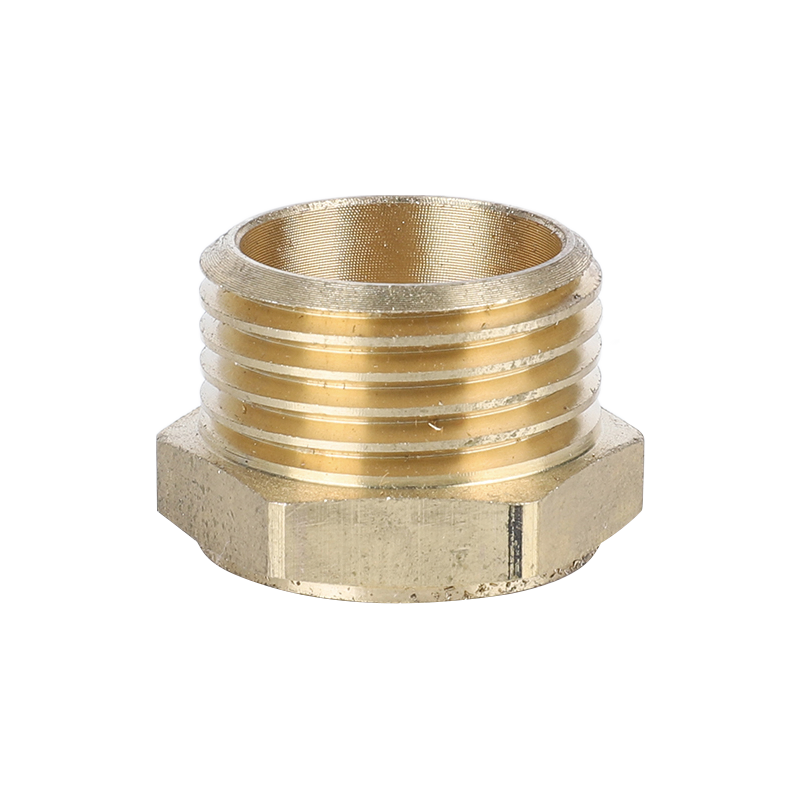
Pipe Fittings
Understanding the Role of Pipe Fittings in Fluid and Gas Systems
Pipe fittings are connection components used to join pipe sections, valves, meters, hoses, appliances, equipment, and other pipeline accessories. They are commonly used to redirect flow, adapt pipe sizes, connect different thread standards, create branch lines, or close the end of a pipeline. In residential, commercial, and industrial environments, fittings form the connection network that supports the movement of water, air, fuel gas, oil, and other compatible media.
In gas systems, a fitting must provide secure sealing under pressure while resisting loosening caused by vibration, temperature variation, and repeated operational stress. In water supply systems, it must resist corrosion, maintain stable flow, and prevent seepage after long-term use. In hardware accessory applications, it must meet both dimensional and mechanical requirements so that it can be assembled quickly with valves, flexible connectors, manifolds, and equipment interfaces.
The value of a pipe fitting is not limited to its immediate connection function. It also influences system design flexibility. Without elbows, tees, couplings, reducers, nipples, bushings, caps, plugs, and adapters, pipeline layouts would be difficult to configure in compact spaces. High-quality fittings make installations cleaner, safer, and easier to maintain.
In modern pipeline design, pipe fittings must satisfy multiple requirements at the same time. They need to be compact but strong, economical but durable, easy to install but resistant to accidental failure. They must be manufactured with repeatable accuracy so that every batch can match standard pipes and valves. This demand for consistency is one reason advanced machining and automated testing have become so important in the production of pipe fittings.
Product Overview: Pipe Fittings for Reliable Connections
The pipe fittings discussed here are designed for secure connection performance in gas, water, and general fluid applications. They belong to the hardware accessories and valve-related product field, where reliability, thread precision, and sealing integrity are critical. The product category is pipe fittings, and the product is suitable for use with pipeline assemblies that require dependable threaded or mechanical connections.
These fittings are made to support stable installation in both new pipeline construction and maintenance replacement projects. Their design emphasizes accurate dimensions, smooth internal passages, clean external surfaces, strong mechanical structure, and compatibility with valves and pipe systems. When properly selected and installed, they help reduce leakage, simplify connection work, and extend system service life.
Pipe fittings are often used together with threaded globe valves, forged steel valves, brass gas ball valves, water supply valves, gas valves, and fluid control components. In a complete pipeline system, fittings and valves work as a coordinated group. Valves control opening, closing, pressure regulation, or flow direction, while fittings create the stable connection framework that allows these valves to be installed safely and correctly.
Compared with lower-grade fittings that may suffer from inaccurate threads, uneven wall thickness, poor material consistency, or rough sealing surfaces, well-manufactured fittings provide a more predictable user experience. Installers can tighten them more confidently, engineers can specify them with greater assurance, and end users benefit from reduced maintenance risks.
Key Functional Advantages of High-Quality Pipe Fittings
One of the most important advantages of precision pipe fittings is sealing reliability. A fitting must create a stable connection with the pipe or valve thread. If the thread profile is uneven, too loose, too tight, or poorly finished, sealing material may not distribute properly, resulting in micro-leakage or assembly difficulty. High-quality fittings use carefully machined threads to improve contact consistency and reduce installation uncertainty.
Another major advantage is mechanical strength. Pipe systems experience many forms of stress, including internal pressure, thermal expansion, assembly torque, vibration, and external load. A strong fitting resists cracking, deformation, and thread damage. This is especially important in gas applications, where connection integrity is directly related to user safety.
Dimensional consistency is also essential. In mass installation projects, installers need fittings that match standard pipes and valves without repeated adjustment. Consistent dimensions reduce installation time, lower labor costs, and help prevent errors. When every fitting in a batch has stable measurements, project quality becomes easier to control.
Corrosion resistance contributes to longer service life. Depending on material and surface treatment, pipe fittings can withstand moisture, temperature change, and exposure to compatible fluids. A fitting with good corrosion resistance maintains sealing capability and mechanical integrity over time, reducing the possibility of premature replacement.
Smooth flow performance is another benefit. Internal burrs, sharp edges, or rough passages can disturb flow, collect impurities, or create pressure loss. Precision machining and finishing help create cleaner internal surfaces, improving flow stability and reducing the risk of blockage in certain applications.
Ease of installation is a practical advantage that matters to contractors and maintenance teams. Fittings with accurate threads, clean edges, and stable geometry are easier to assemble. They reduce the risk of cross-threading and allow the installer to achieve a secure joint with appropriate torque.
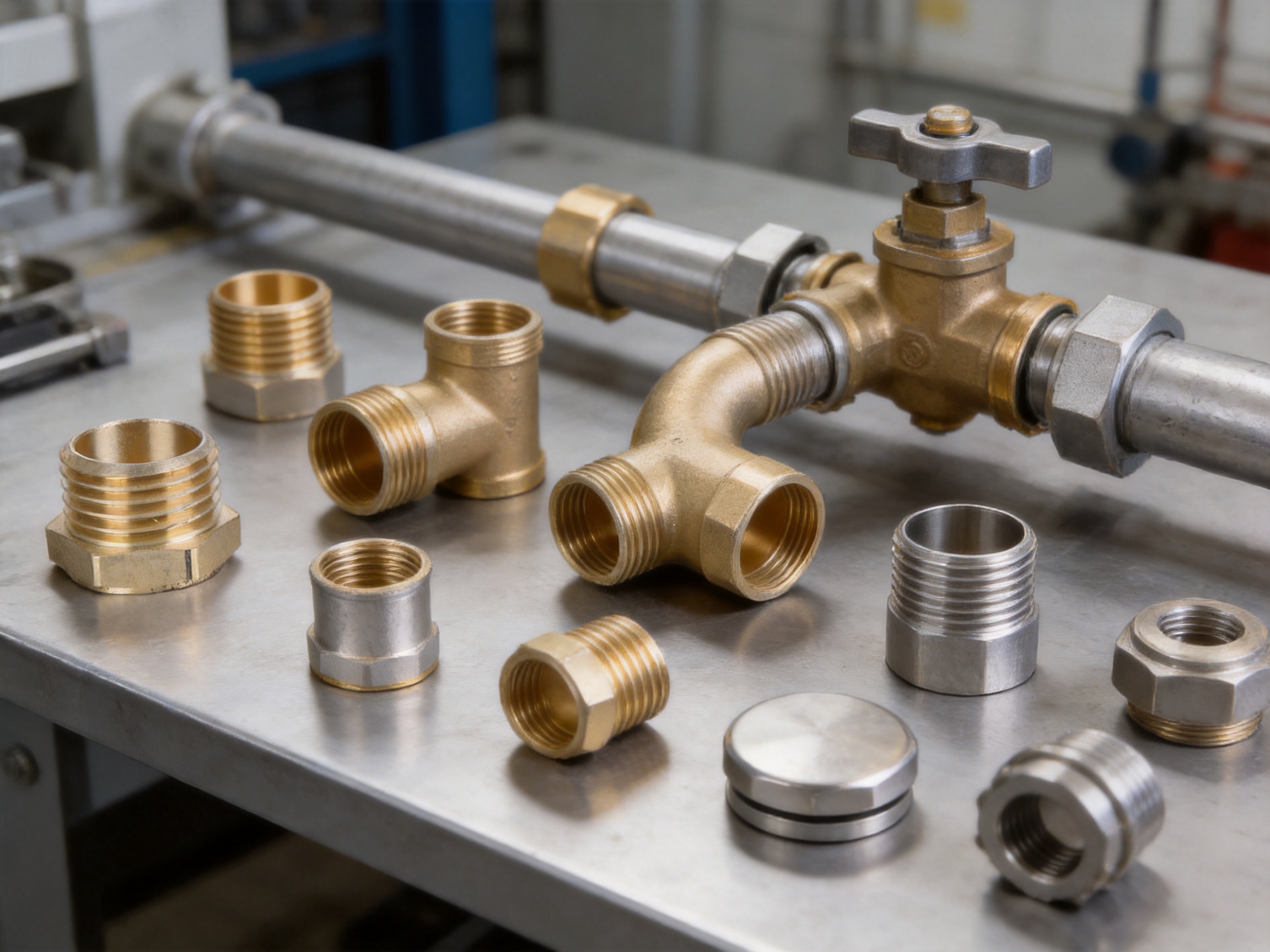
Advantages Over Ordinary Competing Pipe Fittings
In the pipe fittings market, products can look similar from the outside, but their performance differences become clear during installation and long-term service. Ordinary low-cost fittings may be produced with less precise tooling, insufficient inspection, inconsistent raw materials, or incomplete surface finishing. These weaknesses can create hidden risks in pipeline systems.
Precision pipe fittings from a quality-driven manufacturer provide several advantages over ordinary alternatives. First, the thread accuracy is more dependable. Poor thread accuracy can cause loose engagement, difficult assembly, or sealing failure. Precision threading improves the fit between components and supports stronger sealing performance.
Second, the material quality is more stable. Inconsistent material composition can reduce strength, affect corrosion resistance, and increase the risk of cracking under pressure or torque. A manufacturer with strict material control can better ensure that each fitting meets expected mechanical and safety requirements.
Third, machining quality is more consistent. A fitting that is not concentric, has uneven wall thickness, or contains burrs can create assembly problems. Advanced CNC machining improves dimensional accuracy and repeatability, especially for fittings that must connect with valves or other precision components.
Fourth, testing and inspection are more comprehensive. Some low-grade fittings may only receive visual checks, while quality-oriented production includes dimensional inspection, pressure-related testing where applicable, sealing verification, thread gauge inspection, and surface checks. These controls reduce the possibility of defective products reaching customers.
Fifth, batch consistency is stronger. Large projects require repeatable quality. If one batch of fittings differs from another, installers may experience inconsistent tightening behavior, leakage risk, or compatibility problems. Automated production and standardized inspection help ensure stable batch-to-batch performance.
Sixth, the overall cost of ownership is lower. A cheaper fitting may reduce initial purchase cost, but leakage, replacement, downtime, and labor can quickly exceed the savings. Durable fittings with accurate machining and tested sealing performance provide better long-term value.
Manufacturing Strength Behind Reliable Pipe Fittings
Ningbo Yunhua Valve Co., Ltd. is an innovative enterprise engaged in research, development, production, sales, and service of gas and fluid valves, water supply valves, and hardware accessories. With years of industry experience, the company has developed a professional management system, a skilled team, and a production environment focused on quality and efficiency.
The company covers an area of 20,000 square meters and has established a professional automated precision machining workshop, assembly line, and testing workshop. This manufacturing foundation supports stable production of valves and hardware accessories, including pipe fittings that require close dimensional control and dependable sealing performance.
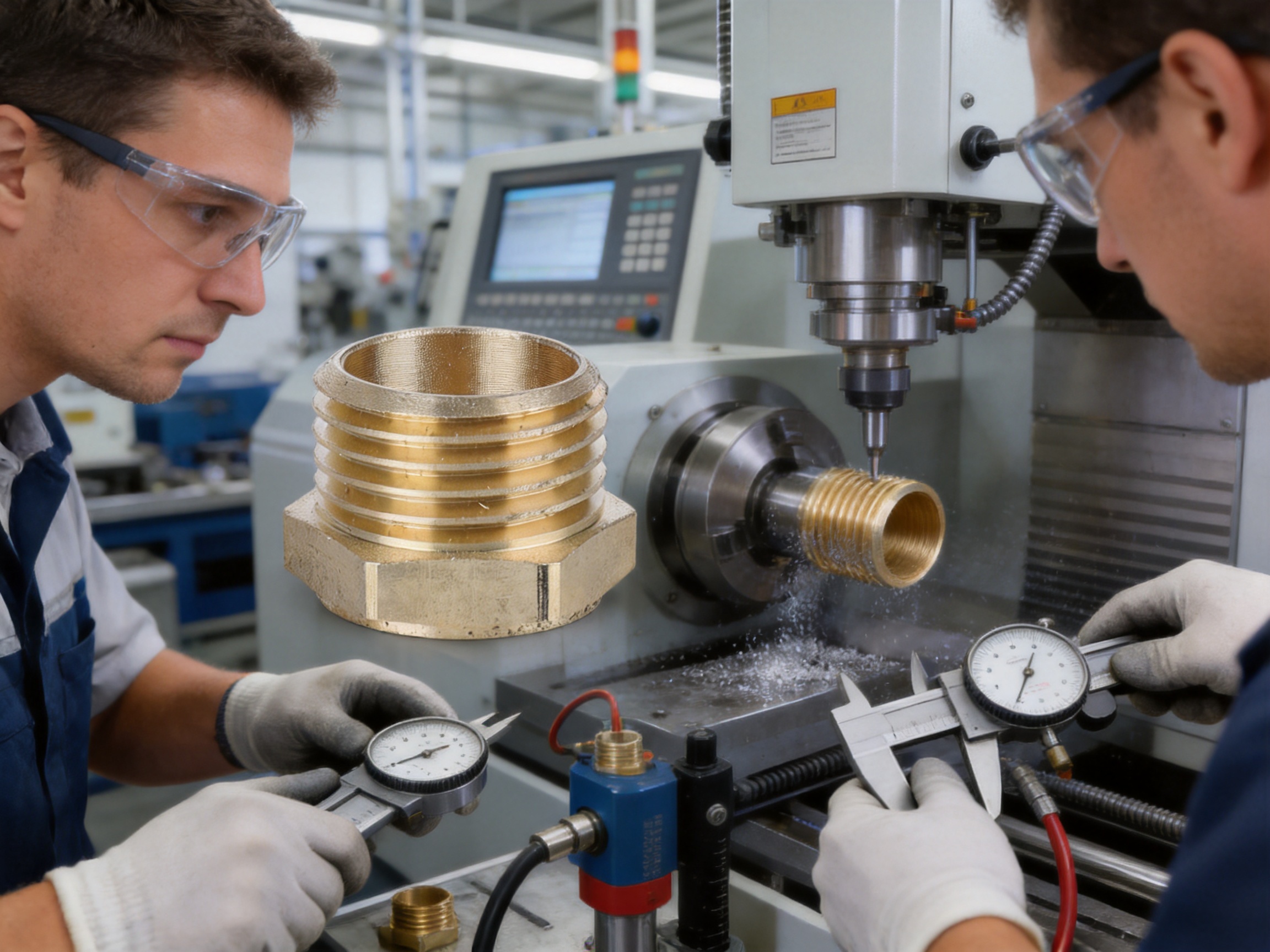
Advanced CNC machine tools play a central role in precision fitting production. CNC machining helps maintain thread accuracy, surface consistency, concentricity, and stable dimensional tolerances. Compared with manual or less automated processing, CNC machining reduces human error and improves repeatability across large production quantities.
Automated assembly and testing equipment further strengthens product consistency. Testing is especially important for components used in gas and fluid systems because small defects can become serious operational problems. By using professional testing equipment, the company can inspect product performance according to relevant standards and customer requirements.
The company’s annual production capacity reaches 2 million sets of valves and 10 million sets of hardware accessories. This capacity demonstrates strong supply capability for distributors, OEM customers, engineering projects, and long-term procurement partners. A manufacturer with this scale can better support stable delivery schedules and large-volume orders.
The company’s mission is to build a safe fluid ecosystem with high-quality valves. Pipe fittings contribute directly to that mission because safe fluid systems depend not only on valves but also on every connection between components. When fittings are designed and manufactured with the same quality philosophy as valves, the entire system becomes more reliable.
Precision Machining Process
The manufacturing process for high-quality pipe fittings begins with raw material selection. Material must be suitable for the intended application, whether the fitting is used in gas, water, or general fluid service. Material quality affects machinability, strength, corrosion resistance, and sealing performance. Careful selection helps ensure that the finished fitting can meet mechanical and environmental demands.
After material preparation, blanks are formed or cut to the required size. Depending on the fitting type, the blank may undergo forging, casting, bar cutting, or another forming process. The goal is to create a stable starting shape with sufficient material for precise machining.
CNC machining then creates the critical geometry of the fitting. This may include turning external diameters, boring internal passages, cutting threads, facing sealing ends, chamfering edges, and forming shoulders or wrench flats. During machining, tool condition, feed rate, cutting speed, and fixture stability all influence final quality.
Thread machining is especially important. Pipe threads must match the required standard and engage correctly with mating components. Accurate thread angle, pitch, depth, and surface finish support reliable sealing and mechanical strength. Thread gauges are commonly used to confirm that each batch meets dimensional requirements.
Deburring and surface finishing follow machining. Burrs can interfere with sealing, damage thread engagement, or contaminate pipeline systems. Proper deburring creates cleaner edges and safer handling. Surface finishing may also improve appearance and corrosion behavior, depending on material and application.
Inspection is integrated throughout the process. Dimensional measurements verify that the fitting matches design specifications. Visual inspection identifies surface defects. Thread inspection confirms compatibility. Pressure or sealing checks may be applied according to product type and customer requirements.
Packaging is the final step before shipment. Proper packaging protects threads and sealing surfaces from damage during storage and transportation. For pipe fittings, even small thread dents can affect assembly, so protective packaging is an important part of quality delivery.
Quality Control and Testing Standards
Quality control is not a single action at the end of production. It is a complete system that begins with raw material control and continues through machining, assembly, testing, packaging, and delivery. For pipe fittings, this system is necessary because product reliability depends on many small details.
Raw material inspection helps confirm that the incoming material is suitable for manufacturing. This may include checking material certificates, appearance, dimensions, and mechanical or chemical properties when required. Stable raw materials reduce variation in finished products.
In-process inspection monitors machining quality before defects multiply. Operators and inspectors may check thread dimensions, internal diameters, external diameters, lengths, wall thickness, and surface finish. If variation is detected early, process adjustments can be made promptly.
Thread gauge inspection is one of the most important quality controls for pipe fittings. A fitting can appear correct visually but still fail to engage properly if the thread is inaccurate. Gauges verify whether the thread meets the required standard and tolerance range.
Sealing and pressure-related tests are performed according to product design and application requirements. For fittings used in gas and fluid systems, reliable sealing is essential. Testing helps identify defects such as cracks, porosity, improper machining, or poor thread engagement.
Final inspection ensures that the product is clean, correctly marked if required, properly finished, and ready for shipment. Packaging inspection confirms that fittings are protected from impact, moisture, and thread damage.
The strength of a professional manufacturer lies not only in having equipment but also in using it within a disciplined quality system. Ningbo Yunhua Valve Co., Ltd. combines automated precision machining, assembly lines, and testing workshops to support consistent production quality for valves and hardware accessories.
Common Types and Applications of Pipe Fittings
Pipe fittings come in many forms, each designed for a specific connection function. Selecting the correct fitting type is essential for safe and efficient system design. The following table summarizes common fitting types and their typical roles in pipeline systems.
| Fitting Type | Main Function | Typical Application | Key Quality Requirement |
|---|---|---|---|
| Coupling | Connects two pipe sections in a straight line | Water supply, gas lines, equipment connections | Accurate internal thread and strong wall structure |
| Elbow | Changes pipeline direction | Plumbing layouts, compact mechanical spaces | Smooth internal passage and stable angle accuracy |
| Tee | Creates a branch connection | Distribution lines, valve assemblies, manifolds | Balanced structure and clean intersection geometry |
| Reducer | Connects pipes of different sizes | Transition points in water or gas systems | Correct size transition and sealing reliability |
| Bushing | Adapts a larger opening to a smaller thread | Valve ports, equipment interfaces | Precise internal and external thread alignment |
| Cap | Closes the end of a pipe | Temporary or permanent line termination | Leak-tight sealing and pressure resistance |
| Plug | Closes an opening from the inside | Maintenance ports, unused valve connections | Accurate thread engagement and durable head design |
| Nipple | Connects two female-threaded components | Valve-to-pipe or fitting-to-fitting connections | Concentric threads and sufficient tensile strength |
| Adapter | Converts connection type or thread standard | Mixed pipeline systems and equipment installation | Dimensional compatibility and sealing surface quality |
In residential plumbing, pipe fittings are used to connect water heaters, faucets, filtration units, meters, and branch lines. Reliability is important because hidden leaks can damage buildings and increase maintenance costs.
In gas distribution, fittings are used with gas valves, gas meters, appliances, and pipeline networks. Safety requirements are higher because leakage may create hazardous conditions. For this reason, gas fittings must be produced and inspected with careful attention to thread accuracy and sealing behavior.
In industrial fluid control systems, pipe fittings connect valves, pumps, tanks, measuring instruments, and pipelines. These systems may experience higher pressure, temperature fluctuation, vibration, or chemical exposure. The fitting material and structure must be chosen according to the operating environment.
In agricultural irrigation and water management, fittings allow pipelines to branch, redirect, and adapt to field layouts. Durability and installation convenience are important because systems may be exposed to outdoor conditions and frequent maintenance.
In hardware accessory assemblies, fittings provide compact connection solutions for various mechanical devices. Their small size requires precision, and their quality influences the performance of the entire assembly.
Material Considerations for Pipe Fittings
Material selection is a key factor in pipe fitting performance. The correct material depends on the medium, pressure, temperature, environment, cost target, and regulatory requirements. Common materials for pipe fittings include brass, steel, stainless steel, forged steel, copper alloys, and other engineering metals. Each material offers different advantages.
Brass fittings are widely used in water, gas, and hardware applications because brass offers good machinability, corrosion resistance, and sealing compatibility. Brass is also suitable for producing accurate threads and clean surfaces. In gas valve and brass gas ball valve systems, brass fittings are often valued for their reliable assembly performance.
Steel and forged steel fittings provide high mechanical strength. Forged steel valve systems often require fittings with strong pressure resistance and durable threaded connections. Forging can improve grain structure and mechanical properties, making forged components suitable for demanding service conditions.
Stainless steel fittings offer excellent corrosion resistance in many environments. They are commonly selected for applications where moisture, chemicals, or sanitary requirements are important. However, stainless steel may require more careful machining and higher production cost.
Material density and internal soundness are especially important. Defects such as porosity, cracks, or inclusions can weaken a fitting and create leakage paths. A professional manufacturer must control material sources and forming processes to reduce these risks.
Surface treatment may be applied to improve appearance, corrosion resistance, or compatibility with installation environments. The treatment must be uniform and should not interfere with thread engagement or sealing surfaces.
Design Details That Improve Performance
A high-performance pipe fitting is the result of many design details working together. Wall thickness must be sufficient to handle pressure and installation torque, but the fitting should remain compact enough for practical installation. Internal passages should be smooth to reduce turbulence and avoid unnecessary flow restriction.
Thread design is one of the most important elements. Threads must be accurately cut or formed according to the required standard. The engagement length must be adequate for mechanical strength and sealing. Edges should be chamfered to make assembly easier and to reduce the chance of cross-threading.
Wrench flats or gripping surfaces should be designed for practical installation. If the flats are too small, tools may slip and damage the fitting. If the body is too bulky, installation in tight spaces becomes difficult. A well-designed fitting balances tool access, strength, and compactness.
Sealing surfaces should be clean and free from dents, scratches, or machining defects. Even a small surface defect can affect sealing performance, especially in systems using metal-to-metal contact or thread sealants.
Internal transitions should avoid sharp steps where possible. Smooth transitions improve fluid flow and reduce the chance of debris accumulation. This is particularly useful in water systems or fluid circuits where particles may be present.
Marking and traceability may also be important for professional applications. Clear identification can help users confirm size, material, or specification before installation. Traceability supports quality management and after-sales service.
Installation Best Practices
Even the best pipe fitting must be installed correctly to achieve reliable performance. Before installation, the user should confirm that the fitting size, thread type, material, and pressure rating are suitable for the system. Mismatched threads or unsuitable materials can cause leakage or premature failure.
Threads should be inspected for damage, contamination, or burrs. Dirt, metal chips, and damaged threads can prevent proper sealing. Cleaning the fitting before installation helps reduce these risks.
Suitable sealing material should be used according to the pipeline medium and thread type. Common sealing methods include thread seal tape, pipe joint compound, sealing paste, gaskets, or other approved methods. The sealing material must be compatible with gas or fluid service where applicable.
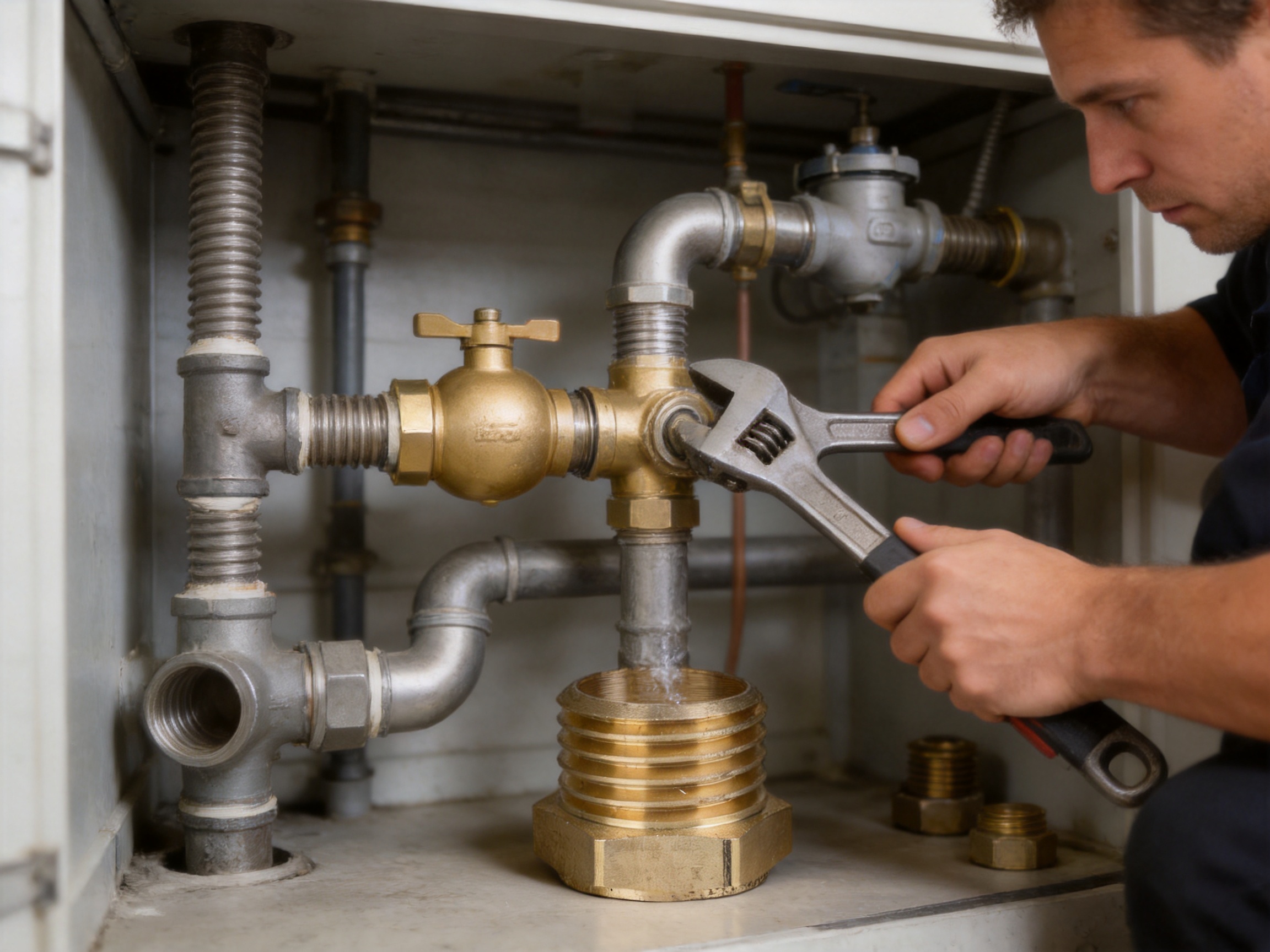
Proper tightening torque is important. Under-tightening may cause leakage, while over-tightening may damage threads or crack the fitting. Installers should use appropriate tools and avoid excessive force. When possible, installation should follow relevant standards, engineering specifications, or manufacturer recommendations.
After installation, pressure or leakage testing should be performed before the system enters normal service. This is especially important for gas systems, where leakage detection is a safety requirement. Testing confirms that each connection is properly sealed.
During operation, fittings should be inspected periodically, especially in systems exposed to vibration, temperature changes, outdoor conditions, or corrosive environments. Early detection of corrosion, loosening, or leakage can prevent larger failures.
How Pipe Fittings Support Valve Performance
Valves and fittings are closely connected in fluid control systems. A valve may be engineered with excellent internal sealing, precise flow control, and durable operating components, but if the connecting fitting leaks or fails, the system still becomes unreliable. Therefore, high-quality fittings are essential to achieving the full performance of valves.
Threaded globe valves, for example, depend on accurate threaded connections for installation. A poorly machined fitting can damage the valve thread or prevent proper sealing. Precision fittings protect the valve connection interface and support stable installation.
Forged steel valves often operate in more demanding conditions, where pressure and mechanical strength are important. Fittings used with such valves must be strong enough to maintain connection integrity under load. Strong materials and precise machining are critical.
Brass gas ball valves require dependable fittings for safe gas distribution. Gas systems require careful sealing and inspection. A fitting with accurate threads, clean surfaces, and tested quality helps ensure that the brass gas ball valve can function safely within the system.
Water supply valves also rely on fittings for secure installation. Poor fitting quality can lead to slow seepage, mineral buildup, or service interruptions. Precision fittings improve the reliability of water supply connections and reduce maintenance problems.
By producing valves and hardware accessories within a quality-oriented manufacturing system, a company can better understand the requirements of complete fluid control assemblies. This integrated knowledge supports fitting designs that work effectively with valves and related components.
Supply Capability and Customer Value
For distributors, engineering companies, and OEM customers, product quality is only one part of the purchasing decision. Stable supply, consistent batches, responsive service, and customization capability are also important. A manufacturer with strong production capacity can support long-term cooperation and reduce procurement uncertainty.
Ningbo Yunhua Valve Co., Ltd. has an annual production capacity of 2 million sets of valves and 10 million sets of hardware accessories. This production scale is valuable for customers who require regular shipments, project-based orders, or customized supply programs.
The company’s professional precision machining workshop supports flexible manufacturing of different fitting structures and sizes. CNC machine tools can be adjusted for different product specifications while maintaining stable accuracy. This is important for customers who need fittings matched to specific valve assemblies, market standards, or application requirements.
Automated assembly and testing workshops help improve efficiency and reduce quality variation. In competitive markets, customers need products that are not only well designed but also reliably delivered. Automated processes support both quality and productivity.
Professional management is another source of customer value. Over the past ten years, the company has improved its management system and established a professional team. Effective management helps coordinate production planning, inspection, packaging, shipment, and after-sales service.
For buyers, the advantage of choosing a strong manufacturer is reduced risk. Reliable fittings lower the possibility of complaints, returns, installation failures, and warranty issues. Stable supply also helps customers maintain inventory and meet market demand.
Customization and Application Matching
Different markets require different pipe fitting specifications. Thread standards, dimensions, materials, surface treatments, pressure requirements, and packaging preferences may vary by region and application. Customization capability is therefore an important advantage for a professional manufacturer.
Custom pipe fittings may be developed for specific valve assemblies, gas equipment, water supply systems, or hardware accessory products. Customization can include thread type, body length, hex size, internal passage dimension, surface finish, material selection, and marking.
Application matching begins with understanding the operating conditions. The manufacturer and customer should consider medium type, pressure range, temperature range, installation space, regulatory requirements, and maintenance expectations. A fitting designed for water service may not automatically be suitable for gas service, and a fitting used in a low-pressure system may not be appropriate for a more demanding industrial environment.
Engineering support helps customers select the right product. A company with experience in valves and fluid control can better understand the relationship between fittings, valves, and system performance. This knowledge supports practical product recommendations and reliable customized solutions.
For online buyers seeking brass gas ball valves, threaded globe valves, forged steel valves, or related pipe fittings, customization can help match product requirements to project needs. When fittings are integrated into a complete product offering, customers can source compatible components more efficiently.
Durability and Lifecycle Benefits
The lifecycle value of a pipe fitting depends on how well it performs over years of operation. A durable fitting resists leakage, corrosion, thread wear, cracking, and mechanical loosening. It also maintains compatibility with maintenance procedures and replacement components.
Leak prevention is one of the greatest lifecycle benefits. Even a small leak can waste fluid, reduce system pressure, damage nearby structures, or create safety hazards. High-quality fittings reduce leakage risk through precise threads, stable material, and careful inspection.
Reduced maintenance is another benefit. Systems built with reliable fittings require fewer repairs and less downtime. Maintenance teams can focus on scheduled service instead of emergency leak response. This is valuable in commercial and industrial environments where downtime can be expensive.
Improved safety is especially important in gas systems. Secure fittings help prevent gas escape and support safer appliance and pipeline operation. A fitting may be a small component, but its safety role is significant.
Longer service life also supports sustainability. Products that last longer reduce replacement frequency, material waste, and transportation demand. Precision manufacturing can therefore contribute to both economic and environmental efficiency.
Consistent performance helps protect brand reputation for distributors and system builders. When customers experience fewer failures, they develop confidence in the supplier and the product line. This makes quality fittings a strategic choice, not merely a hardware purchase.
Why Manufacturing Process Matters More Than Appearance
Pipe fittings are often judged by appearance, but visual quality alone cannot guarantee performance. A polished surface may hide poor threads, weak material, or internal defects. Real quality comes from controlled manufacturing processes and verified inspection results.
Advanced CNC machining provides measurable accuracy. It helps ensure that key features are produced within tolerance. This matters because pipe fittings must interface with standardized components. Even small deviations can affect installation and sealing.
Automated production helps reduce variation caused by manual inconsistency. Skilled workers remain important, but automation improves repeatability in high-volume production. For customers purchasing large quantities, repeatability is essential.
Testing equipment provides evidence of performance. Without testing, defects may remain hidden until installation. Testing allows the manufacturer to identify problems before products reach customers. This reduces field failure and improves trust.
Process control also supports continuous improvement. When a manufacturer monitors dimensions, defect rates, tooling conditions, and inspection results, it can identify trends and improve production efficiency. This leads to better products over time.
For this reason, customers should look beyond price and appearance when selecting pipe fittings. They should consider the manufacturer’s equipment, quality system, production capacity, and experience in fluid control products.
Frequently Asked Questions
What are pipe fittings used for?
Pipe fittings are used to connect, redirect, branch, adapt, or terminate pipeline systems. They are commonly used in gas lines, water supply systems, plumbing installations, industrial fluid systems, valve assemblies, and hardware accessories.
Why is thread accuracy important for pipe fittings?
Thread accuracy affects how well the fitting engages with pipes, valves, and other components. Accurate threads improve sealing reliability, reduce installation difficulty, and lower the risk of leakage or thread damage.
What makes precision pipe fittings better than ordinary low-cost fittings?
Precision pipe fittings generally offer better dimensional consistency, smoother threads, stronger materials, cleaner finishing, and more reliable inspection. These advantages reduce leakage risk, improve installation efficiency, and provide better long-term value.
Can pipe fittings be used with valves?
Yes. Pipe fittings are frequently used with threaded globe valves, forged steel valves, brass gas ball valves, water supply valves, and many other fluid control components. The fitting provides the connection interface needed to install the valve securely.
What should be checked before installing a pipe fitting?
Before installation, users should confirm the fitting size, material, thread standard, pressure suitability, and compatibility with the medium. Threads should be clean and undamaged, and suitable sealing material should be applied according to the application.
Why is pressure or leakage testing important after installation?
Testing confirms that the connection is sealed and safe before the system begins normal operation. It is especially important for gas systems, where leakage can create serious safety hazards.
What manufacturing capabilities support reliable pipe fitting quality?
Reliable quality is supported by advanced CNC machine tools, automated machining, professional assembly lines, testing workshops, material control, thread inspection, and final quality checks. These processes improve product consistency and reduce defects.
Can pipe fittings be customized?
Yes. Pipe fittings can often be customized by size, thread type, material, surface finish, body shape, marking, and packaging. Customization should be based on application requirements such as medium, pressure, temperature, and installation conditions.
How do pipe fittings contribute to system safety?
Pipe fittings create the joints that hold the pipeline together. Strong, accurately machined, and well-sealed fittings help prevent leaks, resist mechanical stress, and support stable operation of gas and fluid systems.
What should buyers consider when choosing a pipe fitting supplier?
Buyers should consider manufacturing equipment, quality control process, material reliability, production capacity, testing capability, customization support, and experience in valve and fluid control applications.
Conclusion
Pipe fittings are essential components in safe and efficient fluid and gas systems. Their role may appear simple, but their quality directly affects sealing performance, installation efficiency, pressure stability, maintenance cost, and long-term safety. Precision pipe fittings provide clear advantages over ordinary alternatives through accurate threads, stable materials, strong structure, clean finishing, and consistent batch quality.
Manufacturing capability is the foundation of reliable fitting performance. Advanced CNC machining, automated assembly, professional testing workshops, strict material control, and disciplined inspection procedures all help ensure that each fitting performs as expected. Ningbo Yunhua Valve Co., Ltd. supports this level of quality with a 20,000-square-meter production base, advanced domestic and international CNC machine tools, automated assembly and testing equipment, and strong annual production capacity for valves and hardware accessories.
For distributors, contractors, OEM customers, and end users, selecting high-quality pipe fittings is a practical investment in system reliability. A better fitting reduces leakage risk, improves installation consistency, supports valve performance, and delivers long-term value. In gas, water, and fluid control applications, dependable connections are not optional; they are the foundation of a safe fluid ecosystem.
References
Crane Co. Flow of Fluids Through Valves, Fittings, and Pipe. Technical Paper No. 410.
American Society of Mechanical Engineers. ASME B1.20.1: Pipe Threads, General Purpose.
American Society of Mechanical Engineers. ASME B16 Series Standards for Valves, Flanges, Fittings, and Gaskets.
International Organization for Standardization. ISO 7-1: Pipe Threads Where Pressure-Tight Joints Are Made on the Threads.
International Organization for Standardization. ISO 9001: Quality Management Systems Requirements.
Manufacturing Engineering Handbook. Materials, Machining, and Quality Control Practices for Precision Metal Components.
Product: Pipe Fittings

Related Products
-
 View More
-
 View More
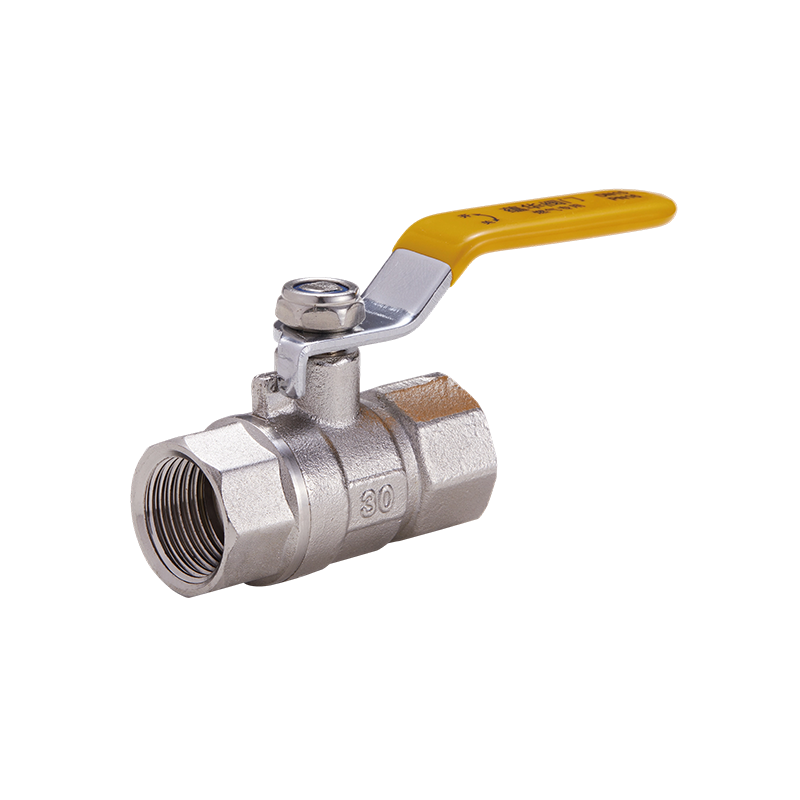
YH-2210 Forged Steel Ball Valve with Long Handle (F/F)
-
 View More
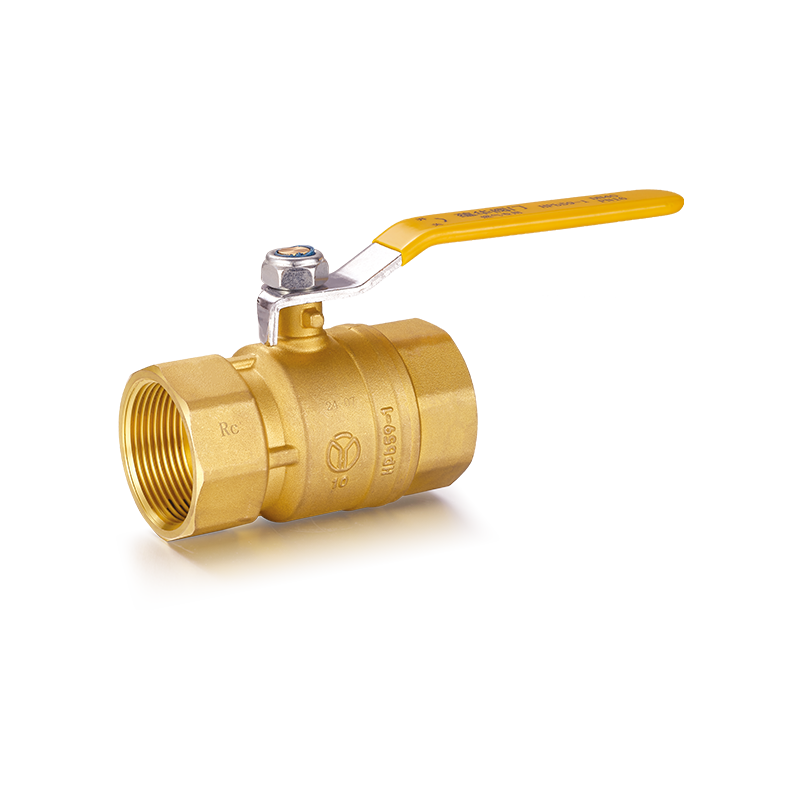
YH-201 Brass Ball Valve with Long Handle(F/F)
-
 View More
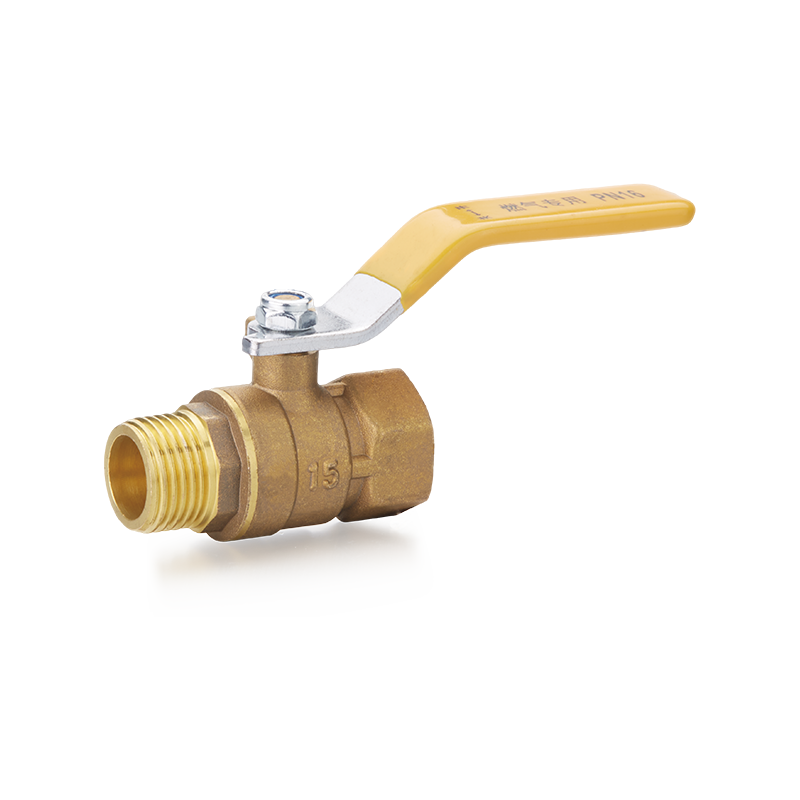
YH-202 Brass Ball Valve with Long Handle(F/M)
-
 View More
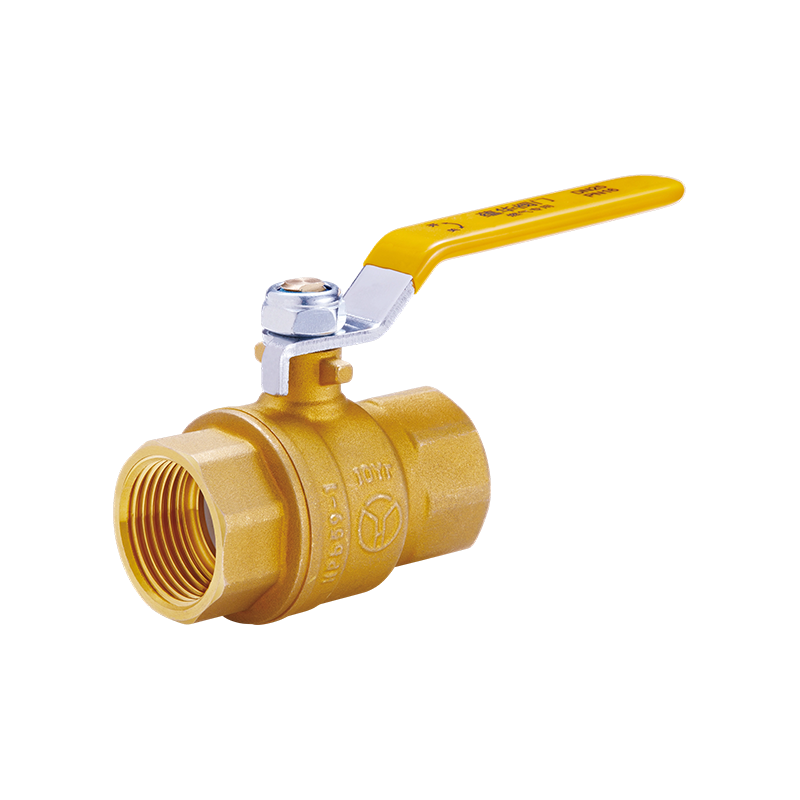
YH-220 Full Port Brass Ball Valve with Long Handle(F/F)
-
 View More
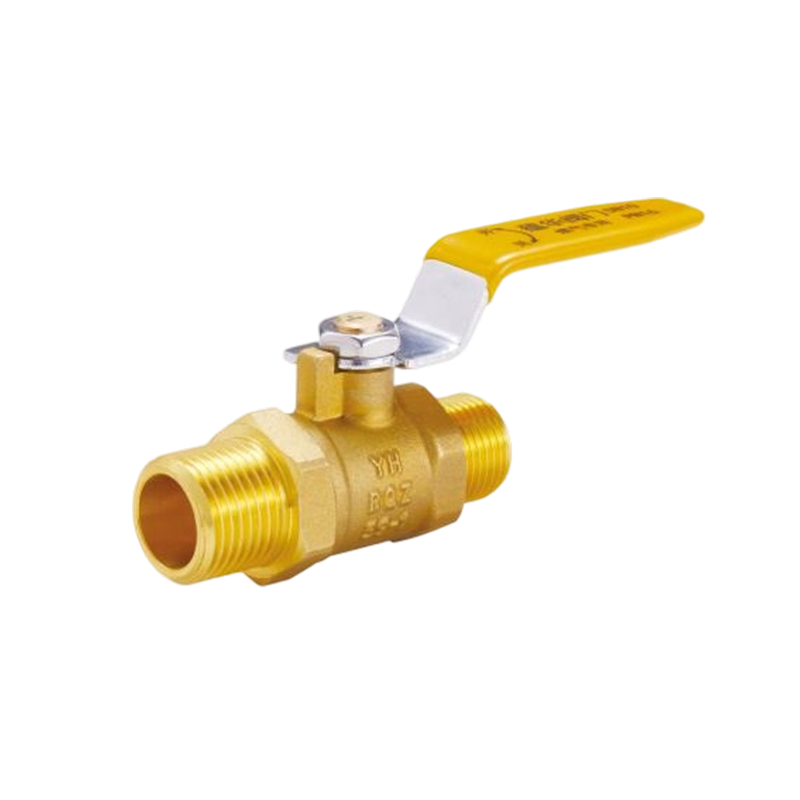
YH-221 Brass Ball Valve with Long Handle(M/M)
Related News
Contact Us
-

-
 +86-0574-63742169
 -
 No.104-128, Cizhang East Road, Zhangqi Town, Cixi City, Ningbo, Zhejiang Province, China


Message Us Now !
