


 English
  русский
  عربى
عربى  Español
YH-202 Brass Ball Valve with Long Handle: Efficient F/M Threaded Control for Modern Utility Systems
Content
- 1 Product Overview
- 2 Key Design Features
- 3 Performance Characteristics
- 4 Comparison with Conventional Threaded Ball Valves
- 5 Technical Specification Table
- 6 Application Scenarios
- 7 Manufacturing Process and Quality Strengths
- 8 Installation Guidance
- 9 Maintenance and Service Recommendations
- 10 Procurement Considerations for Distributors and Project Buyers
- 11 Why Manufacturing Quality Matters
- 12 Safety and Application Limitations
- 13 Frequently Asked Questions
- 13.1 What type of valve is the YH-202?
- 13.2 What does F/M mean in the product name?
- 13.3 What are the available sizes?
- 13.4 What is the pressure rating?
- 13.5 Which media can pass through the valve?
- 13.6 What is the operating temperature range?
- 13.7 Why is the handle longer than a compact valve handle?
- 13.8 Can the valve be used for continuous throttling?
- 13.9 What thread standard is used?
- 13.10 Does the valve require adapters?
- 13.11 Is the valve suitable for gas service?
- 13.12 How should the valve be installed?
- 13.13 What should be done if the handle is hard to turn?
- 13.14 What makes the product attractive to distributors?
- 13.15 Where is the product manufactured?
- 14 Conclusion
- 15 References
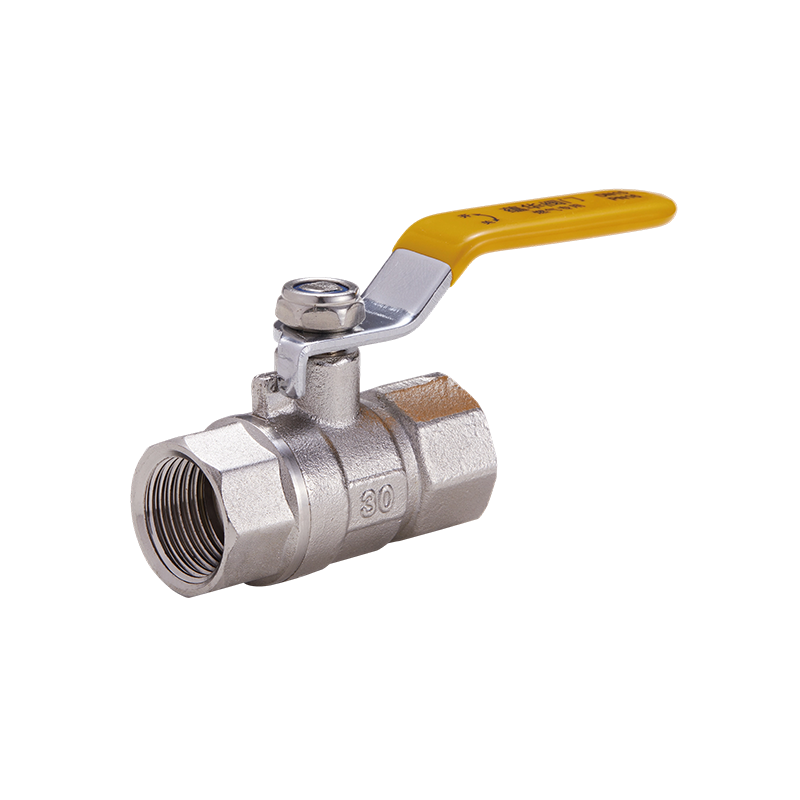
- 16 Product: YH-202 Brass Ball Valve with Long Handle(F/M)
Reliable flow control is essential in residential plumbing, commercial utility networks, gas-related installations, equipment connections, and maintenance projects. A valve may be a relatively small component, but its construction, thread configuration, sealing system, operating force, and dimensional accuracy can have a major effect on the safety and efficiency of an entire pipeline. The YH-202 Brass Ball Valve with Long Handle is designed to address these practical requirements through a combination of brass construction, a female/male threaded interface, a low-effort operating lever, and a corrosion-resistant PTFE sealing system.
Unlike a standard valve with the same thread type at both ends, the YH-202 uses a dual thread interface. One side is female-threaded and the other side is male-threaded, allowing different pipe connections to be joined directly in many mixed-thread applications. This configuration can reduce the need for separate adapters, simplify retrofitting work, and minimize the number of potential leakage points in a pipeline.
The product is manufactured by Ningbo Yunhua Valve Co., Ltd., a professional producer of gas and fluid valves, water supply valves, and hardware accessories. With a production base covering approximately 20,000 square meters, the company operates precision machining, assembly, and testing facilities supported by CNC equipment and automated production systems. Its stated annual capacity includes approximately two million valve sets and ten million hardware accessory sets, providing the manufacturing scale required for both standard supply and repeat-volume procurement.
This article examines the design, performance, application value, manufacturing strengths, selection considerations, and maintenance requirements of the YH-202 Brass Ball Valve with Long Handle.
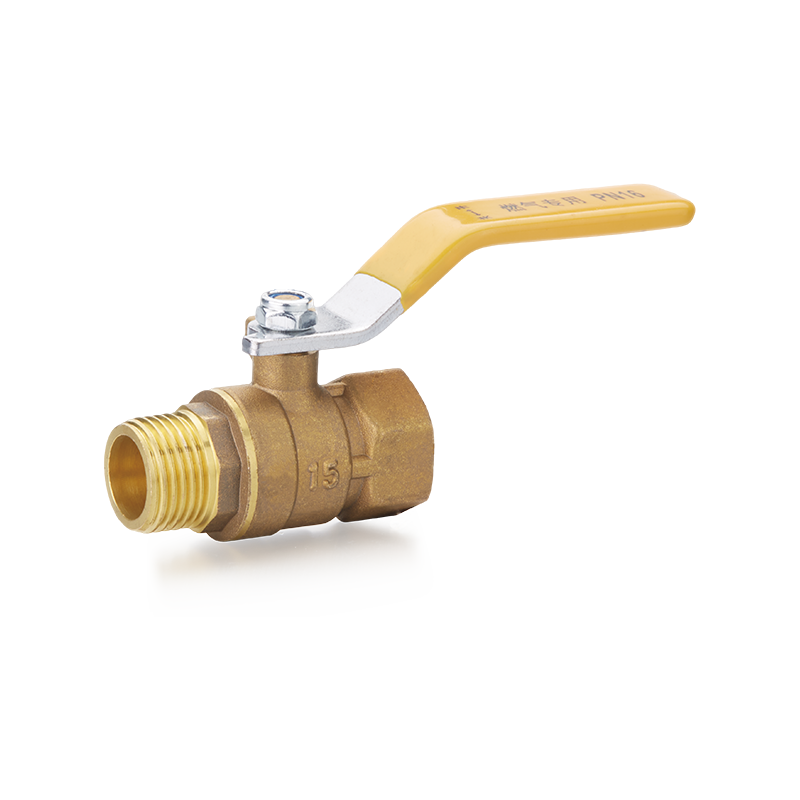
YH-202 Brass Ball Valve with Long Handle(F/M)
Product Overview
The YH-202 is a brass ball valve developed for applications requiring dependable shutoff, practical installation, and convenient manual operation. Its primary function is on/off control: when the internal ball is aligned with the pipeline, the working medium can pass through; when the ball is rotated approximately 90 degrees, the passage is closed.
The valve belongs to the brass long-handle ball valve category. Brass is widely used in valve manufacturing because it provides a useful balance of mechanical strength, machinability, corrosion resistance, and cost efficiency. It is also suitable for many water, gas, and non-corrosive fluid applications when the operating conditions remain within the specified limits.
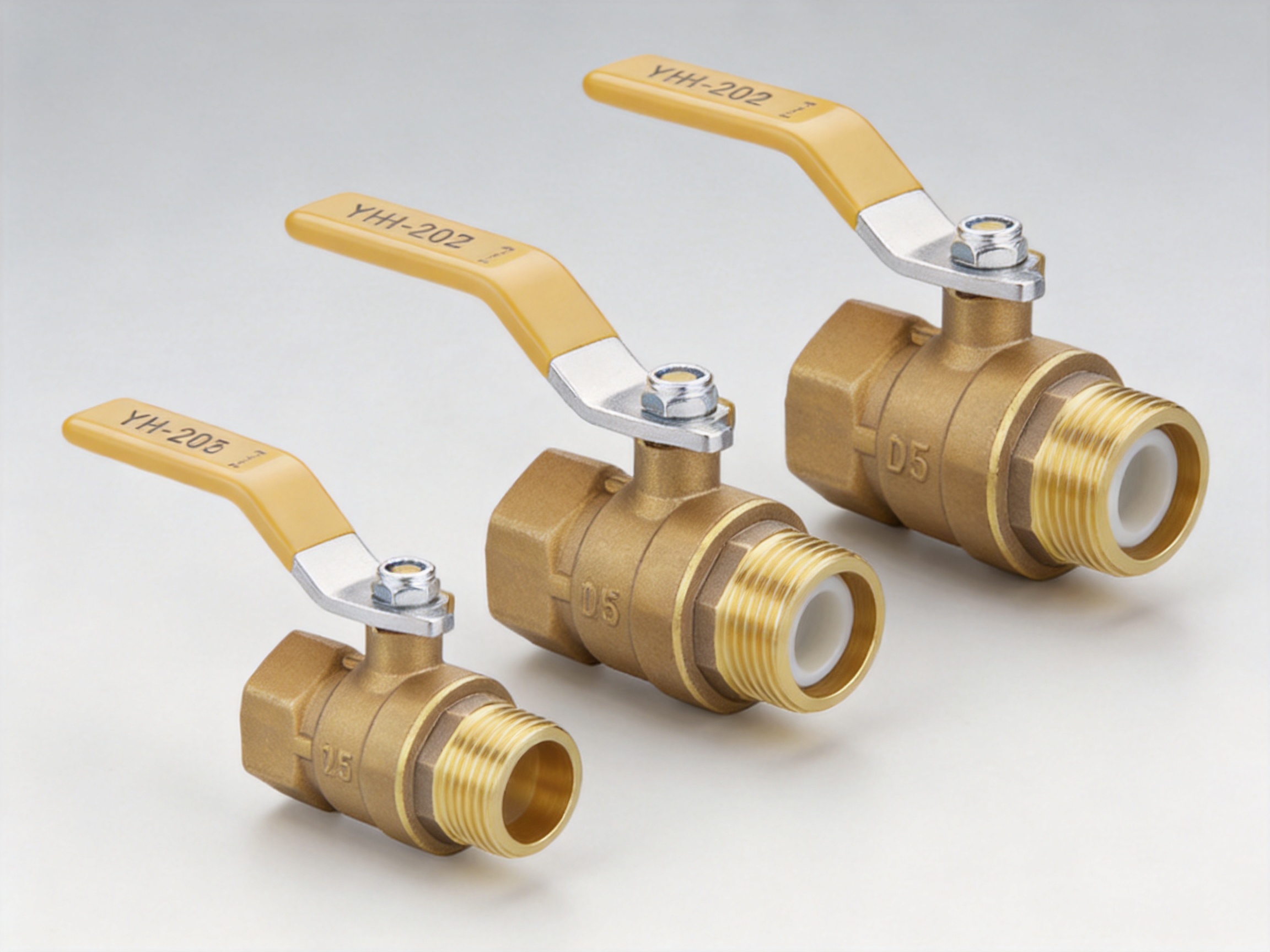
The YH-202 is available in DN15, DN20, and DN25 sizes. These nominal sizes correspond to common small-diameter utility connections and make the product suitable for plumbing systems, equipment branches, service lines, utility connections, and repair or replacement work.
The product information specifies a nominal pressure of 1.6 MPa and a working temperature range of -20°C to below 80°C. The working media include water, non-corrosive fluids, and gas. The threaded connections use parallel pipe thread in accordance with ISO 228, supporting compatibility with relevant threaded pipe and fitting systems.
Key Design Features
Female/Male Dual Thread Interface
The most distinctive feature of the YH-202 is its F/M threaded configuration. A female thread on one end and a male thread on the other allow the valve to connect between components with different connection requirements.
In a conventional installation, a pipeline transition may require a valve, one or more adapters, additional seals, and extra labor. The YH-202 can reduce this component count in suitable applications. Direct connection is particularly useful during pipeline modifications, equipment replacement, and mixed-thread plumbing work where the existing pipe arrangement does not use identical connection ends.
Fewer connection components can provide several practical benefits. Installation may be faster because fewer fittings must be selected and assembled. The overall assembly may be shorter, which is valuable in confined spaces. The number of threaded joints may also be reduced, lowering the number of locations that require sealing and inspection.
This design does not eliminate the need for correct thread verification. Before installation, the user should confirm the nominal size, thread standard, thread direction, and compatibility of the mating components. The valve is specified with parallel pipe threads to ISO 228, so the connected pipe or fitting should be appropriate for that standard and should be sealed using a suitable method.
Ergonomic Long Handle
The extended handle is designed to make manual operation easier than a compact lever or small knob. A longer lever provides greater mechanical advantage, allowing the operator to generate the required turning torque with less hand effort.
This feature is useful in several situations. Maintenance staff may need to operate the valve while wearing gloves. Building service valves may be located in a cabinet, ceiling void, service duct, or narrow mechanical room. Users with limited hand strength may also benefit from the improved leverage. In these circumstances, the long handle can make the difference between quick, controlled operation and difficult or incomplete shutoff.
The handle also provides a clear visual indication of valve position. In a typical quarter-turn ball valve, the handle direction corresponds to the orientation of the internal passage. When aligned with the pipe, the valve is generally open; when positioned across the pipe, it is generally closed. Operators should still verify the actual installation and operating instructions, especially where the valve is used in a critical system.
Brass Valve Body
The brass body provides the structural foundation of the valve. It must withstand internal pressure, thread engagement forces, repeated handling, and environmental exposure. Brass is well suited to this role because it can be precision-machined to produce accurate ports, threads, and sealing surfaces.
Compared with less robust low-cost alternatives, a properly manufactured brass body can offer better dimensional stability and a more dependable foundation for threaded connections. It is also less susceptible to ordinary atmospheric corrosion than many unprotected ferrous materials. This makes brass a practical choice for indoor utility installations, plumbing systems, and equipment connections.
Material selection alone does not guarantee performance. Brass quality, machining accuracy, wall thickness, inspection procedures, and assembly control all influence service reliability. For this reason, the manufacturer’s production and testing capabilities are important factors when comparing valves with similar external appearances.
PTFE Sealing System
The YH-202 uses PTFE for the valve seat and stem sealing system. PTFE is widely selected for valve sealing because of its low friction, chemical resistance, and ability to provide a tight interface between moving and stationary components.
Low friction is especially valuable in a manually operated valve. It helps the ball rotate smoothly and supports the low-torque operating objective of the long-handle design. Chemical resistance helps the sealing components withstand contact with water and many non-corrosive fluids under appropriate conditions.
The sealing system is intended to support reliable shutoff and long-term service. However, the actual service life depends on the medium, pressure, temperature, installation quality, frequency of operation, and presence of suspended particles. PTFE should not be treated as a universal solution for every chemical or high-temperature application. Users should verify compatibility before applying the valve to unusual media.
Performance Characteristics
1.6 MPa Pressure Resistance
The YH-202 is rated for a nominal pressure of 1.6 MPa. This pressure level makes it suitable for many medium-pressure utility systems, including common water supply branches, building service connections, and selected gas or non-corrosive fluid applications.
Pressure resistance is determined by the complete valve assembly rather than by the body alone. The body, ball, stem, seat, seals, threads, and assembly quality must work together. A correctly selected valve should be operated within its rated pressure and temperature limits, with consideration given to pressure surges, installation orientation, and the actual characteristics of the working medium.
Pipeline designers should distinguish between normal operating pressure and transient pressure. Pump starts, rapid valve closure, elevation changes, and other system events can create short-duration pressure spikes. If a system may experience water hammer or other transient effects, a broader engineering assessment is recommended rather than relying only on the nominal system pressure.
Working Temperature Range
The specified working temperature range is -20°C to below 80°C. This range covers many indoor and outdoor utility conditions, including ordinary cold-water service and moderate ambient environments.
Temperature affects both the working medium and the valve materials. As temperature changes, pressure ratings, seal behavior, and material strength may also change. The stated range should therefore be treated as a design boundary. Applications involving steam, hot oil, high-temperature process fluids, or severe thermal cycling require a valve specifically qualified for those conditions.
Suitable Working Media
The YH-202 is specified for water, gas, and non-corrosive fluids. In water service, it may be used for supply lines, equipment branches, maintenance isolation, and building utility connections. For gas service, the complete system must comply with applicable local regulations and installation requirements, including any rules concerning approved materials, leak testing, ventilation, and valve accessibility.
For non-corrosive fluids, the user should evaluate the compatibility of the fluid with brass, PTFE, stem seals, and any other internal components. A fluid may be described as non-corrosive under one temperature and concentration but behave differently under another. Chemical compatibility data and professional engineering guidance should be used for industrial service.
Comparison with Conventional Threaded Ball Valves
The YH-202 offers several advantages over a basic threaded ball valve, particularly where installation flexibility and ease of operation are important. A standard valve with female threads on both ends may be suitable for a conventional pipeline, but it can require an additional male adapter when the surrounding arrangement does not match. A male/male valve may present the opposite problem.
The F/M configuration can reduce this limitation. It is not necessarily the best choice for every pipeline, but it is highly practical when a direct female-to-male transition is required. This provides a clear advantage over same-thread valves in retrofit and repair situations.
The long handle is another differentiating feature. Compact handles may be acceptable in open areas with unrestricted access, but they can be awkward in confined spaces or when the operator needs to use gloves. The extended lever can reduce manual effort and make the control position easier to identify.
The brass body also provides a strong alternative to lightweight plastic valves in applications where a threaded metal connection and greater mechanical durability are preferred. Plastic valves may be useful in selected low-pressure systems, but brass is often favored for service points exposed to repeated installation, maintenance, or mechanical handling.
Compared with larger industrial valves, the YH-202 provides a compact and economical solution for small-diameter utility lines. It is not intended to replace specialized high-temperature, high-pressure, corrosive-service, or automated process valves. Its advantage lies in delivering practical shutoff control for common utility conditions without unnecessary complexity.
Technical Specification Table
| Specification | DN15 | DN20 | DN25 |
|---|---|---|---|
| Nominal size | DN15 | DN20 | DN25 |
| Length L | 61.5 mm | 74 mm | 85.5 mm |
| Port dimension D | 12 mm | 18 mm | 22 mm |
| Handle dimension A | 86 mm | 90 mm | 120 mm |
| Body or height dimension B | 42 mm | 45 mm | 51 mm |
| G thread | 1/2 | 3/4 | 1 |
| R thread | 1/2 | 3/4 | 1 |
| Nominal pressure | 1.6 MPa | ||
| Working media | Water, gas, and non-corrosive fluids | ||
| Working temperature | -20°C to below 80°C | ||
| Thread standard | Parallel pipe thread to ISO 228 | ||
The dimensions above are useful for preliminary selection and layout planning. Before production installation, the purchaser should confirm the latest technical drawing, tolerances, connection details, and any project-specific requirements with the supplier. The dimensions of adjacent pipes, insulation, access panels, supports, and handle clearance should all be considered.
Application Scenarios
Pipeline Retrofitting
Retrofitting often involves connecting new components to an existing pipeline that was not designed as a complete new system. Pipe materials, thread arrangements, and available installation space may vary. The YH-202 can simplify selected retrofit tasks by allowing a female-threaded component to connect directly with a male-threaded component.
This is particularly useful when an old valve is being replaced, a maintenance isolation point is being added, or a branch line is being adapted to a new piece of equipment. The installer should examine the existing connection carefully and avoid forcing mismatched threads together. Direct connection is beneficial only when the mating standards and sizes are correct.
Mixed-Thread Plumbing Systems
Residential and commercial plumbing systems may include valves, meters, pumps, filters, flexible connectors, and equipment ports with different thread configurations. A dual-thread valve can help bridge these connection requirements while keeping the assembly compact.
In a service cabinet or equipment enclosure, every additional adapter increases the required length and may make access more difficult. A shorter assembly can improve maintainability and reduce the risk of accidental impact. The YH-202’s long handle should also be assessed for clearance so that it can rotate through its full operating range.
Water Supply Connections
For water systems within the specified pressure and temperature range, the valve can provide local isolation for fixtures, appliances, branches, and small utility lines. Local shutoff points are valuable during maintenance because they allow one section of the system to be isolated without stopping the entire building supply.
Brass construction and PTFE sealing make the product suitable for many ordinary water applications. The installer should flush the pipeline before commissioning to remove chips, grit, thread sealant fragments, and other debris that could affect the sealing surfaces.
Gas and Utility Service
The product information identifies gas as one of the working media. Gas installations require strict attention to regional codes, approved materials, pressure levels, leak testing, ventilation, and qualified installation personnel. The YH-202 should only be used in gas applications where its specifications and approvals meet the requirements of the intended project.
After installation, all gas connections should be tested using an approved procedure. Open flames must never be used for leak detection. The valve should be positioned where it is accessible for emergency shutoff and routine inspection.
Commercial and Residential Buildings
In buildings, maintenance convenience can be as important as initial installation cost. A long-handle valve can be easier to identify and operate in plant rooms, service shafts, utility cupboards, and equipment areas. The F/M thread arrangement can also support the practical replacement of valves during renovation and maintenance programs.
For large building projects, procurement teams may benefit from standardized valve selection. Using a consistent product family across DN15, DN20, and DN25 branches can simplify inventory, staff training, inspection, and replacement planning.
Manufacturing Process and Quality Strengths
Integrated Production Capability
Ningbo Yunhua Valve Co., Ltd. specializes in the research, development, production, sales, and service of gas and fluid valves, water supply valves, and hardware accessories. This integrated focus allows product development and production experience to inform one another. Feedback from machining, assembly, testing, and customer applications can be used to improve future product designs.
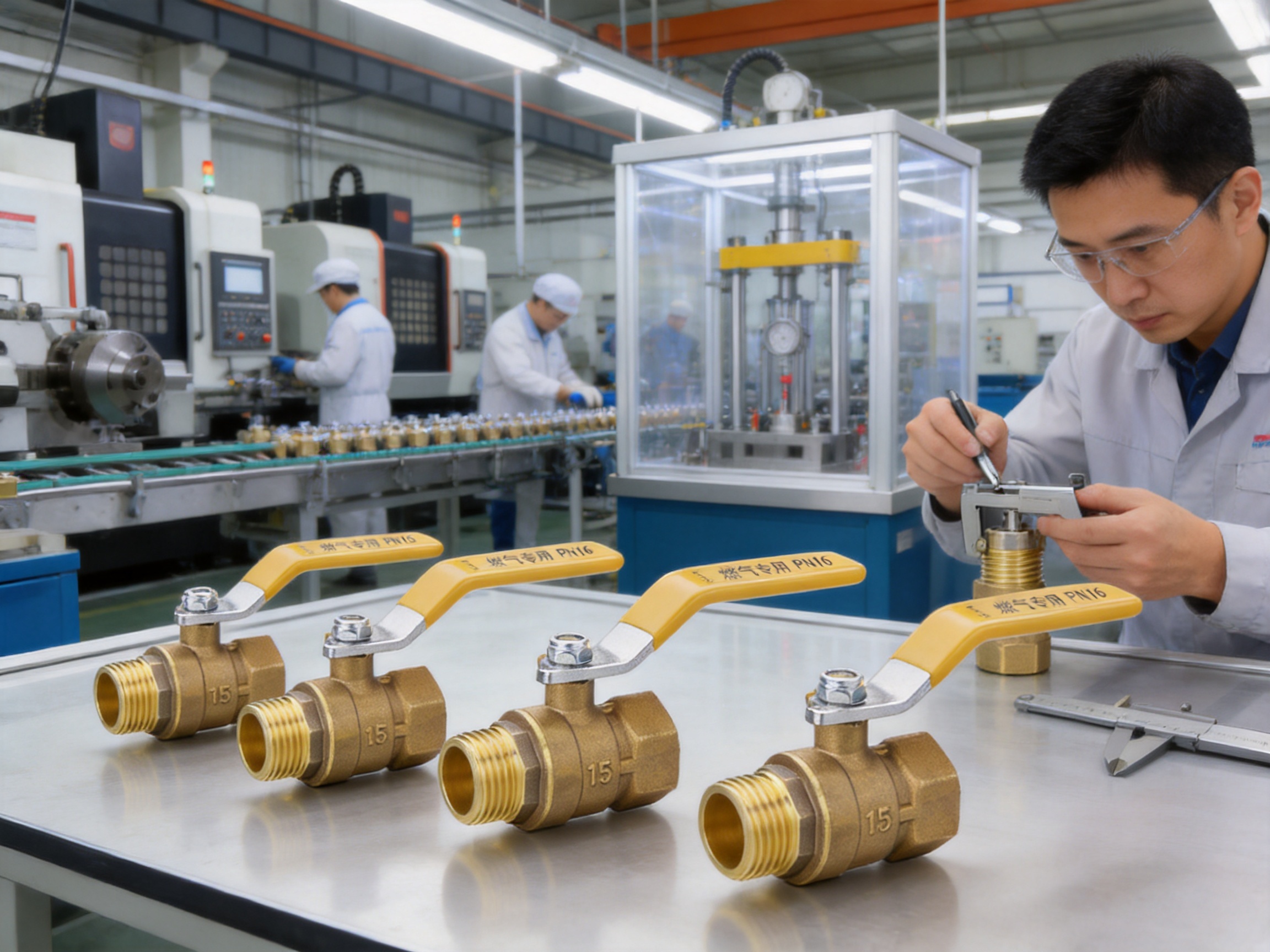
The company operates across an approximately 20,000-square-meter production site. Its facilities include a precision machining workshop, assembly line, and testing workshop. This type of internal production structure can help coordinate multiple manufacturing stages and reduce dependence on disconnected external processes.
For a threaded brass ball valve, process consistency is important. The body must be machined accurately, the threads must meet the required dimensions, the internal ball must align correctly with the passage, and the sealing elements must be assembled without damage. A controlled production flow helps maintain consistency across repeated batches.
Precision CNC Machining
CNC machine tools support the accurate manufacture of valve bodies, ports, stems, and other precision components. Computer-controlled machining can provide repeatable dimensions and stable surface quality when supported by appropriate tooling, programming, inspection, and maintenance.
Accurate machining is particularly important for a compact valve because small deviations can affect thread engagement, ball alignment, handle position, and sealing performance. CNC production also makes it easier to maintain consistency among DN15, DN20, and DN25 models while preserving the intended geometry of each size.
The use of advanced domestic and international CNC machine tools demonstrates the company’s commitment to mechanized precision production. Equipment capability must be matched by skilled operators, process documentation, tool management, and regular quality verification. When these elements work together, the manufacturer can achieve more stable output than a workshop relying primarily on manual machining.
Automated Assembly
Automated or semi-automated assembly equipment can help control the installation of seats, seals, balls, stems, handles, and related components. Consistent assembly force and positioning reduce variation between individual valves.
Automation is especially useful in high-volume production. The company reports an annual production capacity of approximately two million valve sets and ten million hardware accessory sets. Such capacity indicates that the manufacturer has developed production systems capable of supporting substantial order quantities while maintaining repeatable workflows.
Automation does not replace quality personnel. Operators and inspectors remain important for component verification, visual checks, process monitoring, and response to abnormalities. The strongest manufacturing model combines automated repeatability with human technical judgment.
Testing Workshop
A dedicated testing workshop provides an essential control point for valve production. Testing can identify problems that may not be visible during machining or assembly, including leakage, incorrect operation, inadequate sealing, or dimensional issues.
For the YH-202, pressure and sealing checks are particularly relevant because the product is intended for water, gas, and non-corrosive fluid applications. A valve that operates smoothly but fails to seal is not suitable for service. Testing therefore supports both product reliability and customer confidence.
Quality testing should be conducted according to defined procedures and appropriate equipment. Test conditions should reflect the valve’s rated performance and the applicable product standards. Records, sampling plans, corrective actions, and traceability can further strengthen production control.
Installation Guidance
Pre-Installation Inspection
Before installation, confirm that the valve size matches the pipeline. Check whether the required connection is DN15, DN20, or DN25, and verify the female and male thread arrangement. Inspect the valve body, handle, threads, and visible sealing surfaces for damage.
The pipeline should be clean and properly supported. Dirt, metal chips, rust flakes, or sealant fragments can enter the valve and interfere with the ball or seats. The pipe ends should be aligned with the valve connections so that the valve is not subjected to excessive bending or twisting forces.
Thread Sealing
Use a thread-sealing method suitable for the working medium and local installation requirements. The sealant should be applied carefully so that excess material does not enter the internal passage. Excessive sealant can obstruct the flow path, contaminate the sealing system, or prevent correct thread engagement.
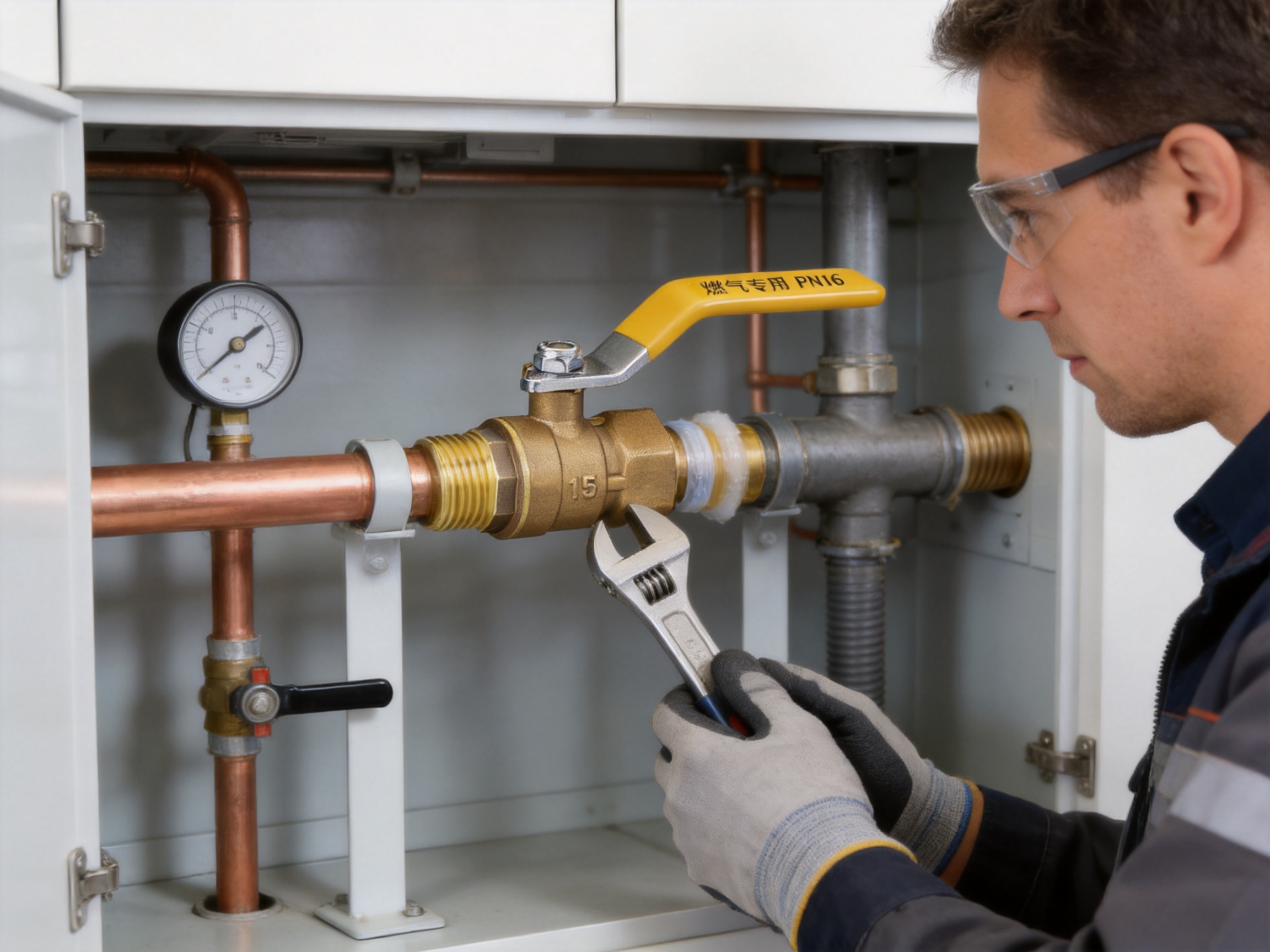
When connecting the valve, tighten the fitting using the appropriate tool on the valve body or designated wrench flats. Do not use the handle as a lever for tightening. Applying force to the handle can damage the stem or operating mechanism.
Handle Clearance
The long handle requires enough space for a complete quarter-turn movement. During layout planning, allow clearance around the handle and consider nearby walls, pipes, insulation, covers, and electrical equipment.
The valve should be positioned so that its operating status can be seen and the handle can be reached without unnecessary risk. If the valve is installed in a concealed location, access panels or other maintenance provisions should be included.
Commissioning
After installation, open the valve gradually and inspect all connections for leakage. The system should be tested using the correct procedure for the working medium. For gas service, use an approved leak-detection method and follow all applicable safety regulations.
Operate the valve several times, if appropriate for the system, to confirm smooth movement. Avoid using excessive force. If the handle is difficult to turn, investigate possible causes such as misalignment, debris, excessive pressure differential, damaged threads, or incorrect installation.
Maintenance and Service Recommendations
Ball valves are generally low-maintenance products, but routine inspection improves service reliability. The valve should be checked periodically for external leakage, corrosion, handle damage, abnormal operating resistance, and signs of mechanical stress.
Where the system permits, the valve should be operated occasionally rather than left unused for many years. Periodic operation can help confirm that the ball and stem remain functional. The frequency depends on the application, medium, safety requirements, and maintenance schedule.
If leakage is observed around the threaded connection, first confirm whether the leak originates from the pipe joint or from the valve body and stem area. Depressurize the system before attempting corrective work. Never dismantle a pressurized valve.
Water containing substantial sediment or particles may accelerate wear on sealing surfaces. Filtration or upstream cleaning may be appropriate in systems where contamination is expected. If the valve becomes damaged or fails a pressure test, replacement by a qualified technician is recommended.
Because the valve is a shutoff device rather than a precision flow-control instrument, it should normally be used in fully open or fully closed positions. Leaving a ball valve partially open for continuous throttling may increase wear, turbulence, and seat damage unless the manufacturer has specifically approved that use.
Procurement Considerations for Distributors and Project Buyers
Distributors should confirm the product code, nominal size range, thread arrangement, pressure rating, temperature range, and working media before placing an order. The YH-202 is especially appropriate for customers who need a direct F/M threaded connection and an easy-to-operate lever.
Project buyers should evaluate the complete installation environment rather than selecting solely by nominal diameter. Important considerations include available length, handle clearance, pressure surges, ambient temperature, medium compatibility, regulatory requirements, and maintenance access.
For repeat procurement, stable manufacturing capacity is an important advantage. A supplier with machining, assembly, and testing facilities can be better positioned to provide consistent products across multiple orders. Ningbo Yunhua Valve Co., Ltd.’s reported valve and hardware accessory capacity supports applications ranging from individual maintenance purchases to larger distribution and building-service programs.
Buyers may also request relevant quality documents, inspection records, packaging specifications, and product drawings according to project requirements. Clear communication at the quotation stage helps prevent confusion regarding thread standards and connection orientation.
Why Manufacturing Quality Matters
Two valves can appear similar while performing differently in service. The difference may result from the quality of the brass, the accuracy of the threads, the finish of the ball, the consistency of PTFE seat installation, the stem design, or the final pressure test.
A valve intended for mixed-thread installation must have accurately formed connection ends. Poorly controlled threads can create difficult assembly, insufficient engagement, or leakage. A long handle must be securely connected to the stem and positioned correctly. Sealing components must be installed without cuts, distortion, or contamination.
Manufacturing quality is therefore not limited to visual appearance. It includes material control, machining, assembly, inspection, testing, packaging, and continuous process improvement. The company’s investment in automated precision equipment and dedicated testing resources strengthens the foundation for reliable product output.
Ningbo Yunhua Valve Co., Ltd. has developed its management system and professional team over more than ten years of business development. Its corporate direction emphasizes high-quality valves and a safer fluid-control ecosystem. This combination of technical infrastructure, production capacity, and industry focus supports the practical requirements of the YH-202 product line.
Safety and Application Limitations
The YH-202 should be selected and installed only for conditions within its stated specifications. The rated pressure is 1.6 MPa, and the working temperature is from -20°C to below 80°C. The listed media are water, gas, and non-corrosive fluids.
Do not use the valve for media that may attack brass, PTFE, or the stem sealing materials without confirming compatibility. Do not exceed the pressure or temperature limits. Do not install a valve that has been dropped, visibly damaged, or exposed to conditions outside its intended service range.
Gas systems require special attention. Installation, inspection, pressure testing, and commissioning should be completed by qualified personnel in accordance with local laws and technical standards. The valve must remain accessible for emergency operation and should not be concealed behind permanent construction without an approved access arrangement.
When the valve is used in drinking-water systems, the purchaser should verify that the product and materials meet the applicable potable-water requirements of the destination market. Regulatory acceptance may vary by country or region.
Frequently Asked Questions
What type of valve is the YH-202?
The YH-202 is a brass ball valve with a long manual handle and a female/male threaded connection. It is intended primarily for on/off isolation in small-diameter utility pipelines.
What does F/M mean in the product name?
F/M means female/male. One connection end has a female thread and the other has a male thread. This allows direct connection between compatible components with different thread configurations.
What are the available sizes?
The available nominal sizes are DN15, DN20, and DN25. The corresponding thread sizes listed for the product are 1/2, 3/4, and 1.
What is the pressure rating?
The stated nominal pressure is 1.6 MPa. The valve should be used within this rating and within any lower limits required by the system design, temperature, local regulations, or transient pressure conditions.
Which media can pass through the valve?
The specified working media are water, gas, and non-corrosive fluids. Chemical compatibility should be confirmed for any fluid outside ordinary utility service.
What is the operating temperature range?
The specified range is -20°C to below 80°C. Applications outside this range require a different product or written technical confirmation.
Why is the handle longer than a compact valve handle?
The long handle provides greater leverage, helping reduce the manual effort required to rotate the valve. It can also improve accessibility and make the valve position easier to identify.
Can the valve be used for continuous throttling?
It is primarily intended for shutoff and isolation. Continuous partial opening may cause unnecessary wear or turbulence, so a dedicated control valve should be considered when precise flow regulation is required.
What thread standard is used?
The product information specifies parallel pipe thread to ISO 228. The mating pipe or fitting should use a compatible size and thread standard.
Does the valve require adapters?
In suitable applications, the F/M design can connect compatible female and male components directly, reducing the need for an adapter. However, adapters may still be necessary when the size, thread standard, orientation, or connection type does not match.
Is the valve suitable for gas service?
Gas is listed as a working medium, but the installation must meet all applicable local requirements. Qualified personnel should verify the product’s suitability, conduct leak testing, and ensure that the valve remains accessible.
How should the valve be installed?
Verify the size and thread arrangement, clean and support the pipeline, apply an appropriate thread seal, tighten the connection without using the handle as a wrench, and inspect the system after gradual pressurization.
What should be done if the handle is hard to turn?
Do not force it. Check for pressure differential, pipe misalignment, debris, damaged threads, or incorrect installation. Depressurize the system before inspection or repair and consult a qualified technician if necessary.
What makes the product attractive to distributors?
The product combines a practical F/M connection, common nominal sizes, brass construction, a long operating handle, and a 1.6 MPa rating for many utility applications. The manufacturer’s machining, assembly, and testing capabilities also support repeat-volume supply.
Where is the product manufactured?
The product is manufactured by Ningbo Yunhua Valve Co., Ltd. in Ningbo, Zhejiang Province, China.
Conclusion
The YH-202 Brass Ball Valve with Long Handle is designed around the practical challenges of modern utility installation. Its female/male thread configuration can simplify mixed-thread connections and reduce adapter requirements. Its long handle supports low-effort operation and improved access. Its brass body provides a durable metal construction, while the PTFE sealing system supports smooth movement and dependable shutoff when used within the specified conditions.
With DN15, DN20, and DN25 options, a nominal pressure of 1.6 MPa, a working temperature range of -20°C to below 80°C, and compatibility with water, gas, and non-corrosive fluids, the valve is suitable for many residential, commercial, retrofit, and utility applications.
The product’s value is strengthened by the manufacturing capabilities of Ningbo Yunhua Valve Co., Ltd. The company combines product development, precision machining, automated assembly, testing, and large-scale production capacity within a specialized valve and hardware accessory operation. These capabilities provide a strong basis for consistent quality, dependable supply, and continued product improvement.
For installers, the YH-202 offers a compact and convenient connection solution. For distributors and project buyers, it provides a versatile product option supported by an established manufacturing system. Correct sizing, thread verification, pressure selection, medium compatibility, and professional installation remain essential to achieving the best service performance.
References
1. Product specification data for the YH-202 Brass Ball Valve with Long Handle, including nominal sizes, dimensions, pressure rating, working media, temperature range, and thread standard.
2. ISO 228, Pipe Threads Where Pressure-Tight Joints Are Not Made on the Threads.
3. General engineering principles for manually operated quarter-turn ball valves and threaded pipeline connections.
4. Manufacturer information concerning Ningbo Yunhua Valve Co., Ltd., its production facilities, management development, manufacturing capacity, and valve product focus.
5. General installation and maintenance practices for brass valves, PTFE sealing components, water systems, and gas utility connections.
Product: YH-202 Brass Ball Valve with Long Handle(F/M)

Related Products
-
View More
-
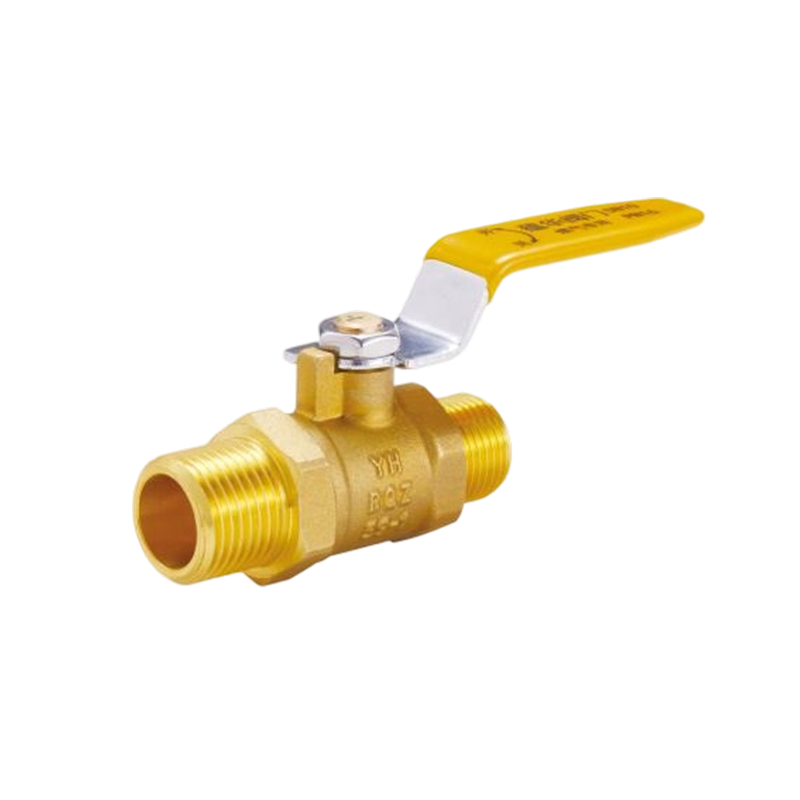 View More
YH-221 Brass Ball Valve with Long Handle(M/M)
-
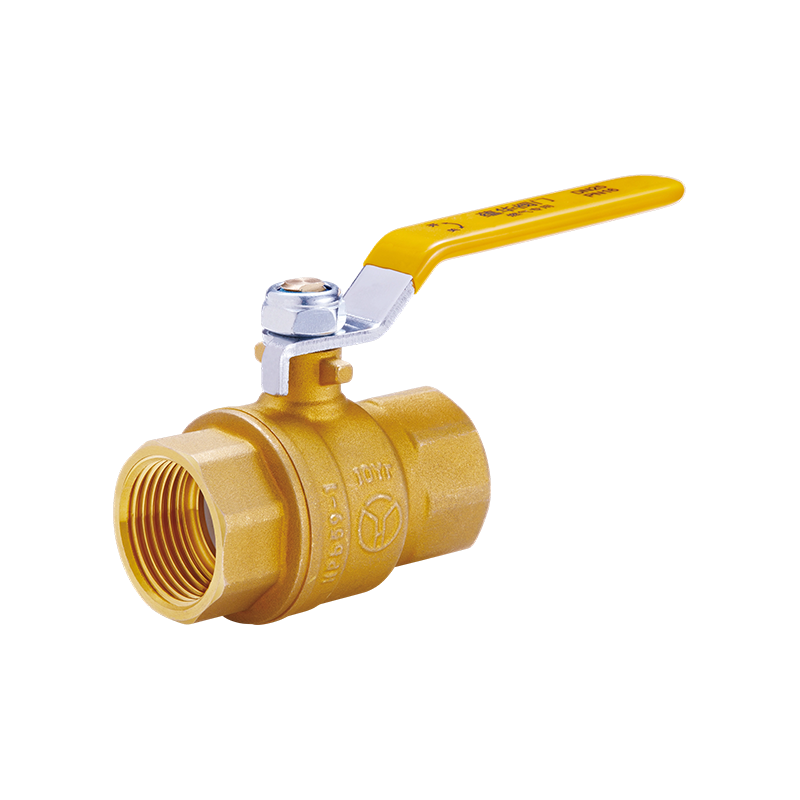 View More
YH-220 Full Port Brass Ball Valve with Long Handle(F/F)
-
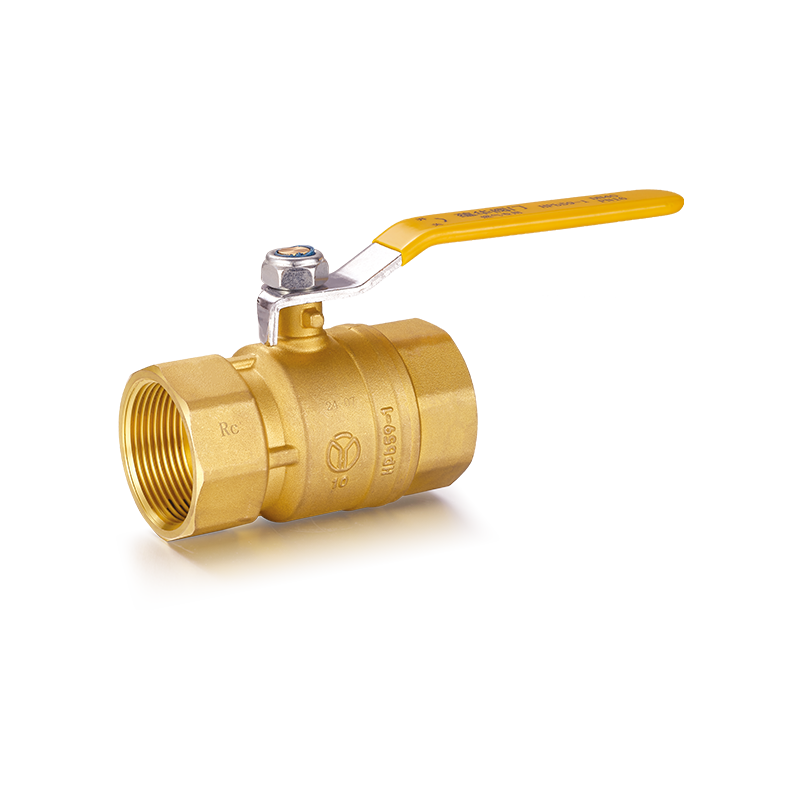 View More
YH-201 Brass Ball Valve with Long Handle(F/F)
-
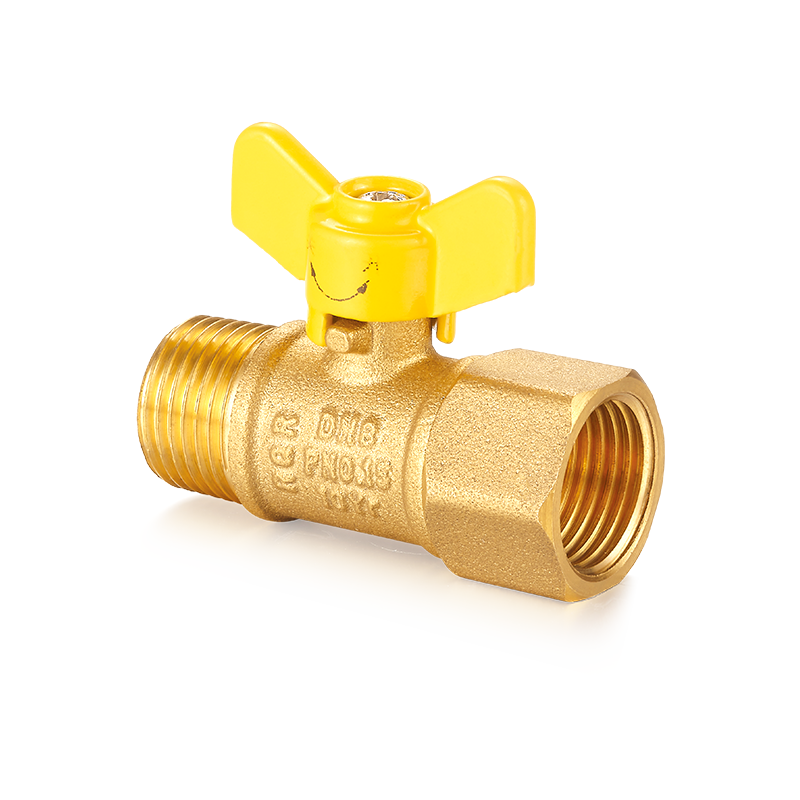 View More
YH-205 Brass Ball Valve with Butterfly Handle(F/M)
-
 View More
YH-2210 Forged Steel Ball Valve with Long Handle (F/F)
Related News
Contact Us
-

-
 +86-0574-63742169
 -
 No.104-128, Cizhang East Road, Zhangqi Town, Cixi City, Ningbo, Zhejiang Province, China


Message Us Now !
